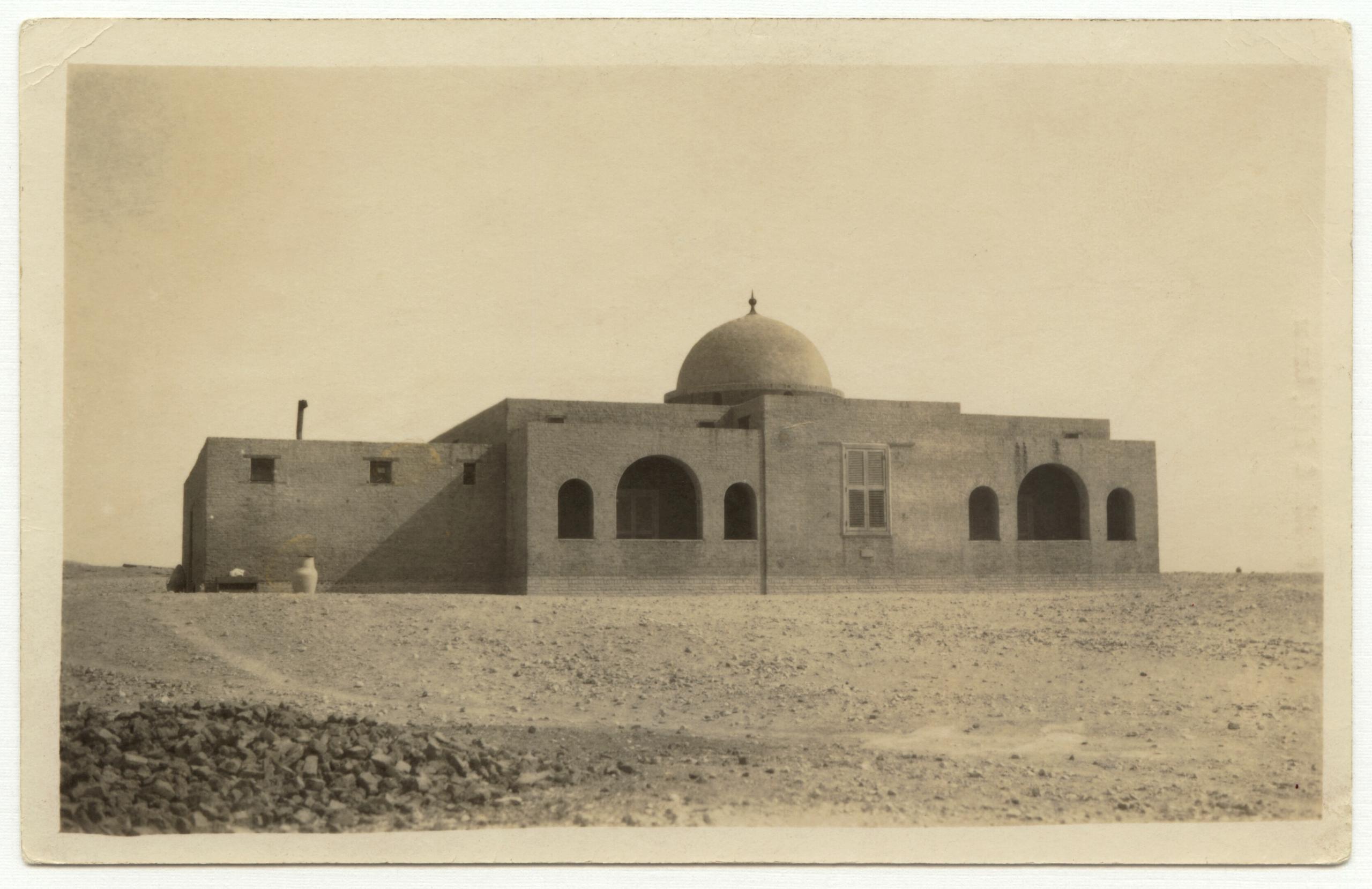
Old Chicago House
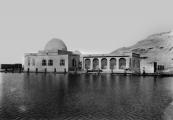
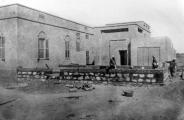
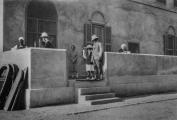
Old Chicago House during the flood. Epigraphic Survey Negative 394. Courtesy of the Institute for the Study of Ancient Cultures of the University of Chicago.
About
About
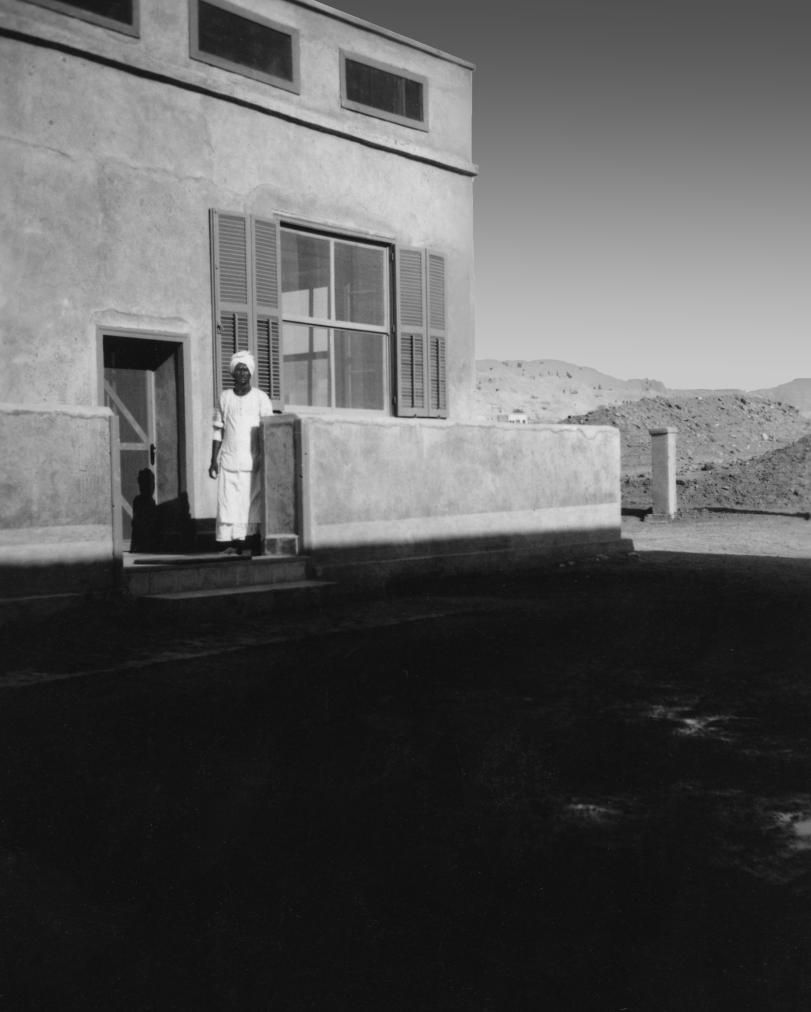
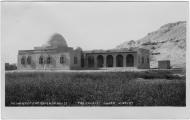
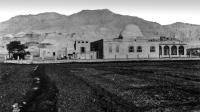
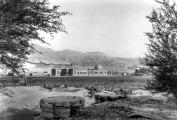
The Old Chicago House was situated adjacent to the Memorial Temple of Amenhotep III. Built in 1924, the house was constructed in a similar architectural style to the other contemporary dig houses on the West Bank. It may have been inspired partly by the architectural designs of Somers Clarke, whose other dig houses in Egypt included Islamic and Coptic architectural elements.
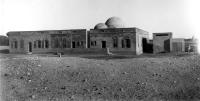
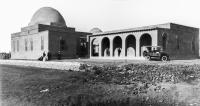
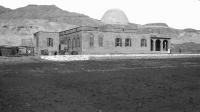
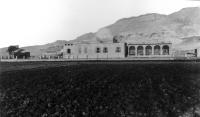
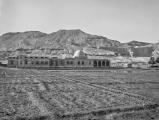
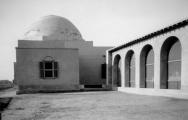
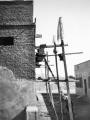
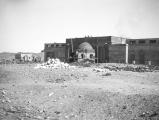
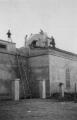
The first building phase of Old Chicago House, wood-framed and built of mudbrick, had two domes with octagonal bases on one side of the house. The larger, eastern dome, 7 meters in diameter, surmounted the sitting room and had a slightly conical shape, as opposed to the fully rounded domes seen in other dig houses nearby. The second, western dome, 3.5 meters in diameter, covered what had been the dark room before its conversion into a storeroom. The north end of the house included a veranda with a series of tall arches, and the rectilinear windows with wood shutters were decorated with half-moon recesses at the top in order to suggest an arched window. Like the Metropolitan House, the primary roof of Chicago House was made of wood and overlaid with a secondary roof that provided shade and ventilation.
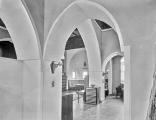
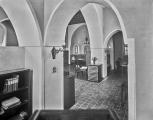
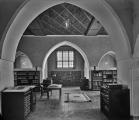
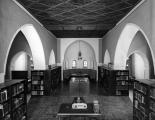
Between 1926 and 1927, the house was considerably expanded. The eastern building, the living quarters, were extended to the south, and a second building, the western building, was added in the house’s last construction phase, in 1927. To the eastern building were added other rooms were also added, including six bedrooms, two baths, two photographic studios, a study, and a sitting room. The second building included the library, drawing room, three baths, three offices, five bedrooms, a storeroom, and the workmen’s quarters. The large new library built of fired brick was added to the house and named after the Chicago House’s benefactor, Julius Rosenwald. Its interior had high arched doorways, with high plastered walls and a tiled floor. On one side, a series of arched windows were set within an apse-shaped niche, which was fitted with a seating area.
There were structural integrity problems with the early phase of the library, particularly with regard to the dome over the center of the library. The necessary building materials to support this heavy structure were too expensive, but the aesthetics nevertheless took precedence over practical requirements, weakening the dome and putting the collection in danger. Ultimately, the dome was replaced by a flat roof, with the interior resembling that of a basilica, a format that had been proposed by Uvo Hölscher, the architect of the Architectural Survey. The pillars supporting the roof were shortened, and tall pointed arches were added, yielding a more stable structure.
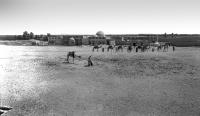
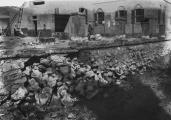
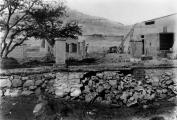
The original house and its extensions faced threats of structural damage caused by the inundation of the Nile, which, as one of the photographs shows, practically extended to Chicago House’s front door. Moreover, there were concerns about infestations of white ants, which thrive on organic materials, a problem faced by many of the surrounding dig houses. Silverfish also proved a problem, as they would eat the surface of photographic prints. To combat these threats, tar paper was used in the walls as a form of sealant.
TMP would like to thank members of ISAC for their tireless assistance and support with this project, namely Sue Lezon, Brett McClain, Susan Allison, and Emmanuelle Arnaudiès.
Site History
The Old Chicago House was designed by James Henry Breasted, who entrusted the building of the house to Howard Carter’s engineer and assistant, Arthur Callender. Construction of the house was completed in the summer of 1924, and it remained the headquarters of the Epigraphic Survey of the University of Chicago until March-April 1931. At that time, a new facility was built on the East Bank, where the Epigraphic Survey moved in April 1931. The new Chicago House still functions as the mission’s headquarters today.
By 1929, the Old Chicago House became too small for the number of occupants, and plans for constructing the new Chicago House was begun on the East Bank. Moreover, destruction caused by white ants and unsafe well water that contained too much fluorescein, nitrates, and nitrates were significant factors leading to the decision to build a new house. Already by 1931, the new house was in use. The old house continued to be used by some members of the expedition, but the majority of the team and staff moved to the new house. In 1932, the old house began to show signs of decay, which was alleviated by continuous maintenance work and repairs. However, in February 1934, destruction of the south wing of the eastern building was begun. By 1939 plans moved forward to close the old house. Finally, in 1940, it was largely demolished and its construction materials were sold. The central part of the building, however, was not demolished and was sold to Sheikh Ali Abd el-Rassoul who planned to turn it into a hotel. The Marsam Hotel was later built on the site, incorporating the remains of the Old Chicago House, and still operates today.
Dating
This site was used during the following period(s):
Exploration
Conservation
Conservation History
There is no information on conservation projects at Old Chicago House; the house has been destroyed.
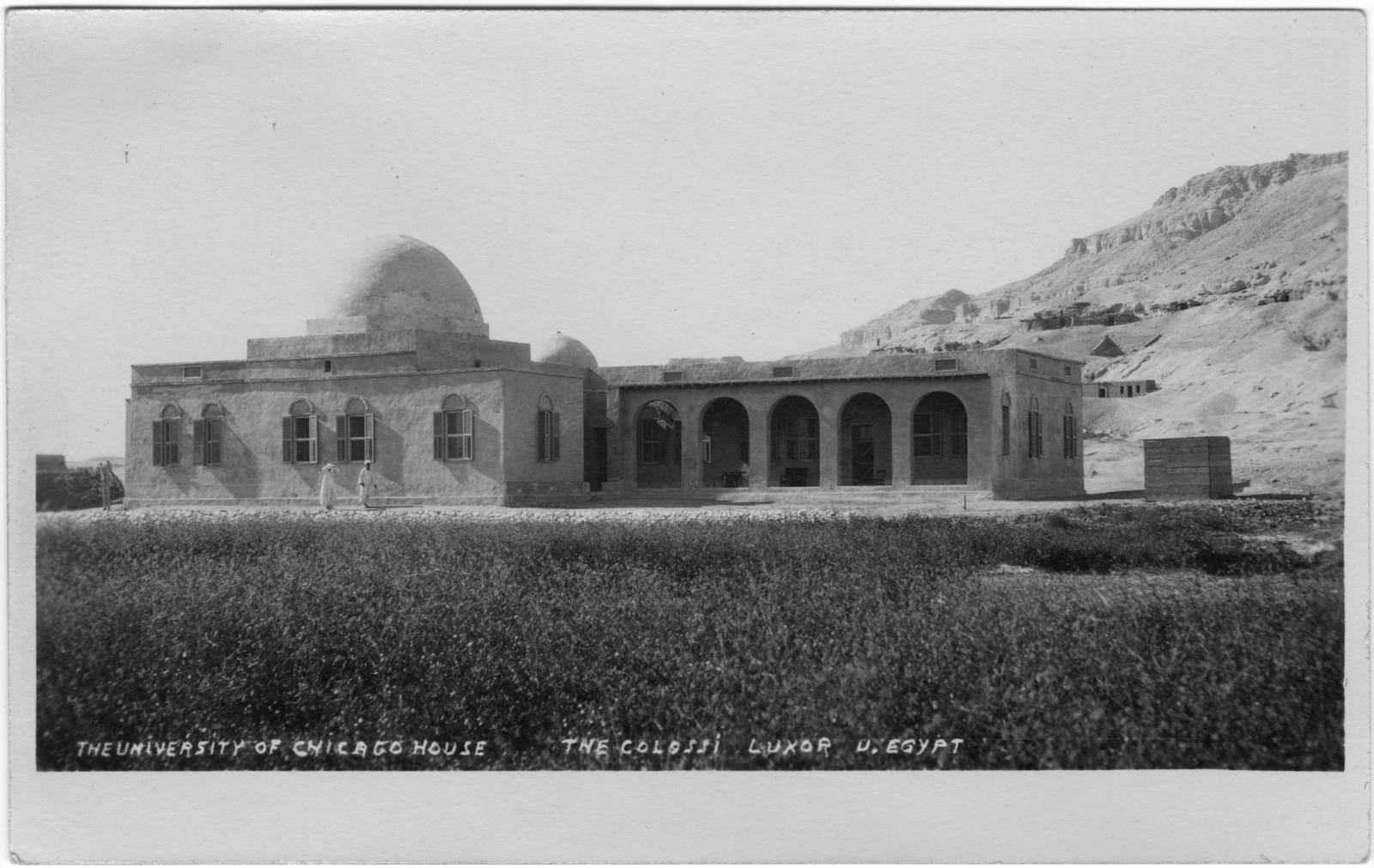
Photograph of the newly built Old Chicago House on the West Bank of Luxor. Somers Clarke Archive, 19.30. © Griffith Institute, University of Oxford.
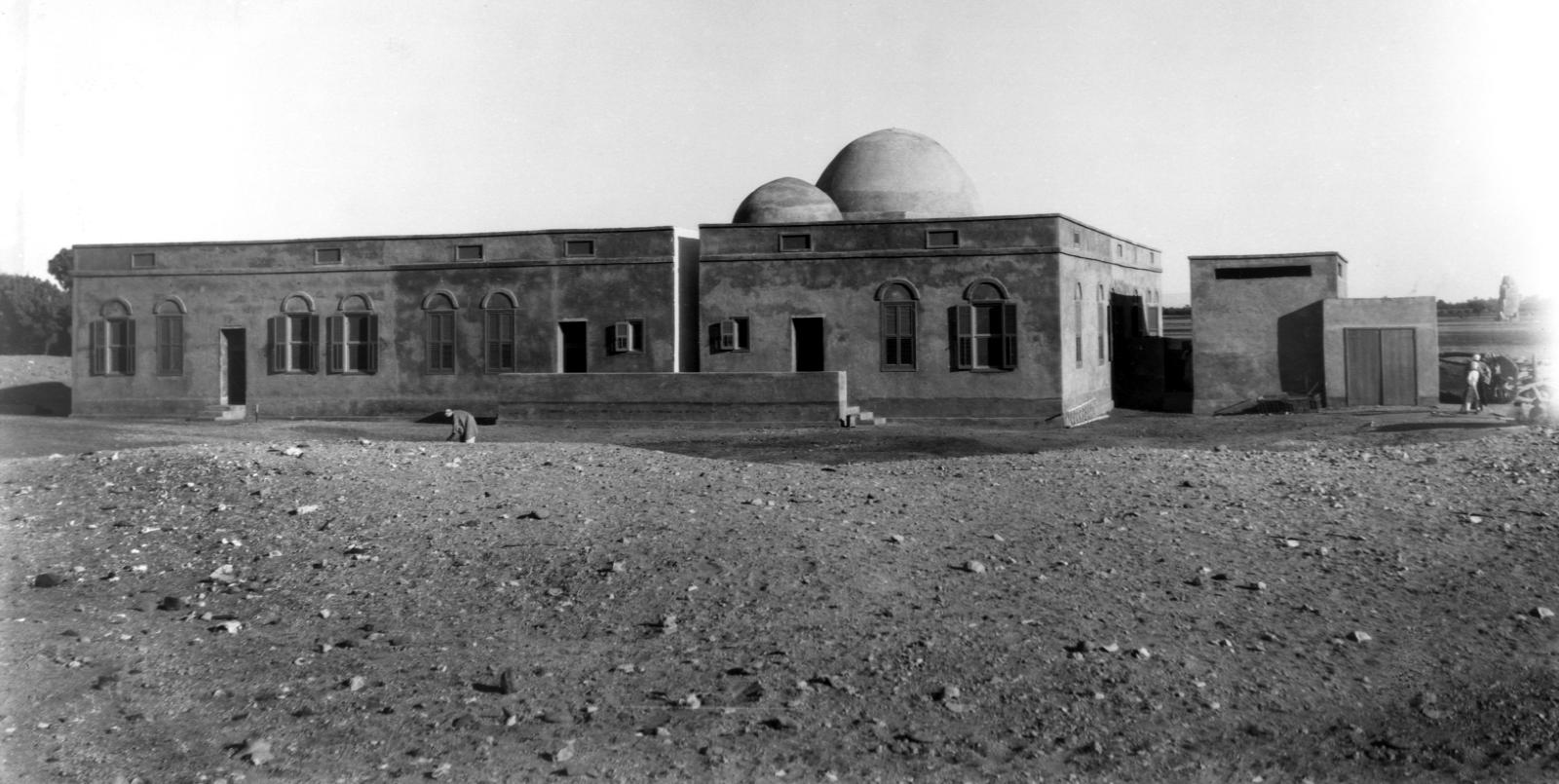
Old Chicago House after completion. Epigraphic Survey Negative 72. Courtesy of the Institute for the Study of Ancient Cultures of the University of Chicago.
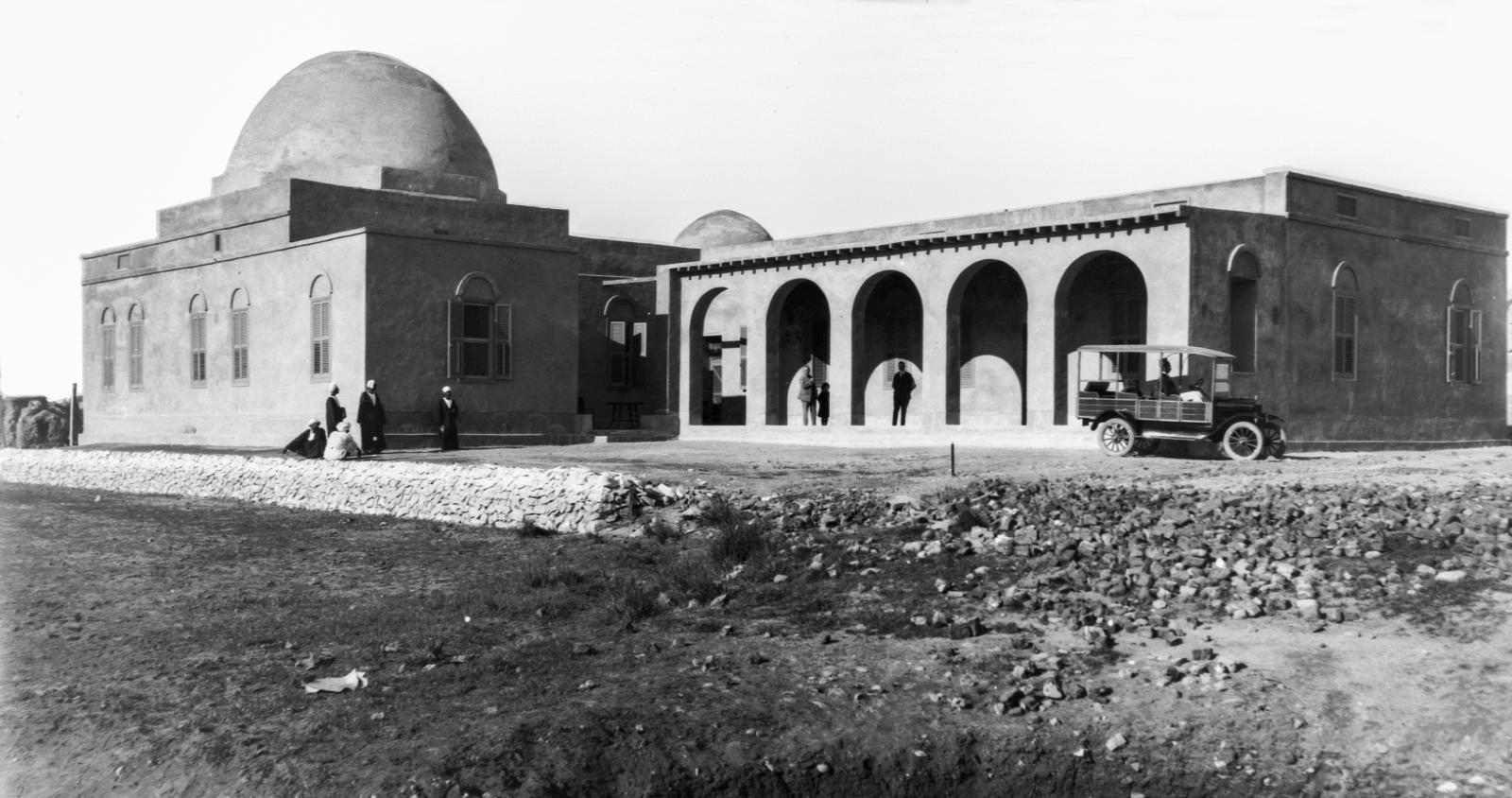
Old Chicago House after completion. Epigraphic Survey Negative 74. Courtesy of the Institute for the Study of Ancient Cultures of the University of Chicago.
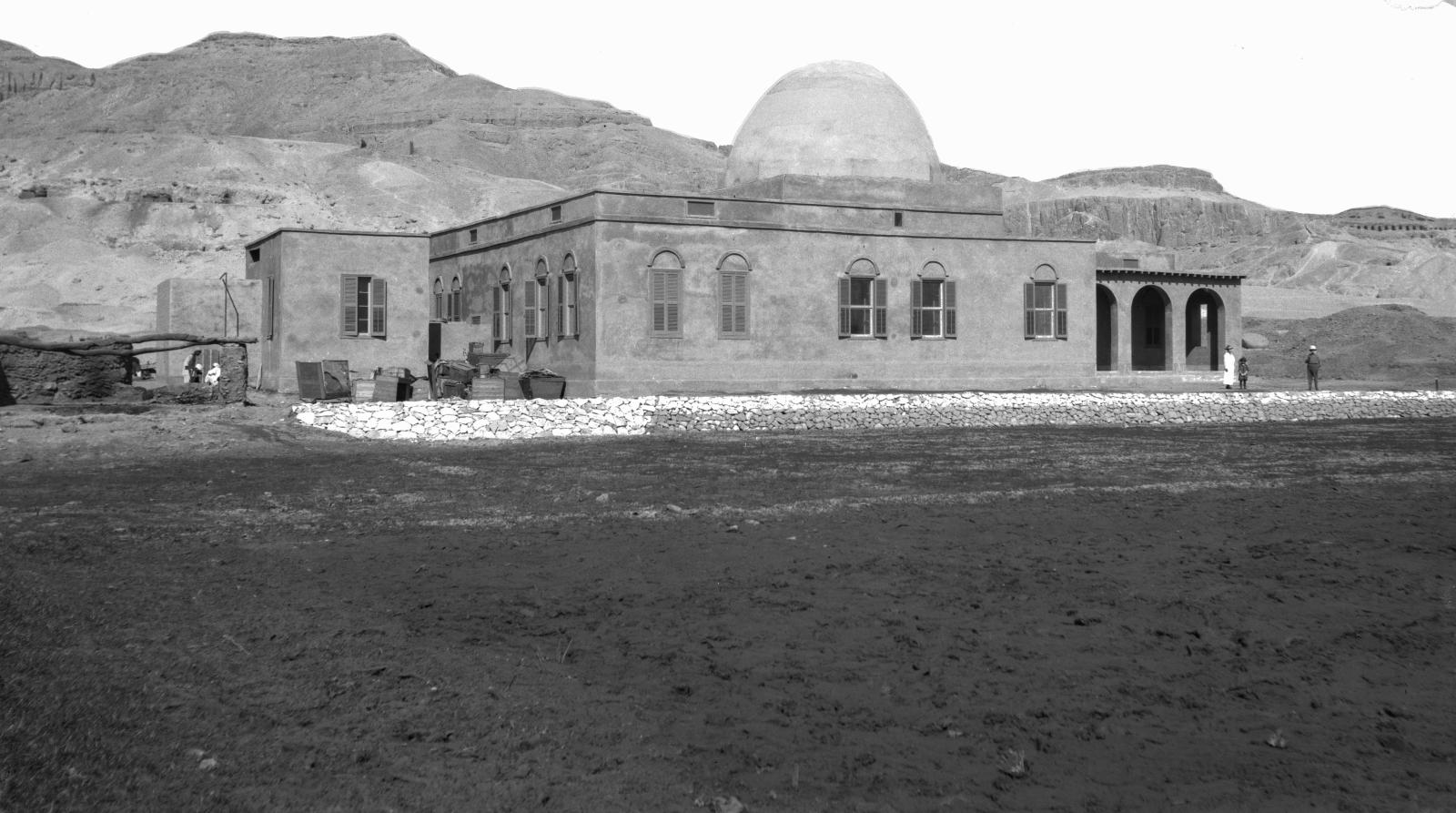
Old Chicago House after completion. Epigraphic Survey Negative 76. Courtesy of the Institute for the Study of Ancient Cultures of the University of Chicago.
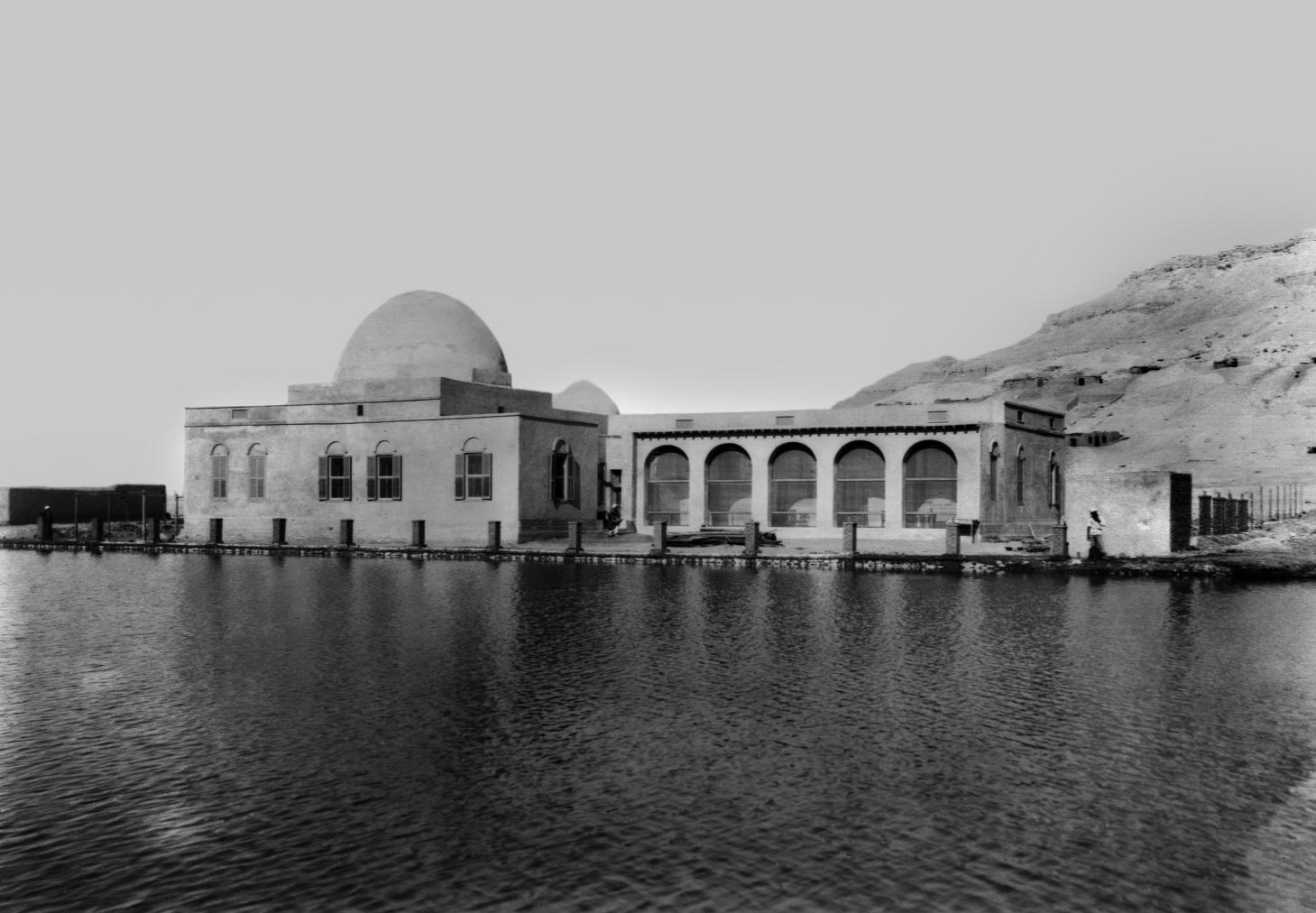
Old Chicago House during the flood. Epigraphic Survey Negative 394. Courtesy of the Institute for the Study of Ancient Cultures of the University of Chicago.
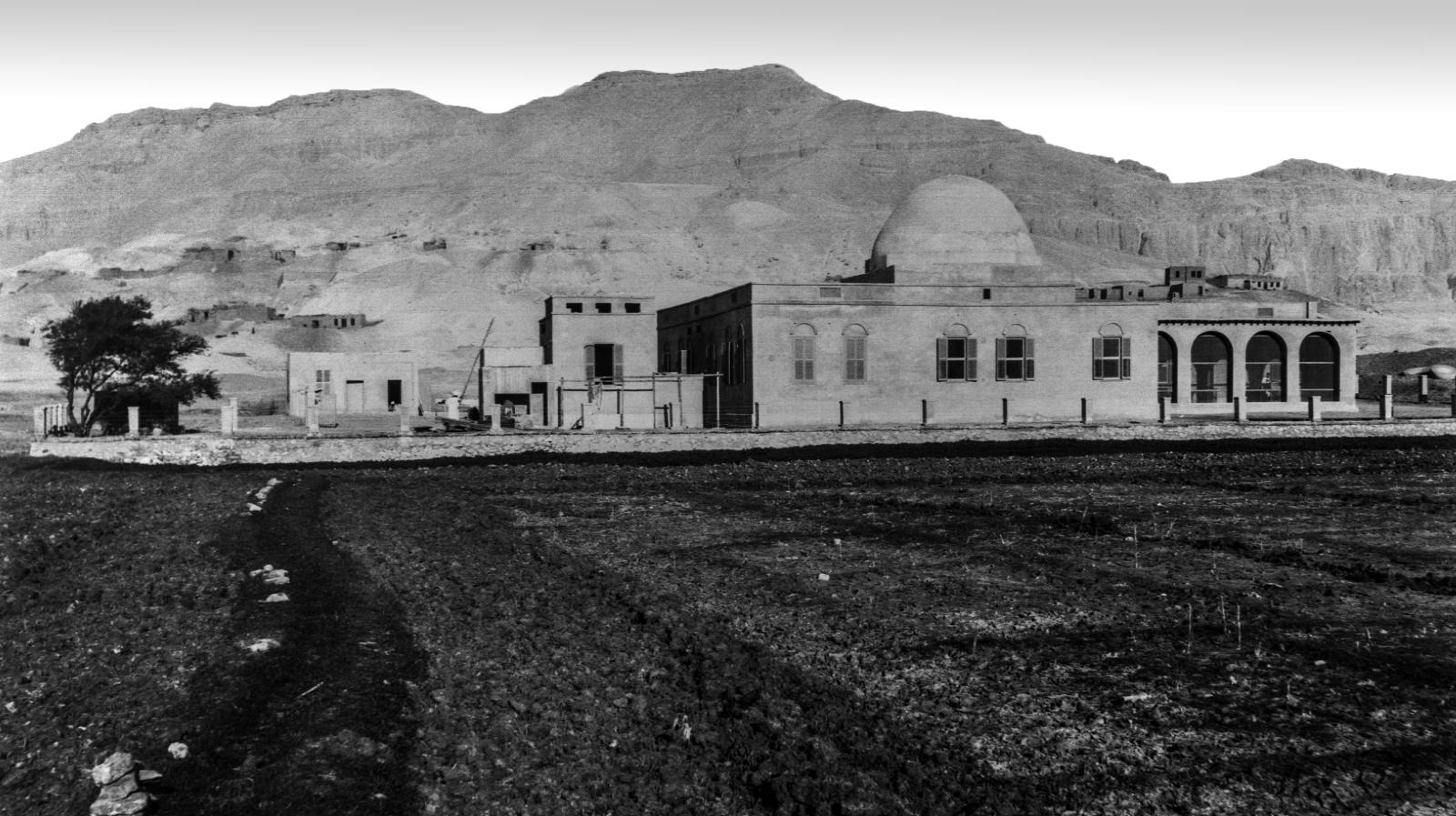
Overall view of Old Chicago House. Epigraphic Survey Negative 580. Courtesy of the Institute for the Study of Ancient Cultures of the University of Chicago.
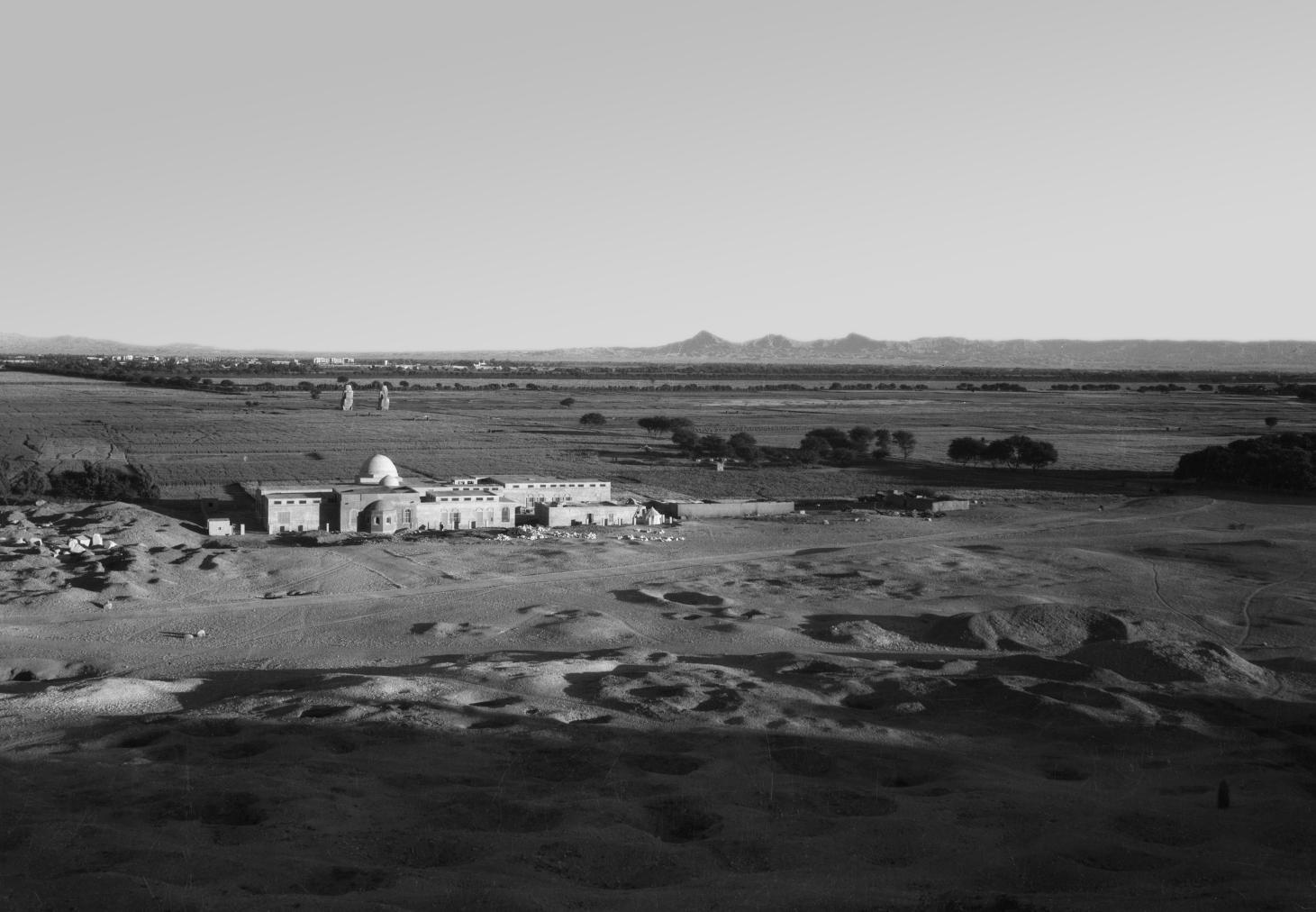
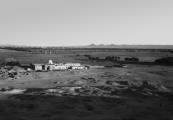
Old Chicago House. Old Chicago House from desert. Epigraphic Survey Negative 798. Courtesy of the Institute for the Study of Ancient Cultures of the University of Chicago.
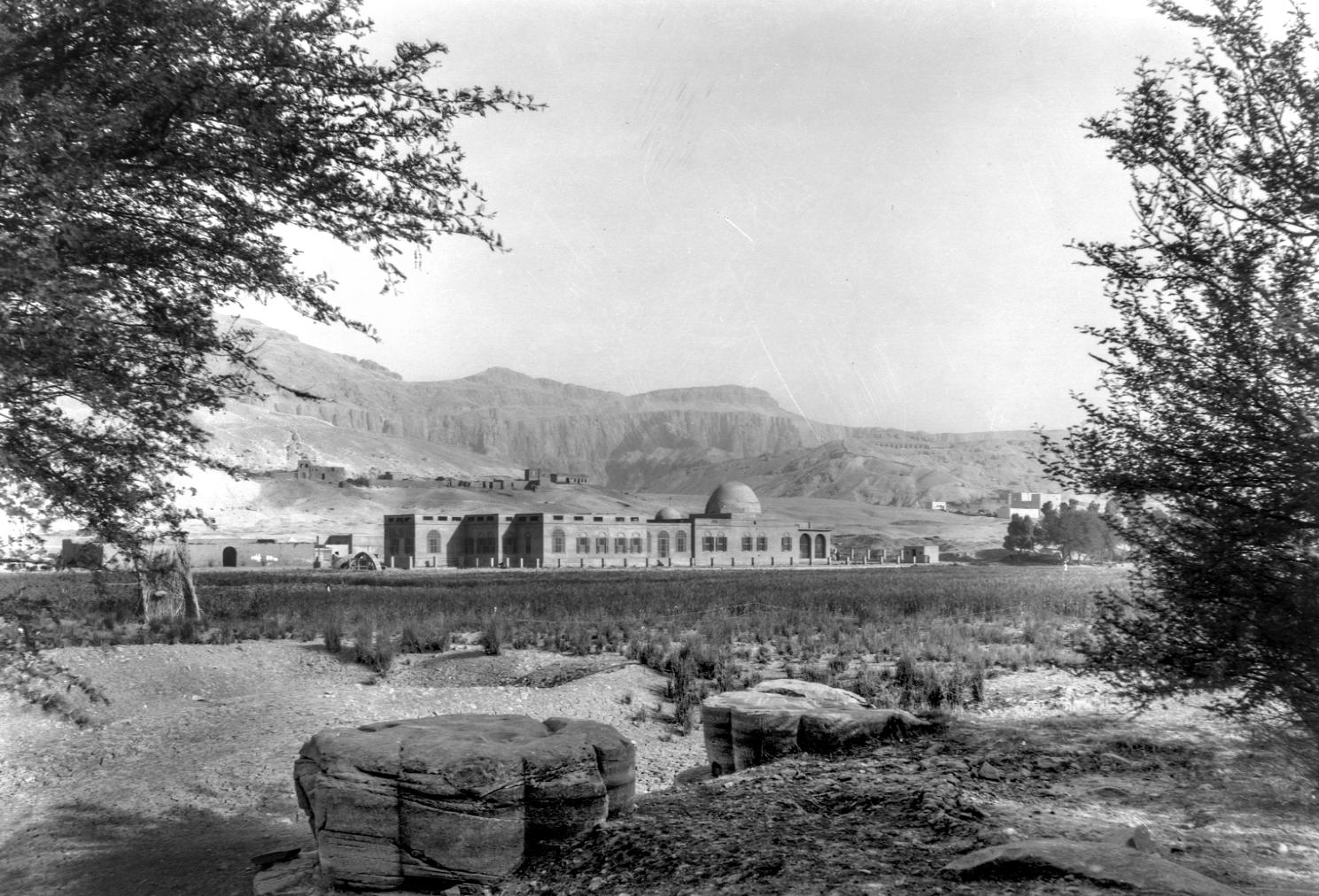
Overall view of Old Chicago House. Epigraphic Survey Negative 1046. Courtesy of the Institute for the Study of Ancient Cultures of the University of Chicago.
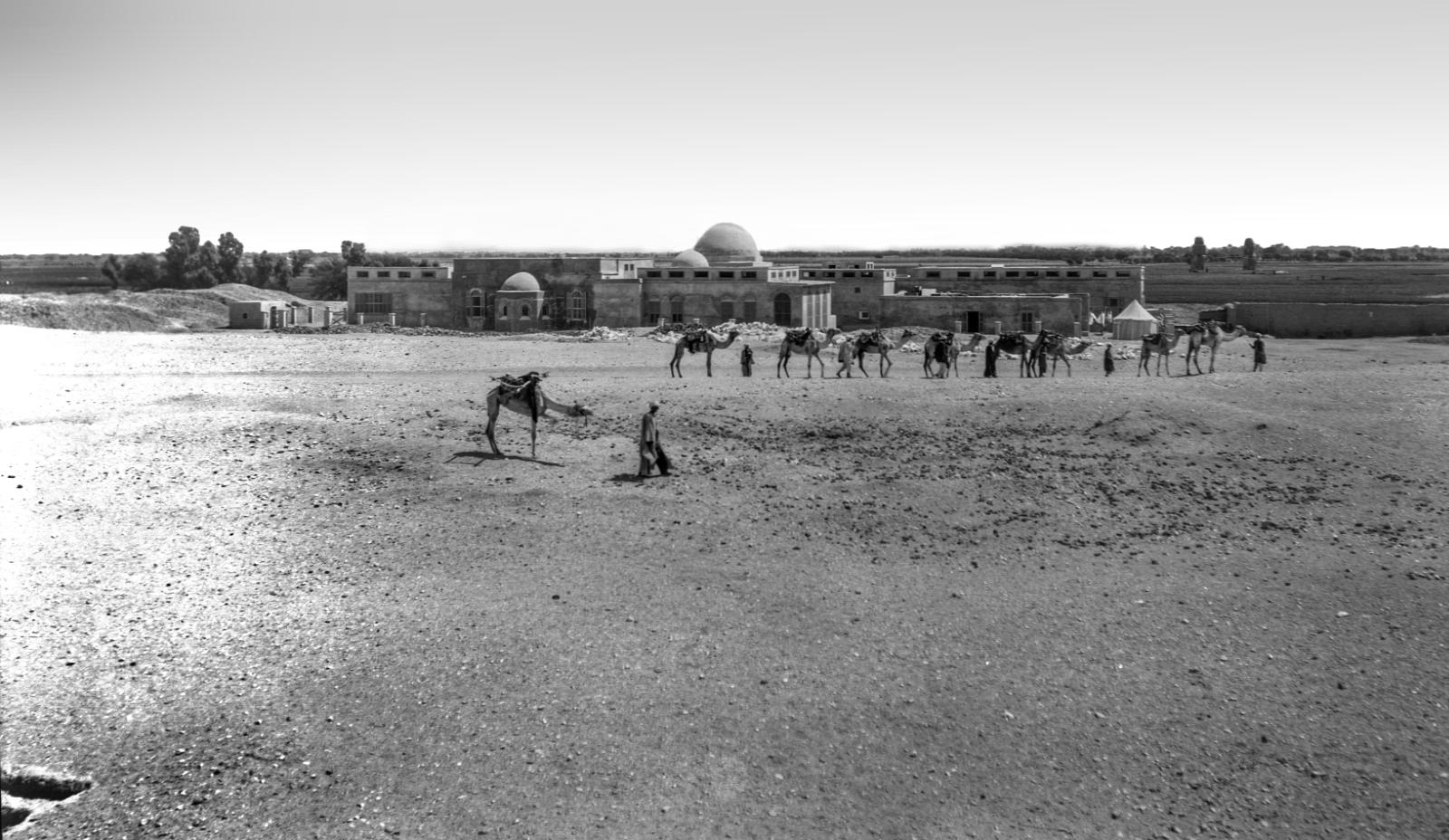
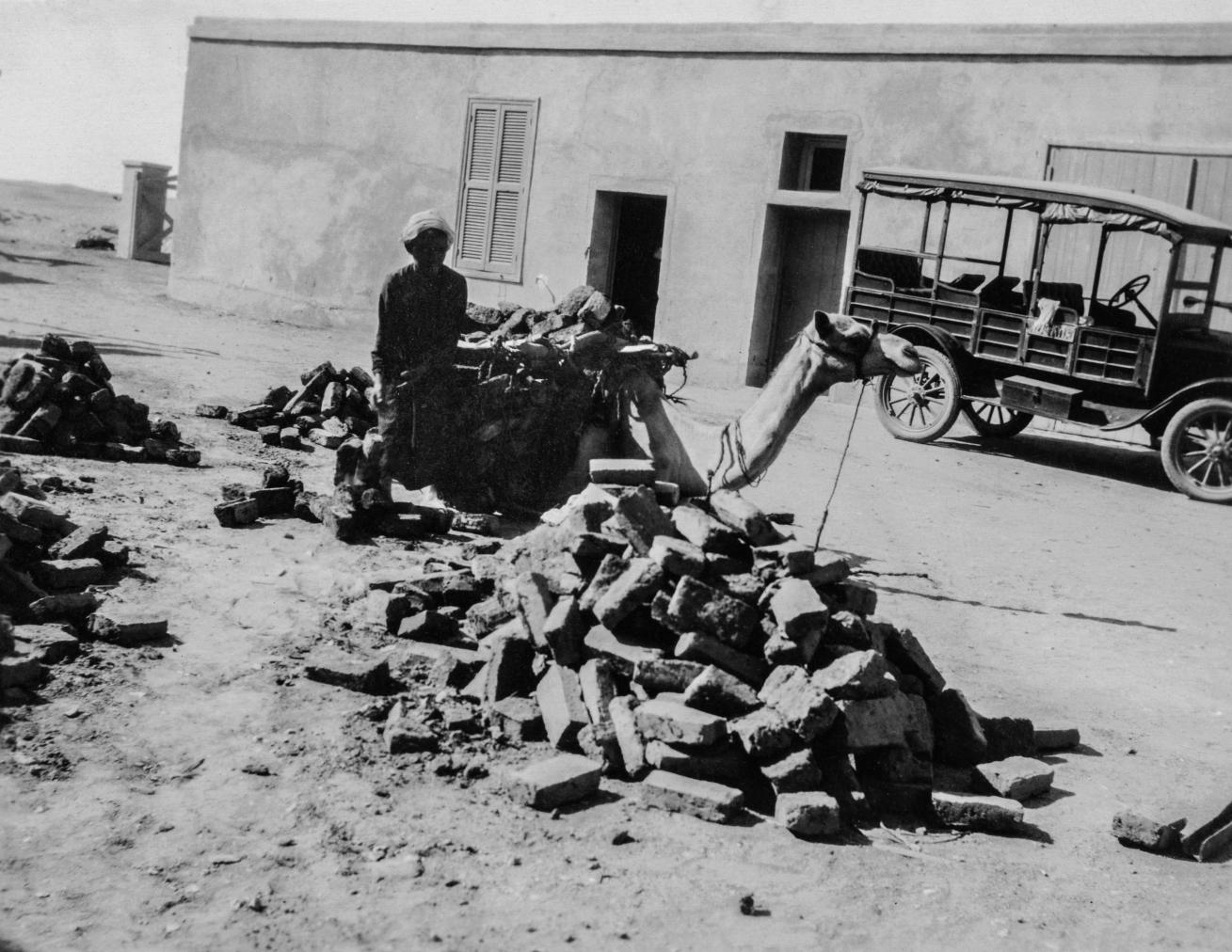
Old Chicago House and camels. Epigraphic Survey Negative 1048. Courtesy of the Institute for the Study of Ancient Cultures of the University of Chicago.
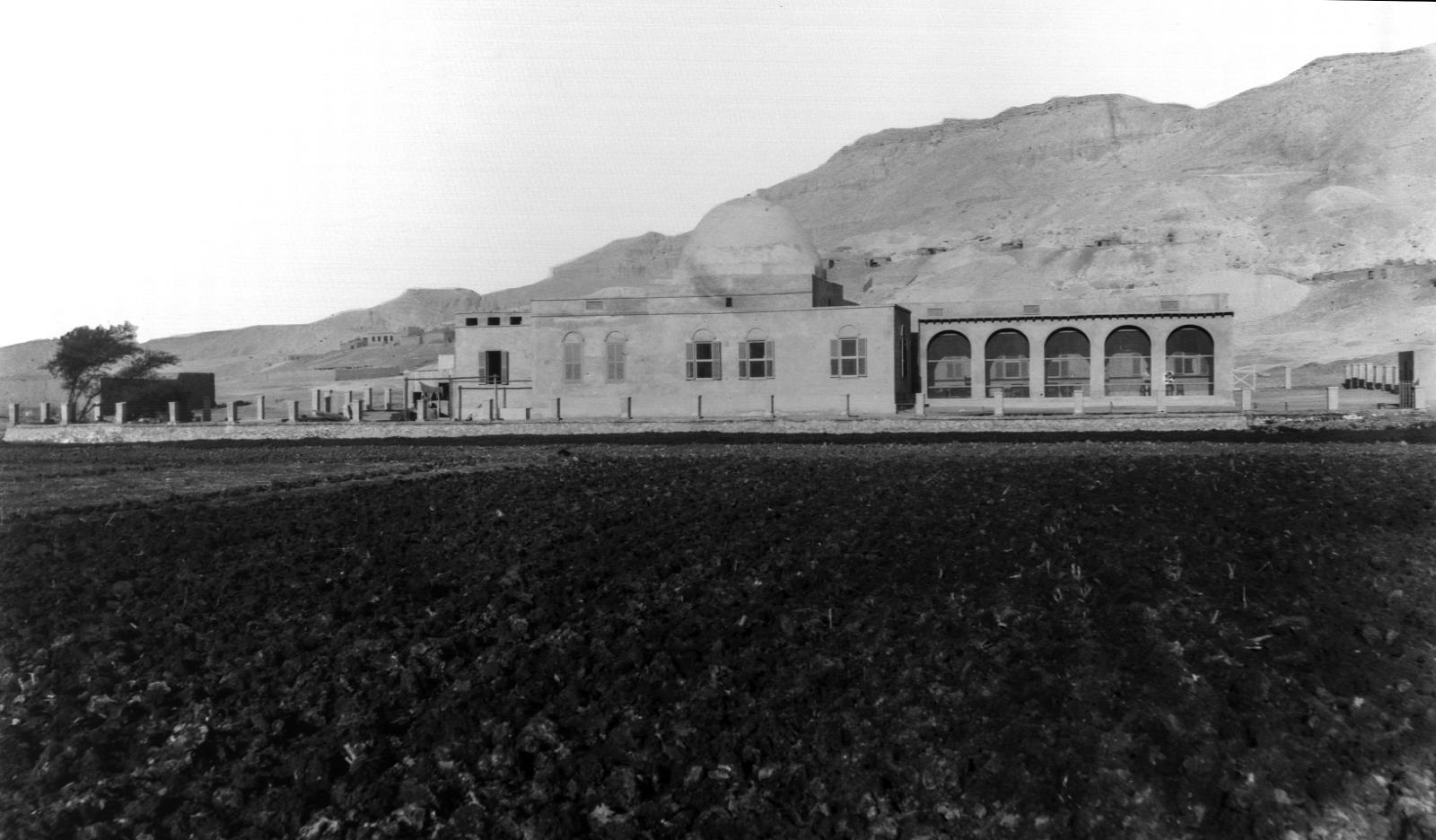
Overall view of Old Chicago House. Epigraphic Survey Negative 1049. Courtesy of the Institute for the Study of Ancient Cultures of the University of Chicago.
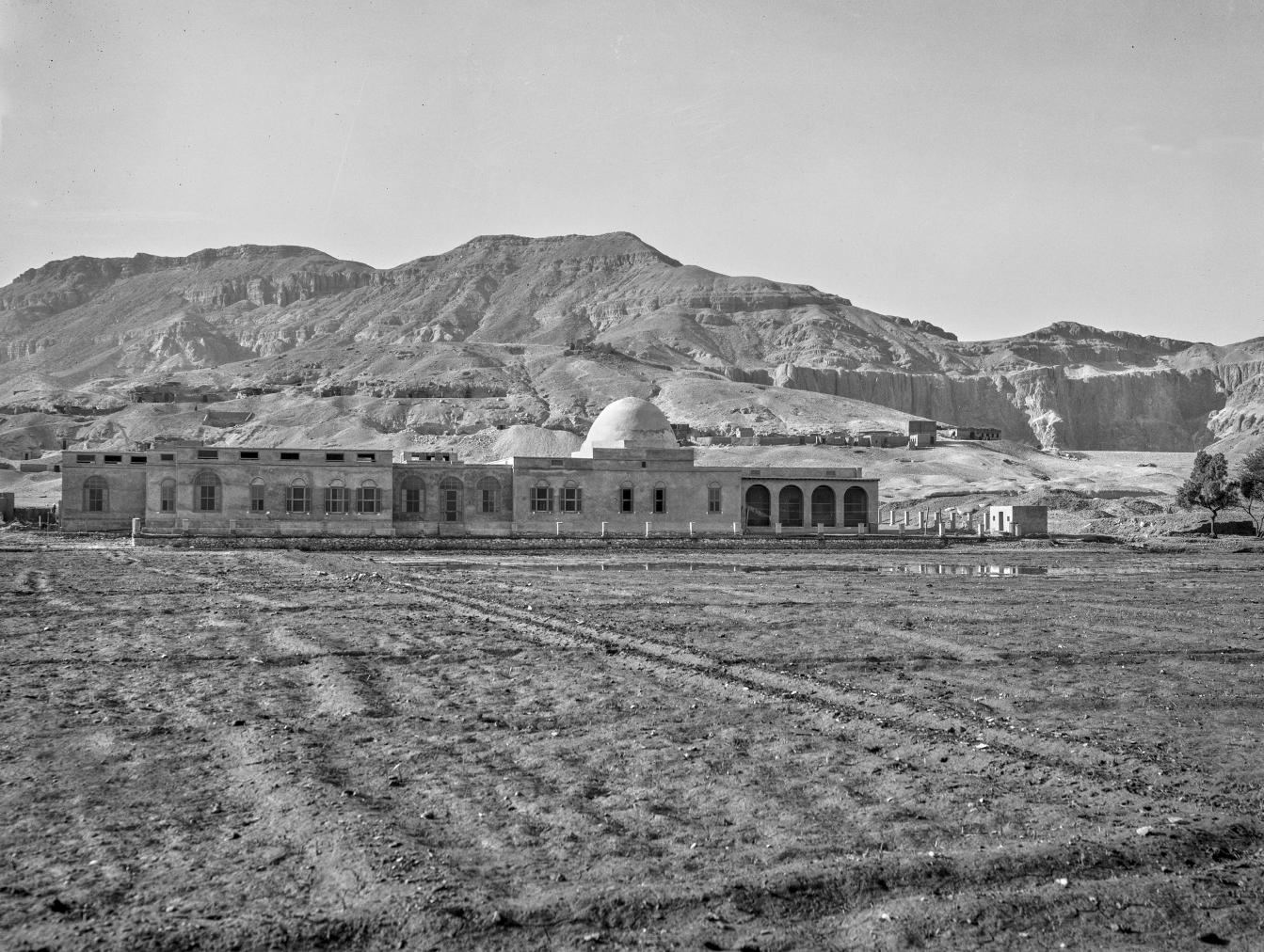
Overall view of Old Chicago House. Epigraphic Survey Negative 1115. Courtesy of the Institute for the Study of Ancient Cultures of the University of Chicago.
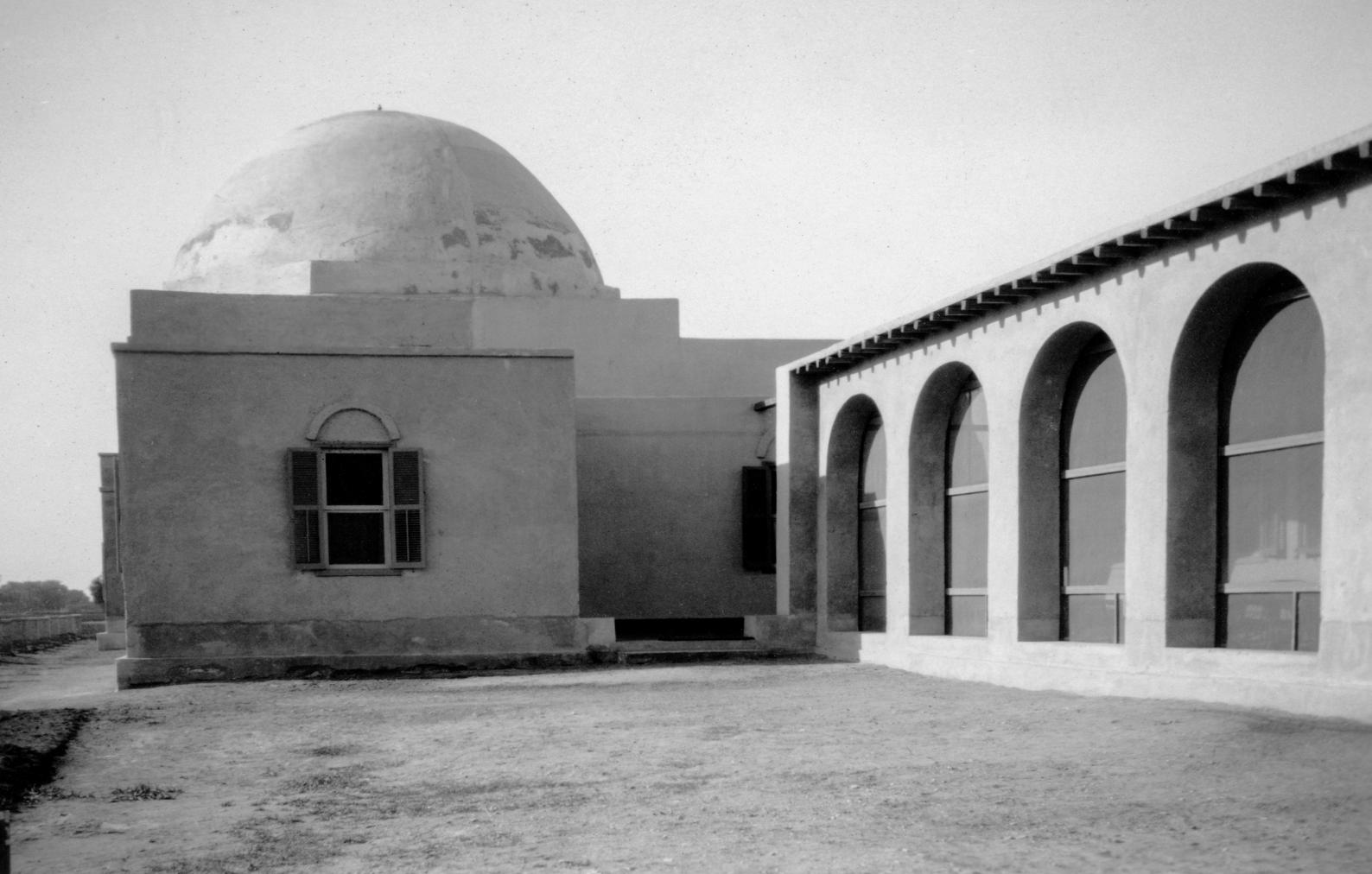
Exterior view of Old Chicago House. Epigraphic Survey Negative 1039. Courtesy of the Institute for the Study of Ancient Cultures of the University of Chicago.
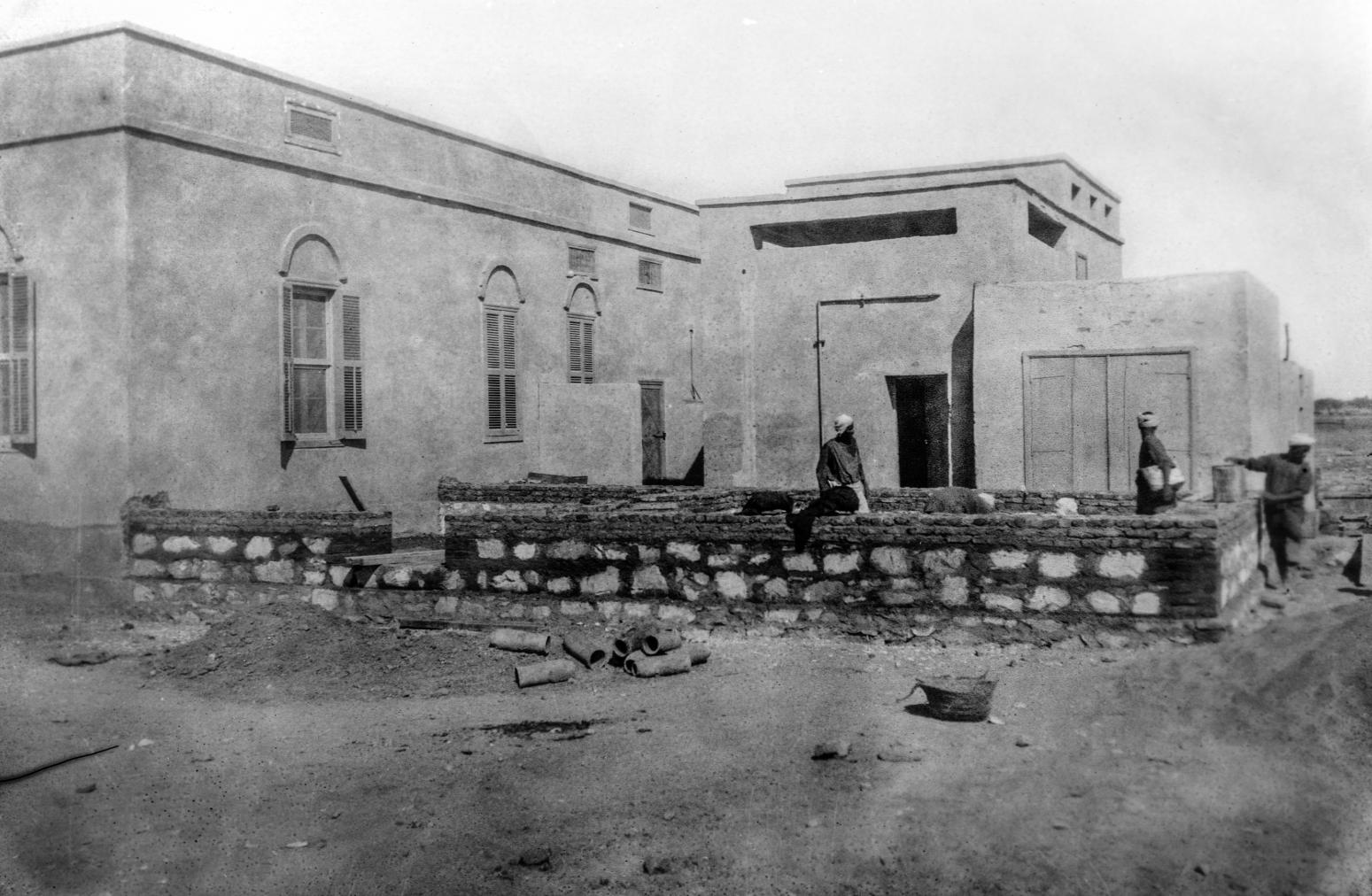
Exterior view of Old Chicago House. Epigraphic Survey Negative 1041. Courtesy of the Institute for the Study of Ancient Cultures of the University of Chicago.
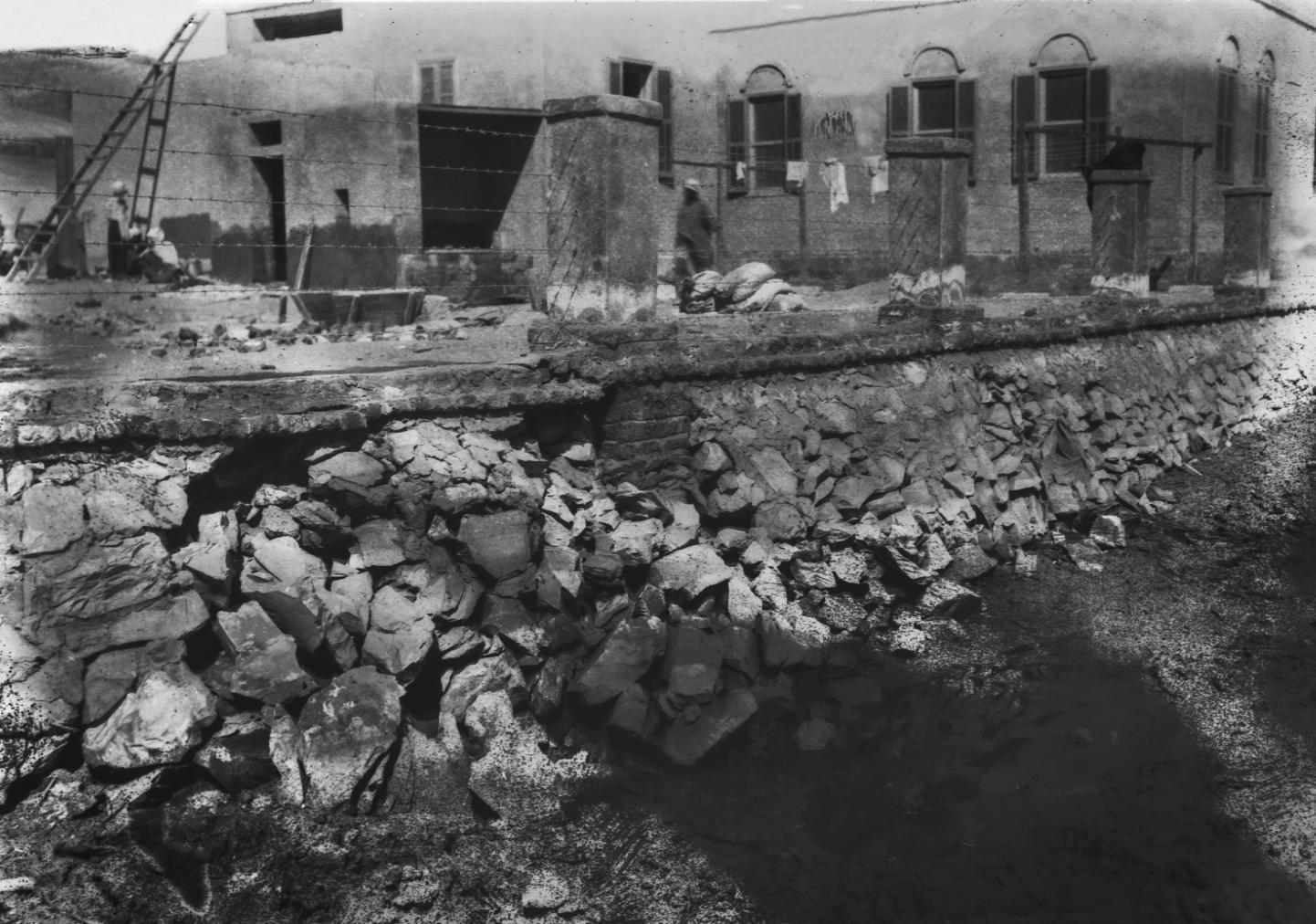
Exterior view of Old Chicago House. Epigraphic Survey Negative 1043. Courtesy of the Institute for the Study of Ancient Cultures of the University of Chicago.
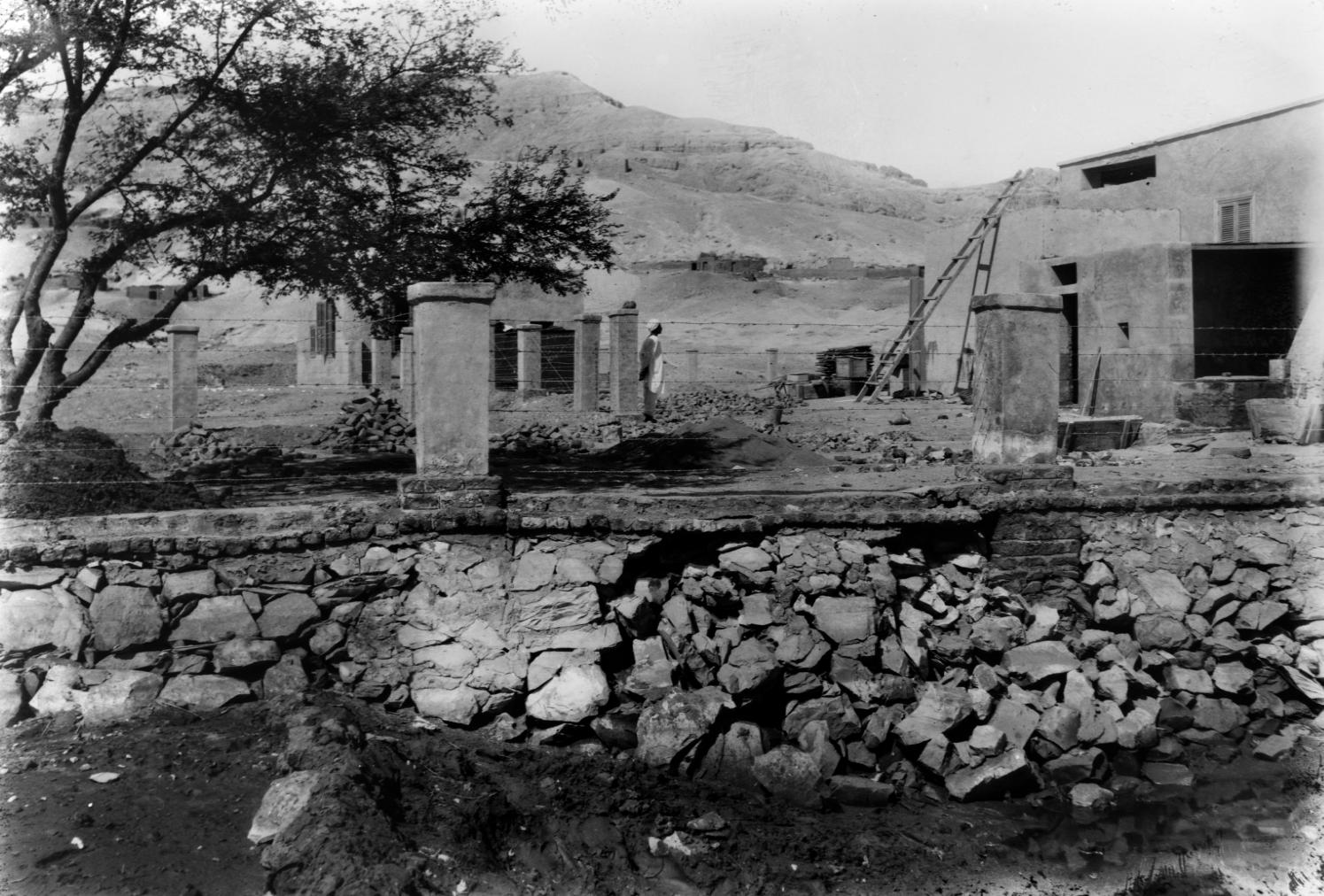
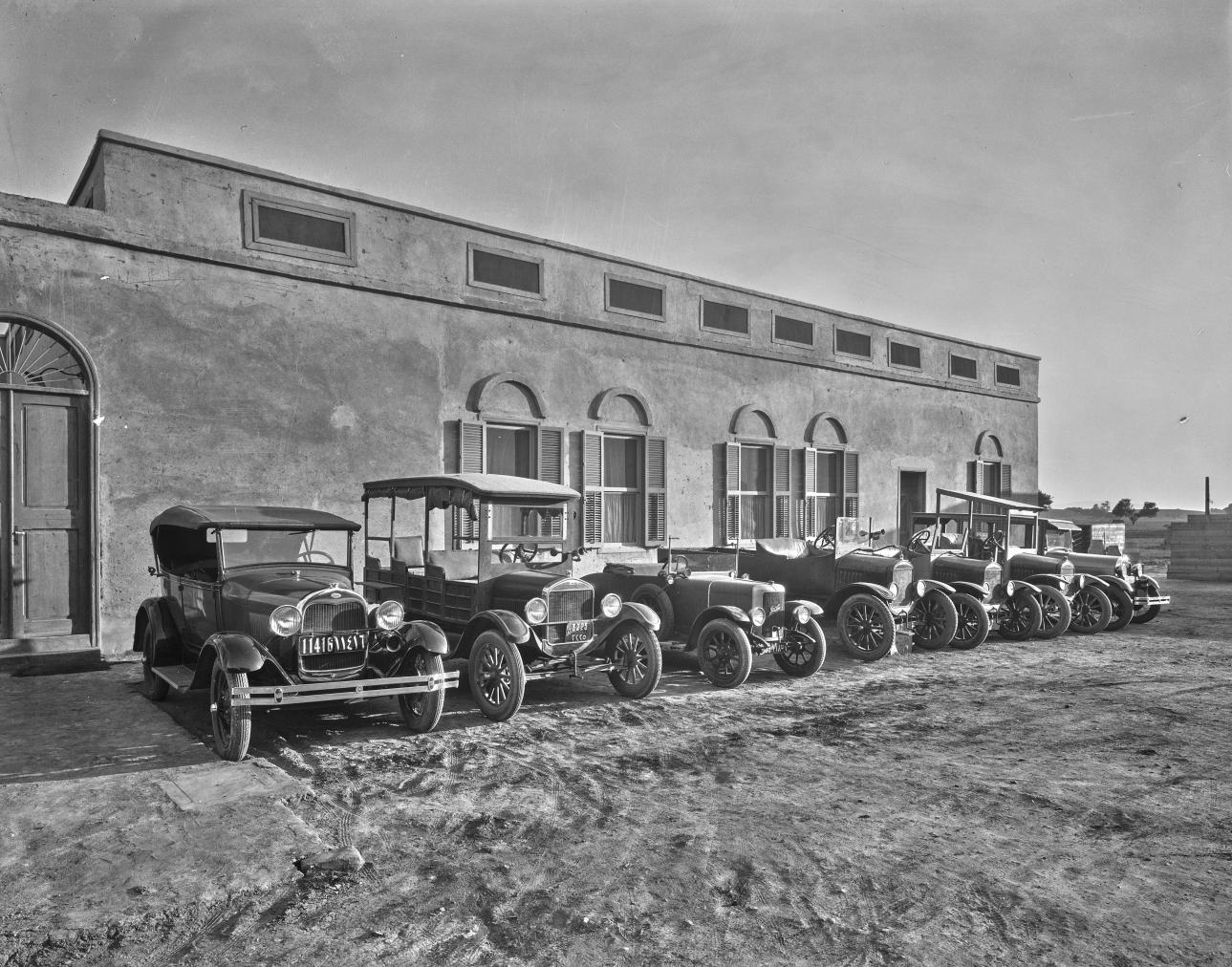
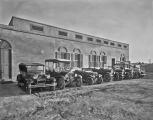
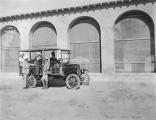
Old Chicago House, automobiles standing outside of Rosenwald Library.. The parking: 1. Number 11416 (1929 ? Ford Model A Phaetom). 2. Number 3225 (1926 ? Ford Model T Depot Hack). 3. Ford Model. 4-5 (Ford Model T). 6-7 (Ford ?). Epigraphic Survey Negative 1187. Courtesy of the Institute for the Study of Ancient Cultures of the University of Chicago.
Old Chicago House. Caroline Ransom Williams visit, December 12, 1926 to February 13, 1927. The drafting room looking northwest. Epigraphic Survey Negative 16291. Courtesy of the Institute for the Study of Ancient Cultures of the University of Chicago.
Old Chicago House. Caroline Ransom Williams visit, December 12, 1926 to February 13, 1927. Dome over living room and porch where tea in served, looking toward cultivation. Epigraphic Survey Negative 16294. Courtesy of the Institute for the Study of Ancient Cultures of the University of Chicago.
Old Chicago House. Caroline Ransom Williams visit, December 12, 1926 to February 13, 1927. Epigraphic Survey Negative 16283. Courtesy of the Institute for the Study of Ancient Cultures of the University of Chicago.
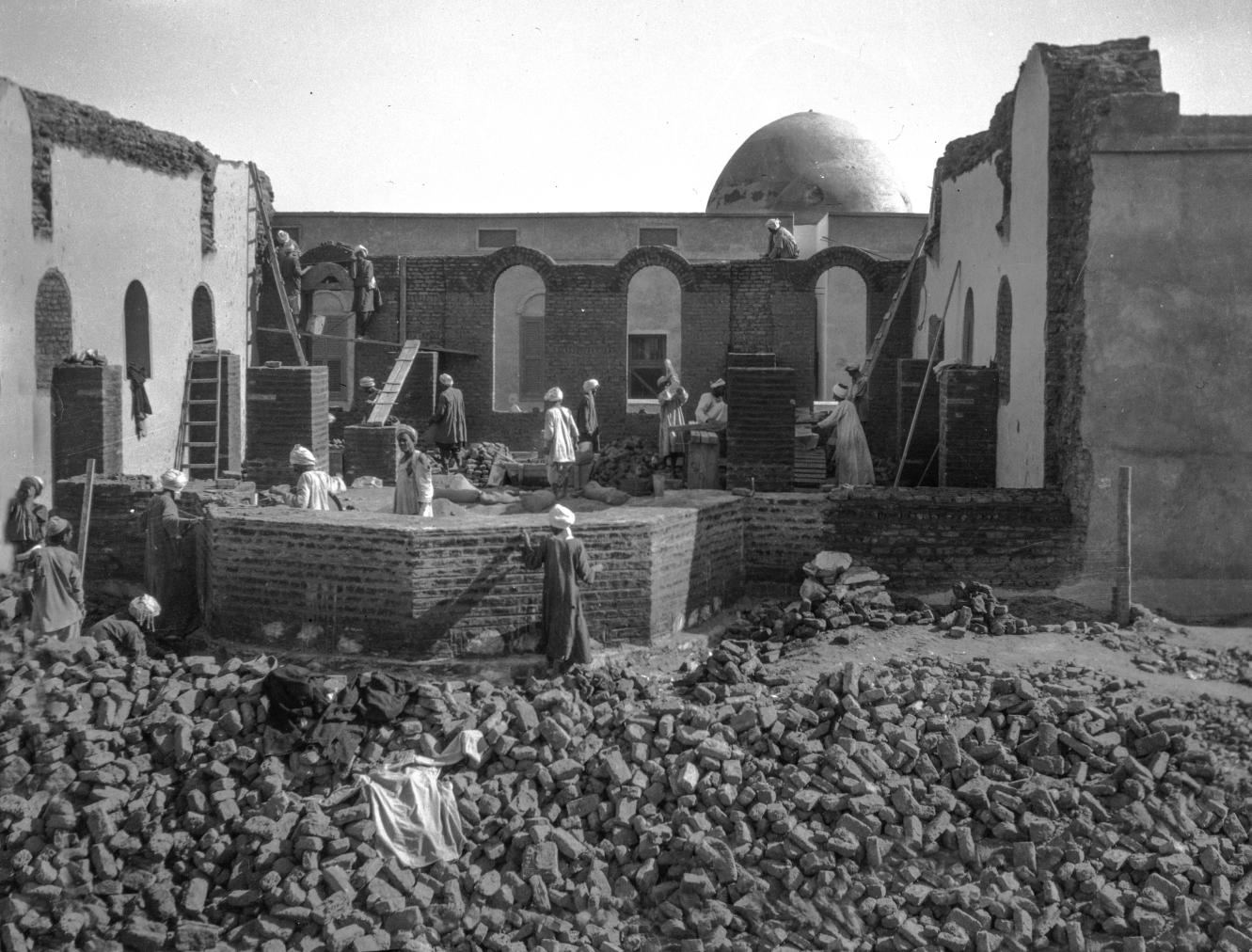
Old Chicago House. Caroline Ransom Williams visit, December 12, 1926 to February 13, 1927. Plastering the remodeled library. Epigraphic Survey Negative 16297. Courtesy of the Institute for the Study of Ancient Cultures of the University of Chicago.
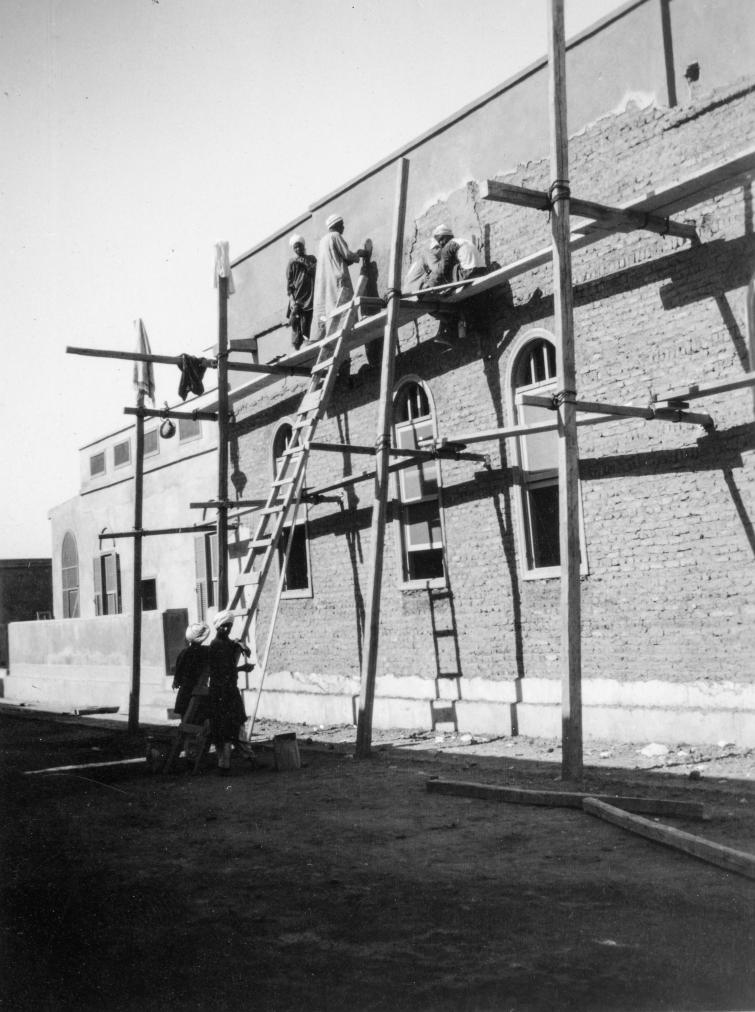
Old Chicago House. Caroline Ransom Williams visit, December 12, 1926 to February 13, 1927. Plastering the remodeled library. Epigraphic Survey Negative 16298. Courtesy of the Institute for the Study of Ancient Cultures of the University of Chicago.
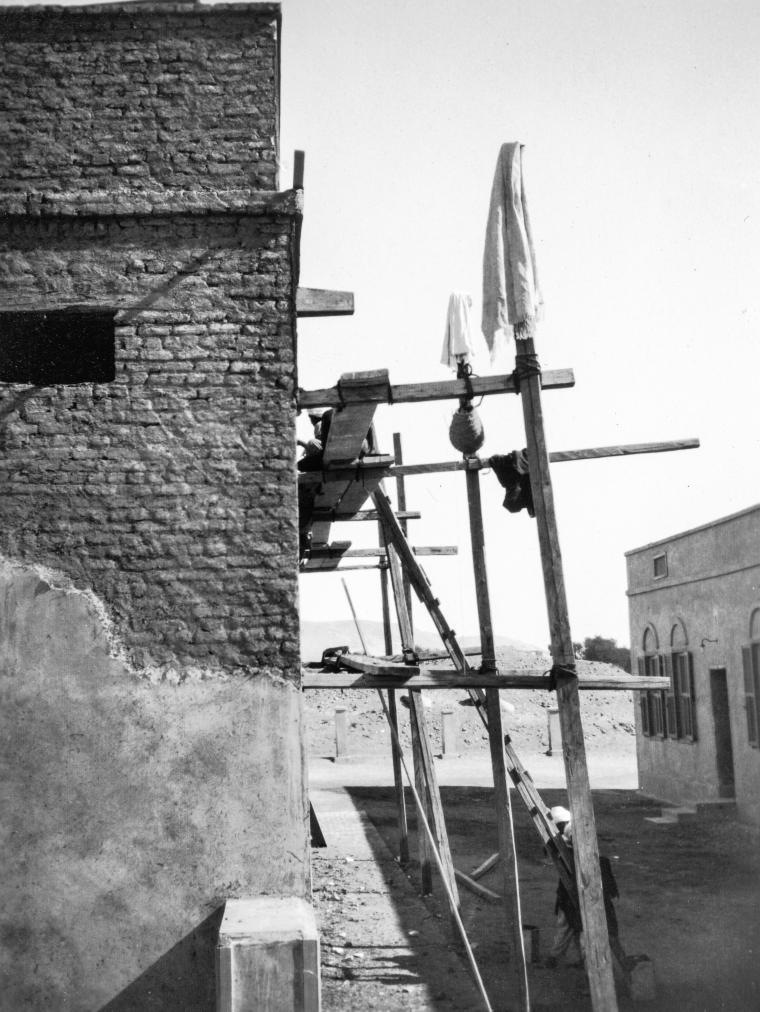
Old Chicago House. Caroline Ransom Williams visit, December 12, 1926 to February 13, 1927. The library approaching completion. View looking northeast. Epigraphic Survey Negative 16301. Courtesy of the Institute for the Study of Ancient Cultures of the University of Chicago.
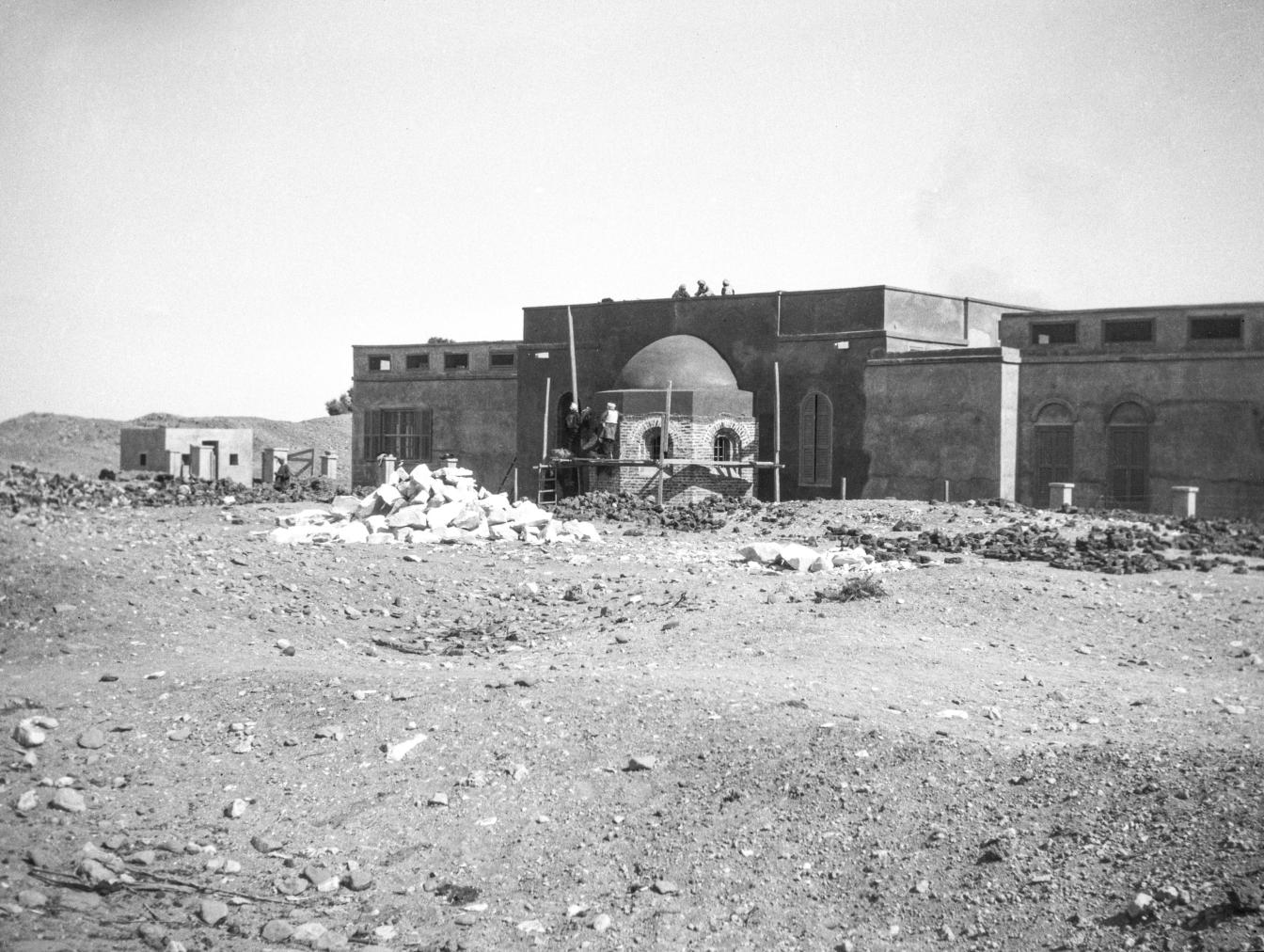
Old Chicago House. Caroline Ransom Williams visit, December 12, 1926 to February 13, 1927. The library approaching completion. View looking northeast. Epigraphic Survey Negative 16301. Courtesy of the Institute for the Study of Ancient Cultures of the University of Chicago.
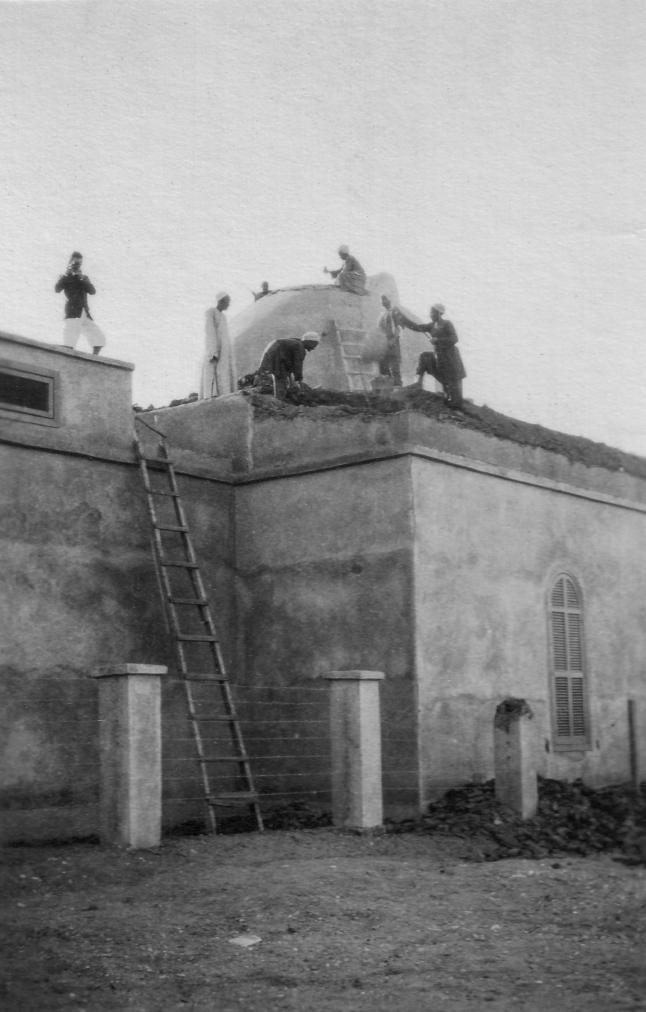
Old Chicago House. Caroline Ransom Williams visit, December 12, 1926 to February 13, 1927. The insecure dome of the library being taken down. Epigraphic Survey Negative 19853. Courtesy of the Institute for the Study of Ancient Cultures of the University of Chicago.
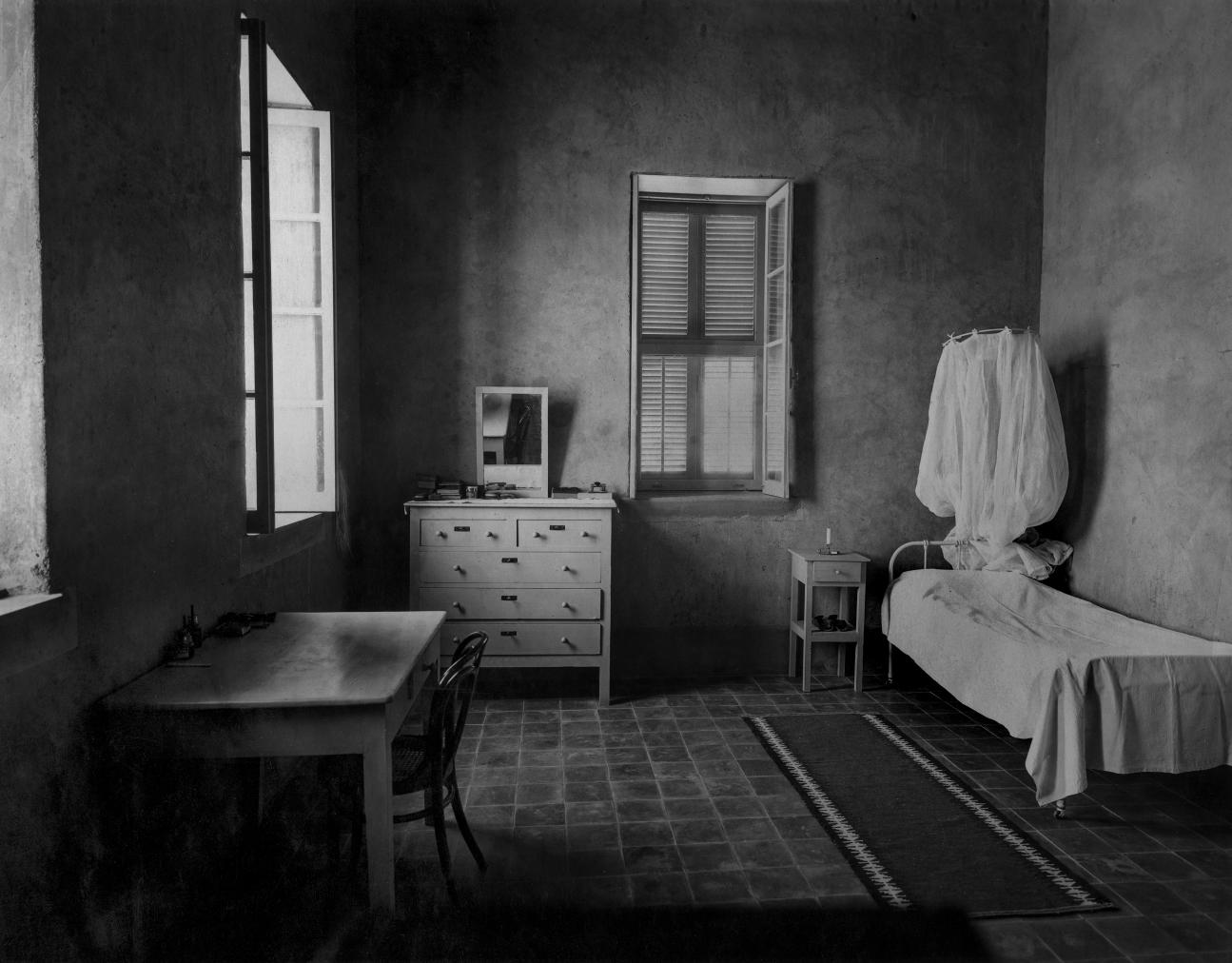
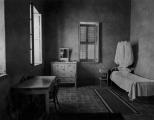
Old Chicago House. View of bedroom. Epigraphic Survey Negative 1072. Courtesy of the Institute for the Study of Ancient Cultures of the University of Chicago.
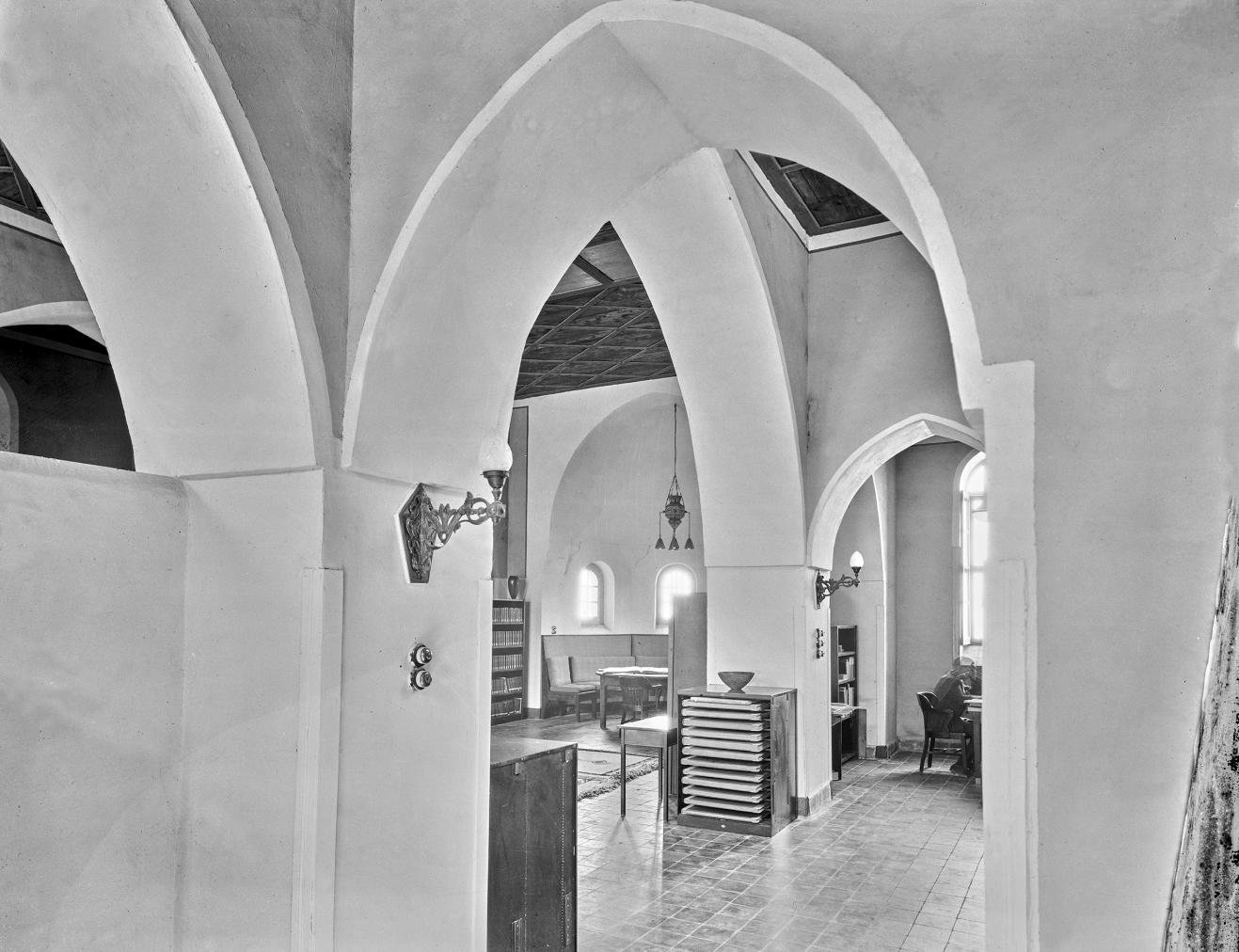
Library in the Old Chicago House. Epigraphic Survey Negative 1101. Courtesy of the Institute for the Study of Ancient Cultures of the University of Chicago.
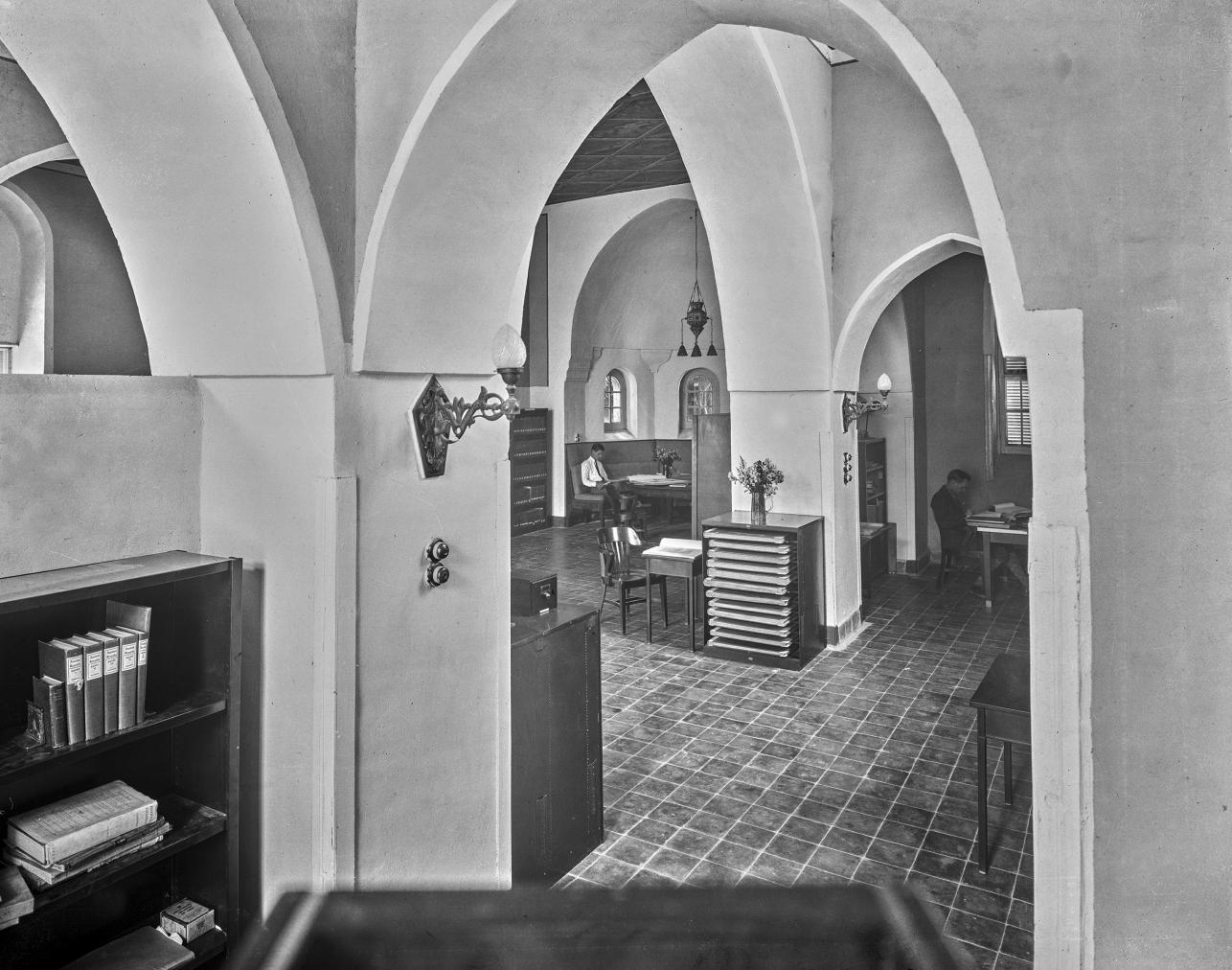
Library in the Old Chicago House. Epigraphic Survey Negative 1102. Courtesy of the Institute for the Study of Ancient Cultures of the University of Chicago.
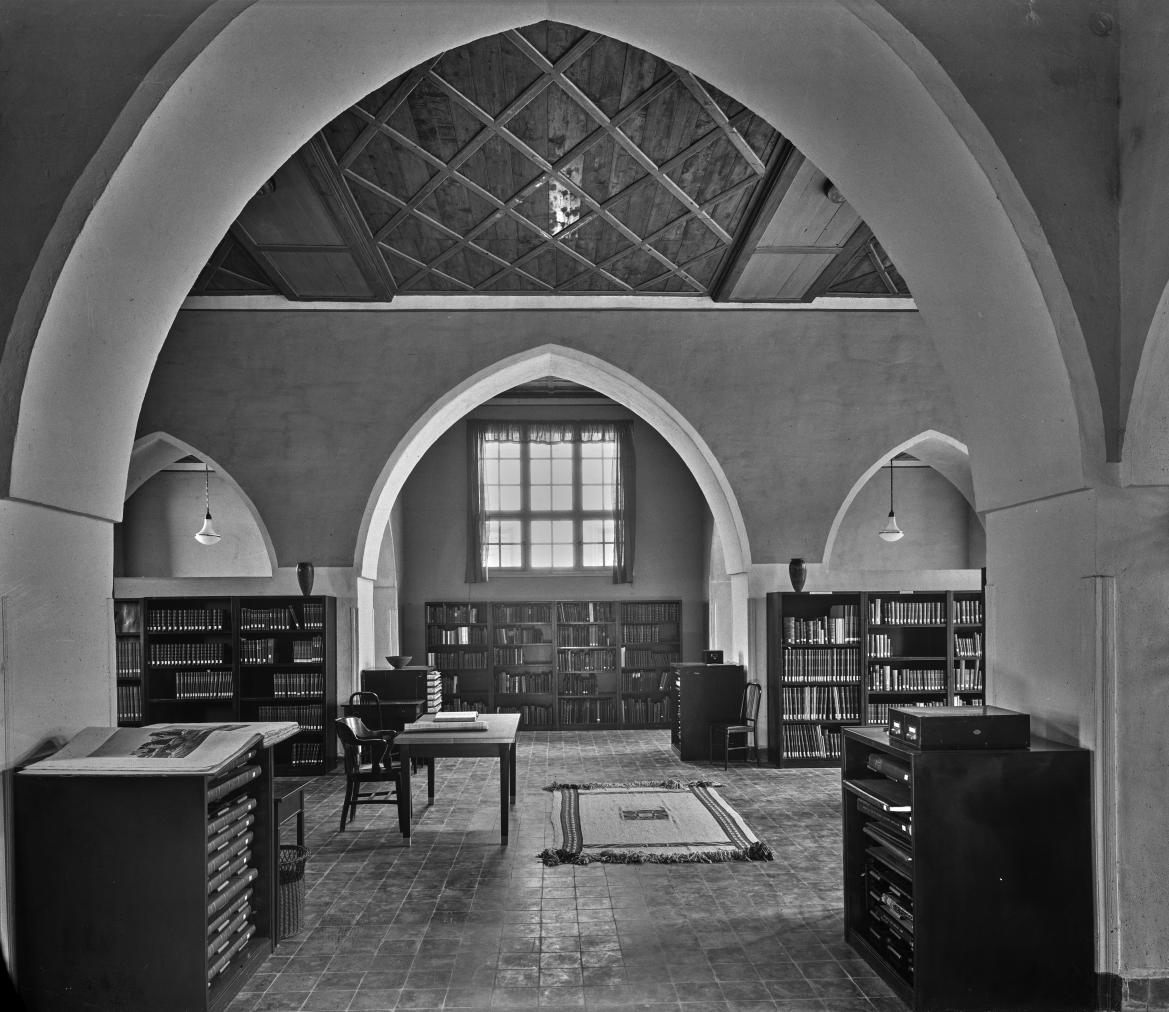
Library in the Old Chicago House. Epigraphic Survey Negative 1103. Courtesy of the Institute for the Study of Ancient Cultures of the University of Chicago.
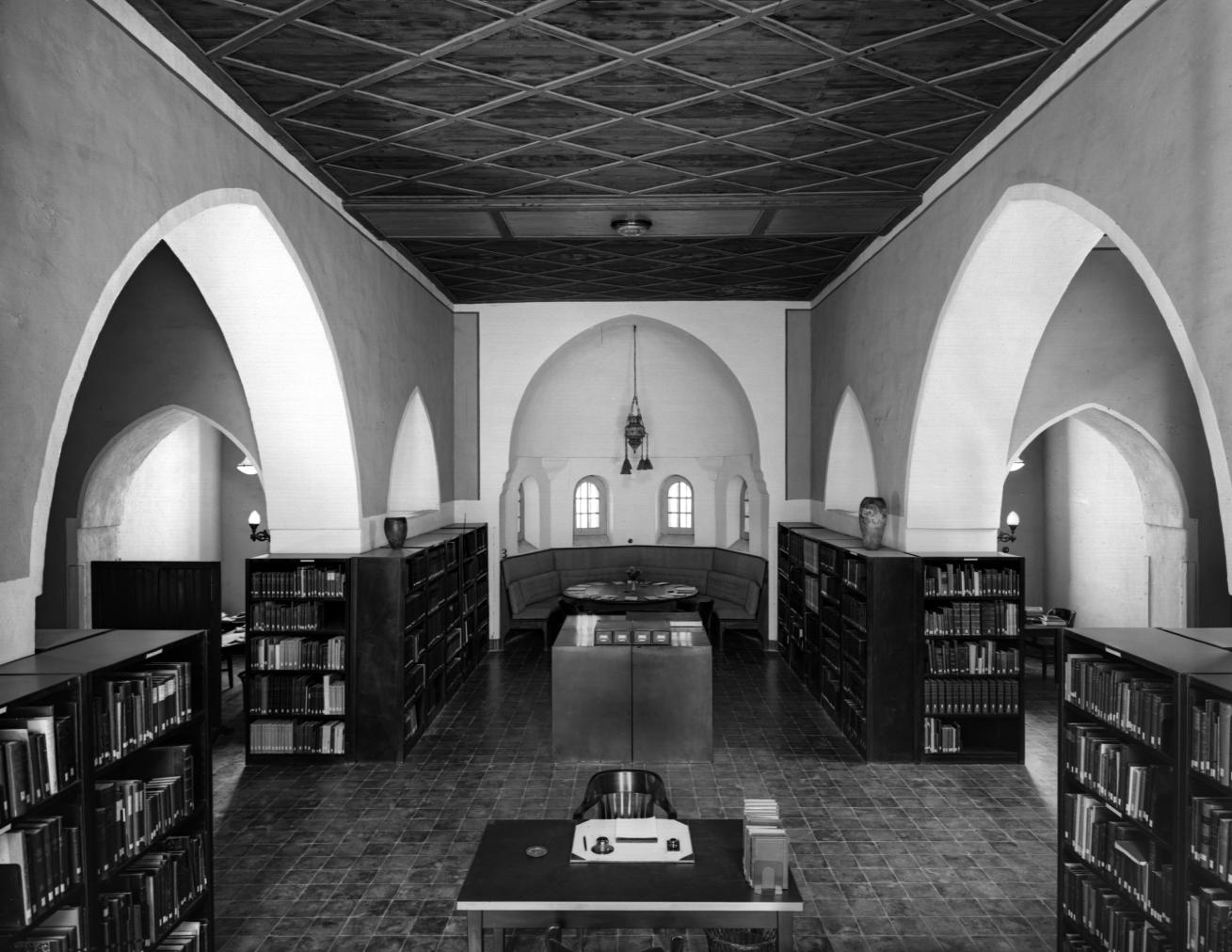
Library in the Old Chicago House. Epigraphic Survey Negative 2017. Courtesy of the Institute for the Study of Ancient Cultures of the University of Chicago.
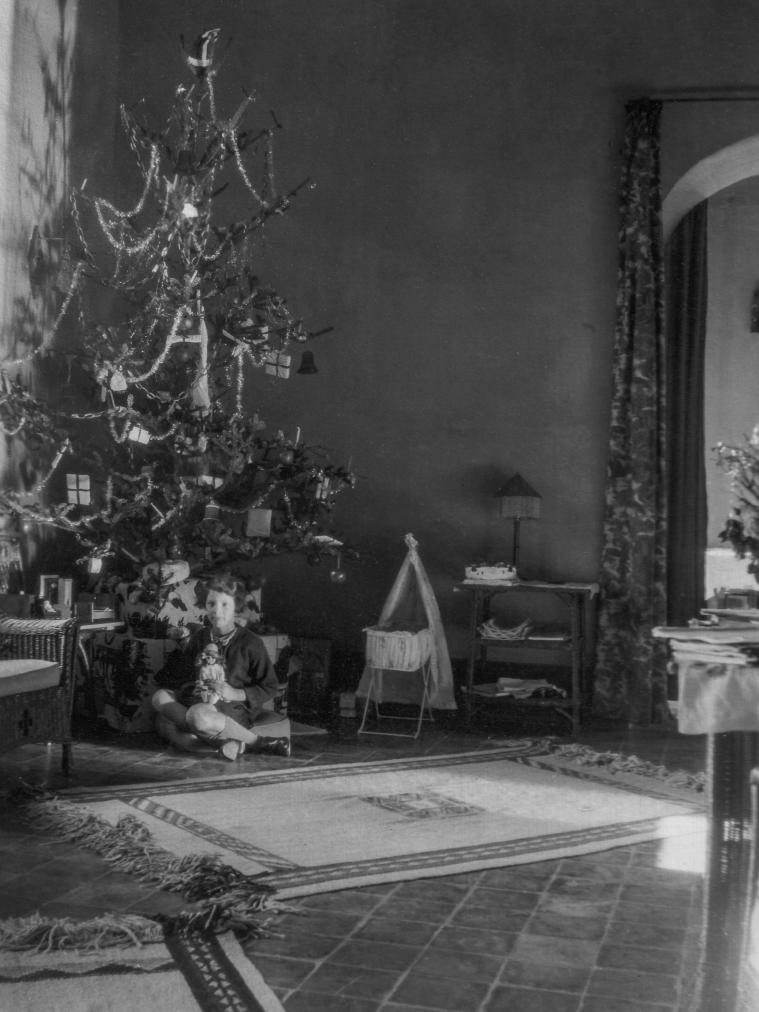
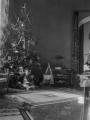
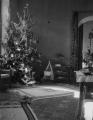
Old Chicago House. Caroline Ransom Williams visit, December 12, 1926 to February 13, 1927. The Christmas tree, and Irene Nelson. Epigraphic Survey Negative 16285. Courtesy of the Institute for the Study of Ancient Cultures of the University of Chicago.
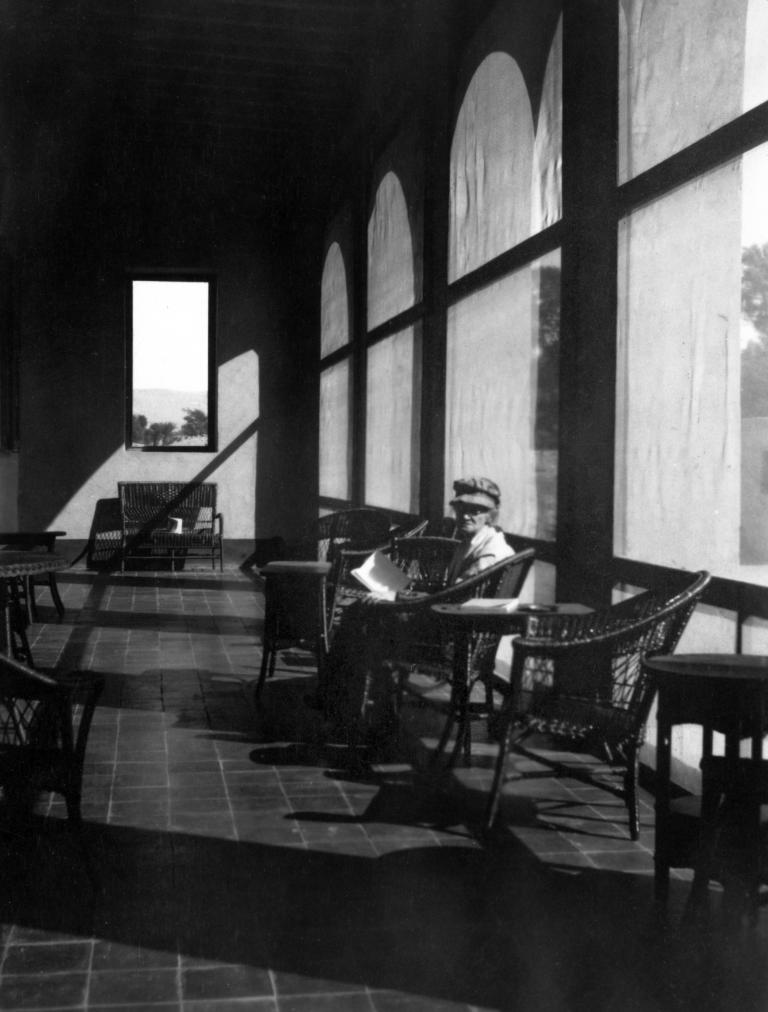
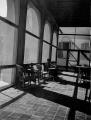
Old Chicago House. Caroline Ransom Williams visit, December 12, 1926 to February 13, 1927. The porch, view looking north. Epigraphic Survey Negative 16288. Courtesy of the Institute for the Study of Ancient Cultures of the University of Chicago.
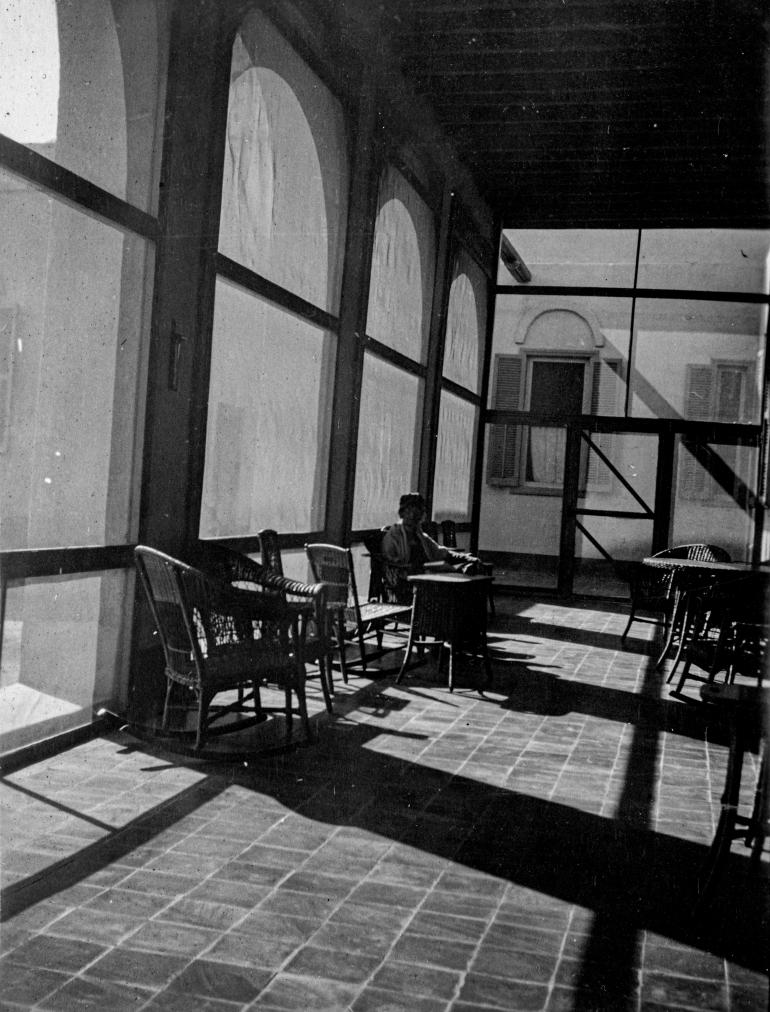
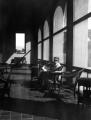
Old Chicago House. Caroline Ransom Williams visit, December 12, 1926 to February 13, 1927. Porch looking south, Ella Randolph Ransom, seated. Epigraphic Survey Negative 16289. Courtesy of the Institute for the Study of Ancient Cultures of the University of Chicago.
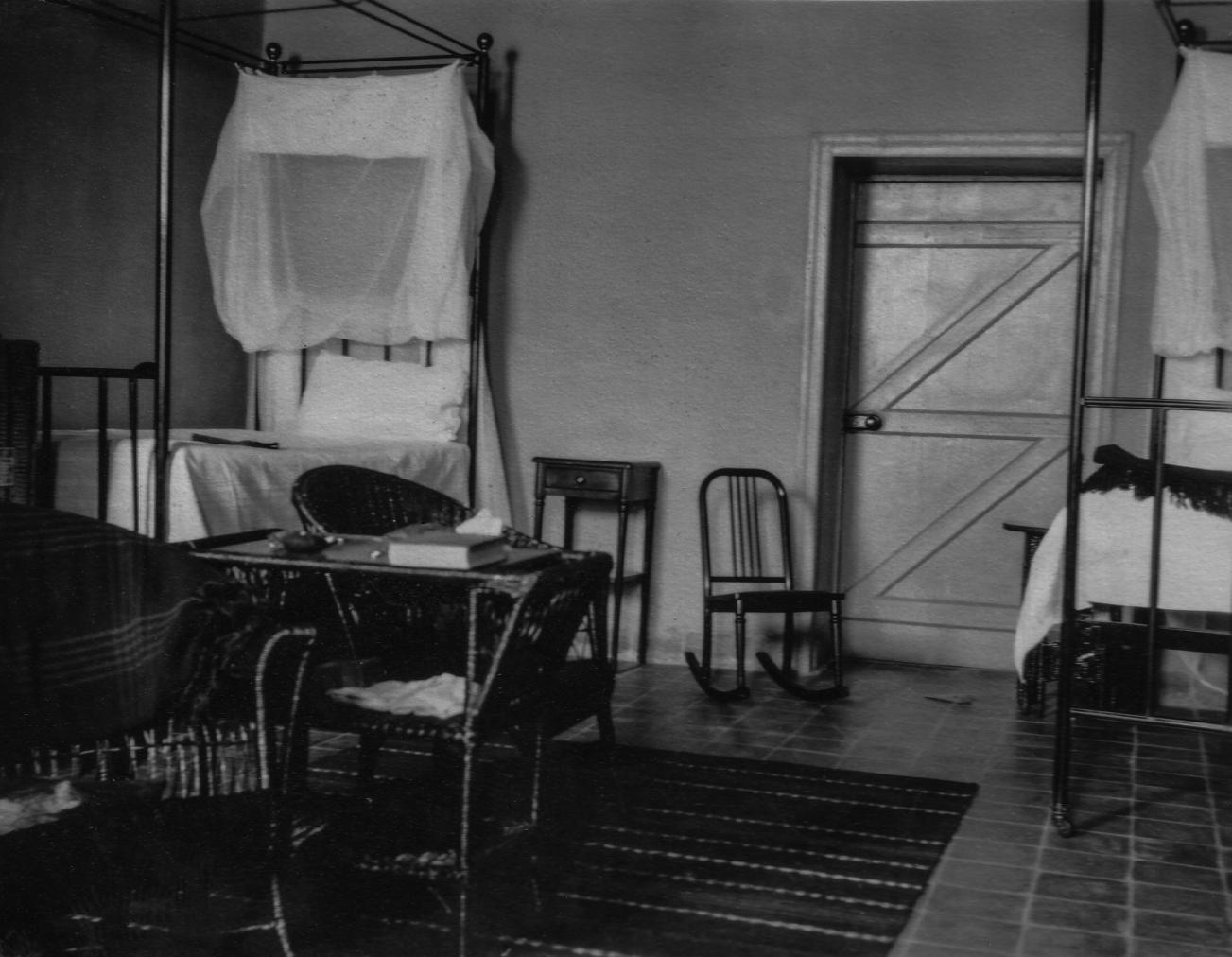
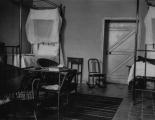
Old Chicago House. Caroline Ransom Williams visit, December 12, 1926 to February 13, 1927. View of a bedroom. Epigraphic Survey Negative 19869. Courtesy of the Institute for the Study of Ancient Cultures of the University of Chicago.
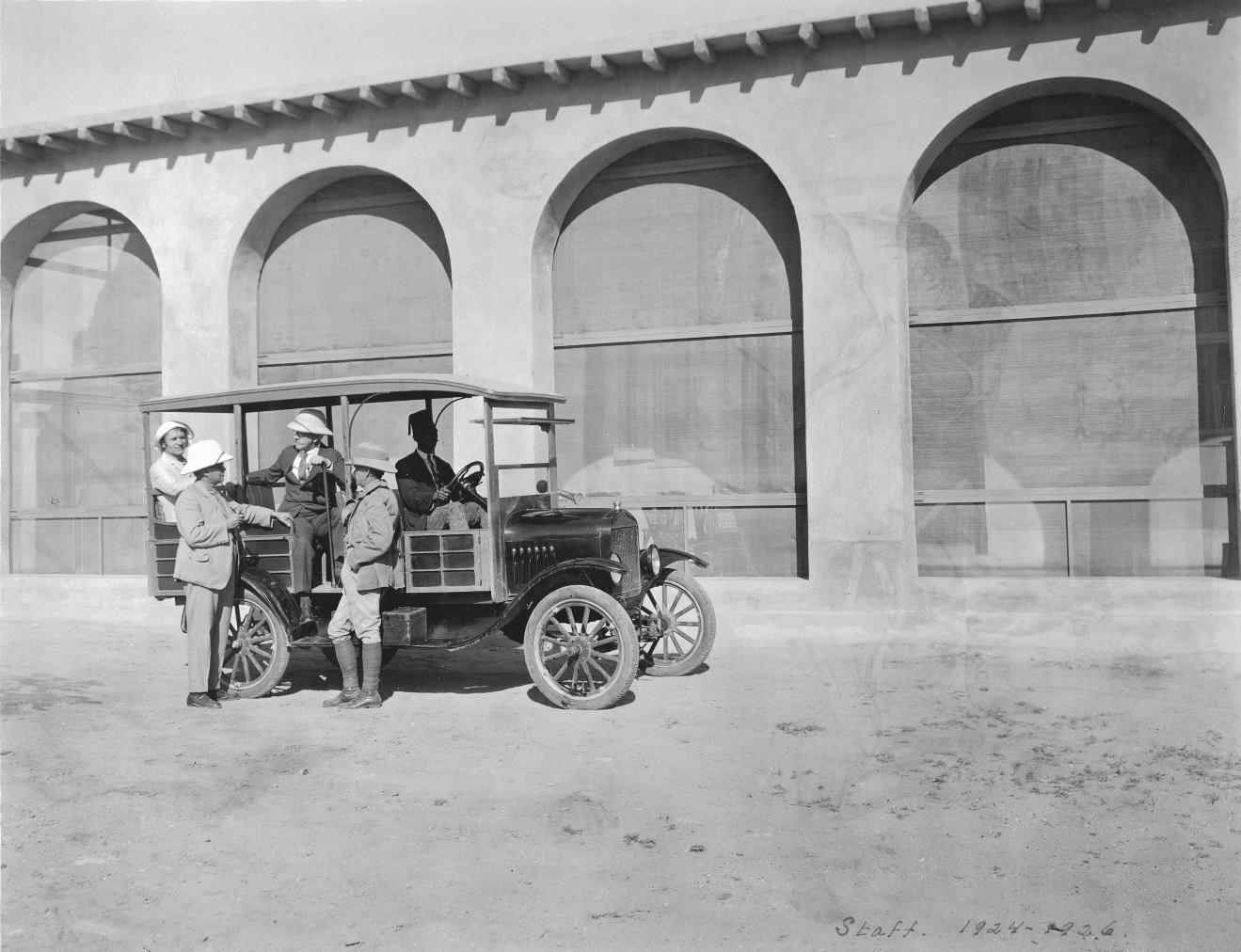
Old Chicago House. Staff 1924-1926 in a old car (1926 ? Ford Model T Depot Hack): Seated: A. Bollacher, J.H. Breasted, Mahmud. Standing: H.H. Nelson and C.S. Fisher (?). Epigraphic Survey Negative 1074. Courtesy of the Institute for the Study of Ancient Cultures of the University of Chicago.
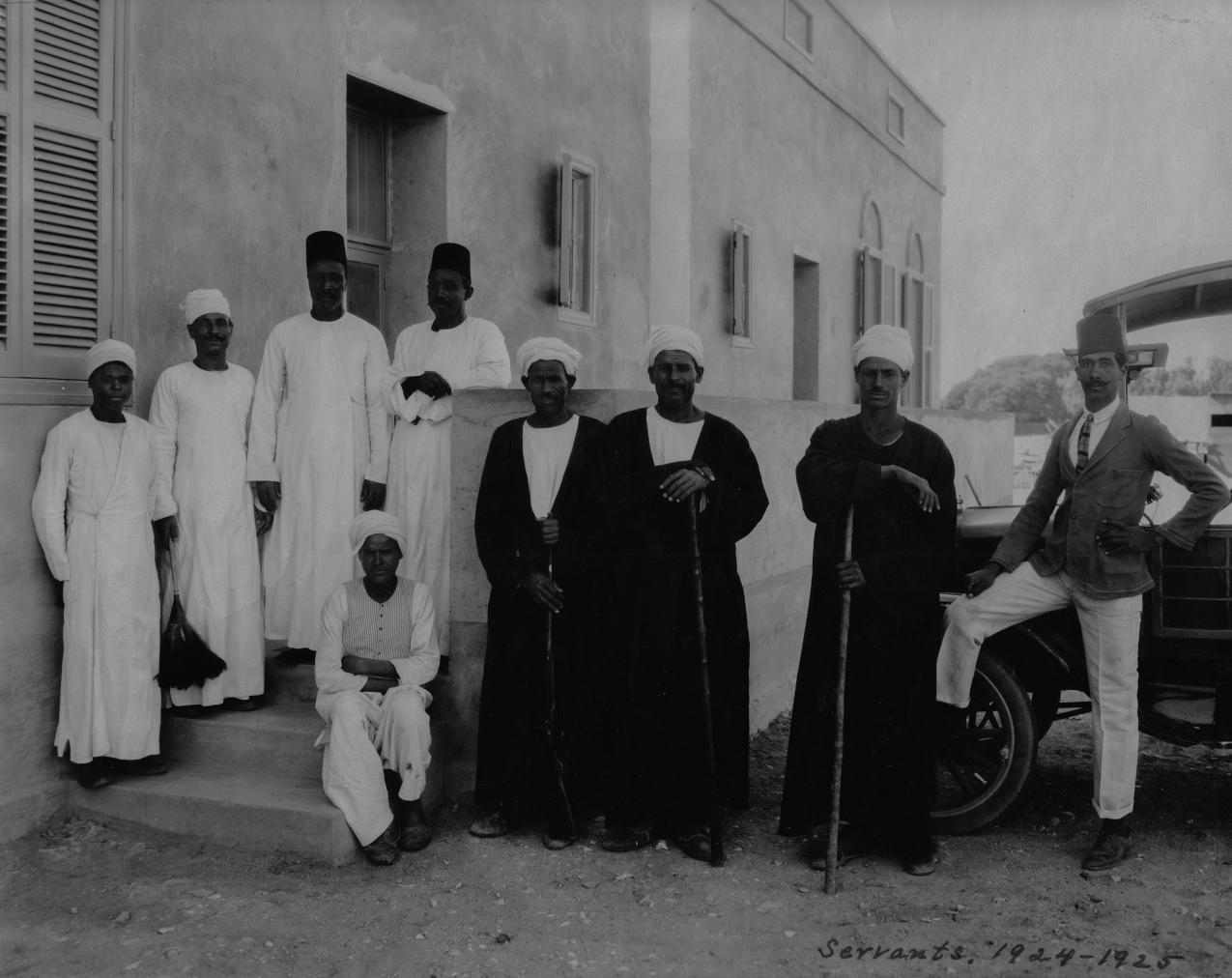
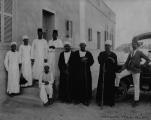
Old Chicago House. Staff photo 1924-1925. Egyptian staff: on the right, Mahmoud (the driver), Abd el-Qader, Ali, Abu'l Hakim (with gun), Mahmud and Hiya (with tarbush). Seated, Selim. Epigraphic Survey Negative 1092. Courtesy of the Institute for the Study of Ancient Cultures of the University of Chicago.
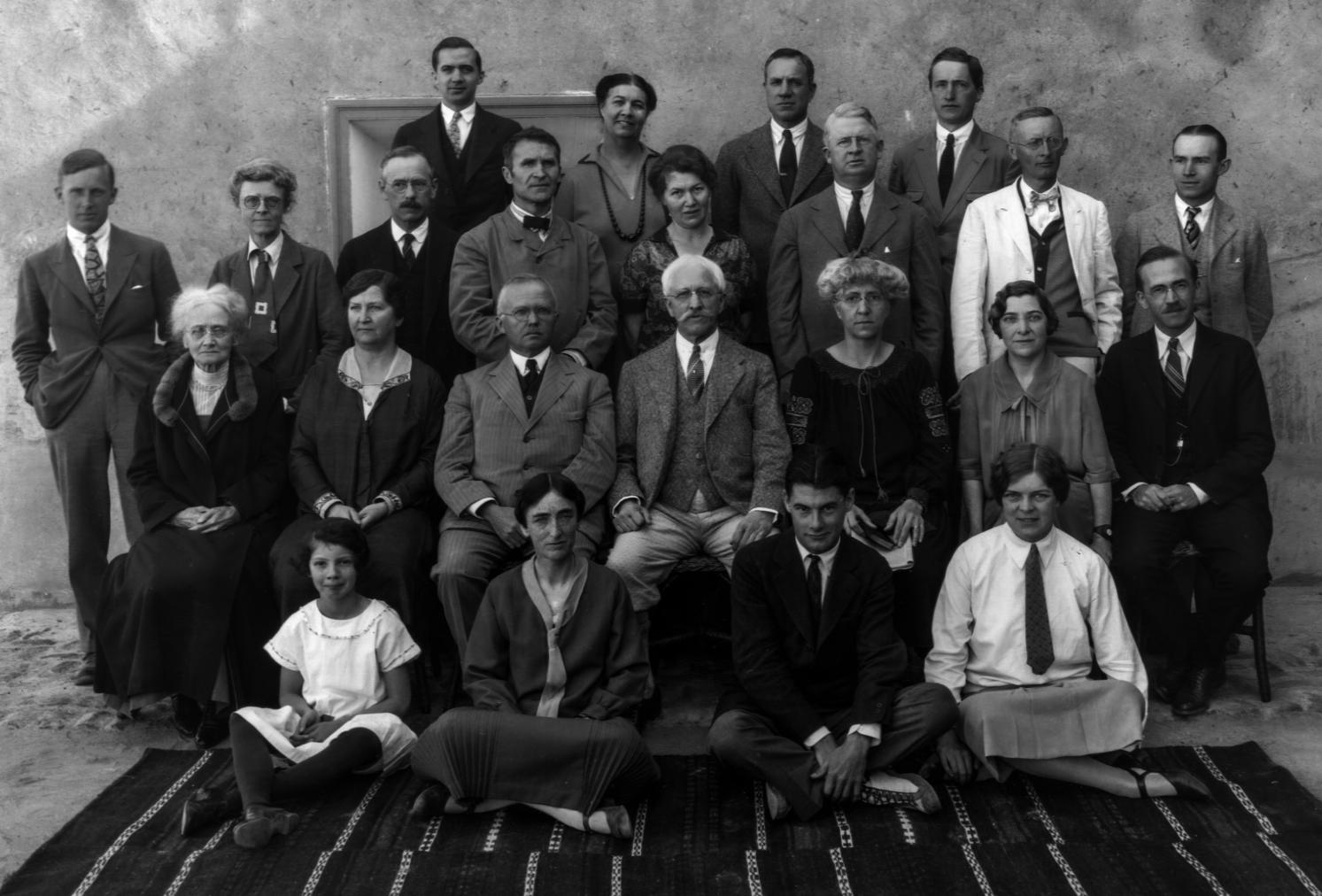
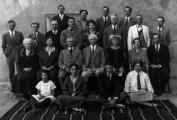
Old Chicago House. Staff photo 1926-1927: Top row, left to right: Robert J. Barr, Mlle Caillat, Virgilio Canziani, Adrian de Buck. Second row: H. Bayfield Clark, Caroline R. Williams, Clarence S. Fisher, Alfred Bollacher, Auguste Bollacher, Alan H. Gardiner, Uvo Holscher, Edward DeLoach. Third row: Mrs Ransom (mother), Libbie Nelson, Harold H. Nelson, James H. Breasted, Frances Breasted, Jean Edgerton, William F. Edgerton. Fourth row: Irene Nelson (adopted daughter), Phoebe Byles, John A. Wilson, Mary Wilson. Epigraphic Survey Negative 1096. Courtesy of the Institute for the Study of Ancient Cultures of the University of Chicago.
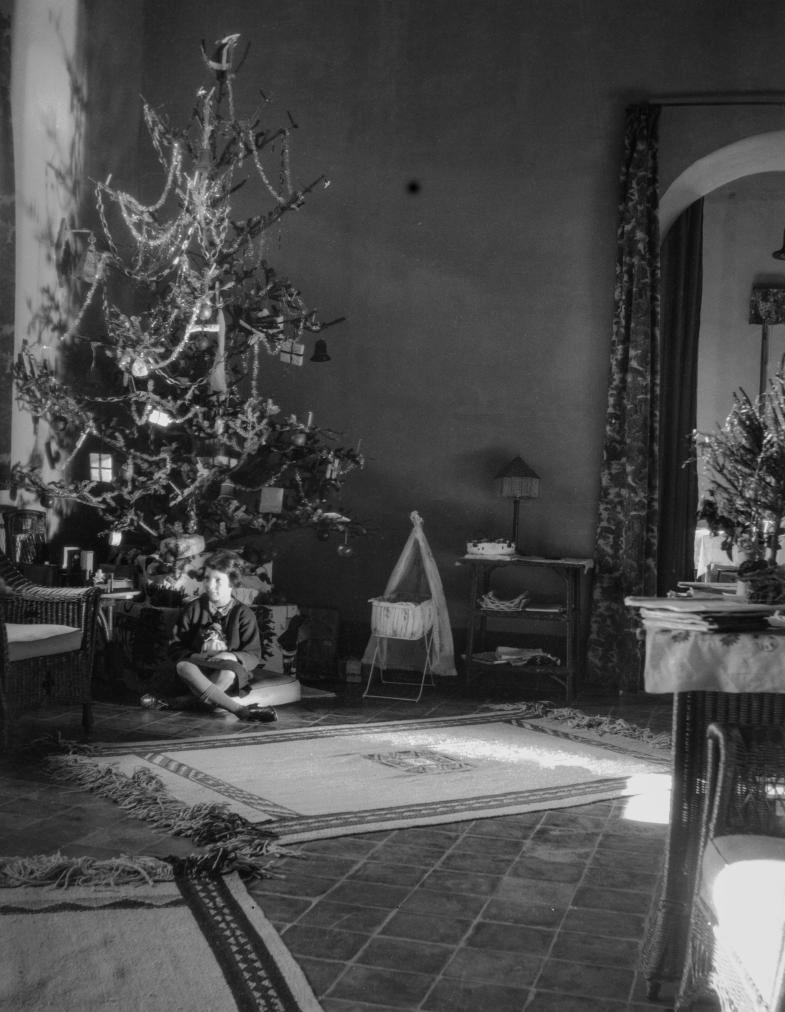
Old Chicago House. Caroline Ransom Williams visit, December 12, 1926 to February 13, 1927. Irene Nelson’s birthday. On porch of Chicago House. left to right: Mrs. Nelson, Frances Winlock, Herr Bollacher, Barbara Winlock, Irene Nelson. Epigraphic Survey Negative 16282. Courtesy of the Institute for the Study of Ancient Cultures of the University of Chicago.
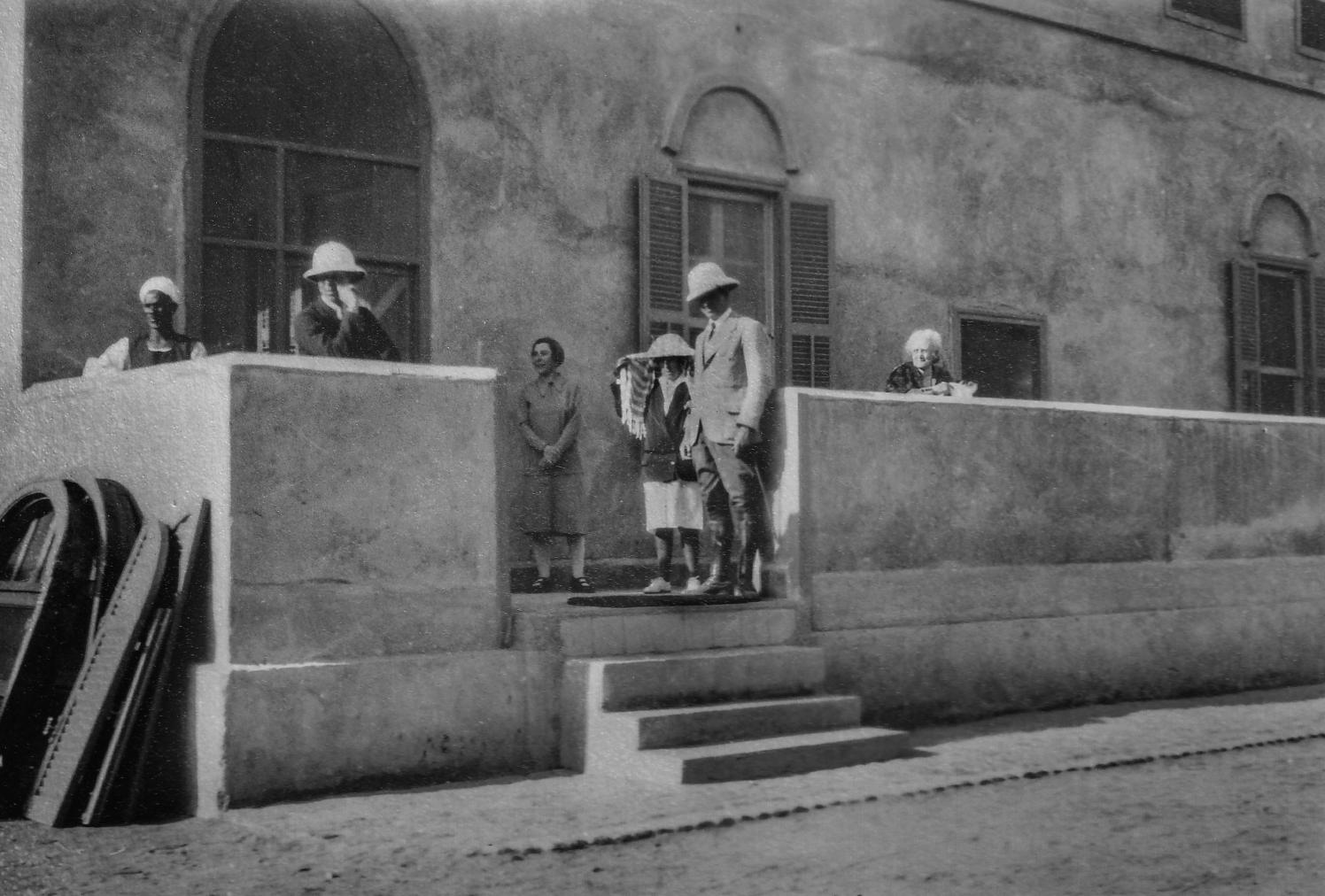
Old Chicago House. Caroline Ransom Williams visit, December 12, 1926 to February 13, 1927. Epigraphic Survey Negative 19854. Courtesy of the Institute for the Study of Ancient Cultures of the University of Chicago.
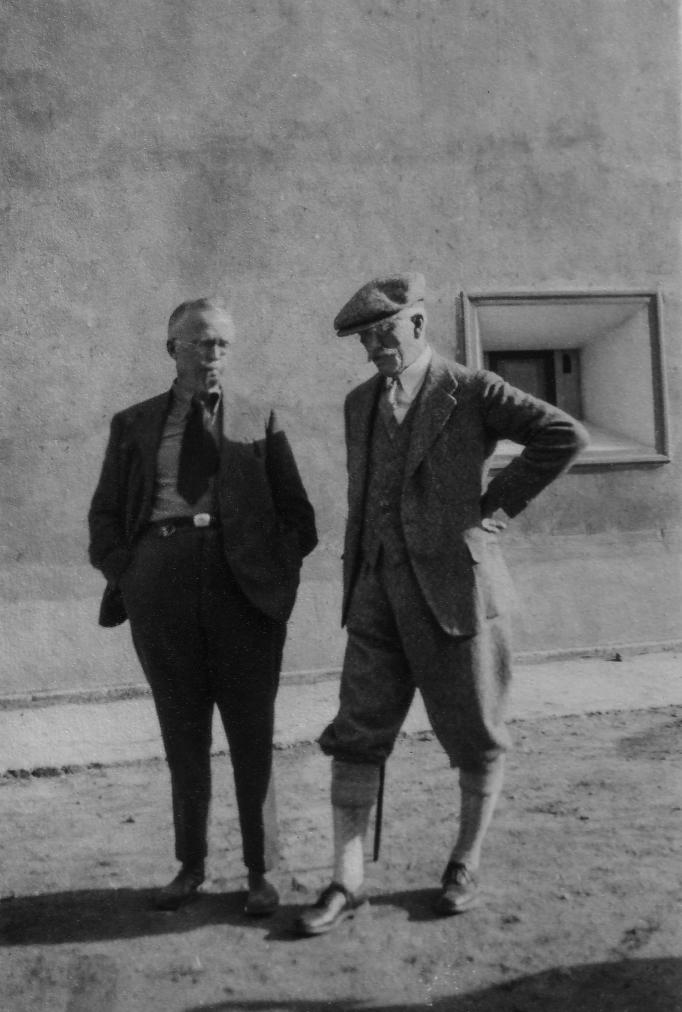
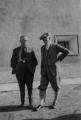
Old Chicago House. Caroline Ransom Williams visit, December 12, 1926 to February 13, 1927. Harold Nelson at left, James Breasted at right. Epigraphic Survey Negative 19862. Courtesy of the Institute for the Study of Ancient Cultures of the University of Chicago.
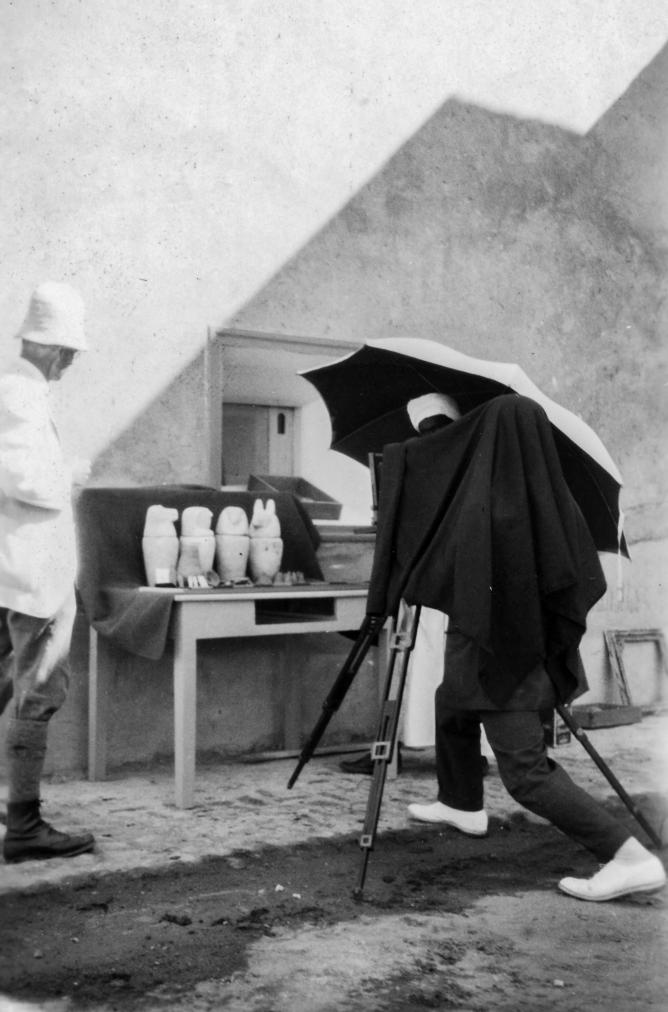
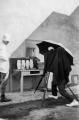
Old Chicago House. Caroline Ransom Williams visit, December 12, 1926 to February 13, 1927. Prof. Uvo Holscher watches the photographing of Canopic jars. Epigraphic Survey Negative 19866. Courtesy of the Institute for the Study of Ancient Cultures of the University of Chicago.
Bibliography
Johnson, W. Raymond. The Epigraphic Survey in Luxor: the first seventy-five years. The Oriental Institute News & Notes 164 (2000): 1-9.
Teeter, Emily. Chicago on the Nile: a century of work by the Epigraphic Survey of the University of Chicago. ISAC Museum Publications 2. Chicago: Institute for the Study of Ancient Cultures, 2024: 273-307.
Warner, Nicholas. Clarke/Fathy: Reviving Traditions. In: El-Wakil, Leila (ed.). Hassan Fathy: An Architectural Life. Cairo: The American University in Cairo Press, 2018: 266-268.