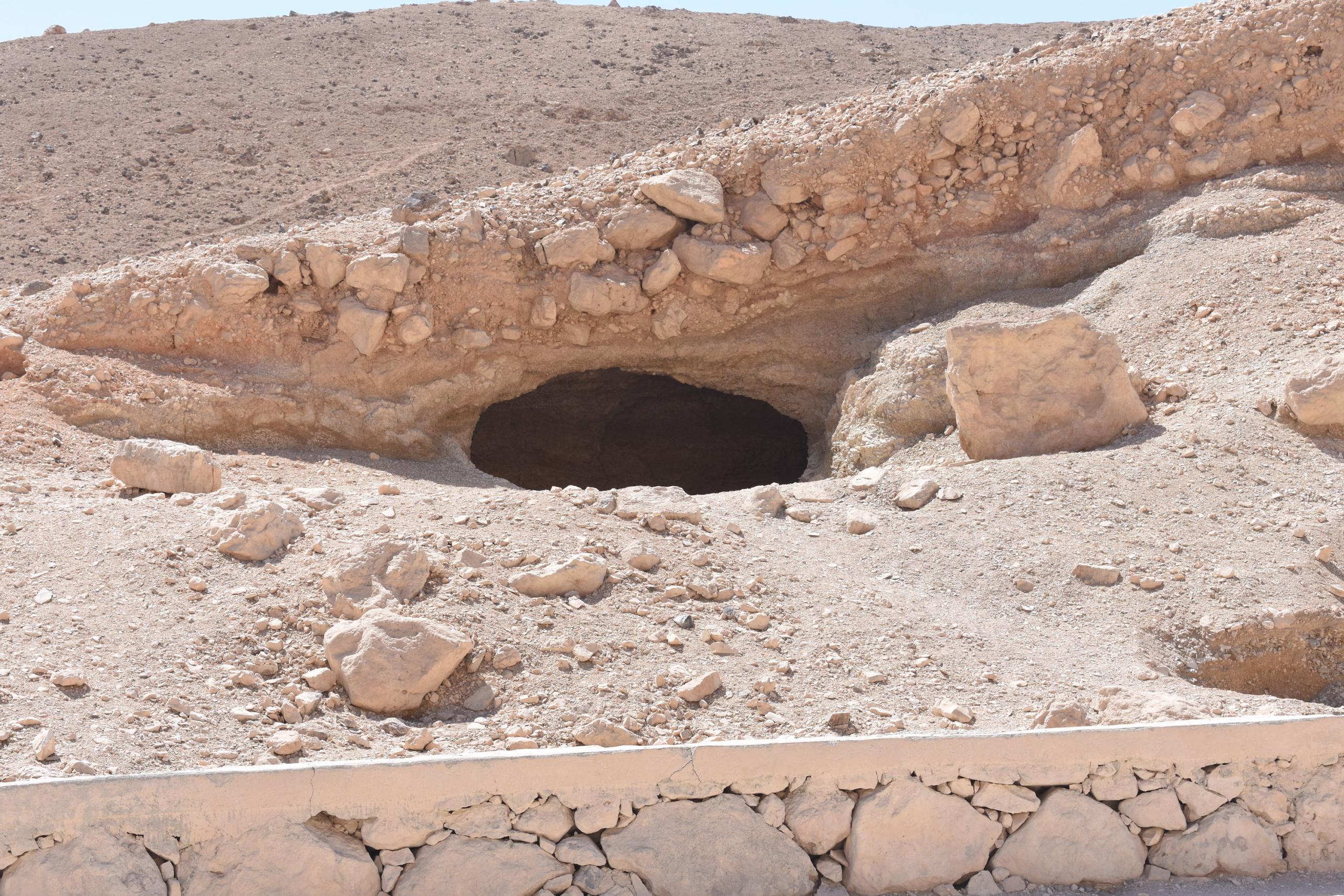
The Valley of the Queens and Western Wadis













About The Valley of the Queens and Western Wadis
About
Approximately 1.5 km southwest of the Valley of the Kings, several wadis extend west from the edge of the low desert into and behind the Qurn, offering accessible but easily protected sites for burials. Here is where the tombs of many of Egypt’s New Kingdom royal family members lie. The most famous of these is the Valley of the Queens (QV). Commonly known in Arabic as Wadi Biban al-Malakat, QV has many other modern names, including Biban al Harim (“Gates of the Harim”) and Biban al Banat (“Gates of the Daughters”). Nearly all refer to female royalty, and it is their tombs for which QV is best known. However, the first people to be buried in QV were not queens but princes and princesses, sons and daughters of New Kingdom pharaohs. Indeed, the ancient name of the valley, ta set neferu, is a phrase that can mean both “The Place of Beauty” and “The Place of (Royal) Children”. The earliest burials in the QV date to the 18th Dynasty and were nearly all of royal offspring. It is only from the early 19th Dynasty onward that royal wives and mothers were also interred here. It is worth noting that a relatively small number of New Kingdom royal wives, sons, and daughters were buried in QV and nearby wadis in comparison to what is found in the historical record.
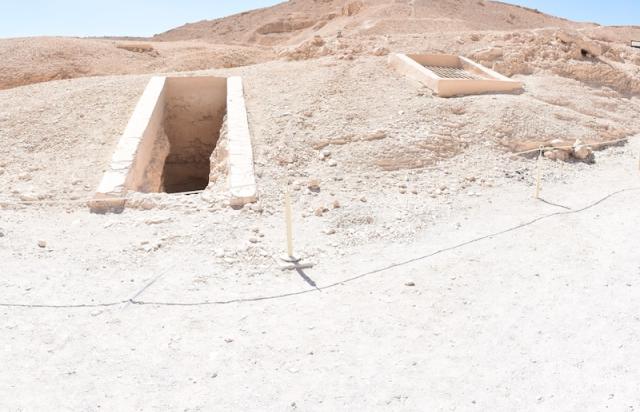
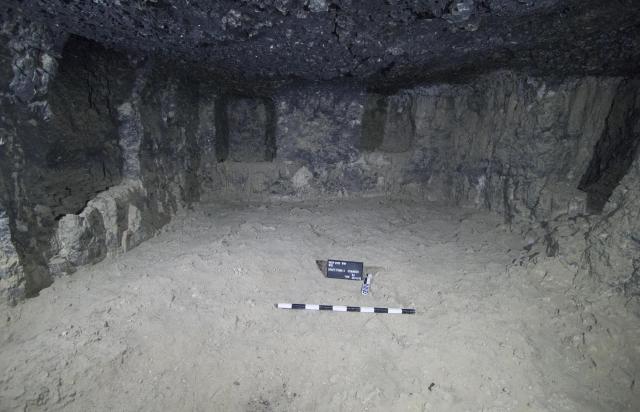
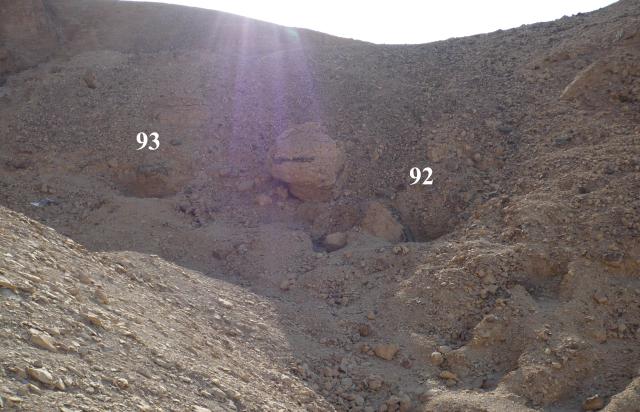
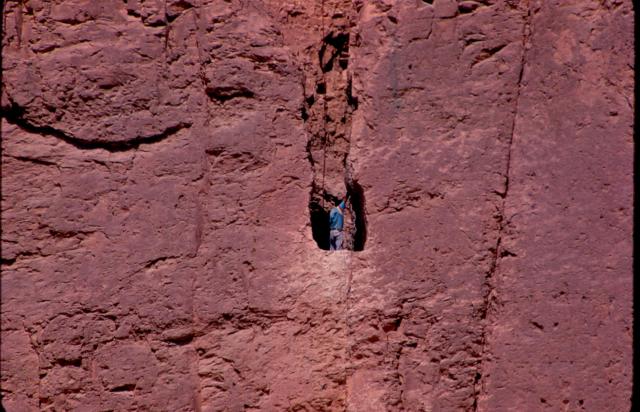
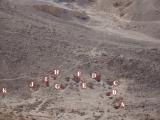
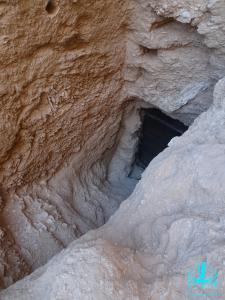
Lying close to the QV are 3 subsidiary wadis that were also used as burial sites for royal family members and elite officials. The tomb of Prince Ahmose (QV 88) was dug in the eponymous Valley of Prince Ahmose, together with that of an anonymous person (QV 98). Several Christian hermitages (called laurae) were later built here as well. The Valley of the Rope (Vallée du Cord, Wadi Habl), named by European visitors for a length of ancient rope hanging down a nearby cliff face, was the site chosen for several 18th Dynasty tombs (QV 92, QV 93, and QV 97). Lastly, the Valley of Three Pits (Vallée des Trois Puits) contains three shaft tombs (QV 89, QV 90, QV 91) and twelve smaller tombs of the Thutmosid Period (QV A through QV L).
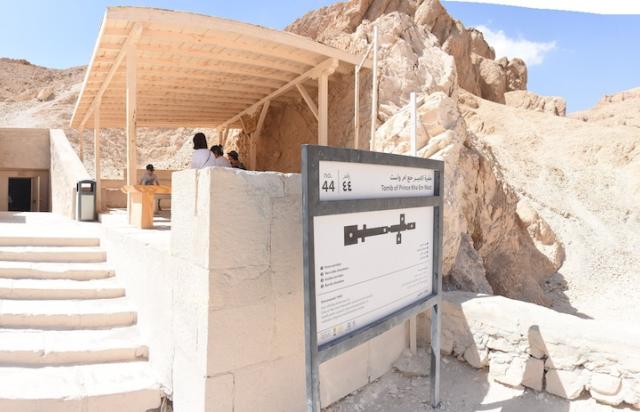
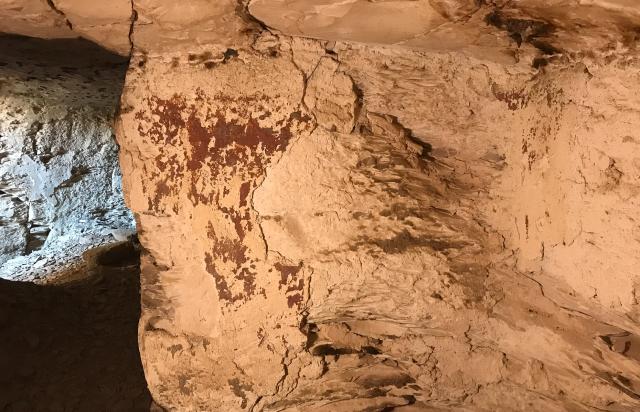
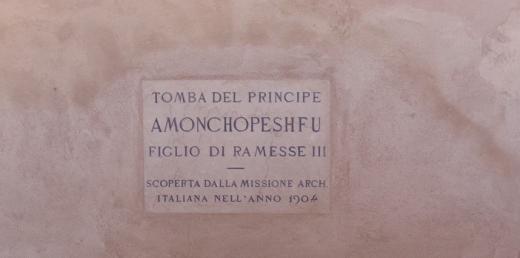
The numbering system now used in the QV and subsidiary wadis was developed by Ernesto Schiaparelli and Francesco Ballerini of the Turin Museum Italian Archaeological Expedition that excavated in the area from 1903-1905. The original plaques erected by Schiaparelli and Ballerini to commemorate a tomb's discovery can still be found at a number of the entrances, including QV 44, QV 52, and QV 55. One hundred and eleven tombs have been found in QV and subsidiary wadis thus far, but the names of only about 35% of their owners are known. The others are anonymous, some because their names were never written on the tombs’ walls, some because their names and inscribed grave goods were destroyed by floods or vandalism, and some because their tomb was reused and earlier texts erased. Furthermore, only 22% of the tombs in the QV and subsidiary wadis were decorated. The 18th Dynasty tombs were either left bare or plastered over and it is only from the 19th Dynasty onwards that the walls were decorated with images of the deceased offering to or adoring deities and scenes from various funerary books.
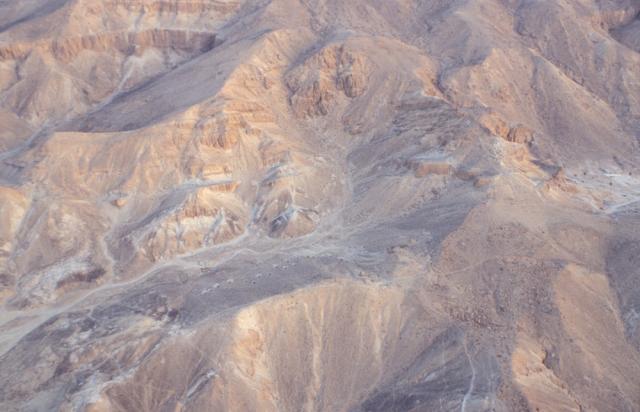
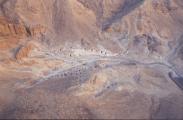
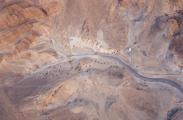
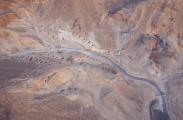
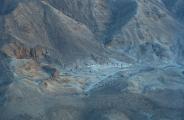
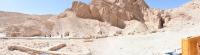
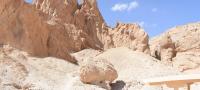
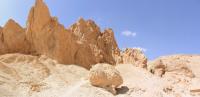
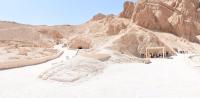
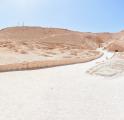
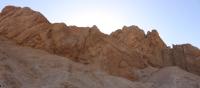
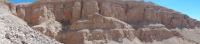
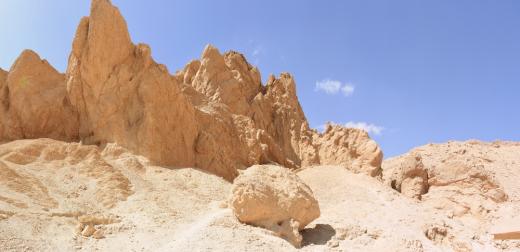
About two kilometers west of the QV, several large wadi systems cut deep into steep cliffs that define the back of the Qurn. These are collectively known as the Western Wadis. The area’s magnificent scenery has been remarked upon by nearly every archaeologist who has made the trek. Elizabeth Thomas wrote that “beauty alone … would make its exploration a pleasure.” Howard Carter observed that there was “no doubt” these wadis were cemeteries for 18th Dynasty royal wives and daughters, and that beauty and isolation were features that probably led ancient Egyptians to choose them, together with the more easily accessible Valley of the Queens.
Archaeologists have found tombs, worker’s camps and other structures, rock-cut graffiti, and Coptic dwellings in the Western Wadis. The closest to the QV is Wadi ‘300’ (named for the note “GRAVES 300” on Howard Carter’s 1917 map of the area) where some forty small tombs have been found and surveyed by the TMP in the 1980s and more recently by the New Kingdom Research Foundation (NKRF) led by Piers Litherland. This wadi is identified as ‘Première Vallée’ on the 1970 CEDAE / IGN map.
To the west is Wadi ‘1’ (named for the key number on Carter’s map) with a tomb surveyed by the TMP and a recent tomb discovered by the NKRF. This wadi is identified as ‘Deuxième Vallée’ on the CEDAE / IGN map.
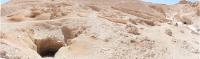
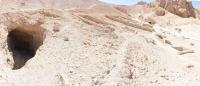
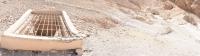
The most important of the Western Wadis is Wadi Jabbanat al Qurud. It includes a branch named Wadi Sikkat Taqat Zayid that ends in a section designated by Carter as Wadi A. This is the location of two cliff tombs, Wadi A-1 and Wadi A-2, as well as three pit tombs, Wadi A-3, Wadi A-4, and Wadi A-5. While Wadi A-2 is anonymous, Wadi A-1 was cut for Hatshepsut before her accession to the throne. ‘Sikkat Taqat Zayid’ translates to ‘Path of the Window of Zayid’ referring to an opening in a cliff face of Wadi ‘1’ and an unknown person named Zayid.
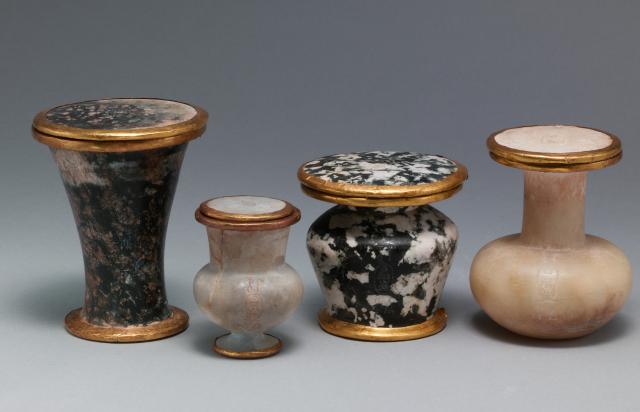
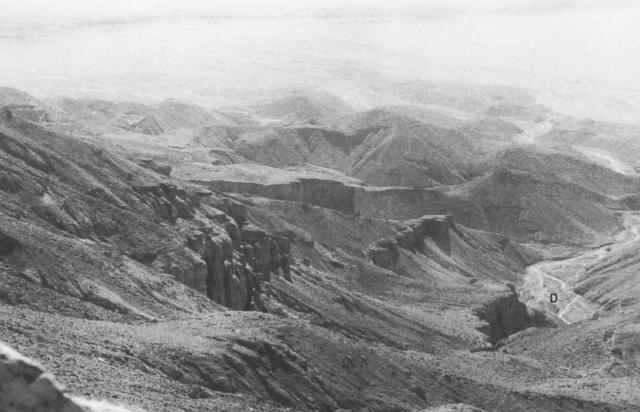
Wadi Jabbanat al Qurud also encompasses three other smaller wadis designated by Howard Carter as B, C, and D. Its name means ‘Cemetery of the Apes’, due to the fact that 19th century explorers found Late or Ptolemaic burials of over a hundred mummified baboons in Wadi D. Wadi A is the location of two cliff tombs, Wadi A-1 and Wadi A-2, as well as two pit tombs, Wadi A-3 and Wadi A-4. While Wadi A-2 is anonymous, Wadi A-1 was cut for Hatshepsut before her accession to the throne. Neferure, a daughter of Hatshepsut, may have been buried in a cliff tomb in Wadi C (Wadi C-1), although some have suggested it is the tomb of Merytra, principal wife of Thutmes III. A tomb in Wadi D (Wadi D-1), variously and confusingly also labelled HC 70, ET B, and D1 by various archaeologists, was dug for three Syrian princesses and minor queens of Thutmes III. It was documented most recently by Christine Lilyquist of the Metropolitan Museum of Art.
Wadi al Gharbi, which includes Wadis E, F, and G, is the largest and most distant of the outliers. Some believe that the 20th Dynasty tomb of the High Priest and last pharaoh at Thebes, Herihor, may lie here undiscovered in Wadi F. However, this is unproved and considered doubtful by many.
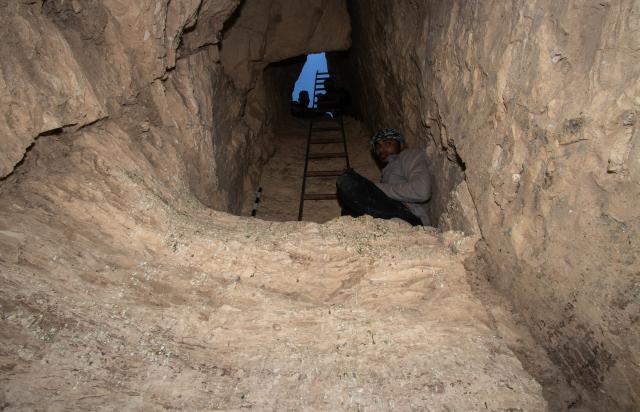
Lastly, a large complex of subterranean shaft tombs, WB 1, lie further west in Wadi al-Bariyah. First noted by Howard Carter, WB 1 was excavated by a joint mission between the Egyptian Ministry of Tourism and Antiquities (MOTA) and the NKRF. In contrast to the hidden cliff tombs of Wadis A-D, these shaft tombs were excavated into a mound some 15m above the broad, flat flood-plain. The burial equipment discovered in and associated with these tombs indicate that they belonged to members of the royal court of Amenhetep III. Most recently, the joint MOTA-NKRF mission discovered a new royal tomb in Wadi C. This tomb, Wadi C-4, has been identified as belonging to Thutmes II. Most recently, the joint mission between the New Kingdom Research Foundation and the Ministry of Tourism and Antiquities discovered a new royal tomb in Wadi C. This tomb most likely belonged to a great royal wife and several children of a Thutmoside king. The Western Wadis thus served as a precursor to the Valley of the Queens as the burial place of senior members of the royal family, namely Queens. The reason for the shift from the outlying wadis to the QV in the 19th Dynasty is unknown, but may be due to the easier accessibility of the latter.
Along a path leading from the QV to Dayr al-Madinah, a sanctuary was cut into the bedrock in the late 18th Dynasty in an area now known as the Valley of the Dolmen. It consists of seven chapels for Ptah and Meretseger, deities closely associated with the Theban necropolis and QV. Two man-made structures further along the path, termed "dolmen" and a "menhir" by early European travelers, were also sites of New Kingdom activity. The menhir was a small stone structure with several rooms that may have served as a place of shelter or worship for workmen. The dolmen was a small chamber built of stacked blocks that perhaps served similar functions. In the New Kingdom, security in QV and the surrounding area was maintained by small, stone guard huts along the ridge west of QV and nearby burial sites.
*The tombs marked with an asterisk (*) were not surveyed by the Theban Mapping Project and do not currently have plans.

Particular credit is given to the following publications produced by the Getty Conservation Institute through its Valley of the Queens Project:
Demas, Martha, and Neville Agnew, eds. 2012. Valley of the Queens Assessment Report: A Collaborative Project of the Getty Conservation Institute and the Supreme Council of Antiquities, Egypt. Vol. 1, Conservation and Management Planning. Los Angeles: Getty Conservation Institute. http://hdl.handle.net/10020/gci_pubs/valley_queens
Demas, Martha, and Neville Agnew, eds. 2016. Valley of the Queens Assessment Report: A Collaborative Project of the Getty Conservation Institute and the Supreme Council of Antiquities, Egypt. Vol. 2, Assessment of 18th, 19th, and 20th Dynasty Tombs. Los Angeles: Getty Conservation Institute. http://hdl.handle.net/10020/gci_pubs/valley_queens
Site History
Except for a few Palaeolithic stone tools, there is little evidence of human activity in QV and subsidiary wadis before the 18th Dynasty. Then, perhaps because of the valley’s convenient location, it became an increasingly common site for the burials of minor members of the royal family, gradually replacing the outlying western wadis as the principal burial site. As important as location when determining the burial site for royal family members, Egyptologists believe that a small grotto in the cliffs at the southwestern limit of QV reminded ancient priests of the vulva of the goddess Hathor, an appropriate symbol to accompany the burials of royal children, wives, and mothers. That grotto would fill with water when it rained, then drain along a small, natural watercourse through the middle of QV, emptying into the desert outside the valley’s entrance. QV tombs were dug on either side of this watercourse - 18th Dynasty tombs lay close beside it; early 19th Dynasty tombs clustered at the base of low hills to its southwest; later 19th Dynasty tombs lay to its north; and 20th Dynasty tombs were dug to its south and west. Egyptologists have identified a small dam, believed to have been built in the 20th Dynasty reign of Ramesses III, to divert water that poured from the grotto and threatened low-lying 19th Dynasty tombs. Constructed of roughly-cut local stone, the simple dam stood one meter high and 18 meters long. A large section of it can still be seen today. After the New Kingdom, in Late Dynastic through Ptolemaic times, few tombs were dug in QV, but several earlier tombs were reused, often for multiple burials. Some were filled with as many as a hundred human or avian mummies. Later, QV was ignored - there were neither new tombs dug nor graffiti written on earlier tomb walls. This isolation, however, did appeal to 4th-century CE Christian monks. They built a monastery here, Dayr al-Rumi, and several QV tombs were reused as monastic cells. Other hermitages were established on the adjacent hillside (e.g., in the Valley of Prince Ahmose). This Christian use continued for three centuries, until the coming of Islam in the 7th century AD.
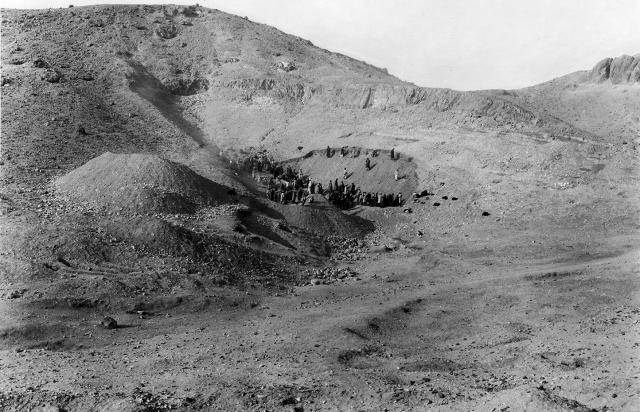
The earliest references we have to modern European visitors in QV and surrounding wadis are from the 19th Century. Jean Jacques Rifaud and Giovanni Battista Belzoni both recorded QV 52 in the early 1800s. Robert Hay of Linplum (1826), John Garder Wilkinson (1828), Jean-François Champollion and Ippolito Rosellini (1829), Karl Richard Lepsius (1844), and Heinrich Brugsch (1854) explored accessible tombs, conducted epigraphic surveys, and documented architectural tomb plans. The first systematic excavation, however, was conducted by an Italian expedition from the Turin Museum, led by Ernesto Schiaparelli and Franceso Ballerini (1903-1905). Their excavations in the QV and subsidiary wadis led to the discovery of the tombs of Nefertari (QV 66) and of the sons of Ramesses III (QV 43, QV 44 and QV 55), the clearing of several 18th Dynasty shaft tombs, and photographic documentation of the landscape, tombs, and finds. Schiaparelli and Ballerini also applied a new tomb numbering system, one that is still in use today. The Italian mission’s work in the area led to the establishment of the largest collection of QV objects at the Turin Museum.
Beginning in the 1970s, a second comprehensive archaeological investigation was undertaken in the QV and subsidiary wadis by a joint Franco-Egyptian Mission – the Centre National de la Recherche Scientifique (CNRS) and the Centre d’Etude et de Documentation sur l’Ancienne Egypte (CEDAE) - under the direction of Christiane Desroches Noblecourt and, later, of Christian Leblanc. Their activities, which were largely developed from 1984 to 1994, included epigraphic surveys, architectural and photographic documentation, clearing and exploration of all numbered tombs, and site management efforts. Their research has provided a comprehensive understanding of the use of the area, the identity of many tombs, and the post-pharaonic history of the site.
Several other individuals and projects have conducted surveys, excavations, conservation, and studies in QV and surrounding wadis. The naturalists, Charlies Lortet and Claude Gaillard (1905-1907), surveyed and excavated in Wadi Jabbanat el-Qurud, discovering "hundreds" of mummified baboon remains. Shortly before the discovery of the tomb of Tutankhamen (KV 62), Howard Carter (1916-1917) surveyed the Western Wadis and excavated in the tomb of Hatshepsut (Wadi A-1). Émile Baraize (1921), after which tomb Wadi A-2 is named, surveyed and excavated tombs Wadi A-1 and Wadi A-2. Elizabeth Thomas (1959-1960) undertook an exhaustive survey and study of tomb architecture in the Valley of the Queens, subsidiary wadis, as well as the Western Wadis and published her findings in Royal Necropoleis of Thebes (1966). Shortly afterwards, the CEDAE (1967-1975) undertook an extensive epigraphic survey of graffiti in the Western Wadis. The Theban Mapping Project (1981-1982), under the direction of Kent Weeks, surveyed sixty-one accessible tombs in the QV and forty more in the Western Wadis. The Getty Conservation Institute (GCI) in collaboration with the Egyptian Antiquities Authority (EAO) began a project for the conservation of the wall paintings of the tomb of Nefertari. The project took place from 1986 to 1992, with environmental monitoring and periodic evaluations of the condition of the wall paintings continuing until 1996. In 1988, Christine Lillyquist of the Metropolitan Museum of Art conducted excavations and studies in the tomb of the three foreign queens (Wadi D-1).
Ongoing conservation work in the QV and subsidiary wadis is being carried out by a joint mission between the GCI and Supreme Council of Antiquities (SCA) and has resulted in a comprehensive QV conservation and management plan. Excavations and surveys have also continued in the Western Wadis, most notably by a joint mission by the Cambridge Expedition to the Valley of the Kings and the New Kingdom Research Foundation led by Piers Litherland (2013-present).
Dating
This site was used during the following period(s):
Conservation
Conservation History
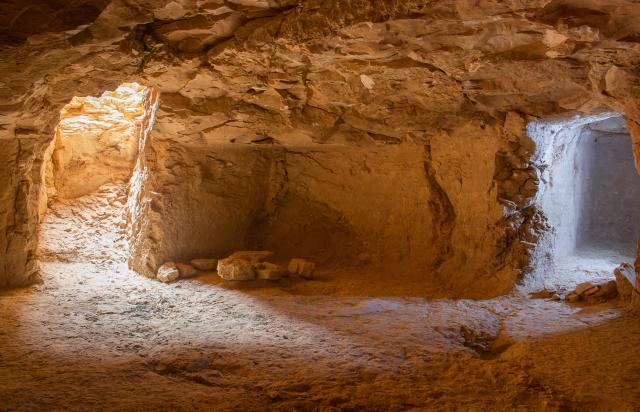
Much of the conservation measures enacted have taken place in the Valley of the Queens. The poor quality of the limestone in the area and internal rock movement pose a threat to the stability of the tombs. Several of the 18th Dynasty shaft tombs have been reburied and the vast majority now have modern masonry surrounds to mitigate erosion. Reconstructions of pillars in larger 19th and 20th Dynasty tombs and the installation of shoring mitigate the effects of internal rock movement.
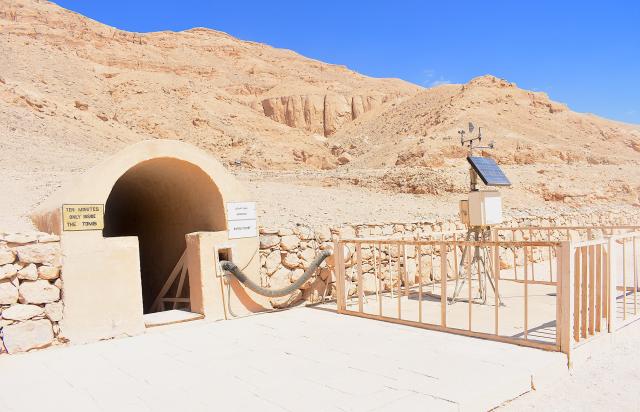
Other Steps have been taken to mitigate the negative affects of tourist visitation. Paths bordered by rubble retaining walls control the flow of tourists, and shelters have been erected at QV 51, QV 55, QV 44, and QV 66. New signage was installed at the open tombs by the Supreme Council of Antiquities and the Ministry of Tourism and Antiquities. An air circulation system was installed in QV 66, which now requires a separate ticket to visit and tourists are limited to 15 minutes inside. The open tombs, QV 44, QV 52, and QV 55, have plexiglass panels to protect the reliefs from the hands of visitors and wooden flooring to protect the floors.
Flash flooding is a serious threat to the low lying tombs in the area (mostly 18th Dynasty shaft tombs) and has prompted the construction of shelters over the entrances of tombs endangered by flood cascades. Flood deflection walls built around tomb entrances also protect from the effects of torrential rains.
Between 2006-2011 the Getty Conservation Institute (GCI) in partnership with Egypt's Ministry of State for Antiquities undertook detailed and comprehensive planning for the conservation and management of the Valley and to jointly implement the results of the plan. Prior to this, from 1986 to 1992, the GCI worked with Egyptian colleagues and an international team on the conservation of the wall paintings in the tomb of Queen Nefertari (QV 66).
The aim of the Valley of the Queens project was to tackle threats and impacts to the site in a comprehensive program that addressed flood mitigation, tomb stabilization and protection, conservation of wall paintings and site elements, site and visitor management, and site and visitor infrastructure. This also included training for Egyptian personnel in areas of wall paintings conservation and management of archaeological sites; and was coordinated closely with other groups working in the West Bank to promote an integrated approach to the conservation of ancient Thebes.
The Queens Valley Project was conceived in two phases and has resulted in a comprehensive QV conservation and management plan. Phase 1 of the project (2006—2010) involved comprehensive research, planning and assessment, culminating in the development of detailed plans, and architectural and engineering drawings. Phase 2 of the project, implementation of these plans, was intended to begin in 2011. Only conservation of the wall paintings in many of the tombs has been undertaken to date. The bulk of the intended implementation was interrupted by events in Egypt in 2011 and again in 2013.
Site Condition
The principal problems and threats that are impacting the long-term preservation and integrity of the Valley of the Queens include rock collapse in many tombs and extensive damage with loss of original wall paintings due to geological anomalies of the site in conjunction with flash flooding in the past; extensive reuse of the tombs in late antiquity - the Third Intermediate, Roman, and Coptic periods - resulting in significant damage from fire and alteration; deterioration and defacement of paintings in many tombs as a result of inhabitation by bat colonies; the rise of mass tourism to the site causing extreme overcrowding and uncomfortable conditions within the tombs; and poor presentation of the site and tombs and lack of interpretation of the site, including its post-pharaonic use and wall paintings. Underlying all these problems is the absence of effective site management to ensure the site's long-term sustainability.
Tombs in the Subsidiary Wadis and Western Wadis are also in danger of flooding. These tombs are also not protected by modern entrances and are susceptible to erosion and unpermitted visitation.
Hieroglyphs
Valley of the Queens
 The Place of Beauty
tA st nfrw
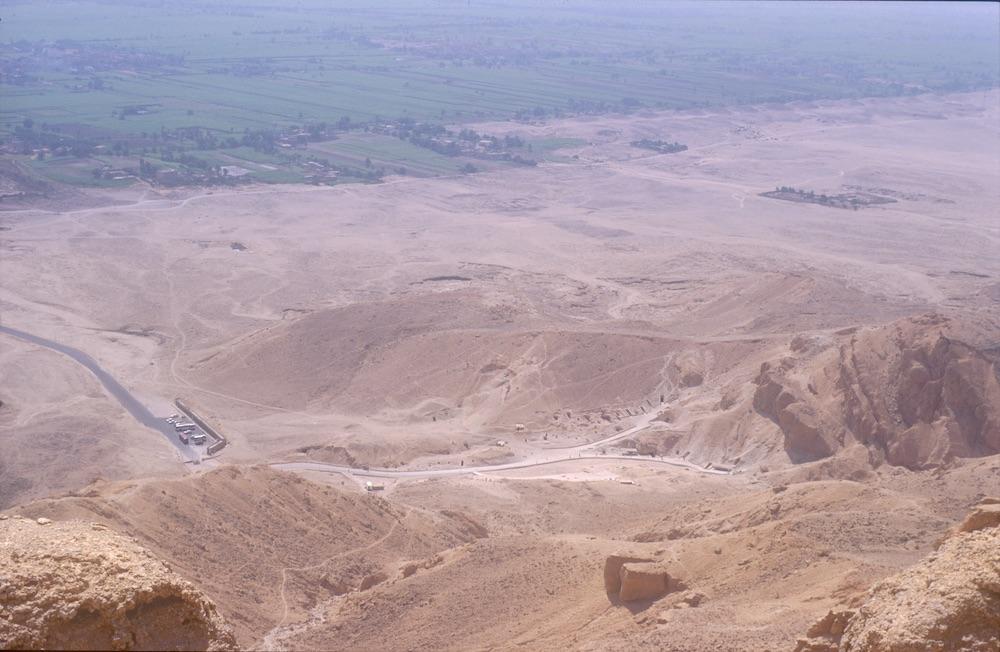
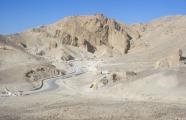
Valley of the Queens with the cultivation beyond.
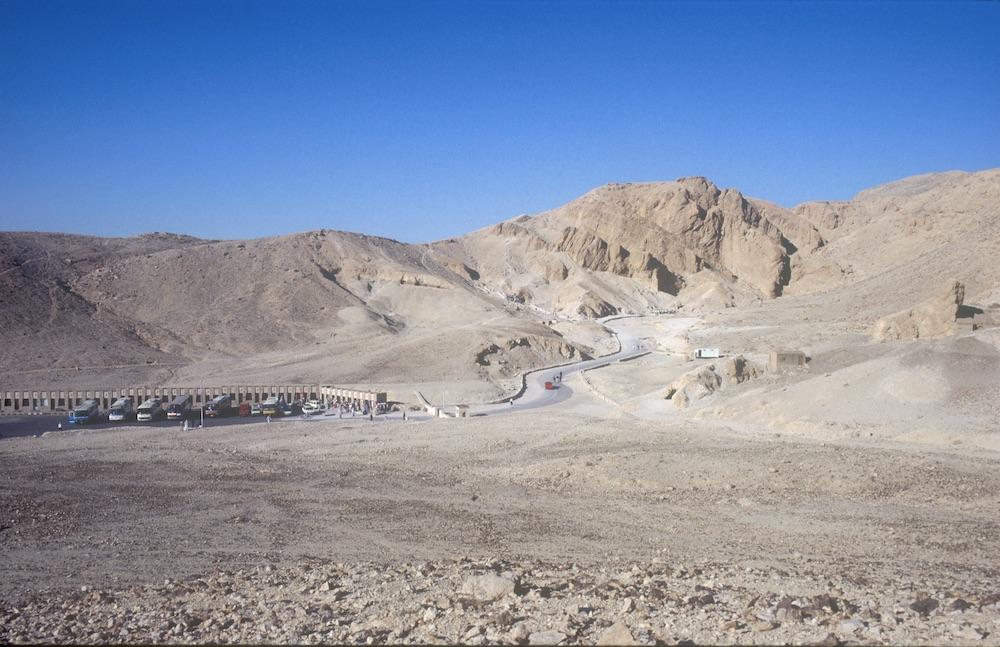
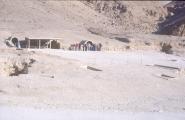
Entrance to the Valley with modern souvenir kiosks to left
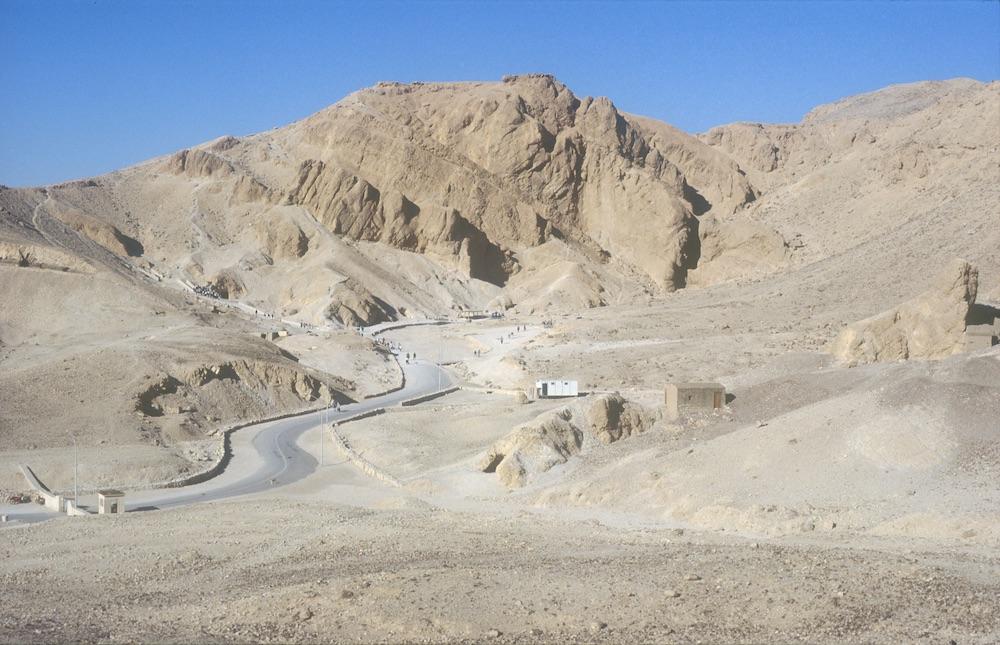
Entrance to the Valley of the Queens.
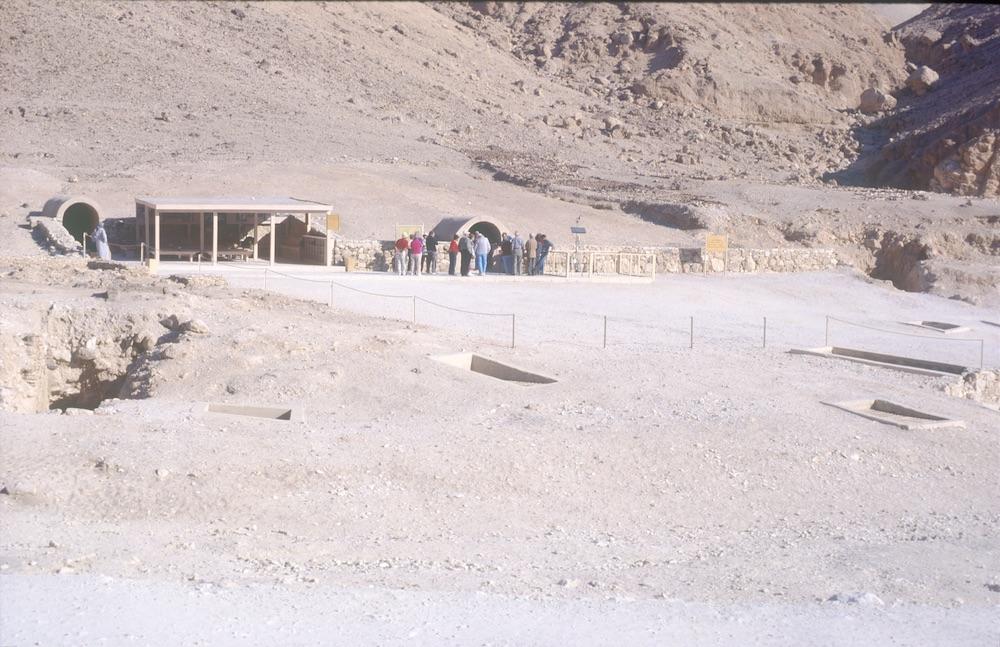
QV 66 with surrounding tombs and visitor shelter.
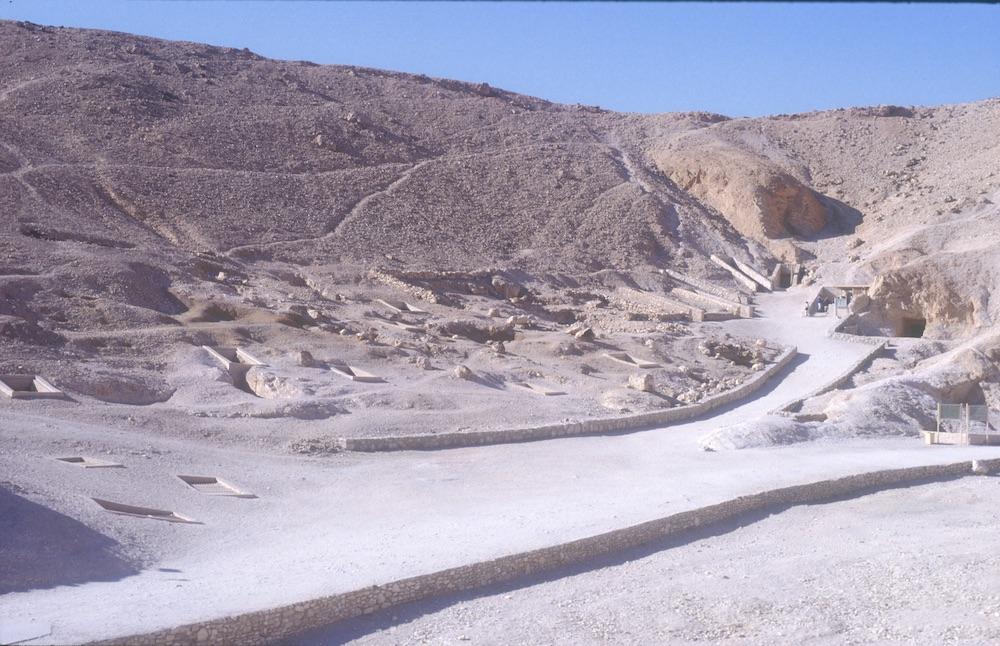
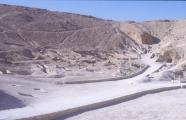
Southeastern side and southern branch of the main wadi
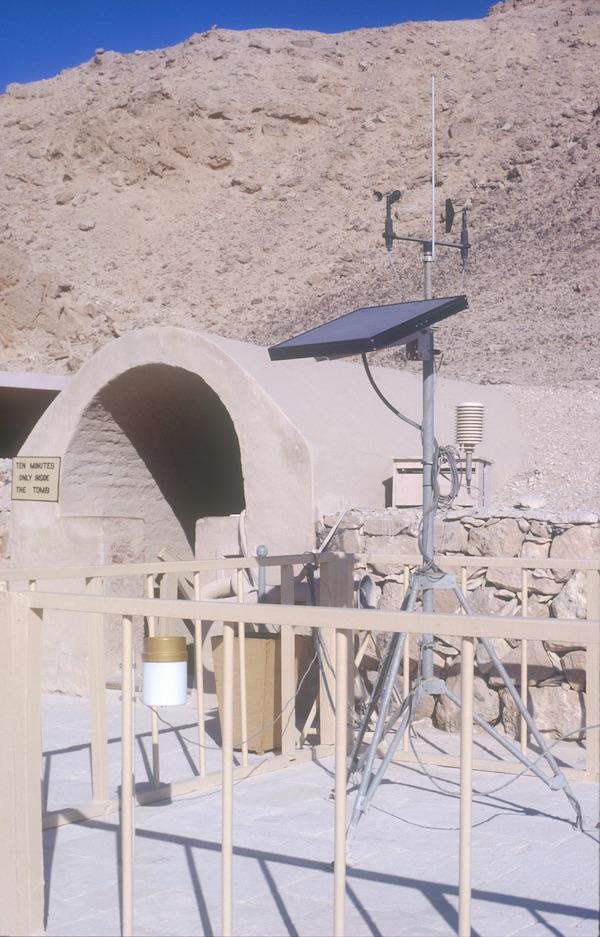
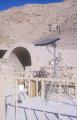
Weather monitoring equipment outside QV 66.
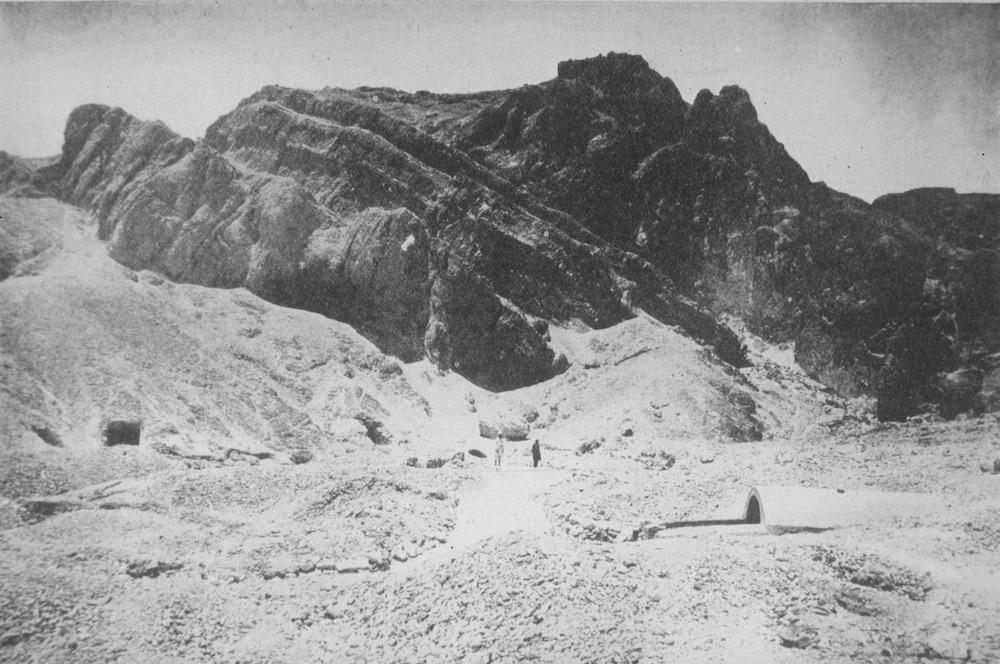
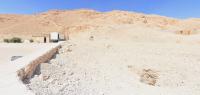
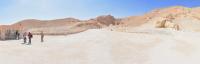
General view of the main wadi
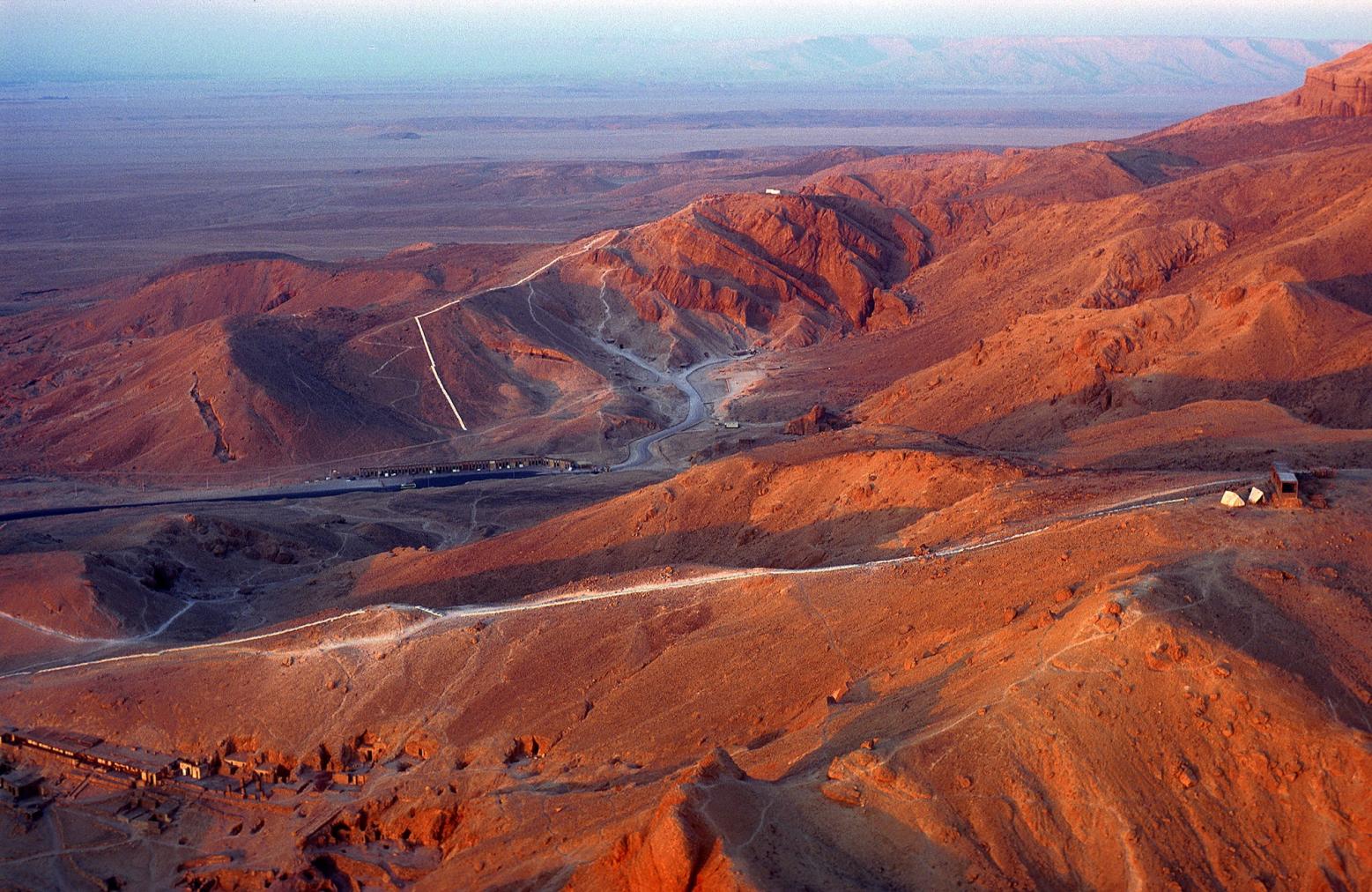
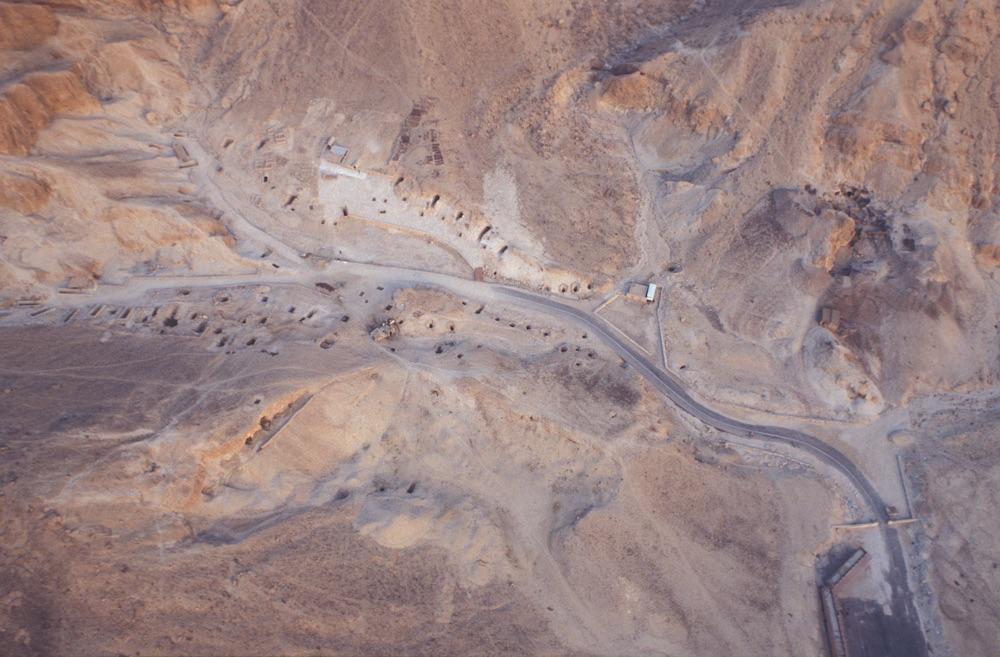
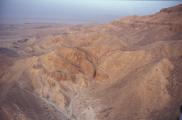
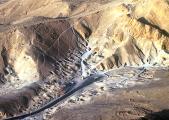
Aerial view of the Valley of the Queens.
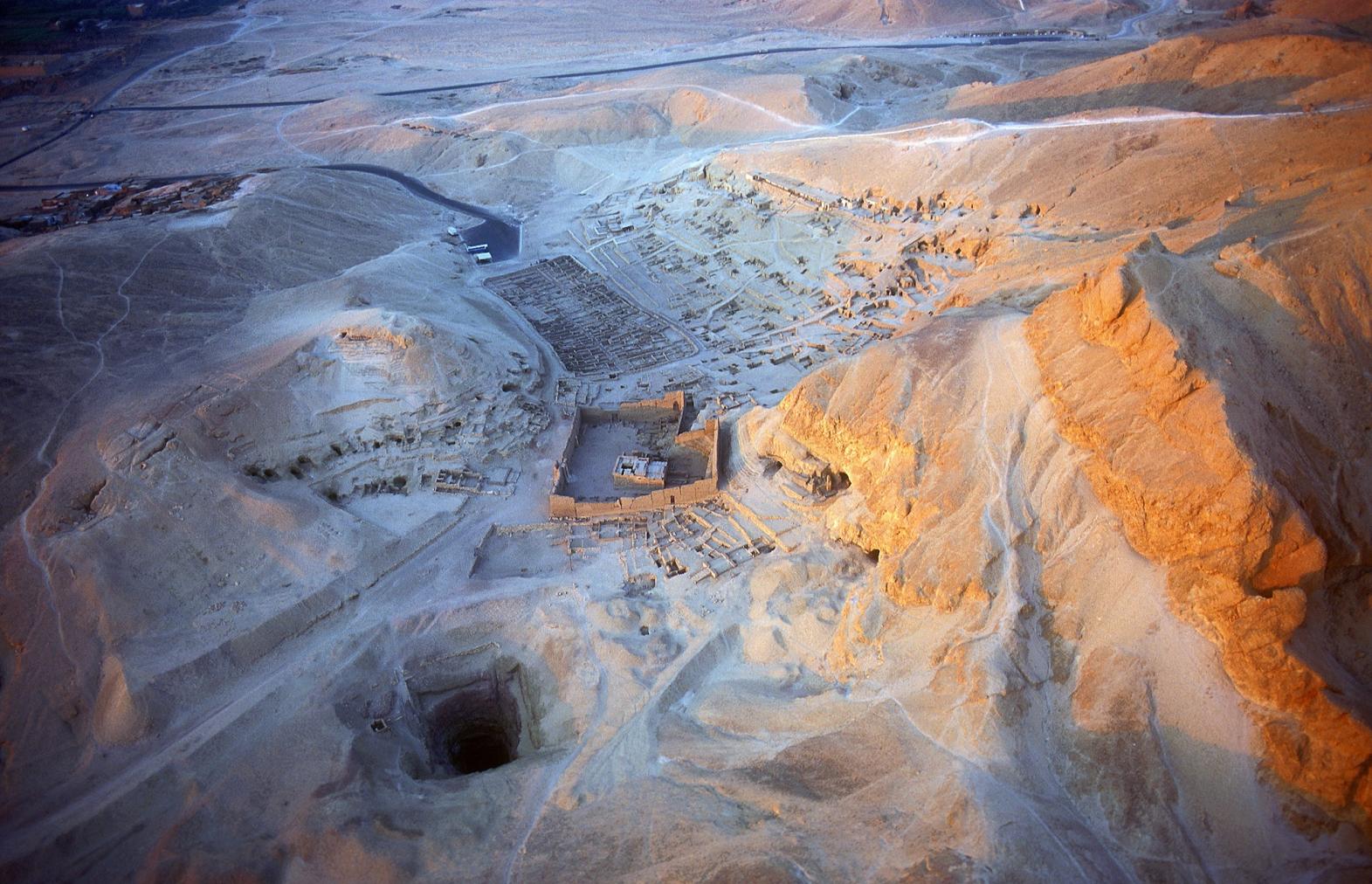
Dayr al-Madinah with the Valley of the Queens entrance in the background.
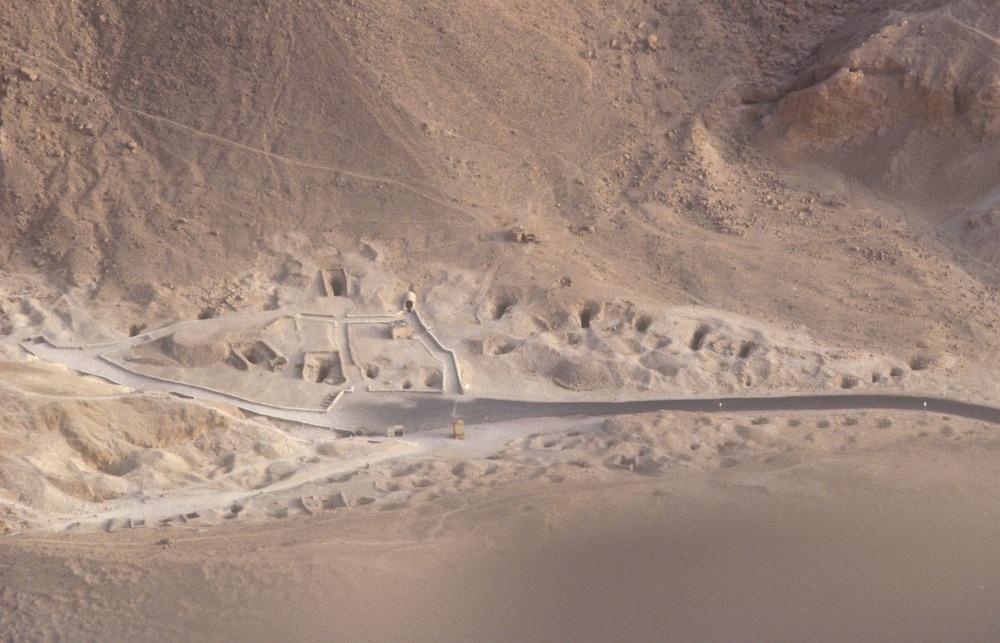
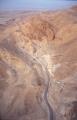
Aerial of the main wadi
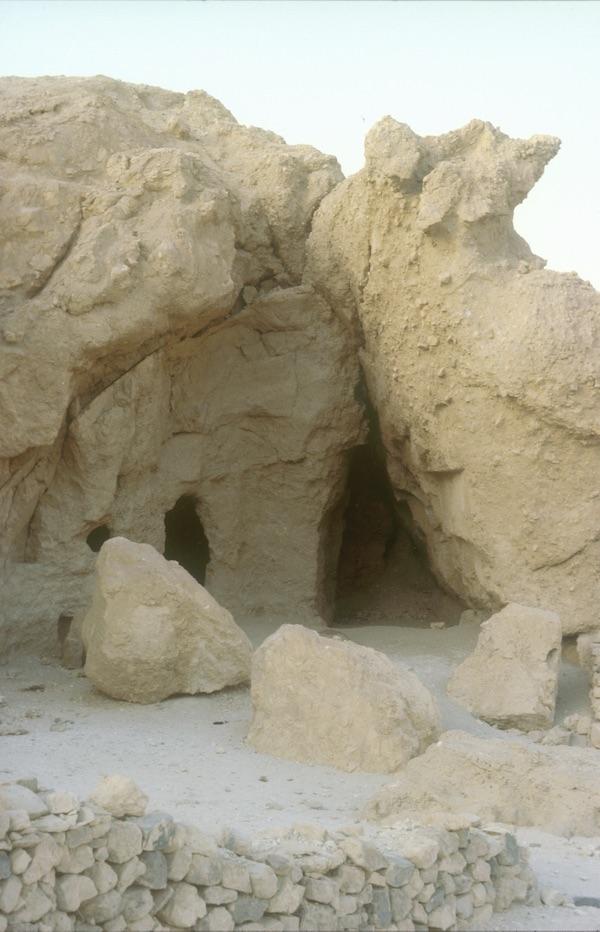
Shrine to Ptah and Meretseger on the path to Dayr al-Madinah.
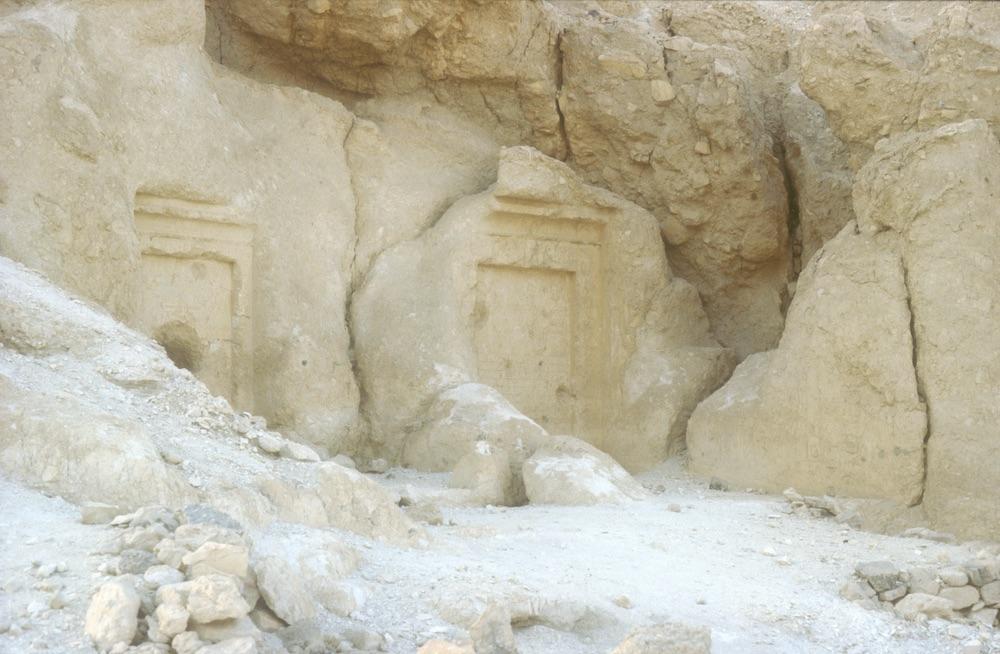
Shrine to Ptah and Meretseger on the path to Dayr al-Madinah from the Valley of the Queens.
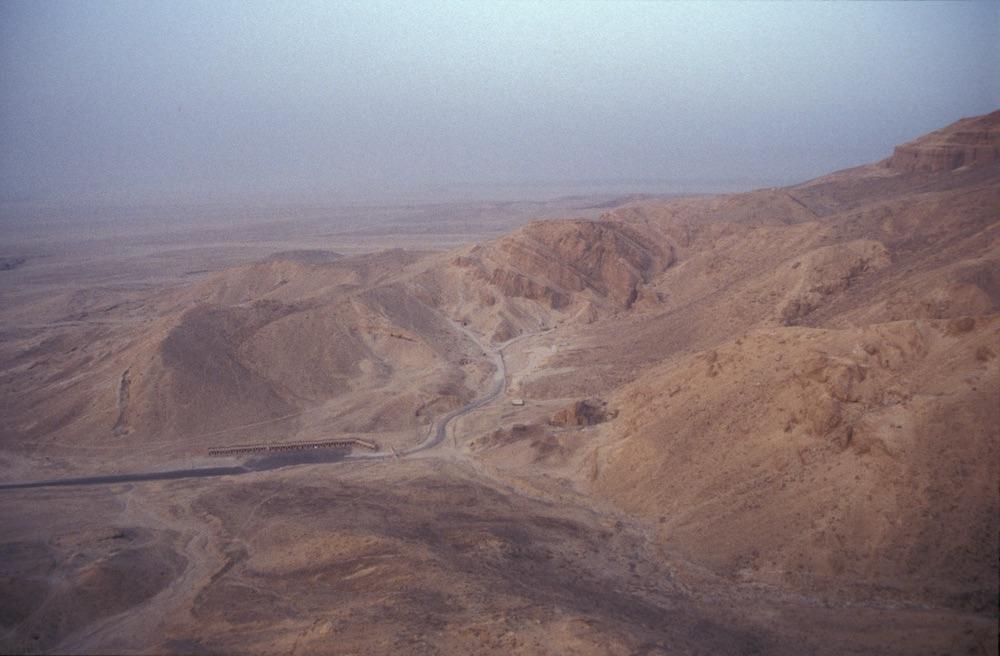
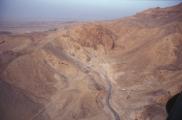
Aerial view of the Valley of the Queens
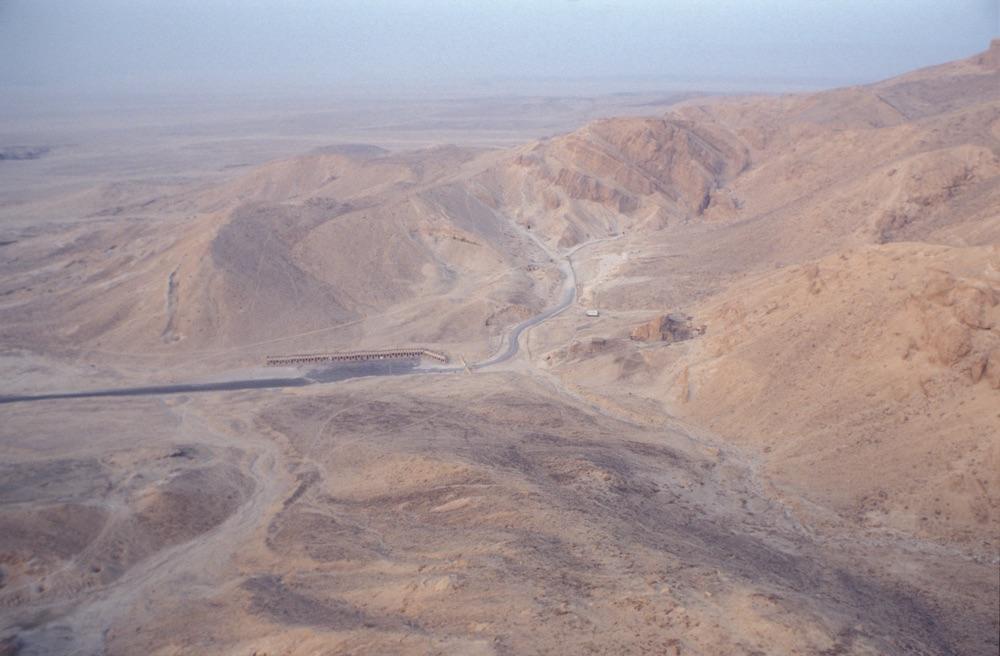
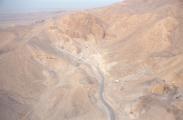
Aerial view of the Valley of the Queens
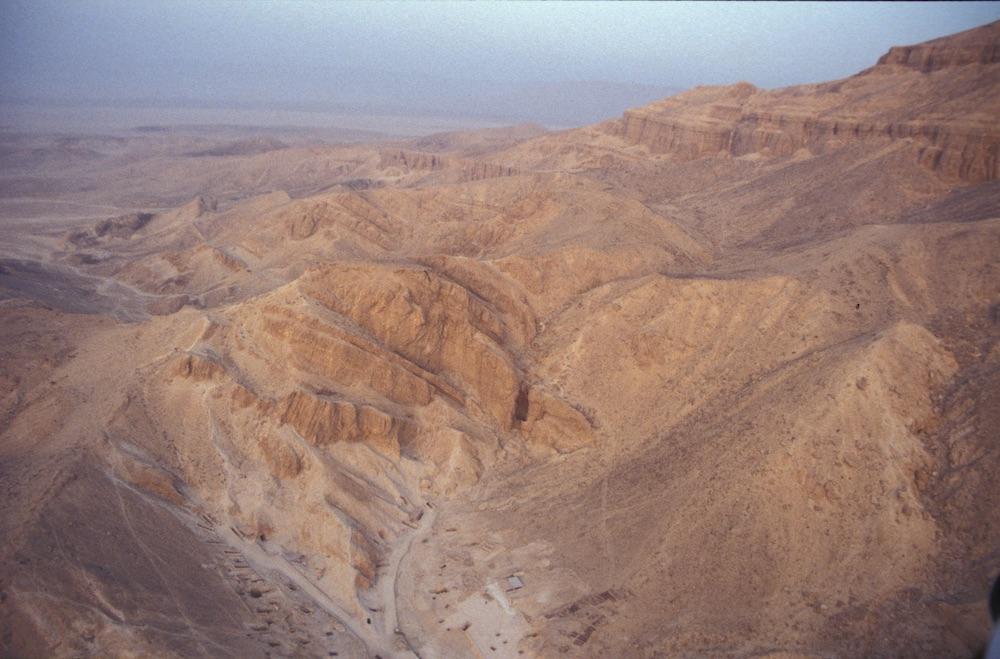
Aerial view of the Valley of the Queens
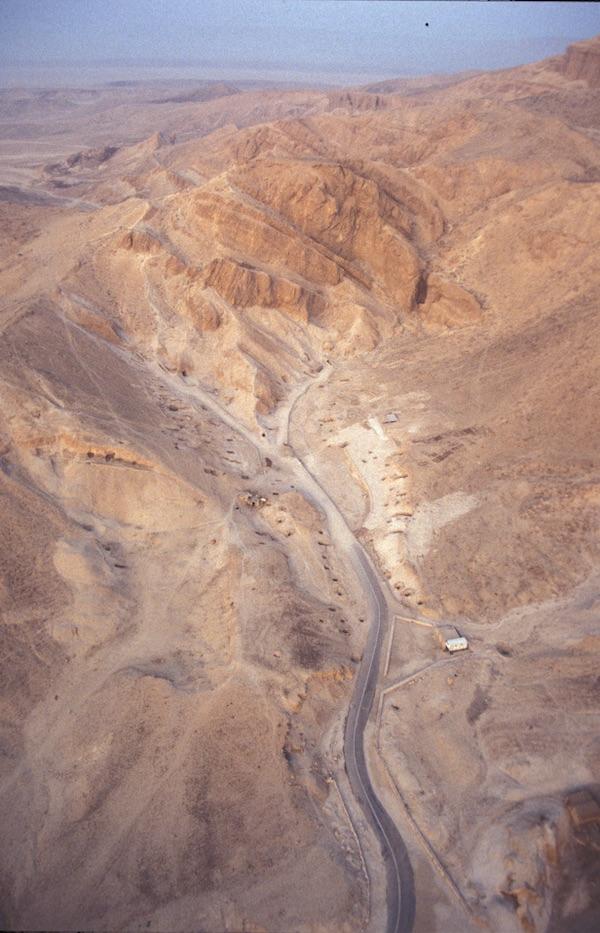
Aerial view of the Valley of the Queens.
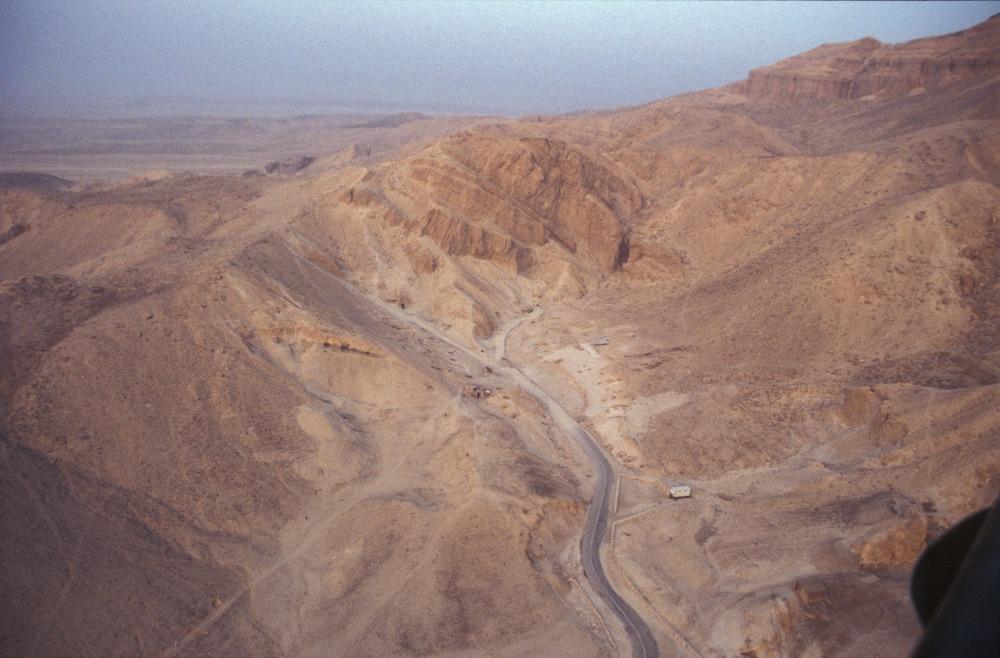
Aerial view of the Valley of the Queens.
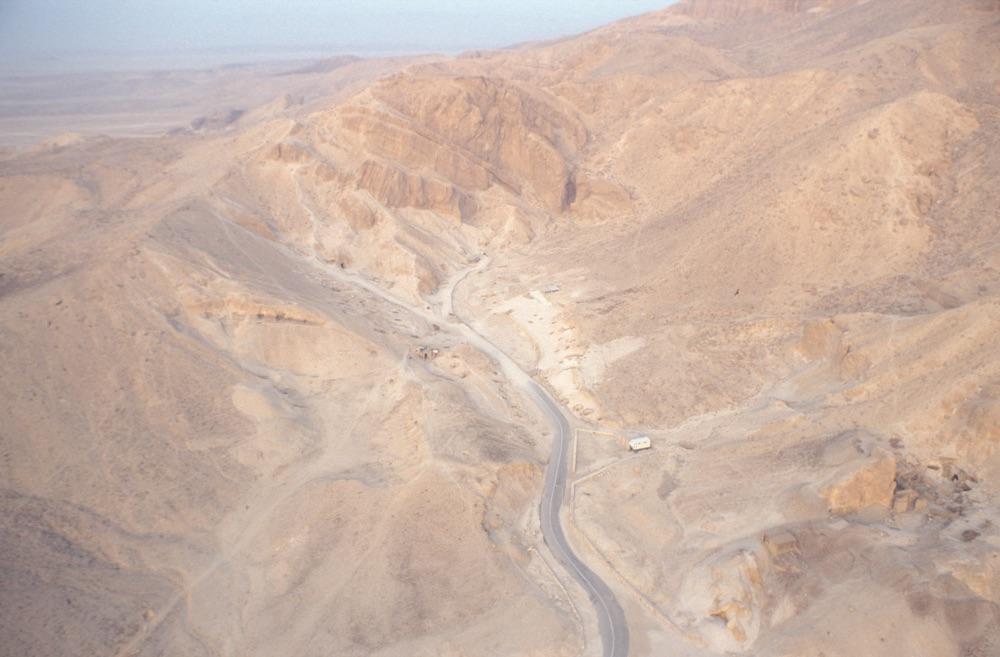
Aerial view of the Valley of the Queens.
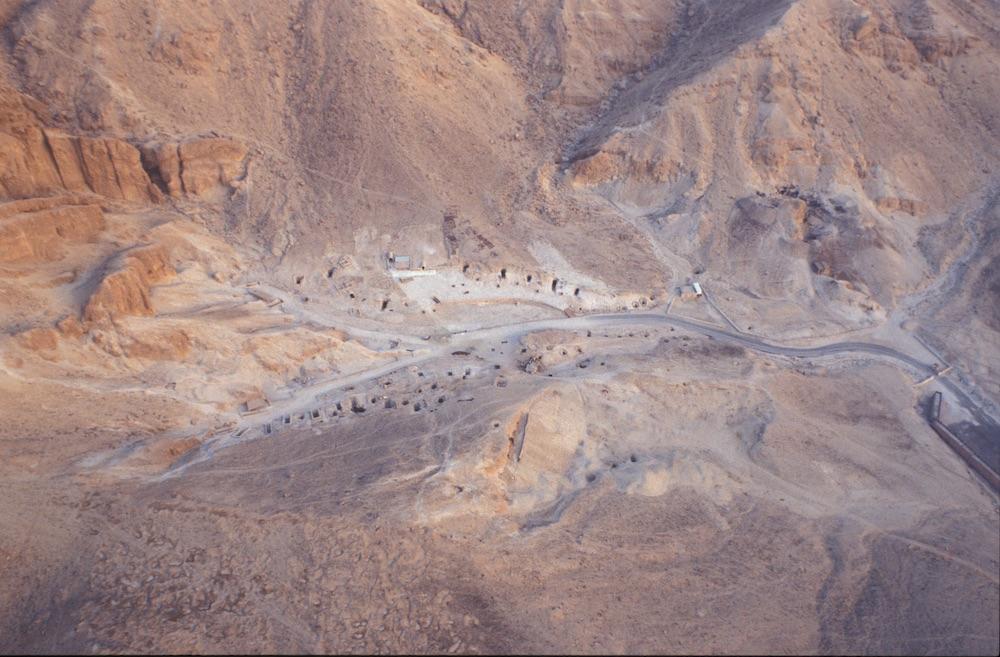
Aerial view of the Valley of the Queens.
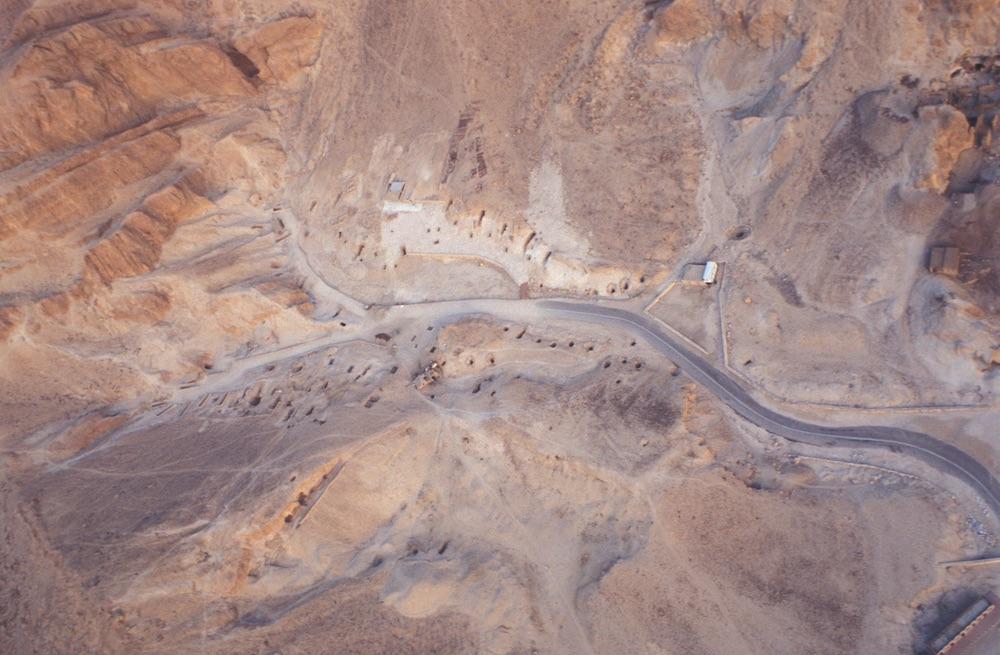
Aerial view of the Valley of the Queens.
Aerial view of the Valley of the Queens.
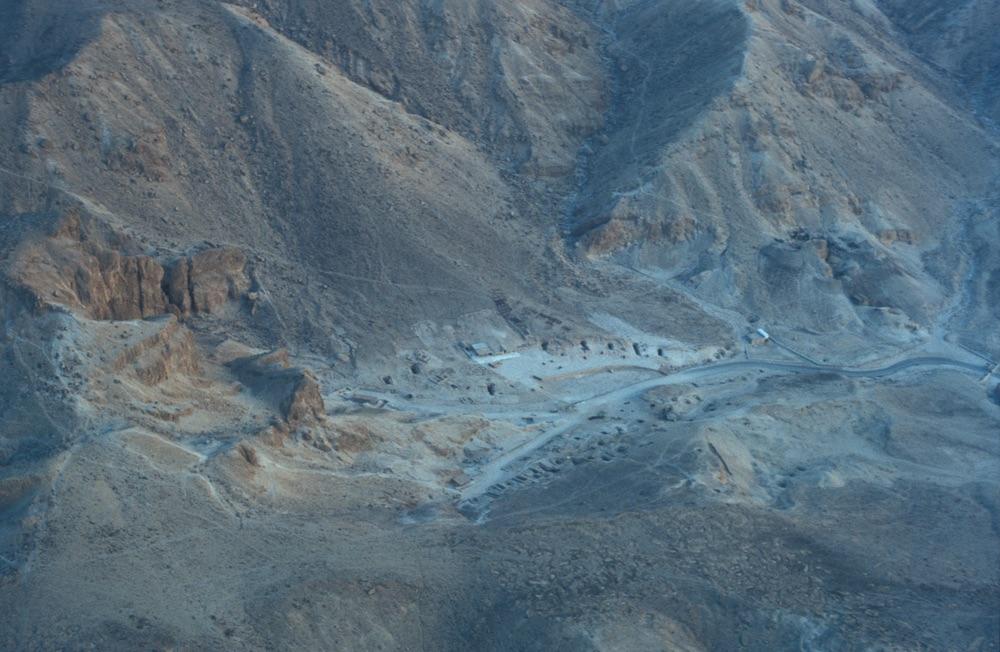
Aerial view of the Valley of the Queens.
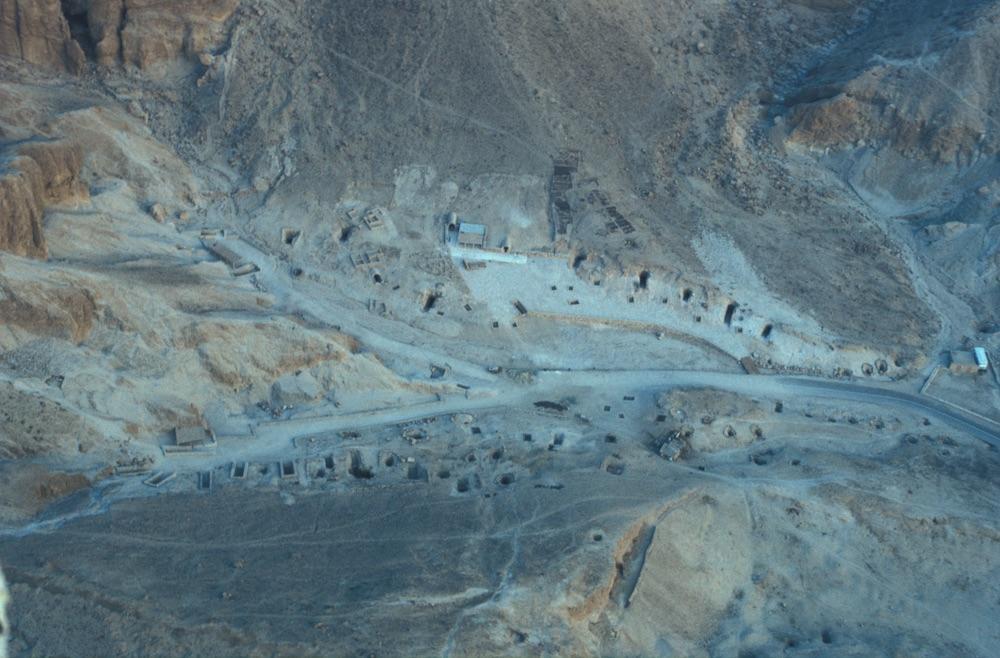
Aerial view of the Valley of the Queens
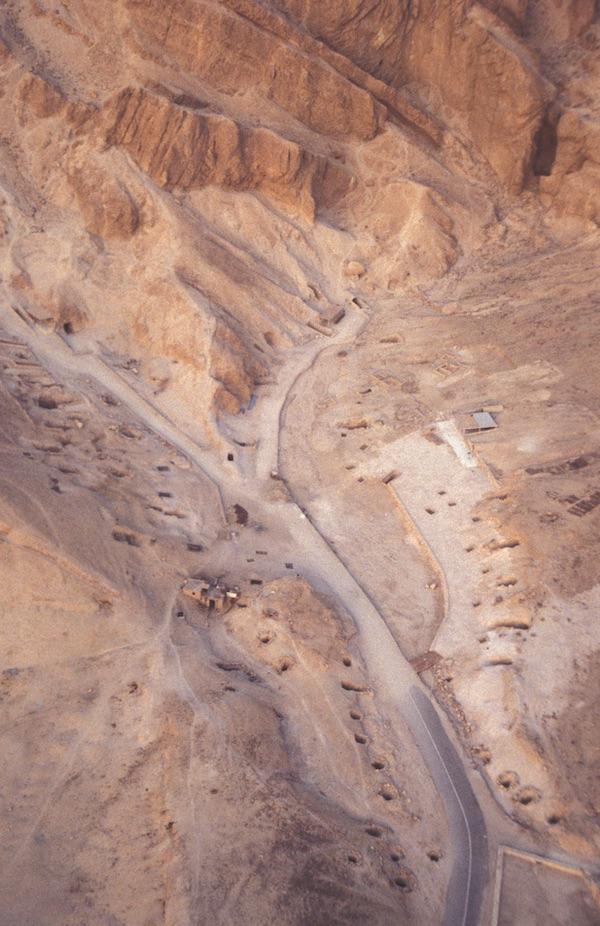
Aerial view of the Valley of the Queens.
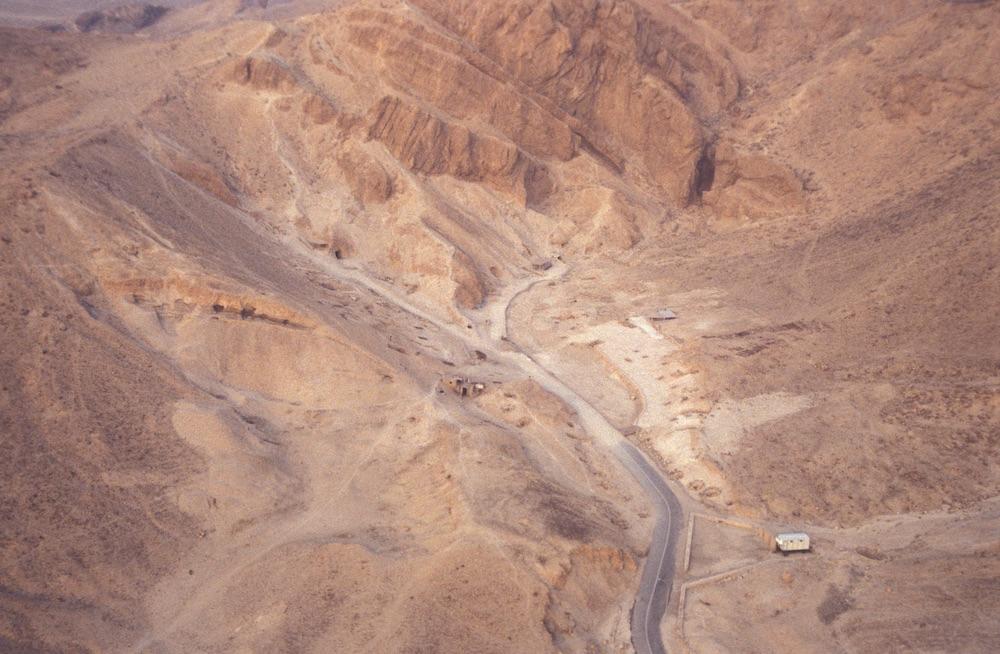
Aerial view of the Valley of the Queens
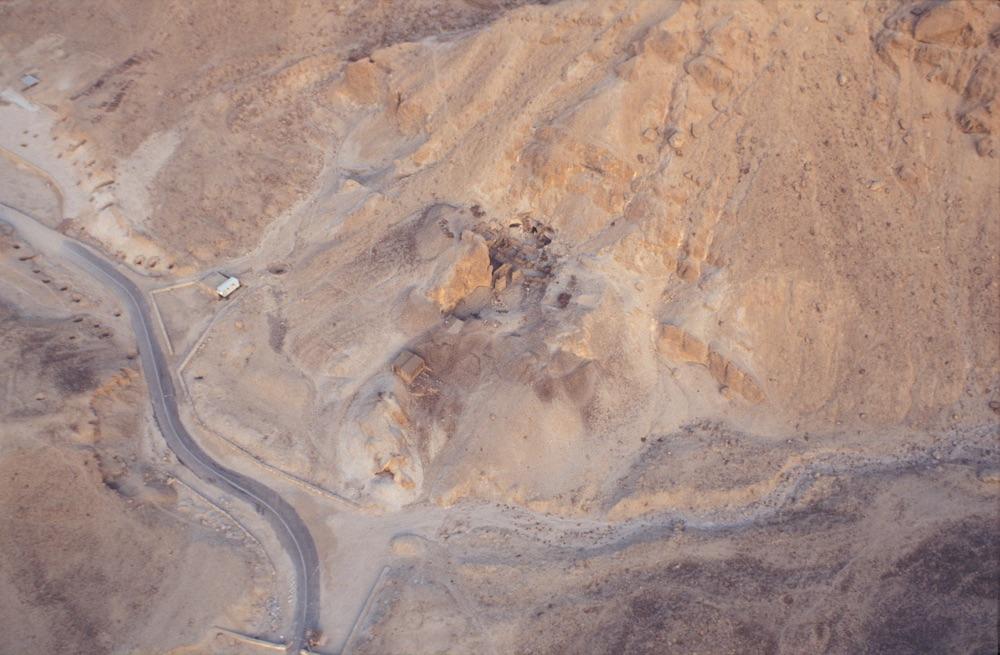
Aerial view of the Valley of the Queens
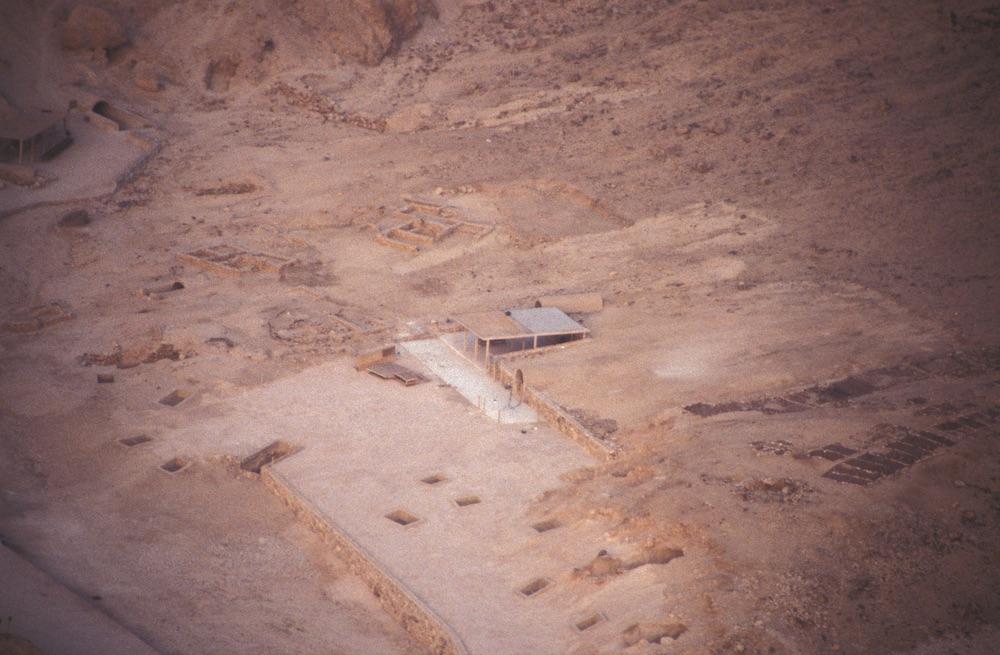
Aerial view of the Valley of the Queens with the visitors shelter at QV 66
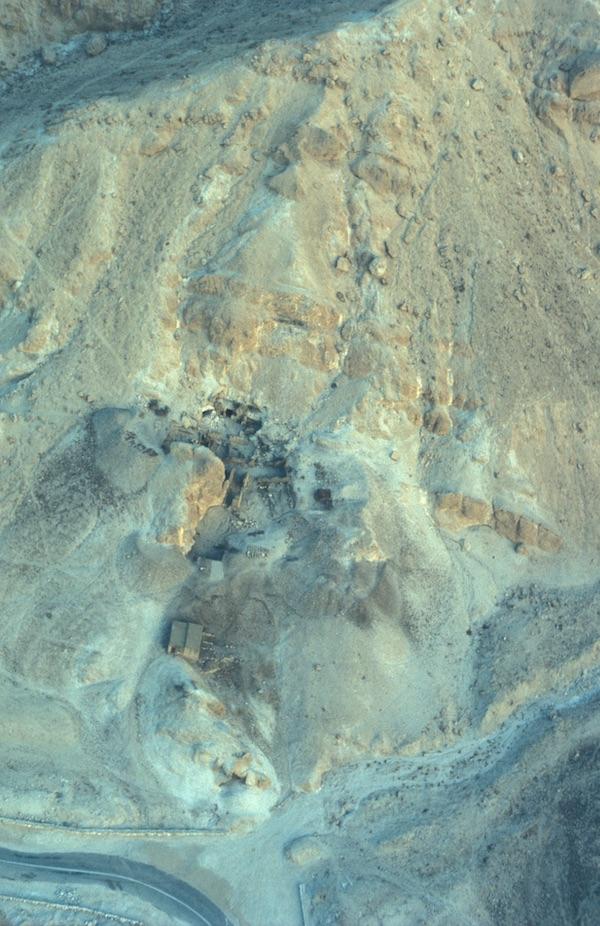
Aerial view of the Italian expedition house and Dayr al-Rumi in the main wadi.
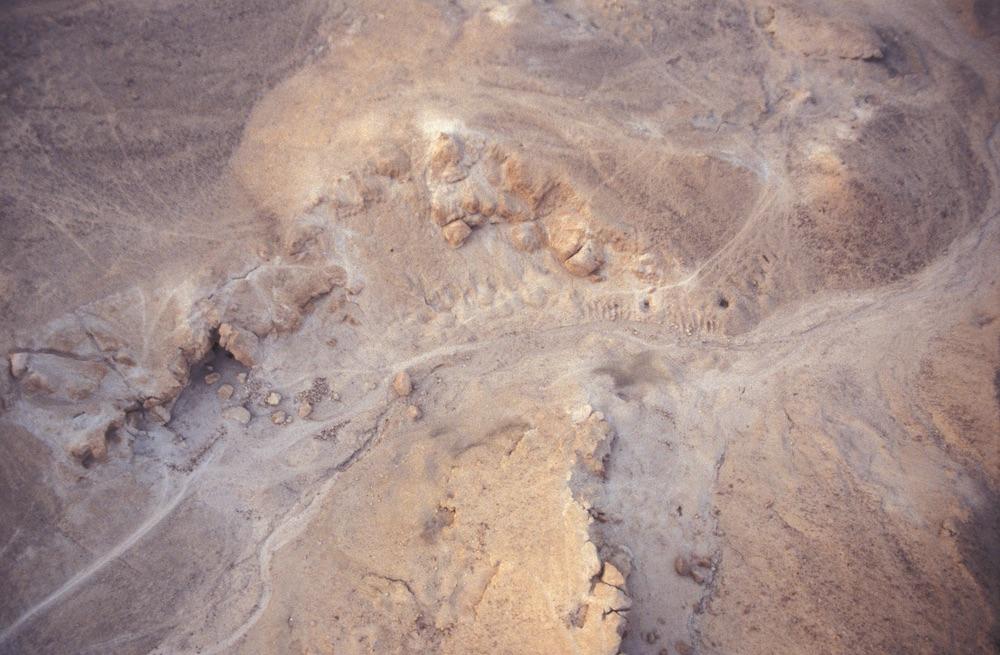
Aerial view of the shrine to Ptah and Meretseger.
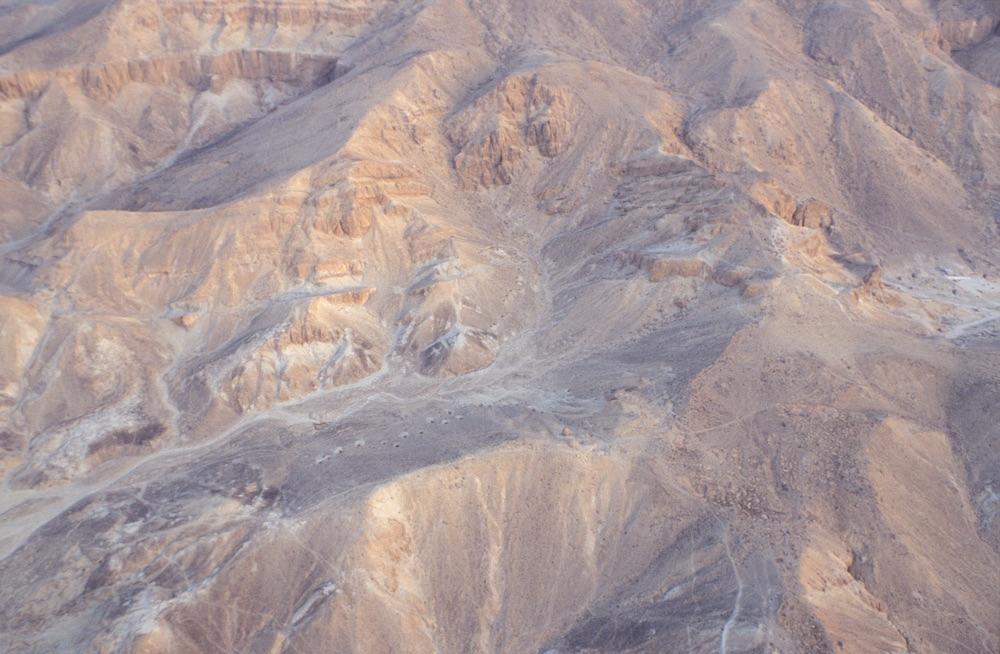
Aerial view of the Valley of the Three Pits
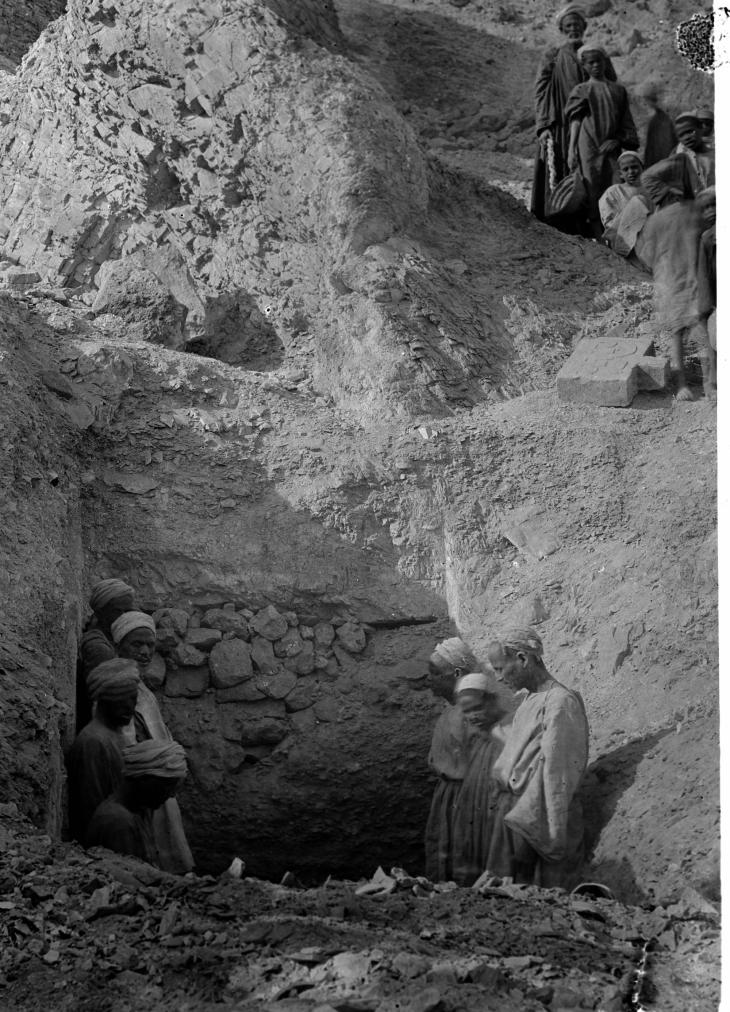
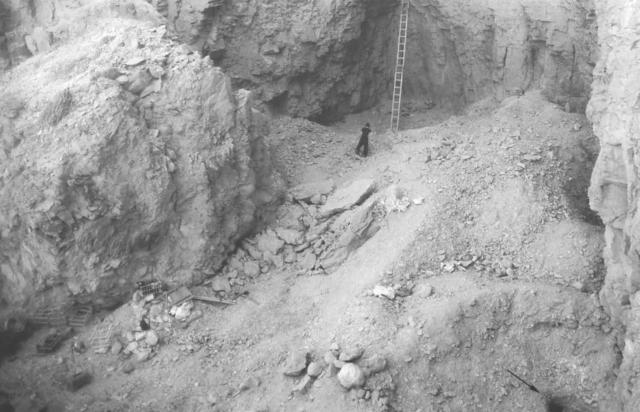
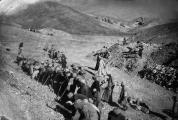
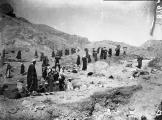
Excavating to access the tomb of Prince Setherkhepeshef (QV 43). Schiaparelli excavations, Turin Museum Archive.
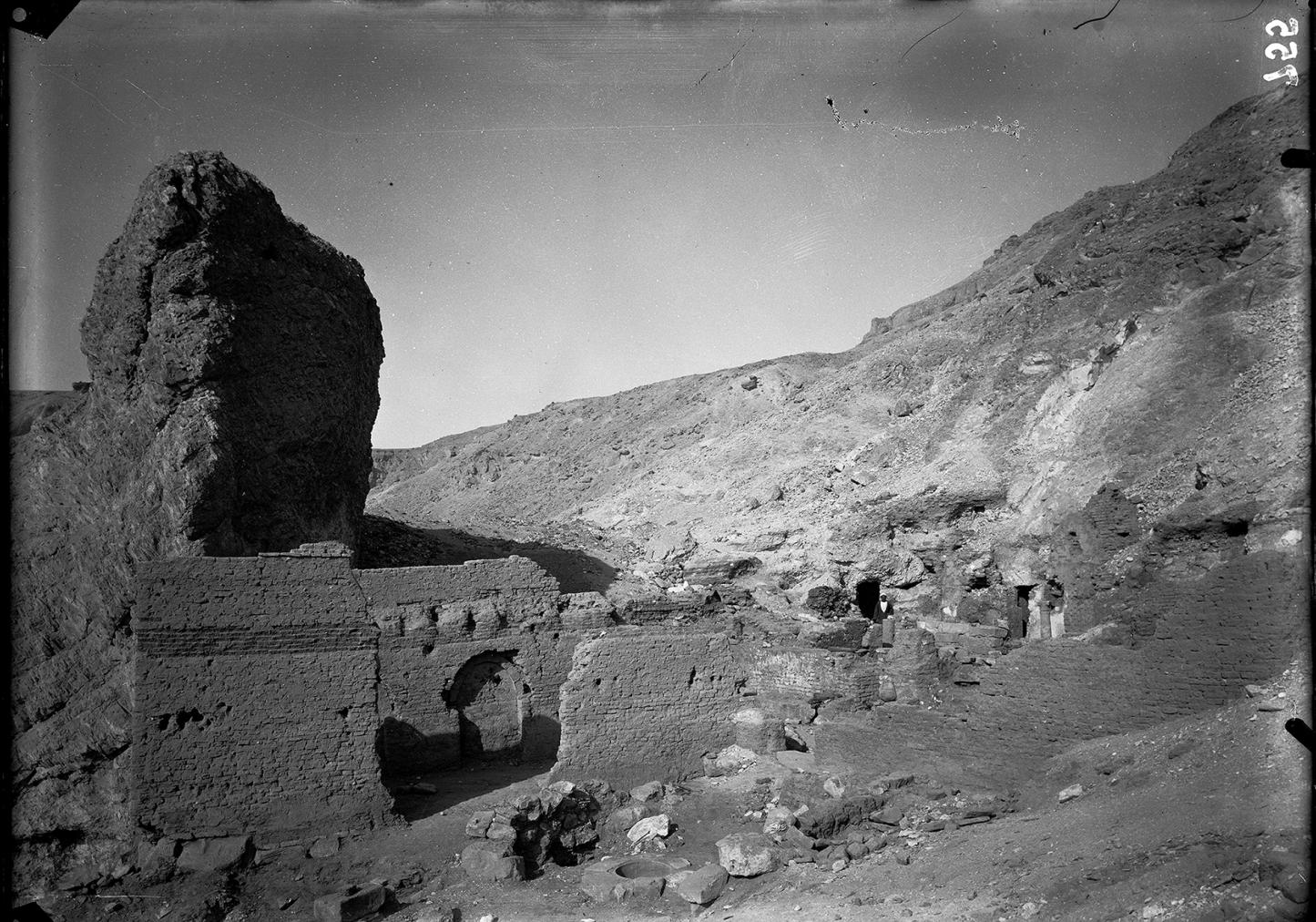
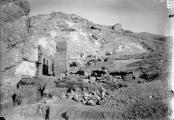
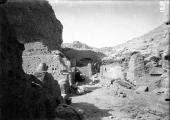
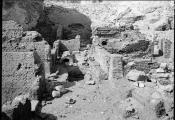
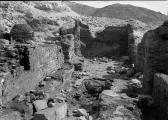
The mud-brick remains of the Coptic monastery at Dayr al-Rumi. Italian Archaeological Expedition excavations. Courtesy of the Egyptian Museum in Turin.
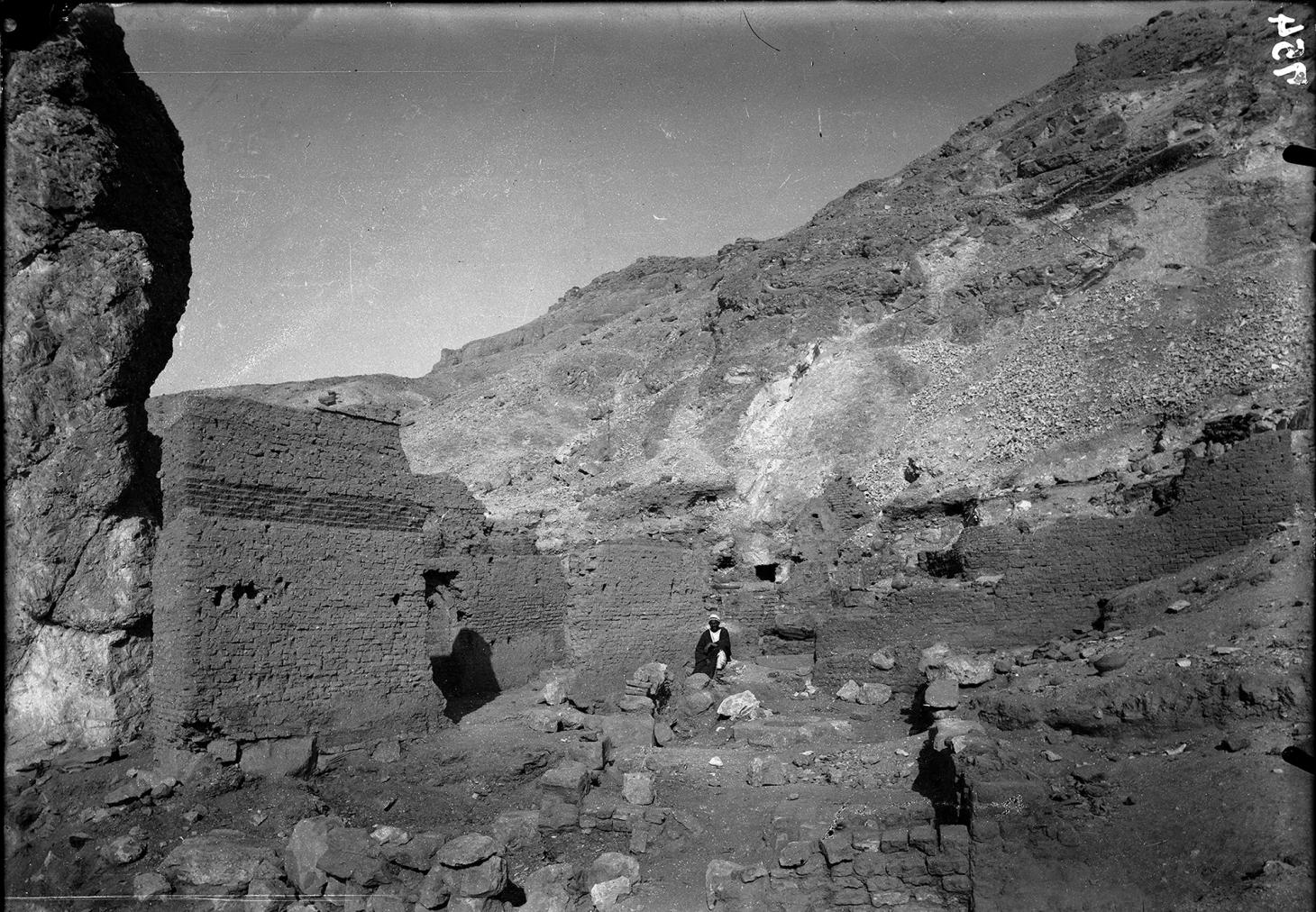
The mud-brick remains of the Coptic monastery at Dayr al-Rumi. Italian Archaeological Expedition excavations. Courtesy of the Egyptian Museum in Turin.
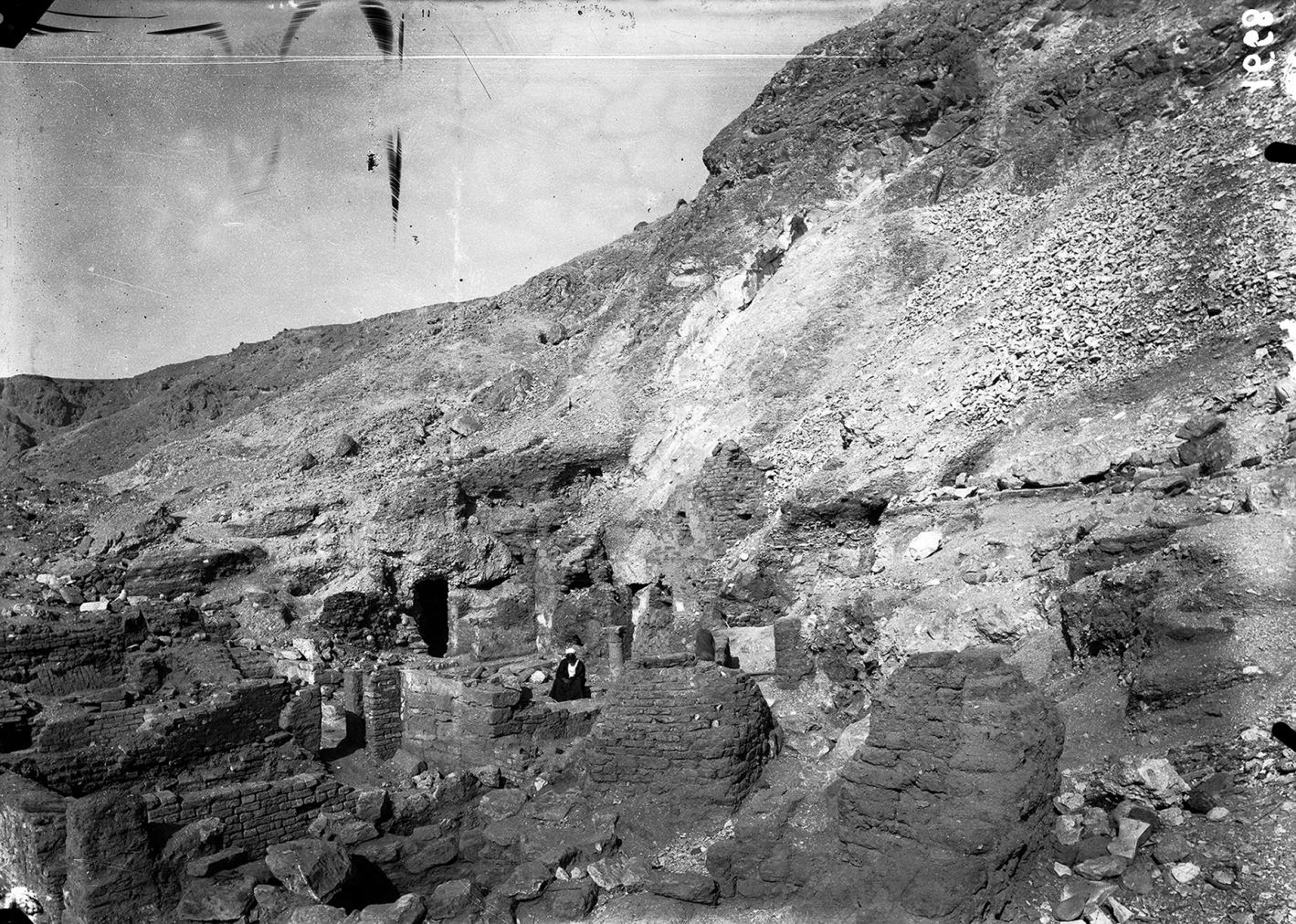
The mud-brick remains of the Coptic monastery at Dayr al-Rumi. Italian Archaeological Expedition excavations. Courtesy of the Egyptian Museum in Turin.
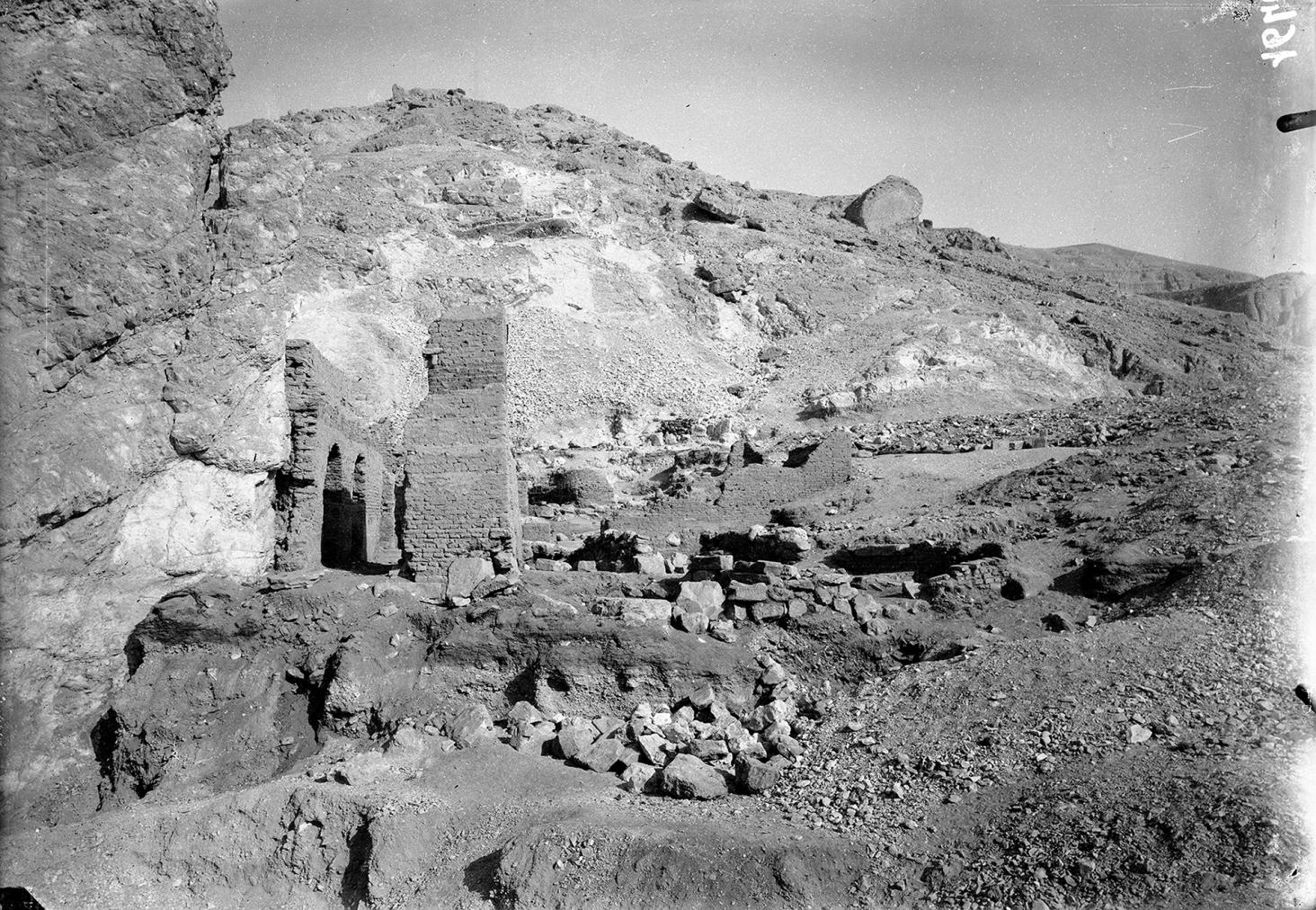
The mud-brick remains of the Coptic monastery at Dayr al-Rumi. On the left is the final section of the Valley. Italian Archaeological Expedition excavations. Courtesy of the Egyptian Museum in Turin.
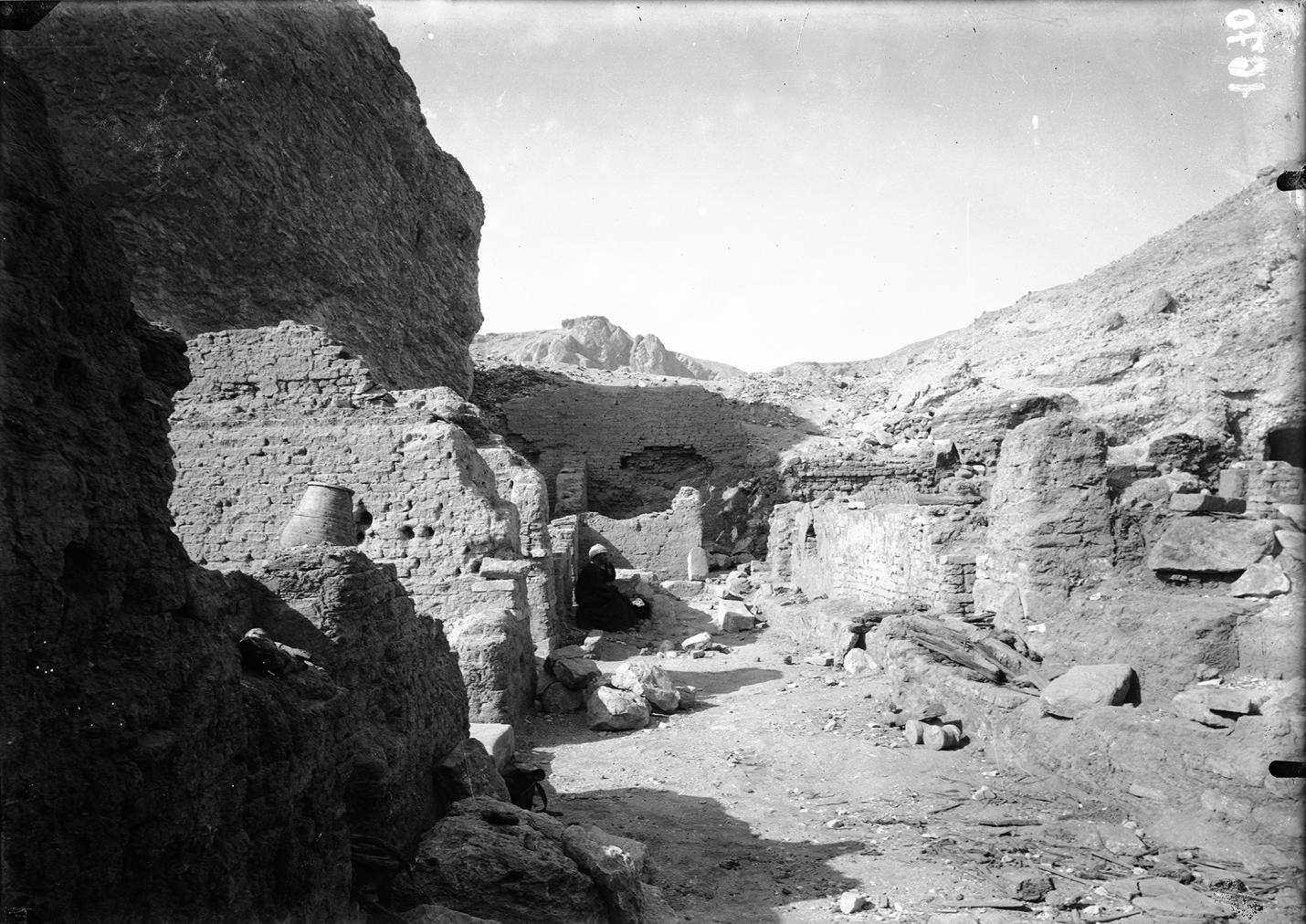
The mud-brick remains of the Coptic monastery at Dayr al-Rumi. Italian Archaeological Expedition excavations. Courtesy of the Egyptian Museum in Turin.
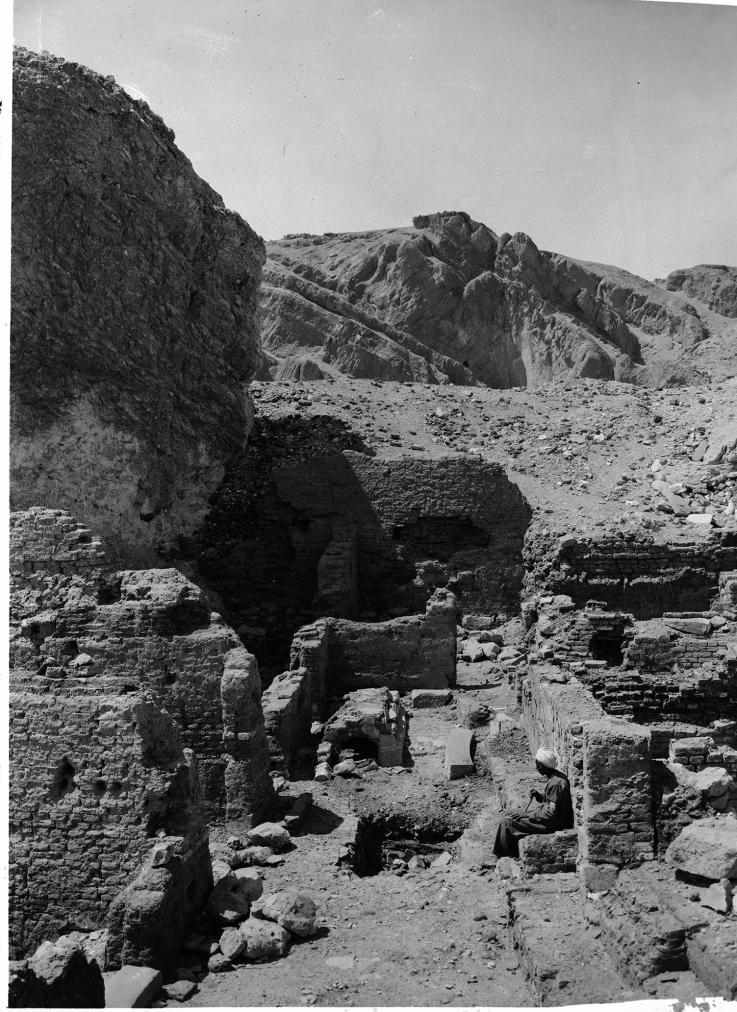
The mud-brick remains of the Coptic monastery at Dayr al-Rumi. Italian Archaeological Expedition excavations. Courtesy of the Egyptian Museum in Turin.
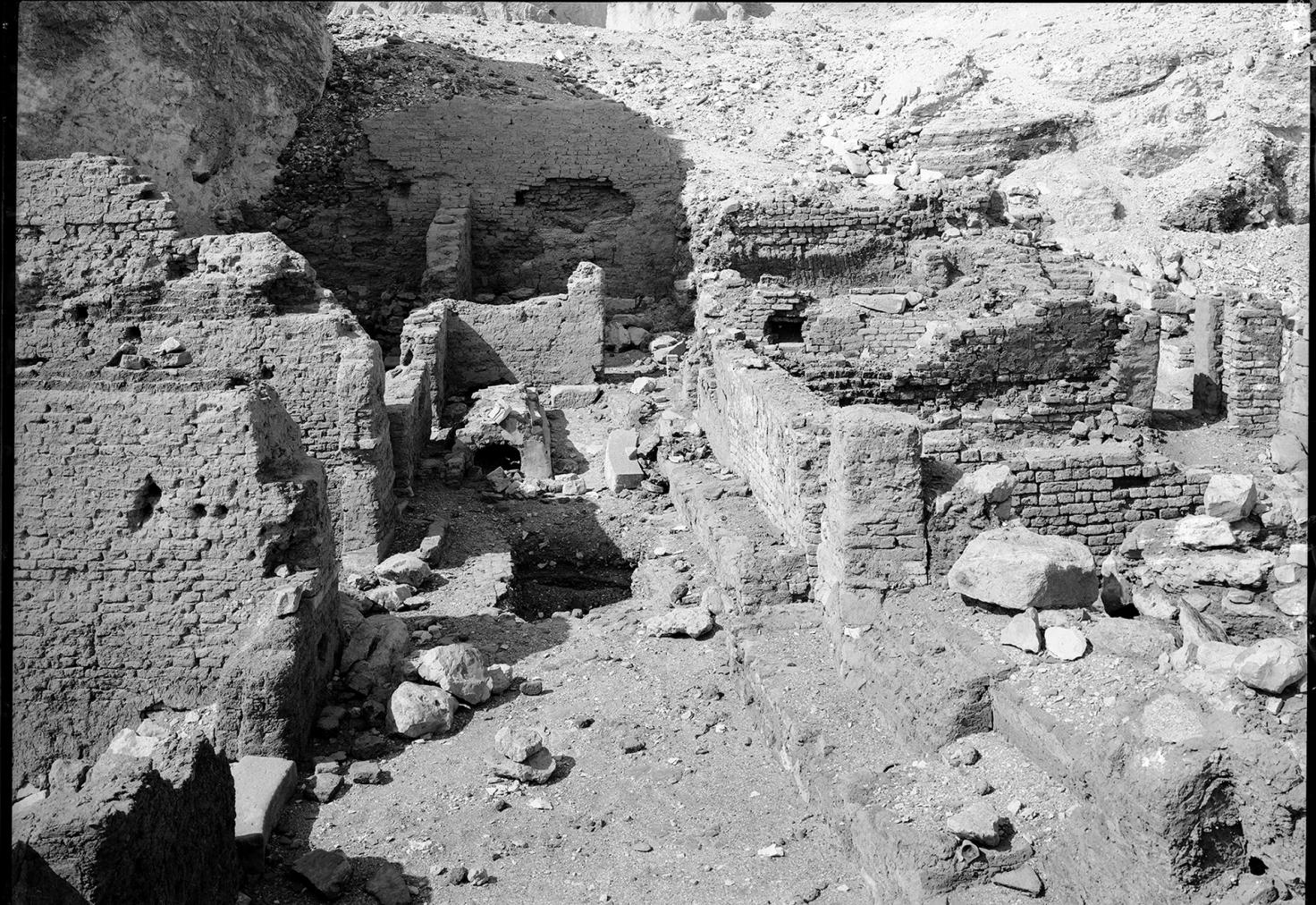
The mud-brick remains of the Coptic monastery at Dayr al-Rumi. Italian Archaeological Expedition excavations. Courtesy of the Egyptian Museum in Turin.
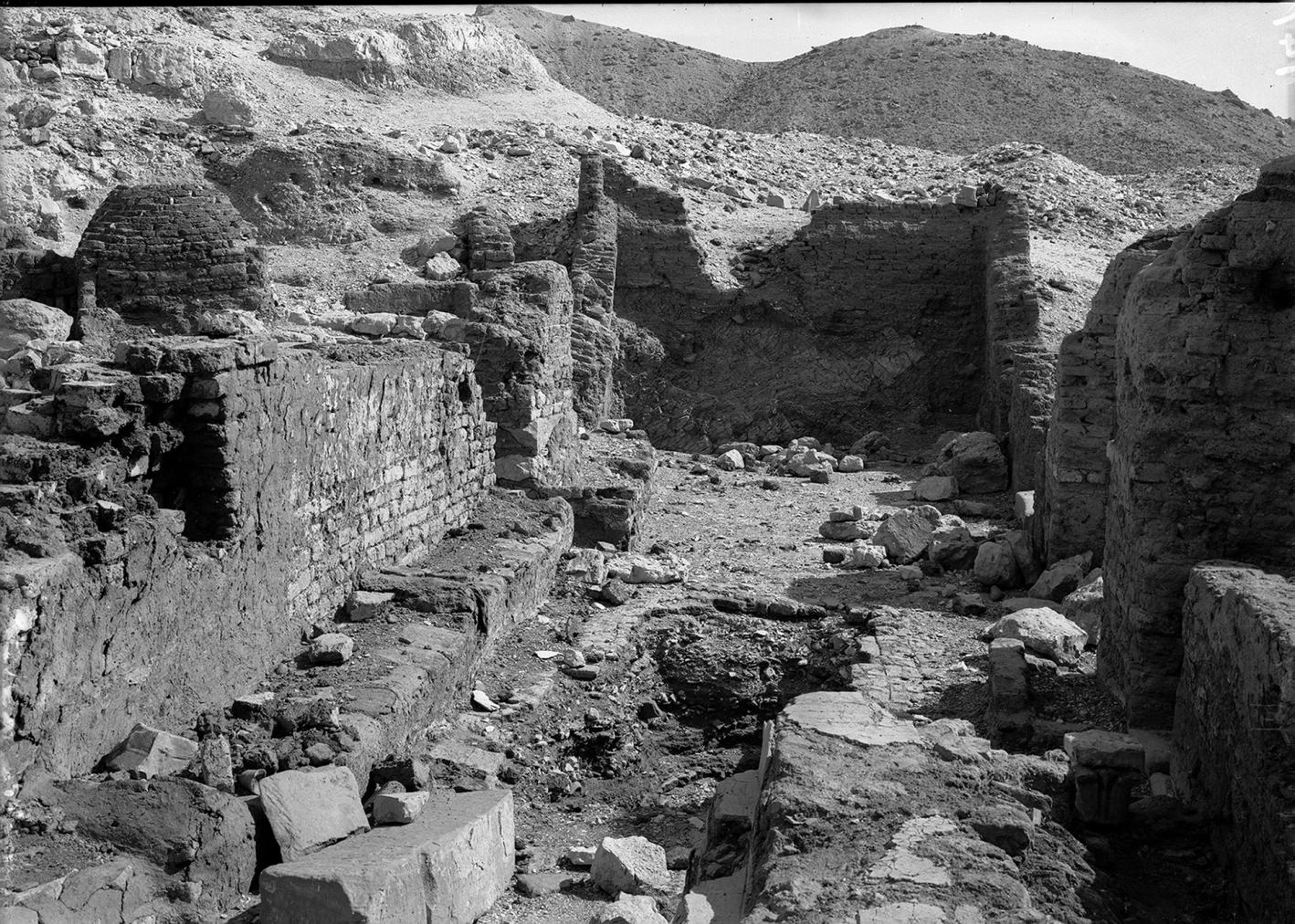
The mud-brick remains of the Coptic monastery at Dayr al-Rumi. Italian Archaeological Expedition excavations. Courtesy of the Egyptian Museum in Turin.
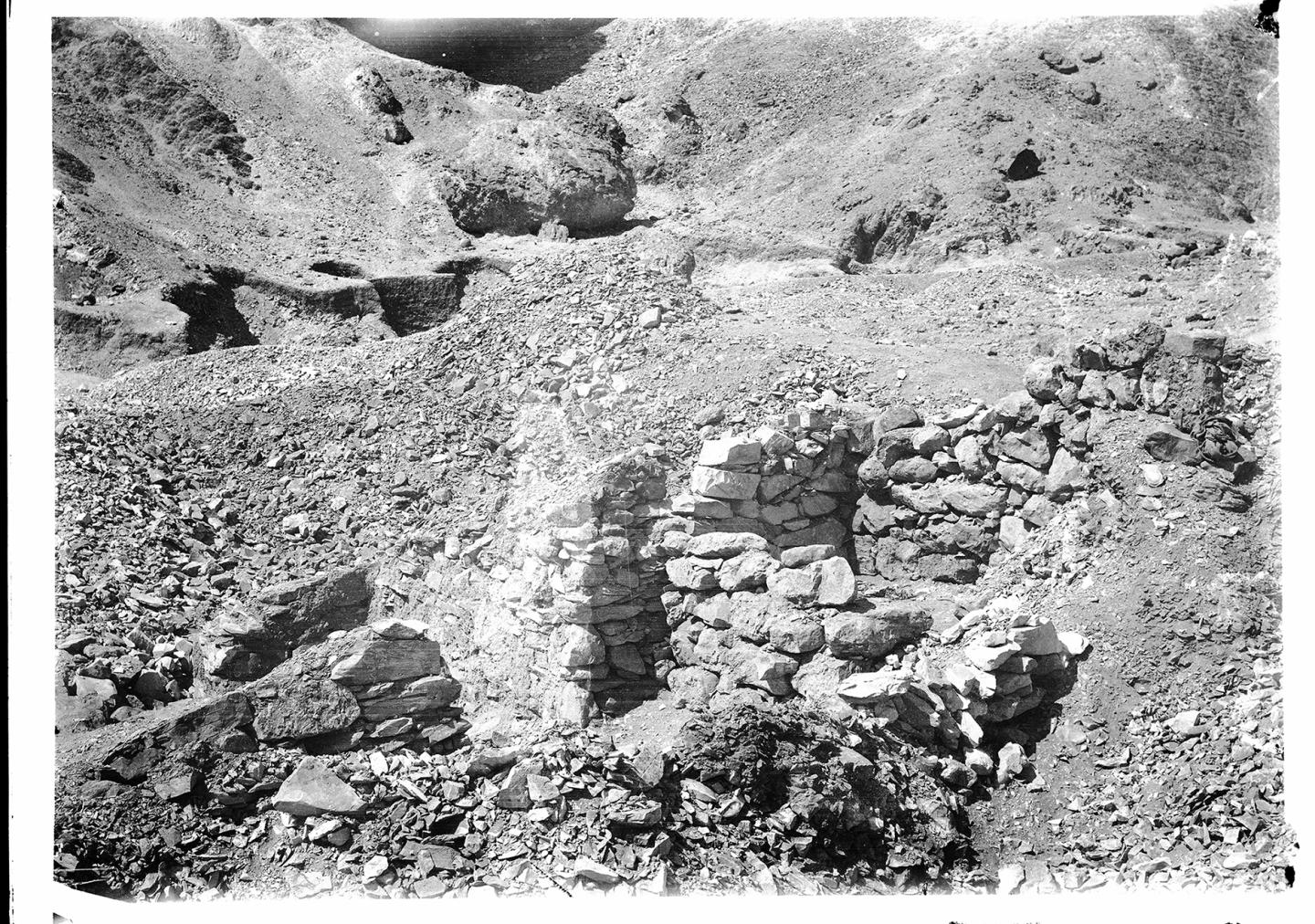
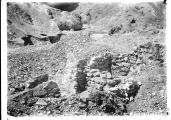
Archaeological remains of a structure in the plain of the Valley of the Queens. Italian Archaeological Expedition excavations. Courtesy of the Egyptian Museum in Turin.
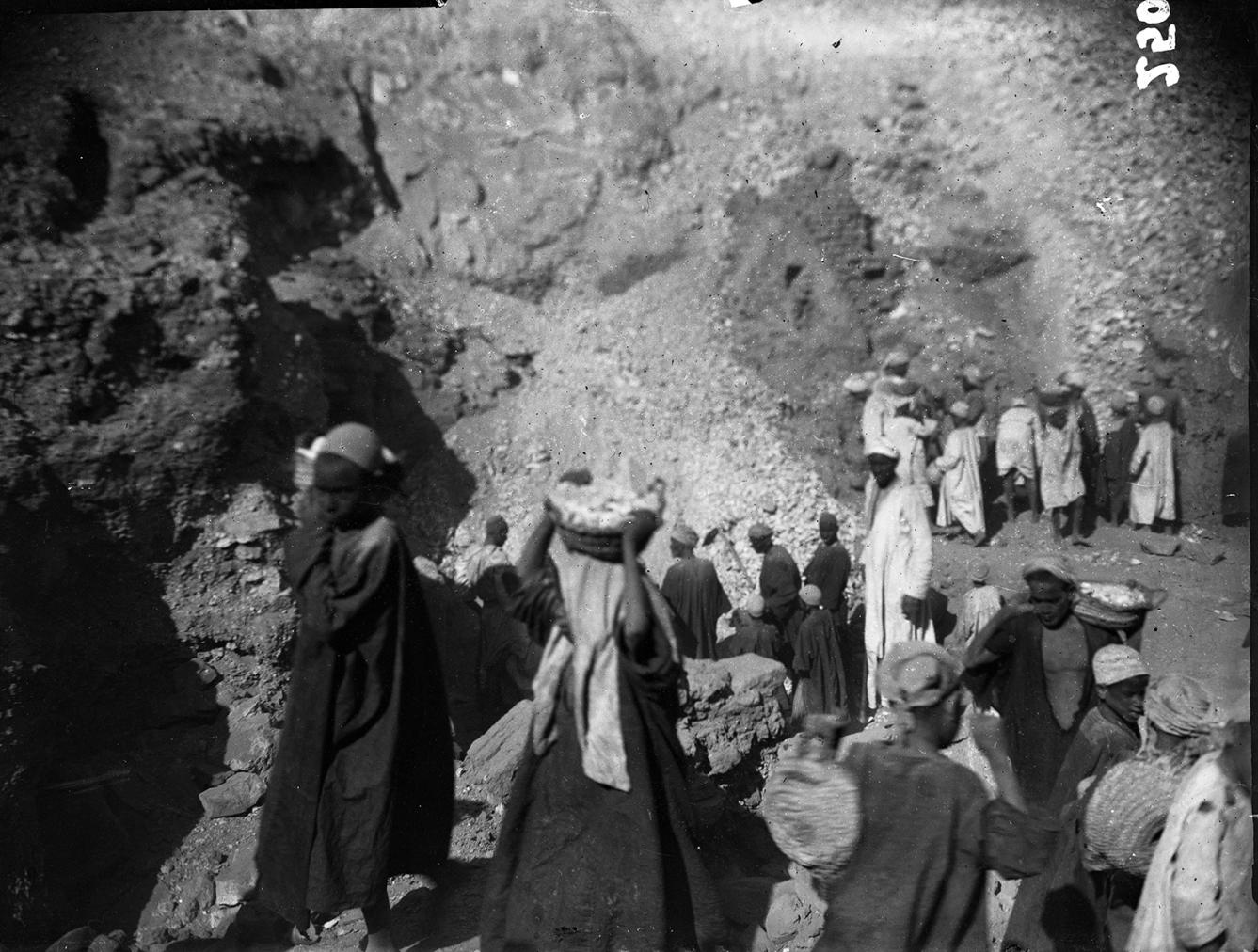
Excavating in the Valley of the Queens. Italian Archaeological Expedition excavations. Courtesy of the Egyptian Museum in Turin.
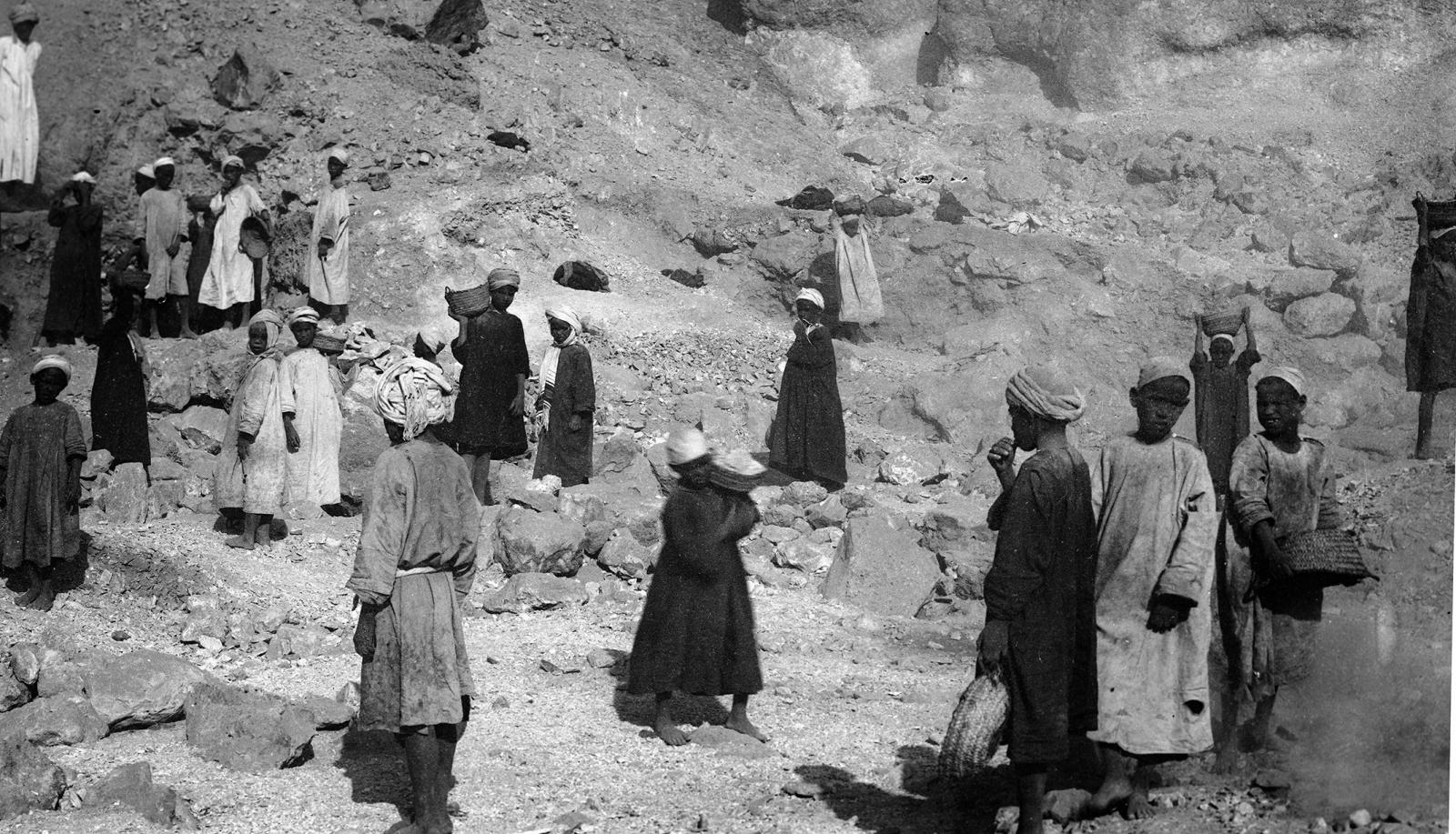
Excavating presumably near the Valley of the Queens. Italian Archaeological Expedition excavations. Courtesy of the Egyptian Museum in Turin.
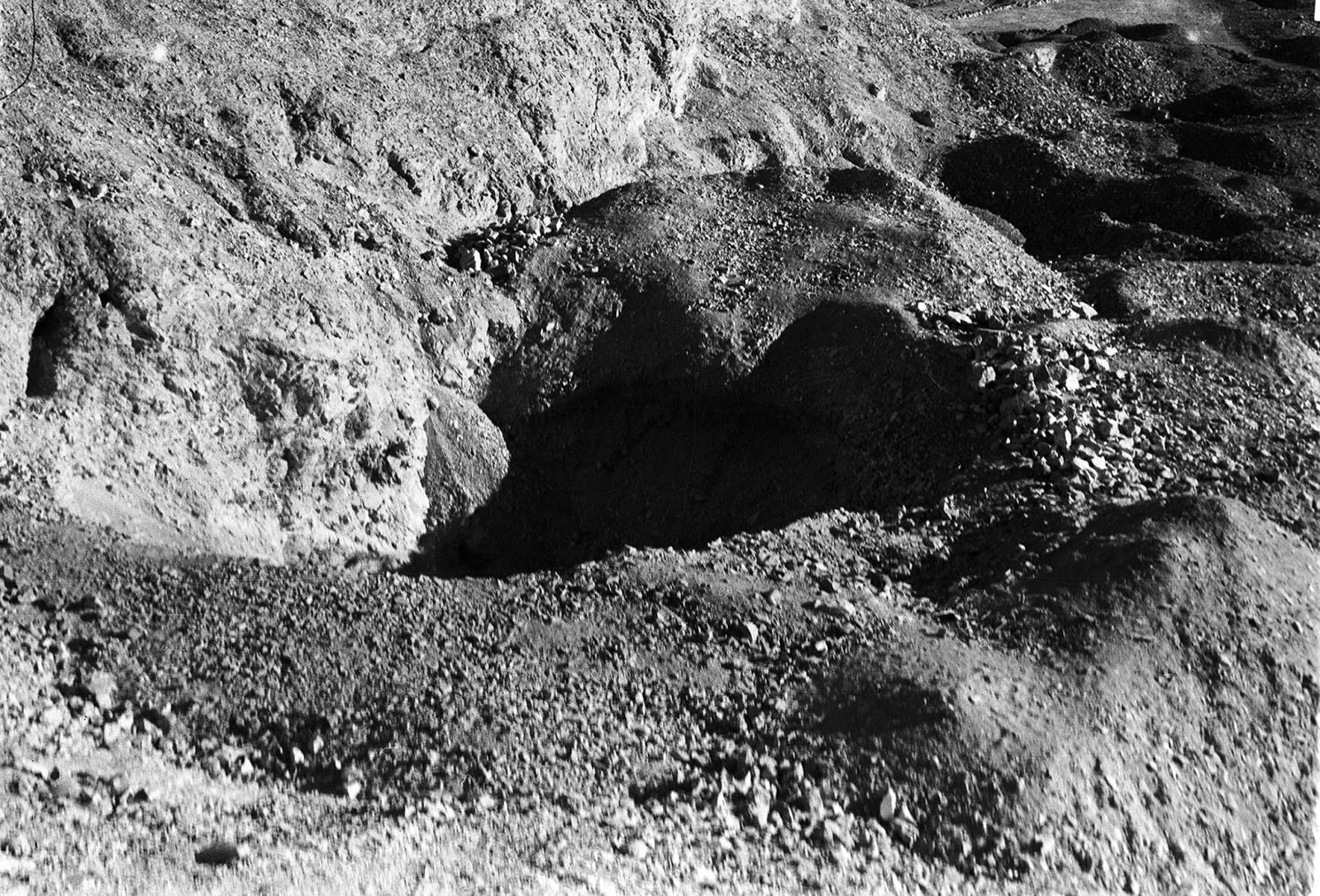
Excavating presumably near the Valley of the Queens. Italian Archaeological Expedition excavations. Courtesy of the Egyptian Museum in Turin.
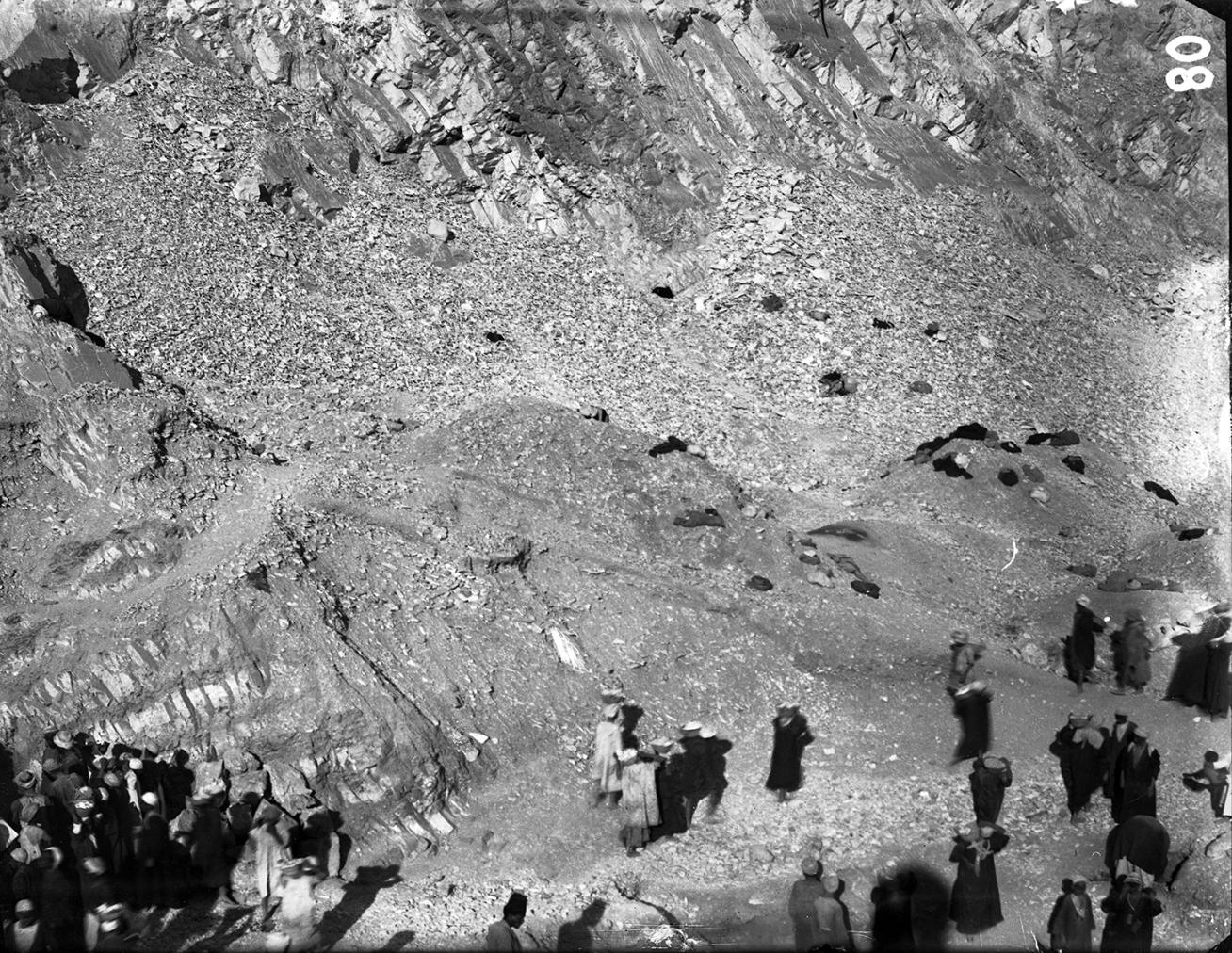
Excavating presumably near the Valley of the Queens. Italian Archaeological Expedition excavations. Courtesy of the Egyptian Museum in Turin.
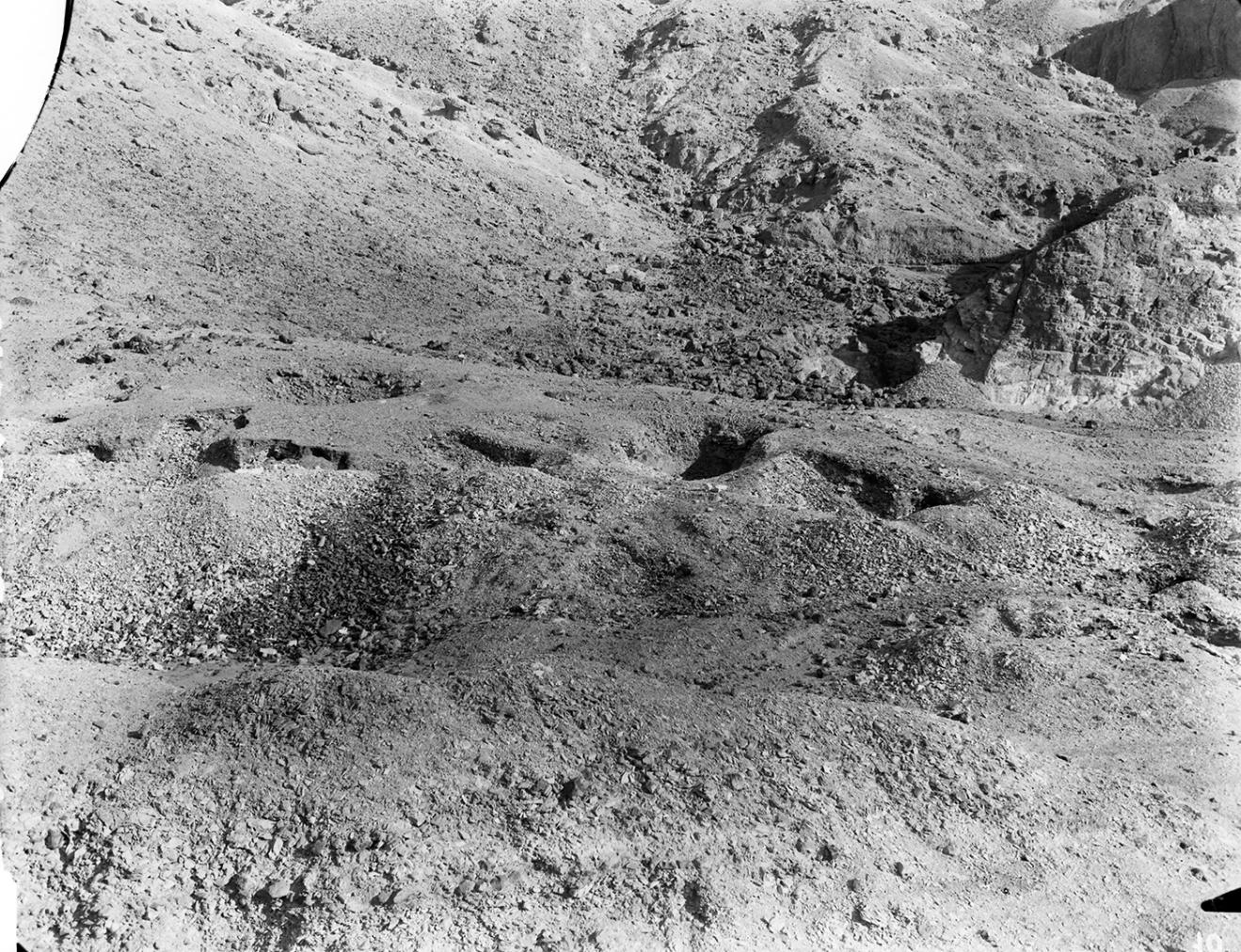
Excavating presumably near the Valley of the Queens. Italian Archaeological Expedition excavations. Courtesy of the Egyptian Museum in Turin.
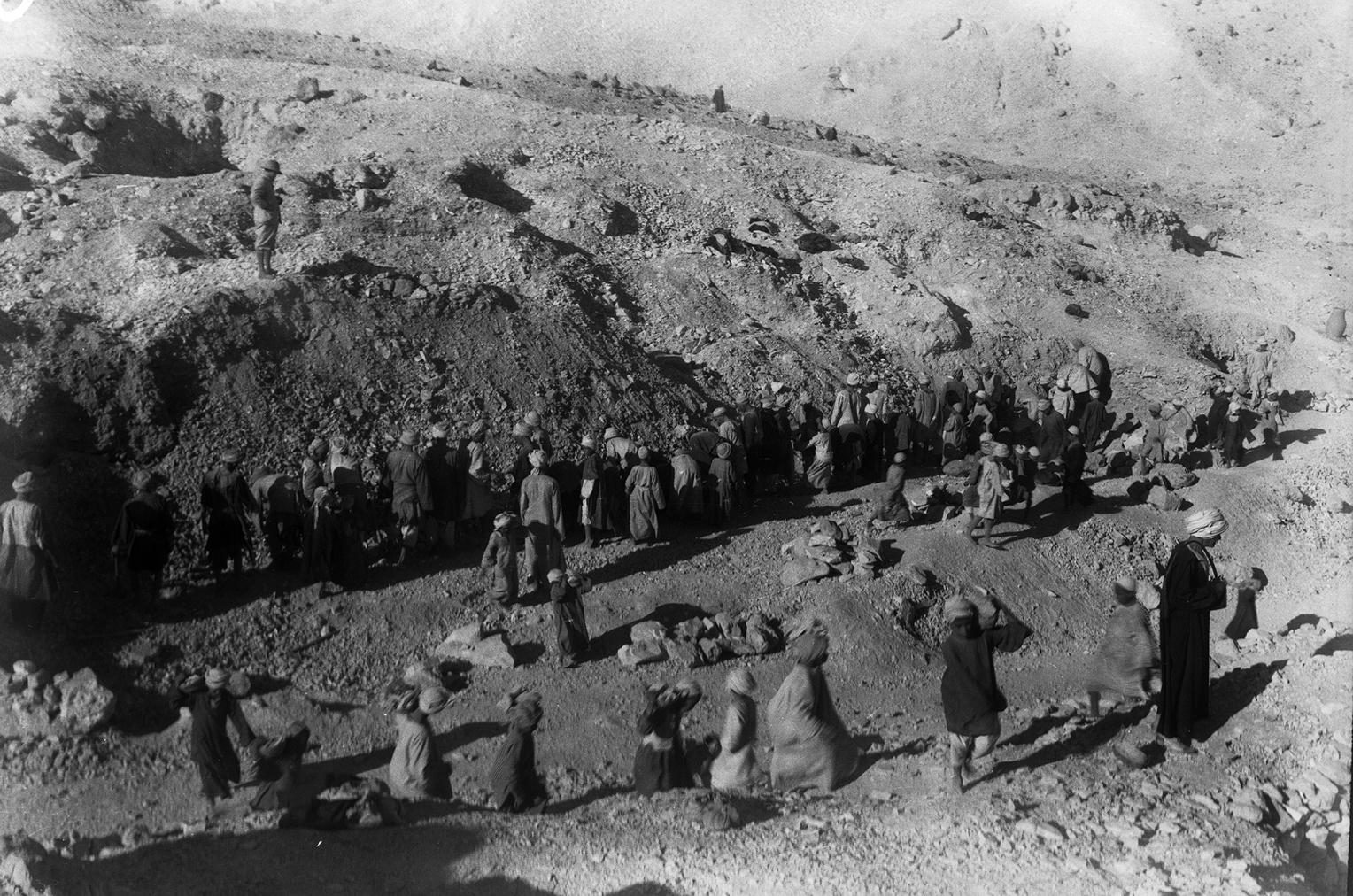
Excavating in the Valley of the Queens. At the top of the photograph, the then Director of the Egyptian Museum in Turin, Giulio Farina, is visible. Italian Archaeological Expedition excavations. Courtesy of the Egyptian Museum in Turin.
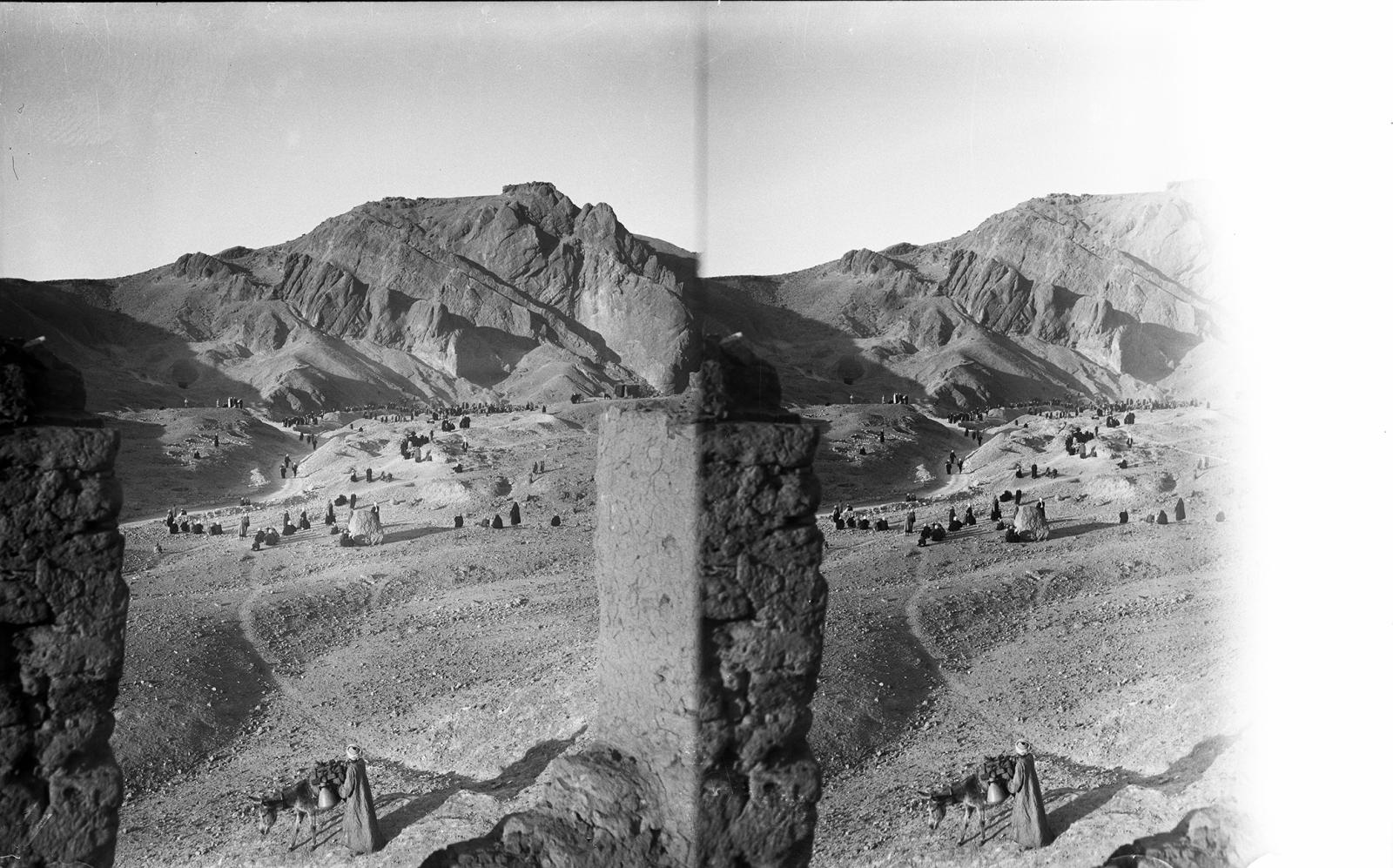
Excavating in the Valley of the Queens under the direction of Giulio Farina. Italian Archaeological Expedition excavations. Courtesy of the Egyptian Museum in Turin.
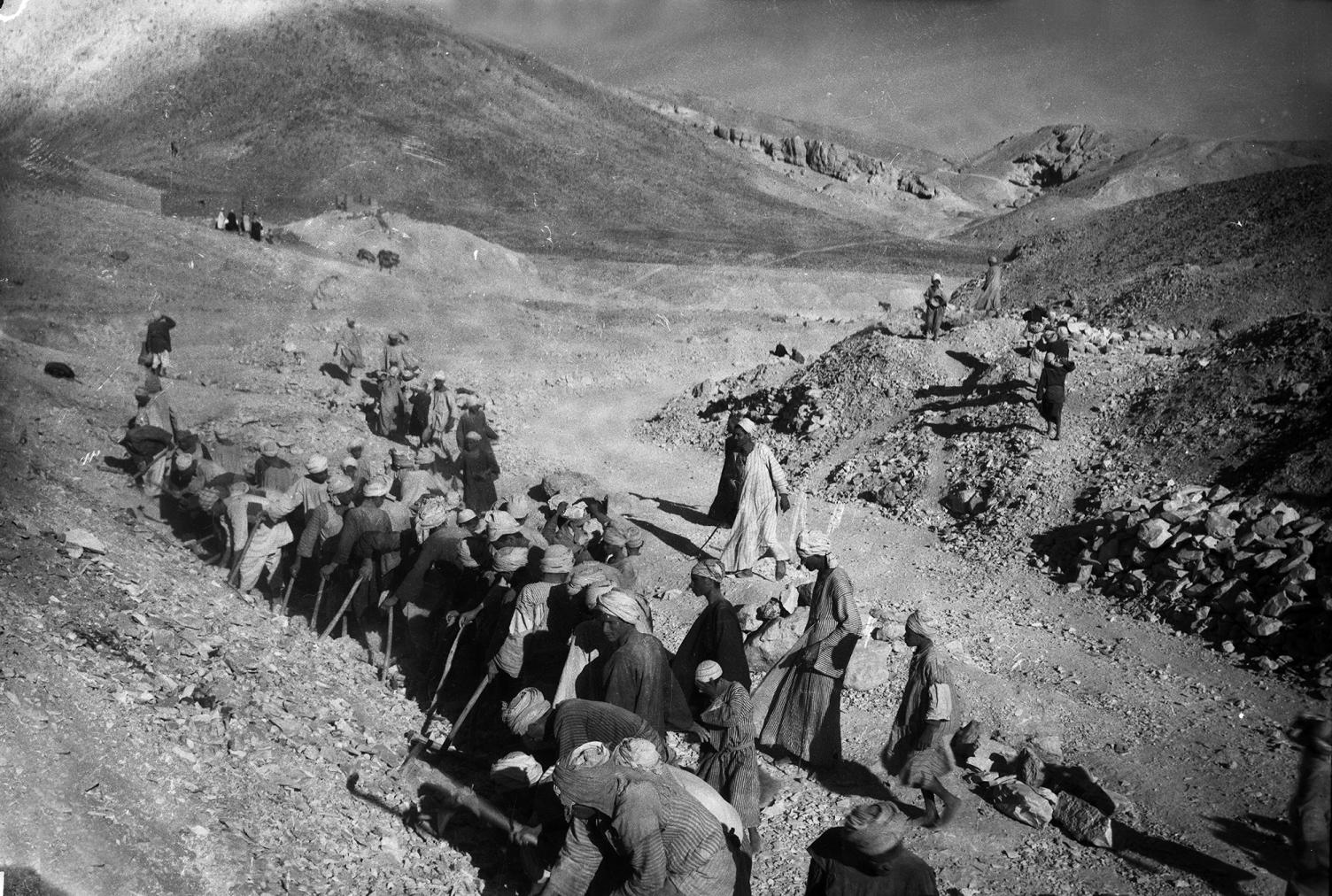
The beginning of the Valley of the Queens possibly during Giulio Farina's excavations. In the background, the Italian Archaeological Expedition's brick structure is visible. Italian Archaeological Expedition excavations. Courtesy of the Egyptian Museum in Turin.
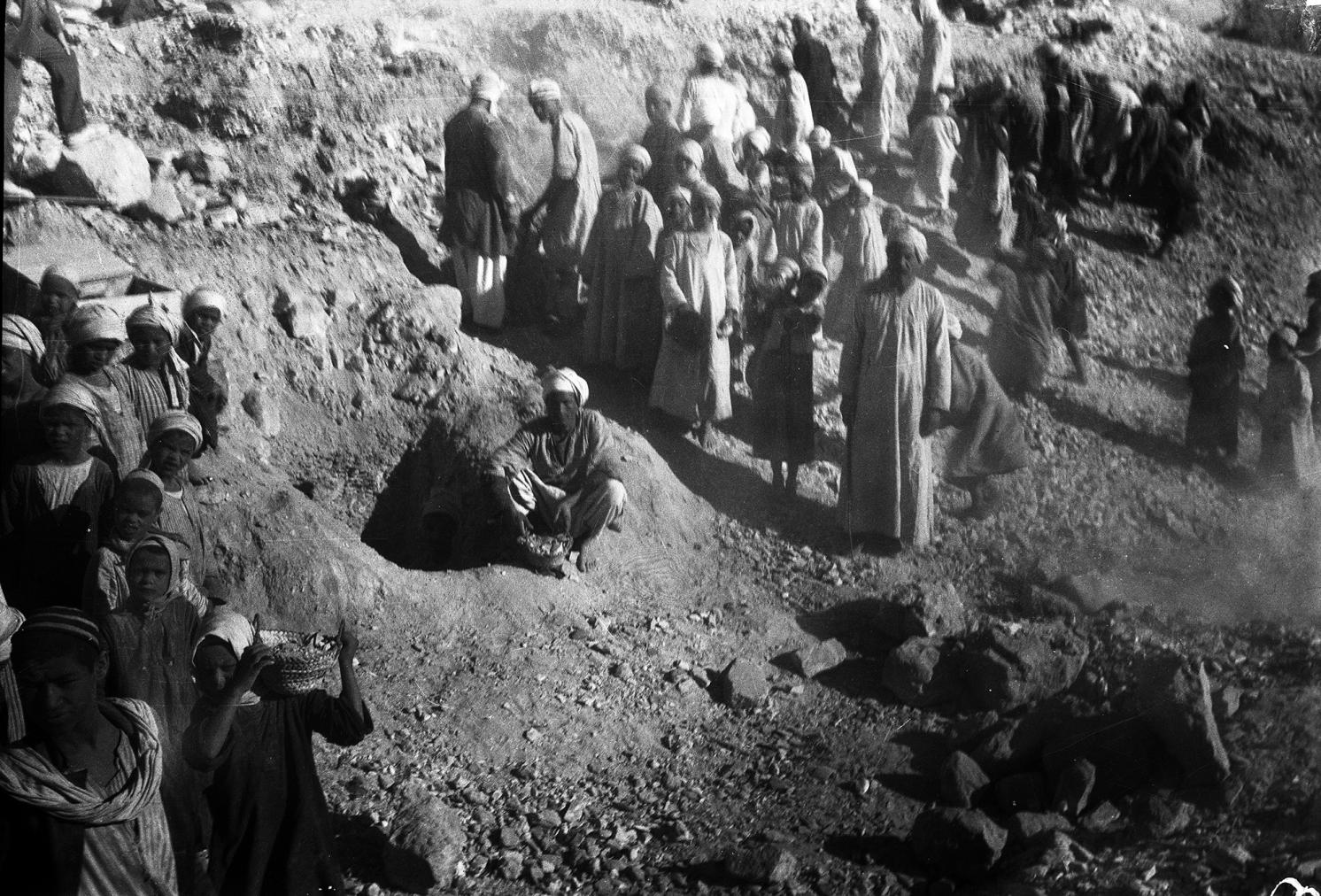
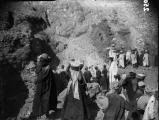
Workmen photographed during excavations in the Valley of the Queens. Italian Archaeological Expedition excavations. Courtesy of the Egyptian Museum in Turin.
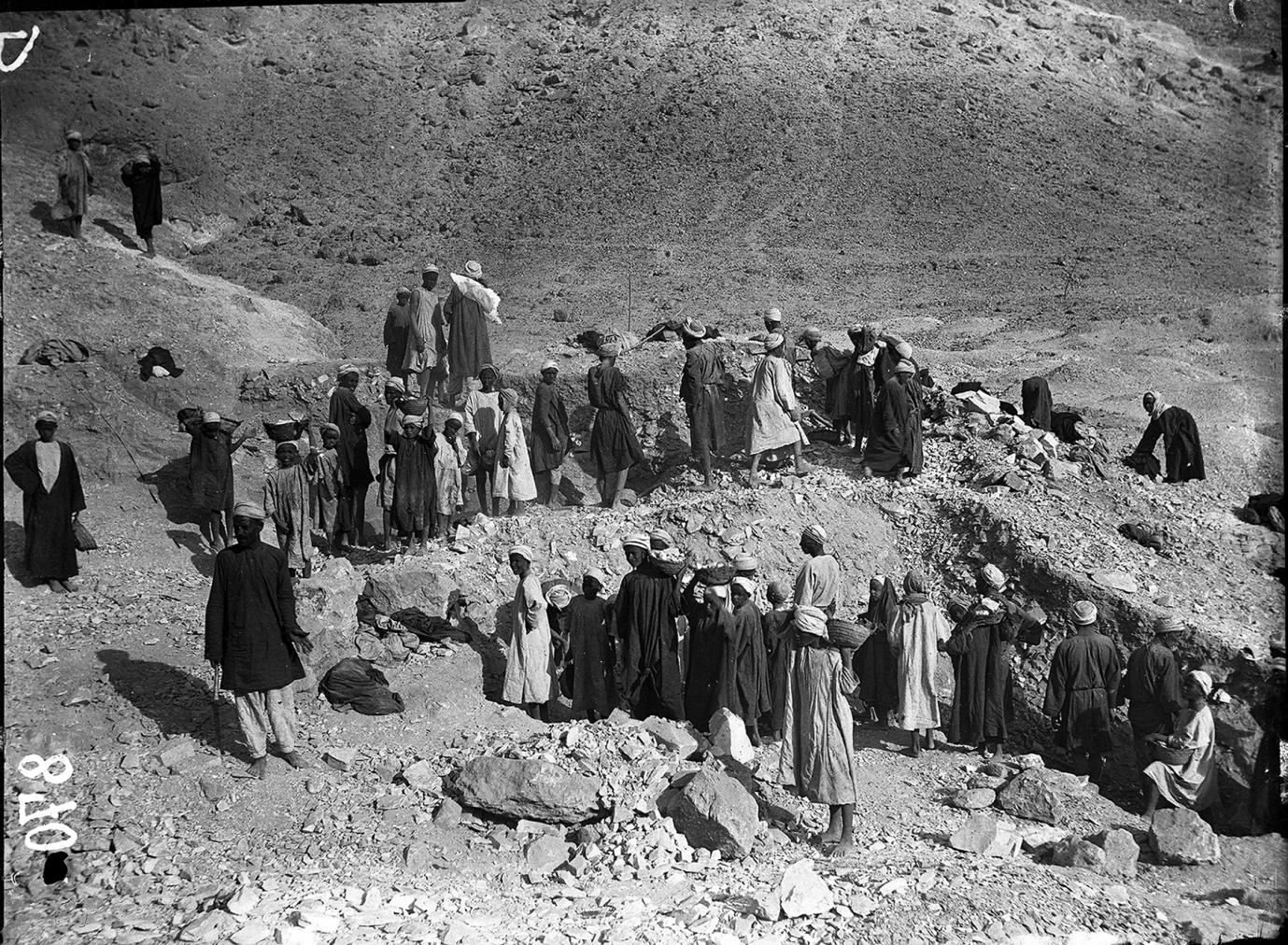
Excavating in the final section of the Valley of the Queens presumably under the direction of Ernesto Schiaparelli. Italian Archaeological Expedition excavations. Courtesy of the Egyptian Museum in Turin.
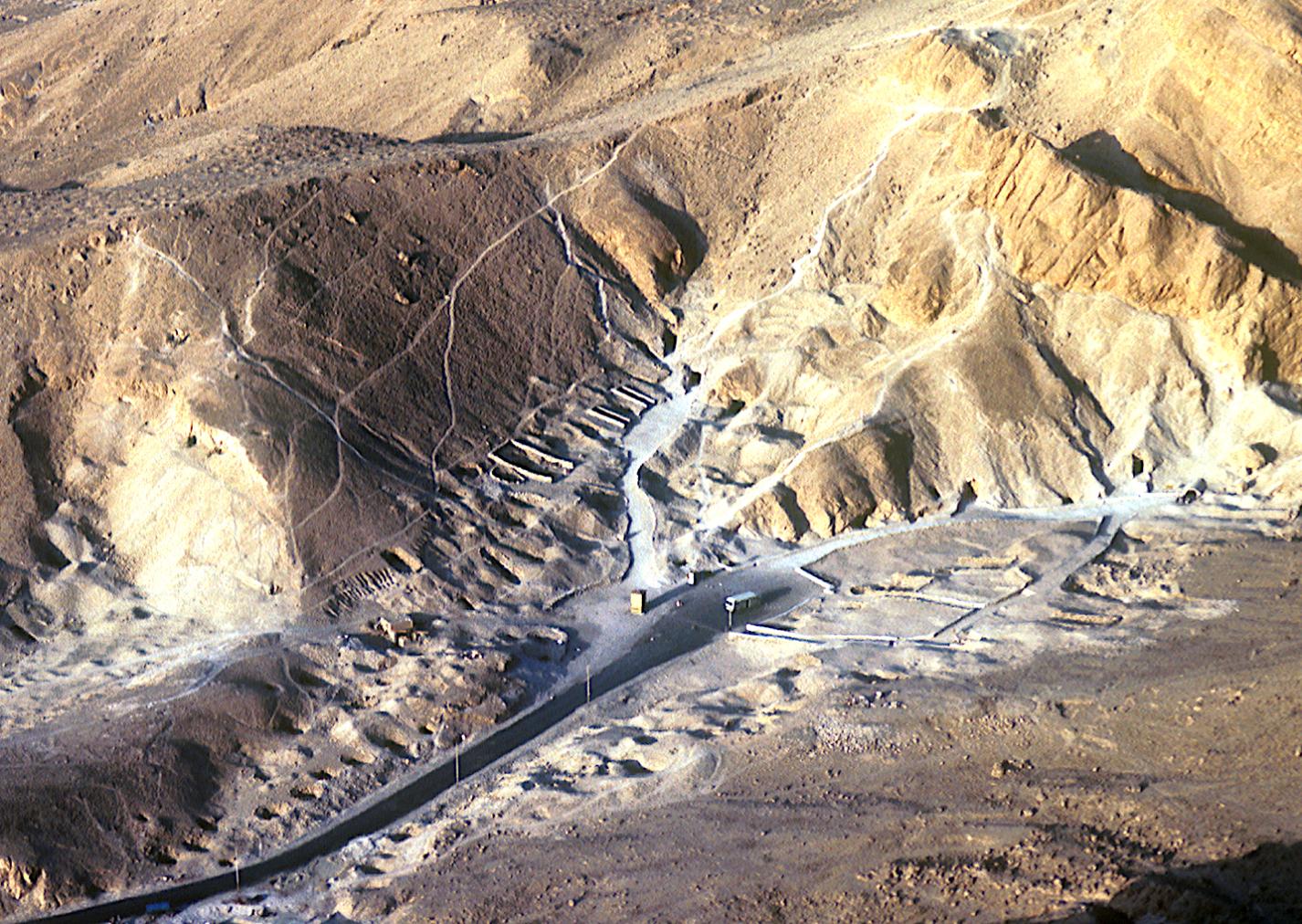
Aerial view of the Valley of the Queens
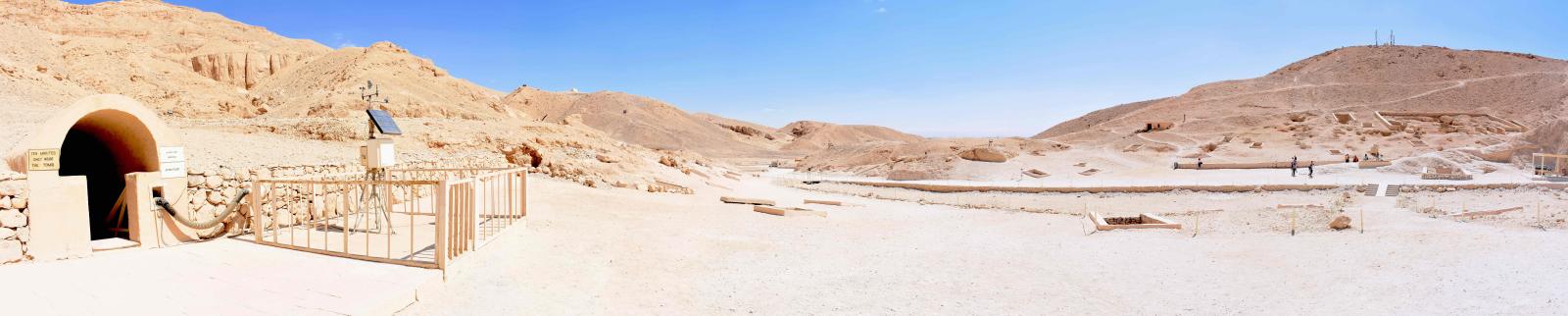
View of the main valley from the tomb of Queen Nefertari, QV 66 (entrance left).

Signage on the road to Valley of the Queens & Dayr al Madinah

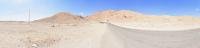
Road leading to the Valley of the Queens.

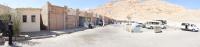
Parking area, ticket office, and Souq at the entrance to the Valley of the Queens.

Main wadi after security check at entrance to QV.

Italian mission house and Dayr al Rumi ruins in main wadi.

Italian mission house and Dayr al Rumi ruins in main wadi.

Security checkpoint in the main wadi with the Shrine to Ptah and Meretseger in background.

Entrances of QV2, QV4, QV5, QV6, and QV81. View of old electricity building in background and south eastern slope of the valley with tomb entrances.

General view of the main wadi, old electricity building, and entrances to QV4, QV5, QV6, QV7, QV8, QV9, QV10, QV11, QV12, and QV14.

View of the main wadi and entrances to QV76, QV77, QV78, and QV83.

View of main wadi and entrances to QV76, QV77, QV78, QV79, and QV83.

Entrances to QV77, QV78, QV79. View of New electricity building and WC.

Entrances to QV76, QV77, QV78, and view of visitors shelter and main path with bridge to QV66 and QV80.

Recycling facilities in QV next to the visitor shelter at QV66. Workers' huts in background.

Entrance to QV52 in background, foreground includes entrances to QV58, QV59, QV61, QV60, QV62, and worker's huts.

Entrance to QV51, QV52, QV53, QV55, and unfinished QV85 in background with workers' huts in foreground.

Worker's huts, visitors shelter at QV55, and grotto.

Entrances to QV64, QV65, QV69, QV70, QV72, QV82, QV96, and QVU2 with entrance to QV in the background. Further back the path to Dayr al Madinah and the shrine to Ptah and Meretseger.

Entrances of QV52, QV53, QV61, and QV62 with workers' huts. Entrance to QV52 visitors shelter at QV55 in the background.

Workers' huts and entrance to QV58 in foreground. Entrance to QV55 and grotto in background.

Entrances QV57, QV58, and QV59 with workers' huts. Grotto in background.

Entrances to QV58, QV59, and QV60 with workers' huts.

Entrances to QV58, QV59, QV60, and QV61 with workers' huts. Visitors shelter at QV66 and QV80 in background.

Entrances to QV 60 and QV61 with workers' huts. Visitors shelter at QV66 and QV80 in background.

Worker's huts and entrances to QV58 and QV59.

Worker's huts with entrances to QV58 and QV59.

Worker's huts with entrances to QV58 and QV59

Worker's huts with entrances to QV58 and QV59

Entrance to QV51, QV59, worker's huts, and visitors shelter

Entrance to QV58, QV59, and worker's huts. Visitors shelter at QV66 in background.

Lime kiln

Lime kiln

Lime kiln and workers' huts. Entrances to QV80 and QV66 in background.

Lime kiln, entrance to QV56, and part of ancient dam on the left

Lime kiln, entrance to QV56, part of ancient dam and grotto

Visitors shelter at QV55, and ancient damn and grotto in background

Visitors shelter at QV55 and QV66, workers' huts, and entrances to QV58, QV59, and QV80

View up Southern branch of the wadi leading to QV45, QV44, QV43, QV42, QV41, QV40, QV39, QV38, QV37, QV36, and QV34. QV49 and QV50 in foreground.

View up Southern branch of the wadi leading to QV45, QV44, QV43, QV42, QV41, QV40, QV39, QV38, QV37, QV36, and QV34. QV49 and QV50 in foreground.

Entrance to QV47 in foreground. Visitors shelter at QV51, worker's huts, QV80 and visitors shelter at QV66 in background.

view of the main wadi from QV44

General view of the Valley with QV26 in foreground

View of the southern branch of the main wadi from QV23

General view of the main wadi with visitors shelter in the background

General view of the main wadi with the grotto in the background

View of the main wadi with the grotto in the background and the visitors shelter of QV66 on the right

Recycling facilities in the main wadi with the entrance to QV80 in the background

Workers' huts in front of QV66 with visitors shelter at QV55 in the background

Worker's huts and coptic remnants in front of QV66 with the southeastern side and southern branch of the main wadi in the background

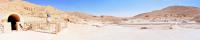
Entrance to the QV

Entrance to the QV with security checkpoint and shrine to Ptah and Meretseger in the background

View of the Italian mission house on the northeastern side of main wadi

Depression next to the main path in front of the Italian mission house

Depression next to the main path in front of Italian mission house

New electricity building and the WC

View of the main wadi from the security checkpoint

Ruins on the northeastern side of the main wadi

View of the Shrine to Ptah and Meretseger from the main path in QV

Security checkpoint at the QV

View of the Shrine of the Ptah and Meretseger and the path to Dayr al-Madinah

View of the Shrine to Ptah and Meretseger and the path to Dayr al-Madinah

Security checkpoint and souq area at the entrance to the QV

Security checkpoint and view of the main wadi

Ruins on the northeastern side of the main wadi

View of the parking lot and the souq at the entrance to QV

Old ticket office

Parking lot and souq area at the entrance to the QV

Road leading to the QV

View of the West Bank from the road leading to the QV
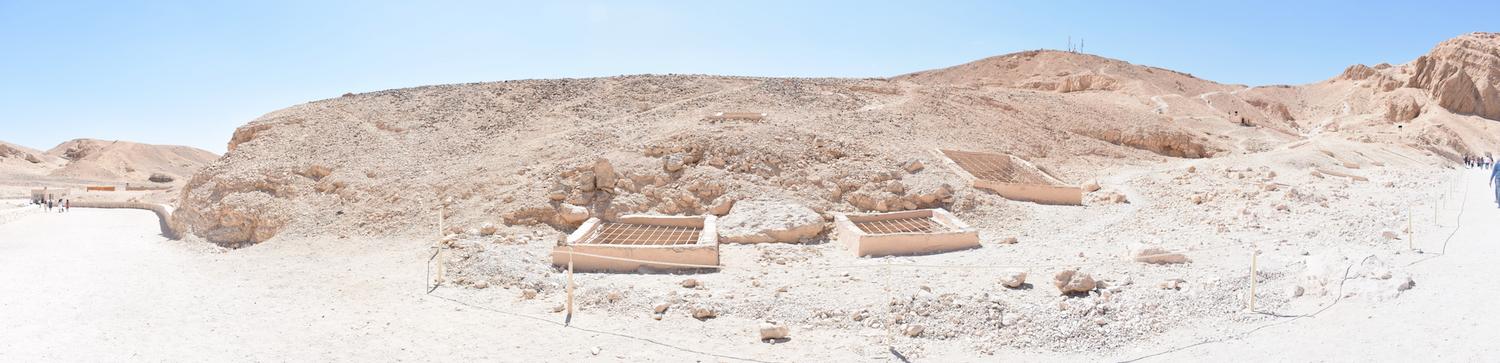
Main path and security check at entrance to QV with view of the southeastern side of the main wadi. Entrances to QV3, QV5, QV6, QV7, QV8, QV9, QV10, QV11, QV12, QV13, and QV 81.
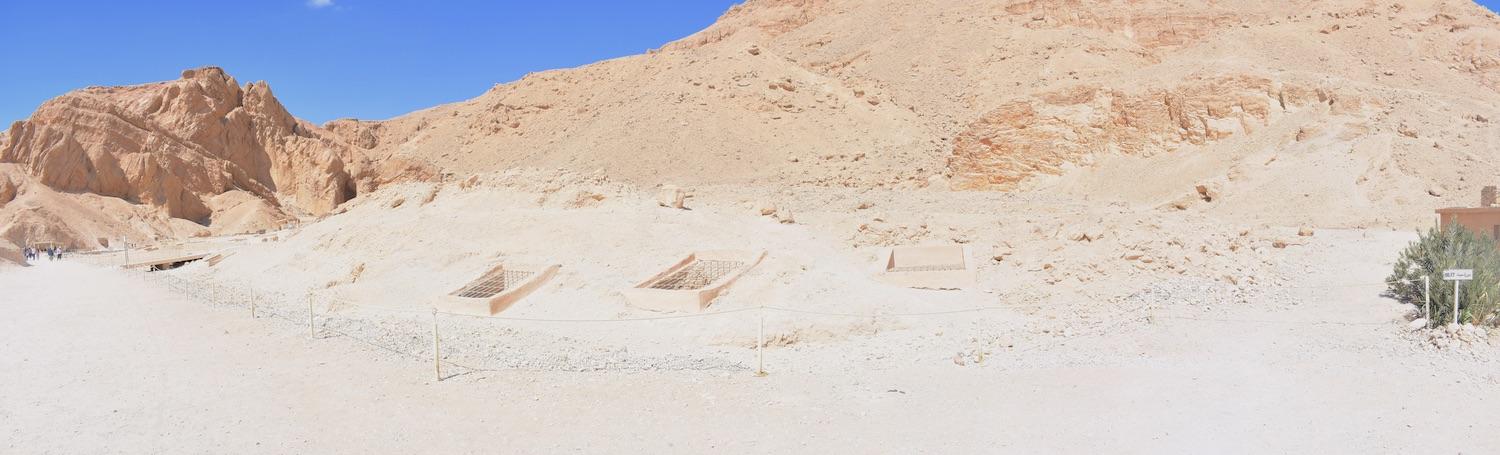
View of the northeastern side of the main wadi. Entrances to QV76, QV77, QV78, QV79, and QV80

Entrance to QV52 and visitors shelters at QV55 in background. Foreground includes coptic remnants, workers’ huts, QV58, QV59, QV60, QV61, QV62, QV85, QV80, and QV66 with visitors shelter.
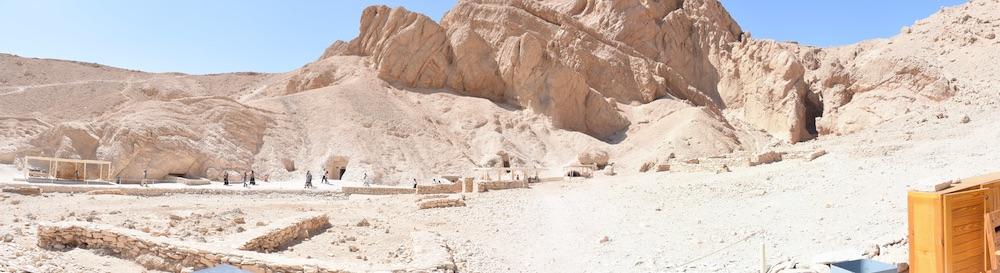
Workers' huts and entrance to QV 58 in foreground. QV55 with visitors shelter and grotto in the background.

General view of the main wadi towards QV66 with entrances to QV51, QV52, QV58, QV59, QV80, QV85, workers’ huts, and visitors shelter at QV66

General view of the main wadi from northwestern side of the main wadi with entrances to QV51, QV52, QV58, QV59, QV80, and QV85. Workers’ huts, visitors shelter at QV66, and lime kiln in the foreground.
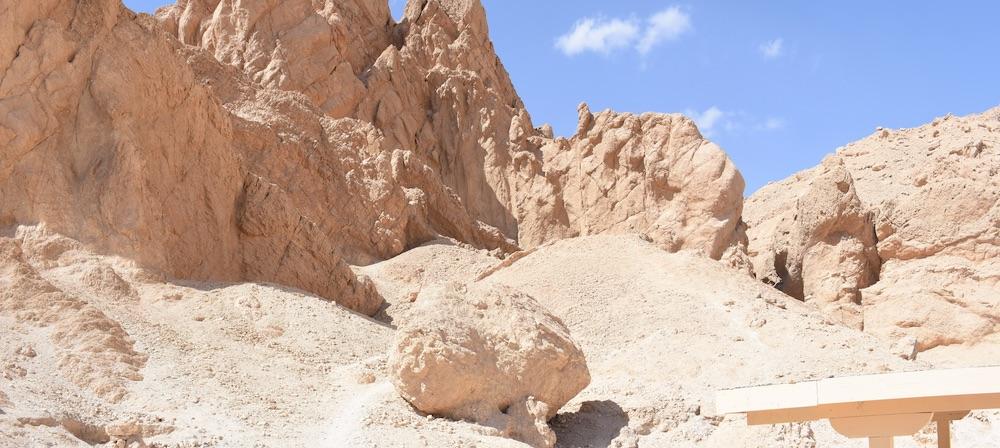
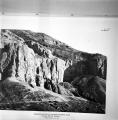
Cliffs above QV55 and area of QV86
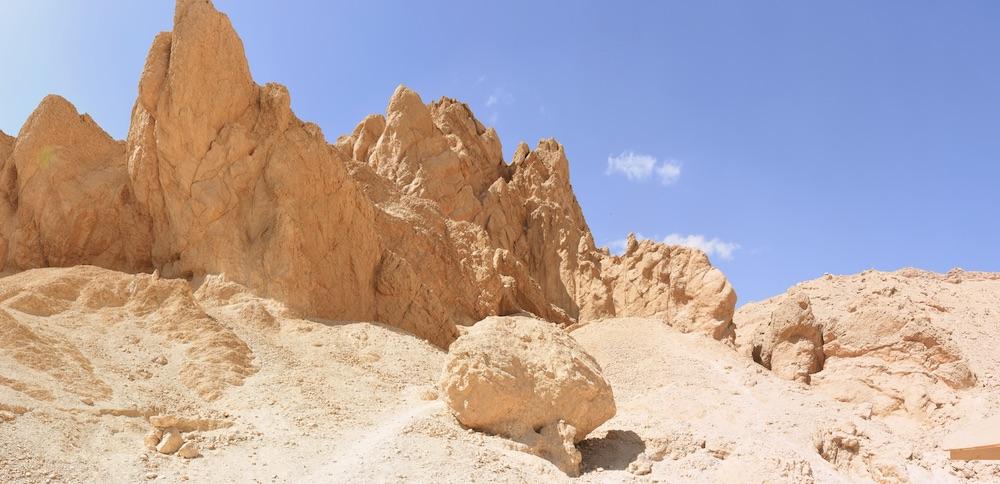
Cliffs above QV55 and area of QV86

View up the main wadi with grotto in the background. View of the visitors shelter and entrances of QV52, QV53, QV55, QV85, and lime kiln.

Visitors shelter between QV50 and QV51 with grotto in the background

QV49 and QV50 in the foreground with the southeastern side of the main wadi, southern branch, and entrance to the QV in the background.
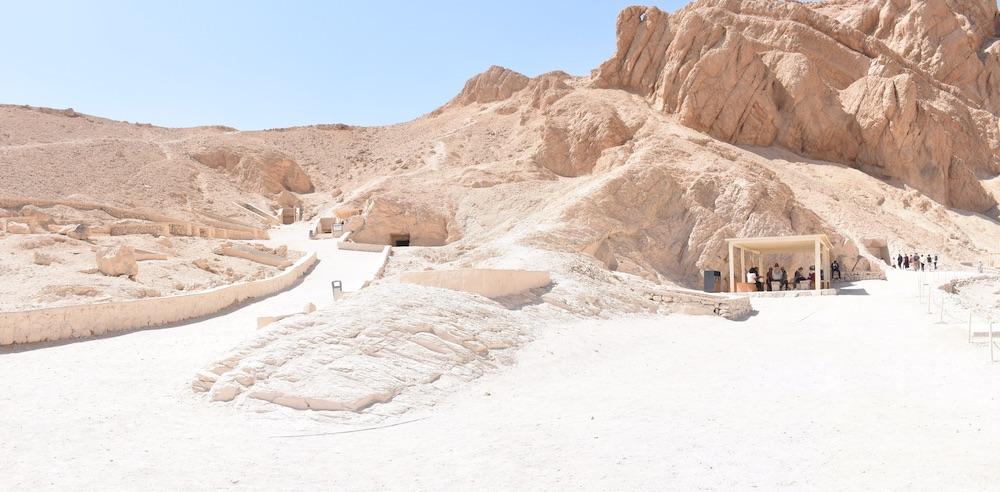
QV49 and QV50 in the foreground with the northern and southern branches of the main wadi in the background.
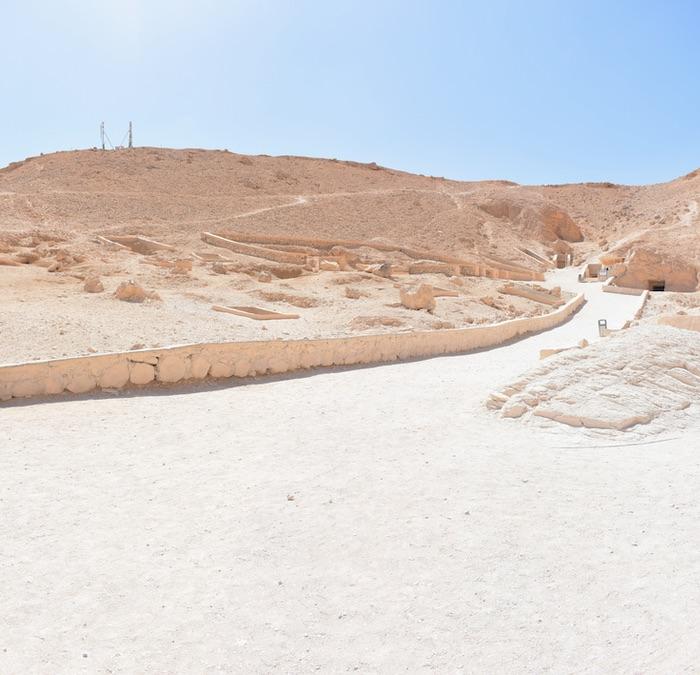
View of the southern branch of the main wadi
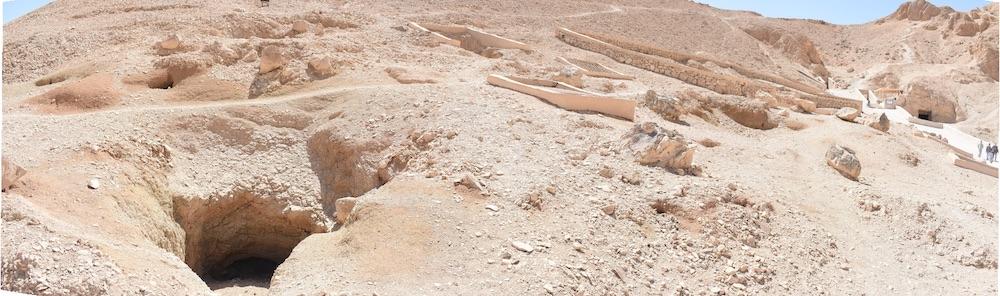
Southeastern side of the main wadi with entrances to QV26, QV27, and QV29 on the right and QV30, QV31, QV32, QV33, QV46, and QV47 on the left
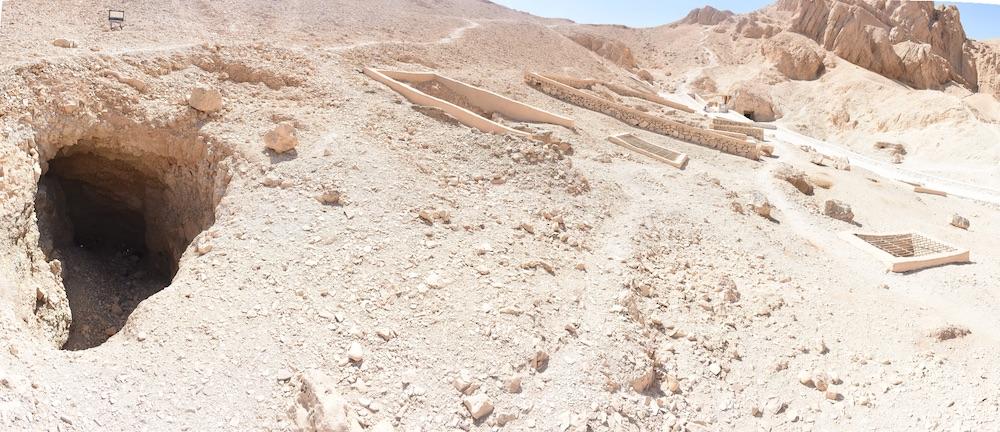
Entrance to QV29, QV31, QV30, and QV32 with QV33 and southern branch in the background.
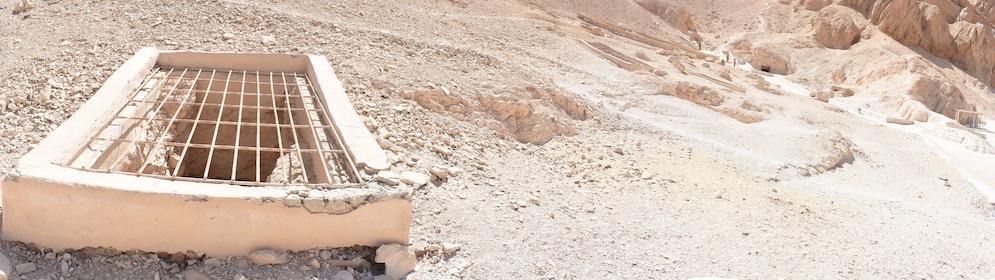
Entrance of QV23 and view of the south branch of the main wadi
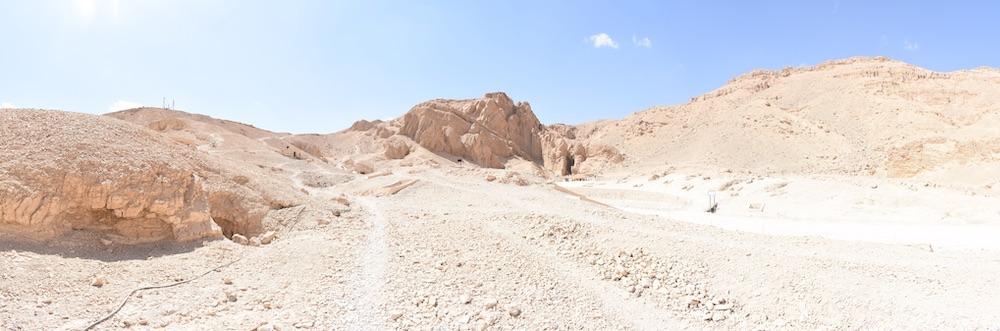
View of southeastern slope of the main wadi from QV13
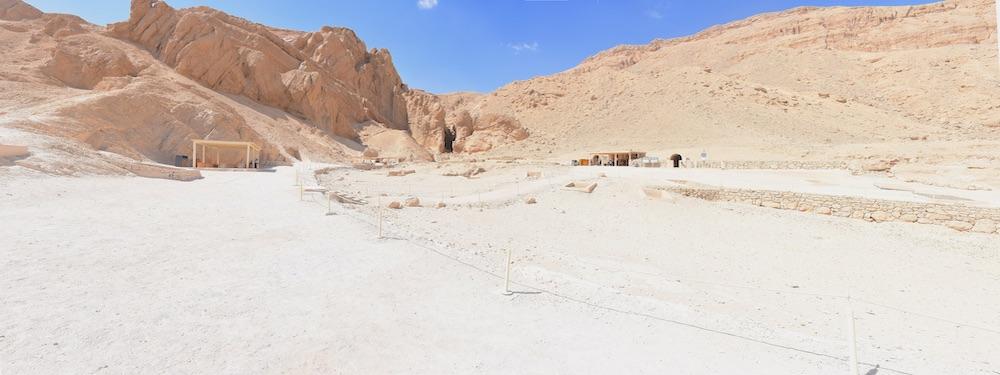
General view of the main wadi
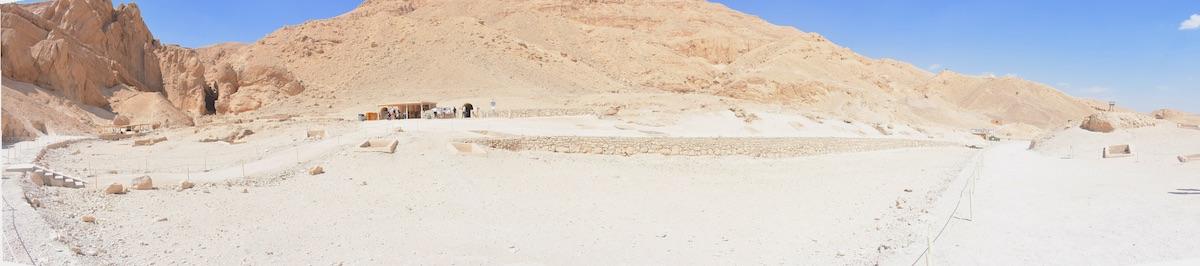
View of the main wadi towards QV66 and QV80 with the visitors shelter
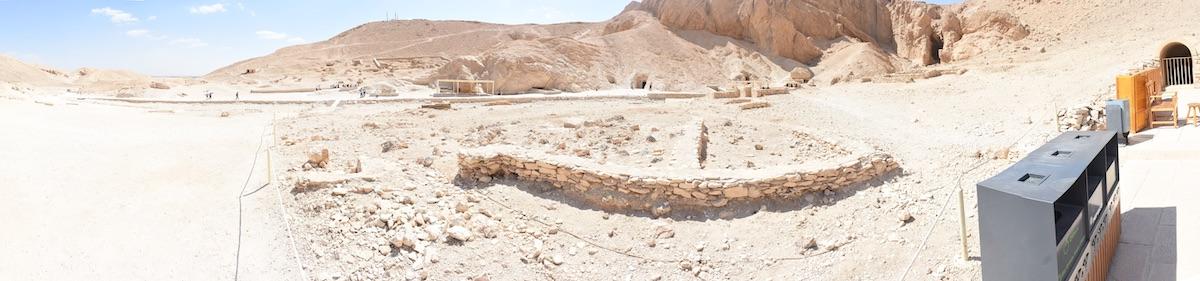
View of main wadi with entrance to QV80 and grotto on the right and workers' huts in the foreground.
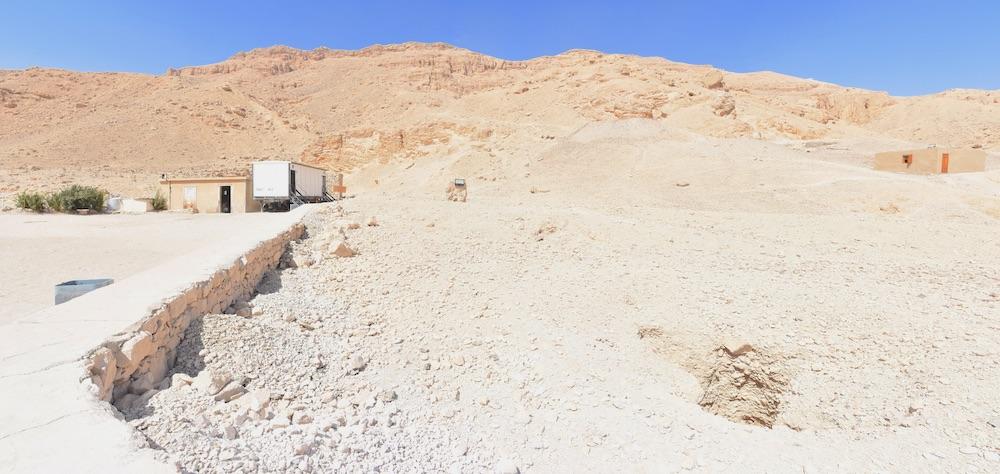
View of the Italian mission house, new electricity building, and the WC trailer
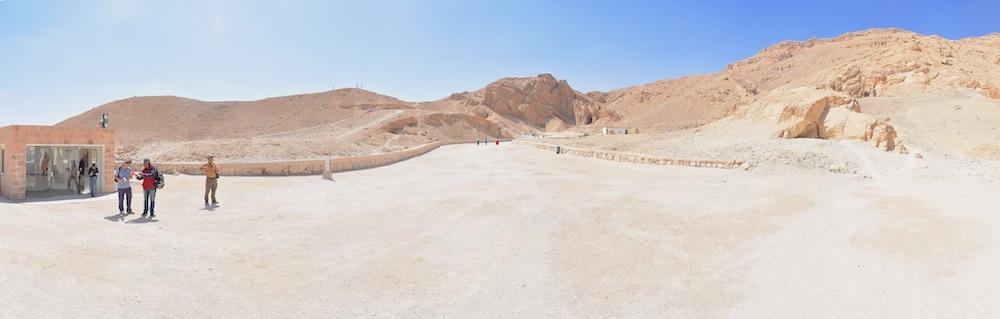
General view of the main wadi and the security entrance

Security entrance and view of the main wadi on the right. Souq area and parking lot on the left
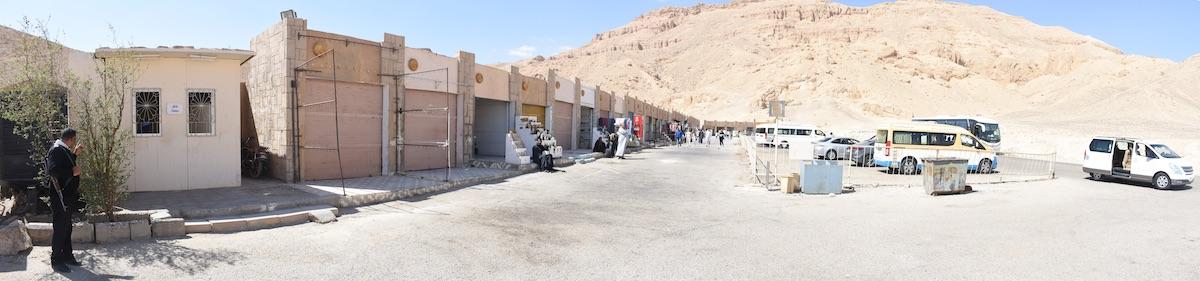
Souq area and parking lot at the entrance to the QV
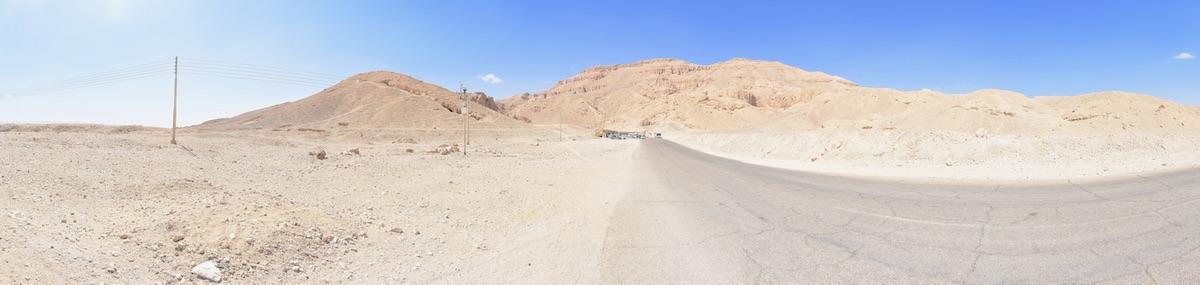
View on the road leading up to the QV

View of the west bank from road to Valley of the Queens with Shaykh 'abd al-Qurnah on the left

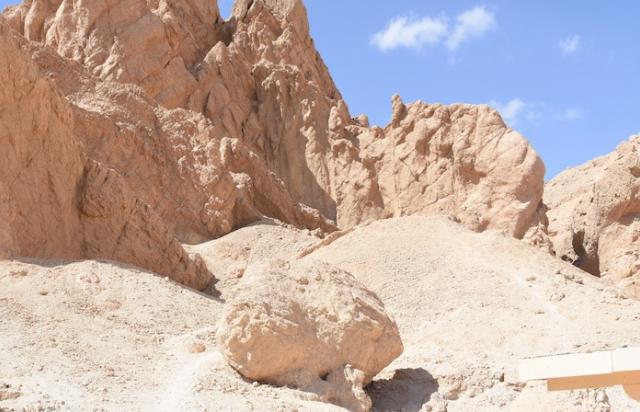
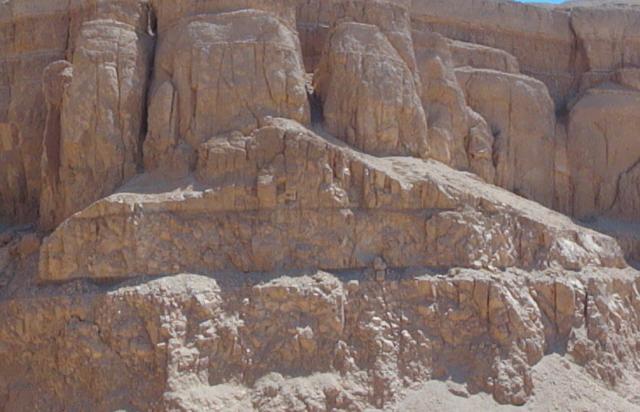
Main wadi showing geological formation and grotto

Grotto cascade and ancient dam in front

Grotto cascade and ancient damn in front
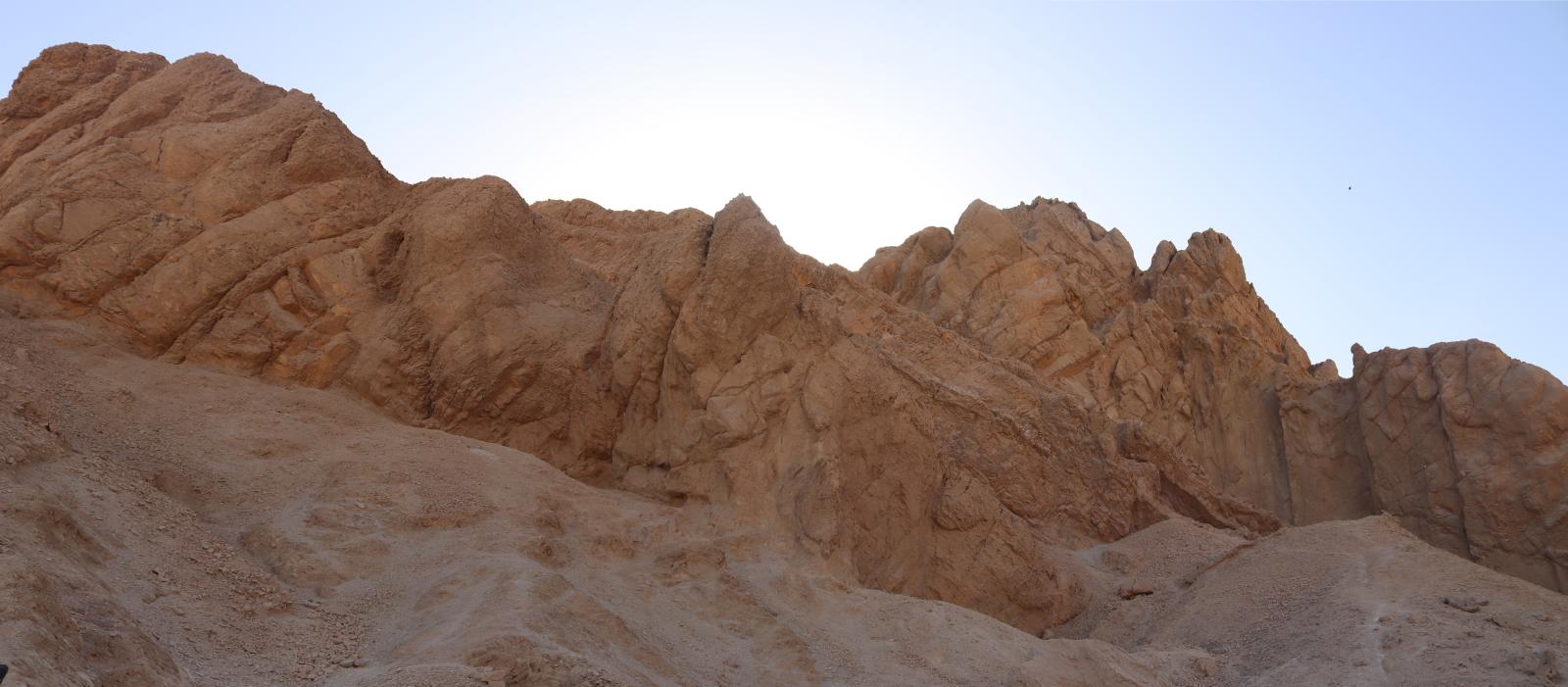
Cliffs above QV 55 and left of the grotto
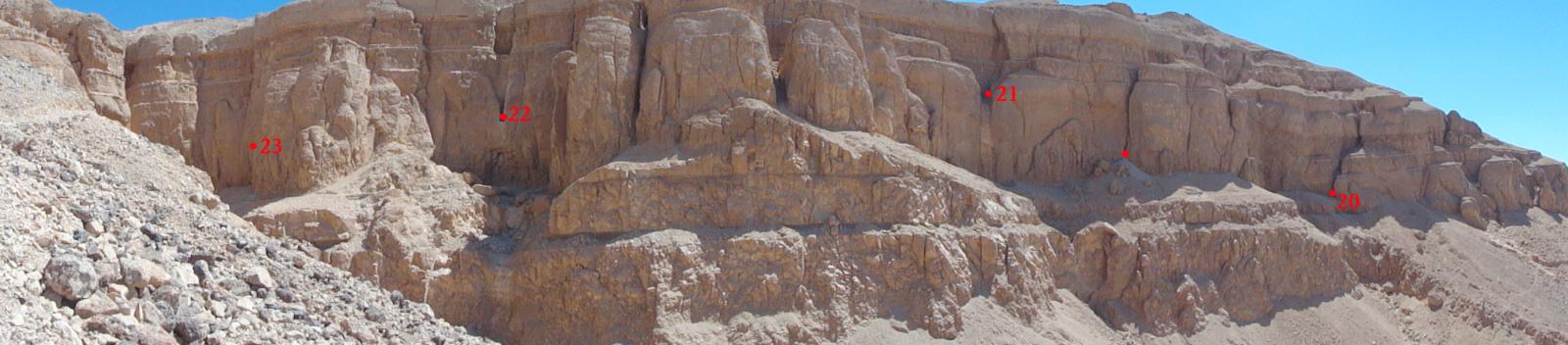
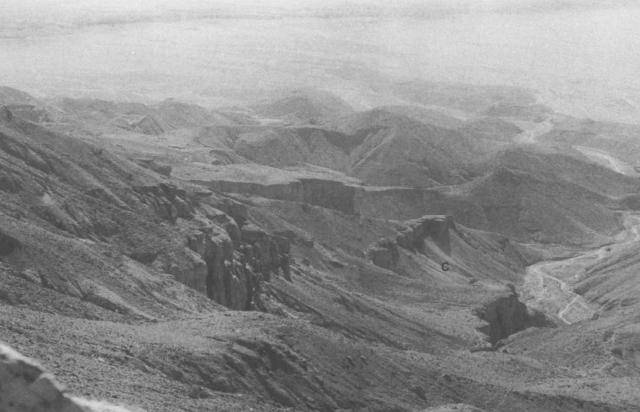
Locations of the tombs in Wadi A (20-Wadi A-4; 21-Wadi A-2; 22-Wadi A-1; 23-Wadi A-5; dot-Wadi A-4).

South down Wadi al-Bariyah from the Farchout Road.

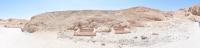
Wadi 300 in the right foreground with the Valley of the Queens on the left
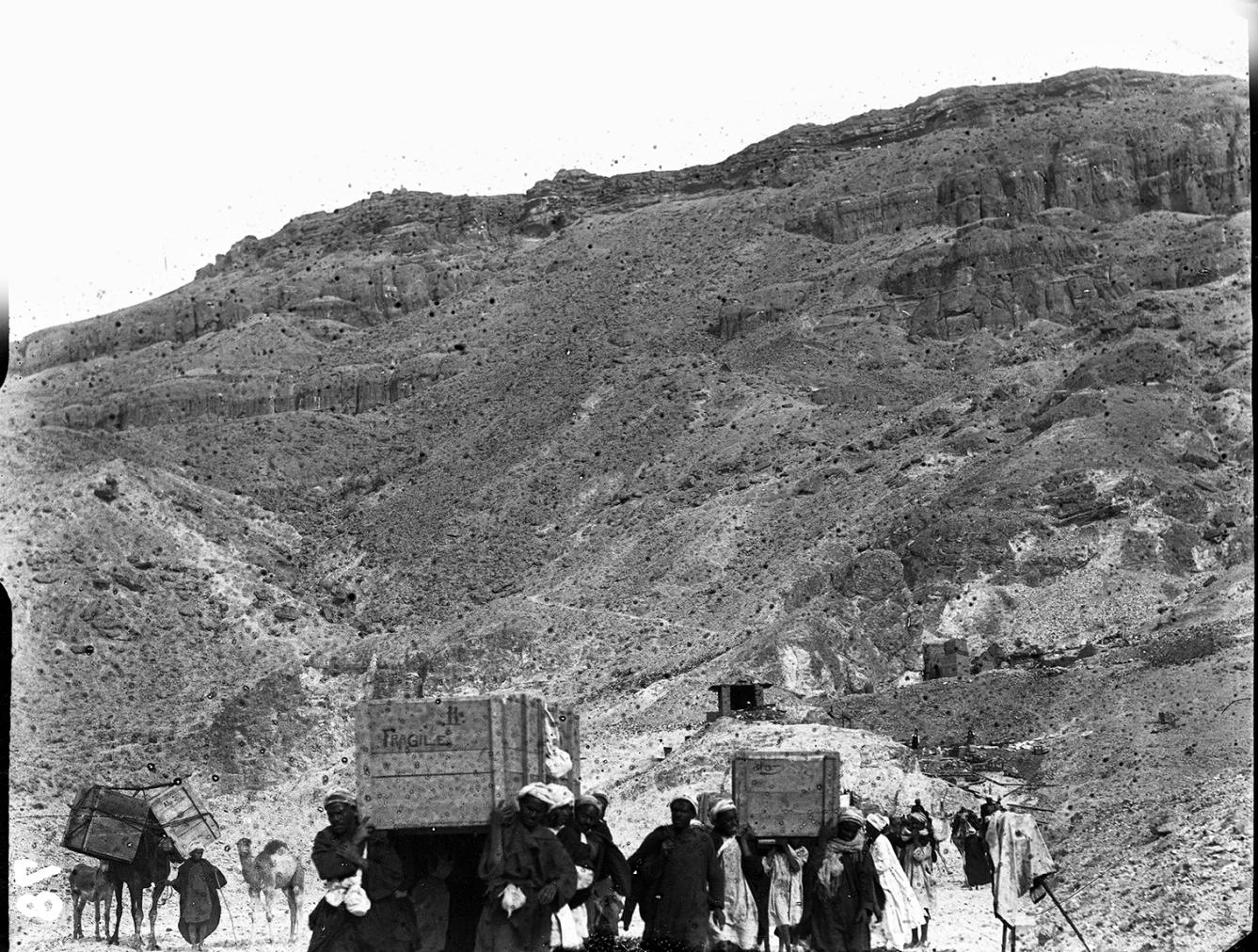
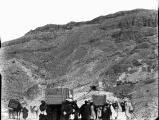
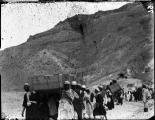
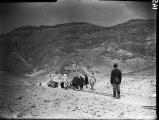
Transporting crates from Schiaparelli's camp in the Valley of the Queens (in the background) to the Nile River during the final stages of the excavation. Note the camera covered by a sheet (right). Italian Archaeological Expedition excavations. Courtesy of the Egyptian Museum in Turin.
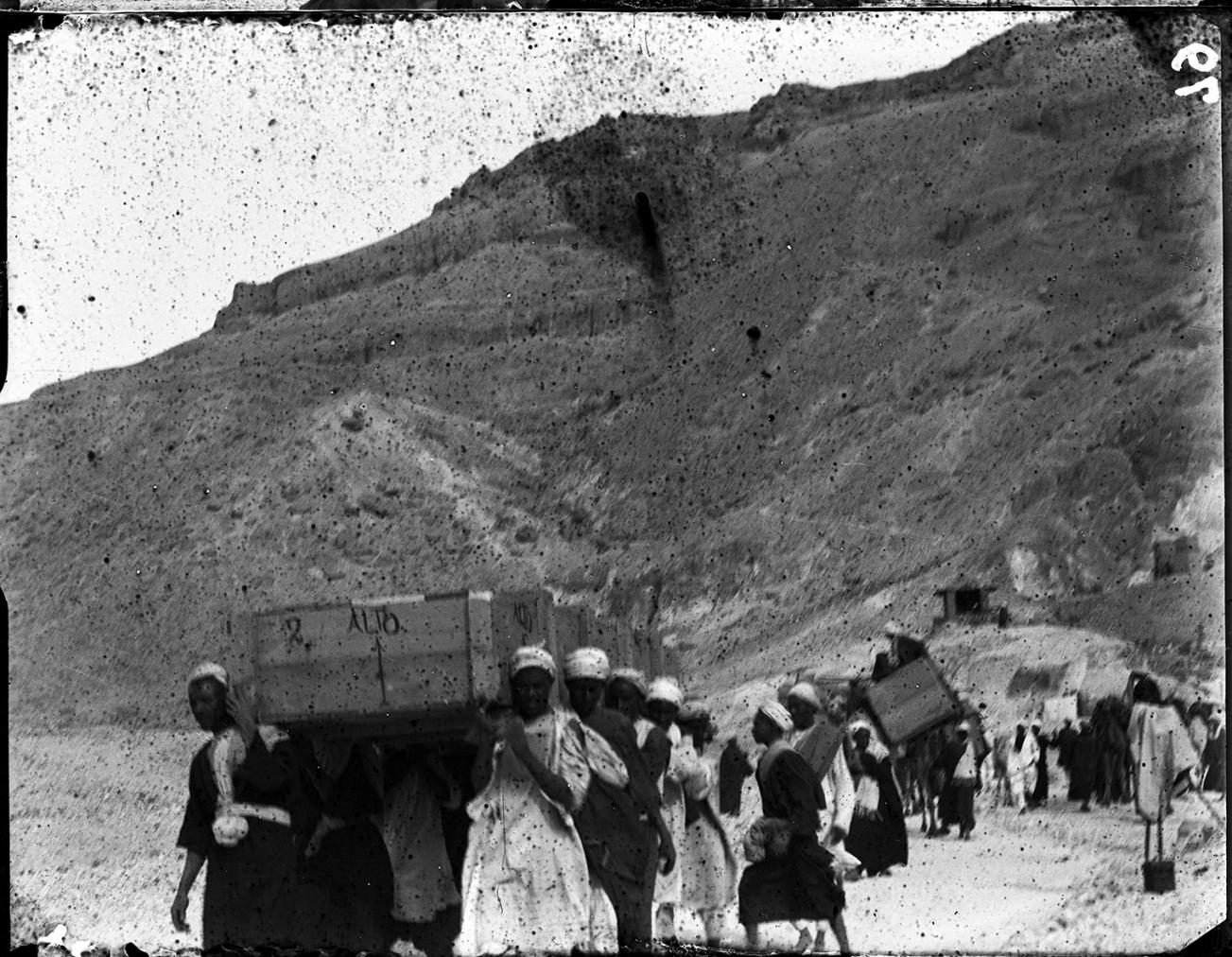
Transporting crates from Schiaparelli's camp in the Valley of the Queens (in the background) to the Nile River during the final stages of the excavation. Note the camera covered by a sheet (right). Italian Archaeological Expedition excavations. Courtesy of the Egyptian Museum in Turin.
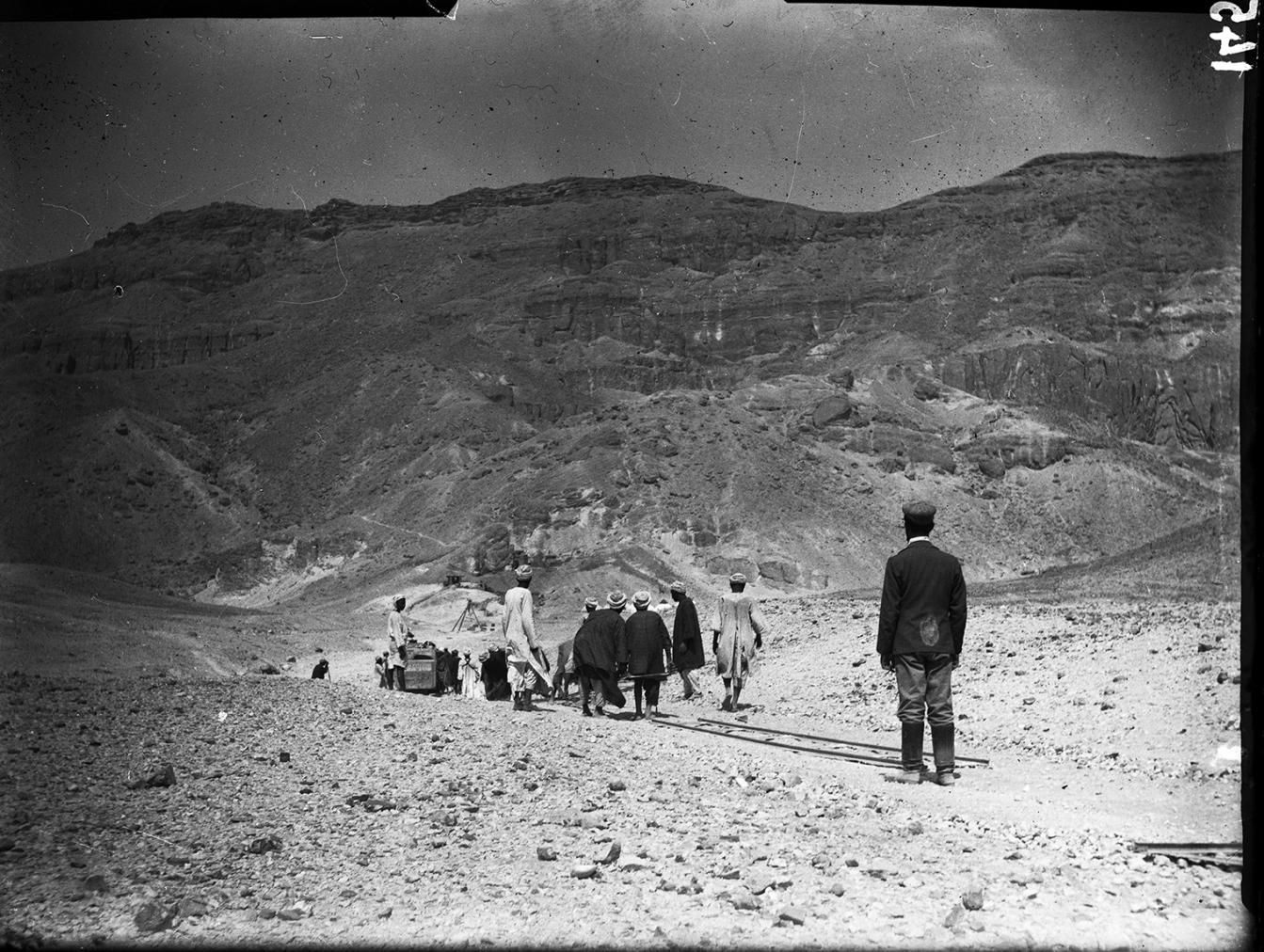
Transporting crates from Schiaparelli's camp in the Valley of the Queens by means of Decauville Railways to the Nile River during the final stages of the excavation. Italian Archaeological Expedition excavations. Courtesy of the Egyptian Museum in Turin.
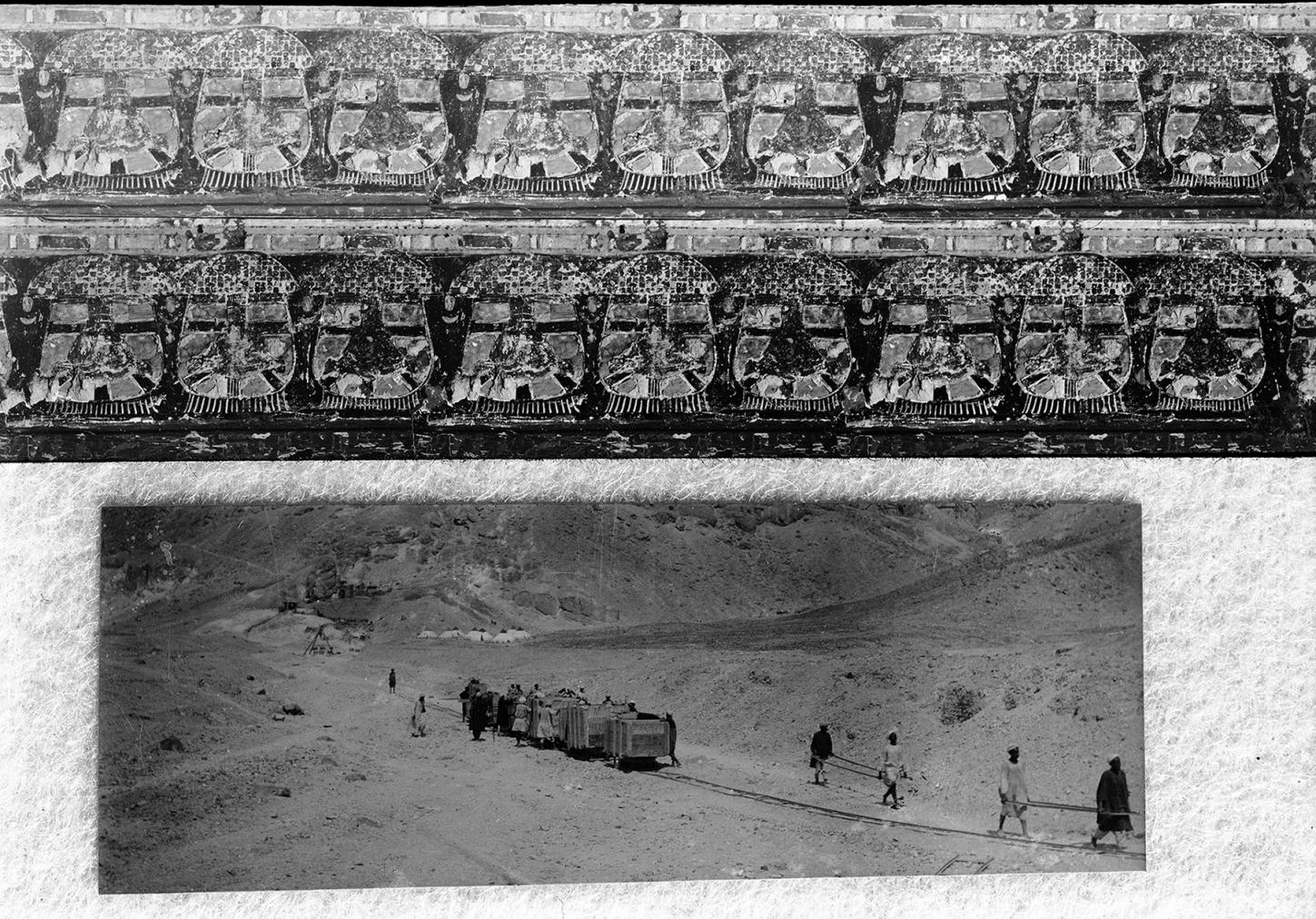
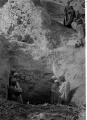
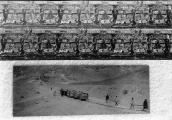
Collage of two images. Above, is a decorative offering frieze from a tomb's wall. Below, is the transportation of goods from Schiaparelli's camp in the Valley of the Queens by means of Decauville Railways towards the Nile River. In the background, the expedition's camp is visible with its various tents, which may indicate this photograph was taken in 1906. Italian Archaeological Expedition excavations. Courtesy of the Egyptian Museum in Turin.
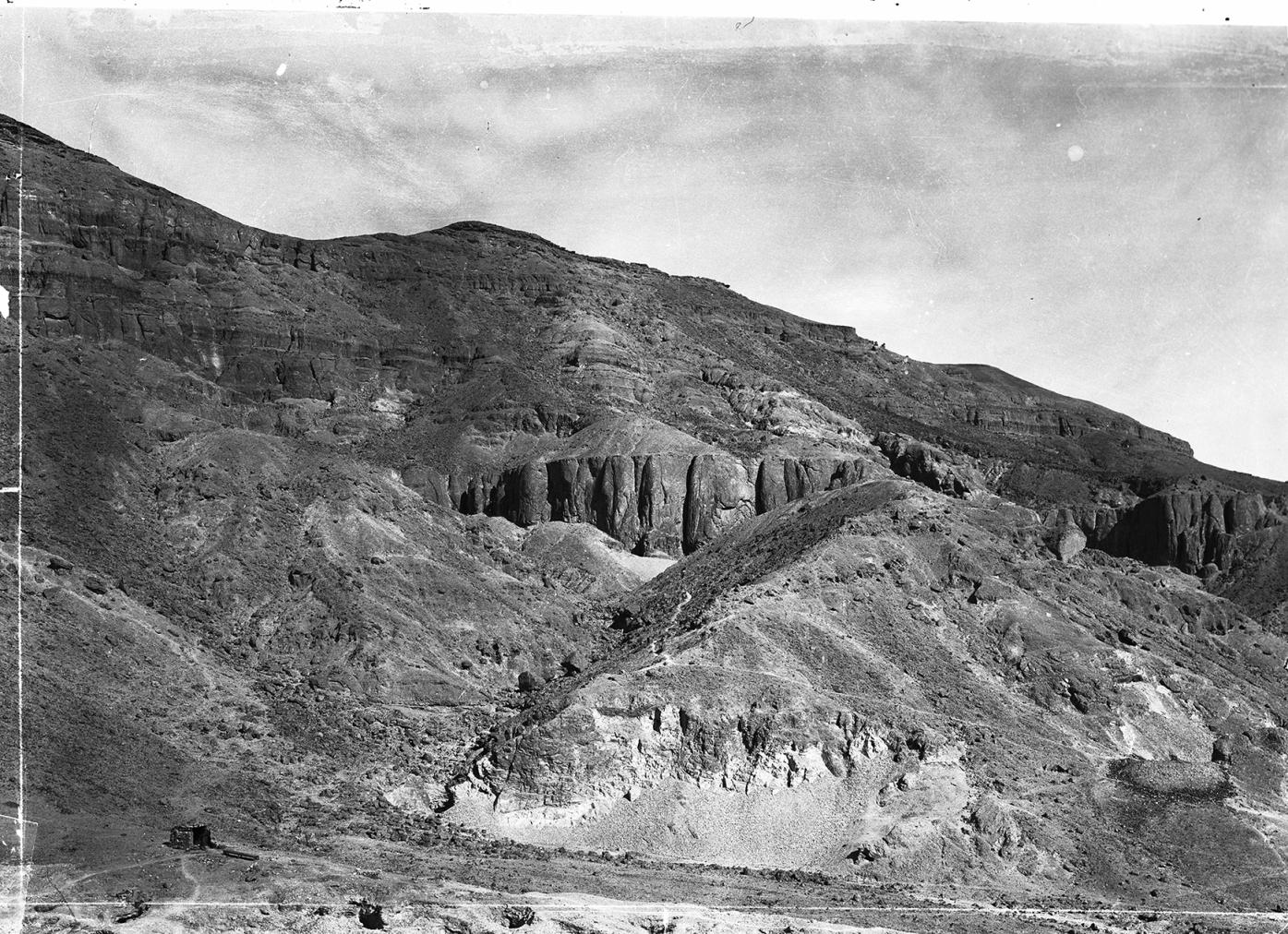
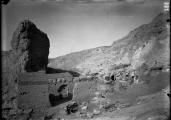
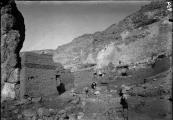
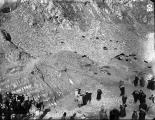
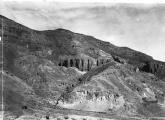
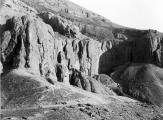
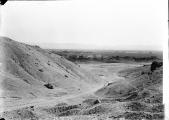
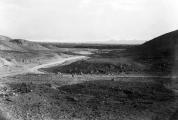
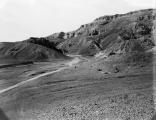
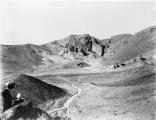
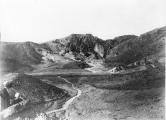
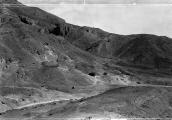
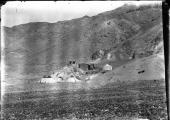
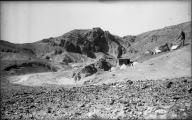
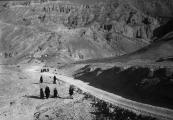
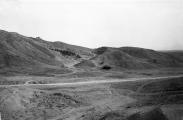
View of the large wadi adjacent to the Valley of the Queens photographed during Schiaparelli's excavations. Italian Archaeological Expedition excavations. Courtesy of the Egyptian Museum in Turin.
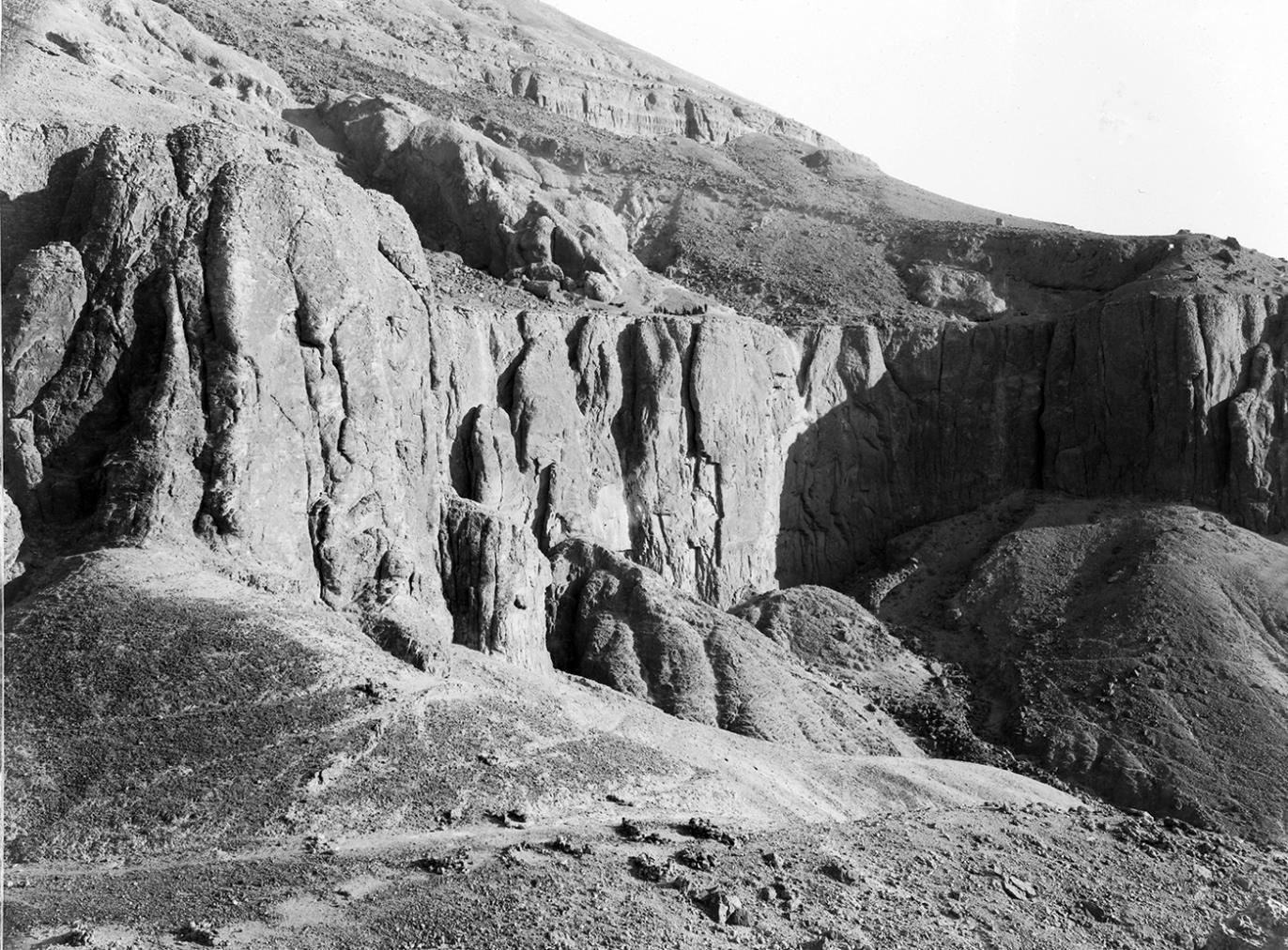
View of the large wadi adjacent to the Valley of the Queens photographed during Schiaparelli's excavations. Italian Archaeological Expedition excavations. Courtesy of the Egyptian Museum in Turin.
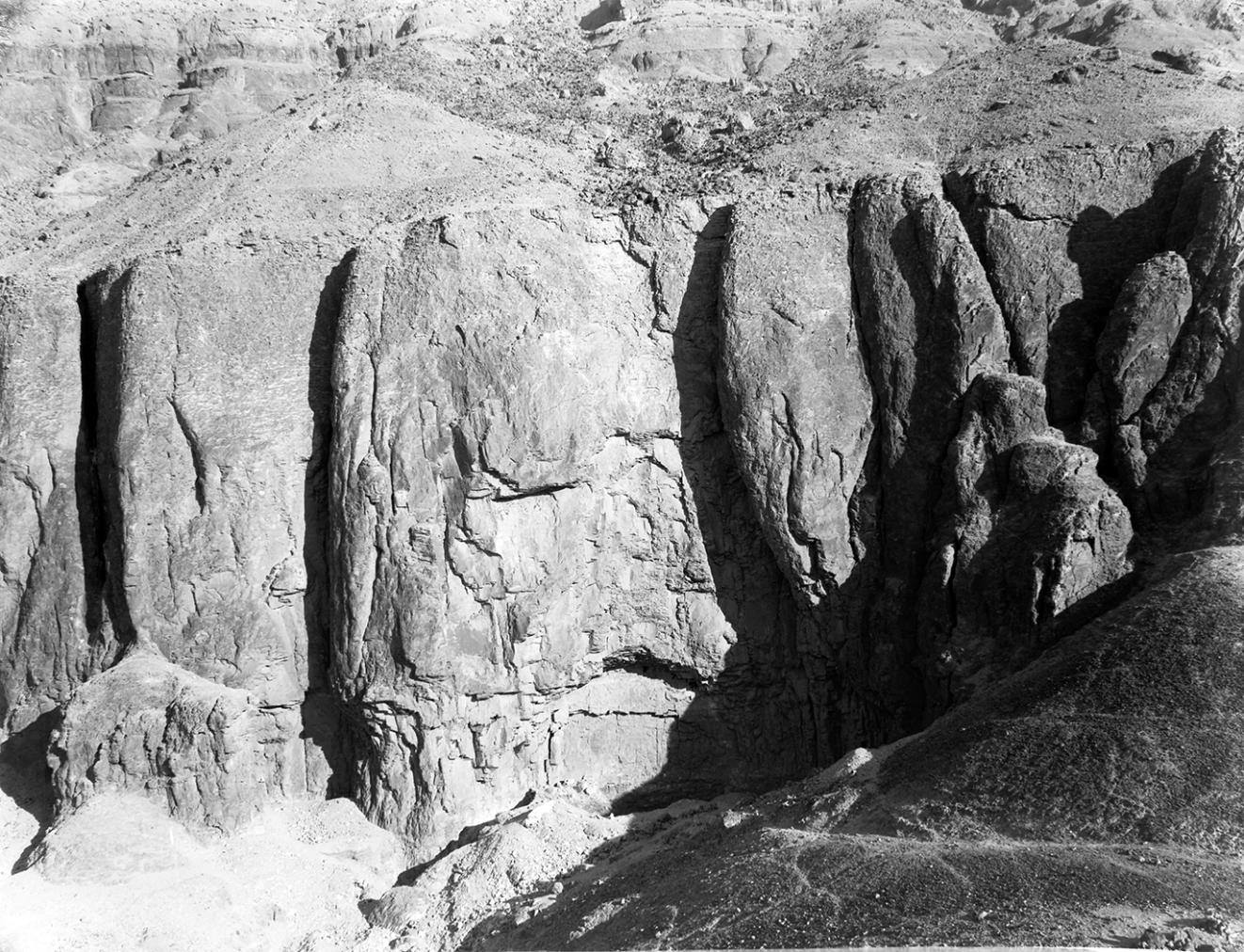
View of the large wadi adjacent to the Valley of the Queens photographed during Schiaparelli's excavations. Italian Archaeological Expedition excavations. Courtesy of the Egyptian Museum in Turin.
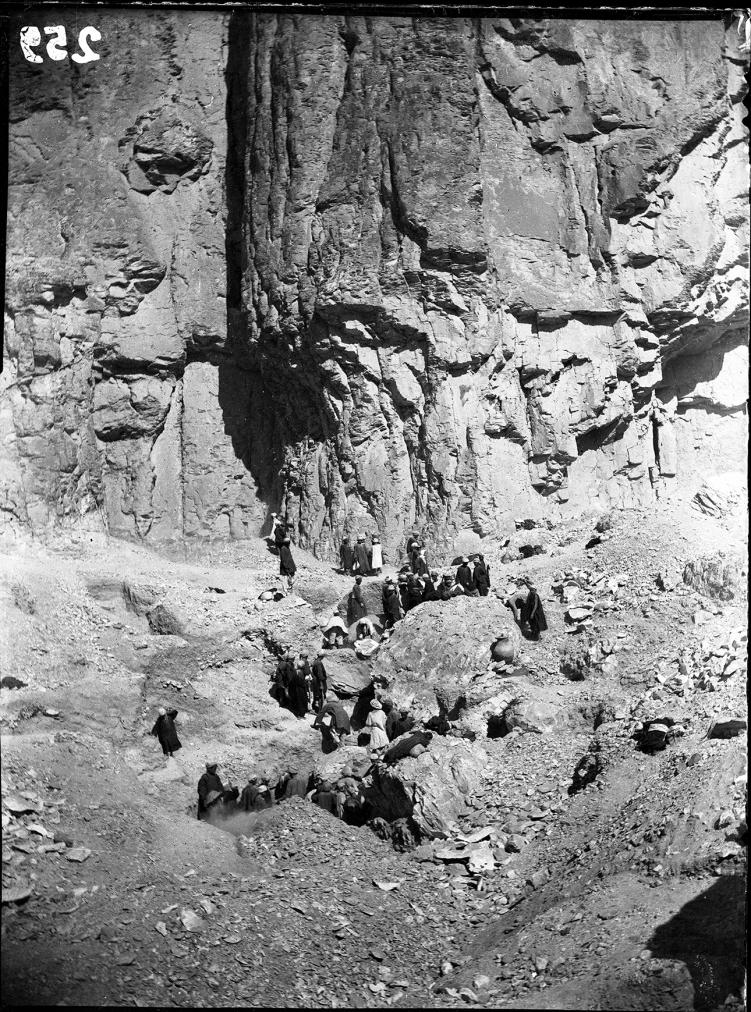
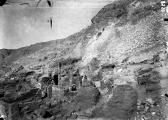
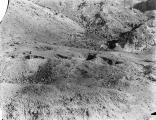
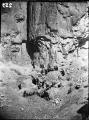
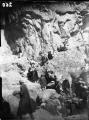
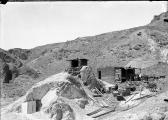
Schiaparelli's excavations undertaken in a side valley below a high cliff. Italian Archaeological Expedition excavations. Courtesy of the Egyptian Museum in Turin.
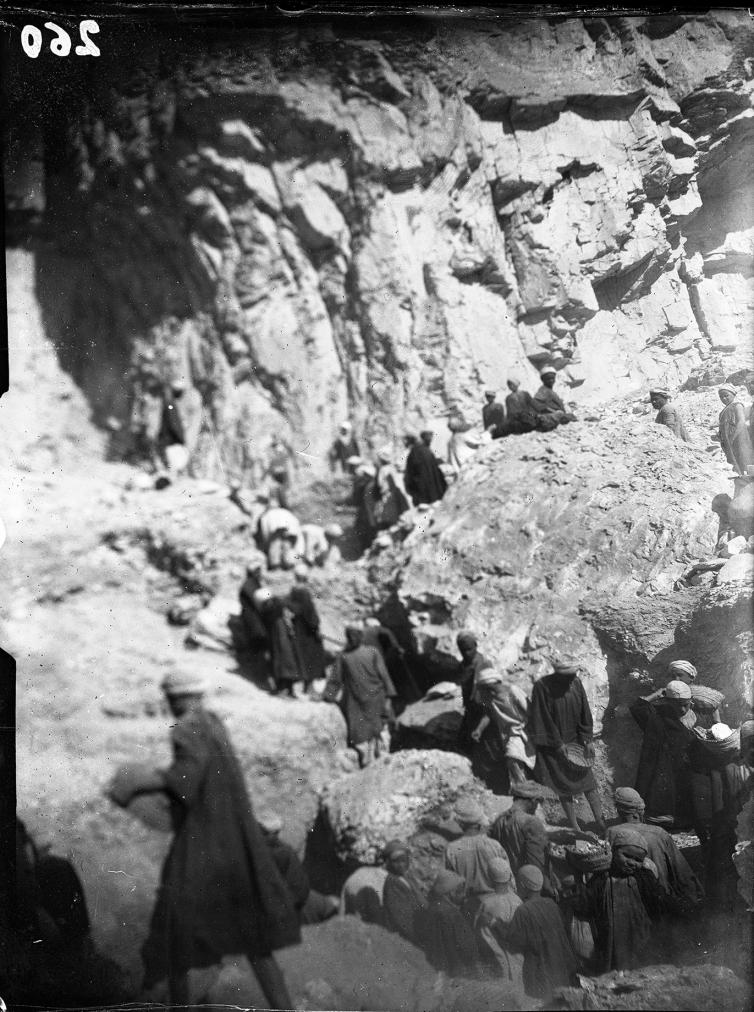
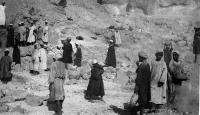
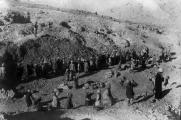
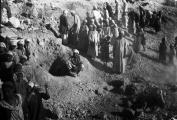
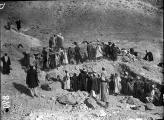
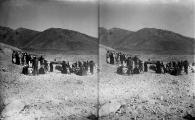
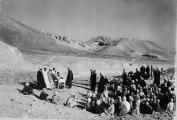
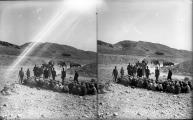
Workers in a large wadi adjacent to the Valley of the Queens during Schiaparelli's excavations. Italian Archaeological Expedition excavations. Courtesy of the Egyptian Museum in Turin.
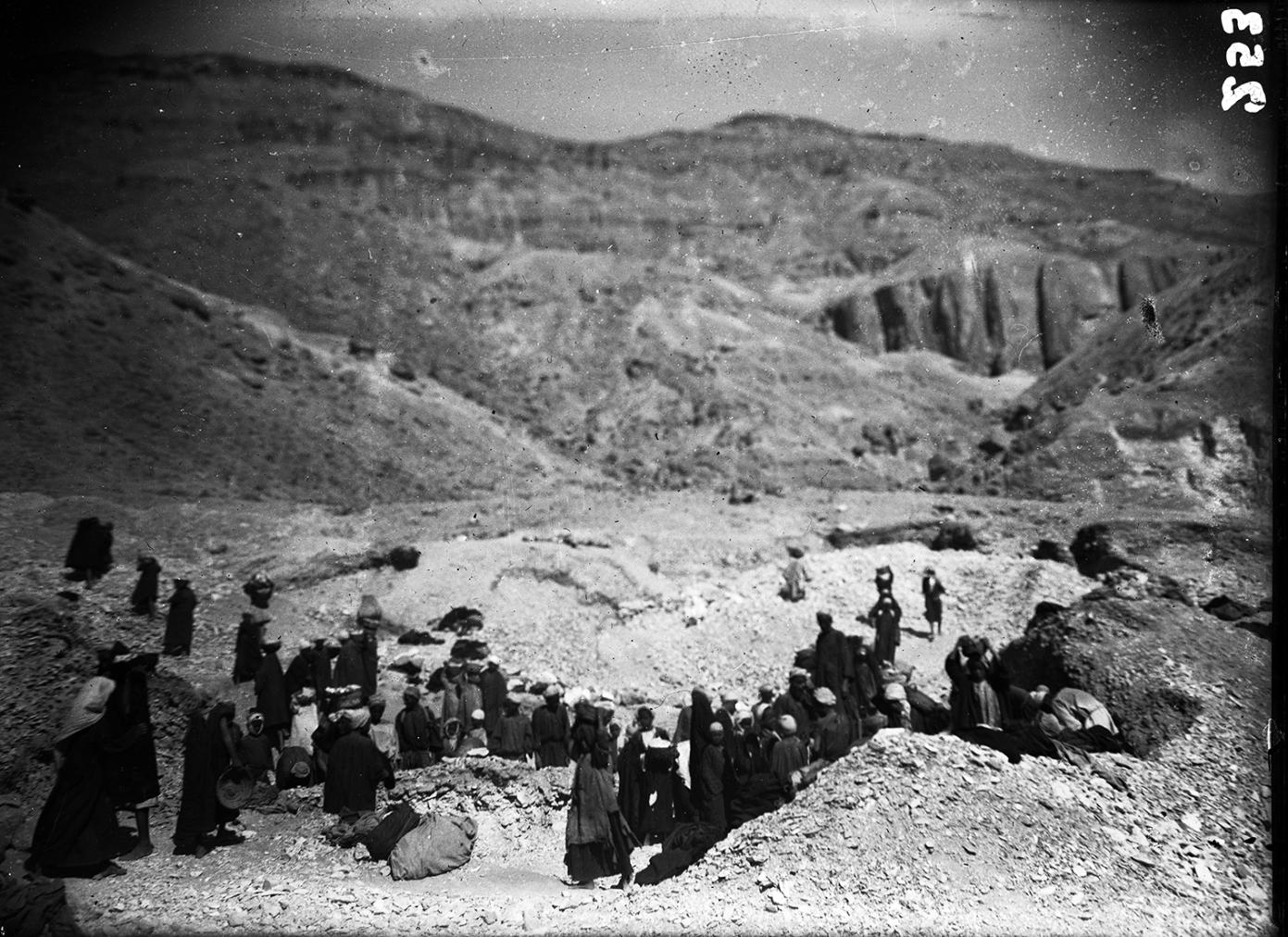
Workers in a large wadi adjacent to the Valley of the Queens during Schiaparelli's excavations. Italian Archaeological Expedition excavations. Courtesy of the Egyptian Museum in Turin.
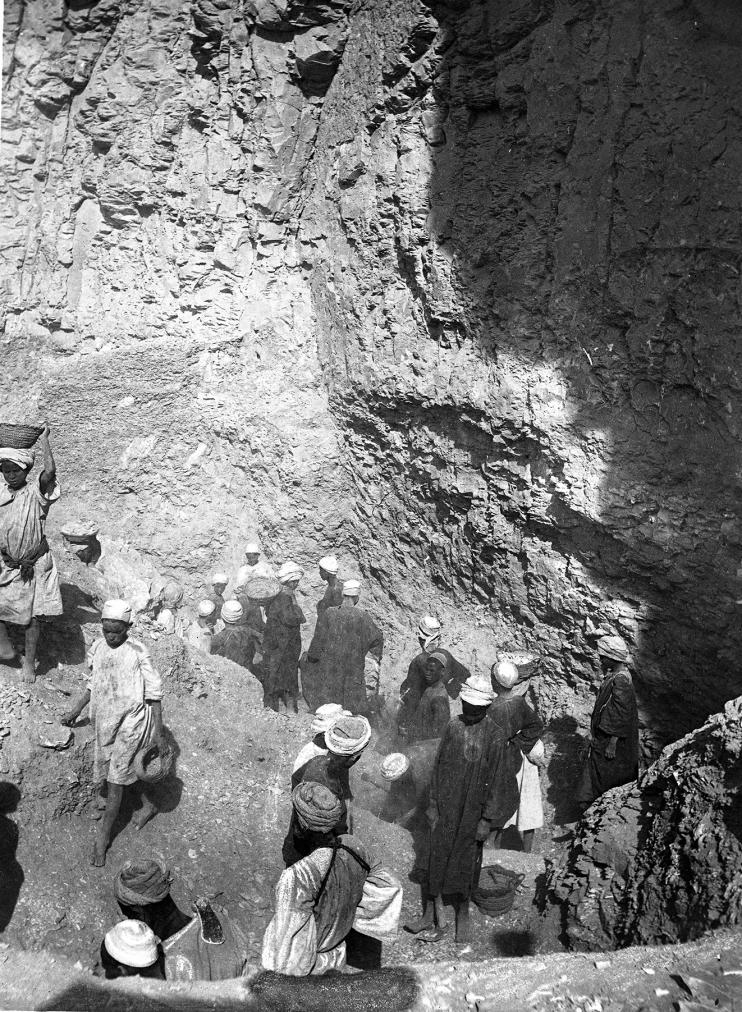
Workers in a large wadi adjacent to the Valley of the Queens during Schiaparelli's excavations. Italian Archaeological Expedition excavations. Courtesy of the Egyptian Museum in Turin.
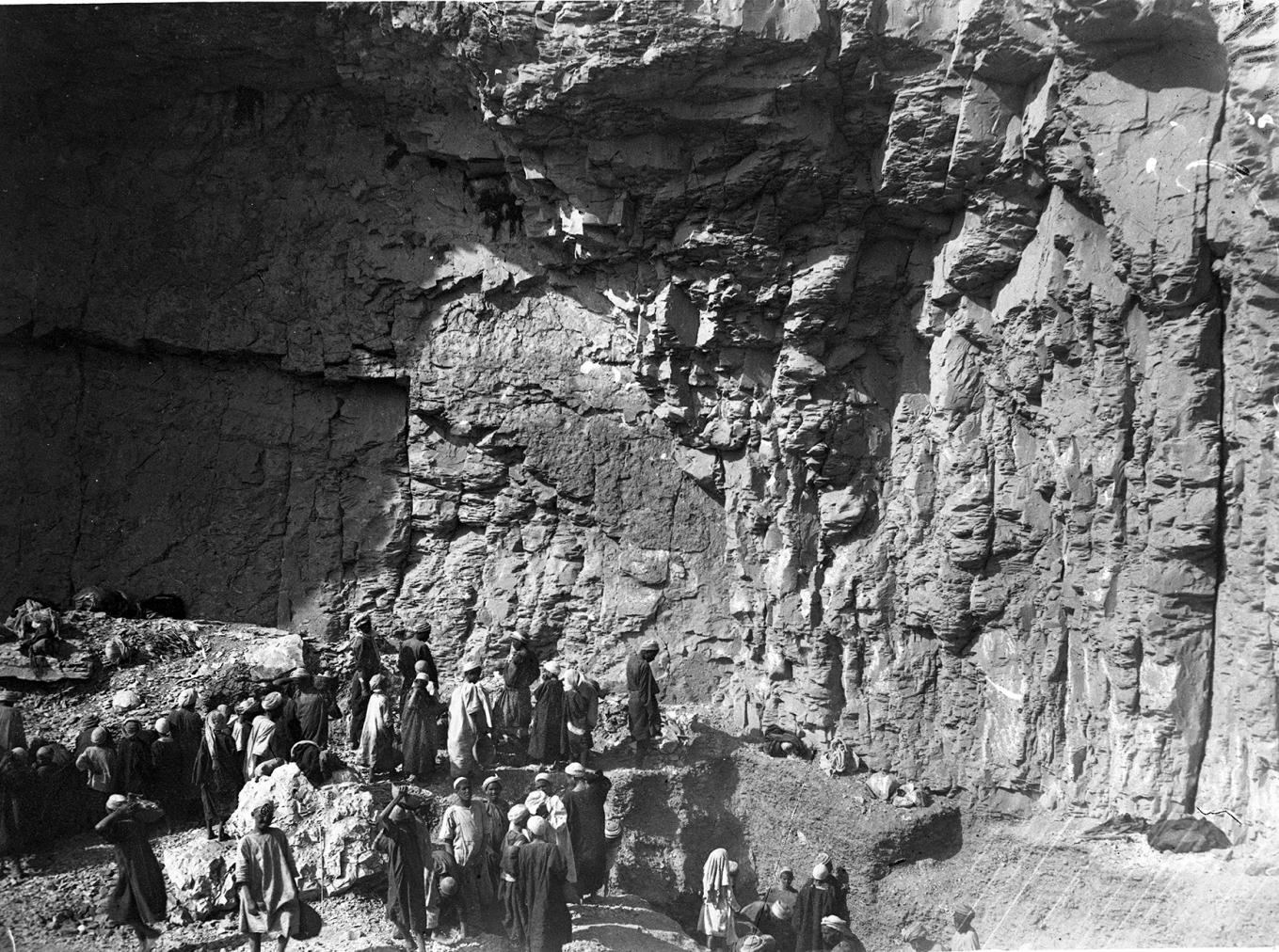
Workers in a large wadi adjacent to the Valley of the Queens during Schiaparelli's excavations. Italian Archaeological Expedition excavations. Courtesy of the Egyptian Museum in Turin.
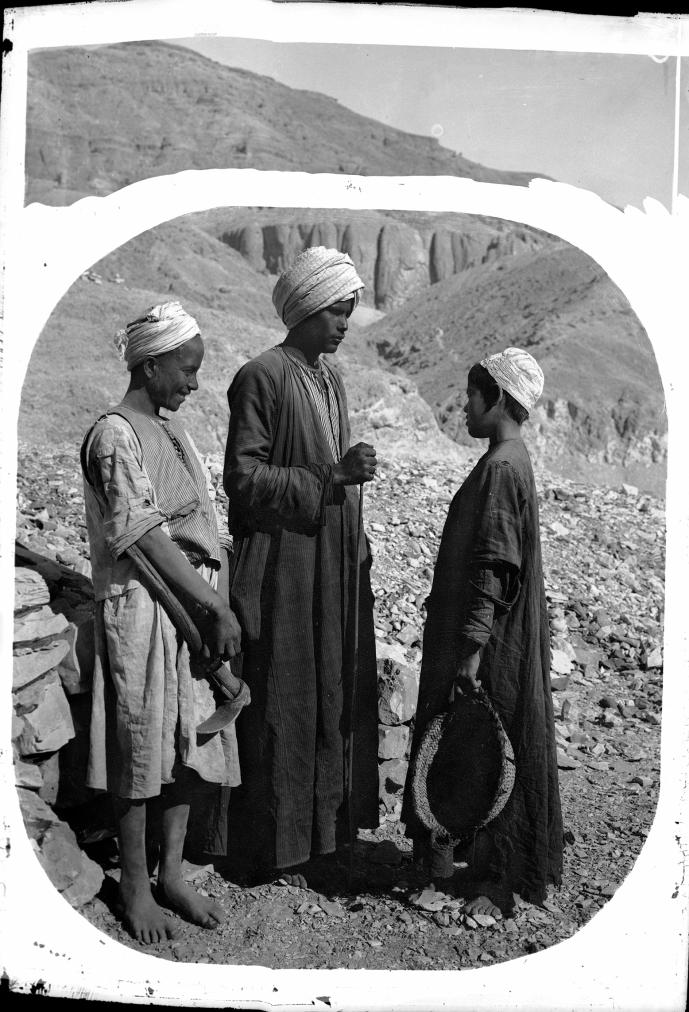
Young workers photographed on break during Schiaparelli's excavations in a large wadi adjacent to the Valley of the Queens. Italian Archaeological Expedition excavations. Courtesy of the Egyptian Museum in Turin.
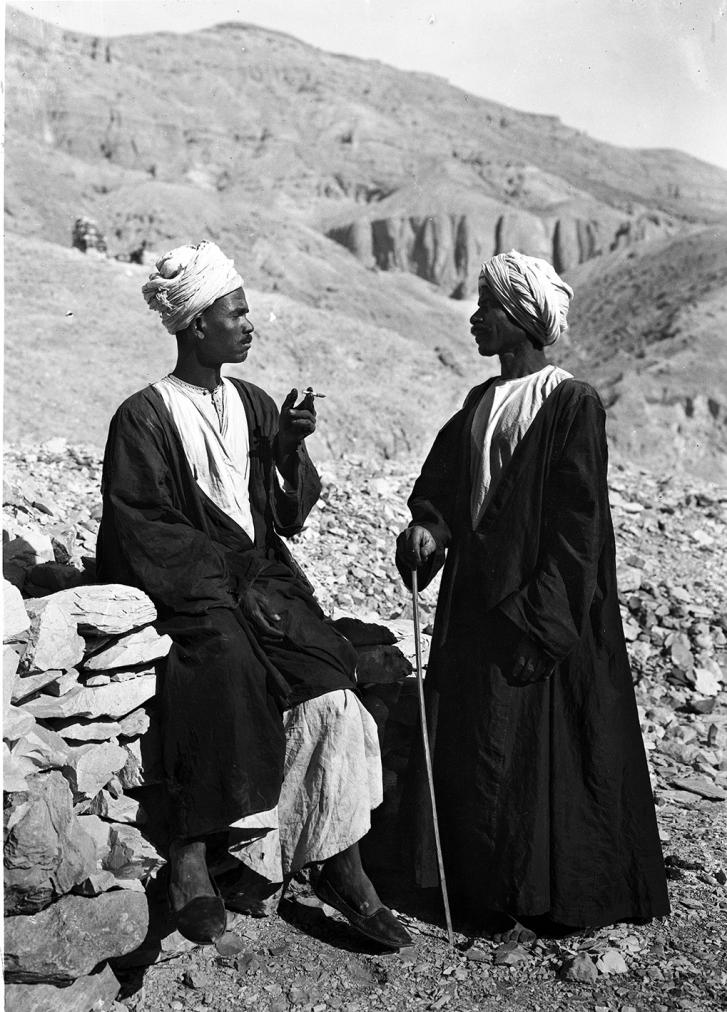
Workers photographed on break during Schiaparelli's excavations in a large wadi adjacent to the Valley of the Queens. Italian Archaeological Expedition excavations. Courtesy of the Egyptian Museum in Turin.
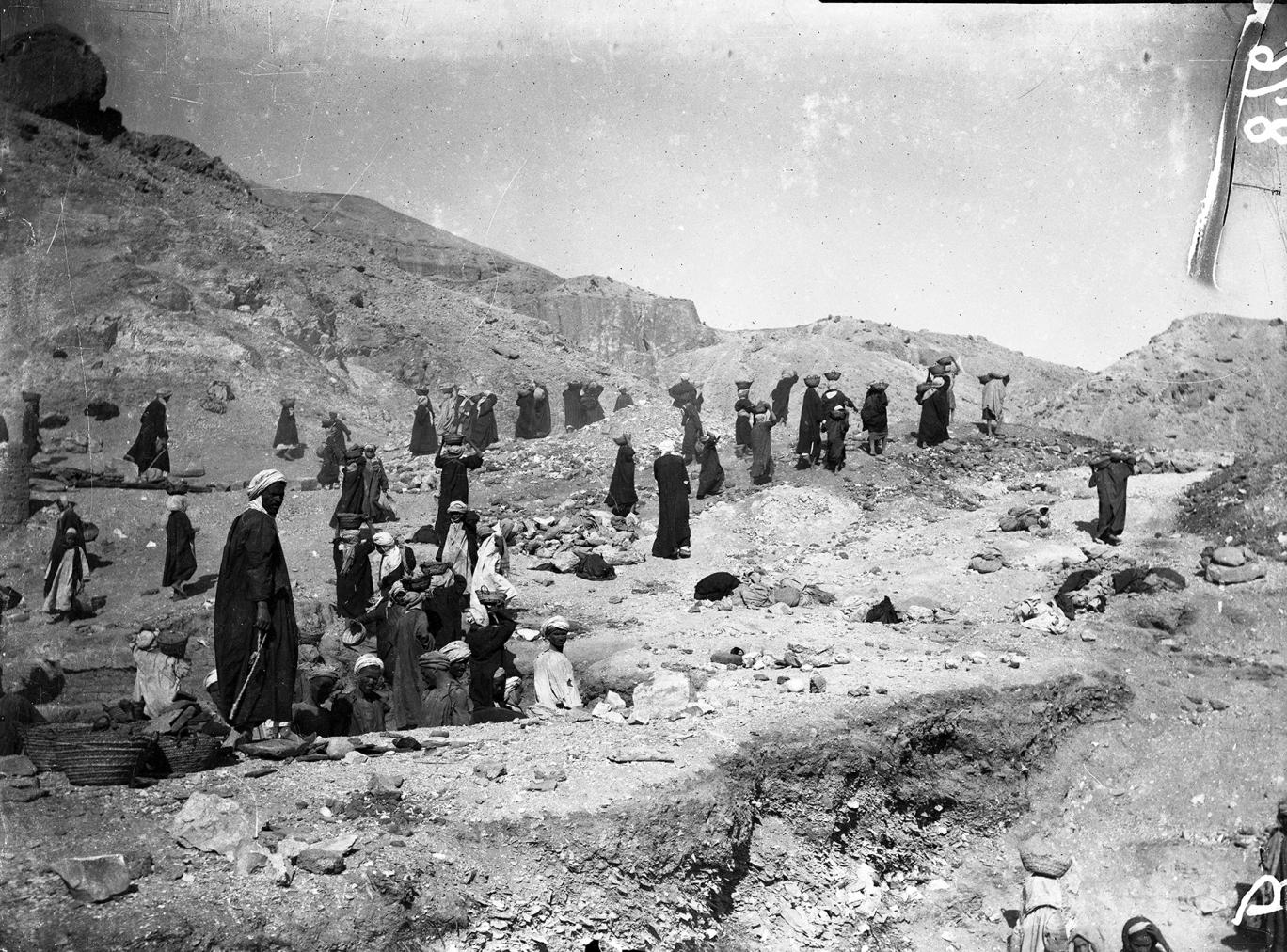
Schiaparelli's excavations in a large wadi adjacent to the Valley of the Queens. Italian Archaeological Expedition excavations. Courtesy of the Egyptian Museum in Turin.
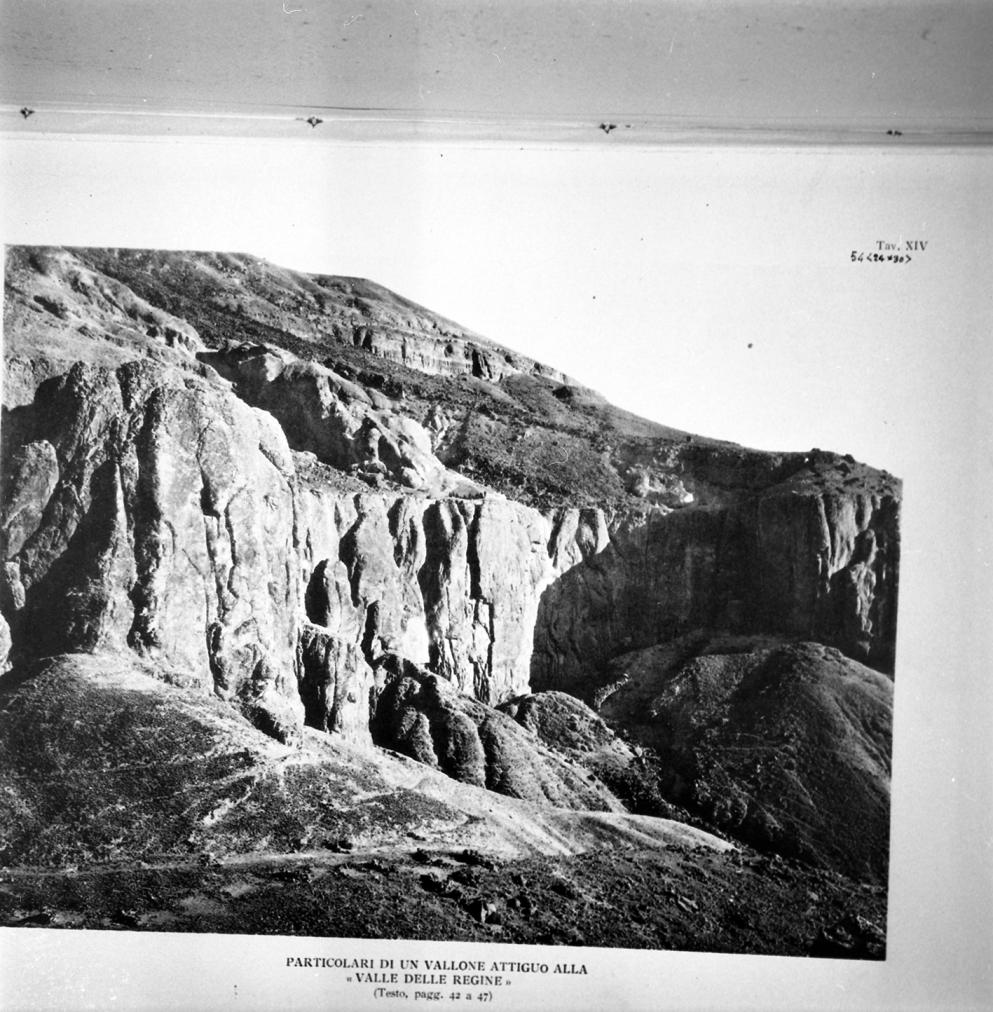
Schiaparelli's excavations in a large wadi adjacent to the Valley of the Queens. Italian Archaeological Expedition excavations. Courtesy of the Egyptian Museum in Turin.
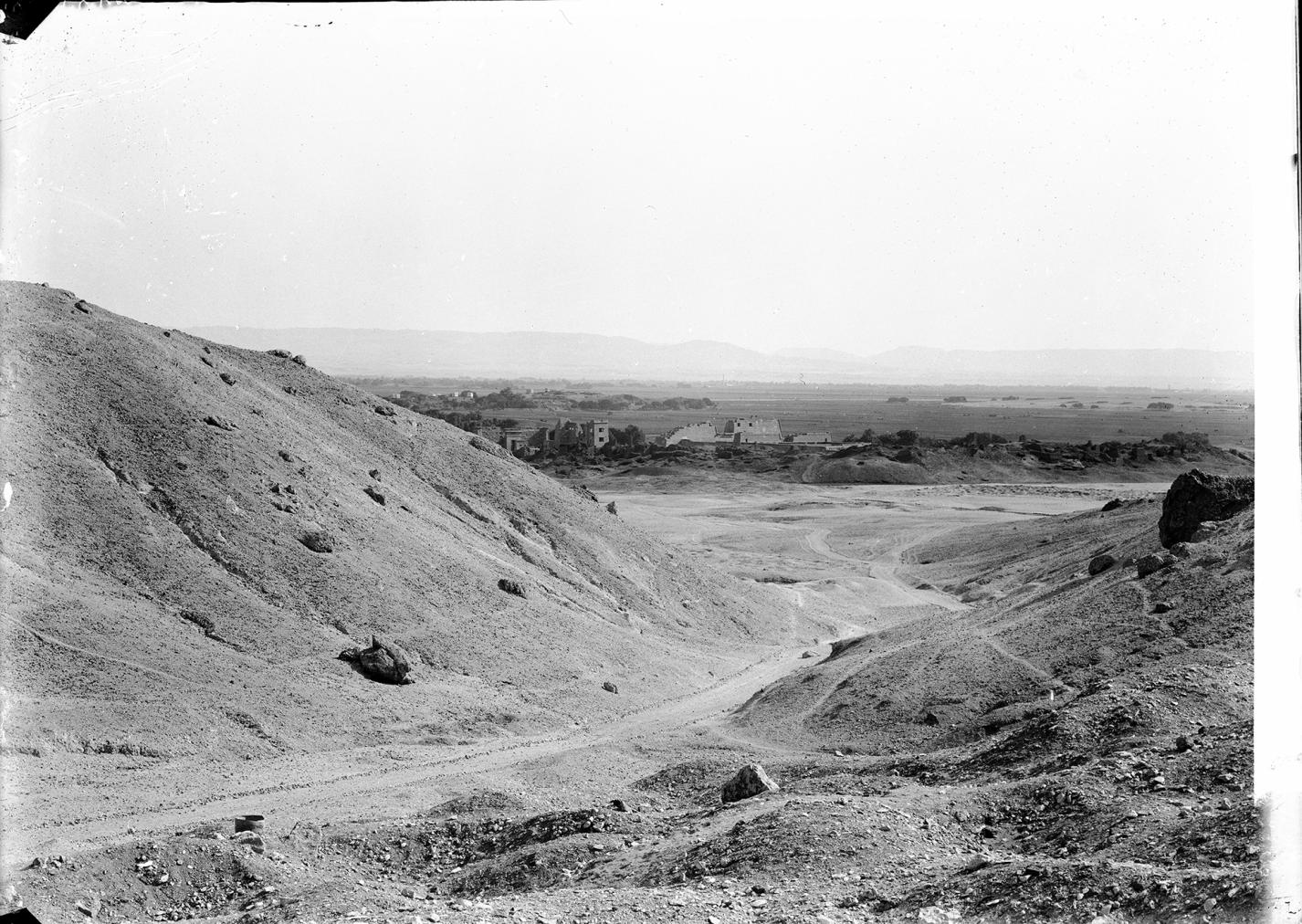
View of the plain in front of the entrance leading to the Valley of the Queens photographed during Schiaparelli's excavations. In the background is Rameses III's mortuary temple at Madinat Habu. Italian Archaeological Expedition excavations. Courtesy of the Egyptian Museum in Turin.
View of the plain in front of the entrance leading to the Valley of the Queens photographed during Schiaparelli's excavations. In the background is Rameses III's mortuary temple at Madinat Habu. Italian Archaeological Expedition excavations. Courtesy of the Egyptian Museum in Turin.
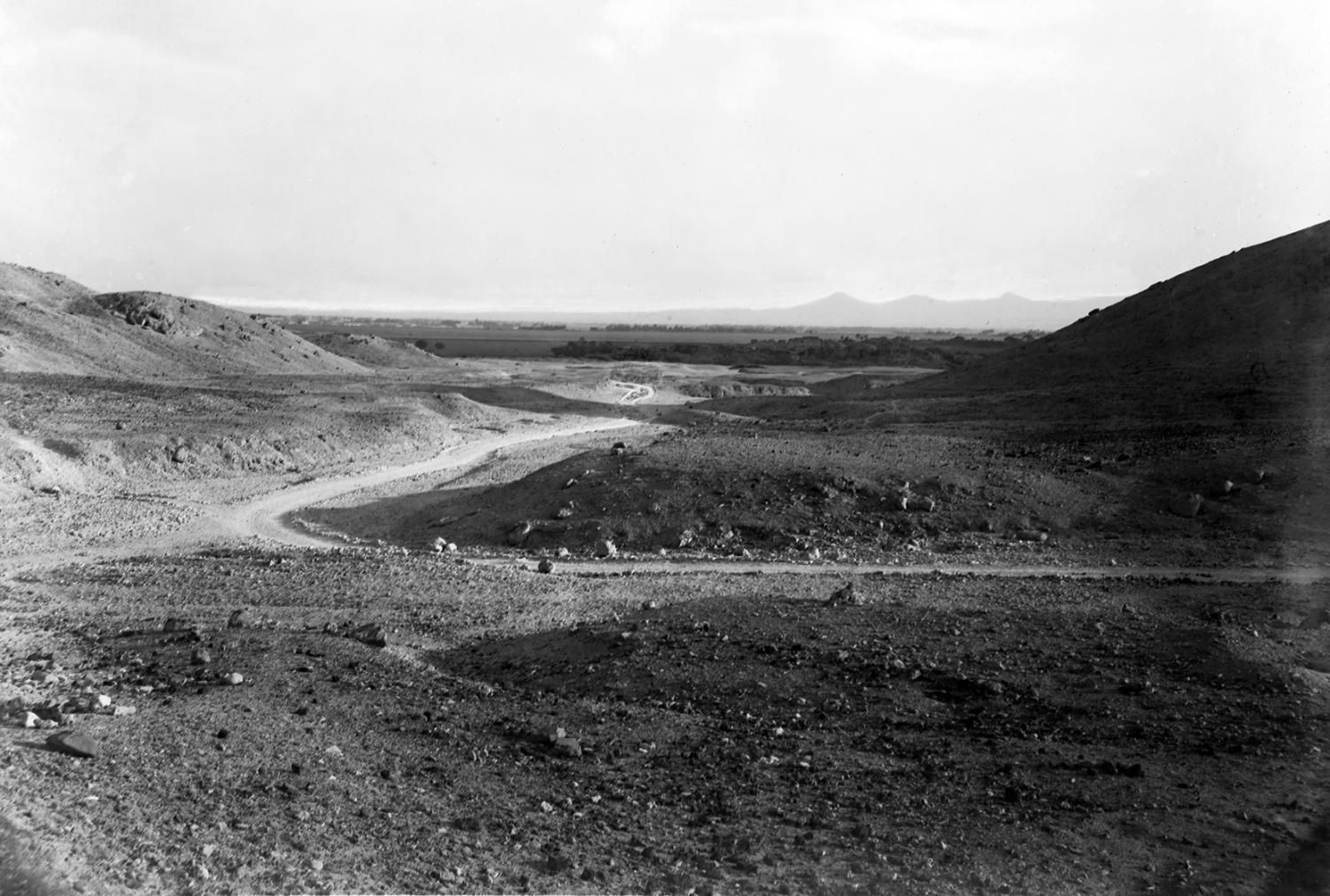
General view of the entrance to the Valley of the Queens. To the right is the Coptic monastery at Dayr al-Rumi. Italian Archaeological Expedition excavations. Courtesy of the Egyptian Museum in Turin.
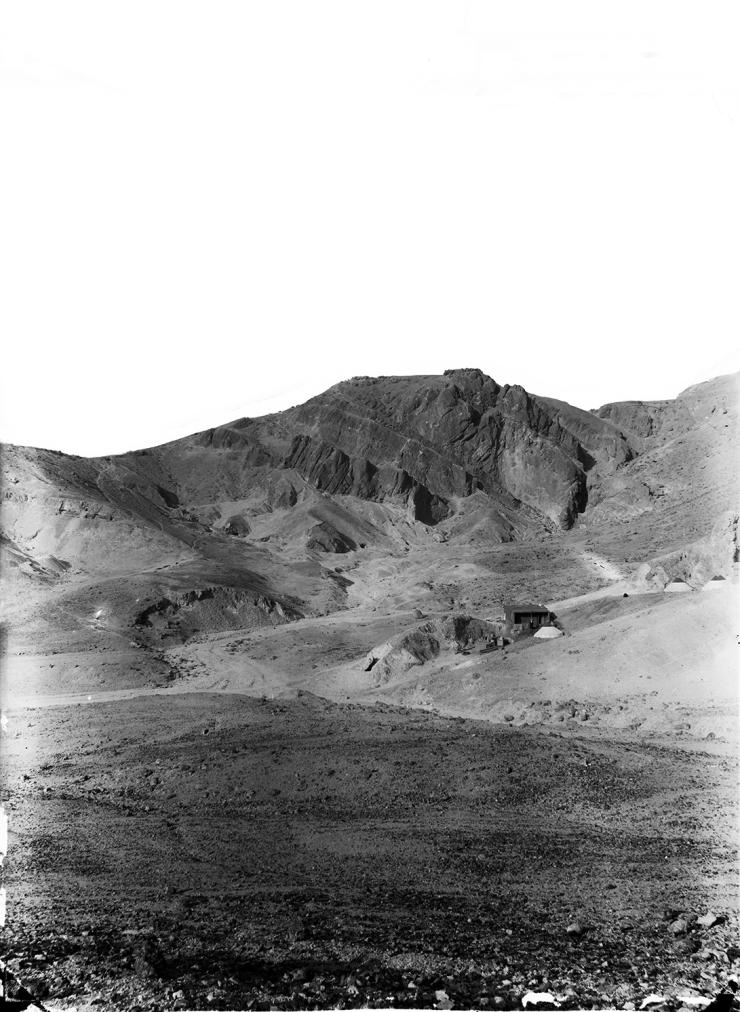
View of the Valley of the Queens. On the right, Schiaparelli's camp for excavations near the Coptic monastery at Dayr al-Rumi. Italian Archaeological Expedition excavations. Courtesy of the Egyptian Museum in Turin.
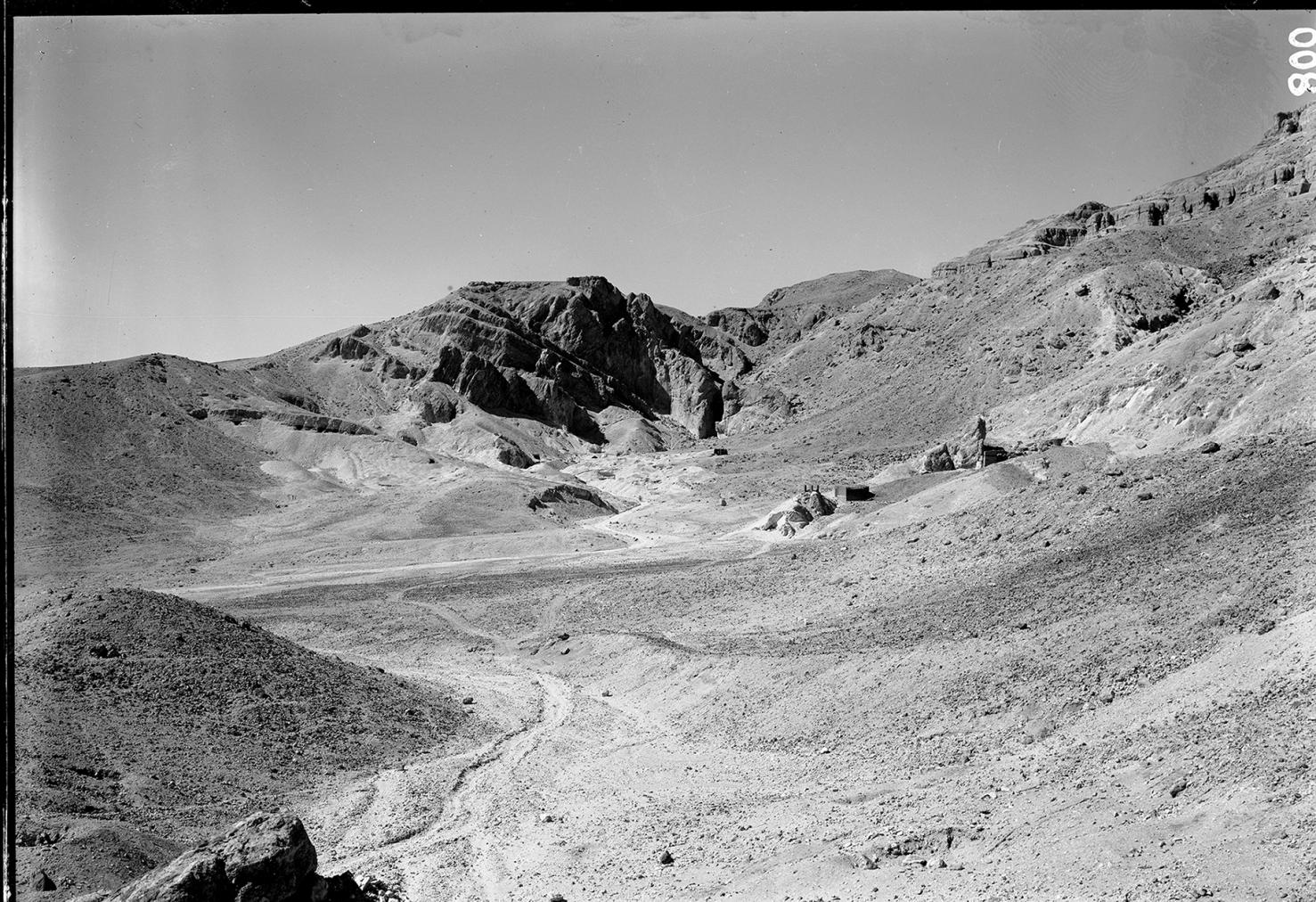
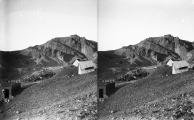
General view of the Valley of the Queens. On the left, is the so-called "Valley of Prince Ahmose". In the foreground, is a brick structure used by Schiaparelli's excavations next to the remains of the Coptic monastery at Dayr al-Rumi. Italian Archaeological Expedition excavations. Courtesy of the Egyptian Museum in Turin.
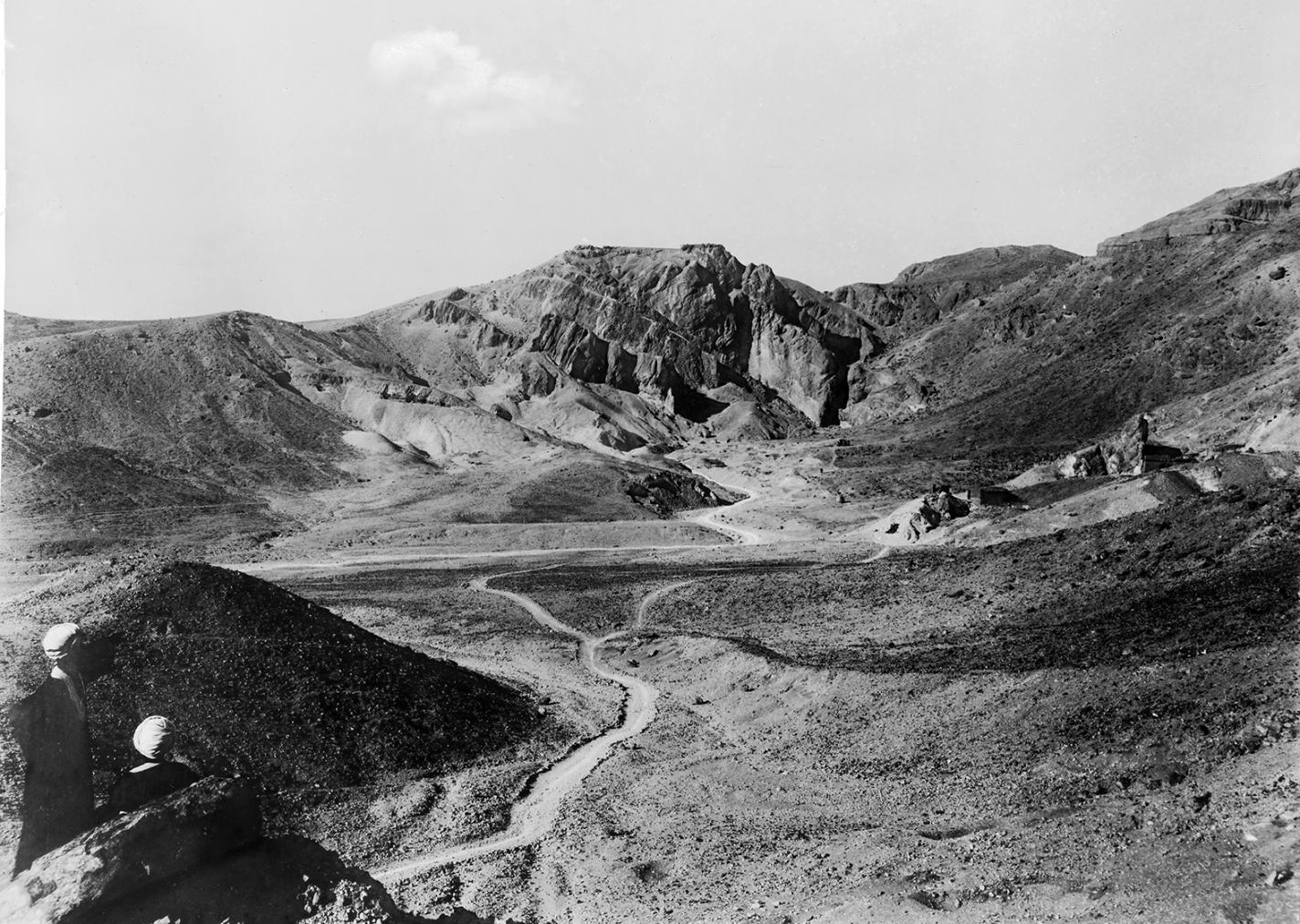
General view of the Valley of the Queens. On the left, is the so-called "Valley of Prince Ahmose". In the foreground, is a brick structure used by Schiaparelli's excavations next to the remains of the Coptic monastery at Dayr al-Rumi. Italian Archaeological Expedition excavations. Courtesy of the Egyptian Museum in Turin.
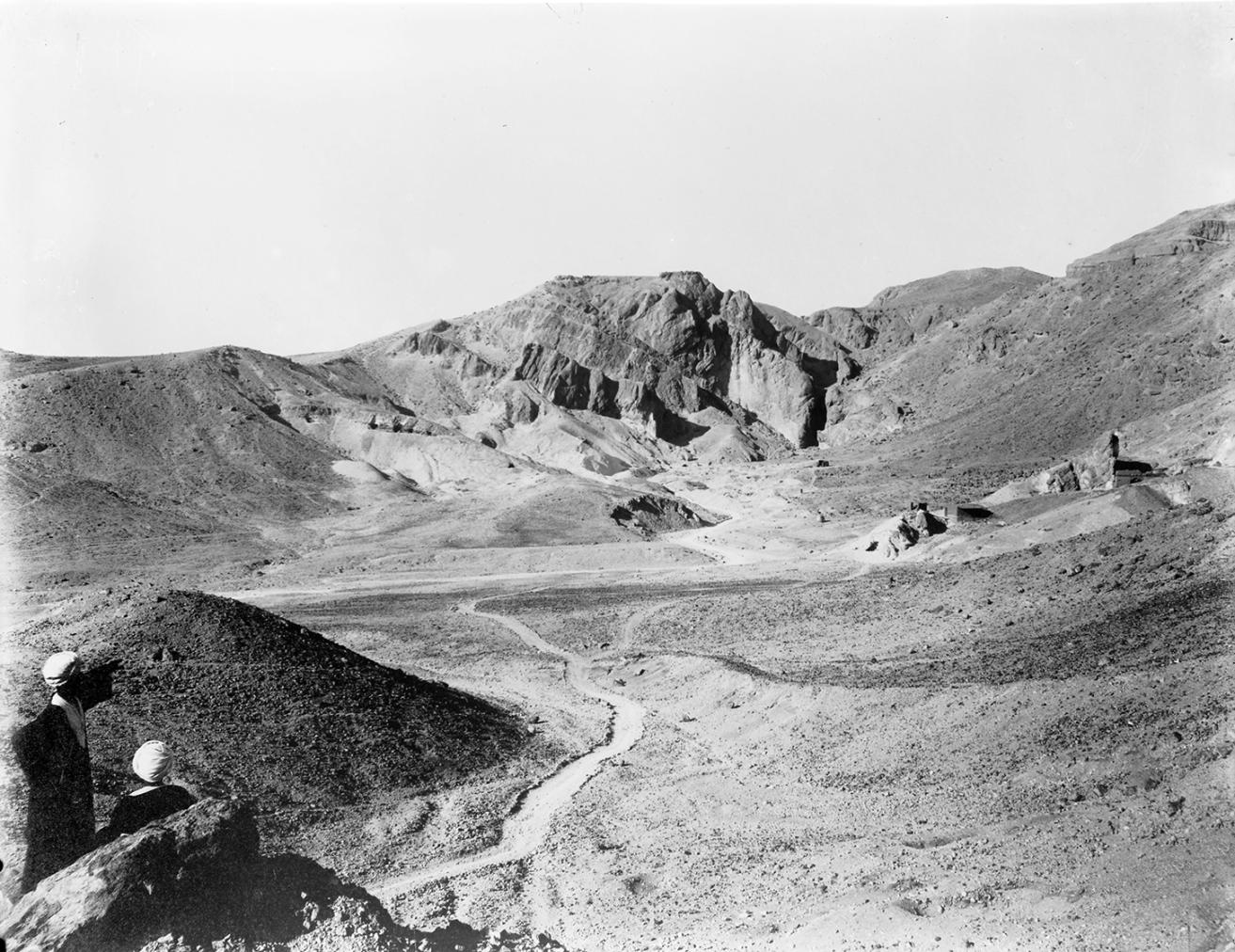
General view of the Valley of the Queens. On the left, is the so-called "Valley of Prince Ahmose". In the foreground, is a brick structure used by Schiaparelli's excavations next to the remains of the Coptic monastery at Dayr al-Rumi. Italian Archaeological Expedition excavations. Courtesy of the Egyptian Museum in Turin.
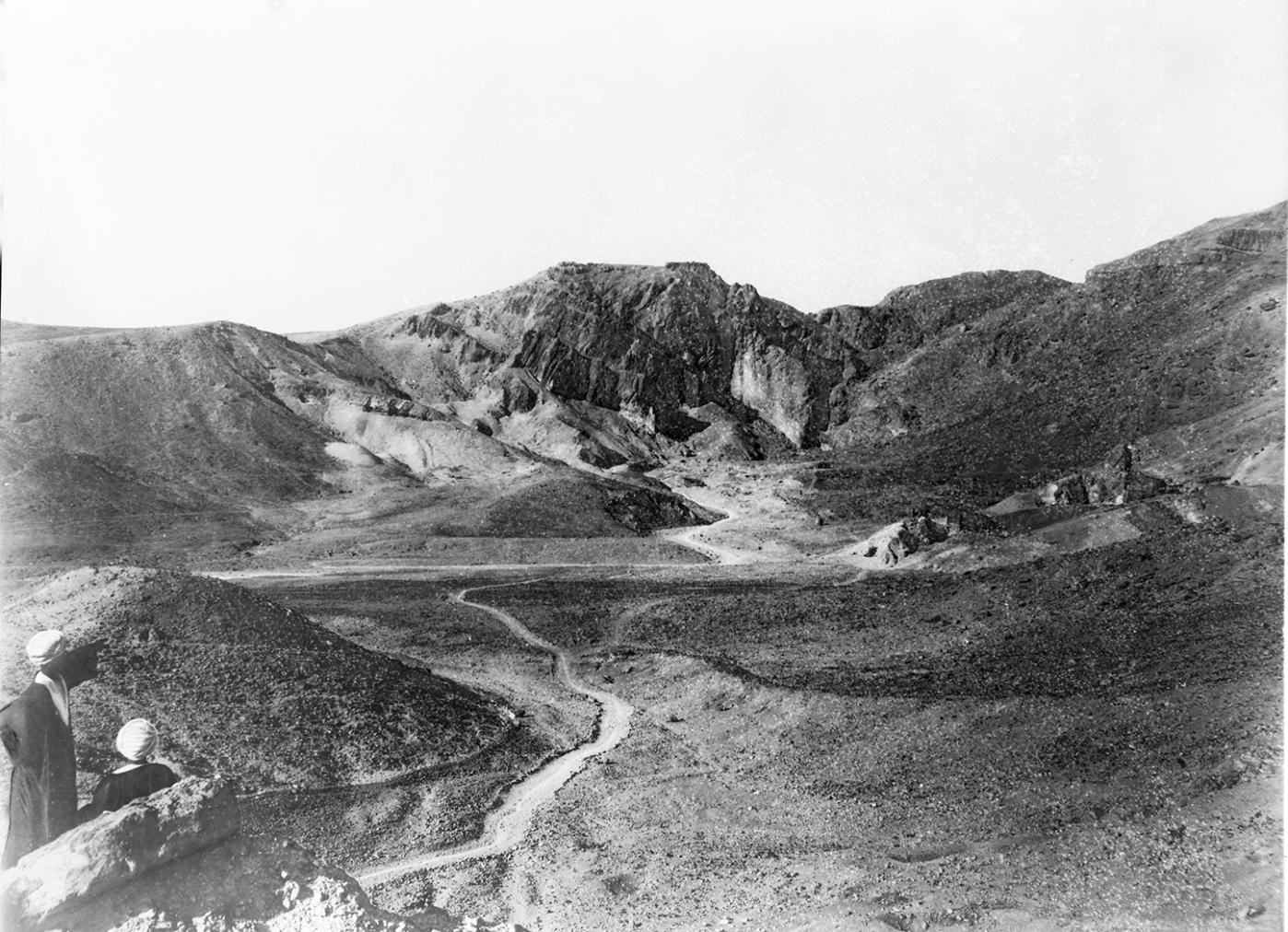
General view of the Valley of the Queens. On the left, is the so-called "Valley of Prince Ahmose". In the foreground, is a brick structure used by Schiaparelli's excavations next to the remains of the Coptic monastery at Dayr al-Rumi. Italian Archaeological Expedition excavations. Courtesy of the Egyptian Museum in Turin.
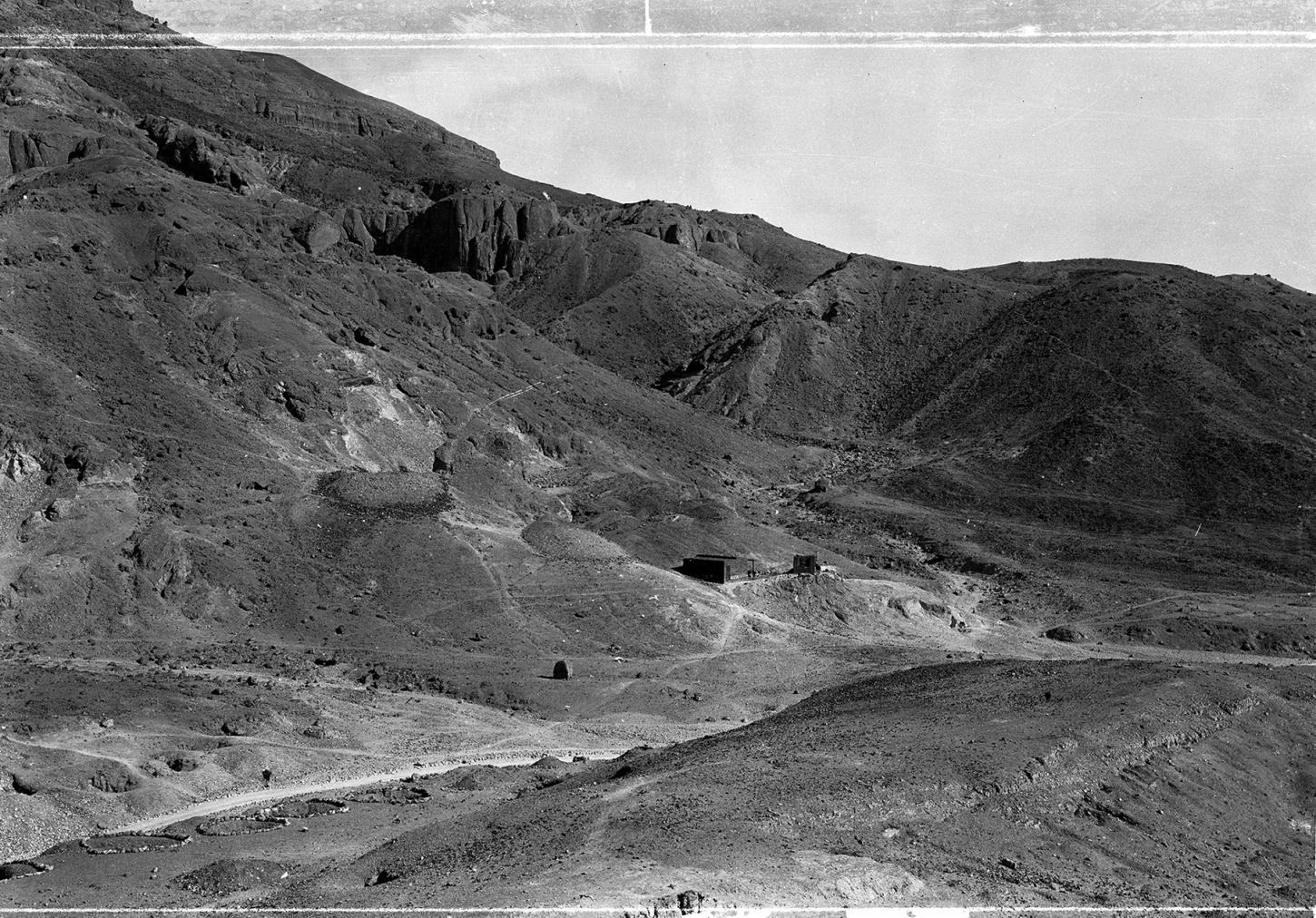
General view of the Valley of the Queens. On the left, is a brick structure used by Schiaparelli's excavations next to the remains of the Coptic monastery at Dayr al-Rumi. Italian Archaeological Expedition excavations. Courtesy of the Egyptian Museum in Turin.
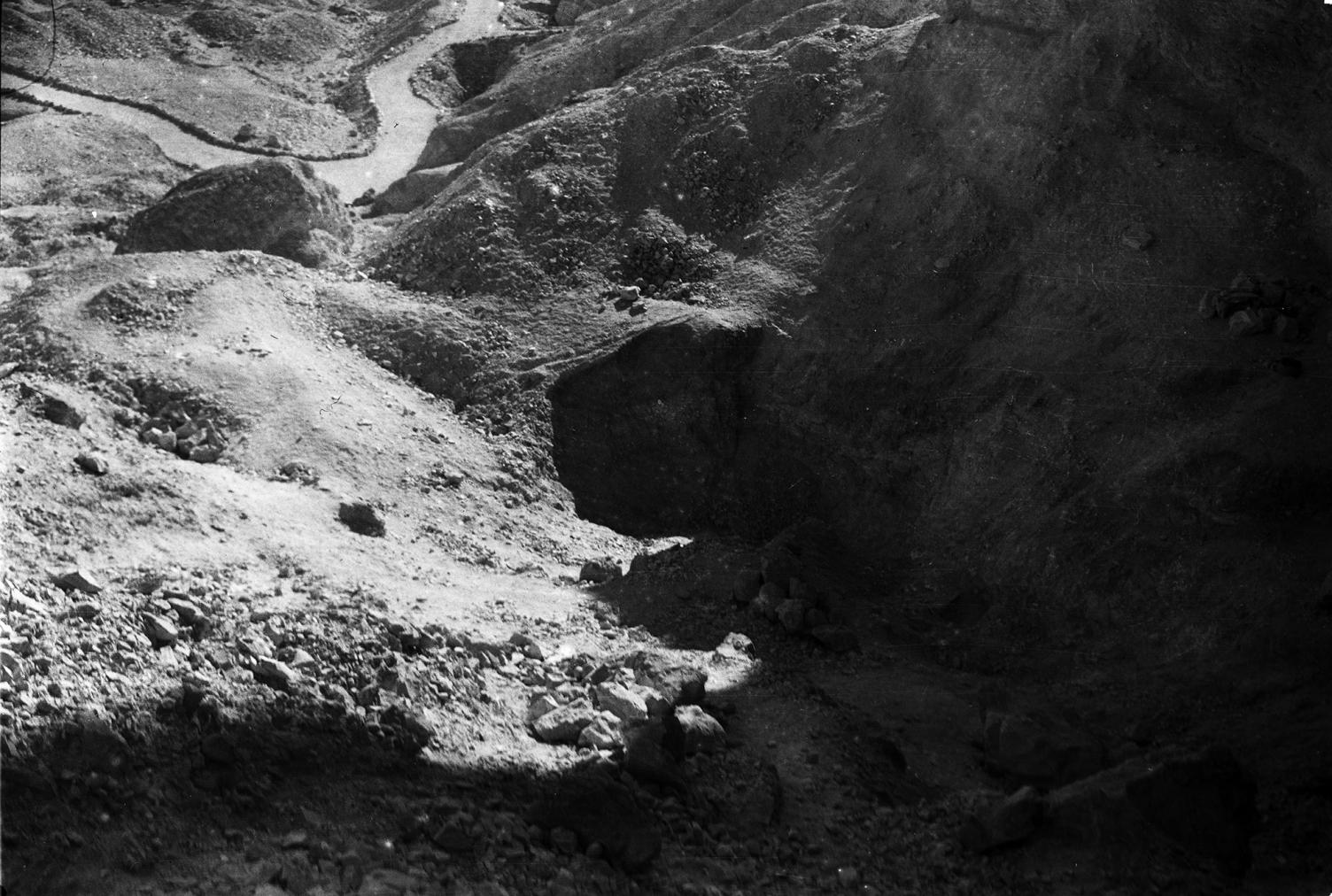
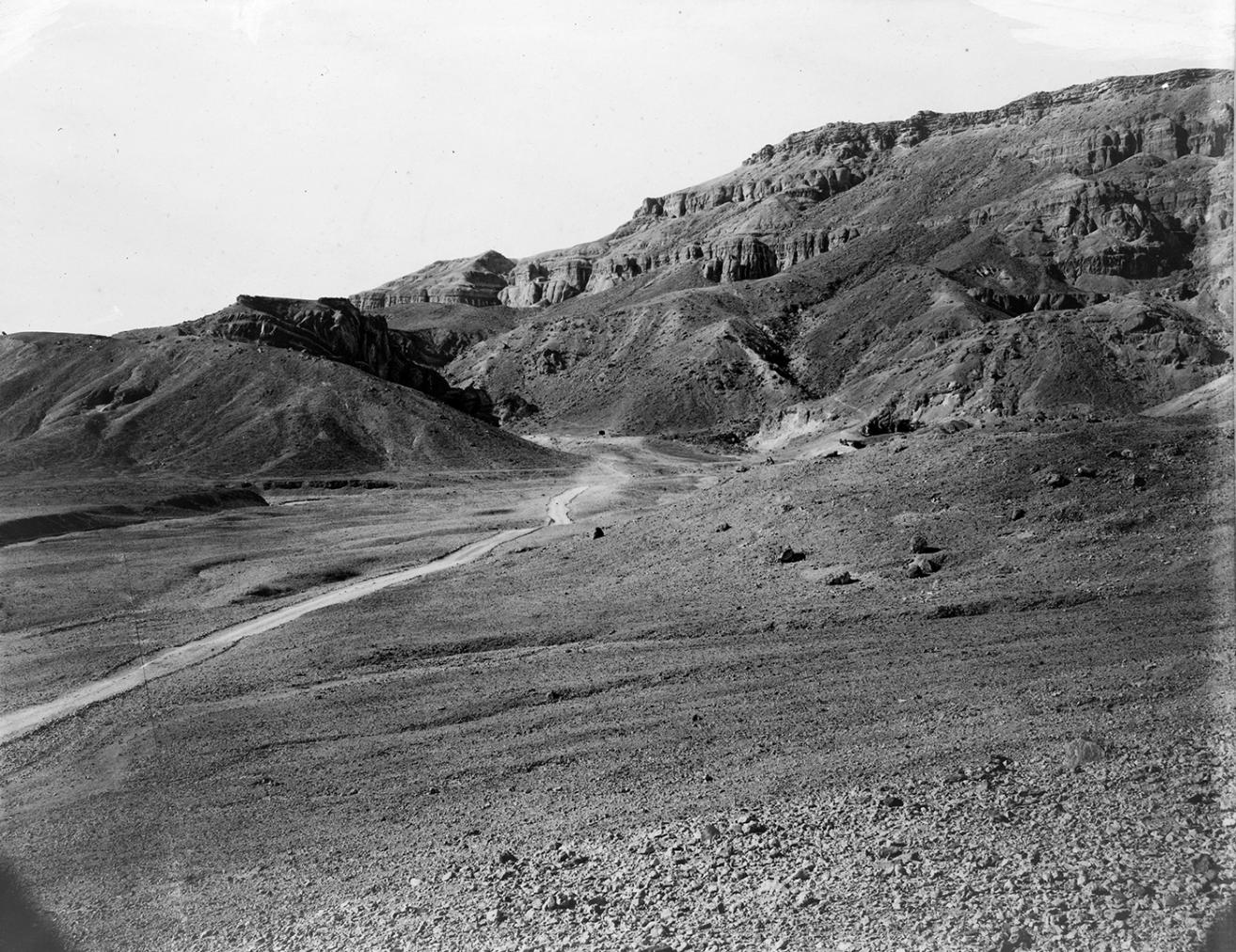
Vantage point of the back of the Valley of the Queens photographed during Schiaparelli's excavations. Italian Archaeological Expedition excavations. Courtesy of the Egyptian Museum in Turin.
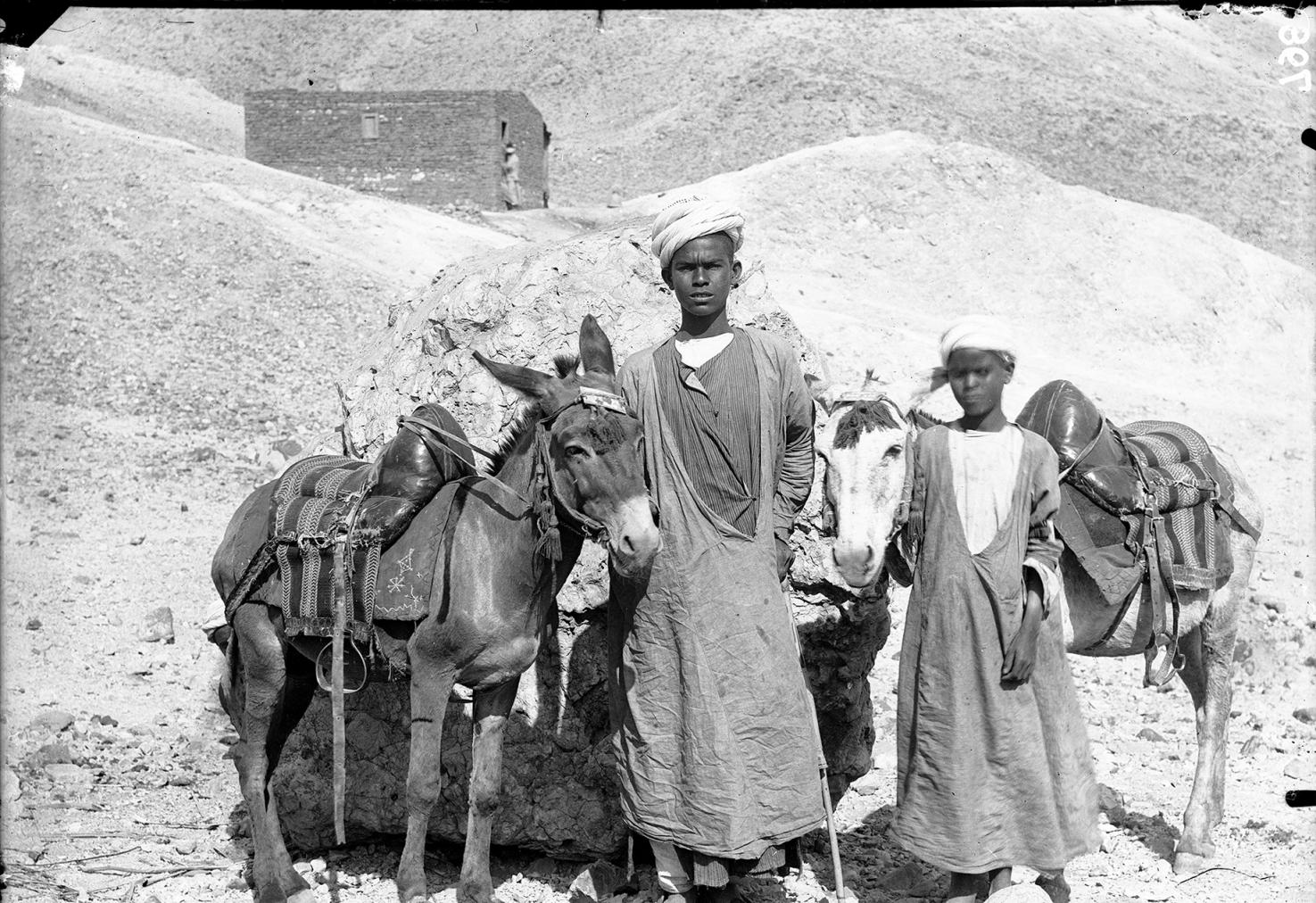
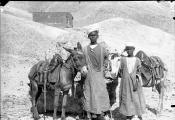
Close-up of two young members of Schiaparelli's excavations beside two donkeys that provided services from the nearby al-Qurnah village. In the background, the Italian Archaeological Expedition's brick structure. Italian Archaeological Expedition excavations. Courtesy of the Egyptian Museum in Turin.
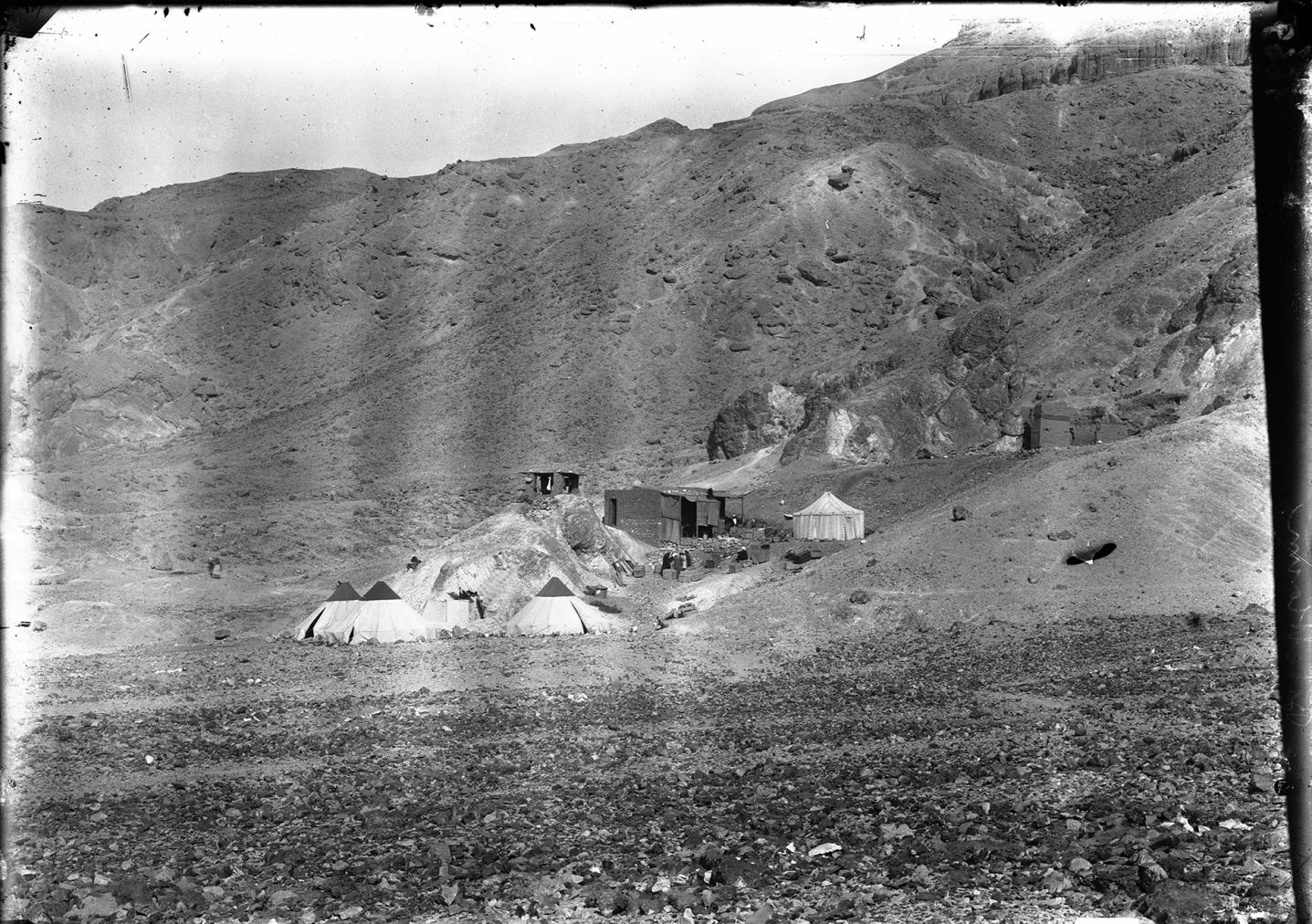
View of Schiaparelli's camp near the Valley of the Queens. On the right, are the remains of the Coptic monastery at Dayr al-Rumi. Italian Archaeological Expedition excavations. Courtesy of the Egyptian Museum in Turin.
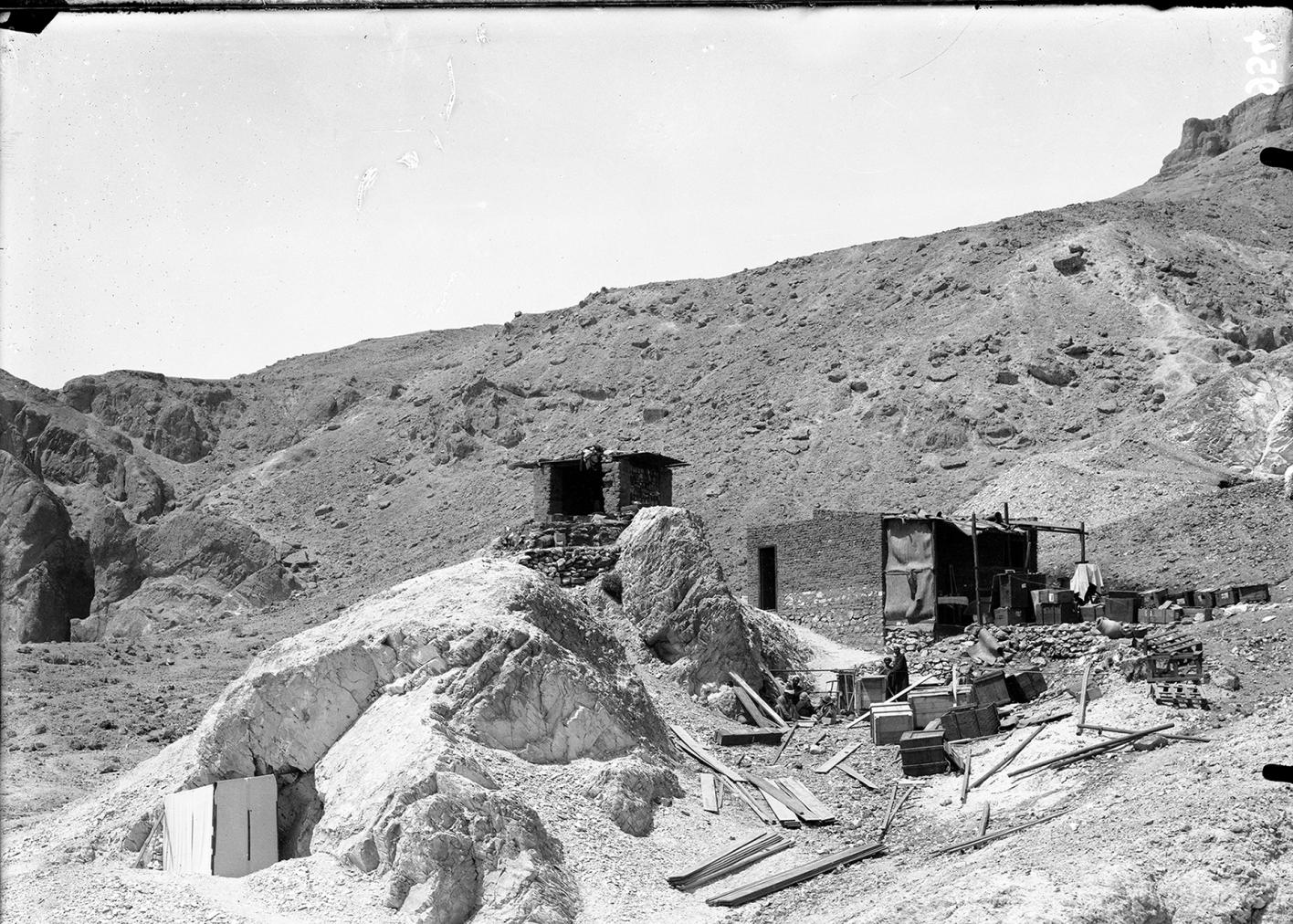
View of the Schiaparelli's camp near the Valley of the Queens during the last preparations to halt excavation. Italian Archaeological Expedition excavation. Courtesy of the Egyptian Museum in Turin.
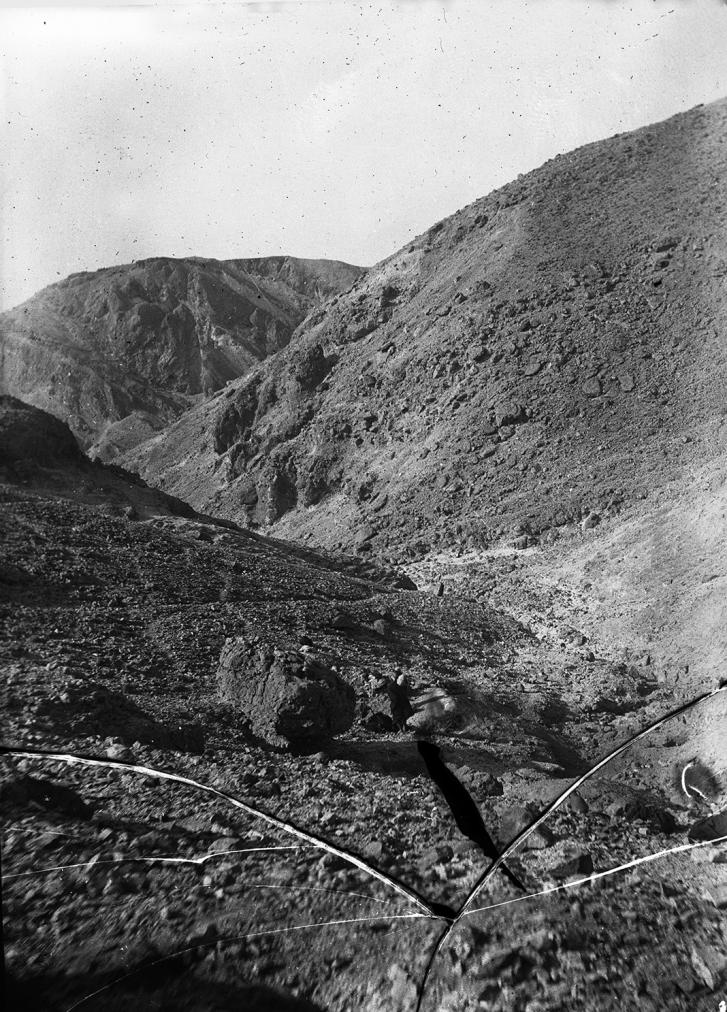
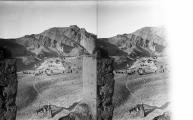
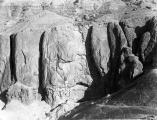
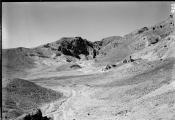
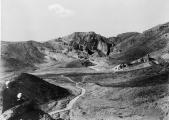
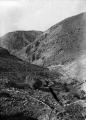
General view of the side wadis beside the Valley of the Queens. Italian Archaeological Expedition excavations. Courtesy of the Egyptian Museum in Turin.
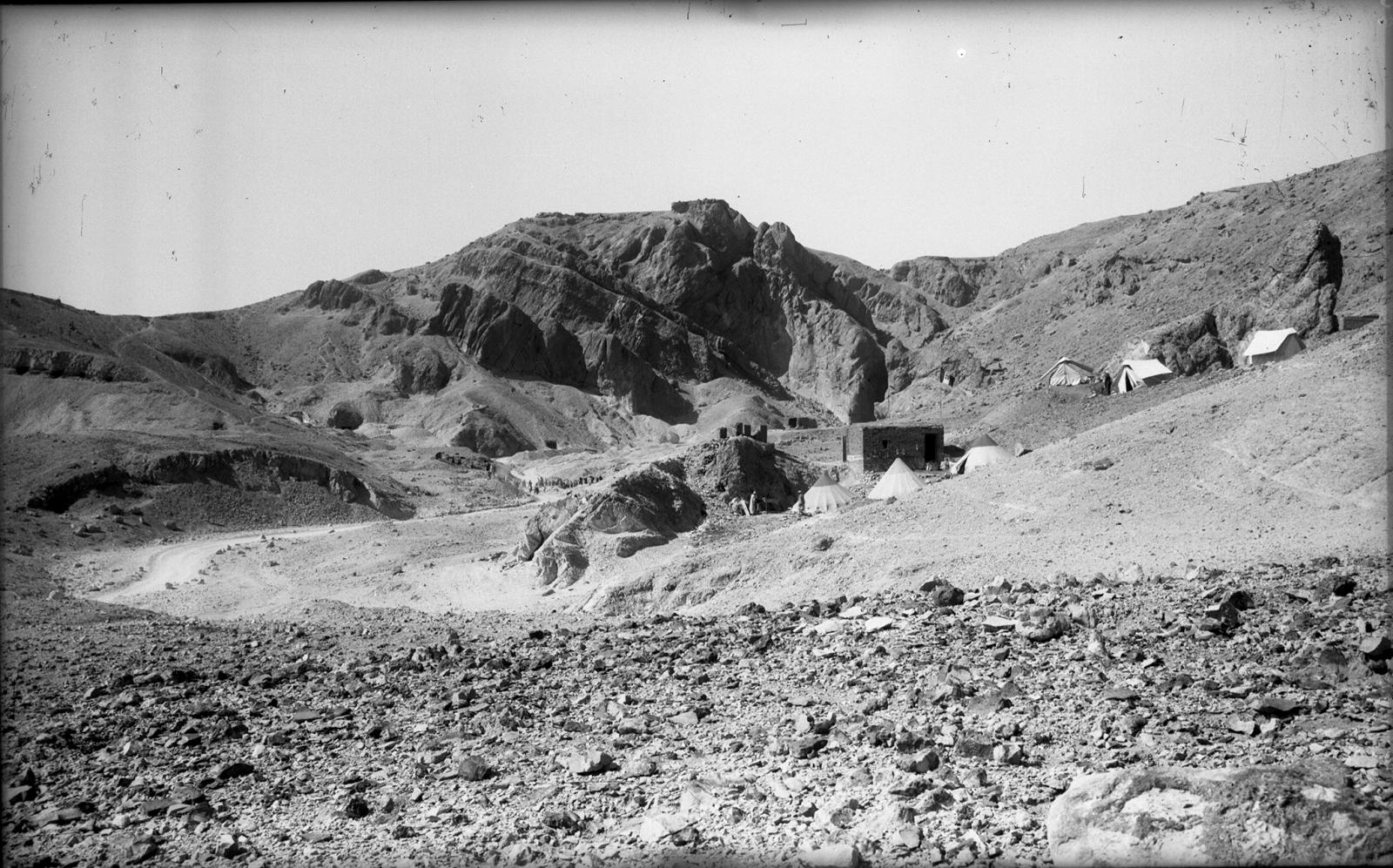
View of the Valley of the Queens. In the foreground, Farina's camp is visible while excavations take place in the background. Italian Archaeological Expedition excavations. Courtesy of the Egyptian Museum in Turin.
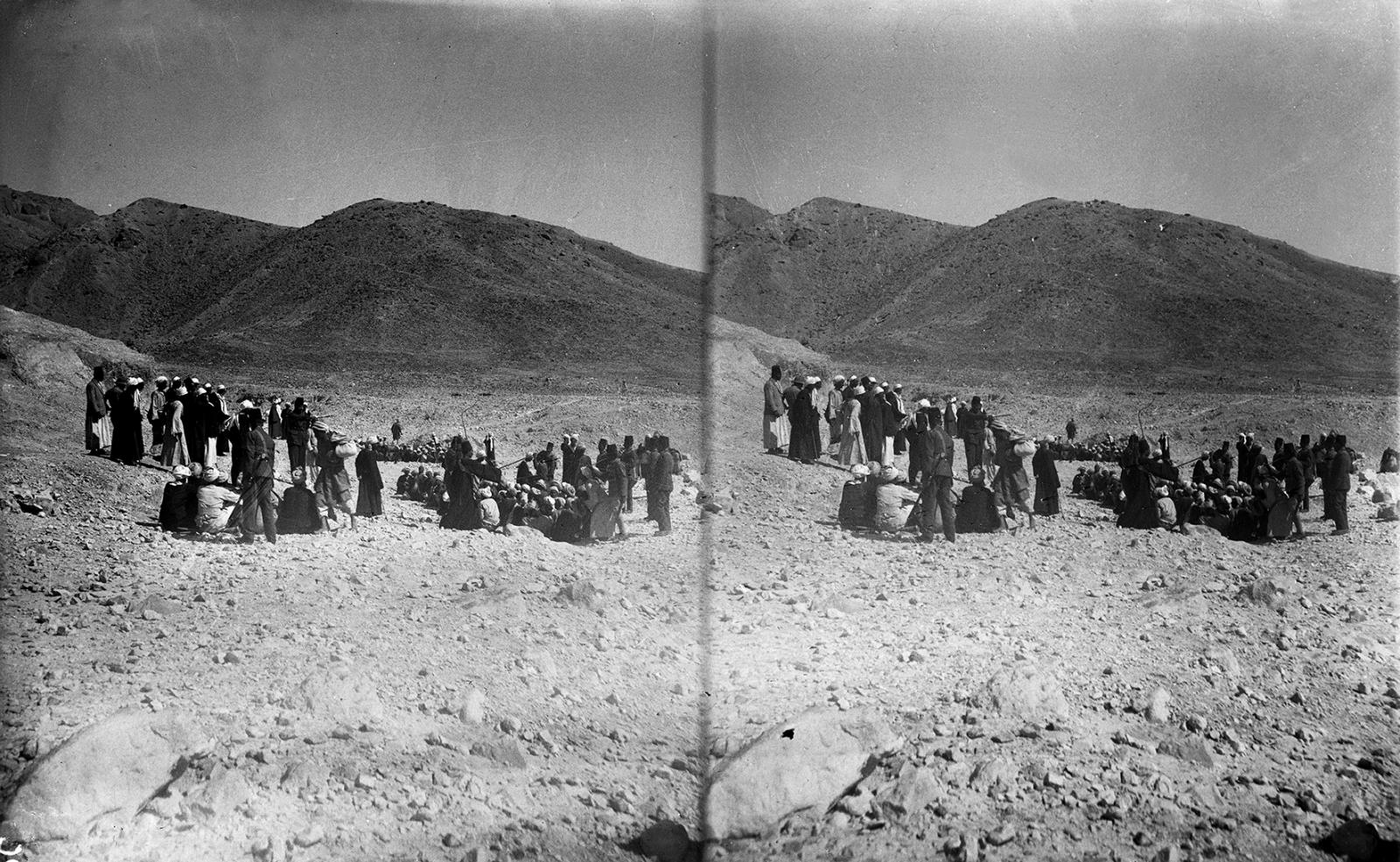
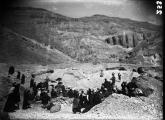
Photo of workmen gathered in the Valley of the Queens near Farina's camp beside the Coptic monastery of Dayr al-Rumi (not visible here). Italian Archaeological Expedition excavations. Courtesy of the Egyptian Museum in Turin.
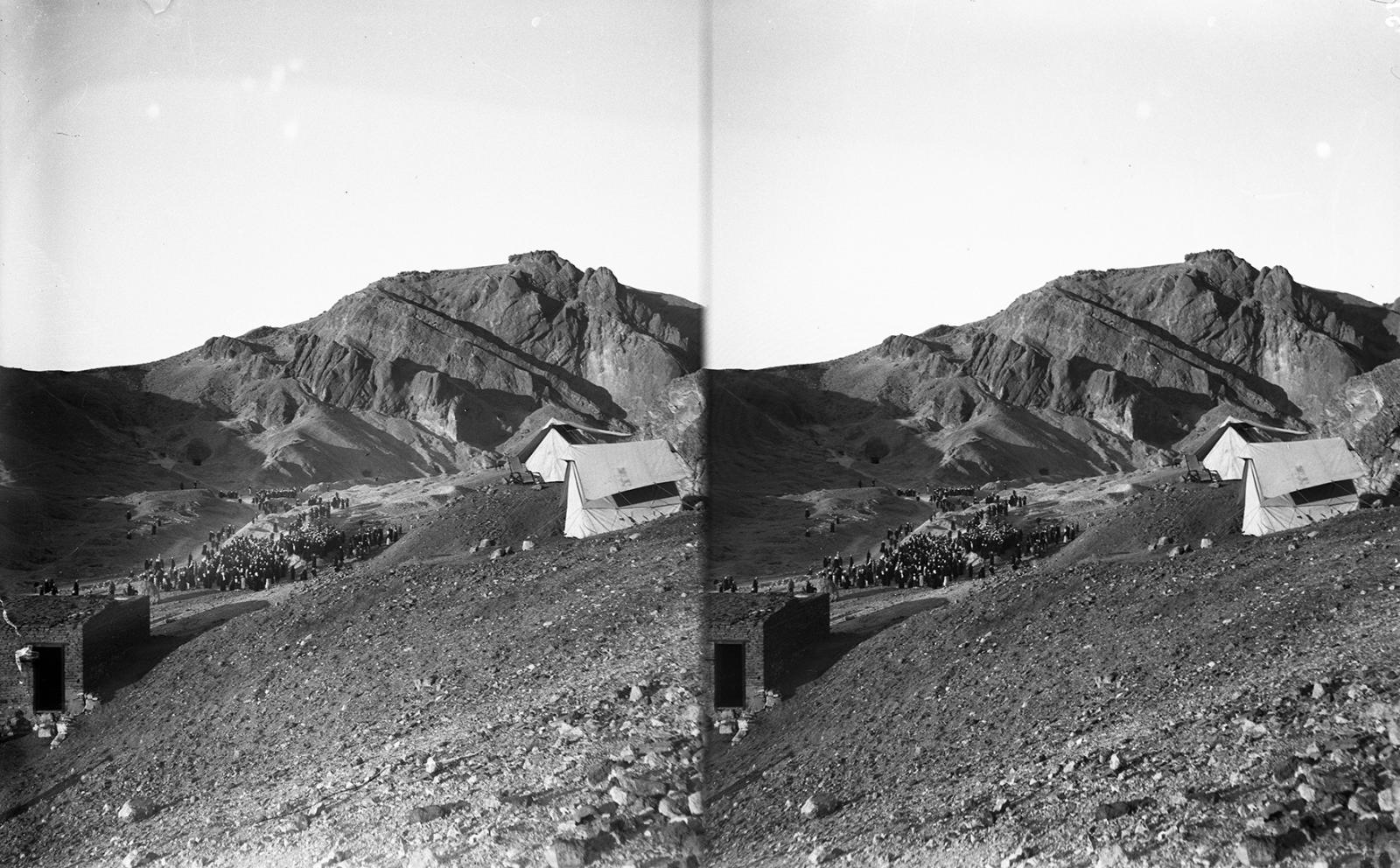
View of the Valley of the Queens. In the foreground the tents for Farina's excavation are visible. Italian Archaeological Expedition excavations. Courtesy of the Egyptian Museum in Turin.
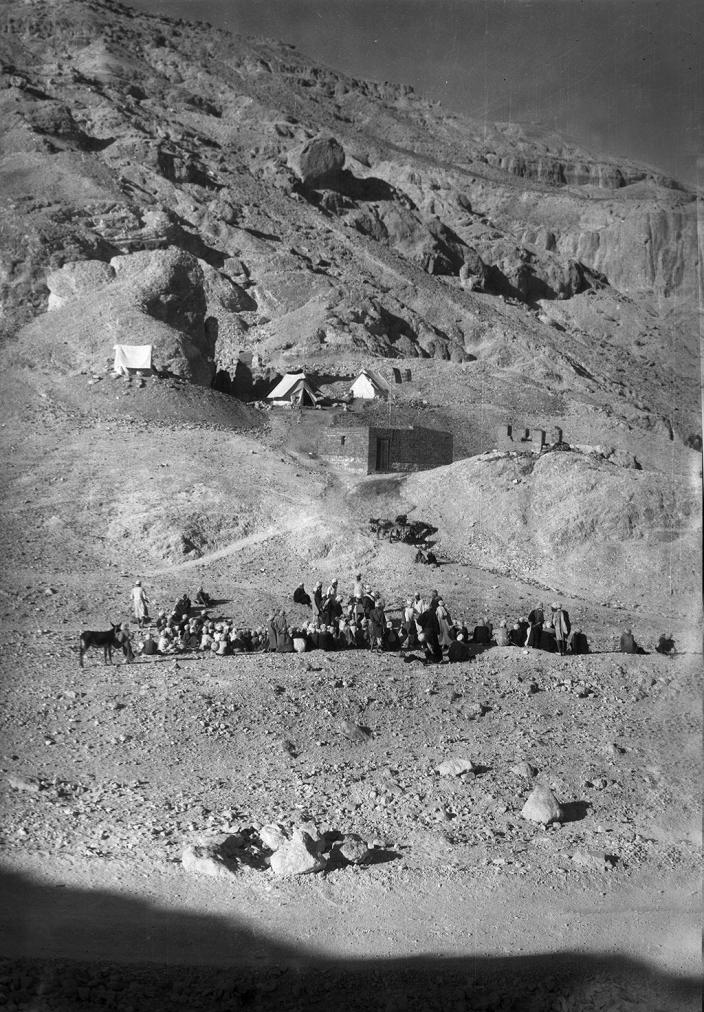
View of the Valley of the Queens. Farina's camp is visible while workmen can be seen receiving their pay. Italian Archaeological Expedition excavations. Courtesy of the Egyptian Museum in Turin.
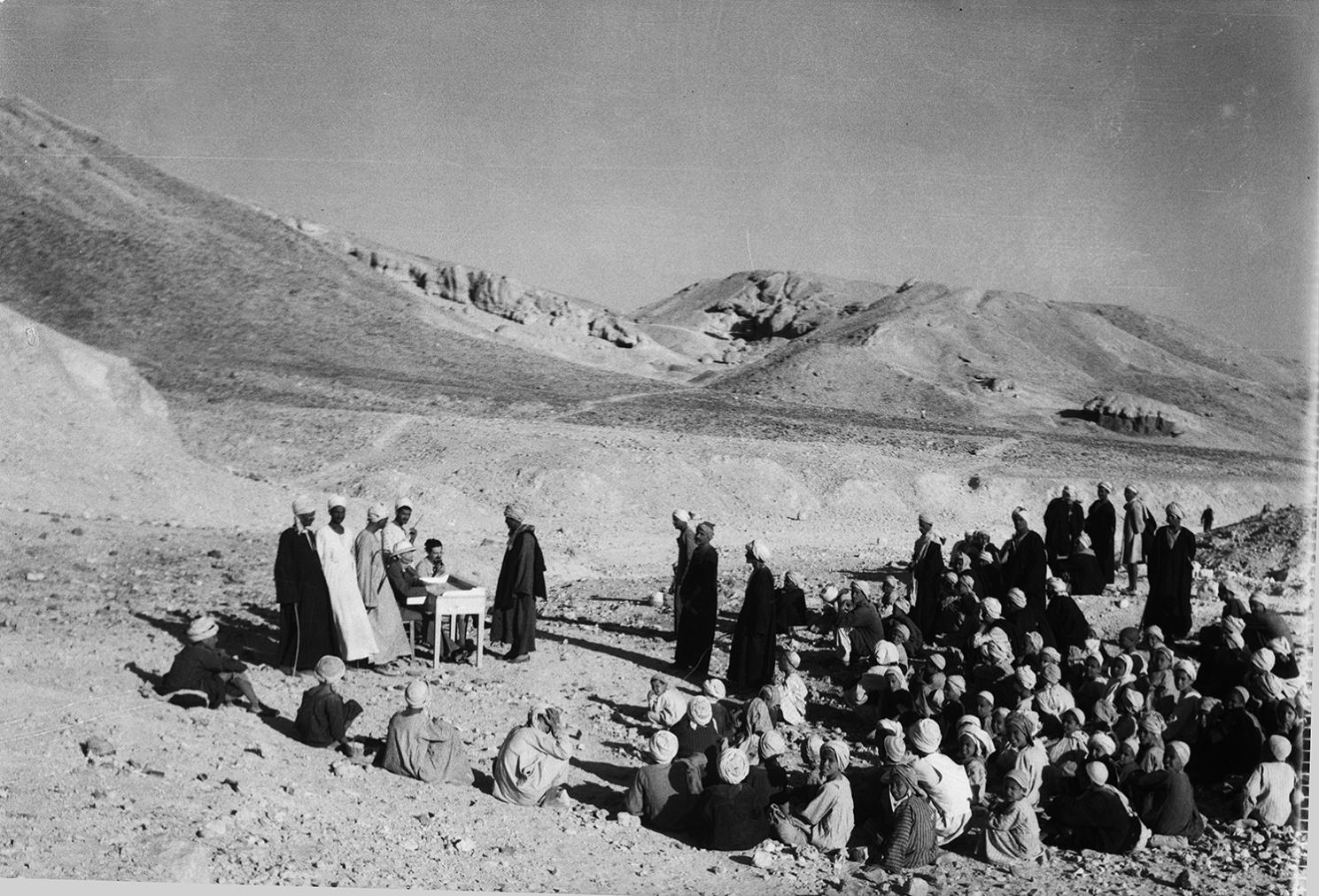
Workers received their pay during Farina's excavations in the Valley of the Queens. In the background is the path leading to Dayr al-Madinah. Italian Archaeological Expedition excavations. Courtesy of the Egyptian Museum in Turin.
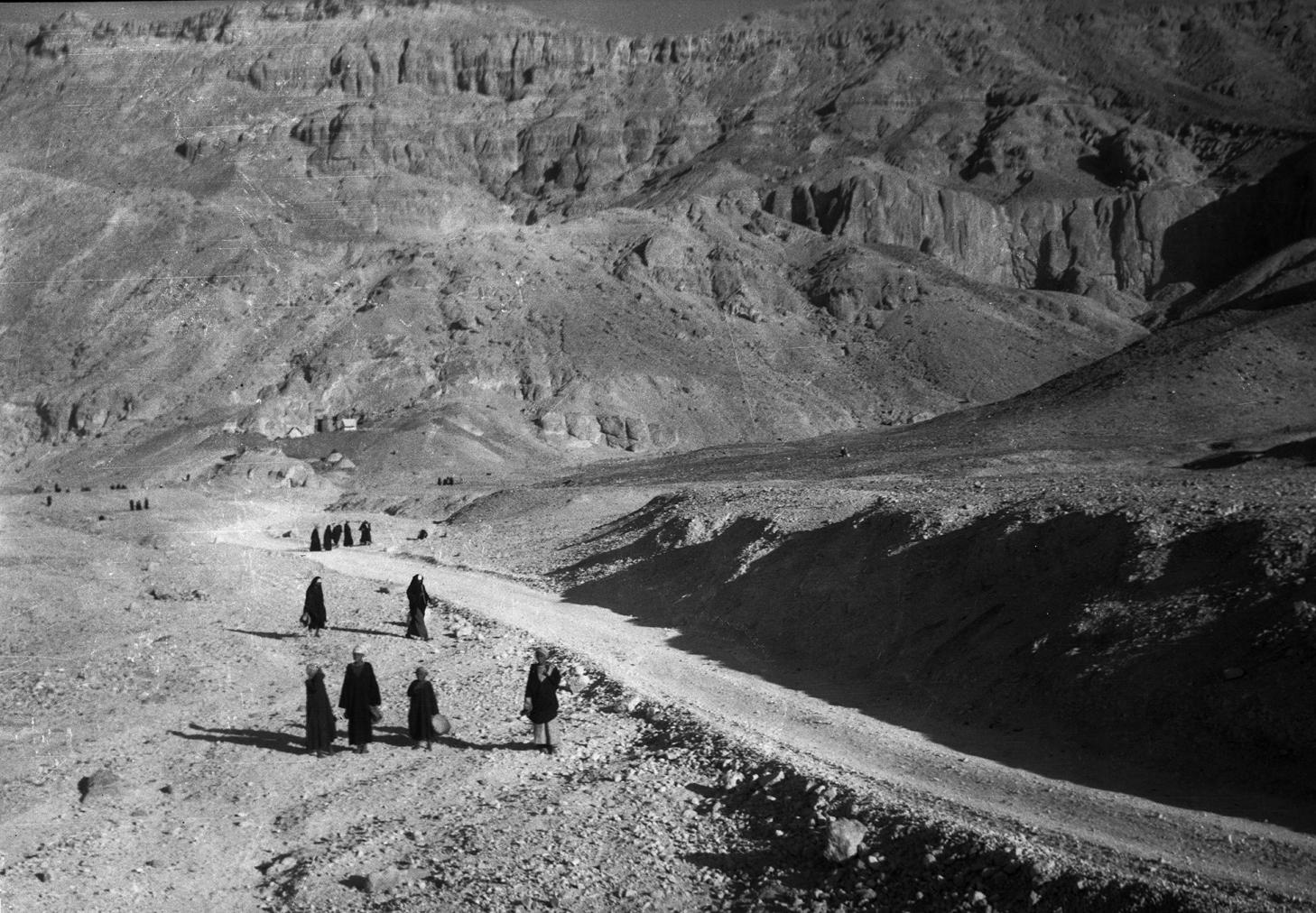
View of the entrance of the Valley of the Queens. In the background, Farina's camp for excavations is visible. Italian Archaeological Expedition excavations. Courtesy of the Egyptian Museum in Turin.
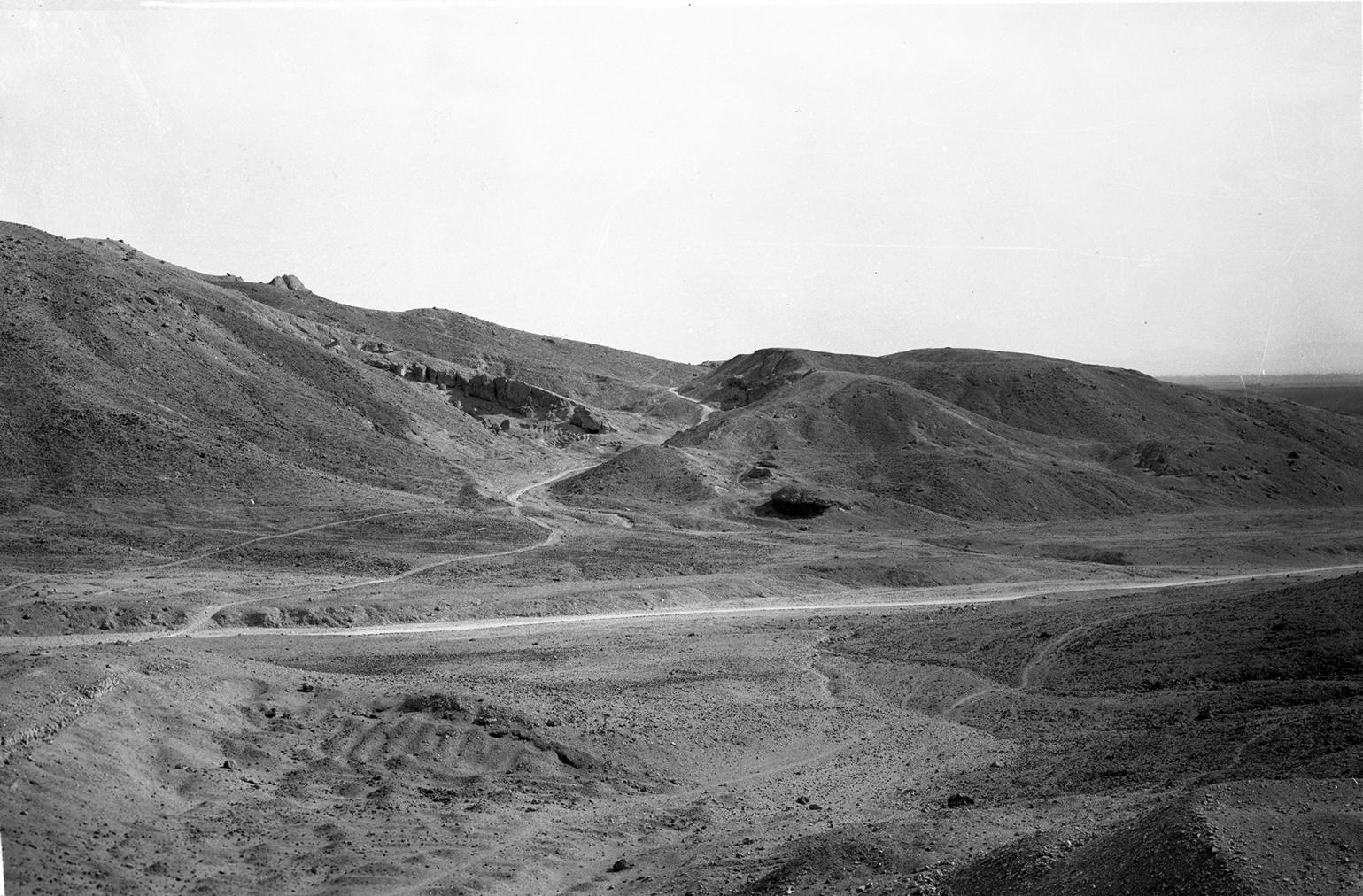
Entrance of the pathway photographed from the Valley of the Queens during Schiaparelli's excavations that leads to the rock-cut sanctuary of the god Ptah and goddess Meretseger. Italian Archaeological Expedition excavations. Courtesy of the Egyptian Museum in Turin.
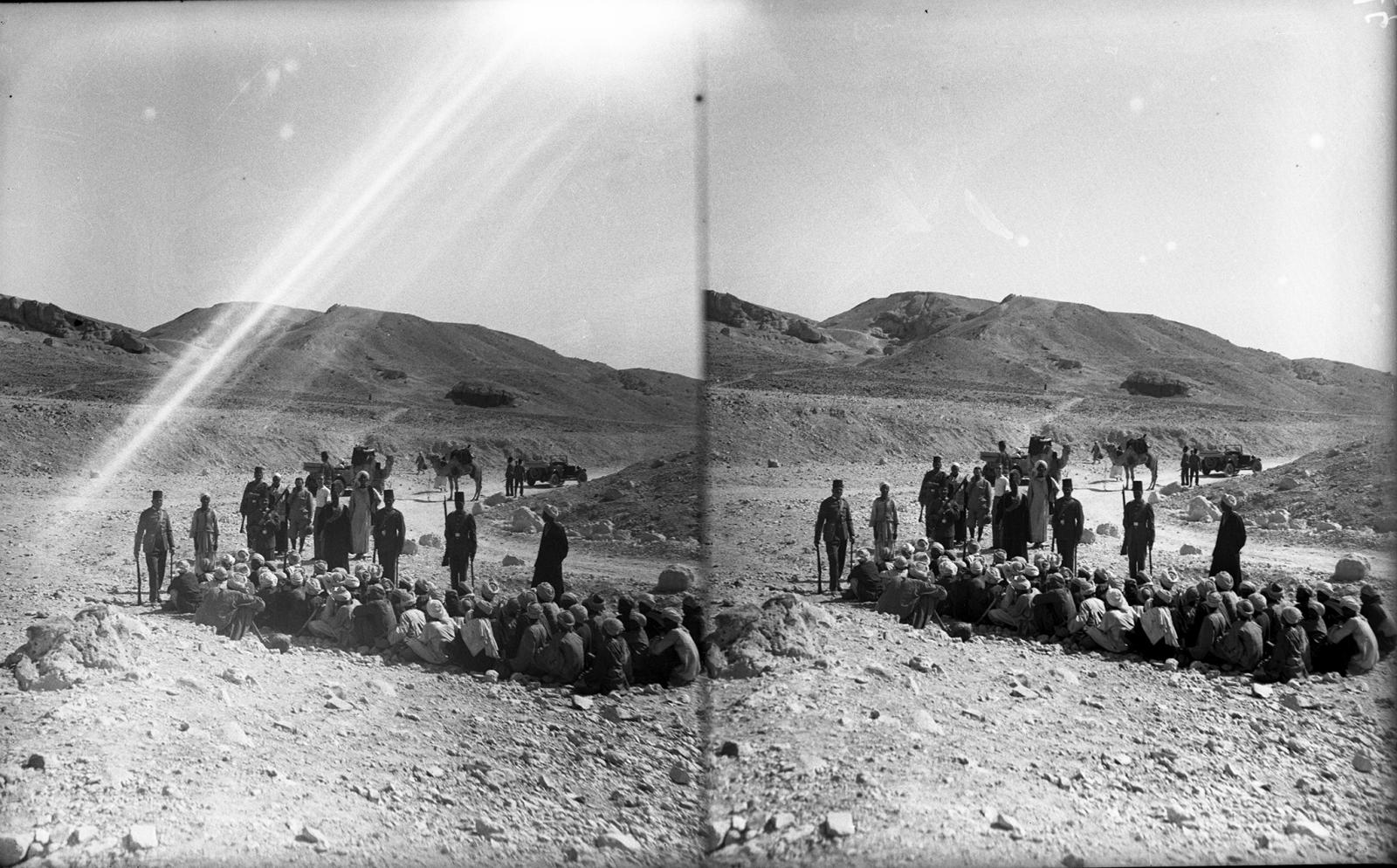
In the foreground, a group of workers and soldiers with Giulio Farina, the then Director of the Egyptian Museum in Turin, together with Don Michele Pizzio. In the background is the entrance to the pathway that leads to the rock-cut sanctuary of the god Ptah and the goddess Meretseger photographed from the Valley of the Queens. Italian Archaeological Expedition excavations. Courtesy of the Egyptian Museum in Turin.
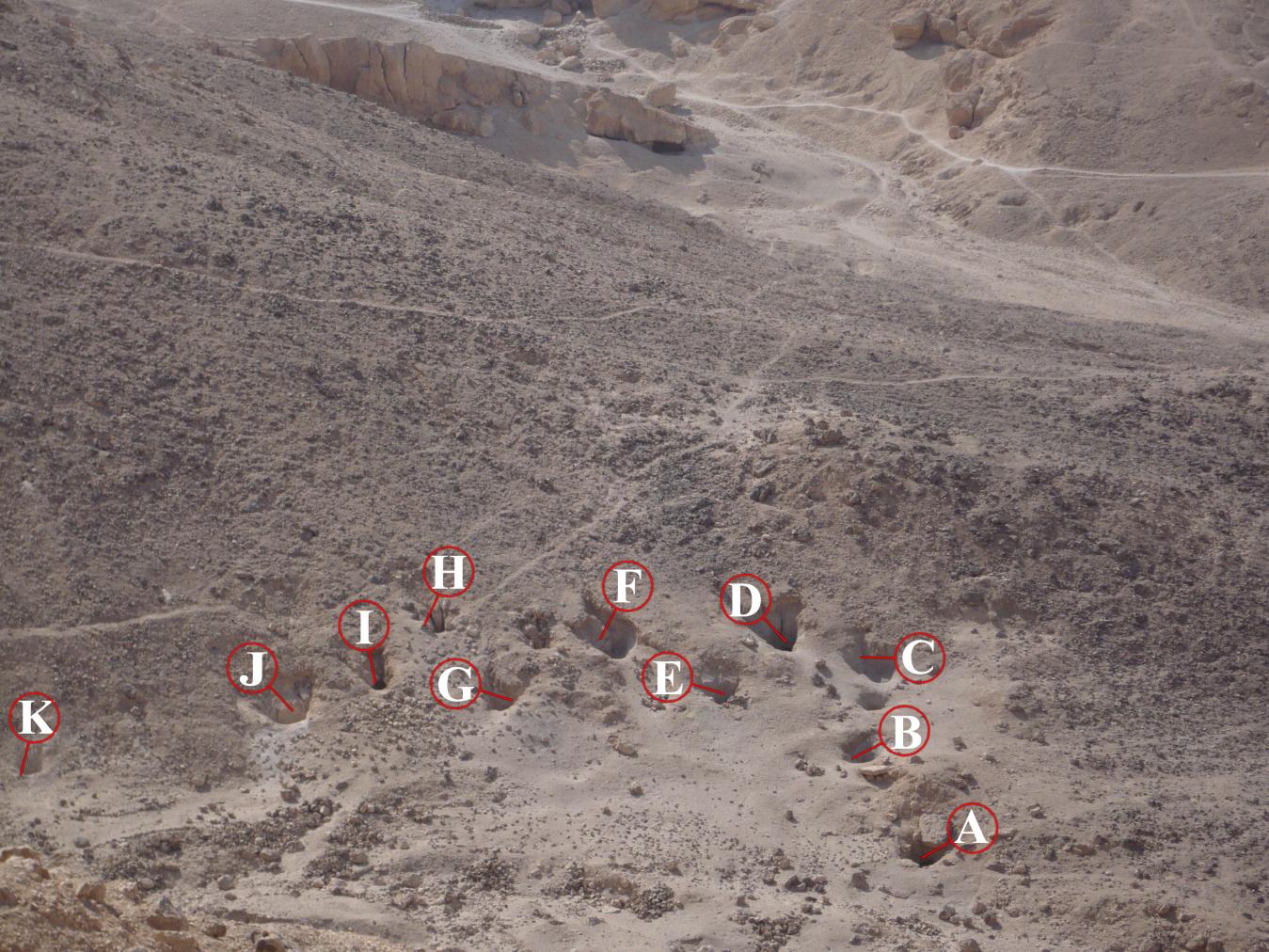
View of tombs QV A through QV K with labels. © Getty Conservation Institute and the Ministry of Tourism and Antiquities.
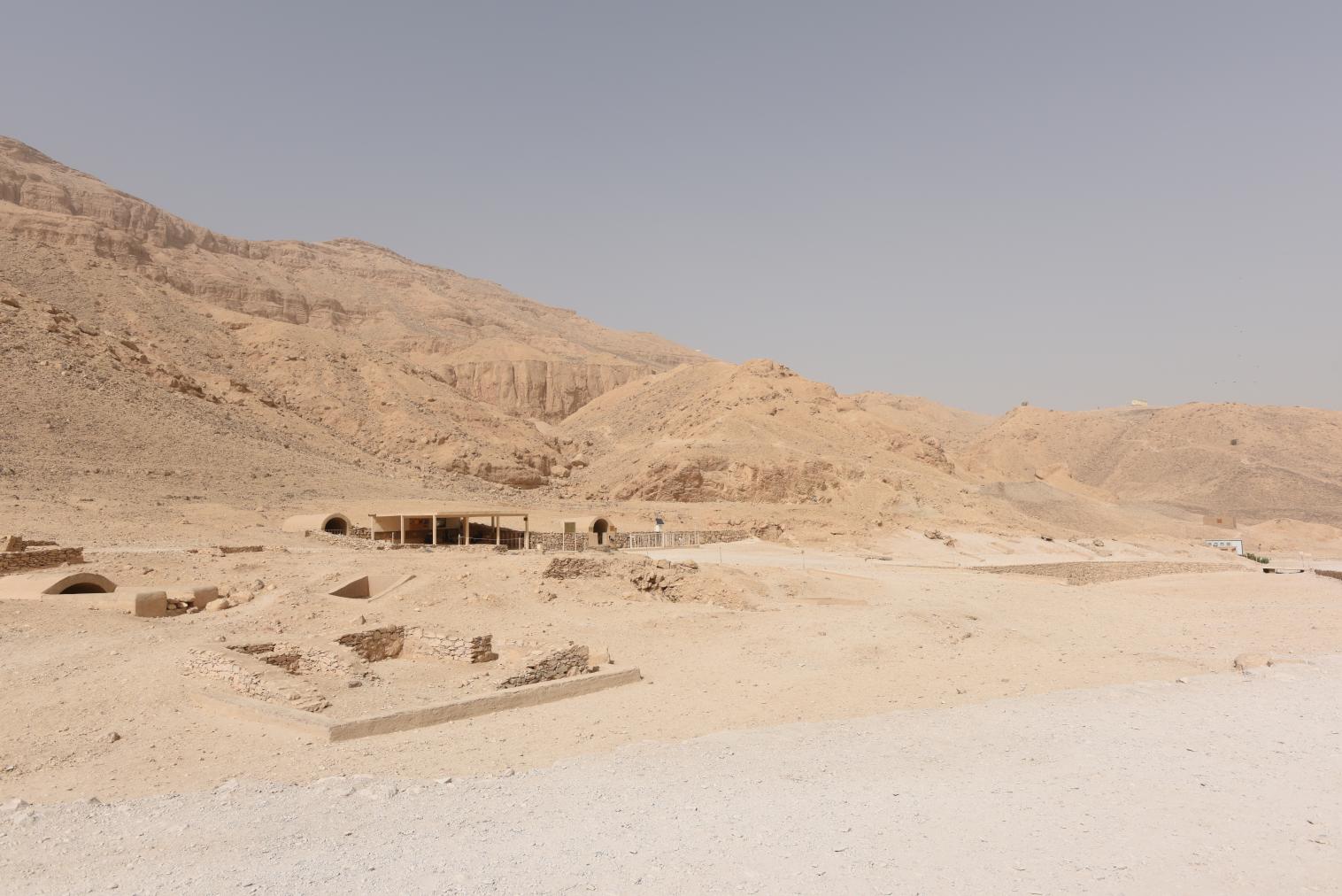
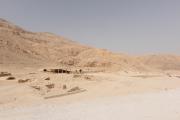
View of exterior of tomb. Courtesy of Richard Sellicks.
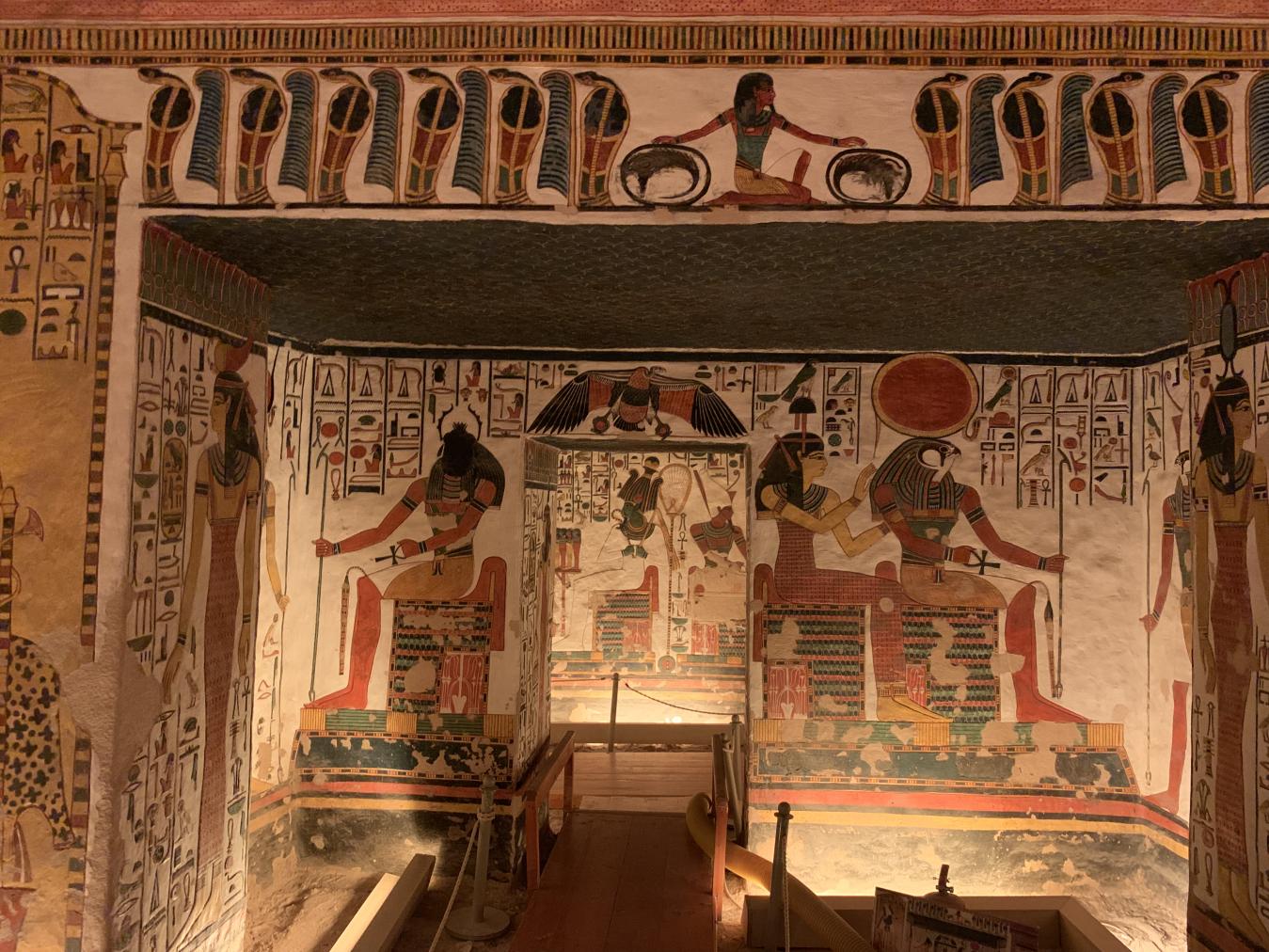
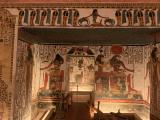
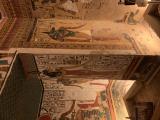
Chamber B, vestibule, right lintel, Deity holding wedjat-eyes, flanked by a row of uraei and ostrich feathers; deities Serqet, Neit, Khepri, Hathor, and Ra-Horakhty. Side chamber Ba rear wall, Osiris and Atum. Courtesy of Richard Sellicks.
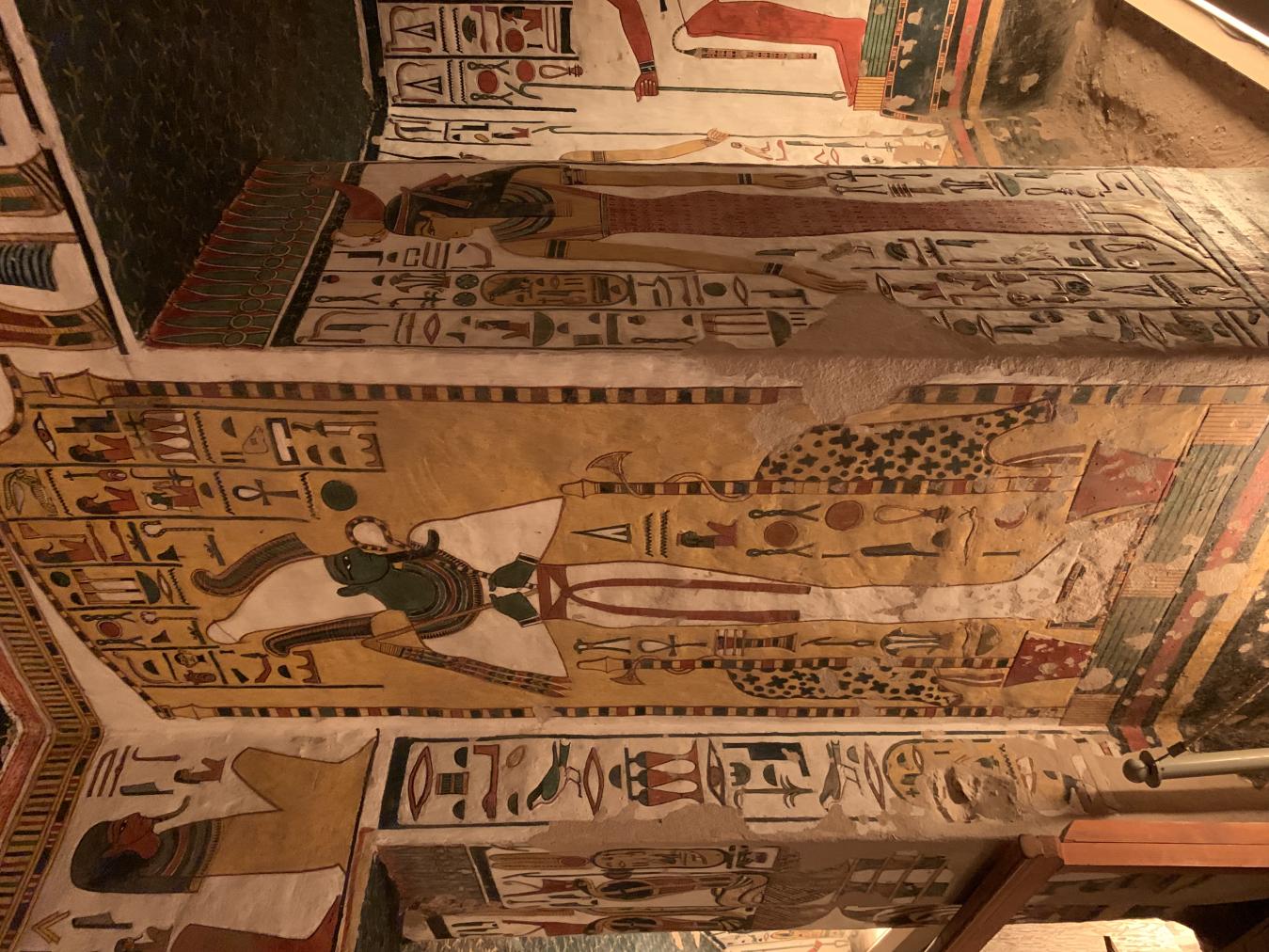
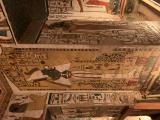
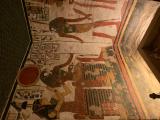
Chamber B, right wall, left part. Osiris flanked by imiut-fetishes. Courtesy of Richard Sellicks.
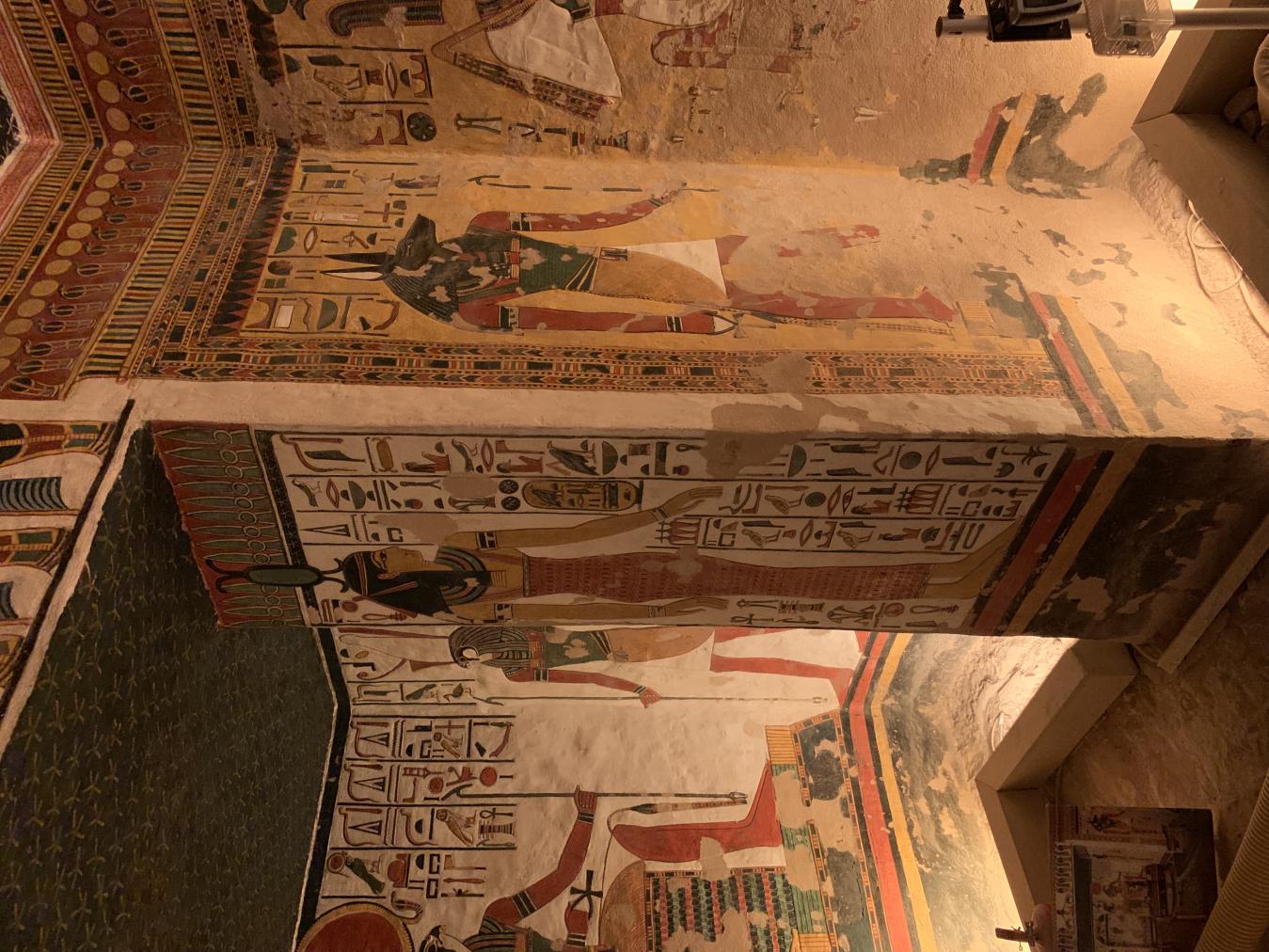
Chamber B, right wall, right part. The deities Neith and Anubis. Courtesy of Richard Sellicks.
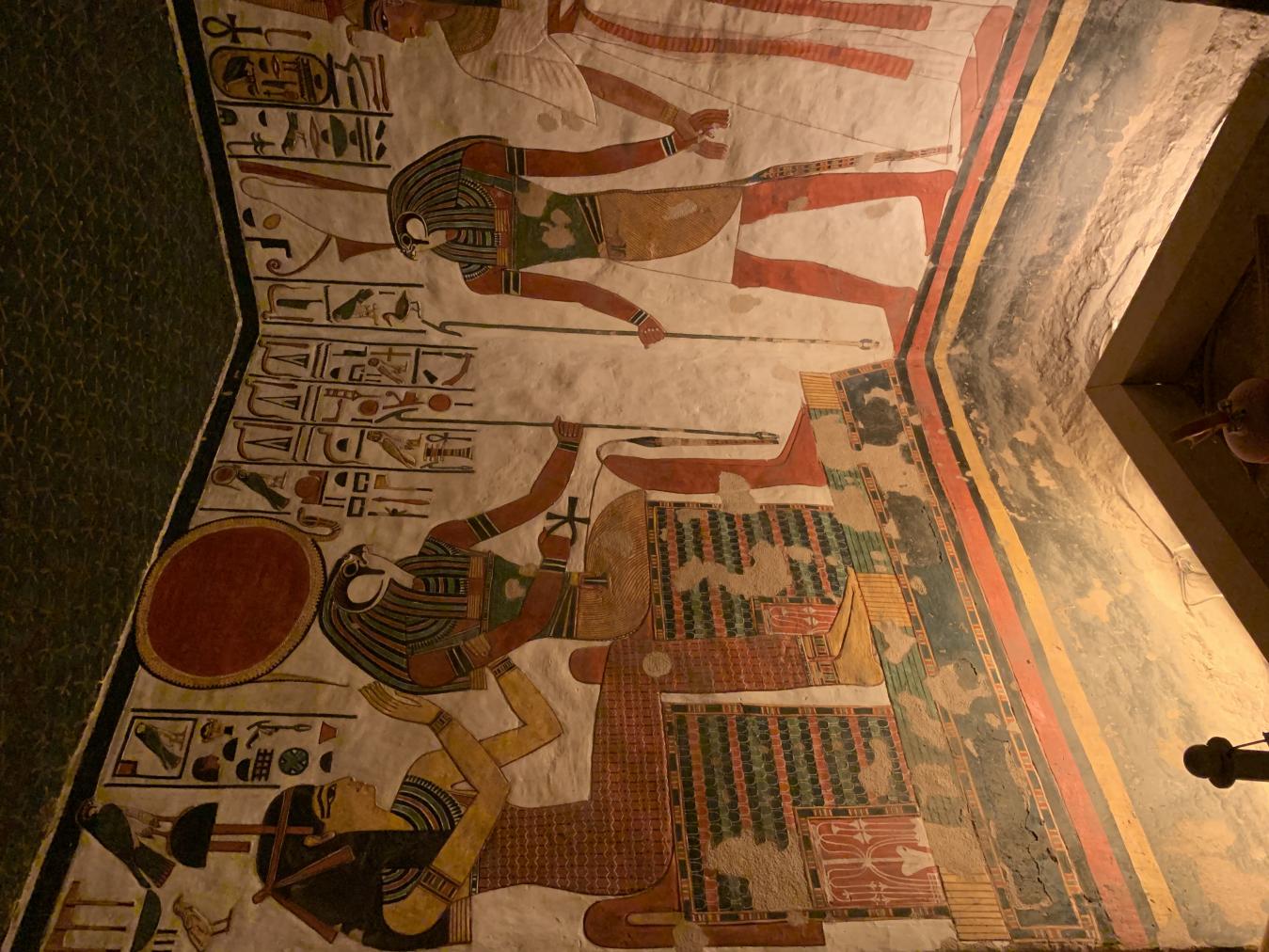
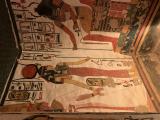
Chamber B, inner part, east corner. The deities Hathor and Horus (right wall); the deity Horsiese and Queen Nefertari (front wall). Courtesy of Richard Sellicks.
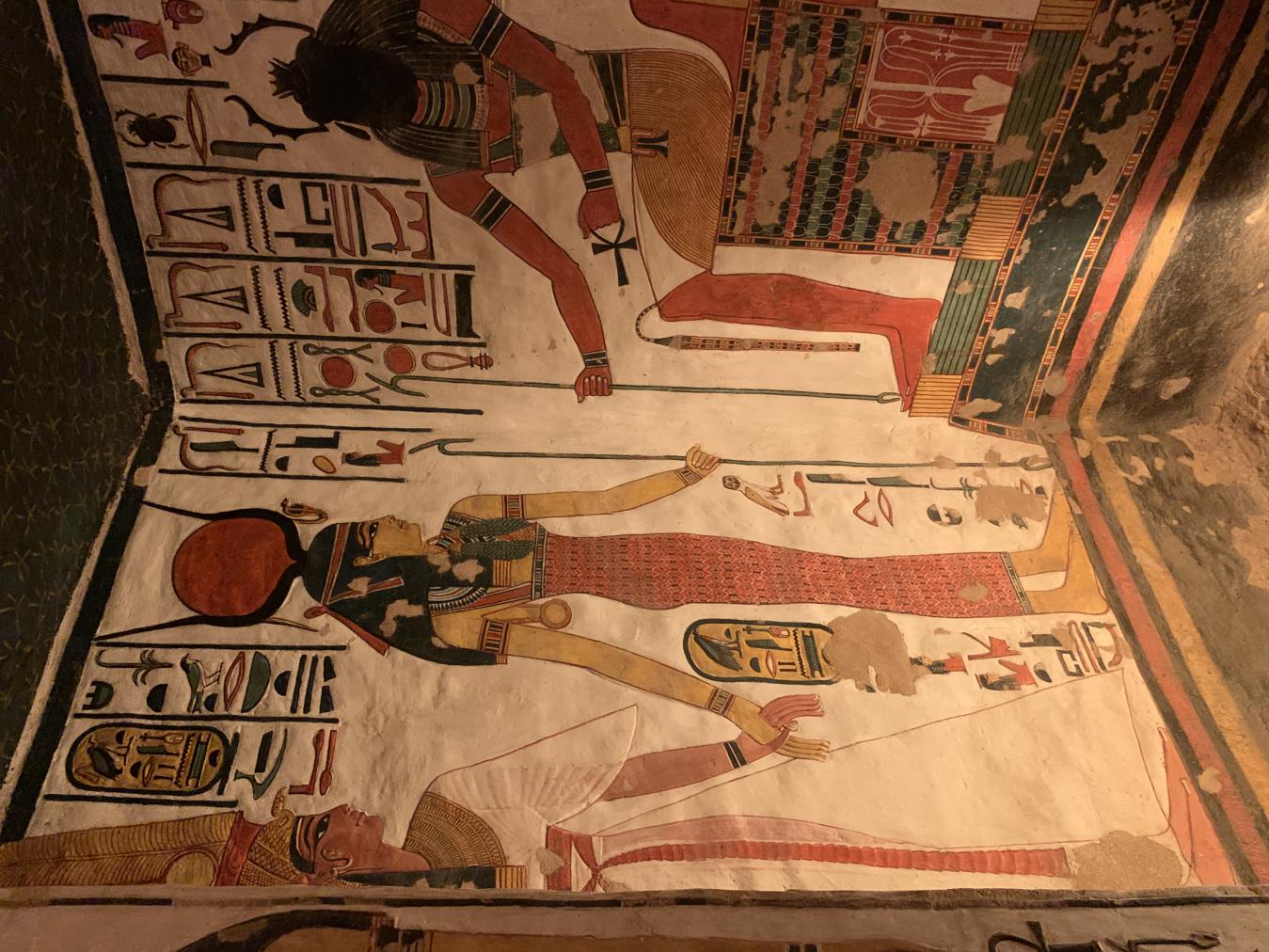
Chamber B, inner part, north corner. The deities Khepri (right wall); Isis and Queen Nefertari (rear wall). Courtesy of Richard Sellicks.
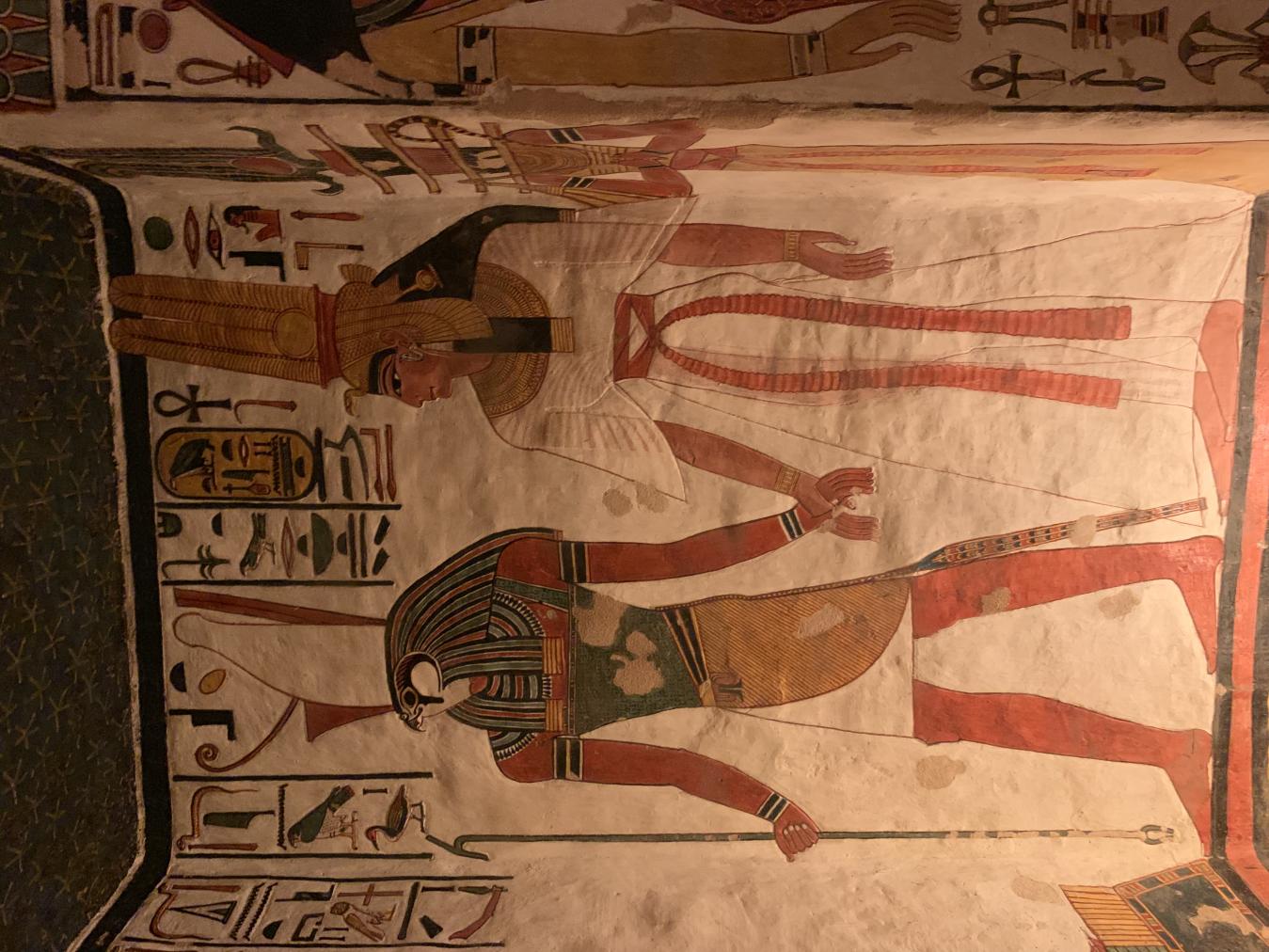
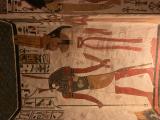
Chamber B, inner part, front wall; the deity Horsiese and Queen Nefertari. Courtesy of Richard Sellicks.














Articles
Tomb Numbering Systems in the Valley of the Queens and the Western Wadis
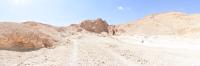
Latest Discovery in Wadi C - Thutmes II identified as owner of tomb Wadi C-4
Geography and Geology of the Valley of the Queens and Western Wadis
Bibliography
Abdel Fatah, Ahmed, Edda Bresciani, Sergio Donadoni and others. Annibale Evaristo Breccia in Egitto. Vol. II. Cairo: Egyptian Ministry of Culture, 2003: 16-18.
Abitz, Friedrich. Ramses III. in den Gräbern seiner Söhne (= Orbis Biblicus et Orientalis, 72). Freiburg, Schweiz: Universitätverlag and Göttingen: Vandenhoeck & Ruprecht, 1986.
Aboudi, Mohamed. . 4th ed. Cairo: C. Tsoumas & Co, 1946.
Agnew, Neville and Martha Demas. Envisioning a Future for the Valley of the Queens: The GCI and SCA Collaborative Project. Conservation: The Getty Conservation Institute Newsletter 23 (2008): 20-23.
Asensi Amorós, M.V. Woods from ancient Egypt: The Ramesseum and the Valley of the Queens (18th Dynasty-Roman Period): A preliminary report. In: Thibault S. (ed.), Charcoal Analysis: Methodological Approaches, Palaeo-ecological Results and Wood Uses. Proceedings of the second International Meeting of Anthracology, Paris, September 2000. BAR International Series 1063. Archaeopress: Oxford, 2002: 273-277
Aston, D.A. The Theban West Bank from the Twenty-fifth Dynasty to the Ptolemaic Period. In: Nigel Strudwick, and John H. Taylor (Eds.). The Theban Necropolis: Past, Present and Future. London: British Museum, 2003: 138- 63.
Aubry, Marie-Pierre, Christian Dupuis, Holeil Ghaly, Christopher King, Robert Knox, William A. Berggren, Christina Karlshausen, et al. Geological Setting of the Theban Necropolis: Implications for the Preservation of the West Bank Monuments. In: David A. Aston, Bettina Bader, Carla Gallorini, Paul T. Nicholson, and Sarah Buckingham (eds.). Under the Potter's Tree: Studies on Ancient Egypt Presented to Janine Bourriau on the Occasion of Her 70th Birthday, pp. 81-124. Orientalia Lovaniensia Analecta, 204. (Leuven: Uitgeverij Peeters, 2011). Pp. 81-124.
Augé, Christian and Guy Lecuyot. Deir er-Roumi. Étude du matiériel numismatique. Memnonia 9 (Cairo, 1998): 107-119.
Bagnall, Roger S., and Dominic Rathbone. Egypt: From Alexander to the Early Christians: An Archaeological and Historical Guide. Los Angeles: J. Paul Getty Museum, 2004.