QV 65
Anonymous*
About
About
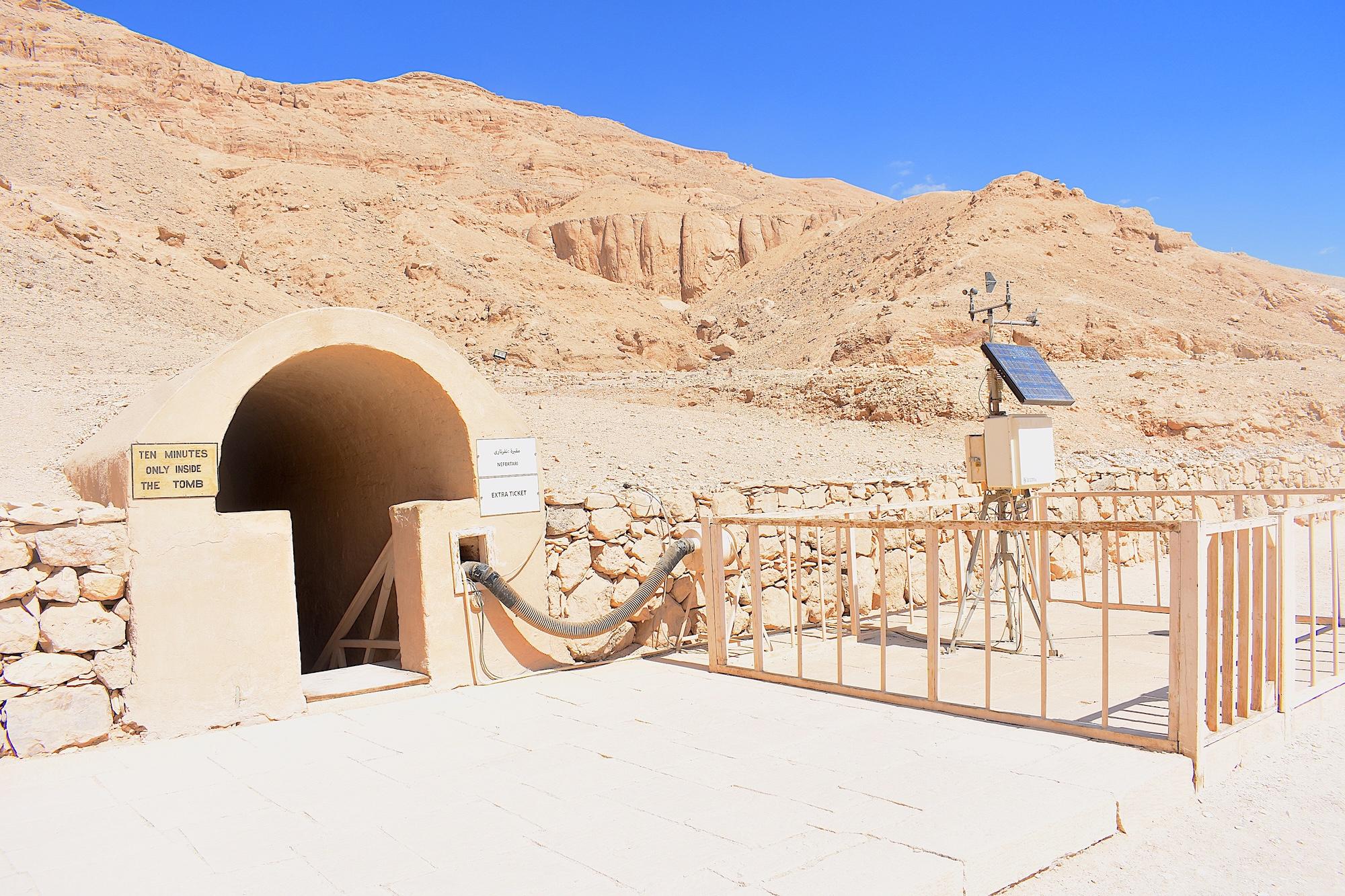
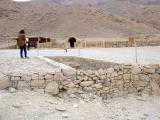
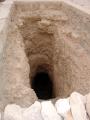
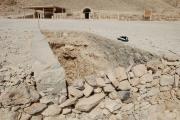
The entry of QV 65, located north of QV 64 on the northern side of the main Wadi, consists of a modern concrete and rubble retaining surround. Steep stairs lead down to a main chamber and smaller side chamber.
Elizabeth Thomas compared the tomb's form with QV 7 and QV 20 and suggested that the smaller side chamber was intrusive; she also noted that the floor was clear with no evidence of a burial and speculated that perhaps it was never used, possibly because the rock was considered unsafe. When the Franco-Egyptian Mission cleared the tomb in 1986, they found that the ceilings of both chambers had collapsed and subsequently removed the debris as part of their archaeological investigation. Debris currently in the tomb is from more recent ceiling collapse. The tomb has been dated to the 18th Dynasty and appears to have been reused in the Roman Period.
Site History
The tomb was constructed in the 18th Dynasty and reused during the Roman Period.
Dating
This site was used during the following period(s):
Exploration
Conservation
Site Condition
According to the GCI-SCA, while the marl of the tomb appears to be in stable condition, much of the ceiling in both chambers has collapsed in the past. Following this collapse, the rock layer separating the ceiling of the tomb and the surface is now very shallow. Prominent fissures are also visible in both chambers. Dried mud now coats the floor, evidence of the 1994 flood. At that time, the tomb was completely filled with water that the Franco-Egyptian Mission removed by pump. Three bats were observed roosting in the tomb in November 2007. More than ten bats were observed in the side chamber in December 2009. Ancient and recent (1994) flooding has contributed to the substantial collapse found in this tomb.
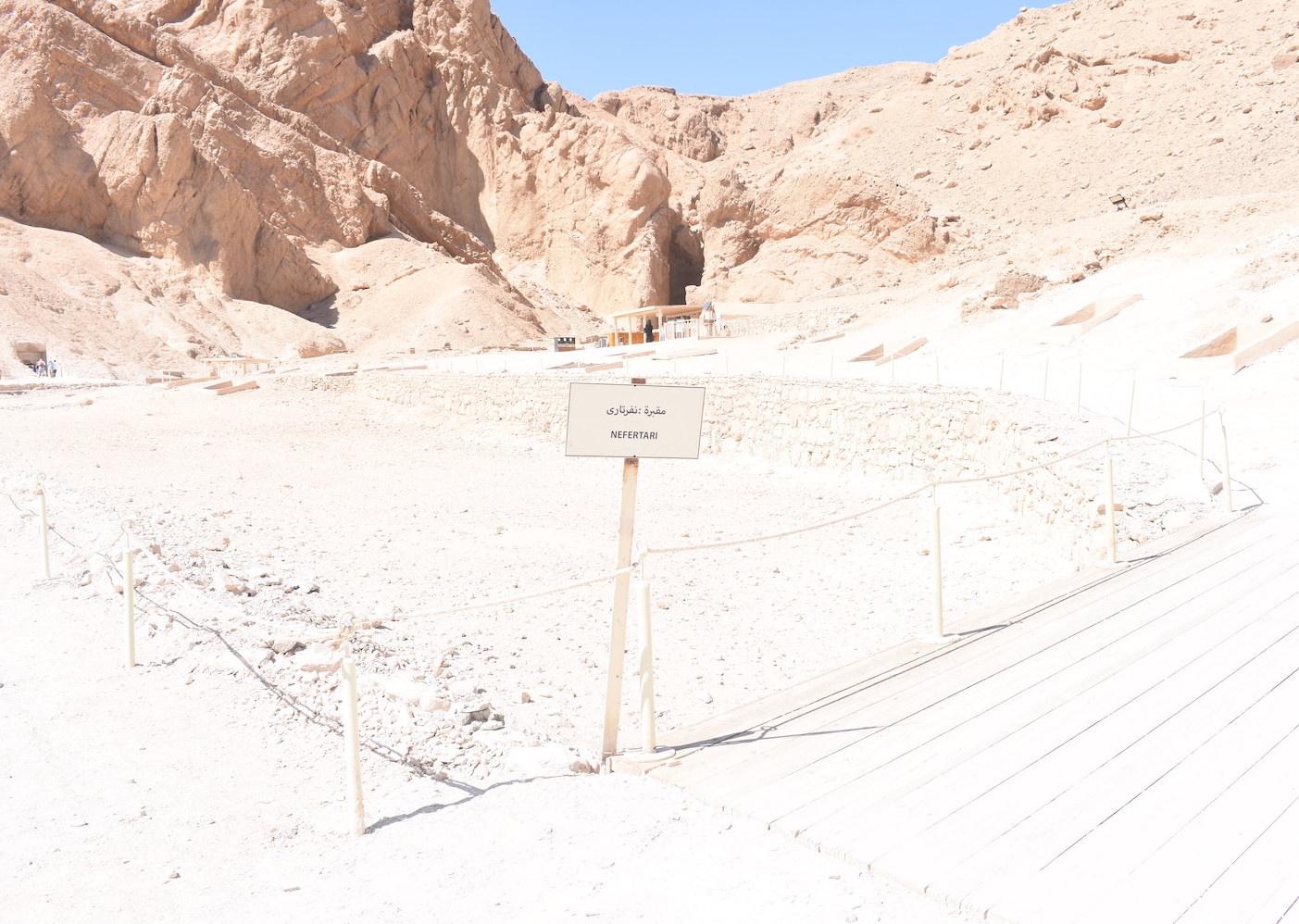
Bridge leading to QV66 with entrances to QV64, QV65, QV67, QV69, QVU1, QVU2, QV70, QV71, QV72, QV73, QV74, QV82, and QV96 in background.

Entrances of QV65, QV67, QV69, QVU1, QVU2, QV70, QV71, QV72, QV73, and QV96. Grotto and QV66 with visitors shelter.

Entrances to QVU1, QV65, and QV67. QV66, visitors shelter, and QV52 in background.
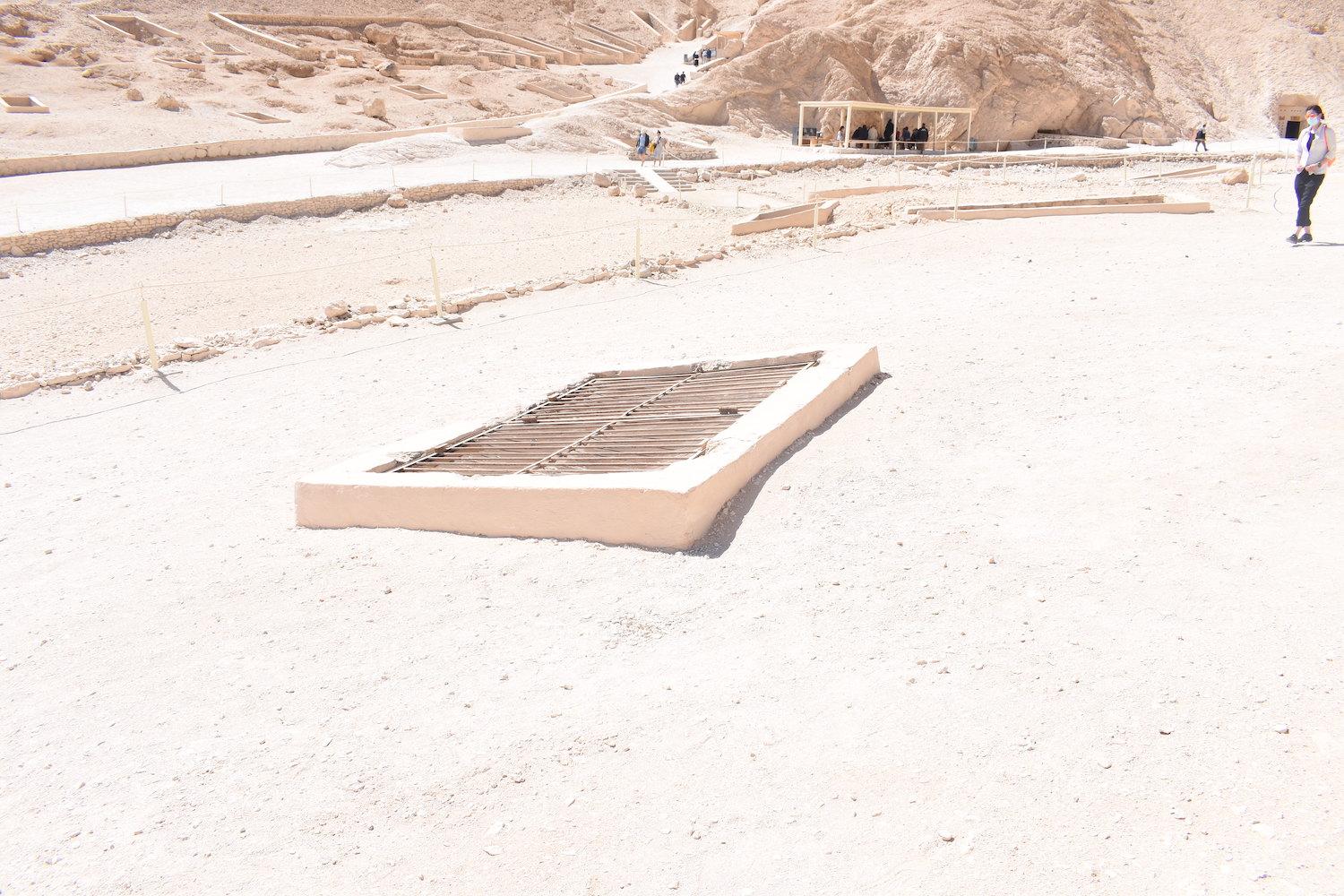
Entrances to QV49, QV50, QV63, QV64, QV65, QV69, and QV84. Visitors shelter and southern branch of wadi in the background.

Entrances to QV64, QV65, QV69, QV70, QV72, QV82, QV96, and QVU2 with entrance to QV in the background. Further back the path to Dayr al Madinah and the shrine to Ptah and Meretseger.

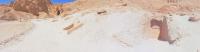
Entrance to QV65.

Entrance to QV65.

Area in front of QV66 with entrances to QV65, QV67, QV68, QV69, QVU1, QVU2, QV70, and QV71.

Entrances to QV67, QV69, QVU1, QVU2, QV70, QV71, QV96, QV73, QV72, QV74, QV82, and QV75

Entrances to QV20 and QV21 in foreground, with QV96, QV73, QV72, QV74, QV82, QV75 and QV83 in background
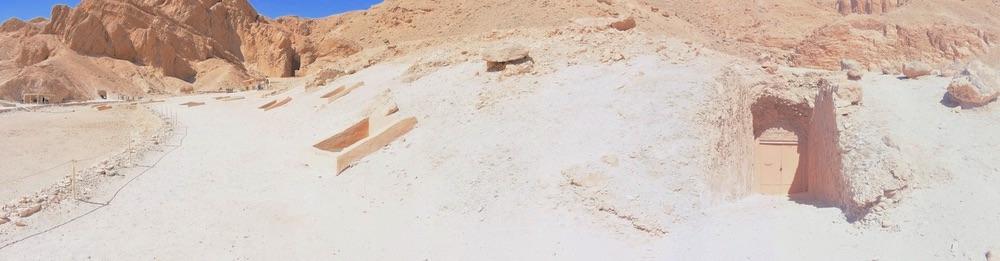
View of the northeastern side of the main wadi with entrances to QVU1, QVU2, QV63, QV64, QV65, QV67, QV69, QV70, QV71, QV72, QV73, QV74, QV96, and QV66 with visitors shelter.
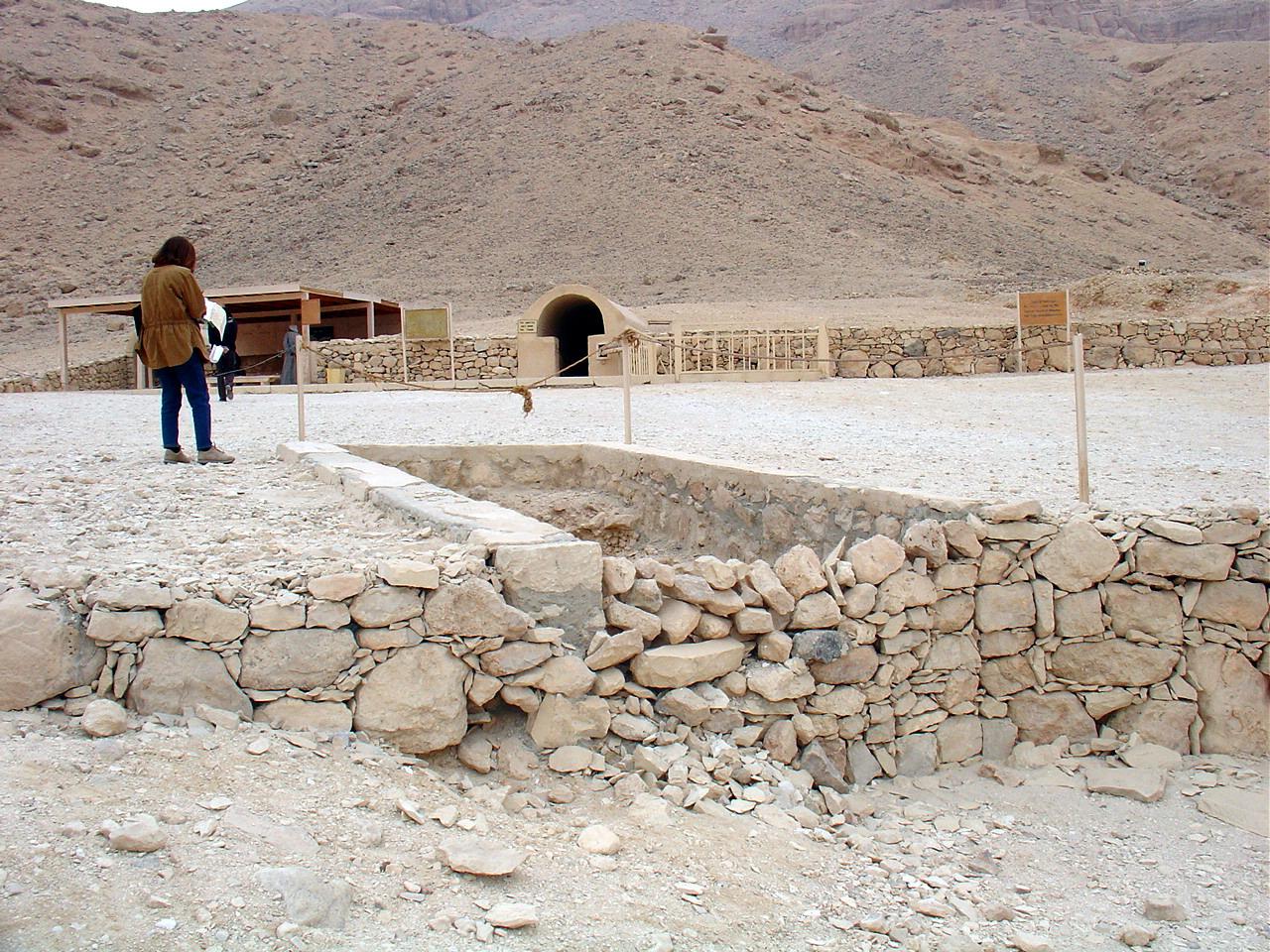
Entrance of QV 65. © Getty Conservation Institute and the Ministry of Tourism and Antiquities.
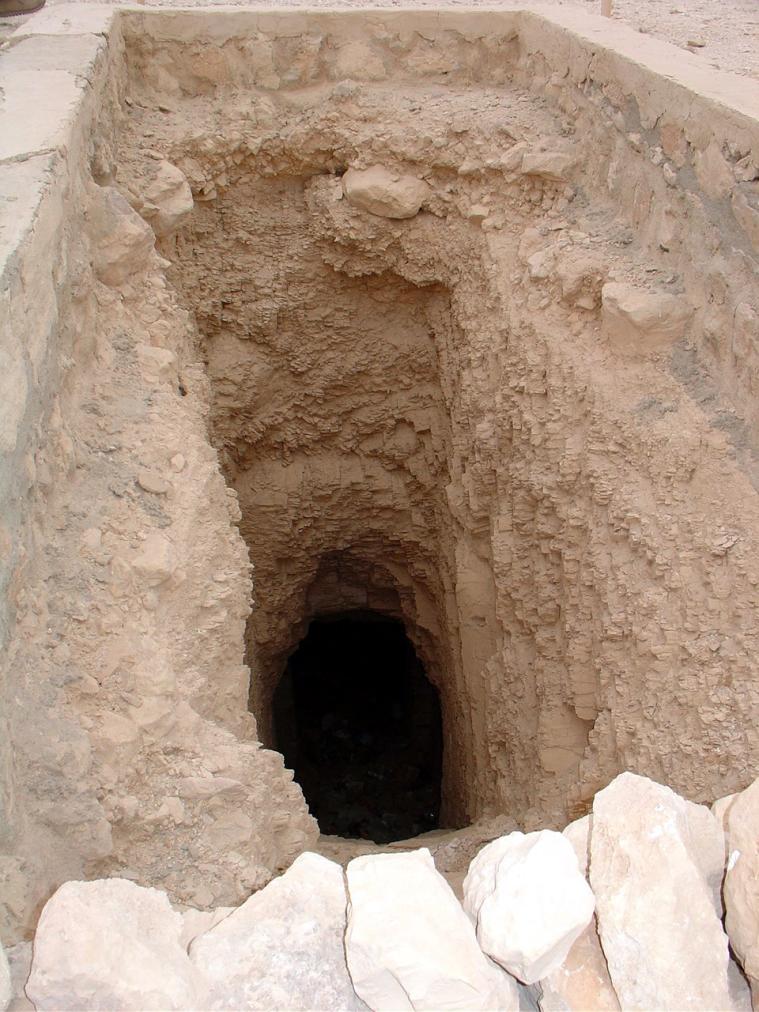
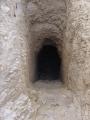
View down the entrance. © Getty Conservation Institute and the Ministry of Tourism and Antiquities.

The entrance of QV 65. © Getty Conservation Institute and the Ministry of Tourism and Antiquities.

View down the entrance. © Getty Conservation Institute and the Ministry of Tourism and Antiquities.

The entrance of QV 65. © Getty Conservation Institute and the Ministry of Tourism and Antiquities.

View down the entrance. © Getty Conservation Institute and the Ministry of Tourism and Antiquities.
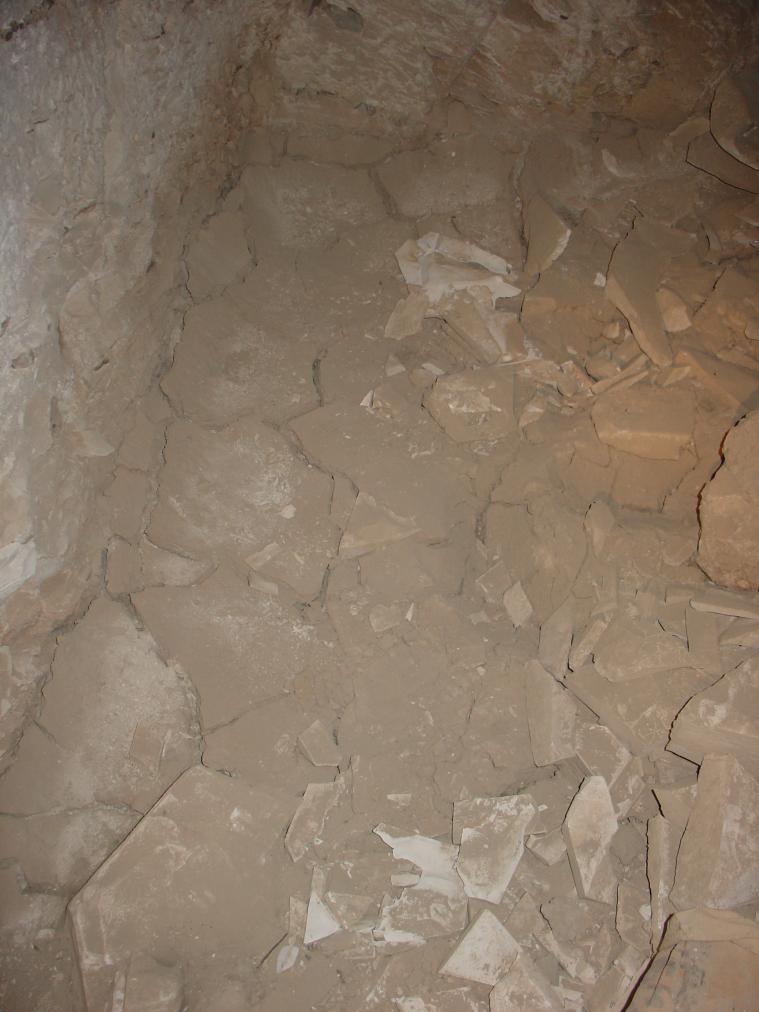
Cracked dried mud on the floor of the tomb from past flooding. © Getty Conservation Institute and the Ministry of Tourism and Antiquities.

View of the main chamber towards the rear with debris in foreground from the ceiling. © Getty Conservation Institute and the Ministry of Tourism and Antiquities.

View down the main chamber towards the entrance with debris covering floor from the ceiling. © Getty Conservation Institute and the Ministry of Tourism and Antiquities.

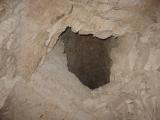
View of the entrance to the side chamber. © Getty Conservation Institute and the Ministry of Tourism and Antiquities.






Articles
Tomb Numbering Systems in the Valley of the Queens and the Western Wadis
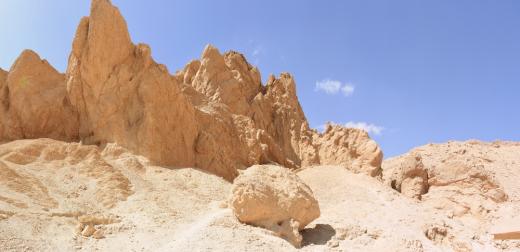
Geography and Geology of the Valley of the Queens and Western Wadis
Bibliography
CNRS mission report: Centre national de la recherche scientifique (France). Rapport d'activité 1987-1988 URA no. 1064, 1987-1988.
Demas, Martha and Neville Agnew (eds). Valley of the Queens. Assessment Report. Los Angeles: The Getty Conservation Institute, 2012, 2016. Two vols.
Thomas, Elizabeth. The Royal Necropoleis of Thebes. Princeton: privately printed, 1966.