QV 48
Anonymous


Entryway A
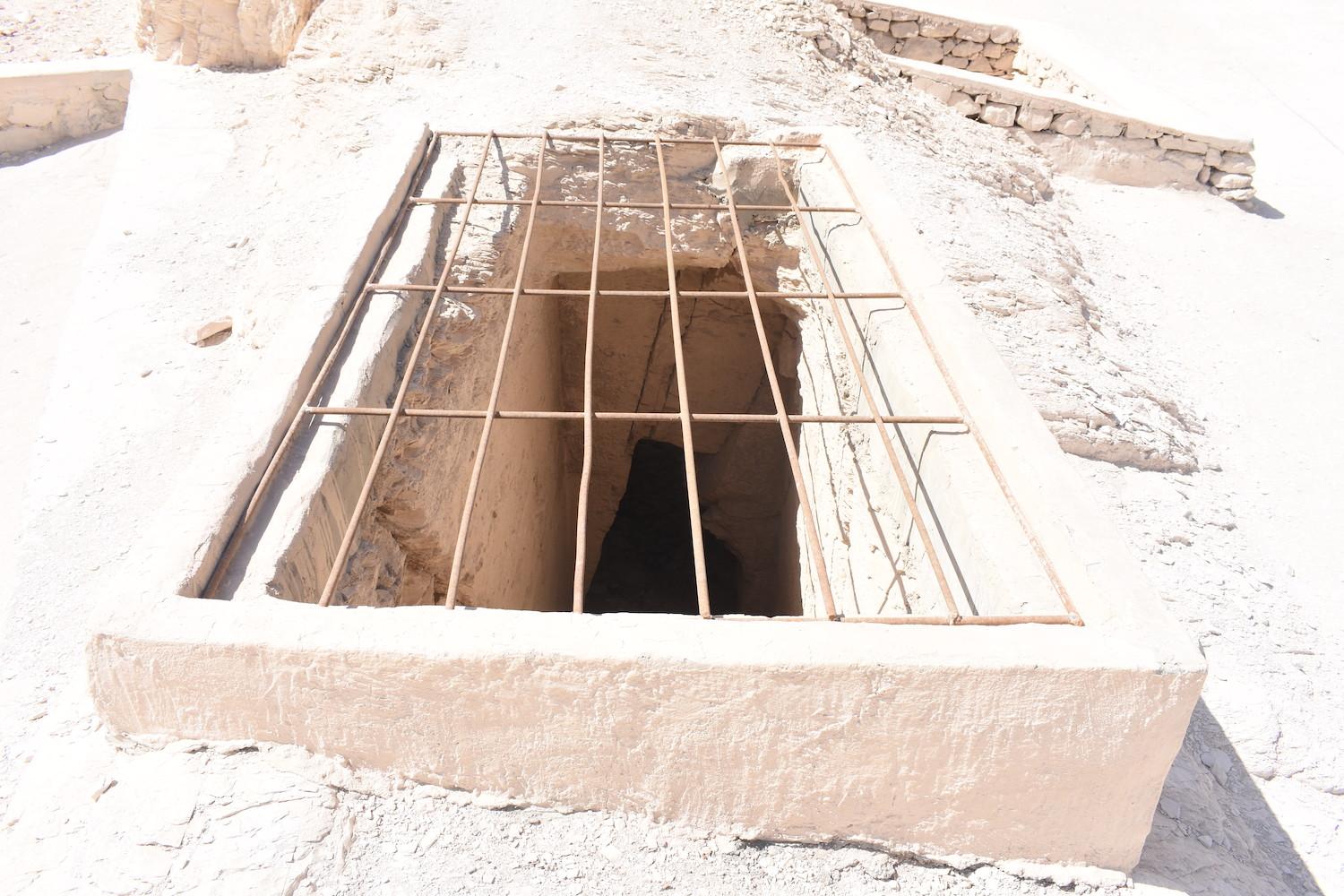
See entire tombThe shaft entrance has a cemented brick surround spanned by a metal grill.
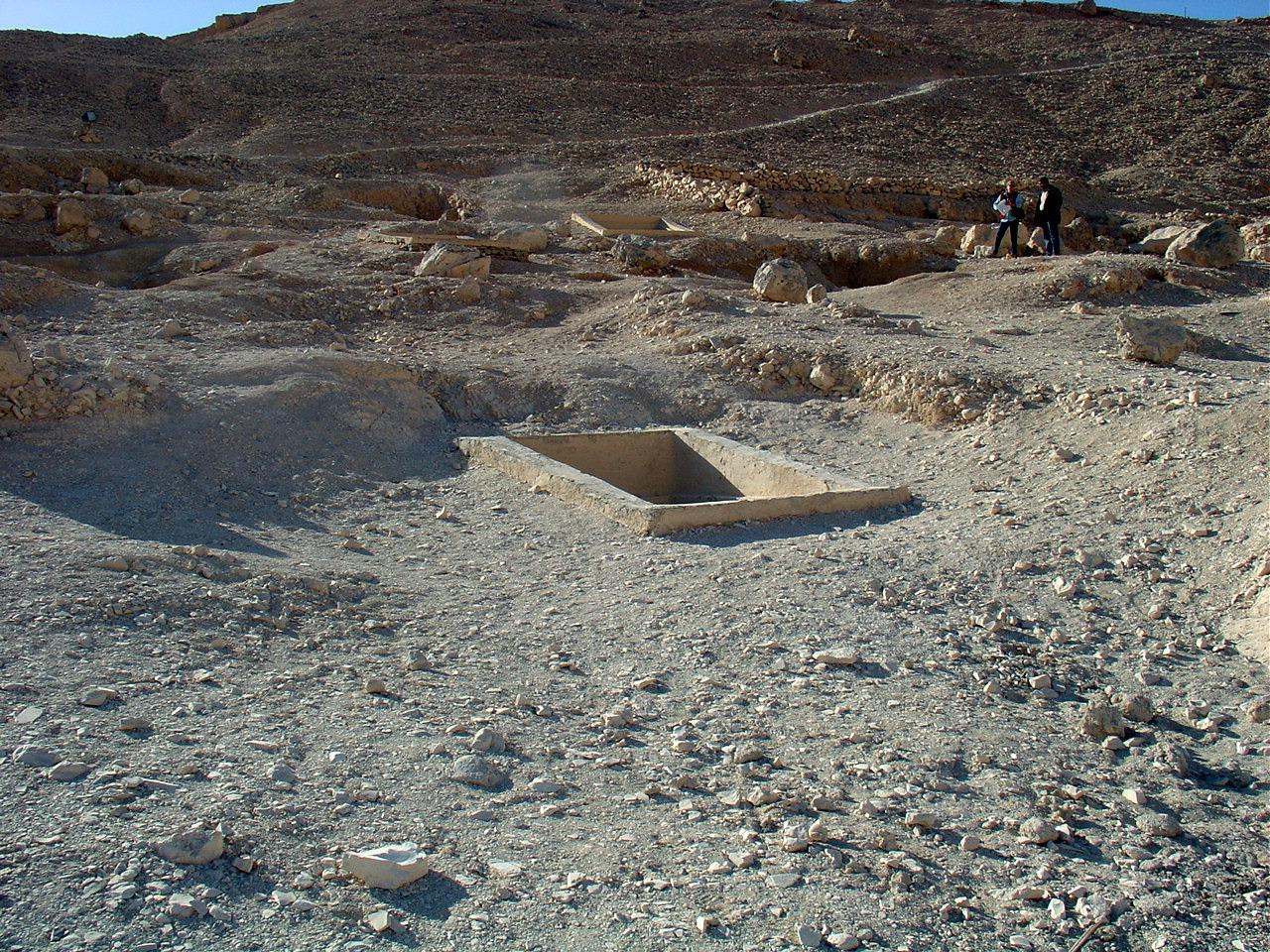
Entrance to QV48
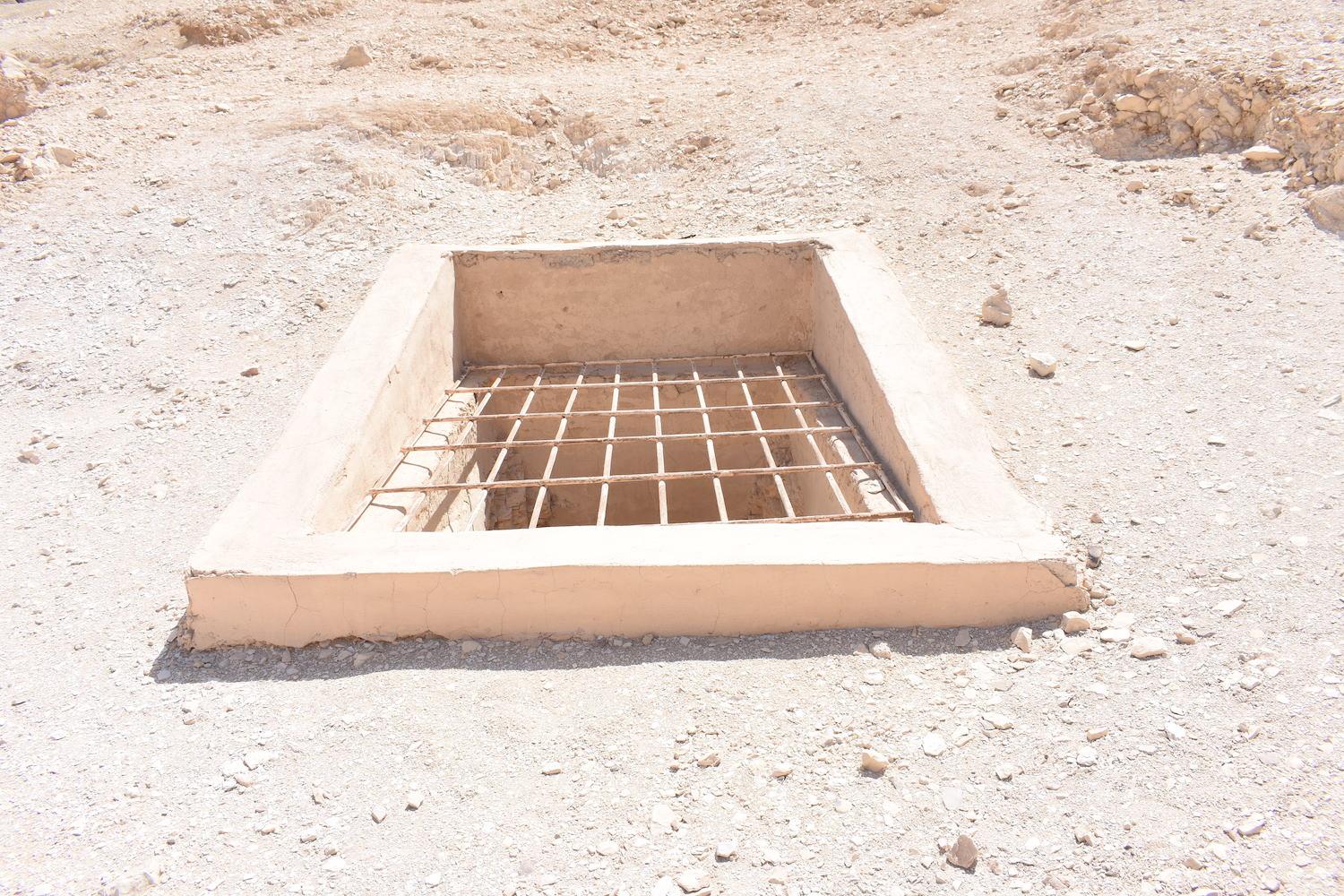
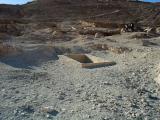
Shaft entrance of QV 48. © Getty Conservation Institute and the Ministry of Tourism and Antiquities.
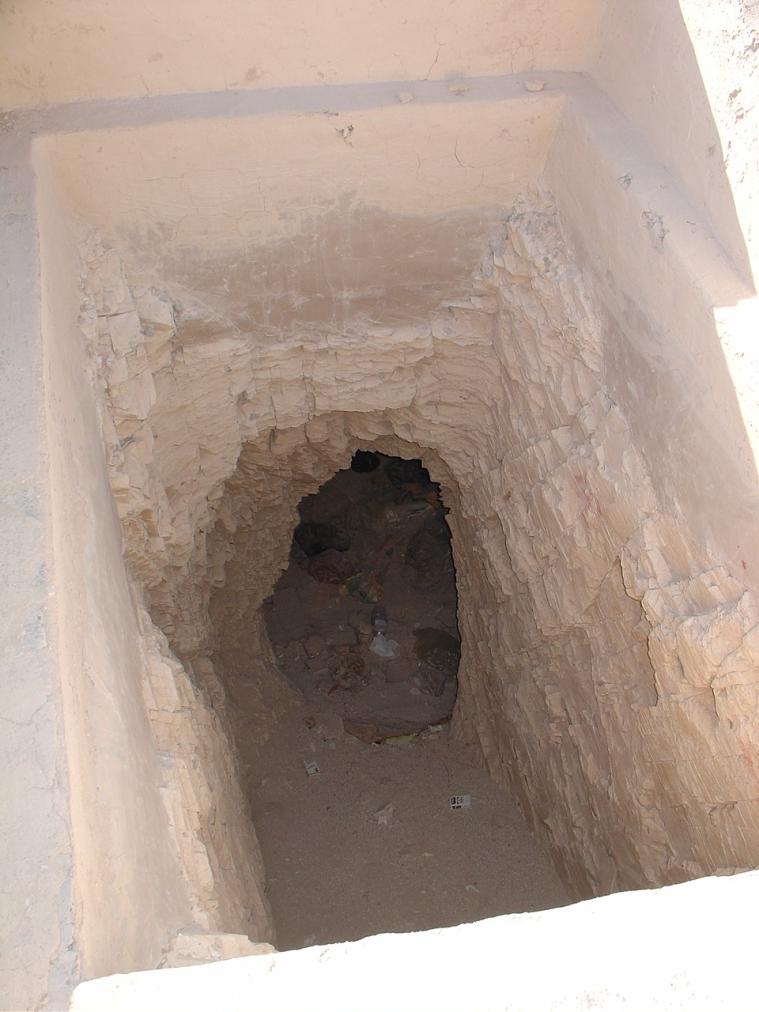
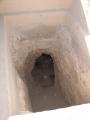
View down the shaft entrance. © Getty Conservation Institute and the Ministry of Tourism and Antiquities.
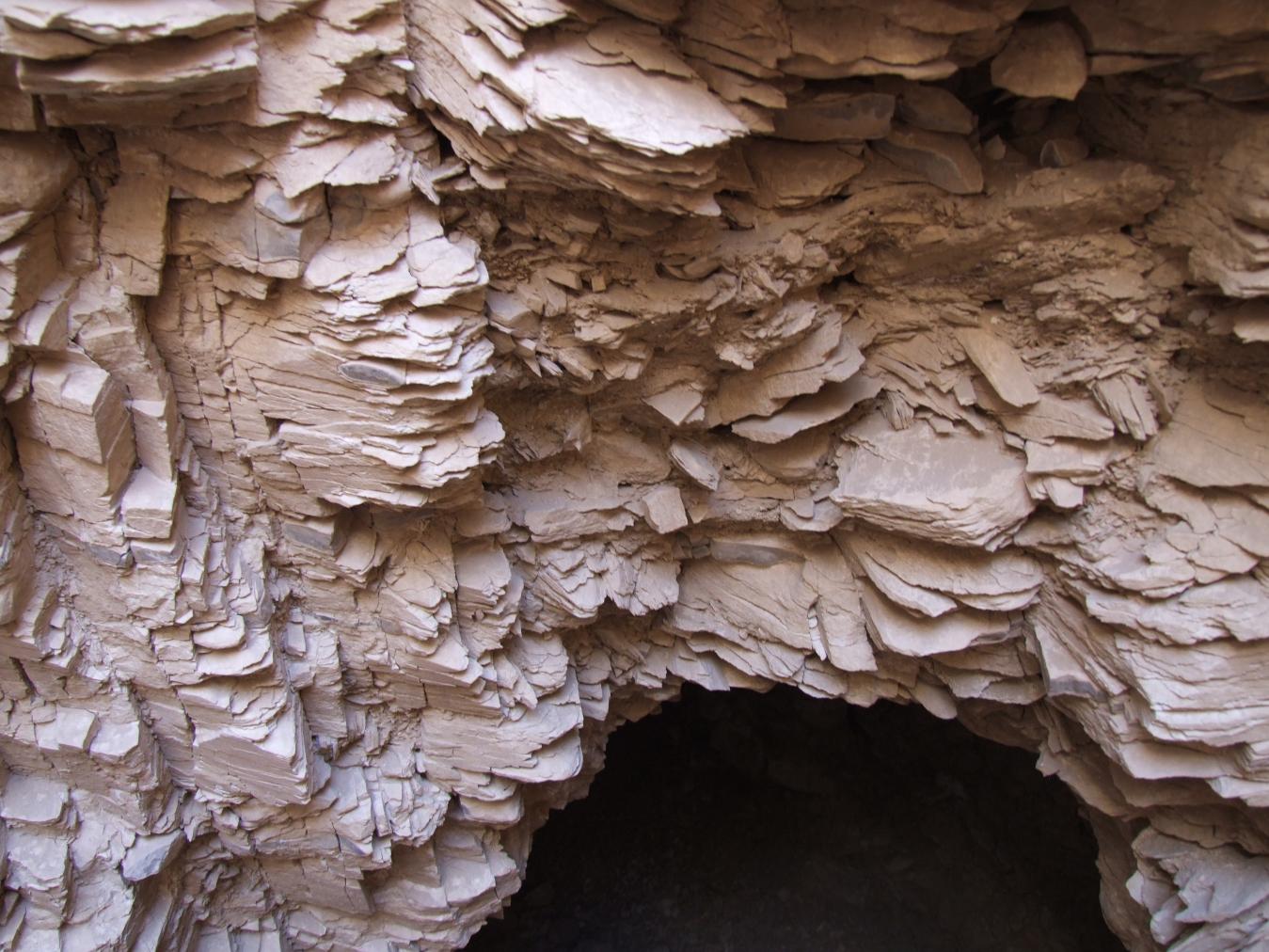
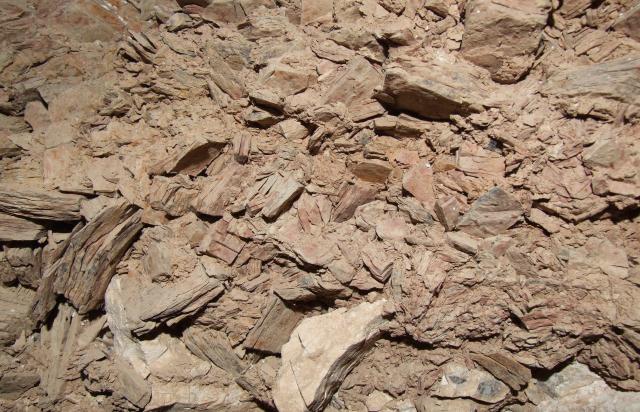
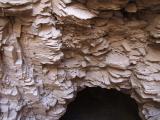
View of conglomerate above the tomb entrance. © Getty Conservation Institute and the Ministry of Tourism and Antiquities.
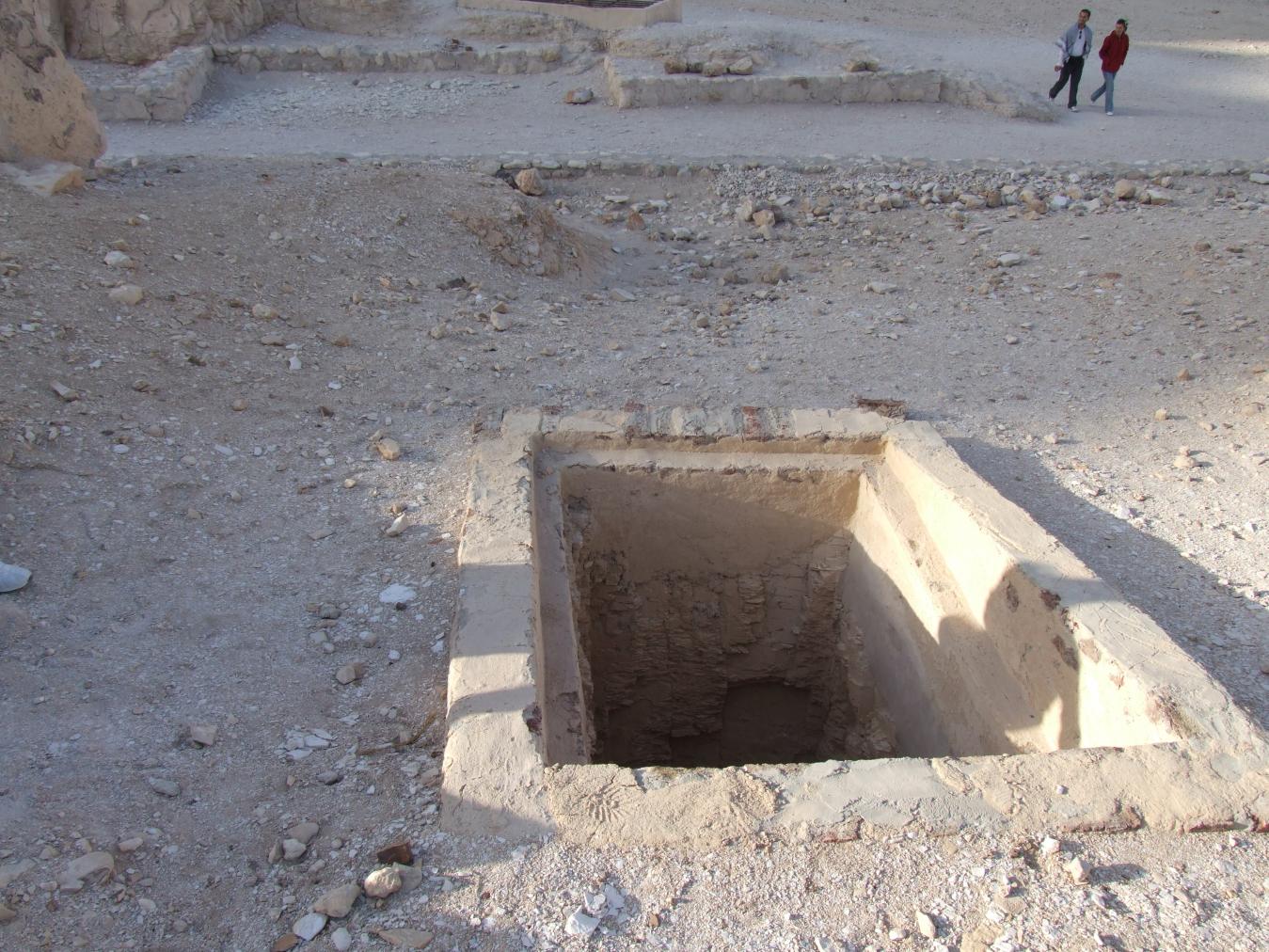
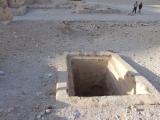
View of shaft entrance with new masonry surround. © Getty Conservation Institute and the Ministry of Tourism and Antiquities.
Chamber B
See entire tombAn irregularly shaped, roughly cut undecorated chamber with a domed roof. It is still partially filled with debris and sediment.
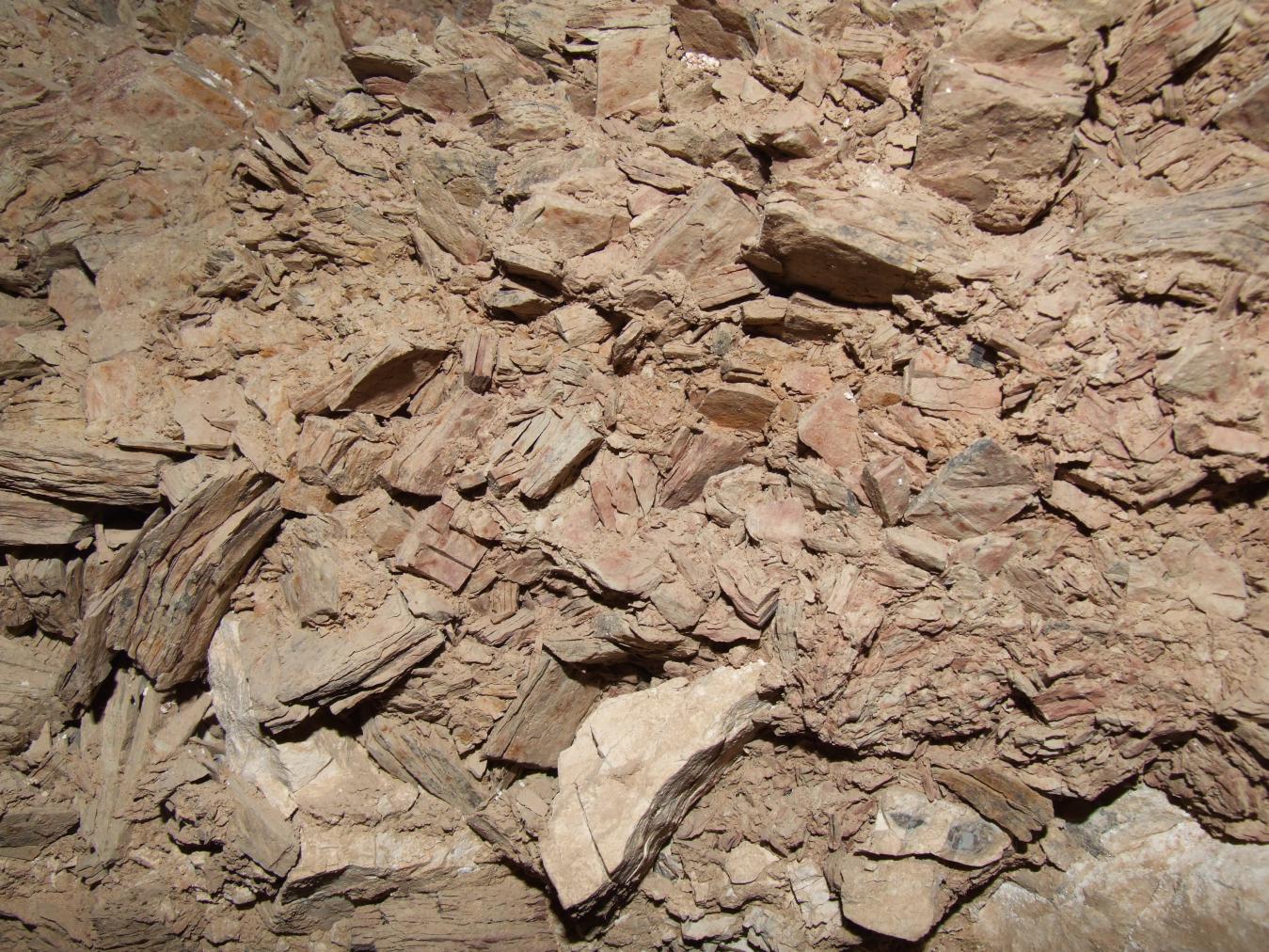
View of debris buildup on Chamber B floor. © Getty Conservation Institute and the Ministry of Tourism and Antiquities.
About
About
QV 48 has a shallow shaft (A) that opens out into a single chamber with a dome-shaped roof (B). The tomb lies on the south side of the main Wadi, between QV 26 and QV 47, a few meters from the retaining wall of the path. It is cut primarily into an area of marl. Debris and sediment still partially fill the tomb. The entrance has a cemented brick surround spanned by a metal grill.
Elizabeth Thomas (1959-60) records the tomb being almost completely filled and possibly contemporary with QV 30 and QV 47.
Noteworthy features:
The undecorated burial chamber has a domed ceiling.
Site History
The tomb was constructed in the 18th Dynasty
Dating
This site was used during the following period(s):
Exploration
Conservation
Site Condition
According to the GCI-SCA, though both the marl and shale in the tomb are highly fractured and friable, the tomb is in stable condition. At least 15 bats were seen in January 2008, retreating into an inaccessible crevice on the side of the domed ceiling. Reptilian egg membranes were attached to one area of the rock. The amount of debris in the tomb and its location on the slope suggest it has undergone a number of flooding events, resulting in the weakening of the rock and fracturing of the intercalated bands of shale and marl. Flooding was recorded in 1994. Furthermore, the tomb has relatively shallow overburden, increasing the risk of ceiling collapse.

Entrance to QV26 in foreground with view of south branch of the wadi.
Entrance to QV48
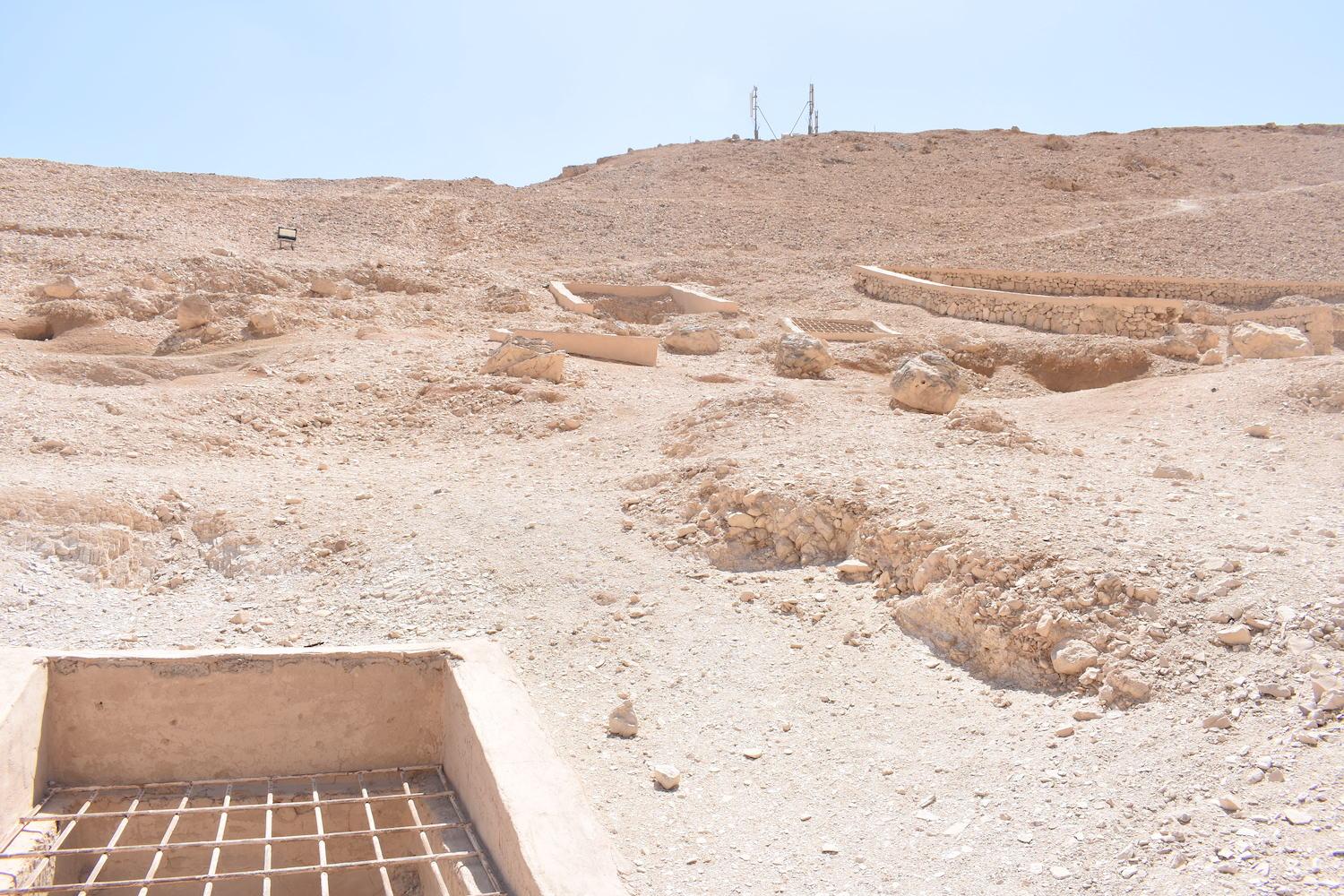
Entrance to QV48, QV30, QV32, QV31, QV29, and QV33.

Entrance to QV27, with QV48, QV26, and QV49 in background

Entrance to QV27 with QV48 and QV47 in background

QV49 and QV50 in the foreground with the southeastern side of the main wadi, southern branch, and entrance to the QV in the background.
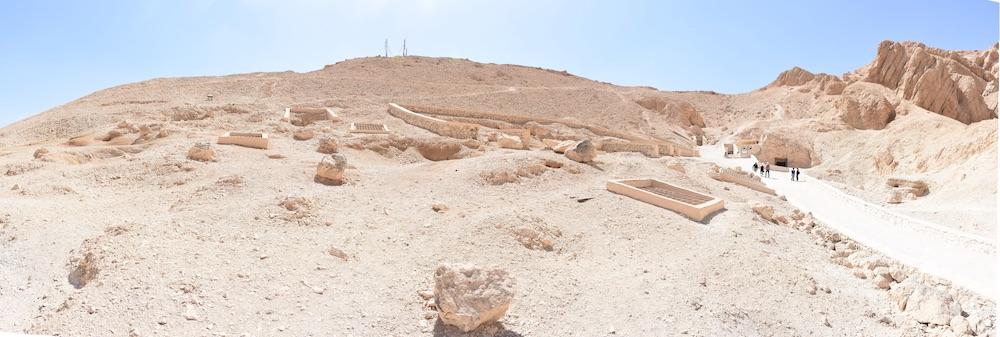
Southeastern side of the main wadi with a view of the southern branch. Entrances to QV29, QV30, QV31, QV32, QV33, QV45, QV46, QV47, and QV48
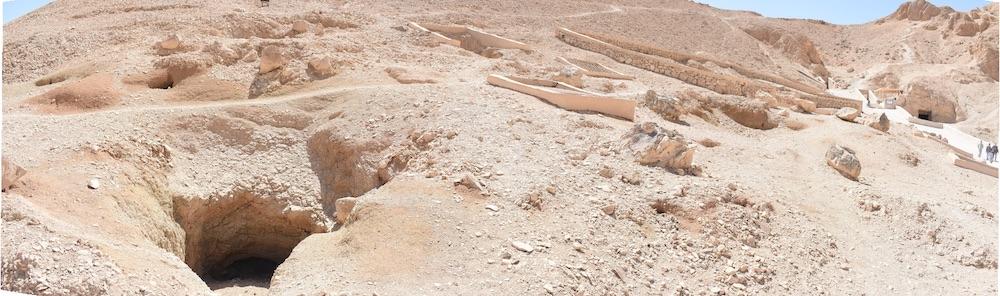
Southeastern side of the main wadi with entrances to QV26, QV27, and QV29 on the right and QV30, QV31, QV32, QV33, QV46, and QV47 on the left
Shaft entrance of QV 48. © Getty Conservation Institute and the Ministry of Tourism and Antiquities.
View down the shaft entrance. © Getty Conservation Institute and the Ministry of Tourism and Antiquities.
View of debris buildup on Chamber B floor. © Getty Conservation Institute and the Ministry of Tourism and Antiquities.
View of conglomerate above the tomb entrance. © Getty Conservation Institute and the Ministry of Tourism and Antiquities.
View of shaft entrance with new masonry surround. © Getty Conservation Institute and the Ministry of Tourism and Antiquities.



Articles
Tomb Numbering Systems in the Valley of the Queens and the Western Wadis
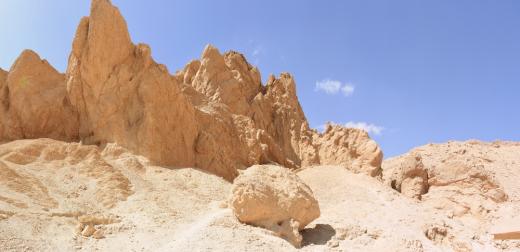
Geography and Geology of the Valley of the Queens and Western Wadis
Bibliography
Demas, Martha and Neville Agnew (eds). Valley of the Queens. Assessment Report. Los Angeles: The Getty Conservation Institute, 2012, 2016. Two vols.
Leblanc, Christian. Ta set nefrou: une nécropole de Thèbes-ouest et son histoire, 1: géographie- toponymie: historique de l'exploration scientifique du site. Cairo: Nubar Printing House, 1989.
Thomas, Elizabeth. The Royal Necropoleis of Thebes. Princeton: privately printed, 1966.