QV 62
Anonymous


Entryway A
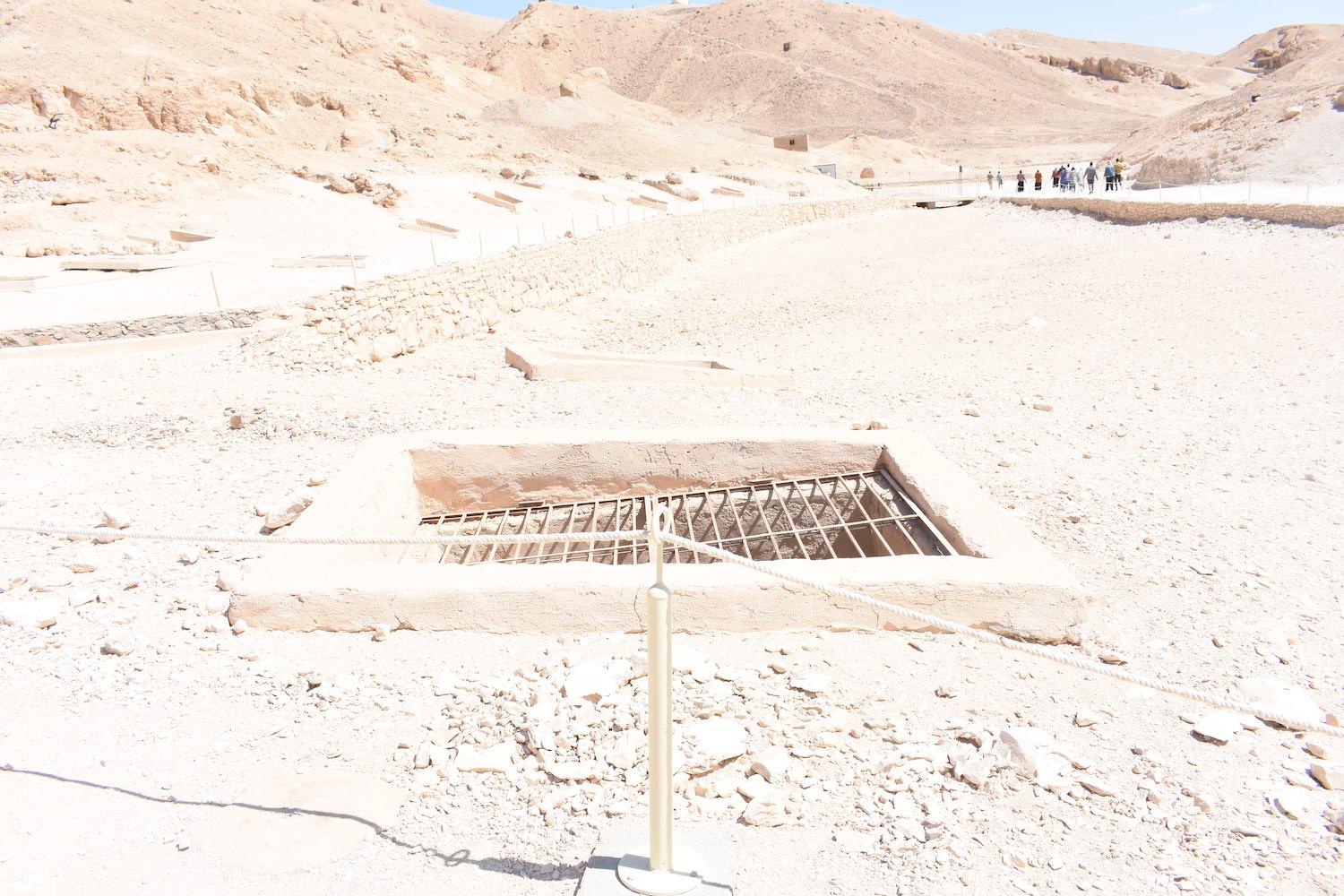
See entire tombThe shaft of the tomb is relatively deep and has a modern cemented brick surround and a metal grill with torn mesh.

Entrance to QV62
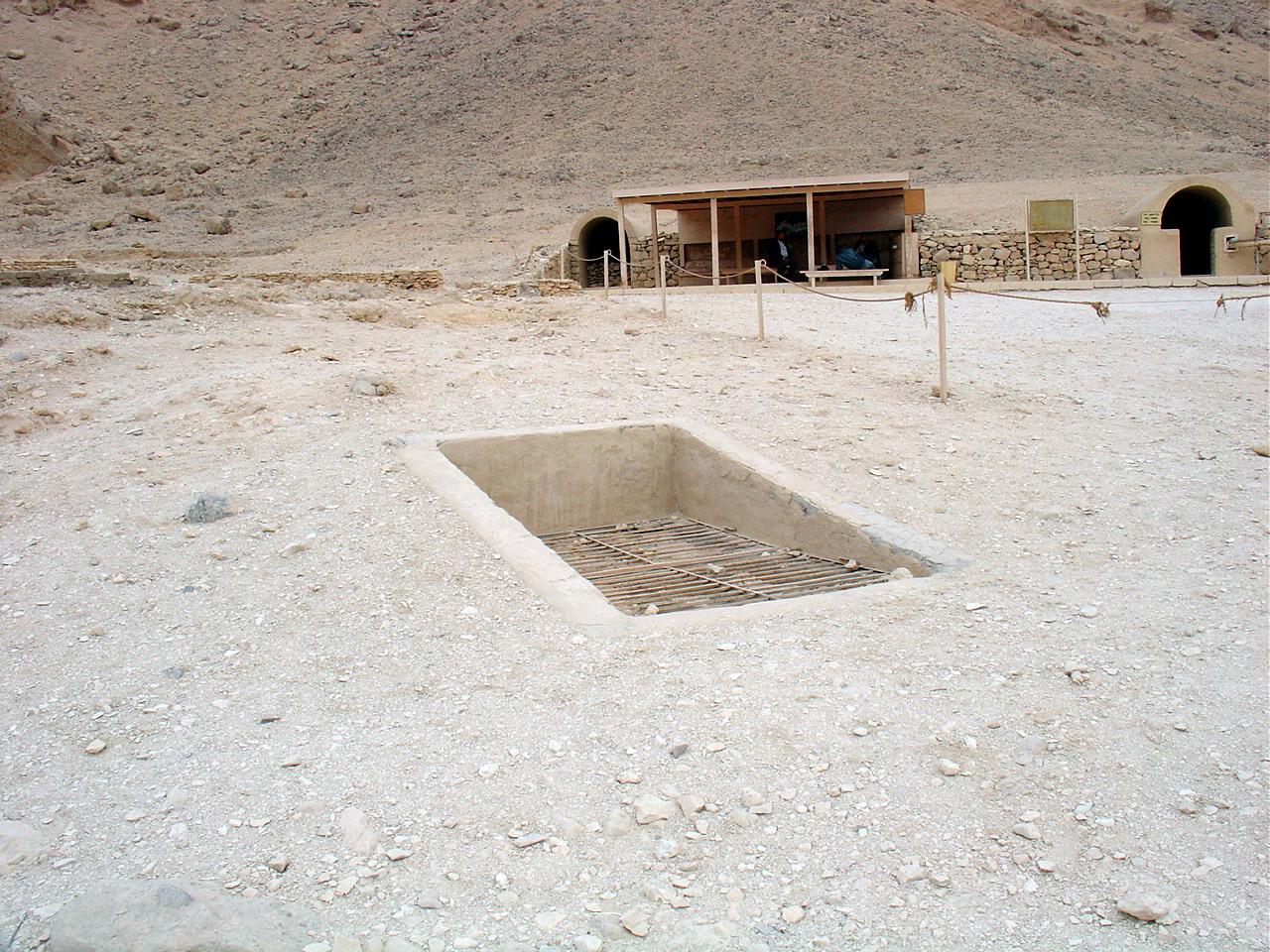
Shaft entrance of QV 62. © Getty Conservation Institute and the Ministry of Tourism and Antiquities.
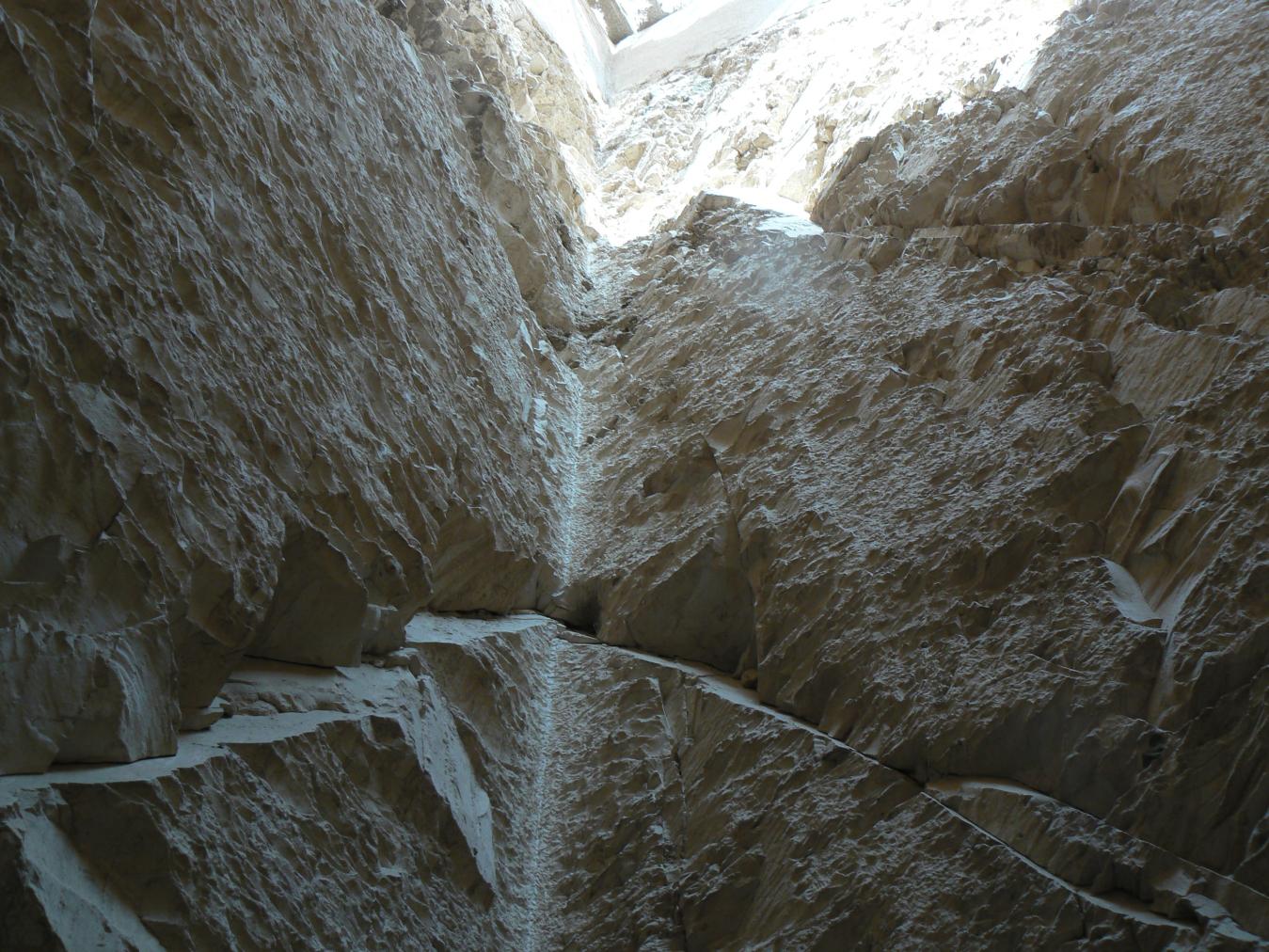
View up the shaft entrance. © Getty Conservation Institute and the Ministry of Tourism and Antiquities.

Chamber B
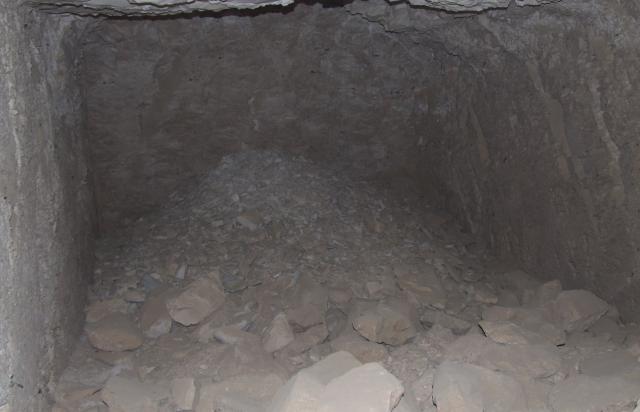
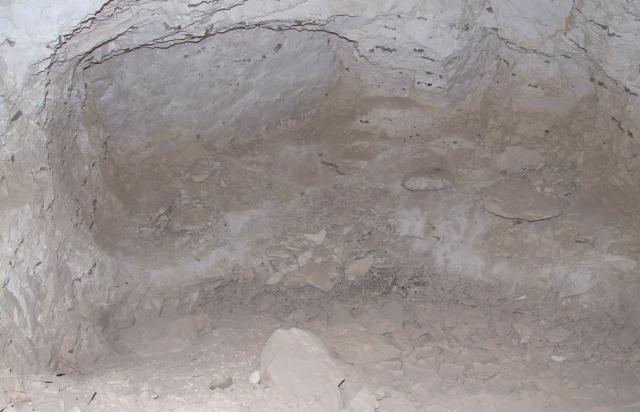
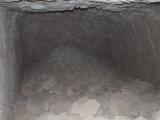
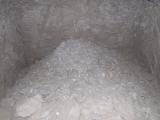
See entire tombLarge, well-cut rectangular undecorated chamber with debris and large rocks on the floor surface, possibly from the original sealing of the chamber and shaft (A). There is some evidence of flooding.
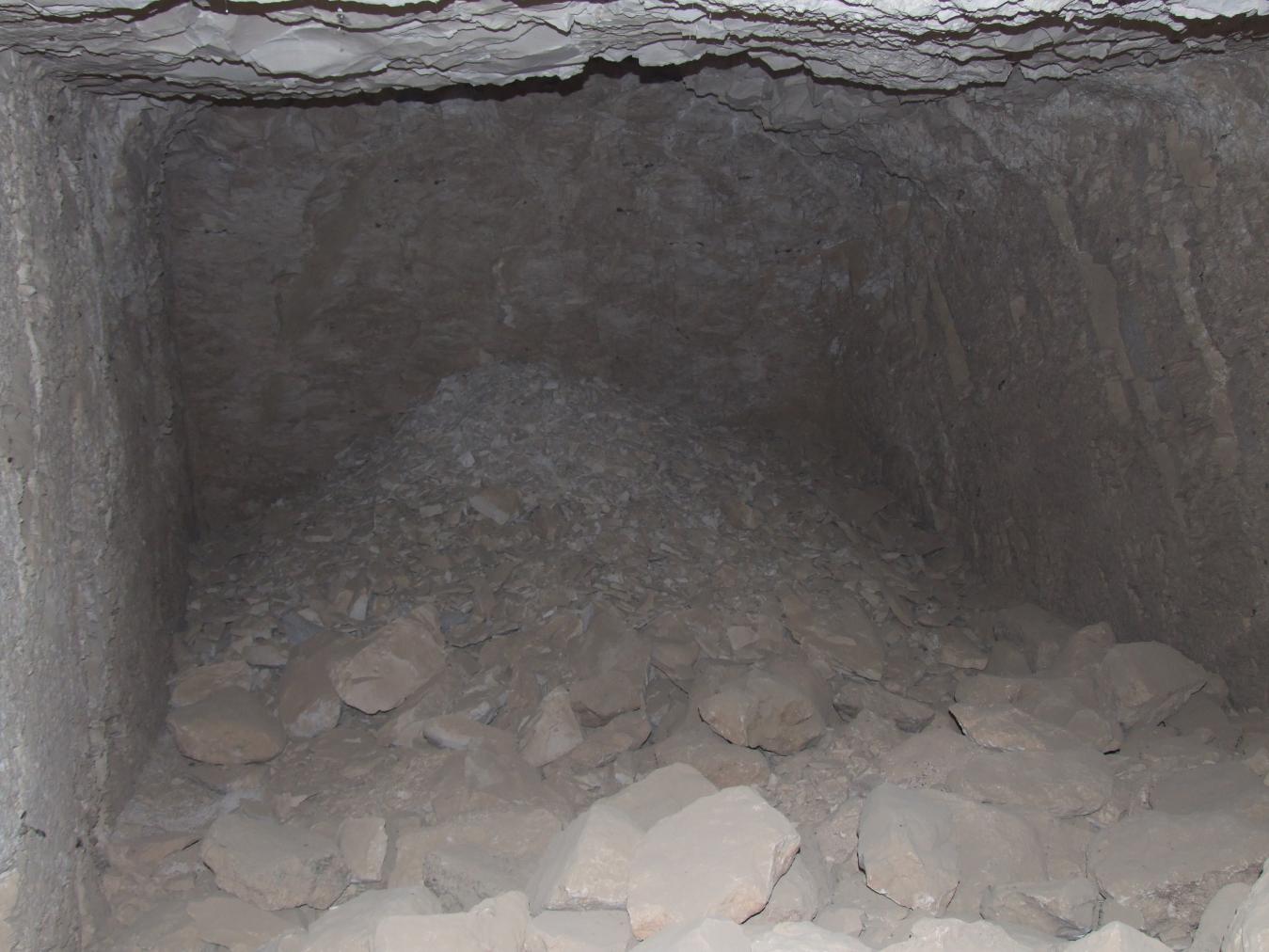
View of Chamber B with debris build up from collapsing ceiling. © Getty Conservation Institute and the Ministry of Tourism and Antiquities.
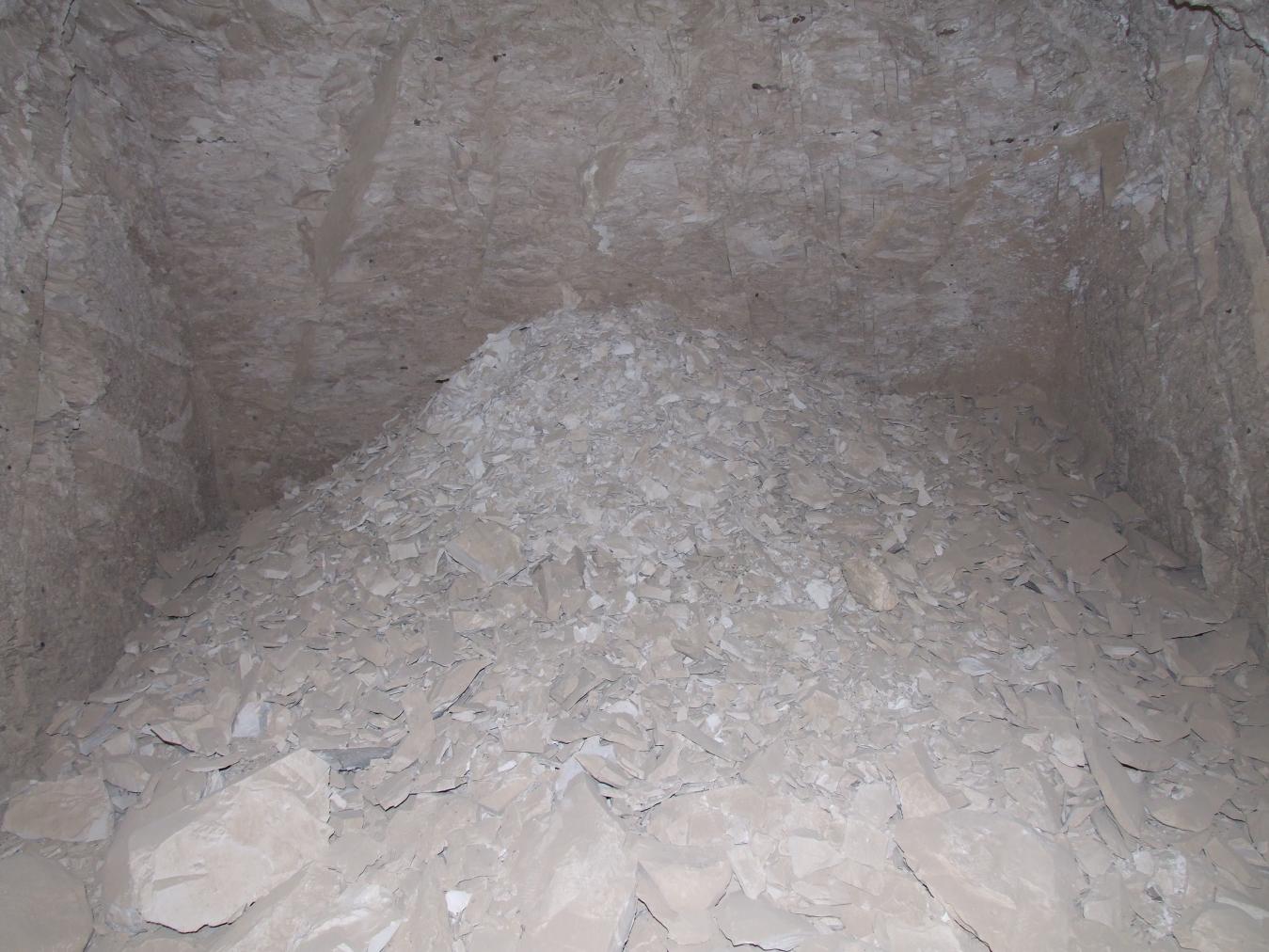
View of debris on the floor in Chamber B. © Getty Conservation Institute and the Ministry of Tourism and Antiquities.
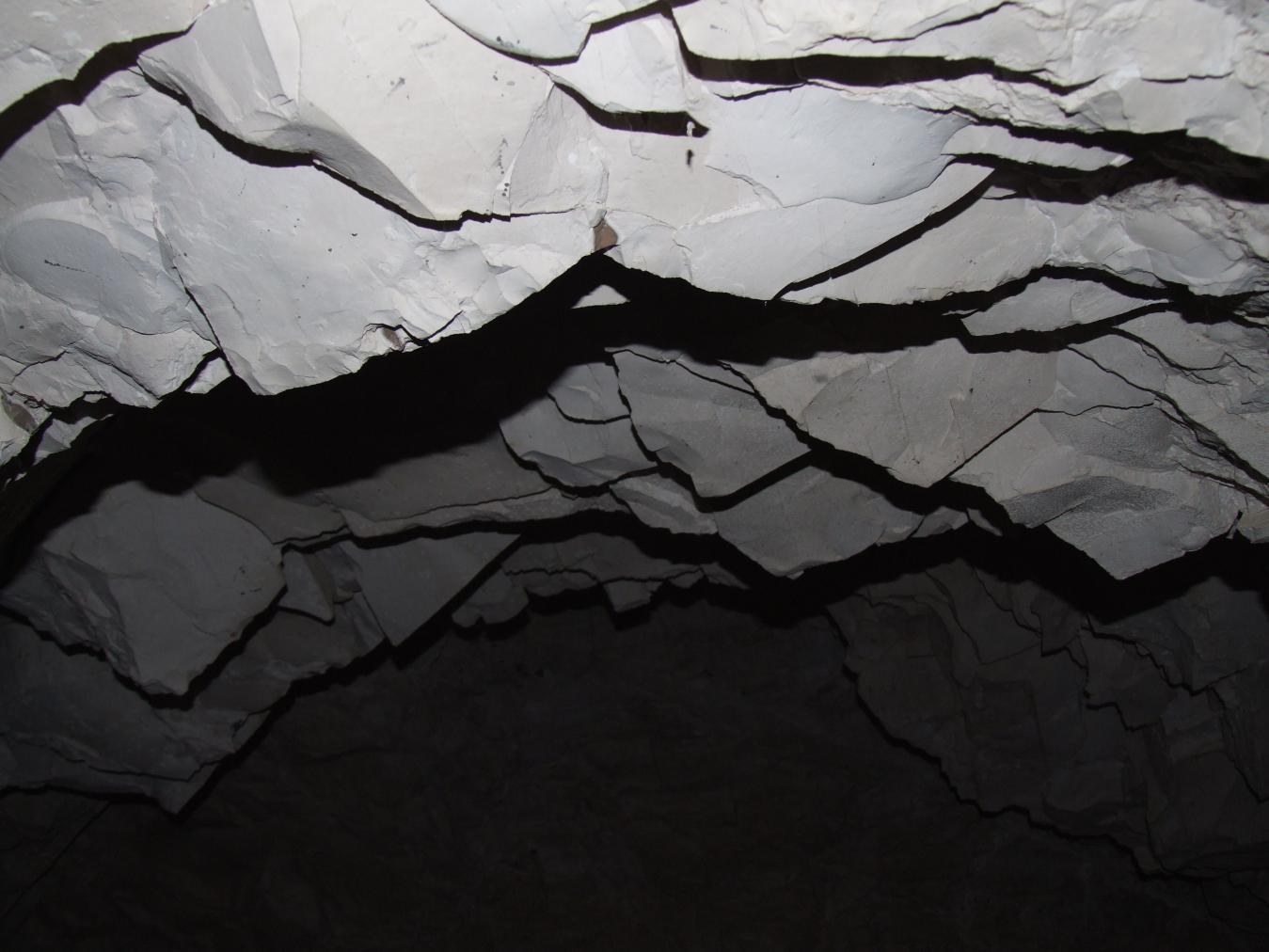
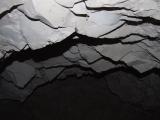
View of ceiling in Chamber B. © Getty Conservation Institute and the Ministry of Tourism and Antiquities.
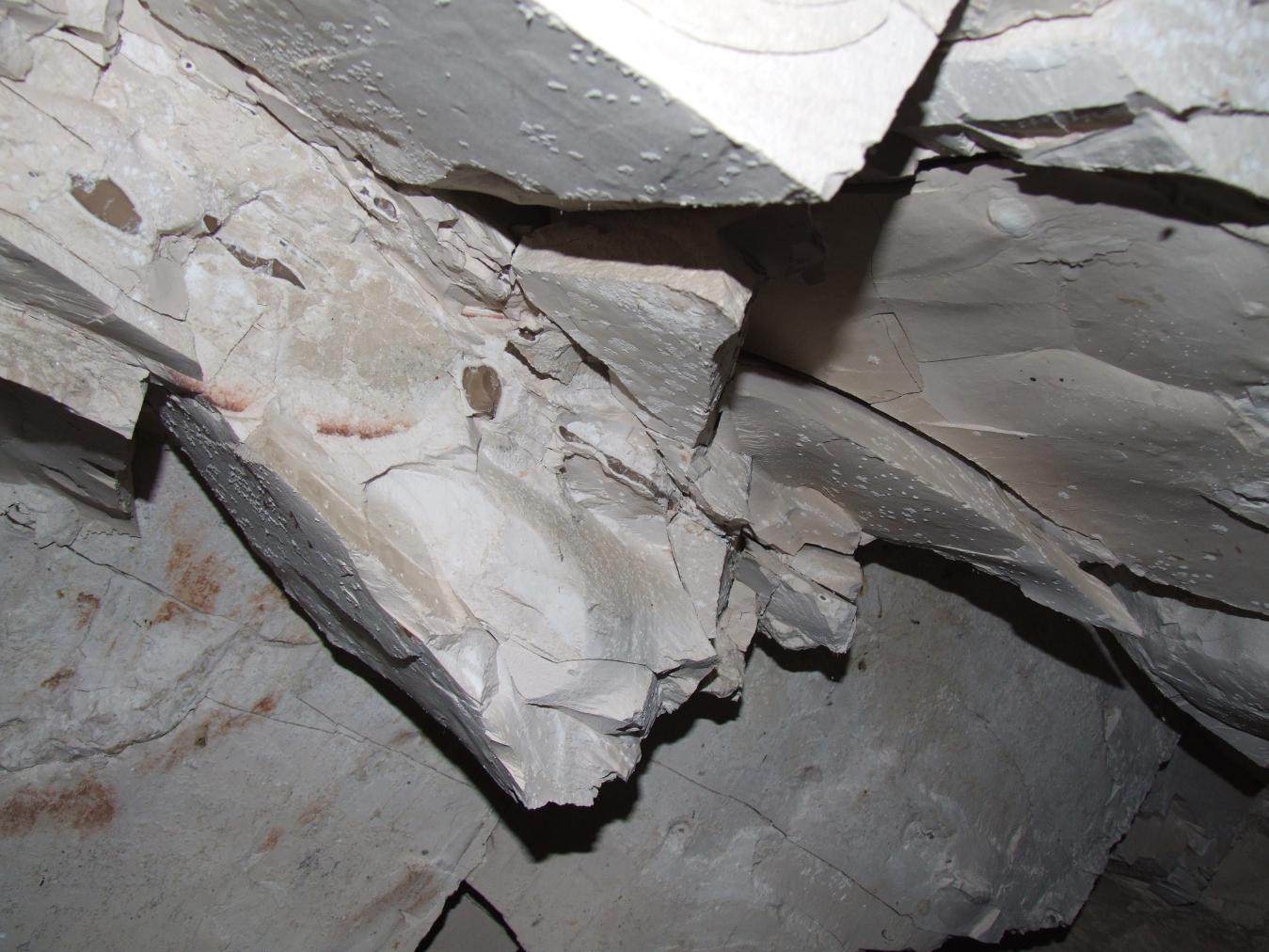
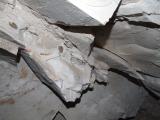
View of the ceiling in Chamber B. © Getty Conservation Institute and the Ministry of Tourism and Antiquities.
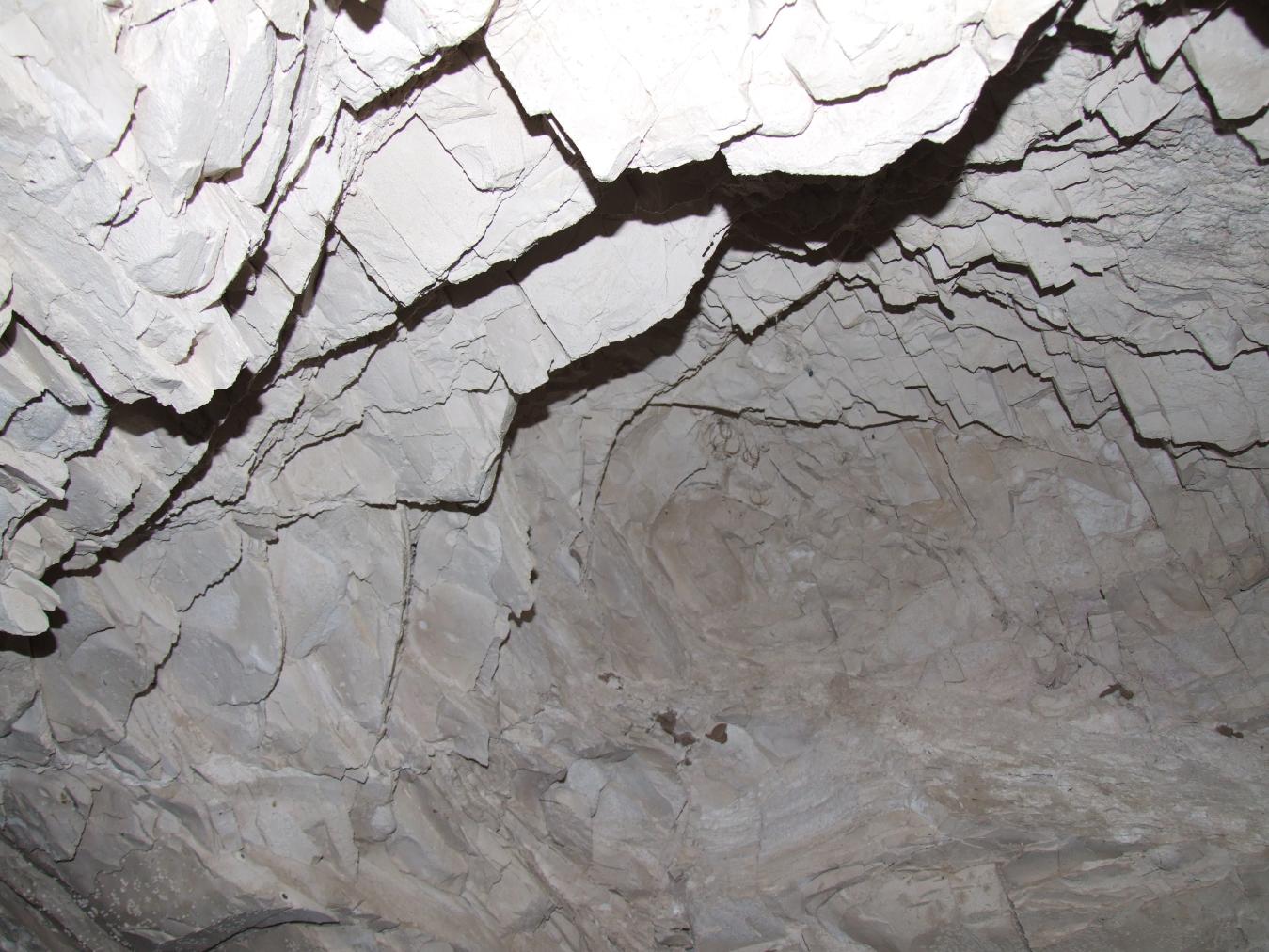
View of the ceiling in Chamber B. © Getty Conservation Institute and the Ministry of Tourism and Antiquities.
Chamber C
See entire tombA roughly cut, undecorated chamber, which is partially blocked by debris in the shaft (A). Flood damage is apparent from the dried mud on the floor surface.
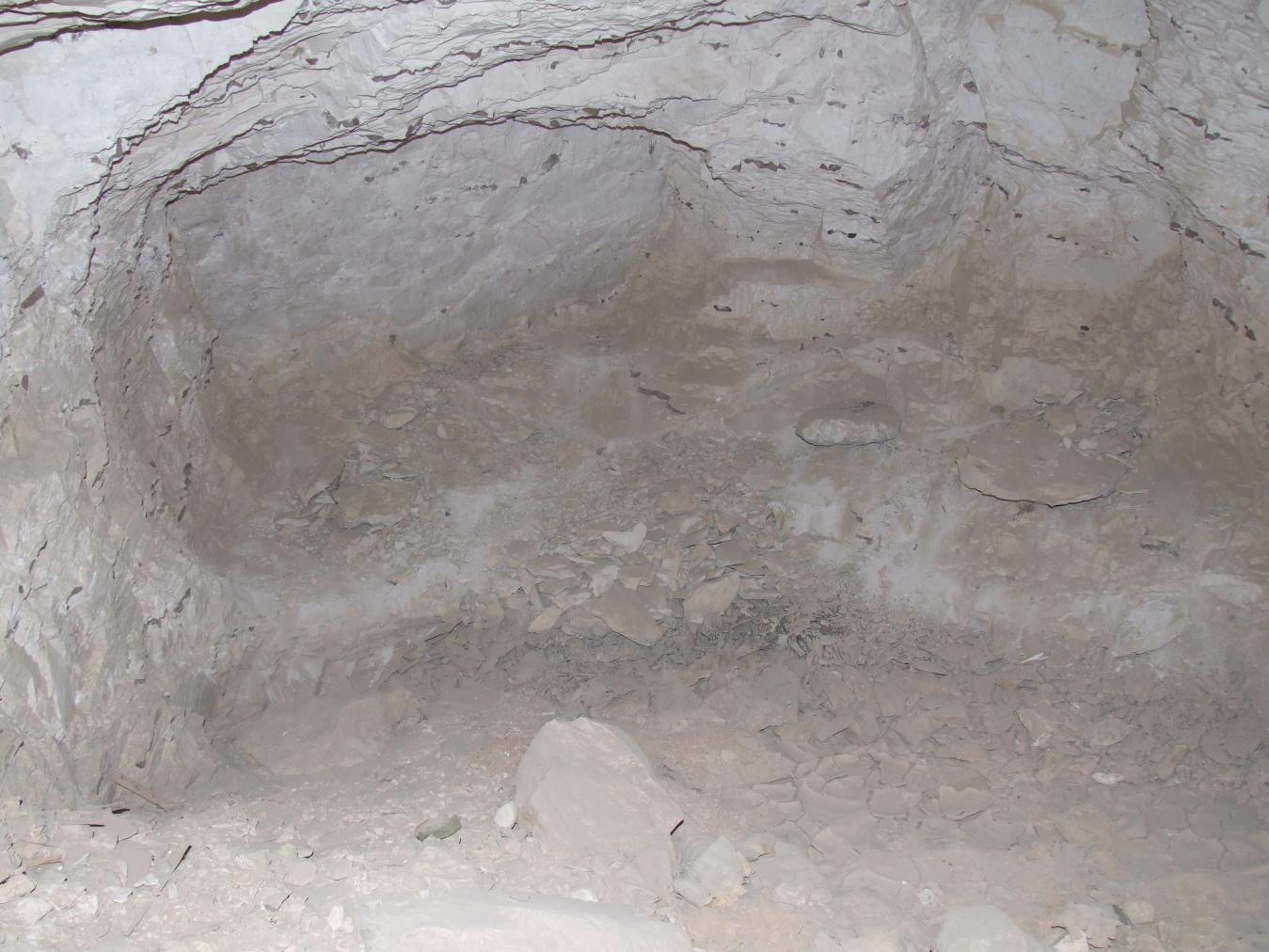
View of Chamber C from the shaft entrance. © Getty Conservation Institute and the Ministry of Tourism and Antiquities.
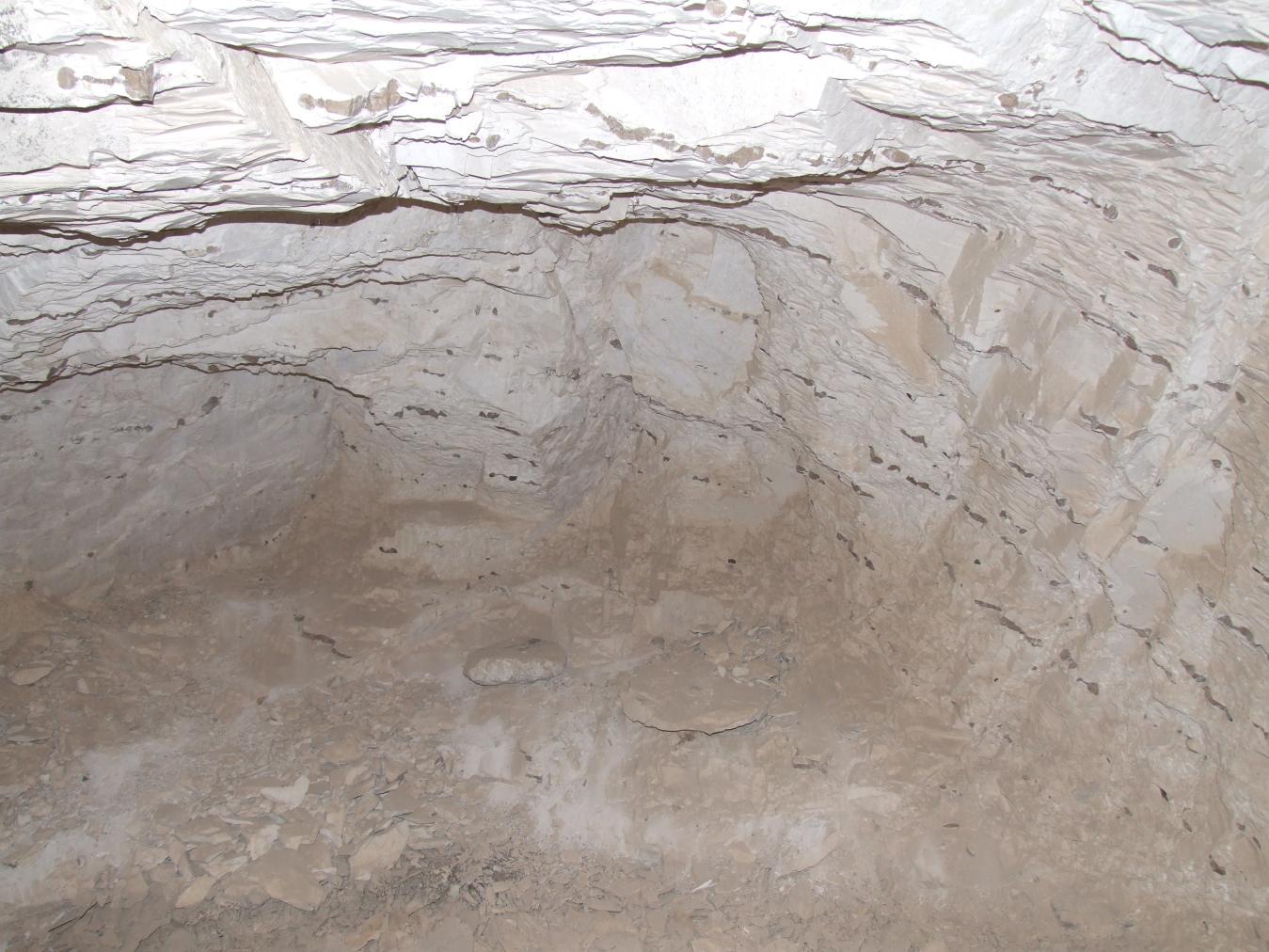
View of Chamber C from the shaft entrance. © Getty Conservation Institute and the Ministry of Tourism and Antiquities.
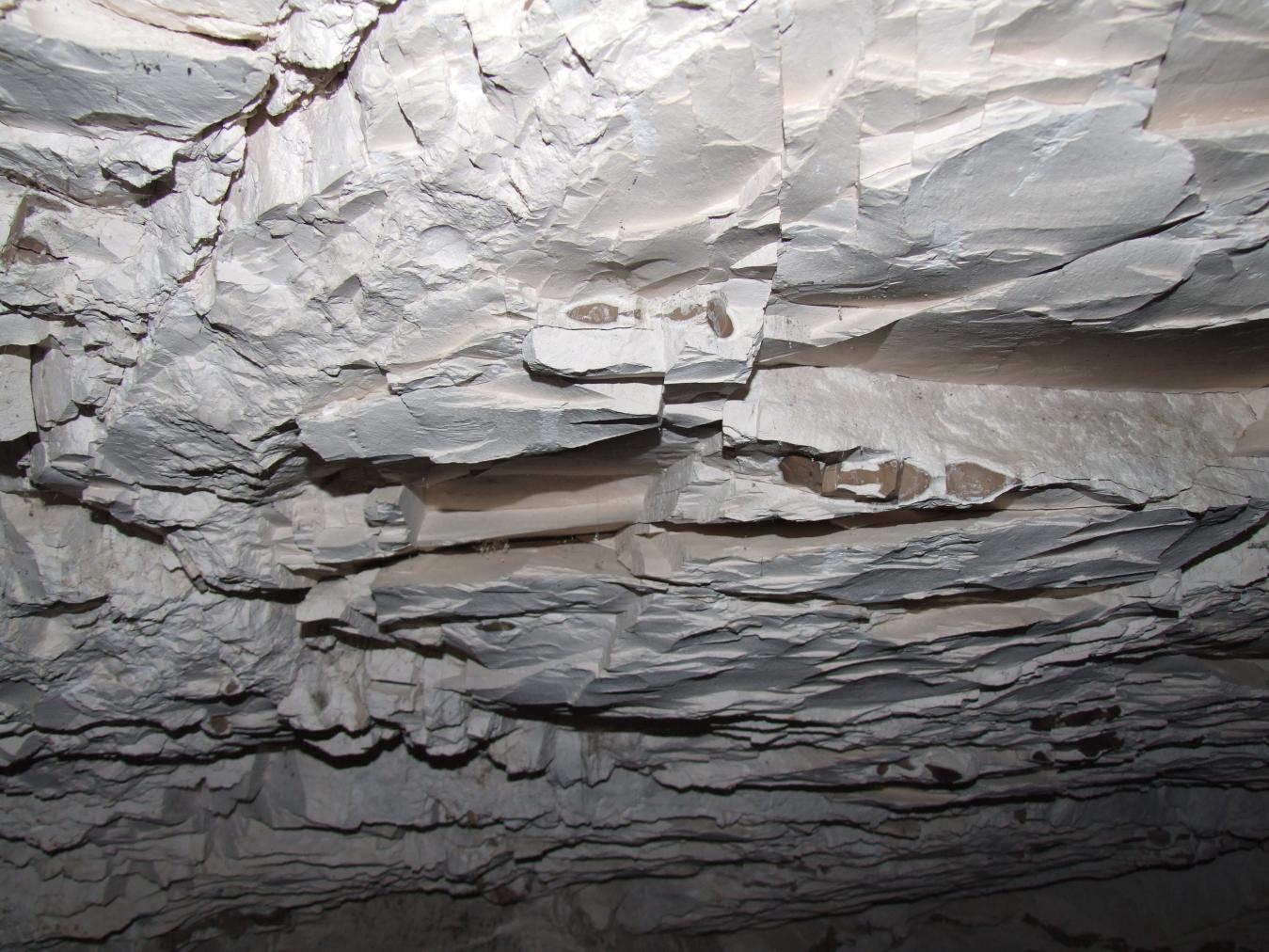
The ceiling in Chamber C. © Getty Conservation Institute and the Ministry of Tourism and Antiquities.
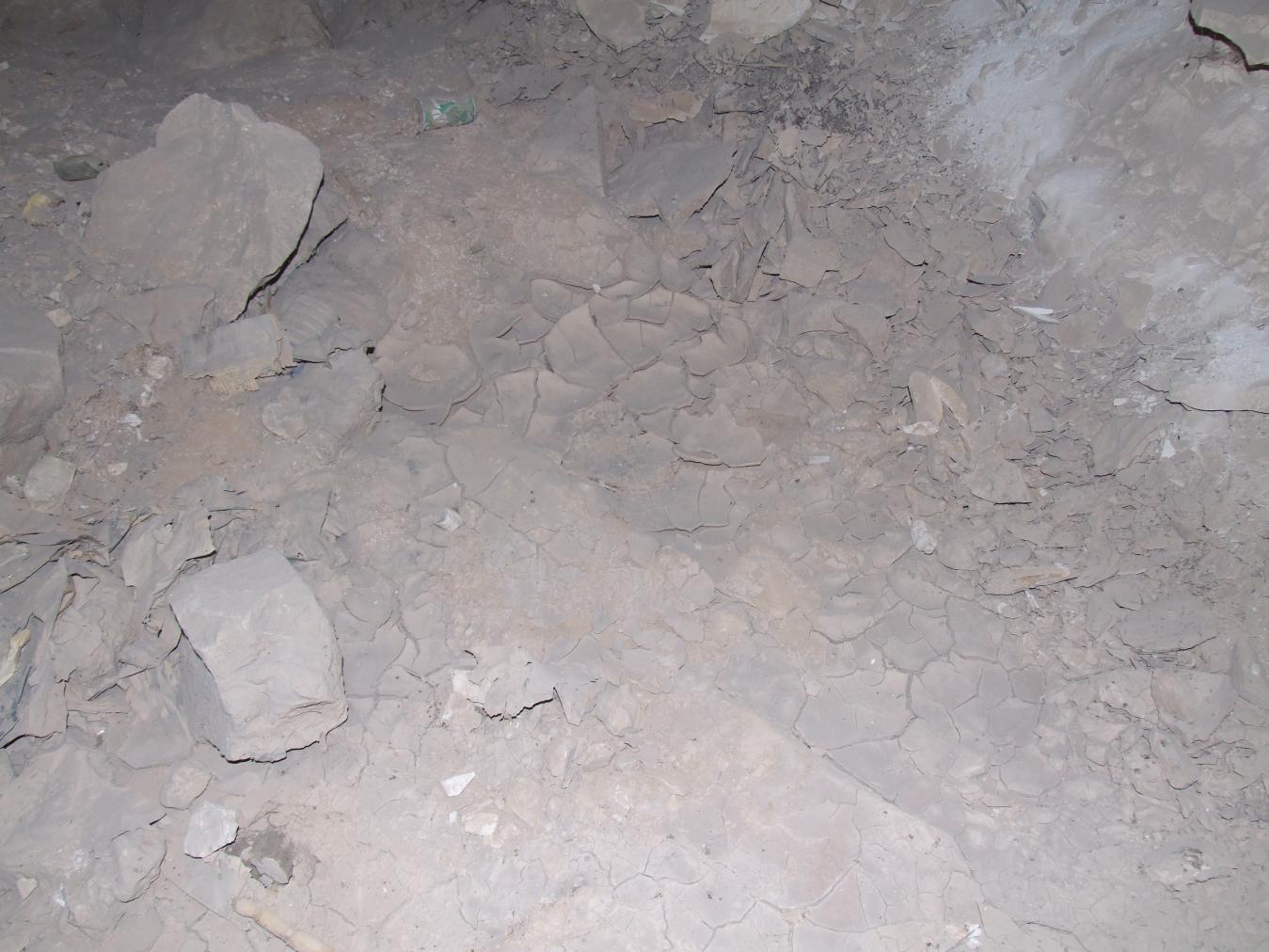
Dried cracked mud on the floor of Chamber C from past flooding. © Getty Conservation Institute and the Ministry of Tourism and Antiquities.
About
About
QV 62 is located on the north side of the main Wadi between QV 61 and QV 63. The shaft (A) is relatively deep (6m) and leads into two separate chambers on different axes (B and C). The tomb’s entrance has a modern cemented brick surround and a metal grill with torn mesh.
Elizabeth Thomas describes this tomb as being well cut in good quality rock and in pristine condition.
Site History
The tomb was constructed in the 18th Dynasty and there is no evidence of reuse.
Dating
This site was used during the following period(s):
Exploration
Conservation
Site Condition
According to the GCI-SCA, the deep shaft (A) has large open diagonal fractures and partial debris fill. The large chamber (B) is roughly 8m in length and half filled with debris and large stones, presumably from the original sealing of the chamber entrance and shaft. At the northwest end of the chamber, a large pile of fallen rock is evident on top of the dried mud. Salts are present in abundance, infilling cracks and efflorescing on surfaces. The entrance to chamber (C) is partially blocked by debris in the shaft, which spills into the chamber. The chamber is rough hewn and the ceiling is fractured with localized areas of substantial loss. The floor is covered in dried, cracked mud. Evidence of biological activity includes mud wasp nests (at chamber entrances), and extensive bat droppings. Evidence of the 1994 flood is particularly clear in chamber (C), where dried mud carpets the floor, and horizontal "high-tide" stains are visible on the walls. Dirt covering the boulders in chamber (B) and debris in the shaft also indicate flooding. Salt efflorescence is further evidence of moisture infiltration into the rock.

Entrance to QV52 in background, foreground includes entrances to QV58, QV59, QV61, QV60, QV62, and worker's huts.

Entrance to QV51, QV52, QV53, QV55, and unfinished QV85 in background with workers' huts in foreground.

Entrances of QV52, QV53, QV61, and QV62 with workers' huts. Entrance to QV52 visitors shelter at QV55 in the background.
Entrance to QV62

Visitor shelter at QV66 and entrances to QV62, QV63, and QV64 in foreground

Entrance to QV52 and visitors shelters at QV55 in background. Foreground includes coptic remnants, workers’ huts, QV58, QV59, QV60, QV61, QV62, QV85, QV80, and QV66 with visitors shelter.
Shaft entrance of QV 62. © Getty Conservation Institute and the Ministry of Tourism and Antiquities.
View up the shaft entrance. © Getty Conservation Institute and the Ministry of Tourism and Antiquities.
View of Chamber B with debris build up from collapsing ceiling. © Getty Conservation Institute and the Ministry of Tourism and Antiquities.
View of debris on the floor in Chamber B. © Getty Conservation Institute and the Ministry of Tourism and Antiquities.
View of ceiling in Chamber B. © Getty Conservation Institute and the Ministry of Tourism and Antiquities.
View of the ceiling in Chamber B. © Getty Conservation Institute and the Ministry of Tourism and Antiquities.
View of the ceiling in Chamber B. © Getty Conservation Institute and the Ministry of Tourism and Antiquities.
View of Chamber C from the shaft entrance. © Getty Conservation Institute and the Ministry of Tourism and Antiquities.
View of Chamber C from the shaft entrance. © Getty Conservation Institute and the Ministry of Tourism and Antiquities.
The ceiling in Chamber C. © Getty Conservation Institute and the Ministry of Tourism and Antiquities.
Dried cracked mud on the floor of Chamber C from past flooding. © Getty Conservation Institute and the Ministry of Tourism and Antiquities.



Articles
Tomb Numbering Systems in the Valley of the Queens and the Western Wadis
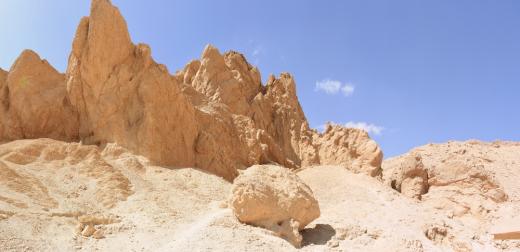
Geography and Geology of the Valley of the Queens and Western Wadis
Bibliography
CNRS mission report: Centre national de la recherche scientifique (France). Rapport d'activité 1987-1988 URA no. 1064, 1987-1988.
Demas, Martha and Neville Agnew (eds). Valley of the Queens. Assessment Report. Los Angeles: The Getty Conservation Institute, 2012, 2016. Two vols.
Leblanc, Christian. Ta set nefrou: une nécropole de Thèbes-ouest et son histoire, 1: géographie- toponymie: historique de l'exploration scientifique du site. Cairo: Nubar Printing House, 1989.
Thomas, Elizabeth. The Royal Necropoleis of Thebes. Princeton: privately printed, 1966.