QV 8
Prince Hori

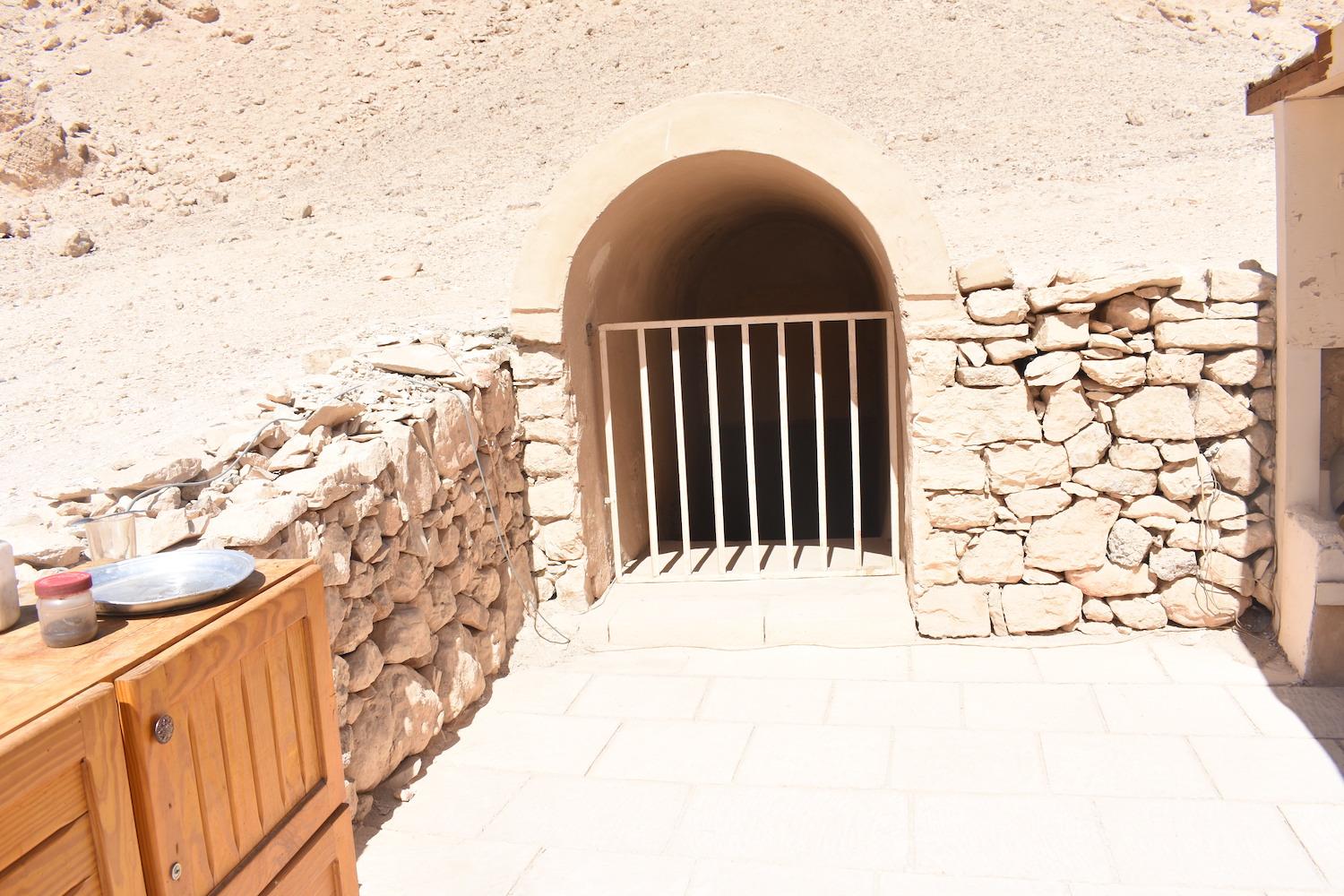
Entryway A
See entire tombThe shaft entryway has a modern masonry surround with cement plaster spanned by a metal grill.
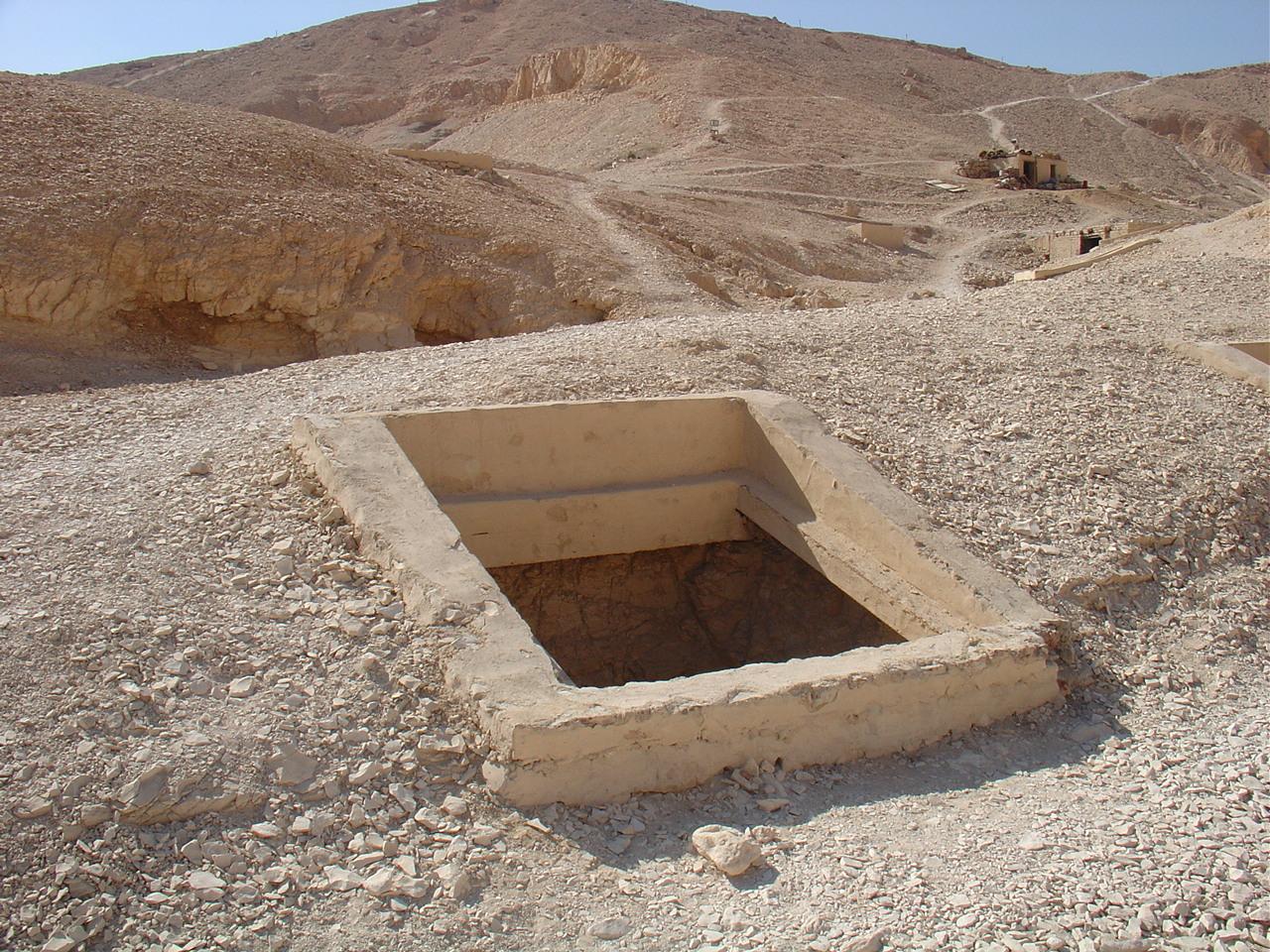
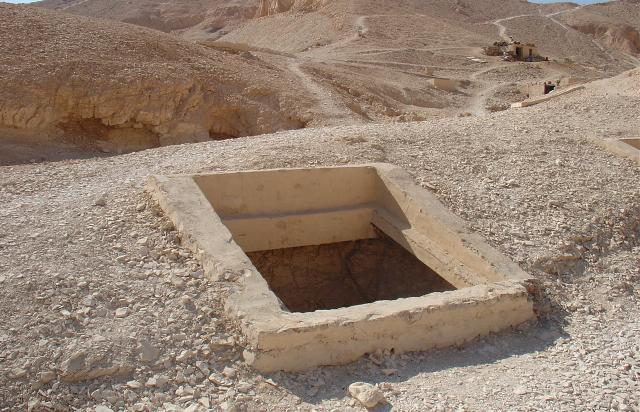
Shaft entrance of QV 8 without metal grill. © Getty Conservation Institute and the Ministry of Tourism and Antiquities.
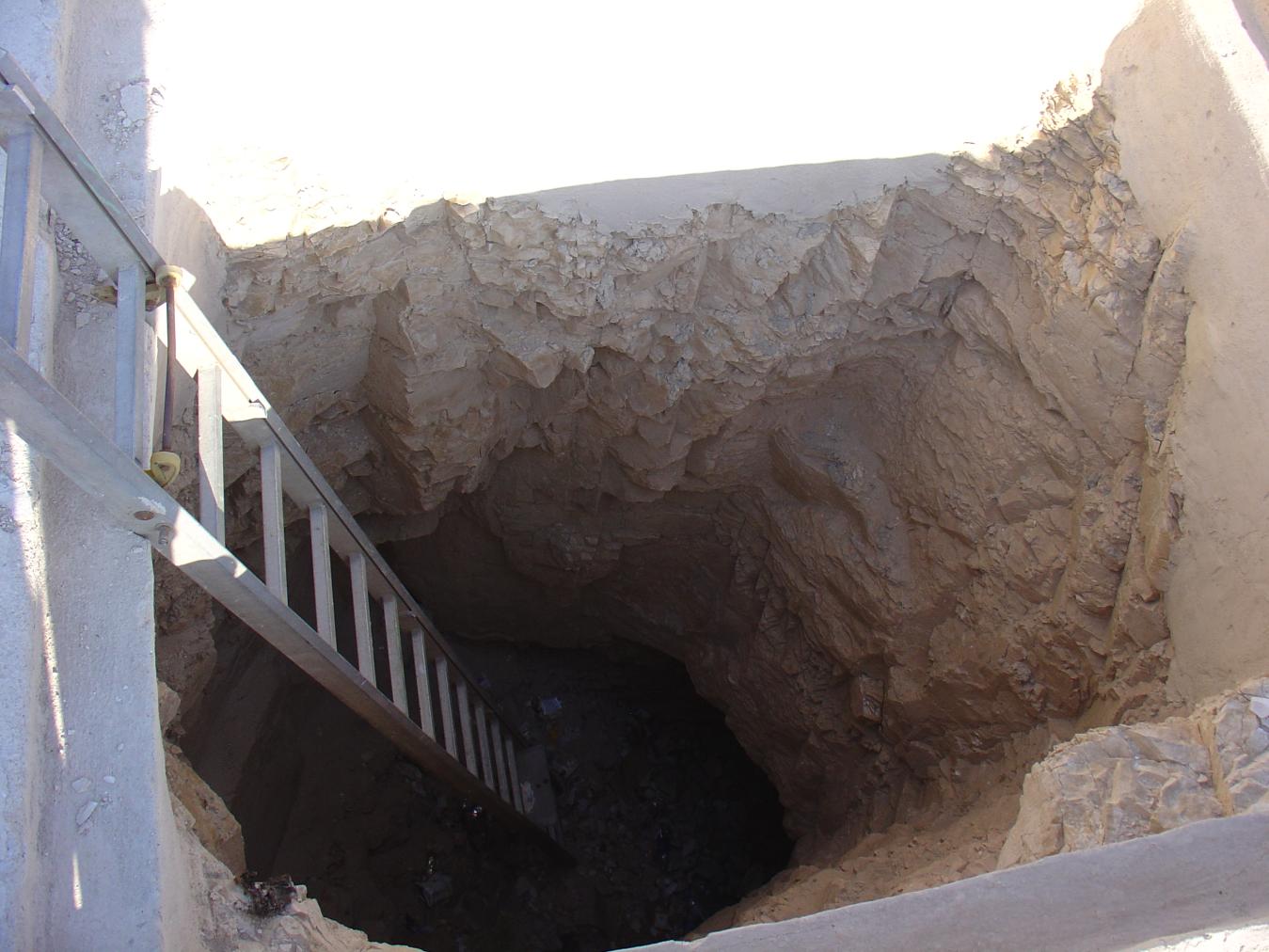
View down shaft entrance. © Getty Conservation Institute and the Ministry of Tourism and Antiquities.
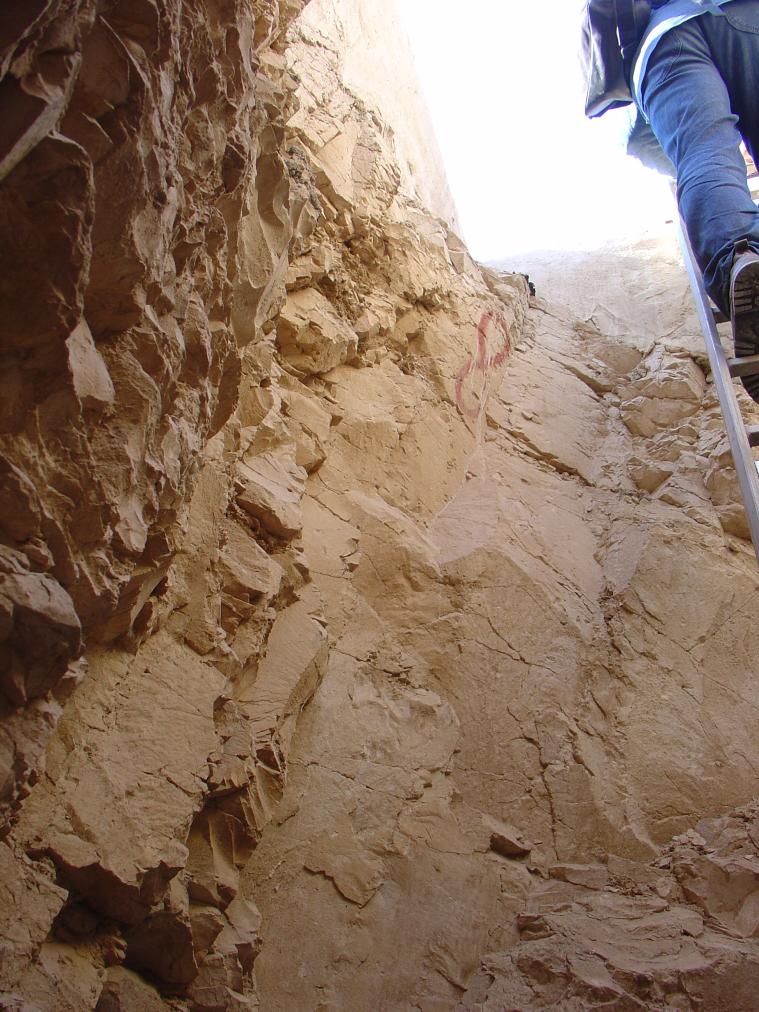
View up shaft entrance with tomb number in red paint. © Getty Conservation Institute and the Ministry of Tourism and Antiquities.
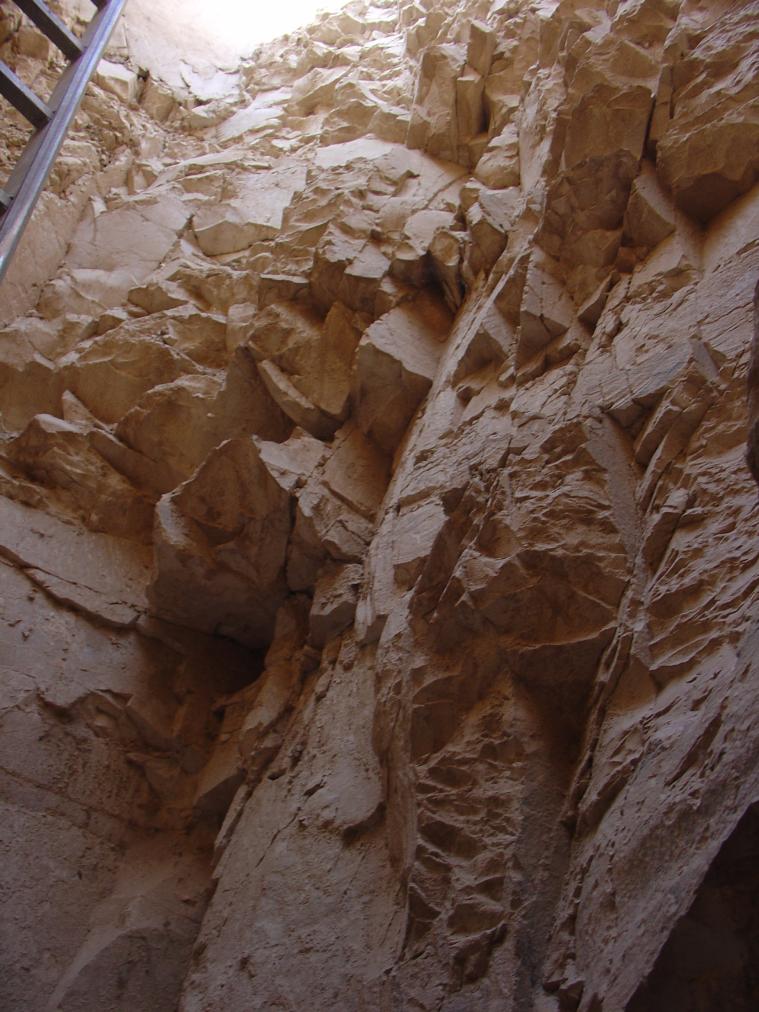
View up shaft entrance with tomb number in red paint. © Getty Conservation Institute and the Ministry of Tourism and Antiquities.
Burial chamber B
See entire tombA large, undecorated and well cut burial chamber.
Chamber plan:
RectangularRelationship to main tomb axis:
ParallelChamber layout:
Flat floor, no pillarsFloor:
One levelCeiling:
Flat
About
About
QV 8 lies on the south side of the main Wadi, between the paved path and the higher footpath to the south. The tomb has one chamber (B) and the shaft (A) has a modern masonry surround with cement plaster spanned by a metal grill. The tomb contains no decoration.
QV 8 was not fully cleared when the TMP survey was undertaken in 1981. From 1984-85, the Franco-Egyptian Mission systematically excavated the tomb and attributed it to Hori, a prince of the 18th Dynasty, as well as two other 18th Dynasty individuals, an anonymous princess and an individual named Amenwesekhet. The finds from the tomb also indicated that it had been reused in the Late Period (25th-26th Dynasties). The last clearing of the tomb was conducted by the CNRS and SCA in December 2010.
Site History
The tomb was constructed in the 18th Dynasty and was reused in the Late period (25th-26th Dynasties).
Dating
This site was used during the following period(s):
Exploration
Conservation
Site Condition
According to the GCI-SCA, the tomb generally appears stable. Its shaft (A) and chamber (B) ceiling are marl, and the walls and floor of the chamber are cut into shale that appears to be of a higher quality than that found in adjacent tombs QV 3, QV 4, QV 7, and QV 81. Trash had accumulated at base of shaft and was removed in 2007. The tomb opening is susceptible to flooding, endangering the shale of the main chamber.
Hieroglyphs
Prince Hori
 King's son Hori
sA-nswt Hri

General view of the main wadi, old electricity building, and entrances to QV4, QV5, QV6, QV7, QV8, QV9, QV10, QV11, QV12, and QV14.
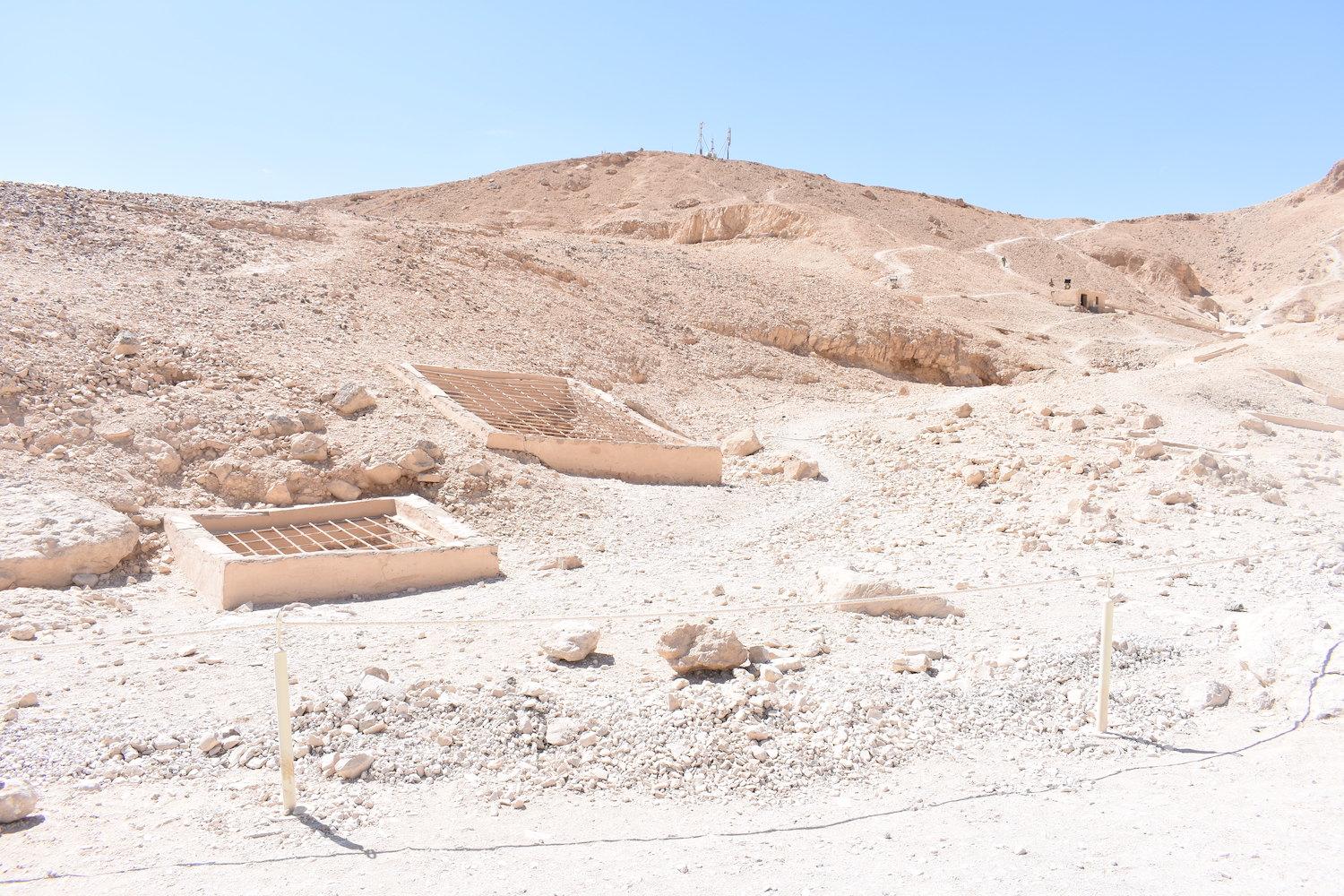
Entrances to QV5, QV6, QV7, QV8, QV9, and QV13.

Part of entrance to QV5 and entrances to QV6, QV7, QV8, QV9, QV10, QV11, and QV12.

Entrances of QV3, QV5, QV6, QV7, QV8, QV9, and QV81.

Entrances of QV8, QV9, and QV10.

View of the southeastern side of the main wadi with entrances to QV7, QV8, QV9, QV10, QV11, QV12, QV13, QV14, and QV17
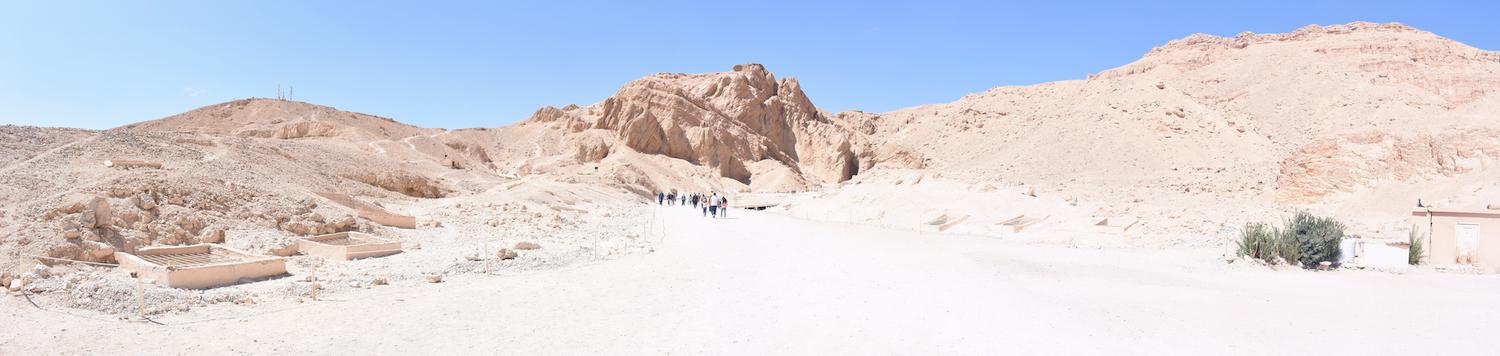
View up the main wadi. Entrances of QV3, QV5, QV6, QV7, QV8, QV9, QV10, QV11, QV12, and QV14 on the left. Entrances to QV76, QV77, QV78, QV79, QV81, and QV83 on the right.
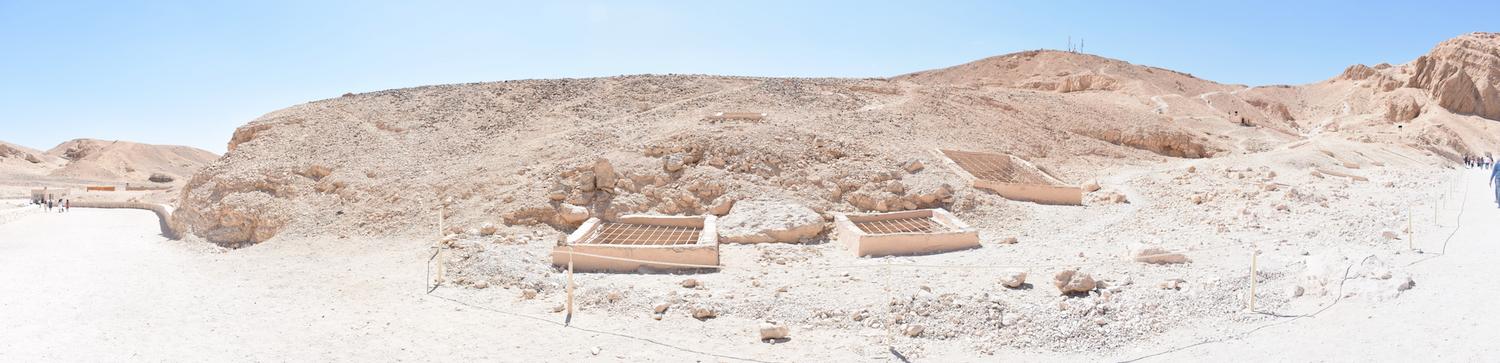
Main path and security check at entrance to QV with view of the southeastern side of the main wadi. Entrances to QV3, QV5, QV6, QV7, QV8, QV9, QV10, QV11, QV12, QV13, and QV 81.
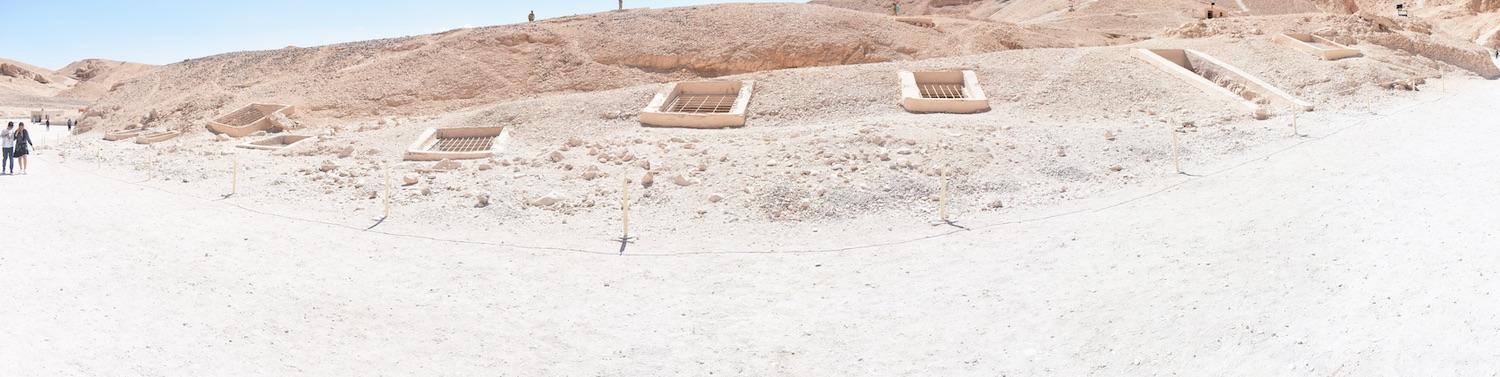
Southeastern side of the main wadi with entrances to QV3, QV5, QV6, QV7, QV8, QV9, QV10, QV11, QV12, QV13, and QV81.
Shaft entrance of QV 8 without metal grill. © Getty Conservation Institute and the Ministry of Tourism and Antiquities.
View down shaft entrance. © Getty Conservation Institute and the Ministry of Tourism and Antiquities.
View up shaft entrance with tomb number in red paint. © Getty Conservation Institute and the Ministry of Tourism and Antiquities.
View up shaft entrance with tomb number in red paint. © Getty Conservation Institute and the Ministry of Tourism and Antiquities.






Articles
Tomb Numbering Systems in the Valley of the Queens and the Western Wadis
Geography and Geology of the Valley of the Queens and Western Wadis
Bibliography
Aston, D.A. The Theban West Bank from the Twenty-fifth Dynasty to the Ptolemaic Period. In: Nigel Strudwick, and John H. Taylor (Eds.). The Theban Necropolis: Past, Present and Future. London: British Museum, 2003: 138- 63.
Aston, David. Burial Assemblages of Dynasty 21-25. Chronology – Typology – Developments. Denkschriften der Gesamtakademie 54 = Contributions to the Chronology of the Eastern Mediterranean 21. Wien: Verlag der Österreichischen Akademie der Wissenschaften, 2009.
CNRS mission report: Centre national de la recherche scientifique. Rapport d'activité 1988/1989 and1989/1990 URA no. 1064. Recherches sur les nécropoles thébaines et le Ramésseum; Publication des temples de la Nubie, 1988.
Demas, Martha and Neville Agnew (eds). Valley of the Queens. Assessment Report. Los Angeles: The Getty Conservation Institute, 2012, 2016. Two vols.
Franco, Isabelle. Fragments de «Livre des Morts» sur toile: découverts dans la Vallée des Reines. Bulletin de l'Institut français d'archéologie orientale 88 (1988): 71-82.
Macke, André, Christiane Macke-Ribet, Christian Leblanc, and Jacques Connan. Ta set neferou: une necropole de Thebes-Ouest et son histoire: momification, chimie des baumes, anthropologie, paléopathologie. Vol. 5. Cairo: Nubar Printing House, 2002.
Thomas, Elizabeth. The Royal Necropoleis of Thebes. Princeton: privately printed, 1966.