

QV 26
Anonymous


Entryway A
See entire tombThe shaft entrance has a modern cemented brick surround spanned by a metal grill.

Entrance to QV26
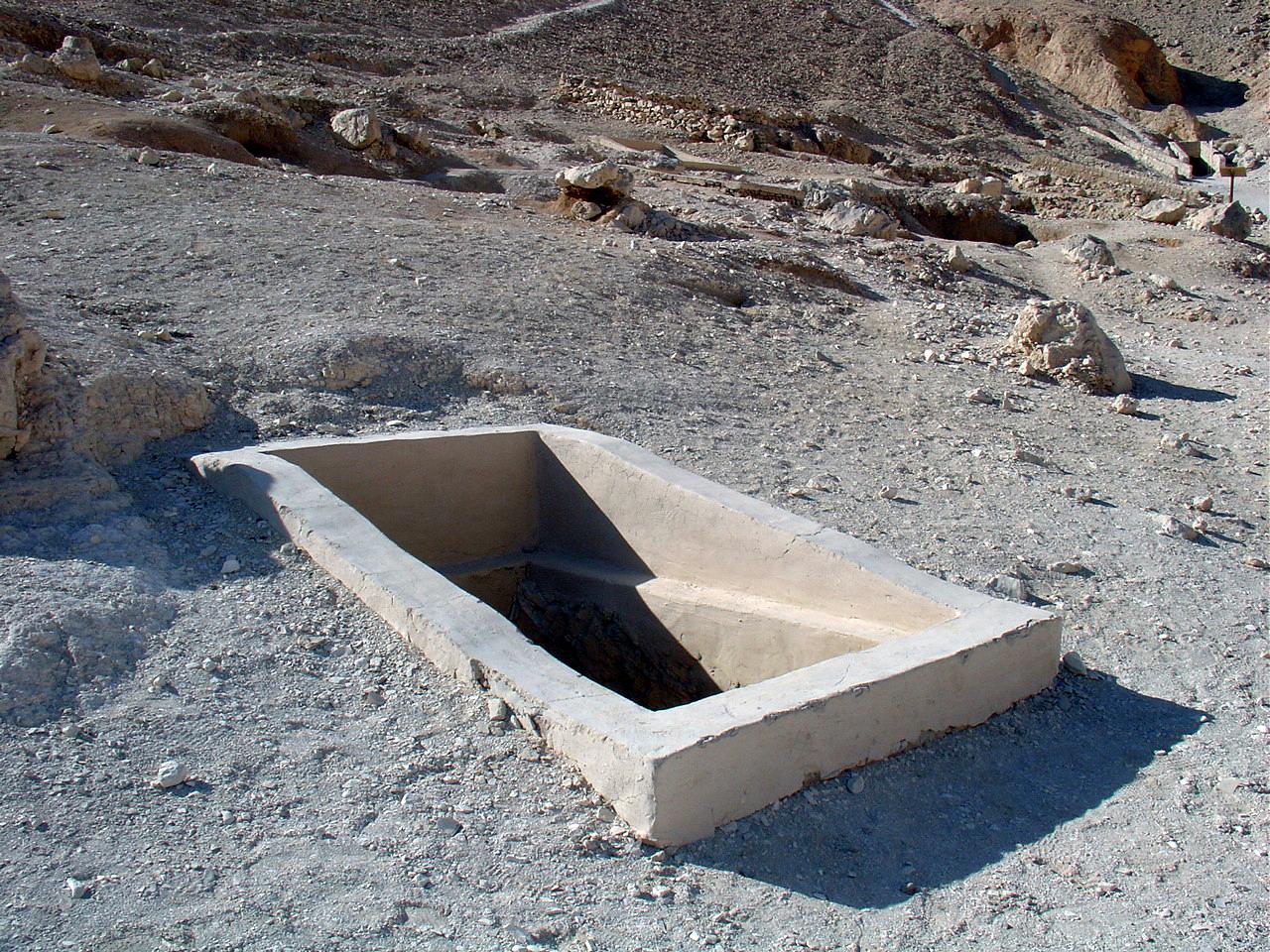
Shaft entrance of QV 26. © Getty Conservation Institute and the Ministry of Tourism and Antiquities.
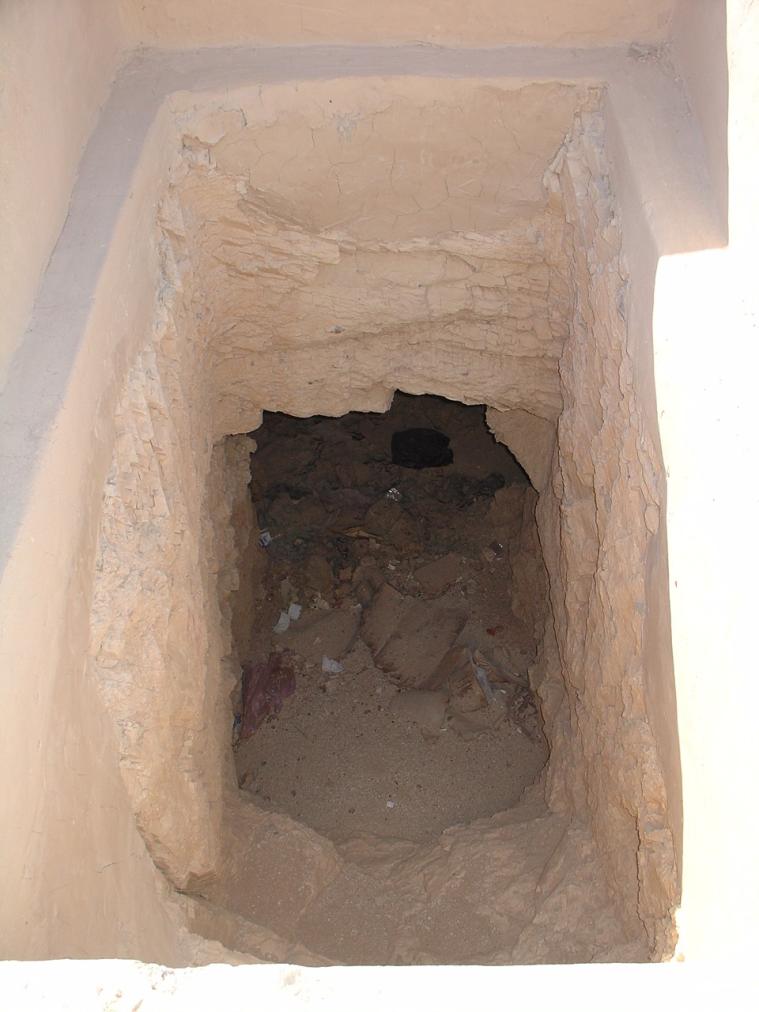
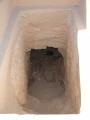
View down the shaft entrance. © Getty Conservation Institute and the Ministry of Tourism and Antiquities.
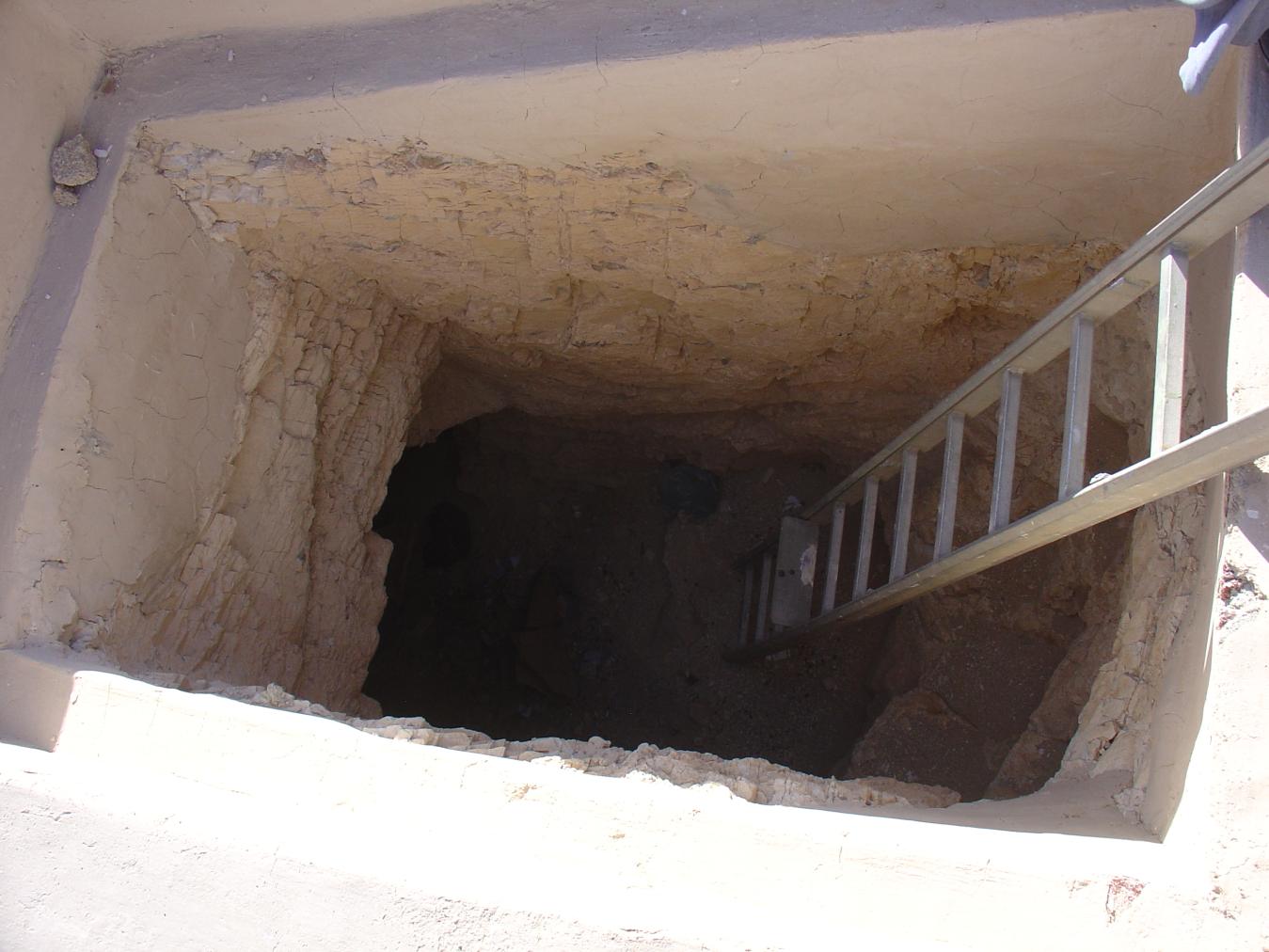
View down the shaft entrance. © Getty Conservation Institute and the Ministry of Tourism and Antiquities.


Chamber B
See entire tombLarge, roughly cut and undecorated rectangular chamber with a low ceiling which shows evidence of collapse in antiquity. The chamber was largely excavated, but a significant pile of debris on the floor has not been excavated. Despite the ceiling damage, the chamber is believed to be structurally sound.

View of the ceiling at entrance into Chamber B. © Getty Conservation Institute and the Ministry of Tourism and Antiquities.

View of the ceiling at entrance to Chamber B. © Getty Conservation Institute and the Ministry of Tourism and Antiquities.


About
About
QV 26, which has a single chamber (B) with a low ceiling, is located on a slope on the south side of the main Wadi, a few meters south of the pathway retaining wall. The shaft entrance (A) has a modern cemented brick surround spanned by a metal grill.
Elizabeth Thomas mentions its location just beyond QV 24 and QV 25 and surmises that the ceiling had collapsed in antiquity, given the rock fill and lack of any visible archaeological material.
Site History
The tomb was constructed in the 18th Dynasty.
Dating
This site was used during the following period(s):
Exploration
Conservation
Site Condition
According to the GCI-SCA, the tomb is primarily cut into fractured, weak shale. Ceiling rock has collapsed in some areas. The ceiling of chamber (B) has been extensively plastered in modern times to stabilize falling rock. Nevertheless, following the GCI-SCA assessment from 2006-2008, the tomb was judged to be structurally sound. The poor quality of rock is the principal cause of areas of loss.

Retaining wall of QV49 in foreground. Entrances to QV21, QV22, QV23, QV24, QV25, QV26, QV27, QV29, and old electricity building in background.

Old electricity building and entrances to QV18, QV19, QV22, QV21, QV20, QV23, QV25, and QV26

Entrances to QV24, QV25, and QV26 with QV30 and QV32 in background

View of the south branch of the wadi from QV26
Entrance to QV26

Entrance to QV26 in foreground with view of south branch of the wadi.
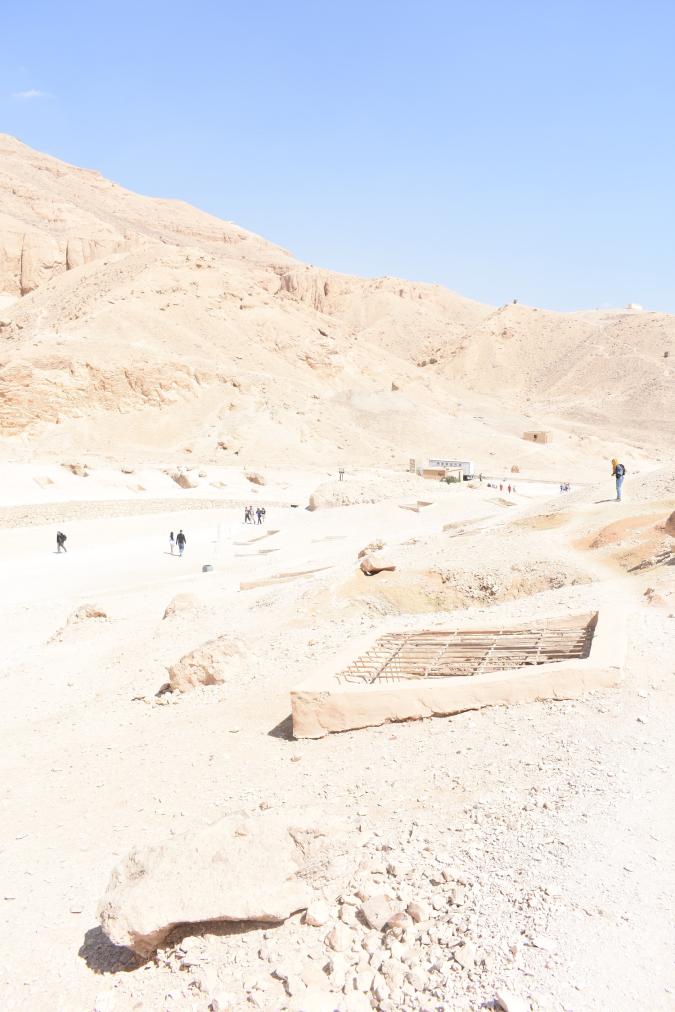
Entrance to QV30 in foreground with view of the main wadi in the background towards the entrance of QV.

Entrance to QV27, with QV48, QV26, and QV49 in background

General view of the Valley with QV26 in foreground

QV49 and QV50 in the foreground with the southeastern side of the main wadi, southern branch, and entrance to the QV in the background.
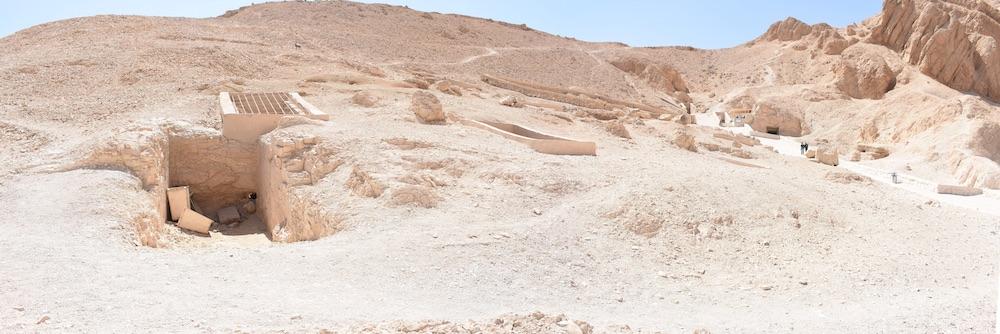
Entrances to QV24, QV25, and QV26 in the foreground and southern branch of the wadi in the background
Shaft entrance of QV 26. © Getty Conservation Institute and the Ministry of Tourism and Antiquities.
View down the shaft entrance. © Getty Conservation Institute and the Ministry of Tourism and Antiquities.
View down the shaft entrance. © Getty Conservation Institute and the Ministry of Tourism and Antiquities.
View of the ceiling at entrance into Chamber B. © Getty Conservation Institute and the Ministry of Tourism and Antiquities.
View of the ceiling at entrance to Chamber B. © Getty Conservation Institute and the Ministry of Tourism and Antiquities.



Articles
Tomb Numbering Systems in the Valley of the Queens and the Western Wadis
Geography and Geology of the Valley of the Queens and Western Wadis
Bibliography
Demas, Martha and Neville Agnew (eds). Valley of the Queens. Assessment Report. Los Angeles: The Getty Conservation Institute, 2012, 2016. Two vols.
Thomas, Elizabeth. The Royal Necropoleis of Thebes. Princeton: privately printed, 1966.
