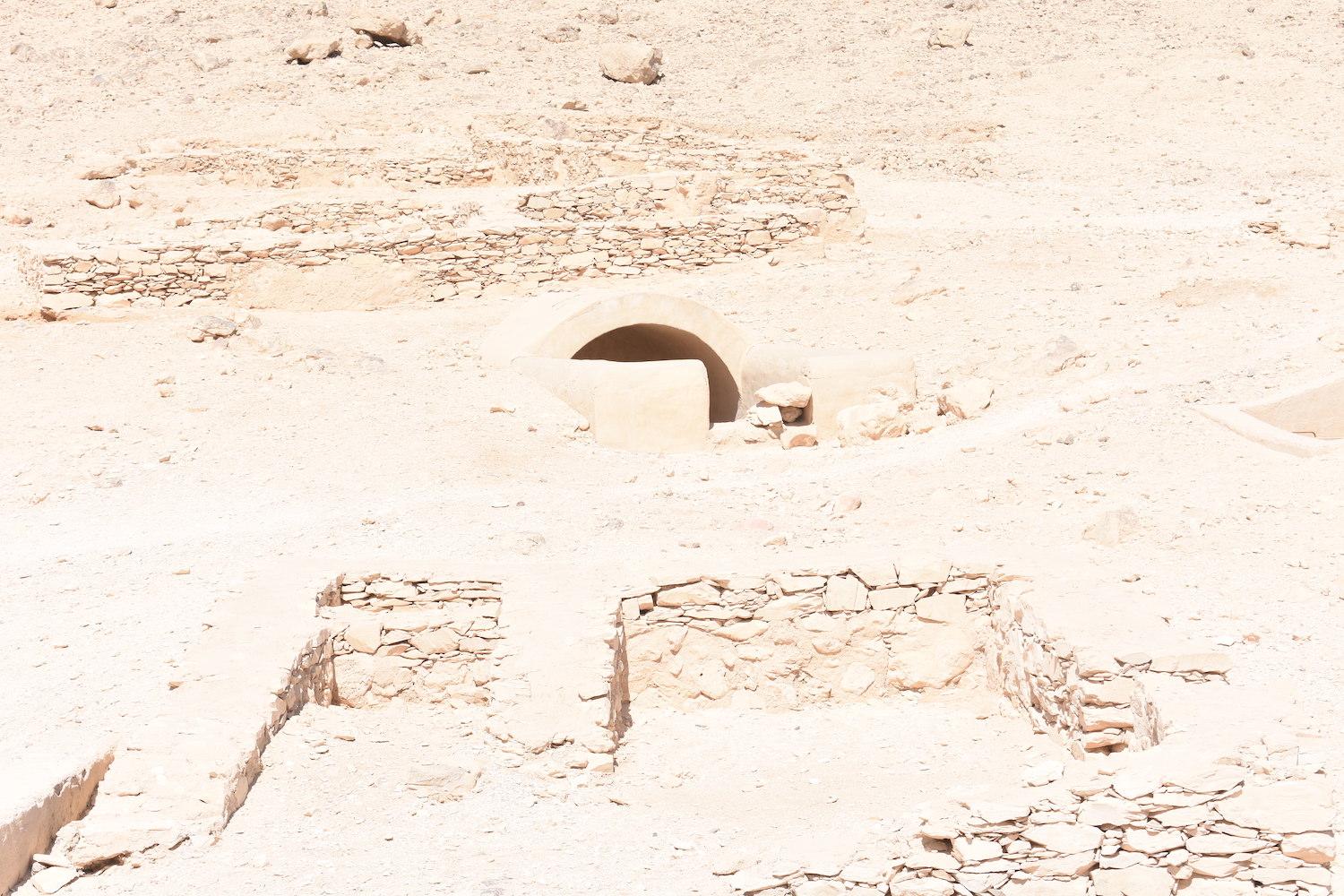
QV 57
Unfinished

Entryway A
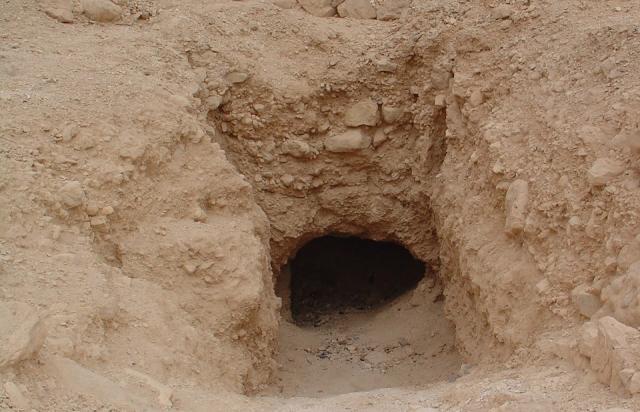
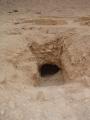
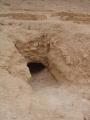
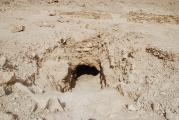
See entire tombA steep Ramp with traces of Steps along the ramp walls leads into an unfinished chamber. The TMP plan includes the presence of a modern curb at the beginning of the ramp that has since been removed. The tomb was damaged during the flood in 1994 and the rock surrounding its entrance continues to erode. There is no shaft cover or door preventing access to the tomb.
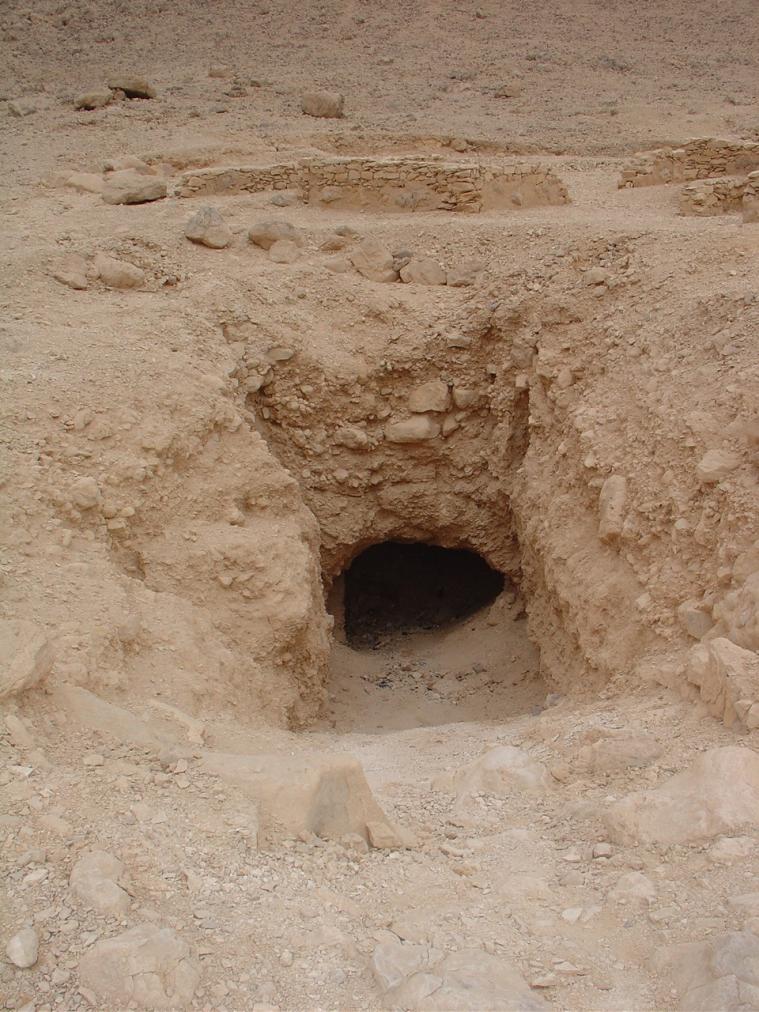
Entrance to QV 57. © Getty Conservation Institute and the Ministry of Tourism and Antiquities.
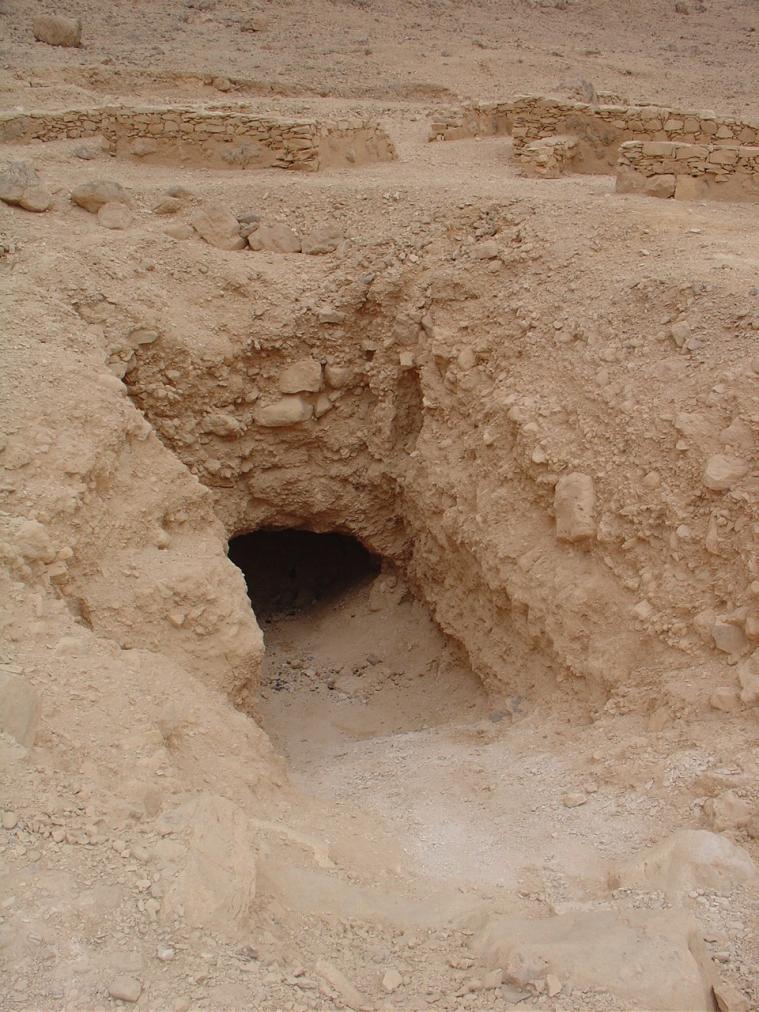
Entrance to QV 57. © Getty Conservation Institute and the Ministry of Tourism and Antiquities.
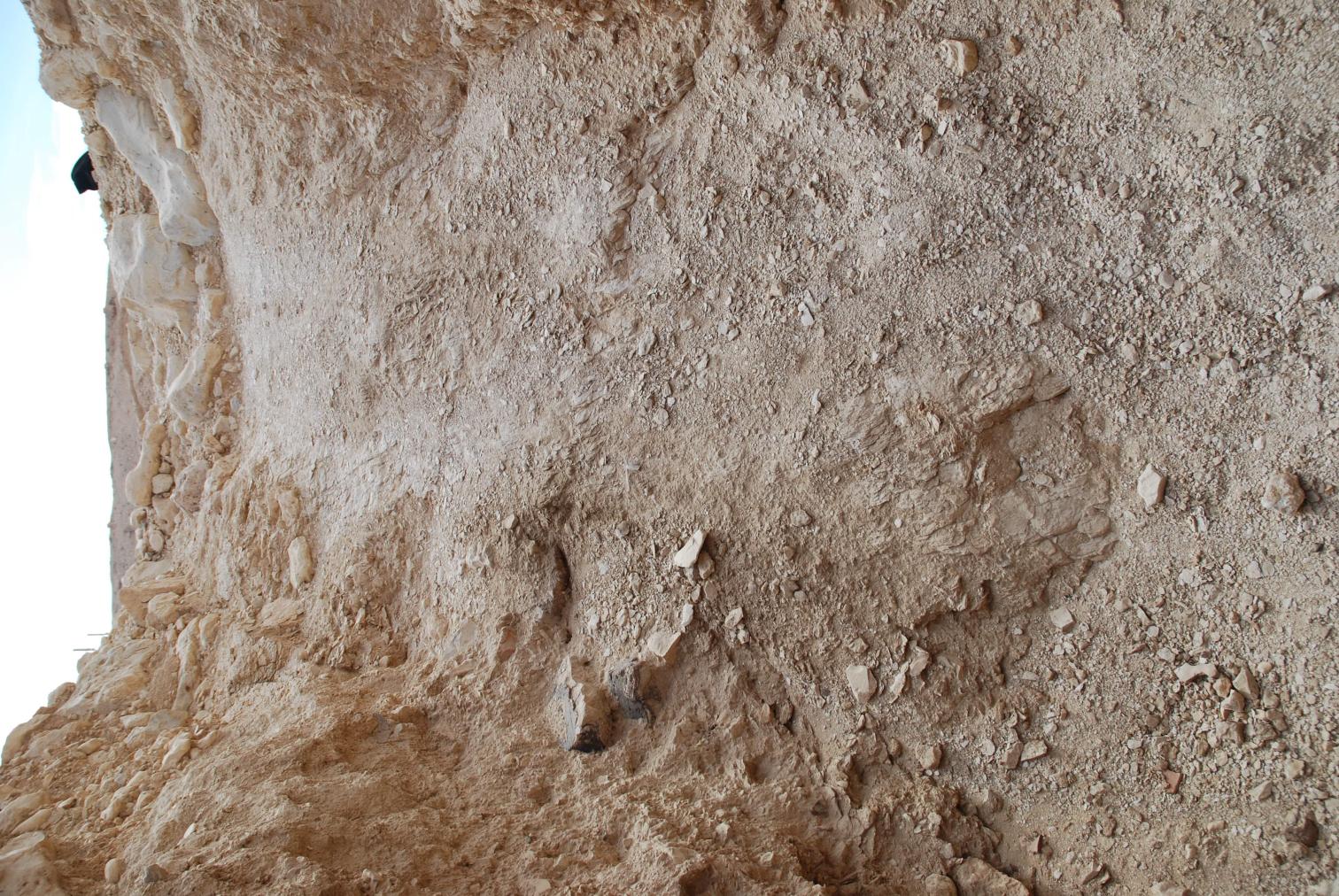
View of Entryway A from inside the tomb. © Getty Conservation Institute and the Ministry of Tourism and Antiquities.
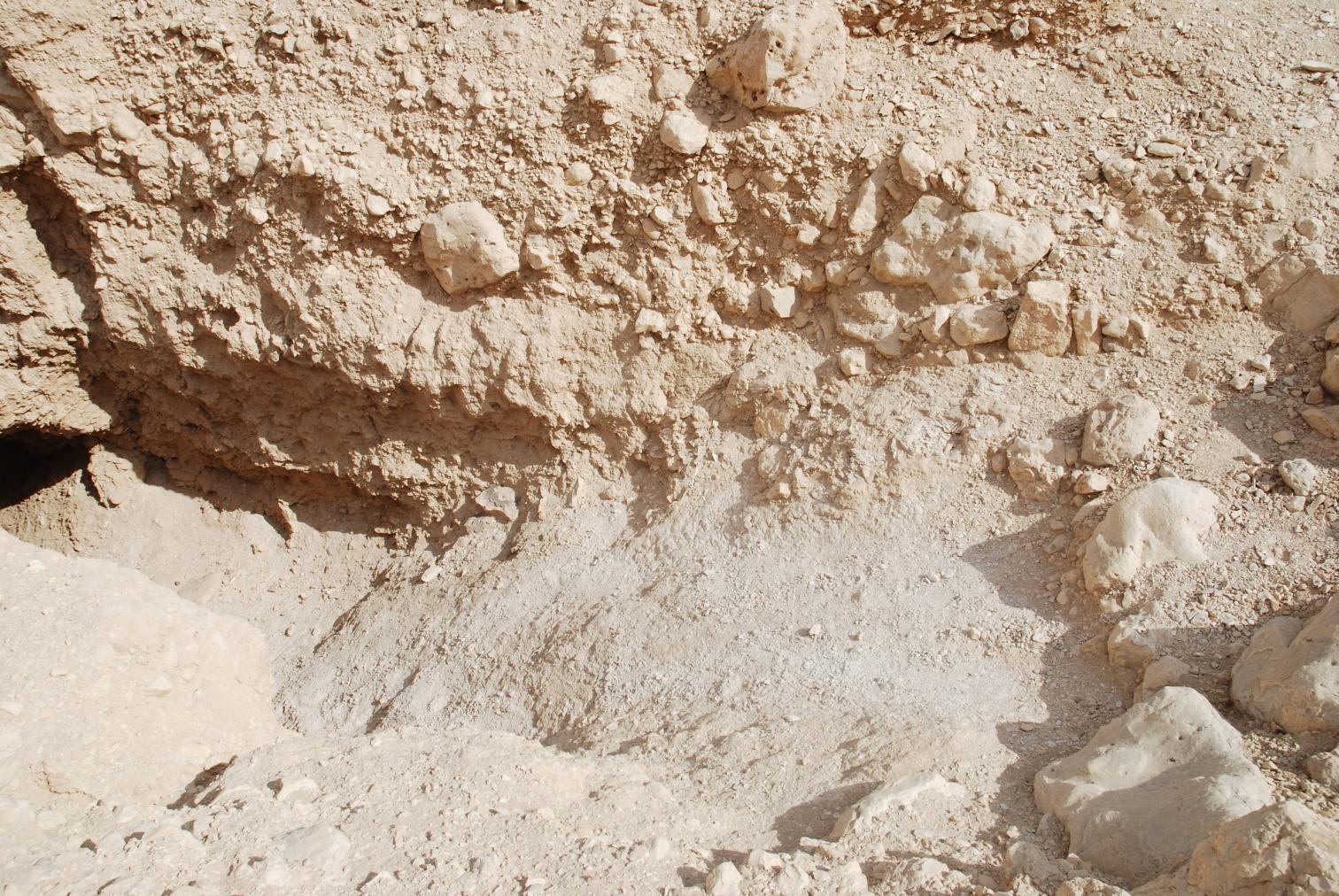
View of Entryway A. © Getty Conservation Institute and the Ministry of Tourism and Antiquities.
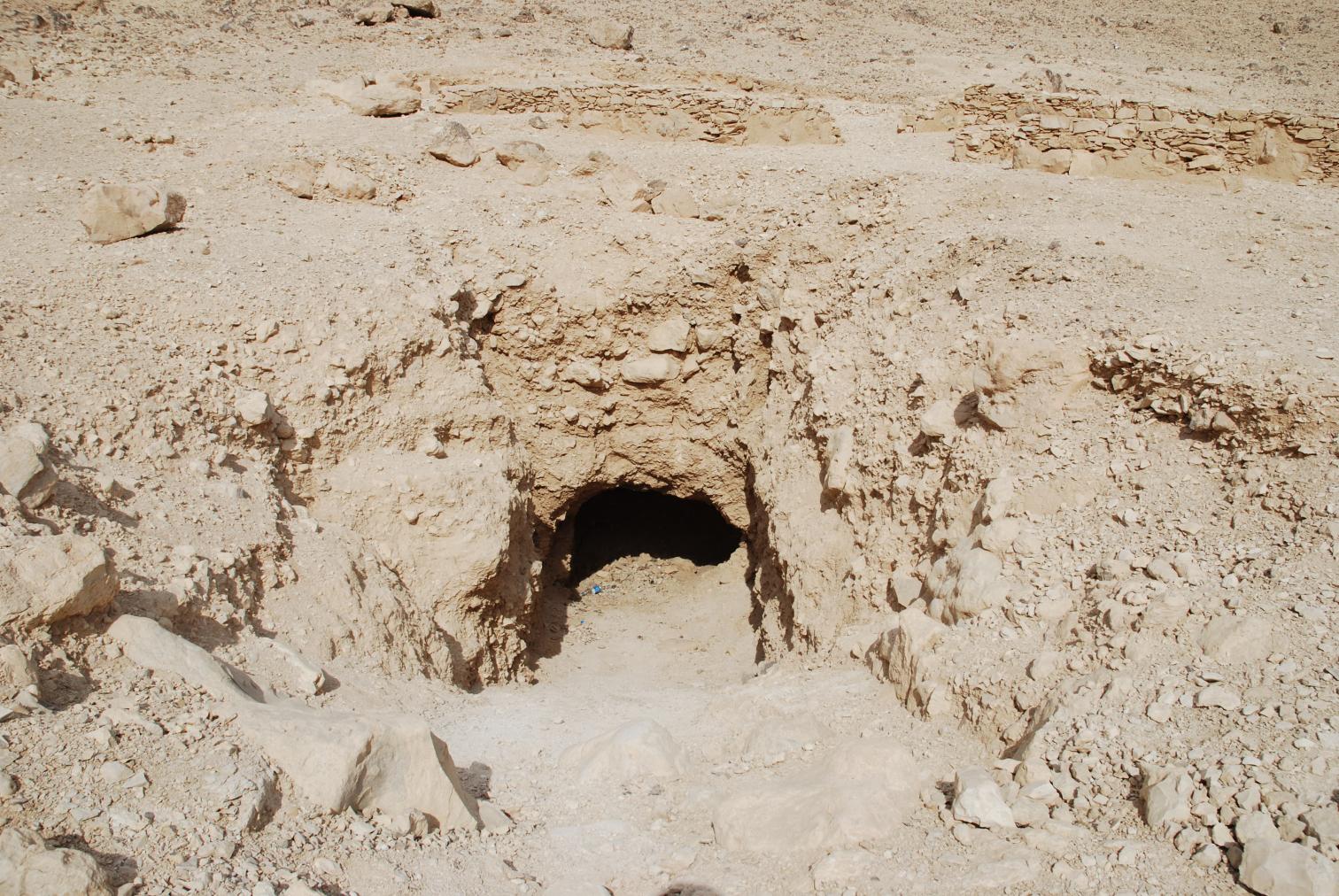
View of Entryway A. © Getty Conservation Institute and the Ministry of Tourism and Antiquities.
Chamber B
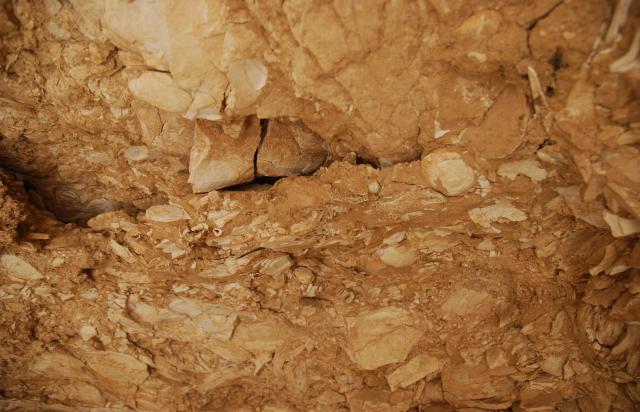
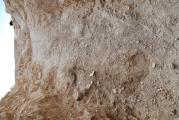
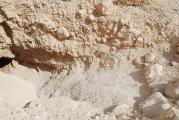
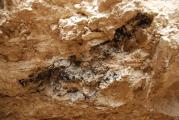
See entire tombThis unfinished chamber lies on axis with the tomb's entrance. Debris caked to the ceiling of this chamber suggests that this unfinished tomb is periodically filled with flood waters and runoff. The relative instability of the rock into which the tomb is cut is presumably the reason for its abandonment.
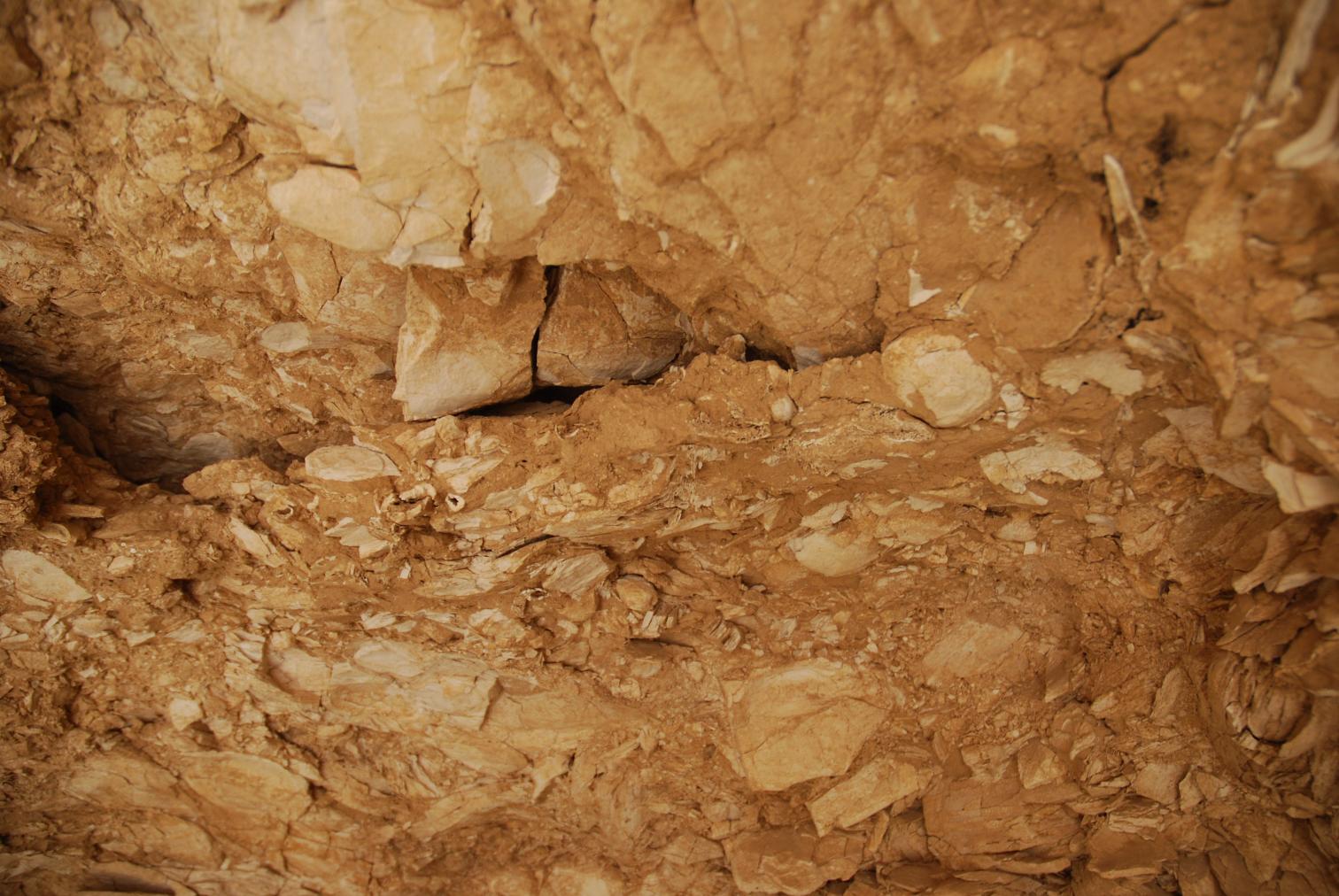
View of the ceiling. © Getty Conservation Institute and the Ministry of Tourism and Antiquities.
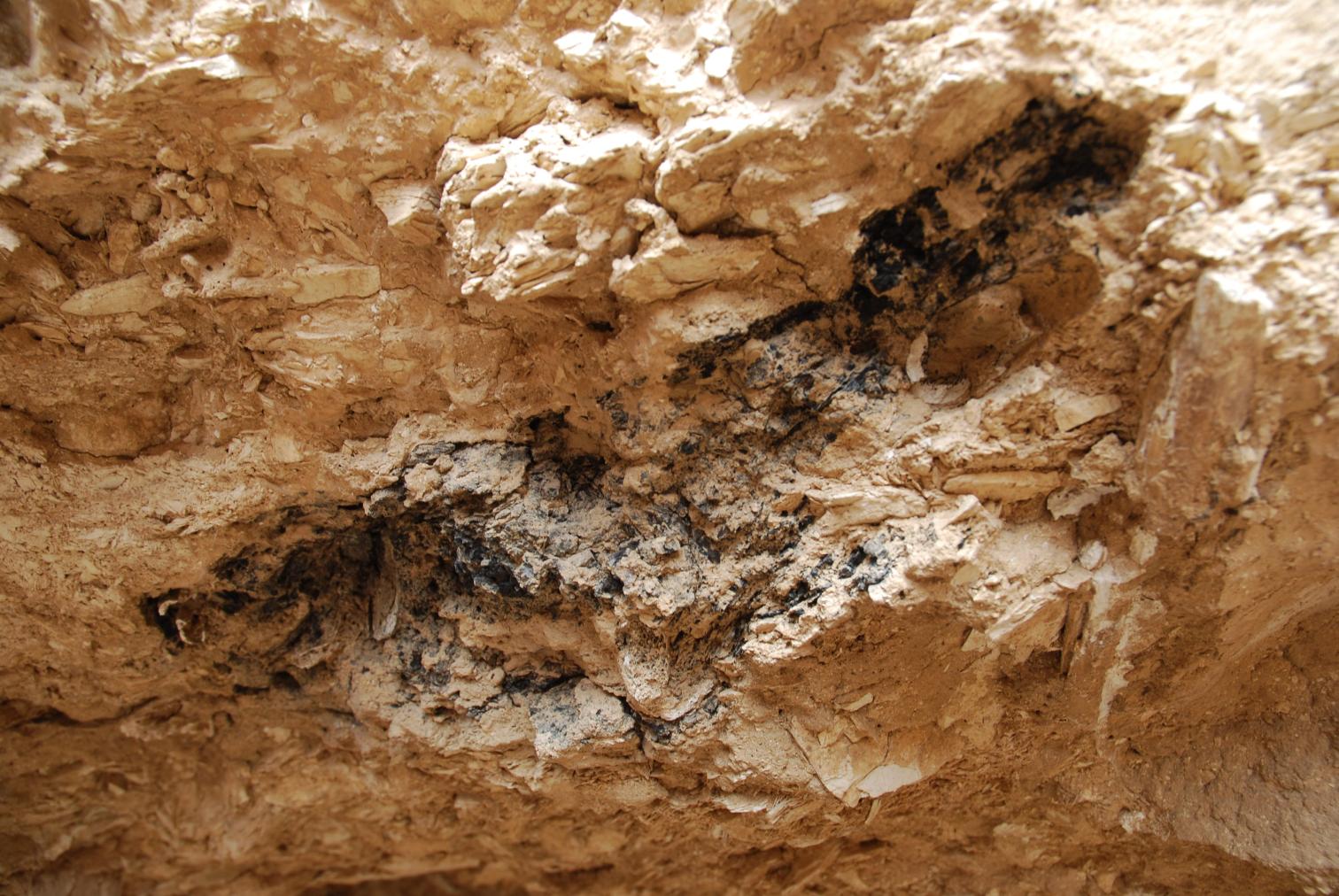
View of debris in the tomb. © Getty Conservation Institute and the Ministry of Tourism and Antiquities.
About
About
QV 57 is located on the north side of the main Wadi, northeast of QV 56. The tomb has a steep Ramp (A) with traces of Steps along the ramp walls leading into an unfinished chamber (B).
QV 57 was noted by Heinrich Brugch in 1854. The TMP (1981) section drawing includes a modern curb at the beginning of the ramp (A), which has since been removed. The tomb was last cleared out by the Franco-Egyptian Mission in 1987 and was dated to the reign of Rameses I.
Site History
Dating
This site was used during the following period(s):
Exploration
Conservation
Site Condition
QV 57 was damaged during the flood in 1994. According to the GCI-SCA, the tomb is in a stable condition, though the fan conglomerate surrounding its entrance continues to erode. Nevertheless, debris caked to the ceiling of chamber (B) suggests that this unfinished tomb is periodically filled with flood waters and runoff. The relative instability of the fan conglomerate, presumably the reason that the tomb was not finished, remains the primary source for eroded material filling the tomb. This, as well as the tomb’s close proximity to the main drainage channel and its exposure to flood water, are the principal causes of the poor condition of this unfinished tomb.
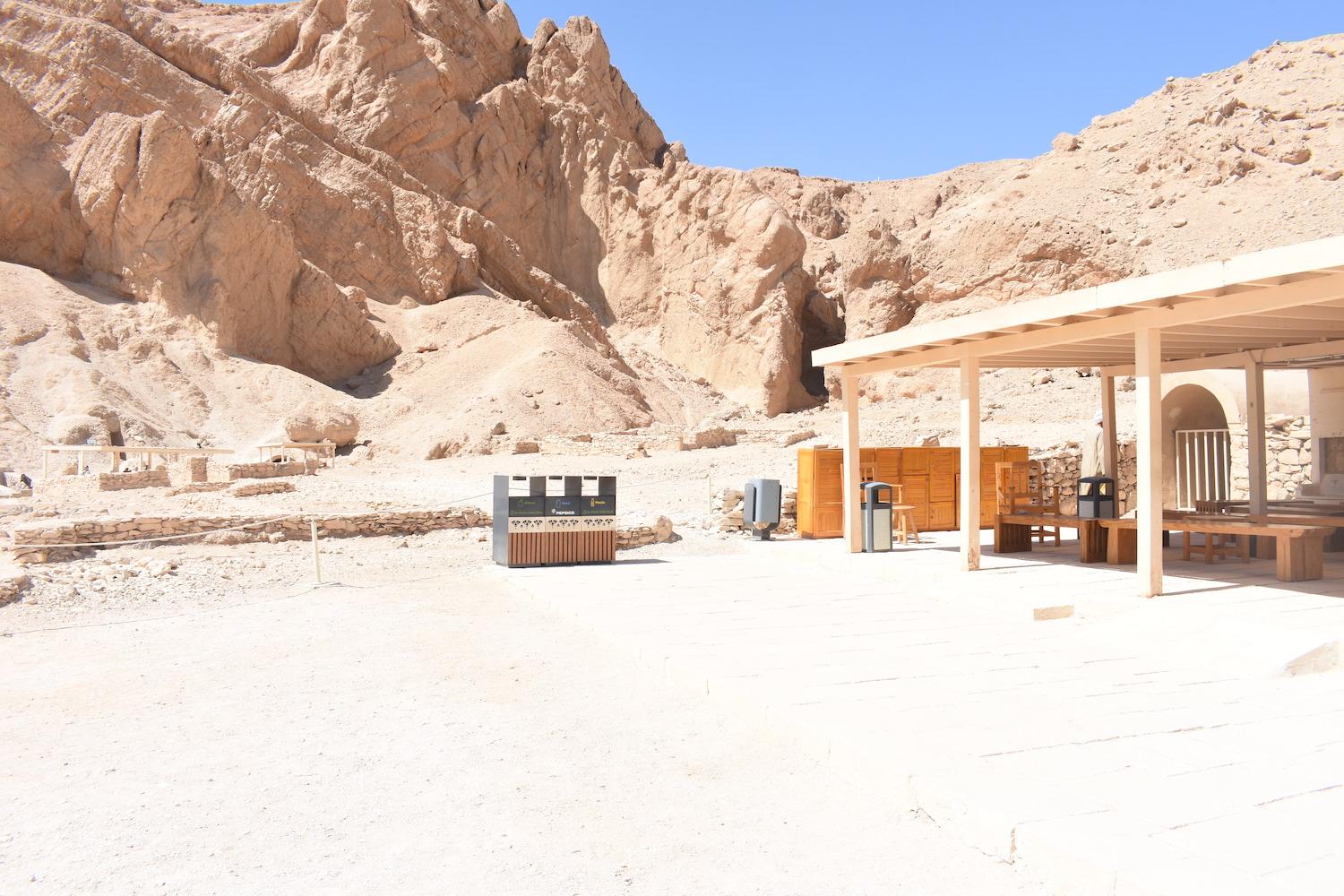
View of the visitors shelter at QV66 with worker's huts and grotto in background.

Worker's huts, visitors shelter at QV55, and grotto.

Entrances to QV58, QV59, and QV60 with workers' huts.

Worker's huts with entrances to QV58 and QV59.

Lime kiln and workers' huts. Entrances to QV80 and QV66 in background.

General view of the main wadi from northwestern side of the main wadi with entrances to QV51, QV52, QV58, QV59, QV80, and QV85. Workers’ huts, visitors shelter at QV66, and lime kiln in the foreground.
Entrance to QV 57. © Getty Conservation Institute and the Ministry of Tourism and Antiquities.
Entrance to QV 57. © Getty Conservation Institute and the Ministry of Tourism and Antiquities.
View of the ceiling. © Getty Conservation Institute and the Ministry of Tourism and Antiquities.
View of debris in the tomb. © Getty Conservation Institute and the Ministry of Tourism and Antiquities.
View of Entryway A from inside the tomb. © Getty Conservation Institute and the Ministry of Tourism and Antiquities.
View of Entryway A. © Getty Conservation Institute and the Ministry of Tourism and Antiquities.
View of Entryway A. © Getty Conservation Institute and the Ministry of Tourism and Antiquities.



Articles
Tomb Numbering Systems in the Valley of the Queens and the Western Wadis
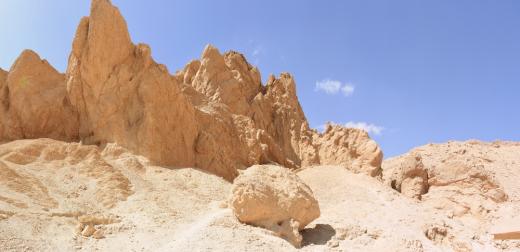
Geography and Geology of the Valley of the Queens and Western Wadis
Bibliography
Brugsch, Heinrich Karl. Recueil de monuments égyptiens dessinés sur lieux et publiés sous les auspices de Son Altesse le vice-roi d'Égypte Mohammed-Saïd-Pasha par le docteur Henri Brugsch. Leipzig: J.C. Hinrichs'sche Buchhandlung, 1862-1885.
Demas, Martha and Neville Agnew (eds). Valley of the Queens. Assessment Report. Los Angeles: The Getty Conservation Institute, 2012, 2016. Two vols.
Leblanc, Christian. Ta set nefrou: une nécropole de Thèbes-ouest et son histoire, 1: géographie- toponymie: historique de l'exploration scientifique du site. Cairo: Nubar Printing House, 1989.