KV 46
Yuya and Thuyu

Entryway A
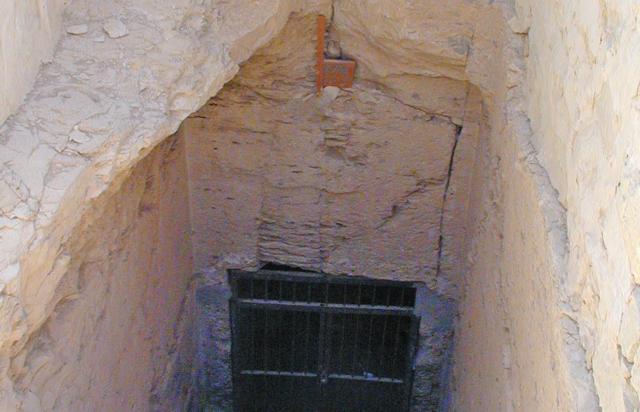
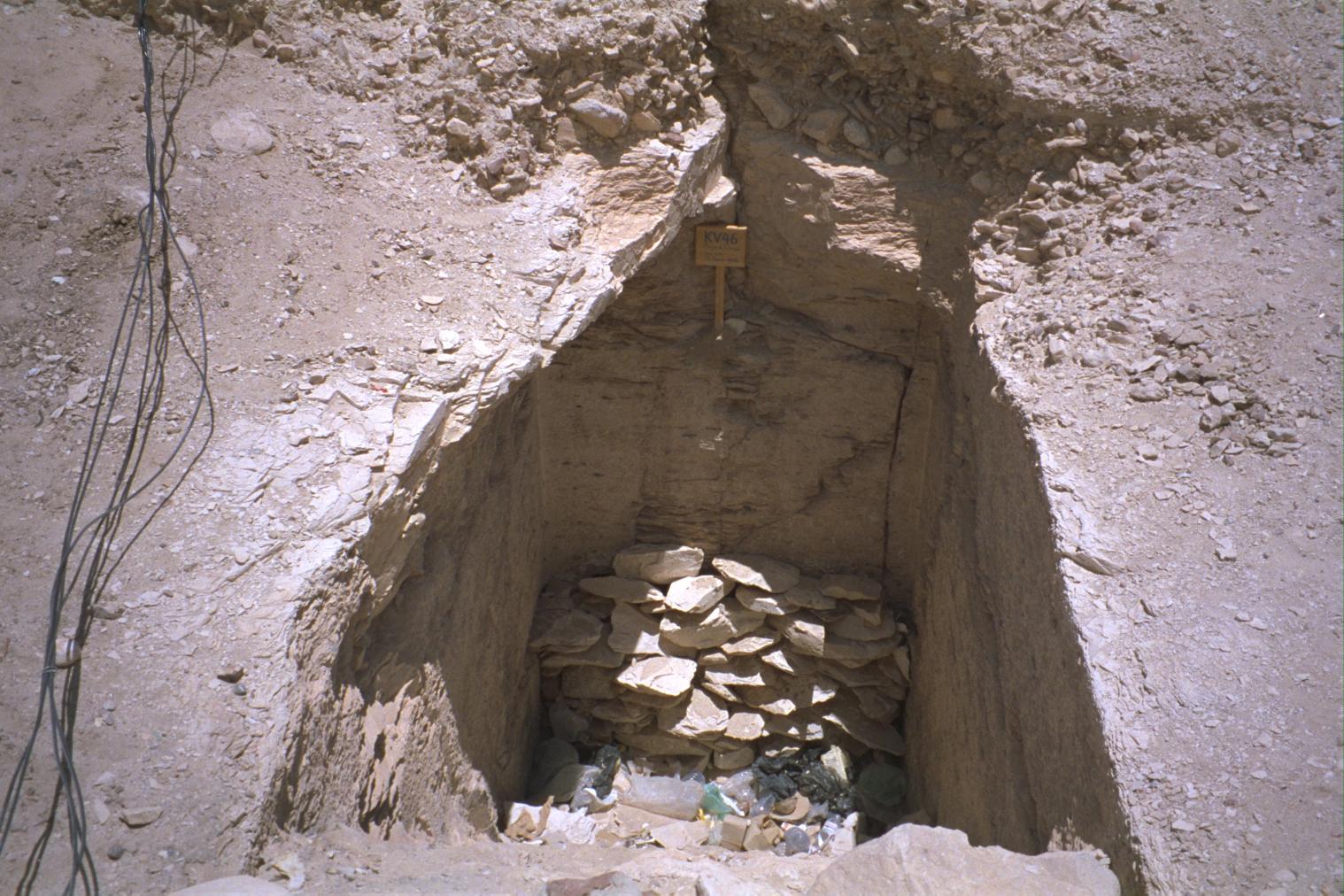
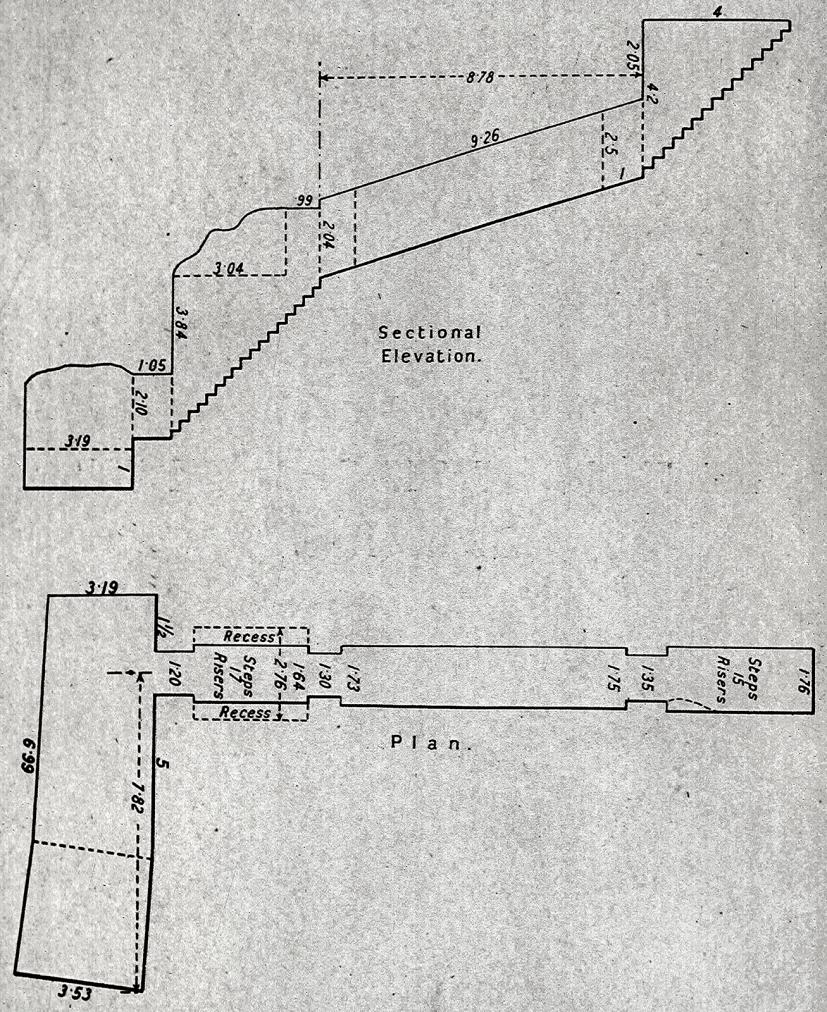
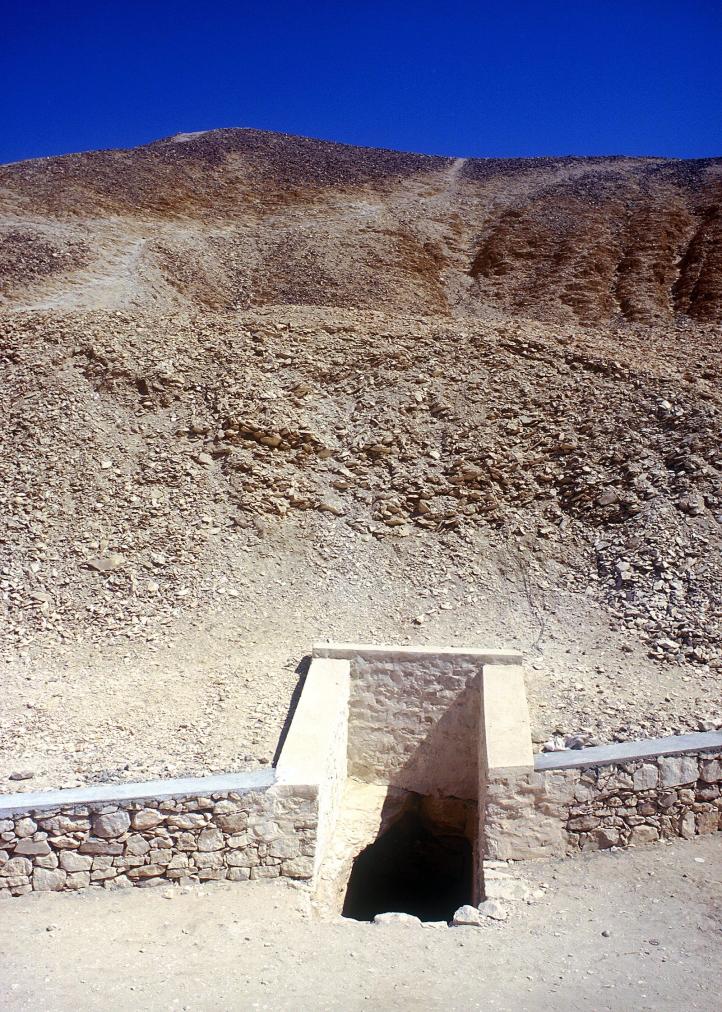
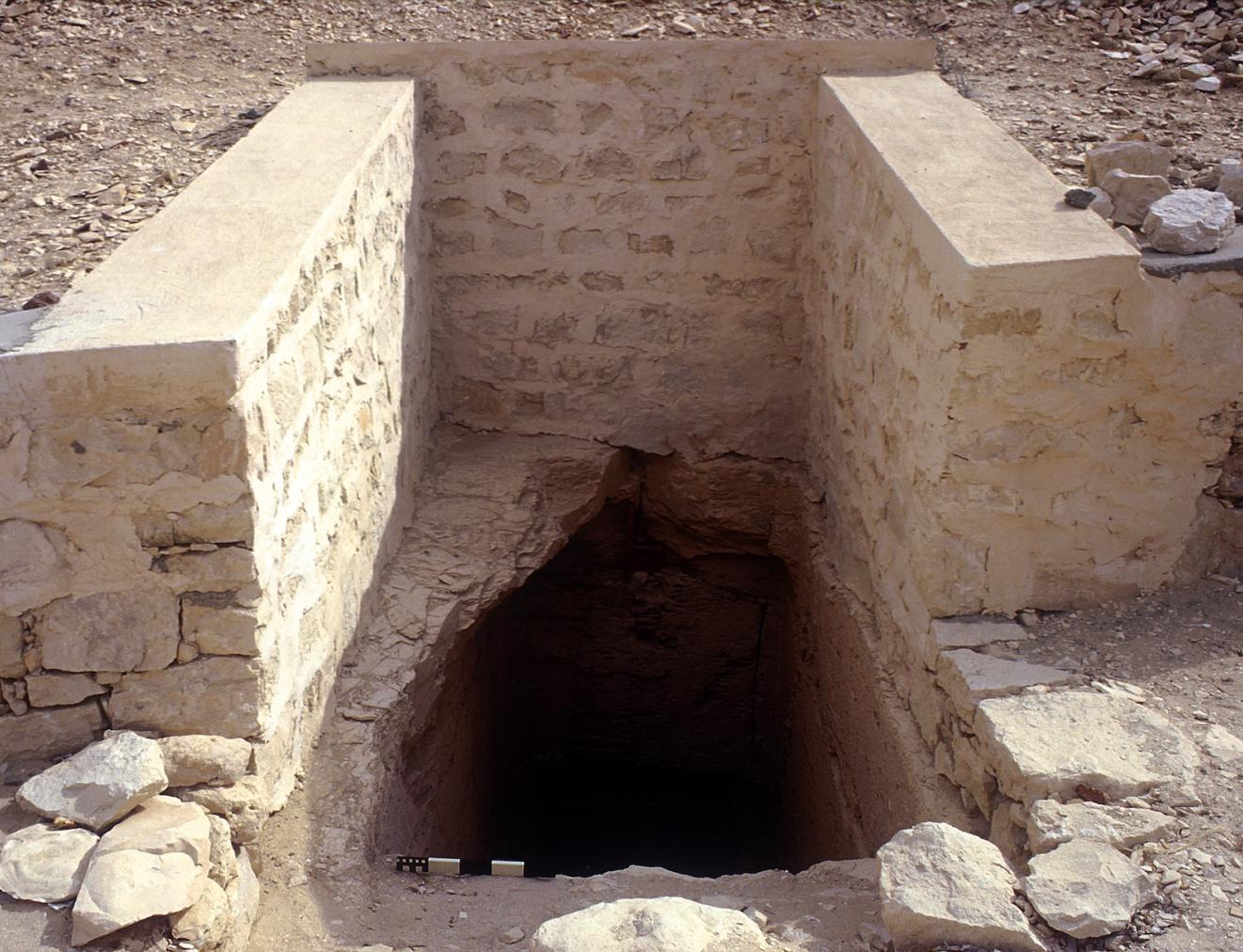
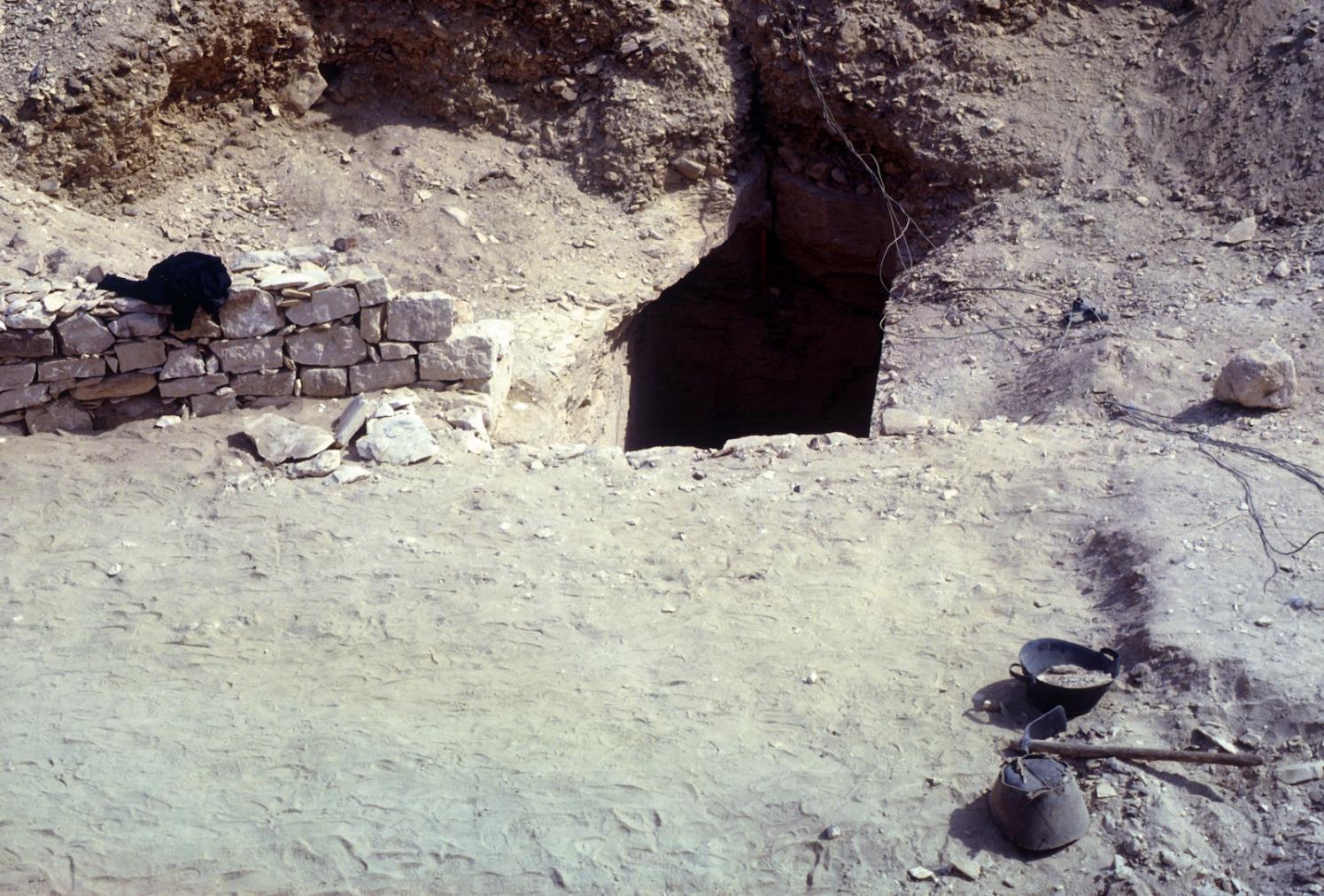
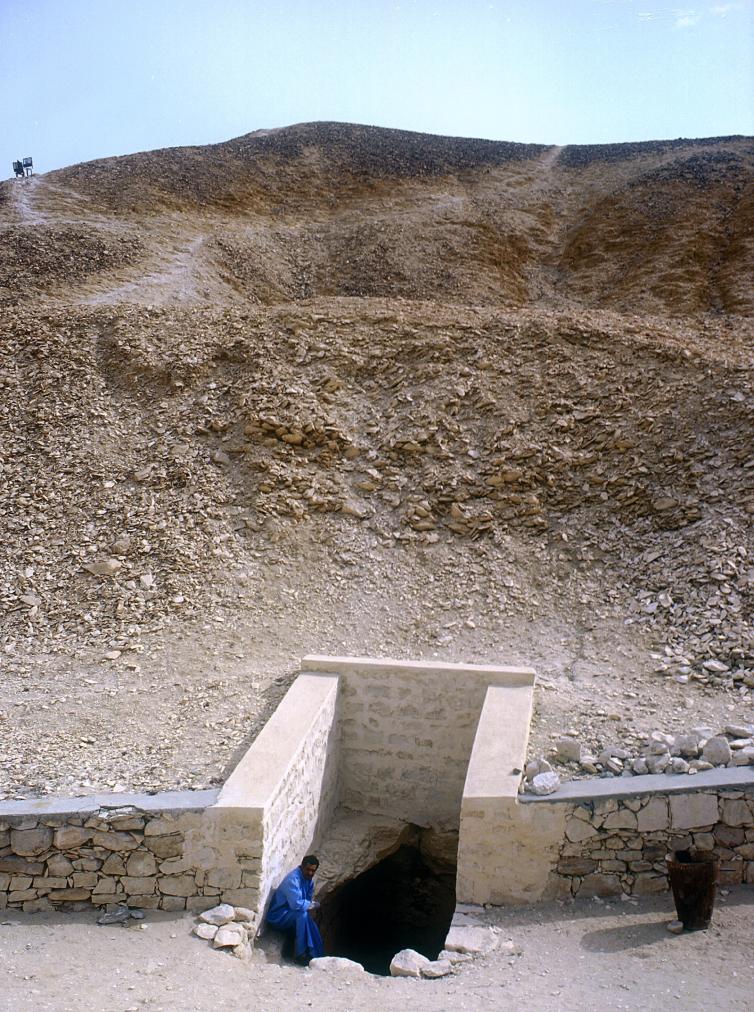
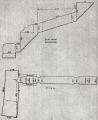
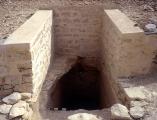
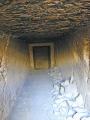
See entire tombThe entrance consists of a stairway of fifteen steps descending steeply to corridor B. The final step is not as wide as those preceding it.
Gate B
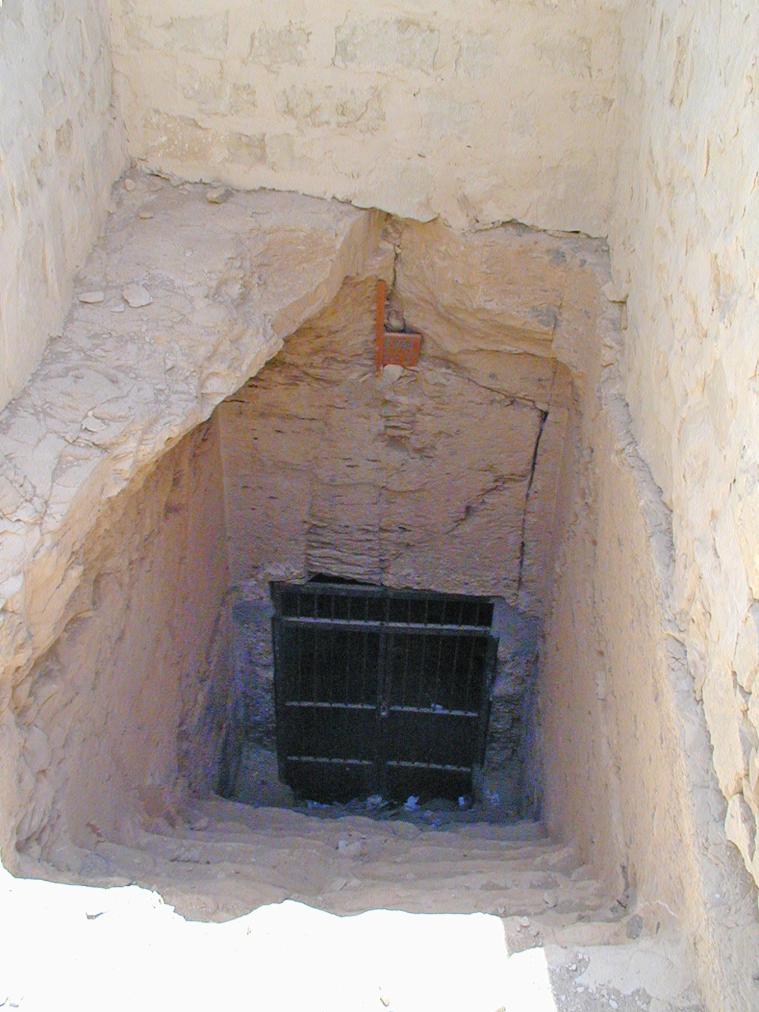
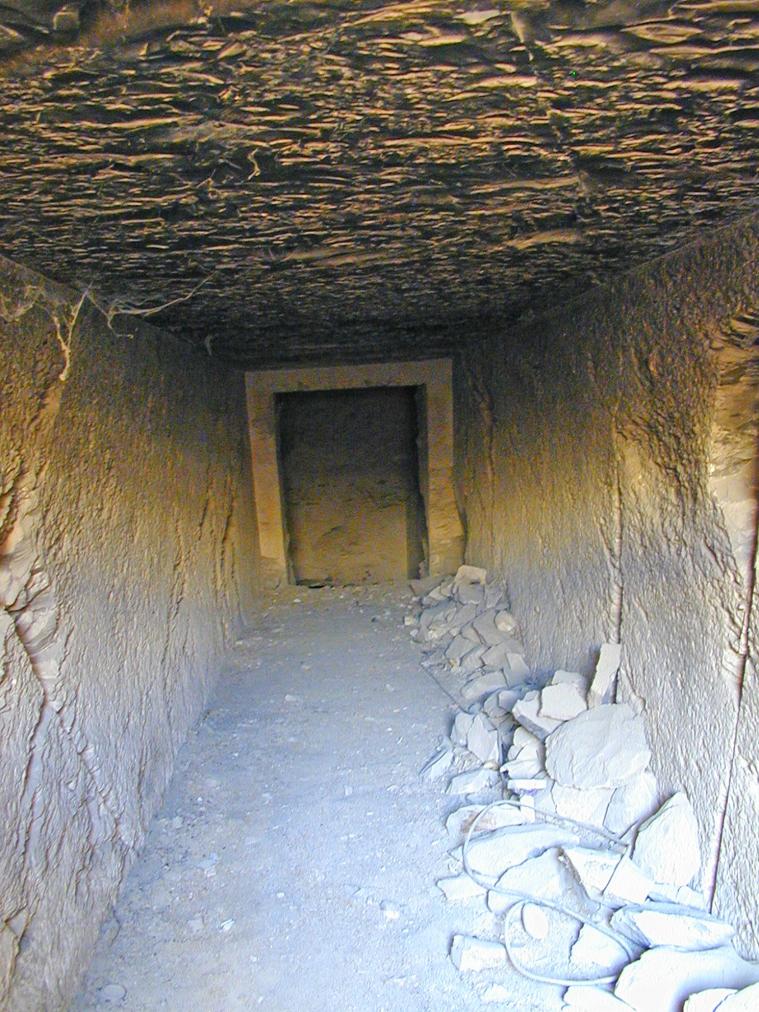
See entire tombThe gate was originally blocked with stone, covered with plaster, and stamped with the official necropolis seal (a jackal and nine captives). The soffit and threshold slope downward from front to back.
Corridor B
See entire tombOn the walls of this sloping corridor are black dots spaced at 40 cm (16 inch) intervals that divide the walls into squares. These were probably intended for finishing the walls, but this was never done.
Gate C
See entire tombA stairway begins at the front of the gate and continues through stairwell C.
Stairwell C
See entire tombA steep stairwell descends the length of the corridor. Long recesses are cut along the left (north) and right (south) walls. On the walls are black dots spaced at 40 cm (16 inch) intervals, dividing them into squares. The ceiling was unfinished.
Gate J
See entire tombWhen discovered, this gate was also found blocked.
Burial chamber J
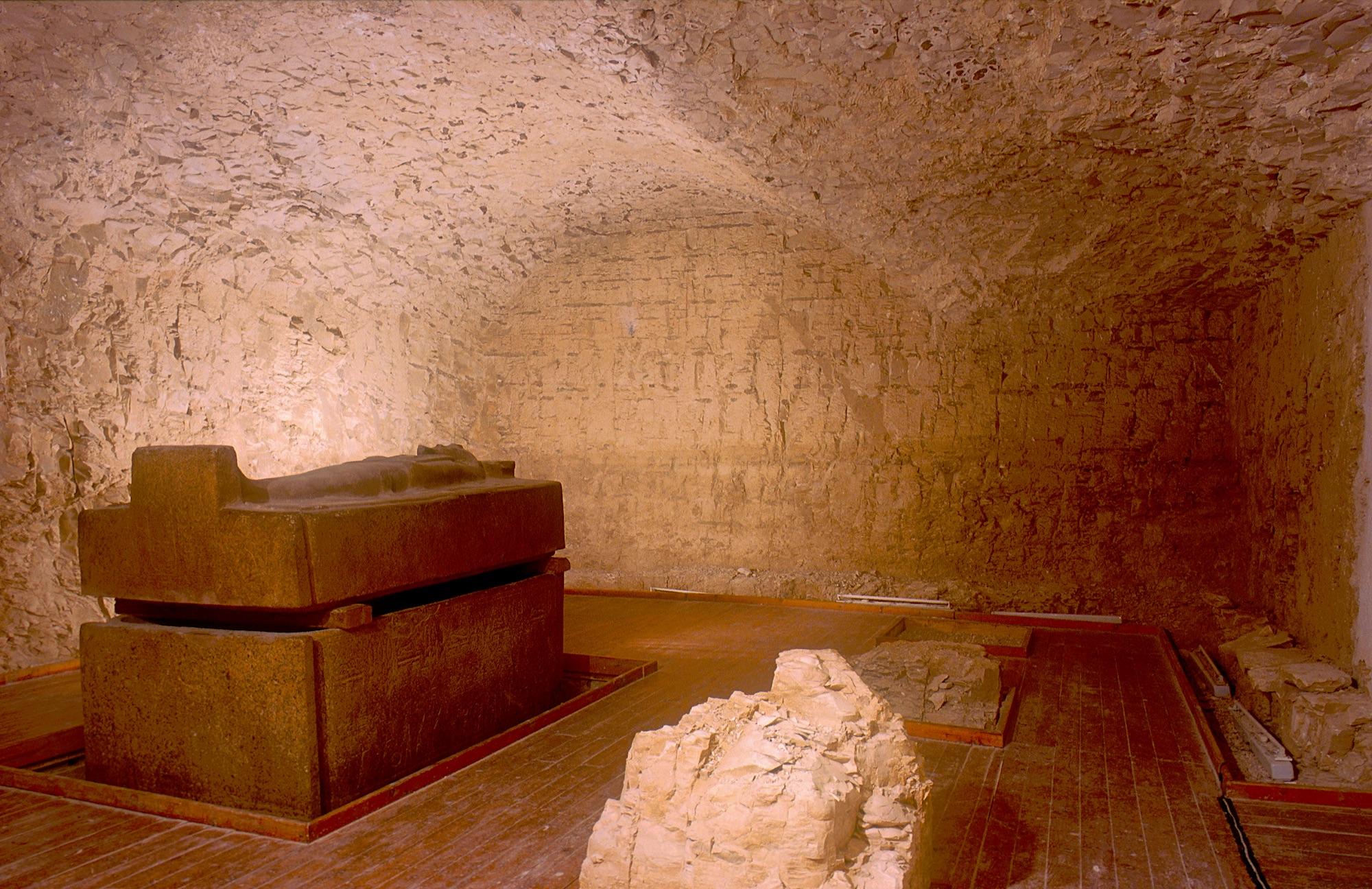
See entire tombThe chamber is roughly rectangular, with a sunken area at its rear end. It lies a meter (three feet) below the floor level of the front of the chamber. The ceiling of the chamber was unfinished.
Chamber plan:
RectangularRelationship to main tomb axis:
PerpendicularChamber layout:
Flat floor, no pillarsFloor:
One levelCeiling:
Flat
About
About
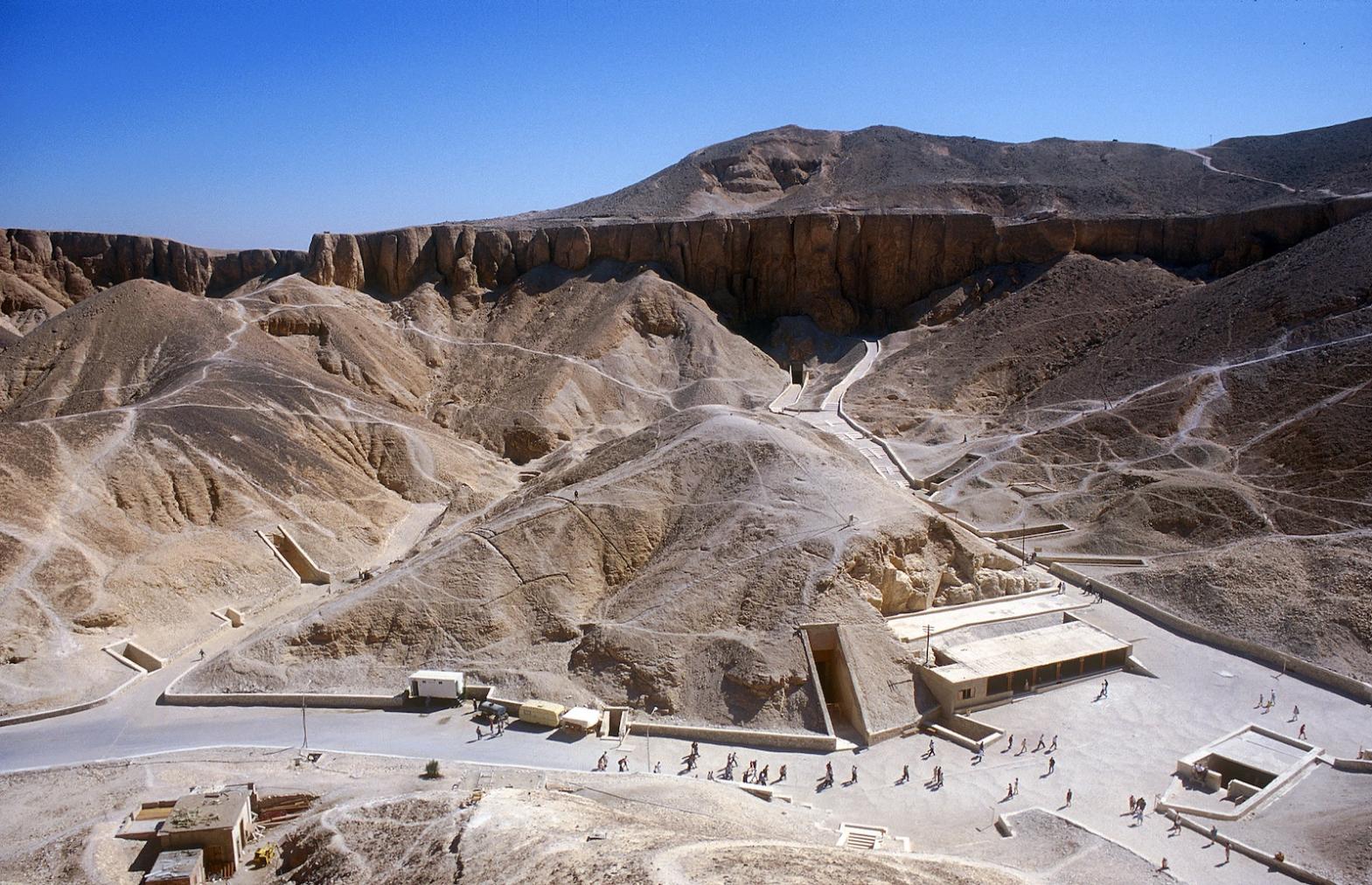
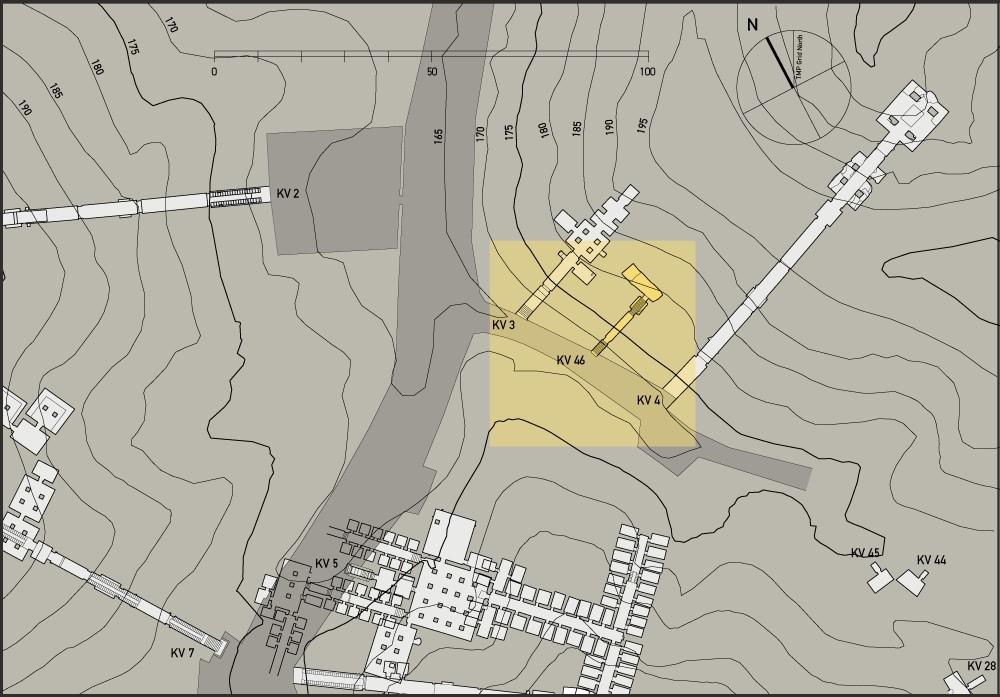
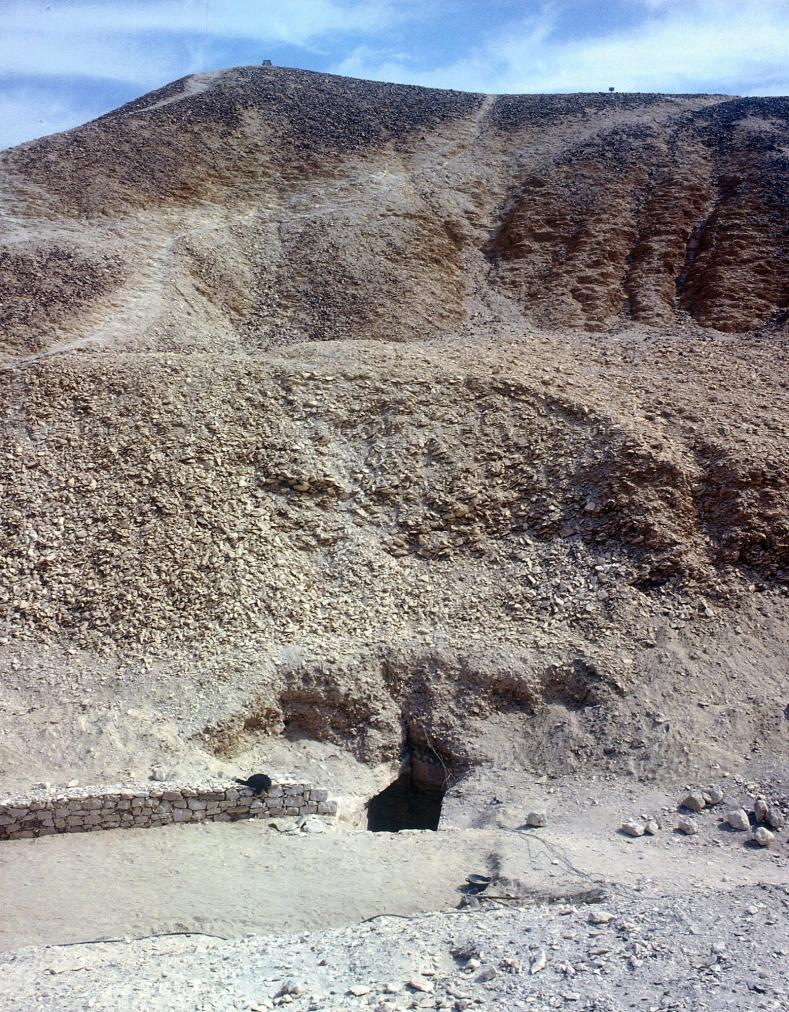
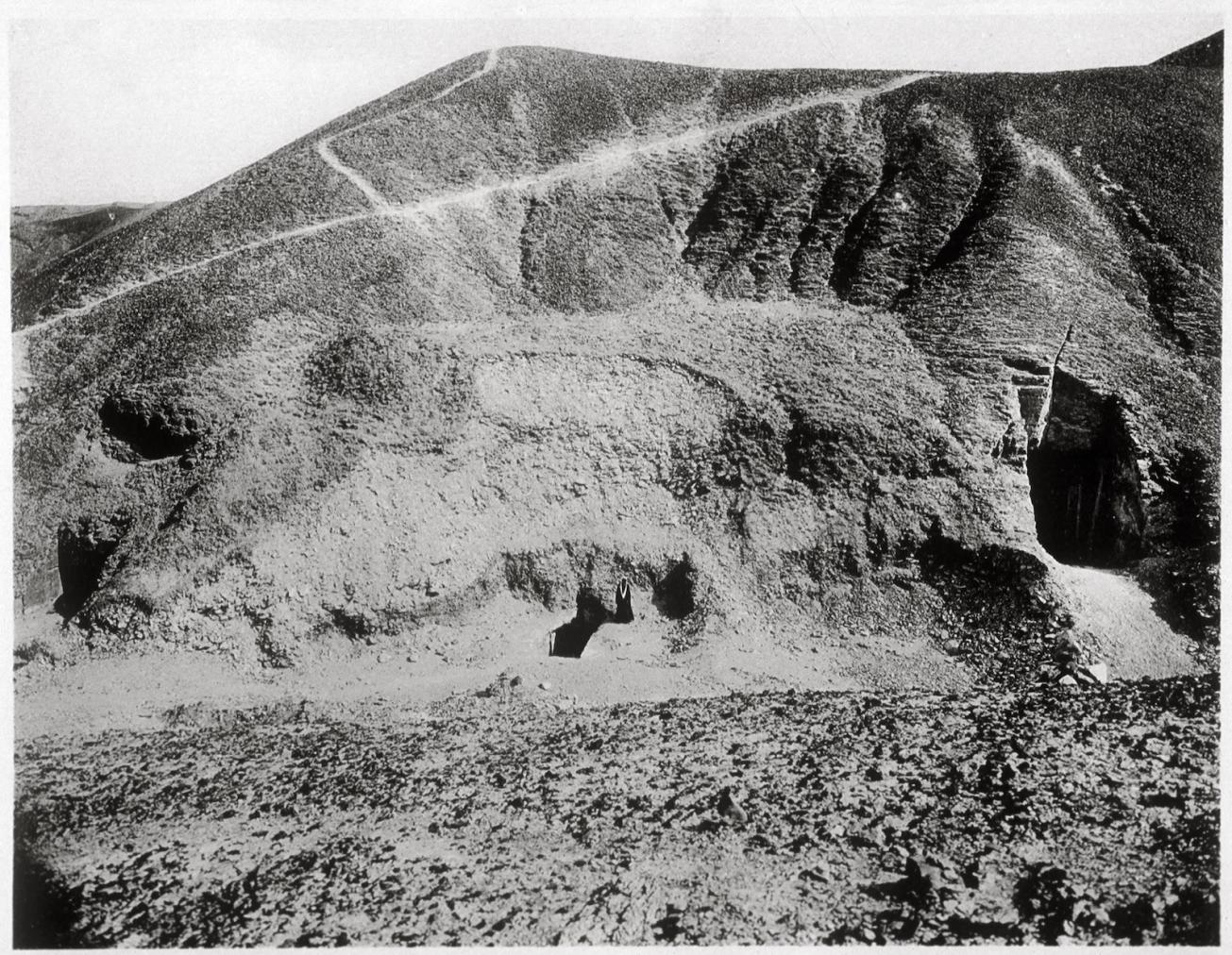
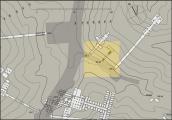
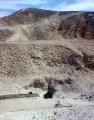
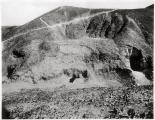
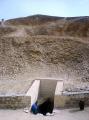
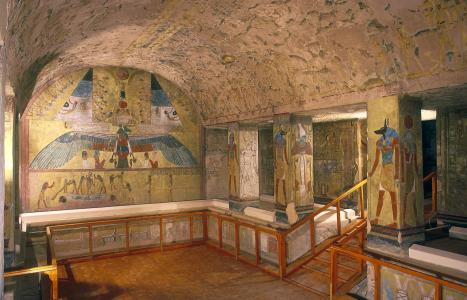
KV 46 is located in the southeast branch of the main Wadi. The tomb consists of a staircase entryway (A), a corridor (B) leading to a stepped descent (C), and a burial chamber (J). The walls of the tomb were neither smoothed, plastered nor decorated.
Noteworthy features:
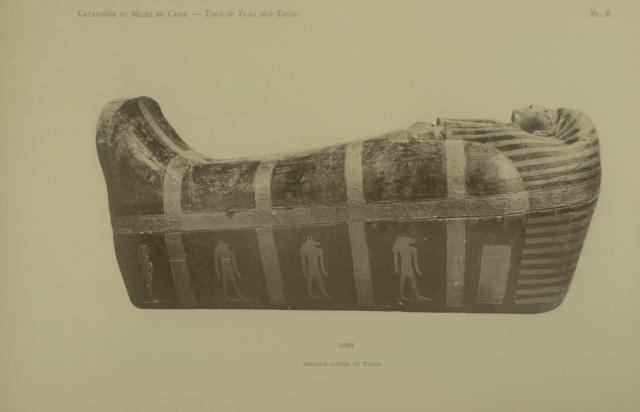
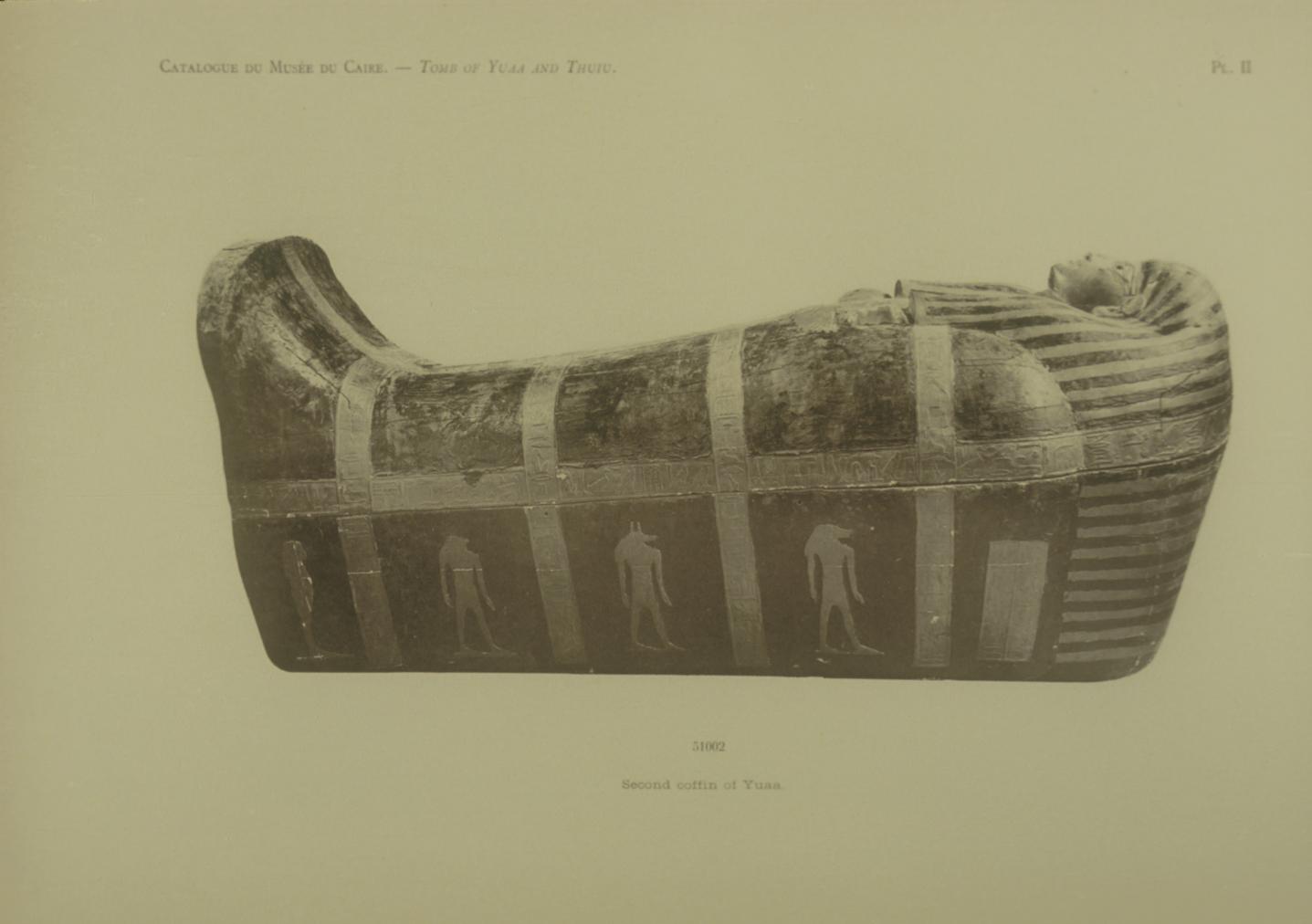
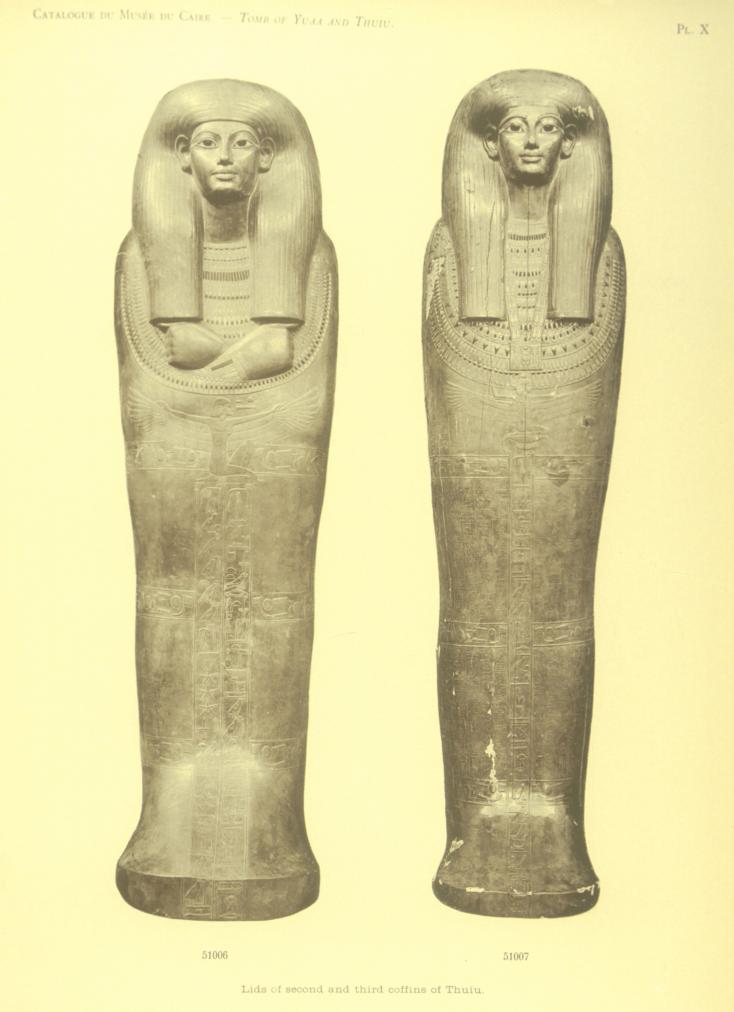
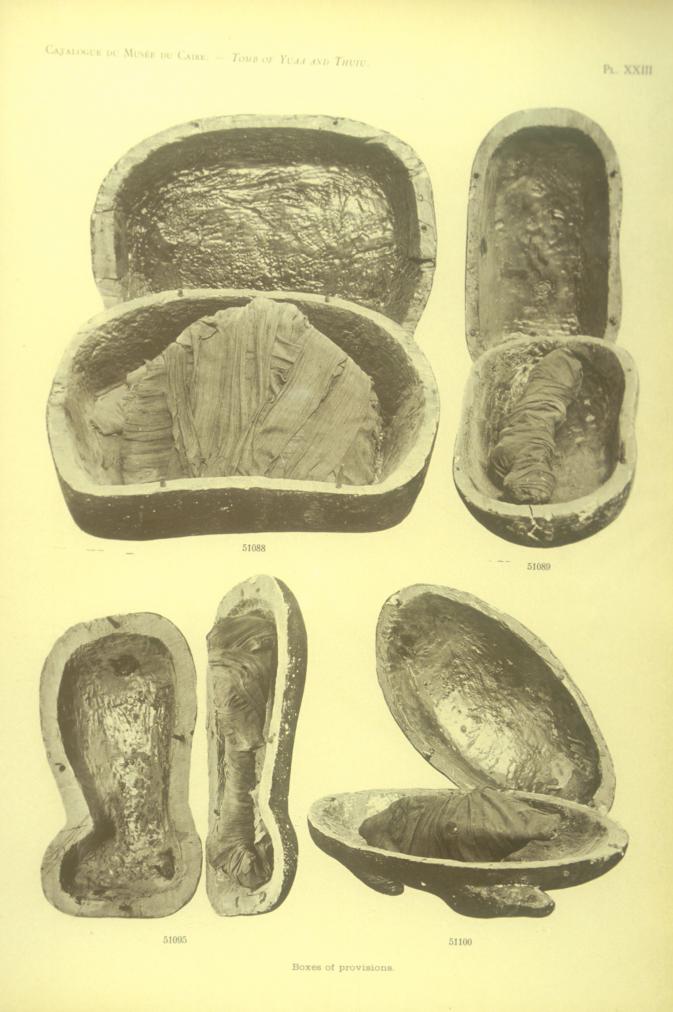
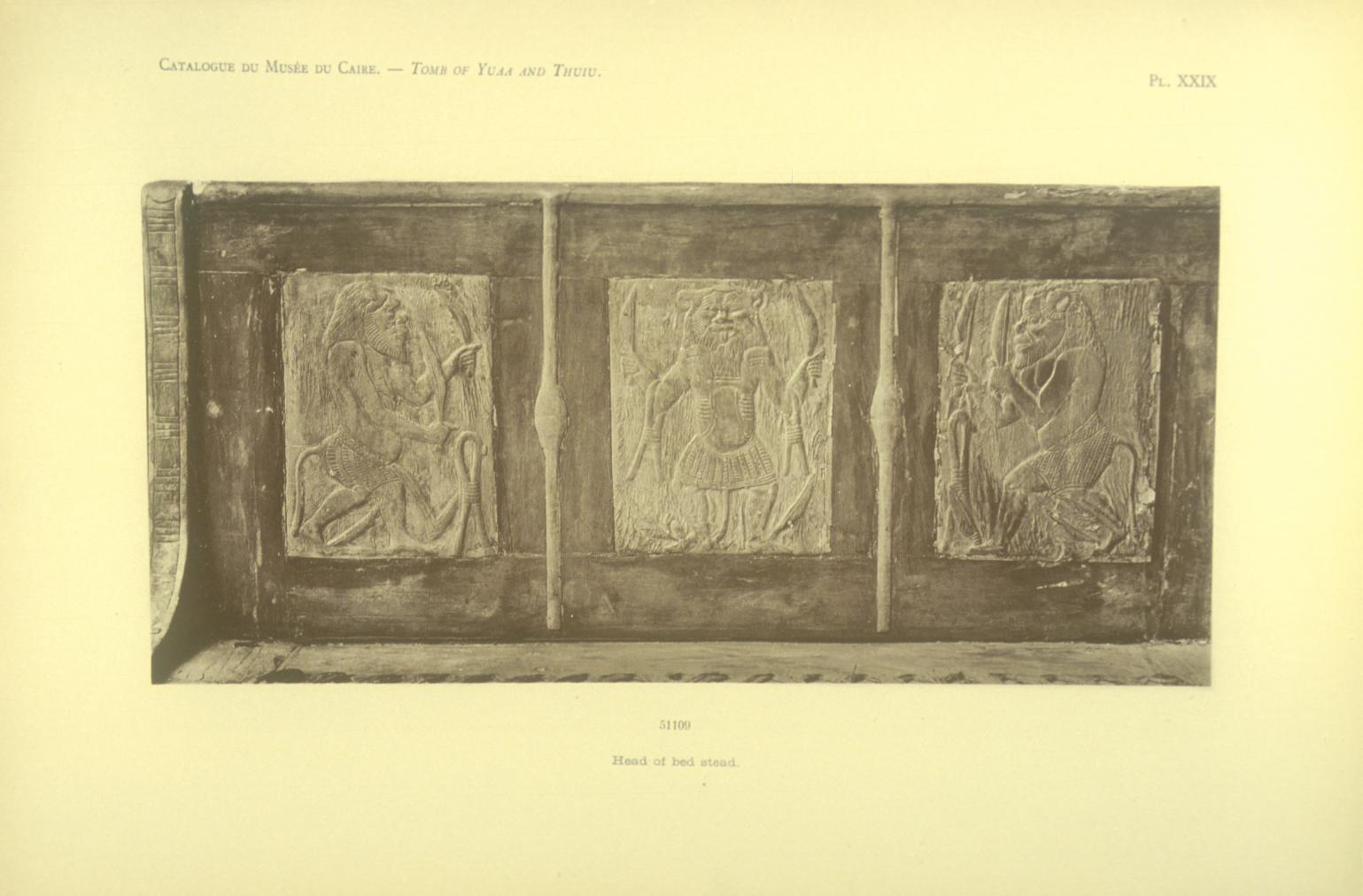
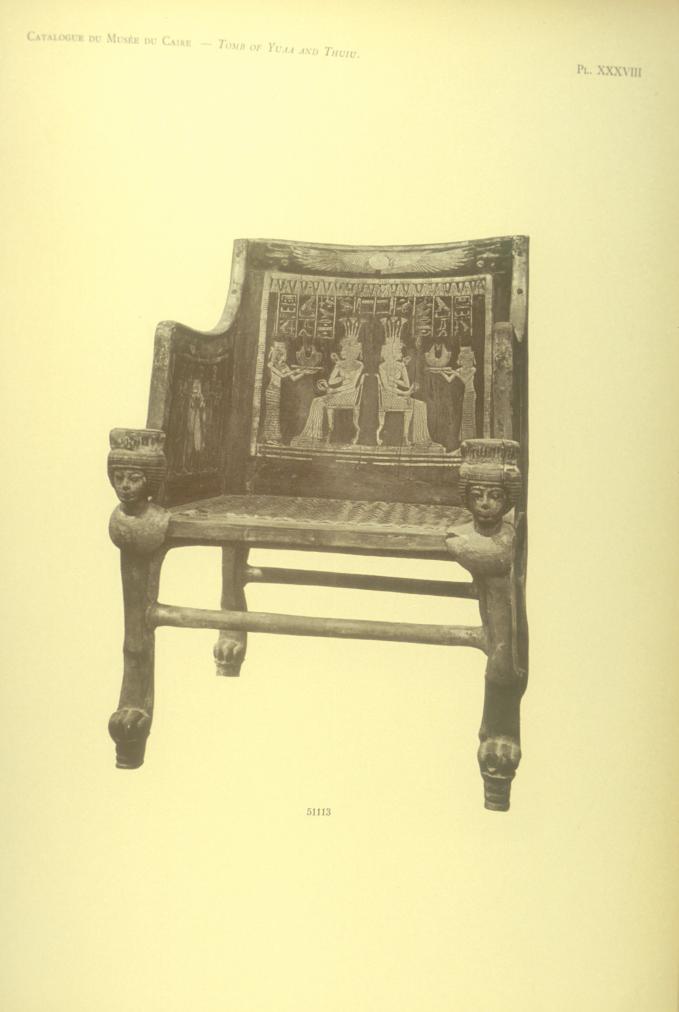
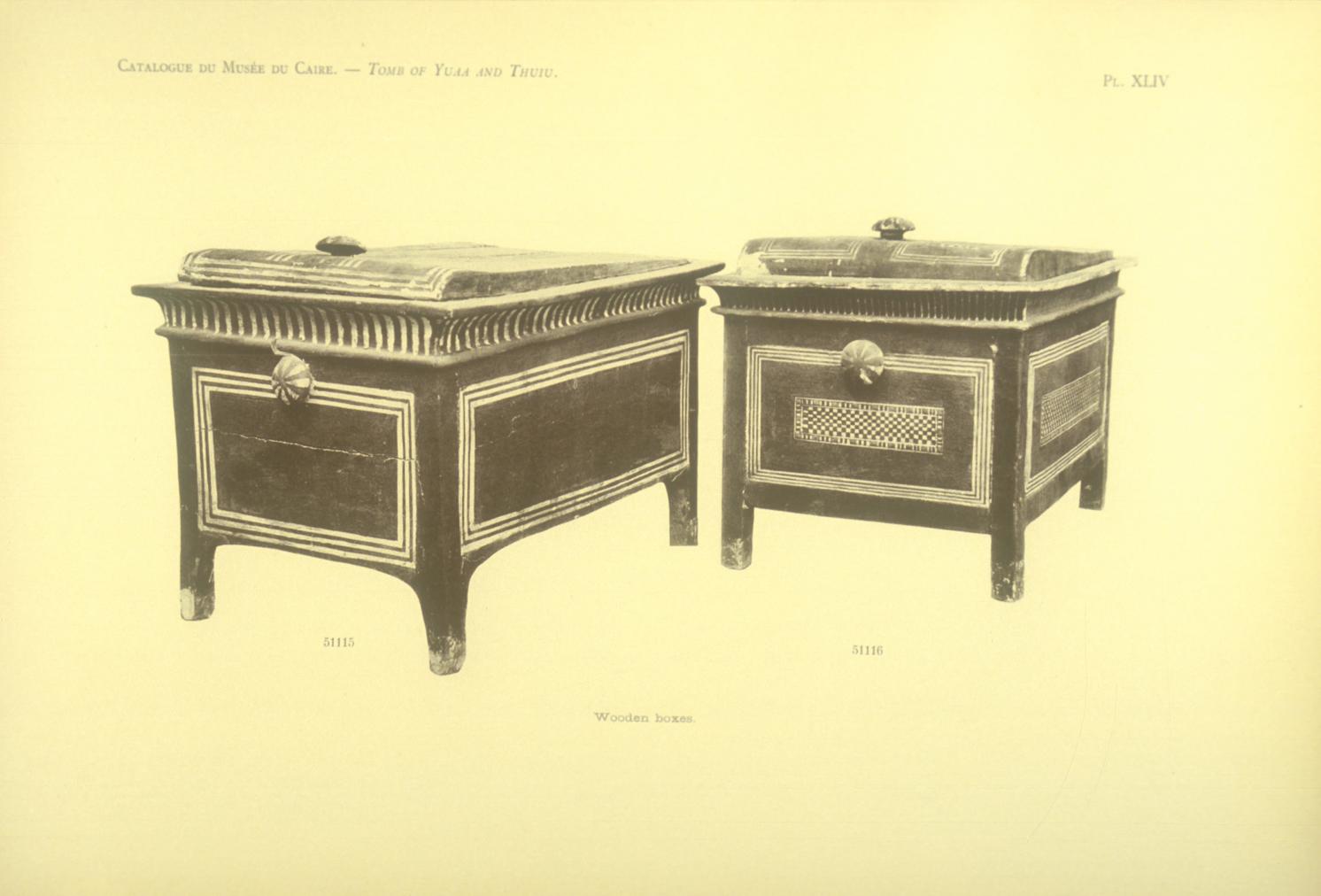
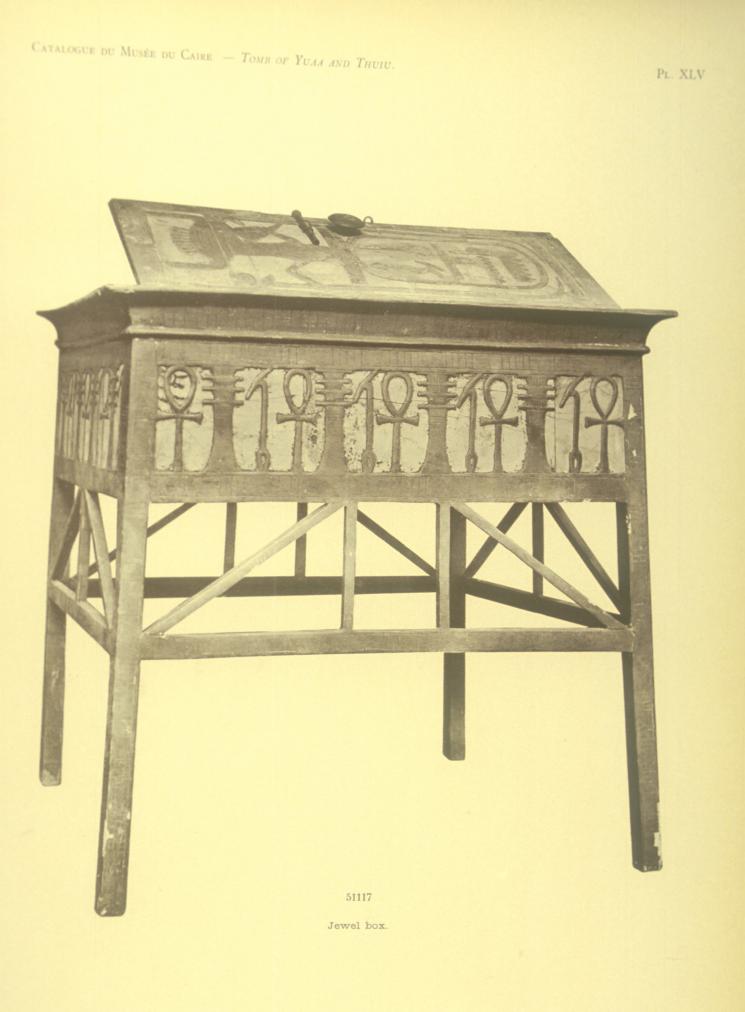
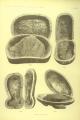
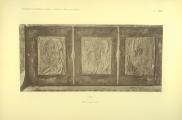
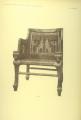
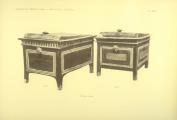
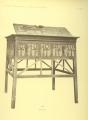
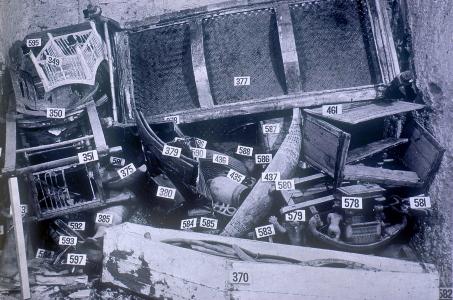
This non-royal tomb was found with much of its burial equipment intact.
Site History
KV 46 belongs to Yuya and Thuyu, the parents of Queen Tiy, wife of Amenhetep III. Differences in their embalming techniques indicate that they died at separate times rather than as a couple. Evidence from the tomb suggests that it suffered multiple intrusions and Nicholas Reeves has suggested the following summarised timeline: (a) the separate interments of Yuya and Thuyu, with Yuya likely dying first; (b) an early intrusion a few years after the last burial, during which cosmetics and other valuables were taken, followed by official refurbishment and resealing; (c) renewed robbing during the reign of Ramesses III, leading again to a state-supervised tidying and closure; and (d) a final phase of plundering, possibly in the time of Ramesses XI, after which the burial was hastily rearranged and the outer doorway roughly blocked before the tomb disappeared beneath later debris.
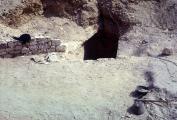
The tomb entrance was uncovered in early 1905 during the excavations of James Edward Quibell, Chief Inspector of Upper Egypt, on behalf of the American financier, Theodore M. Davis. The entrance, still partly sealed with ancient mud-plastered stones, had a narrow opening at the top showing that the tomb had been entered long ago. Peering through the gap, Davis and Quibell's successor in waiting, Arthur Weigall, were able to see inside and make out a steep passage. A small boy, the foreman's (reis') son was lifted through the gap to retrieve objects lying just within reach, and he returned with several remarkable items, including a gilded Scarab and parts of a chariot, confirming the tomb’s significance. News of these finds spread quickly, prompting the Director General Gaston Maspero to ensure he was present for the formal opening of the tomb. Weigall’s letters to his fiancé, Hortense Schleiter, describe the moment the group entered the chamber for the first time, finding a fully furnished, virtually intact Eighteenth-Dynasty burial - 'Maspero, Davis, & I stood there gaping & almost trembling for a time & I think we all felt that we were face to face with something which seemed to upset all human ideas of time & distance.' Once the lid of the first shrine was examined, the names of the occupants—'Prince Auai & his wife Thuai' were read aloud in the lamplight.
The days that followed were a mixture of intense archaeological labor and the social chaos that accompanied news of a major discovery. Weigall and Quibell worked long hours sorting furniture, packing objects, and documenting the burial, while a steady stream of visitors descended upon the site. 'Luxor at present teems with them,' Weigall complained—'foolish English and French Dukes, Marquises, etc.' One persistent visitor requesting to be taken below turned out to be the Crown Prince of Norway. The nights offered even less rest with concerns about potential looting, and Weigall often slept directly at the mouth of the tomb, sometimes joined by visitors looking for an adventure. Despite the interruptions, the clearance progressed steadily, culminating in the removal of the burial equipment to Cairo and the subsequent publication of the finds by Quibell.
Dating
This site was used during the following period(s):
Exploration
Conservation
Conservation History
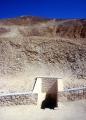
A metal gate has been installed in gate B and a rubble retaining wall has been constructed around the top of the entrance stairs.
Site Condition
The walls of the tomb are rough and no plaster or decoration was applied to their surface.
Hieroglyphs
Thuyu
 Queen's Father Thuyu
Twiw
Yuya
 Queen's Mother Yuya
ywiA
Articles
Anatomy of a Tomb: Ancient and Modern Designations for Chambers and Features
Funerary Equipment
Bibliography
Aldred, Cyril. Akhenaten, Pharaoh of Egypt: A New Study. New York: McGraw-Hill, 1969. Pp.17, 43-4, 55, 88-9, 91, 212
Davis, Theodore M., Gaston Maspero, Percy Newberry and Howard Carter. The Tomb of Iouiya and Touiyou (= Theodore M. Davis' Excavations, Biban el Moluk, 3). London, 1907.
Fekri, Magdi Mohammed. Une nouvelle enquête sur les tombes civiles et enonymes de la Vallée des Rois. In: Zahi Hawass, (ed.), Egyptology at the Dawn of the Twenty-First Century: Proceedings of the Eighth International Congress of Egyptologists, Cairo, 2000. Two vols. Cairo: American University in Cairo Press, 1003. Pp. 180-184.
Helck, Wolfgang. Königsgräbertal. Wolfgang Helck, Eberhart Otto and Wolfhart Westendorf (eds.). Lexikon der Ägyptologie. 7 vols. Wiesbaden, 1972-1992. 3: 522.
Lilyquist, Christine. Descriptive Notes from the Valley. In: Elizabeth Goring, Nicholas Reeves and John Ruffle (eds.), Chief of Seers: Egyptian Studies in Memory of Cyril Aldred. London: Kegan Paul, (1997): 201-206.
Porter, Bertha and Rosalind Moss. Topographical Bibliography of Ancient Egyptian Hieroglyphic Text, Reliefs, and Paintings. I, 2. The Theban Necropolis: RoyalTombs and Smaller Cemeteries. Oxford: Clarendon Press, 1964. Pp. 562-564.
Quibell, J. E. Report on Work Done in Upper Egypt during the Winter 1904-1905. Annales du Service des Antiquités de l’Égypte 7 (1906): 8-9.
Quibell, J. E. The Tomb of Yuaa and Thuiu (=Cataloque générale des antiquités égyptiennes du Musée du Caire. Cairo (with a few volumes published elsewhere), 43). Cairo, 1908.
Reeves, Carl Nicholas. Valley of the Kings: The Decline of a Royal Necropolis (= Studies in Egyptology). London: KPI, 1990. Pp. 148-153.