Theodore Davis House
About
About
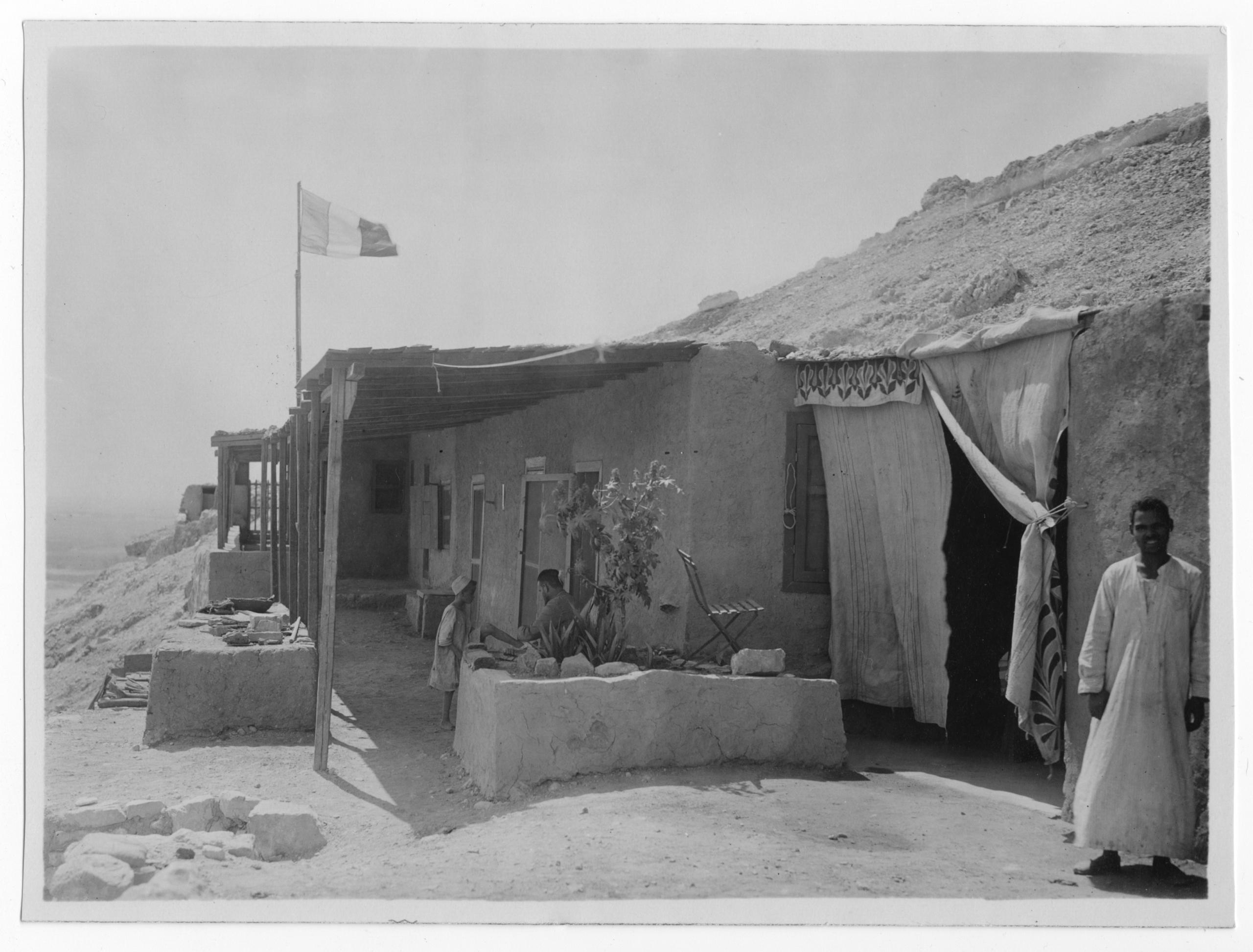
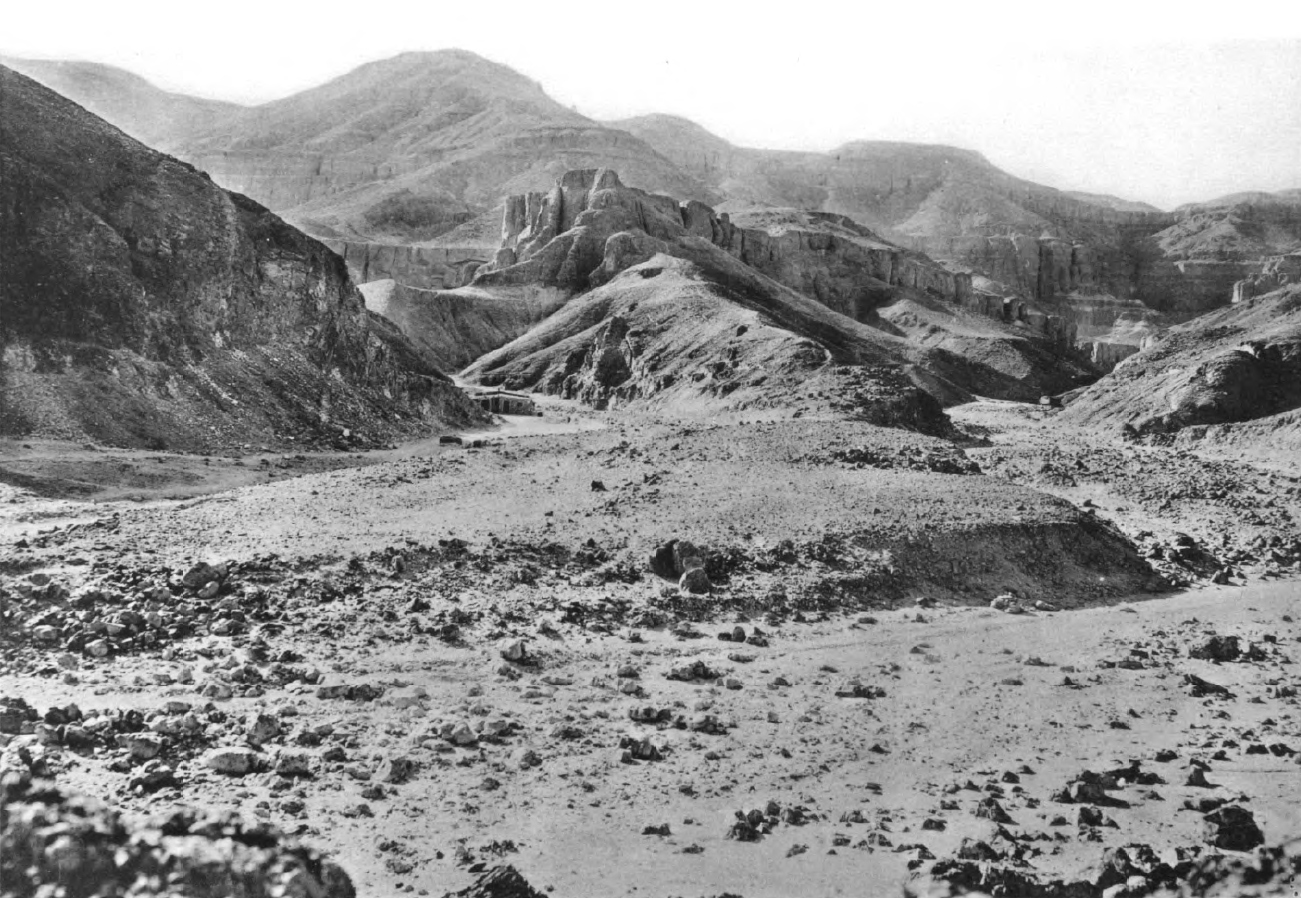
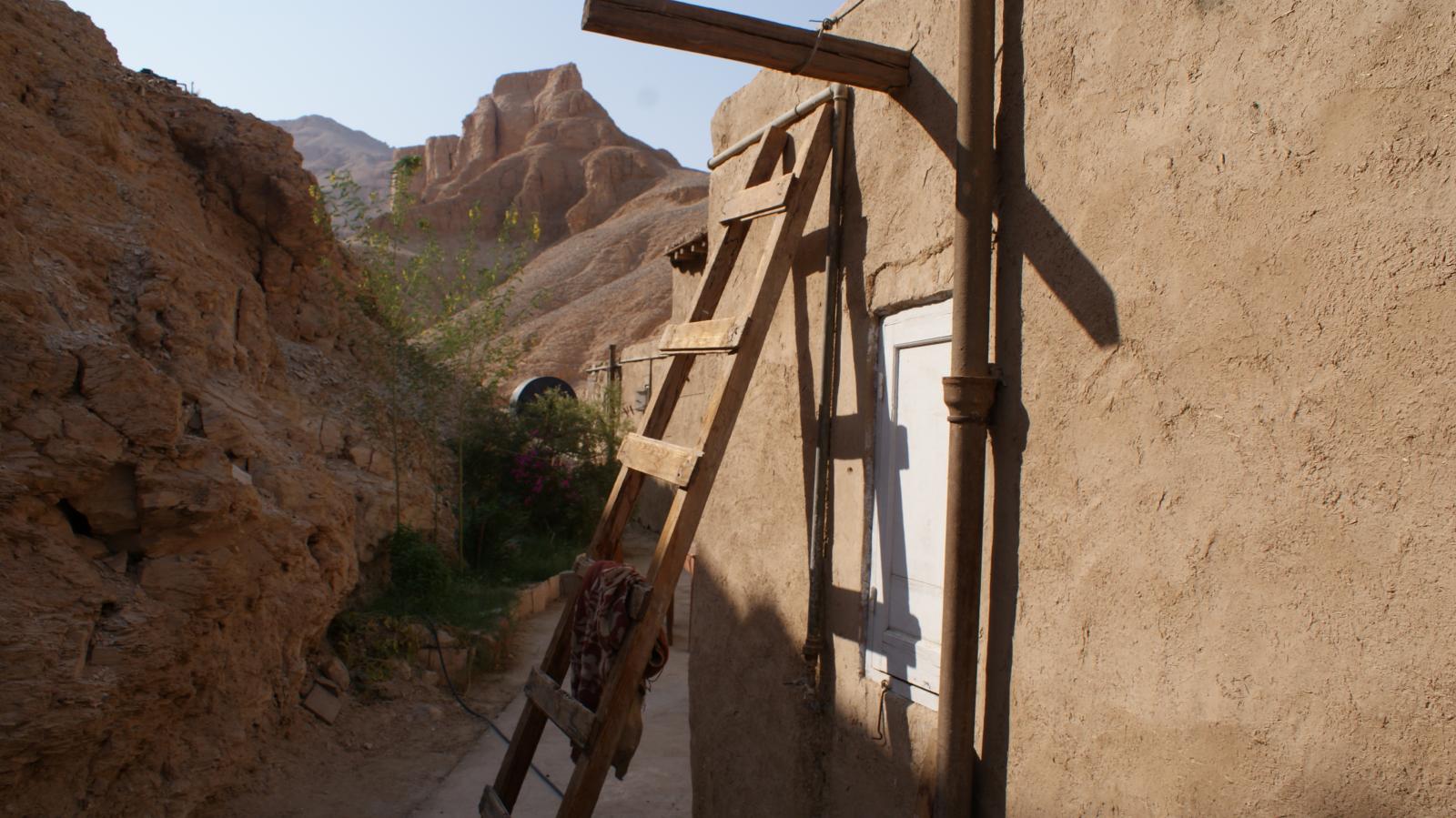
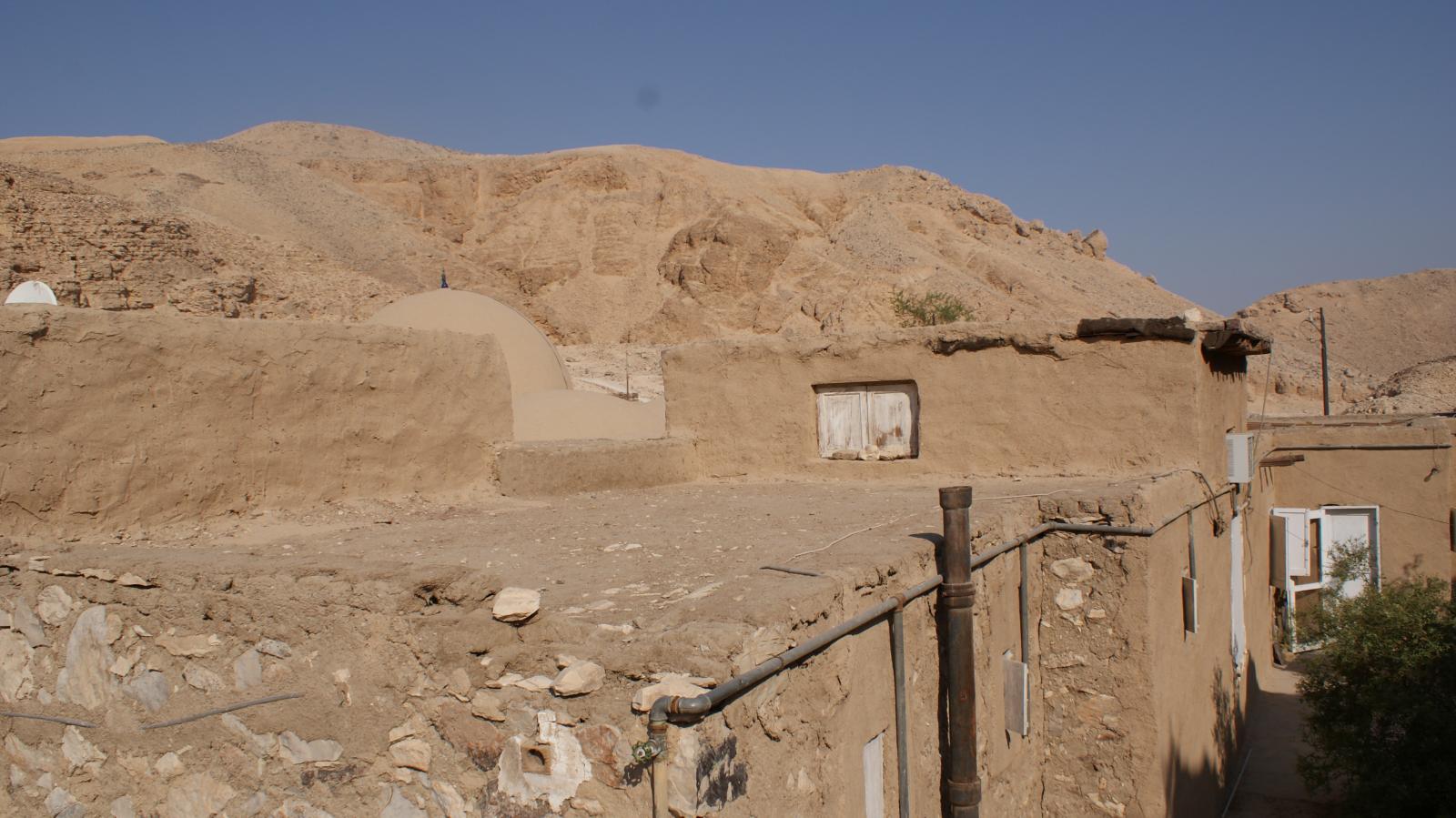
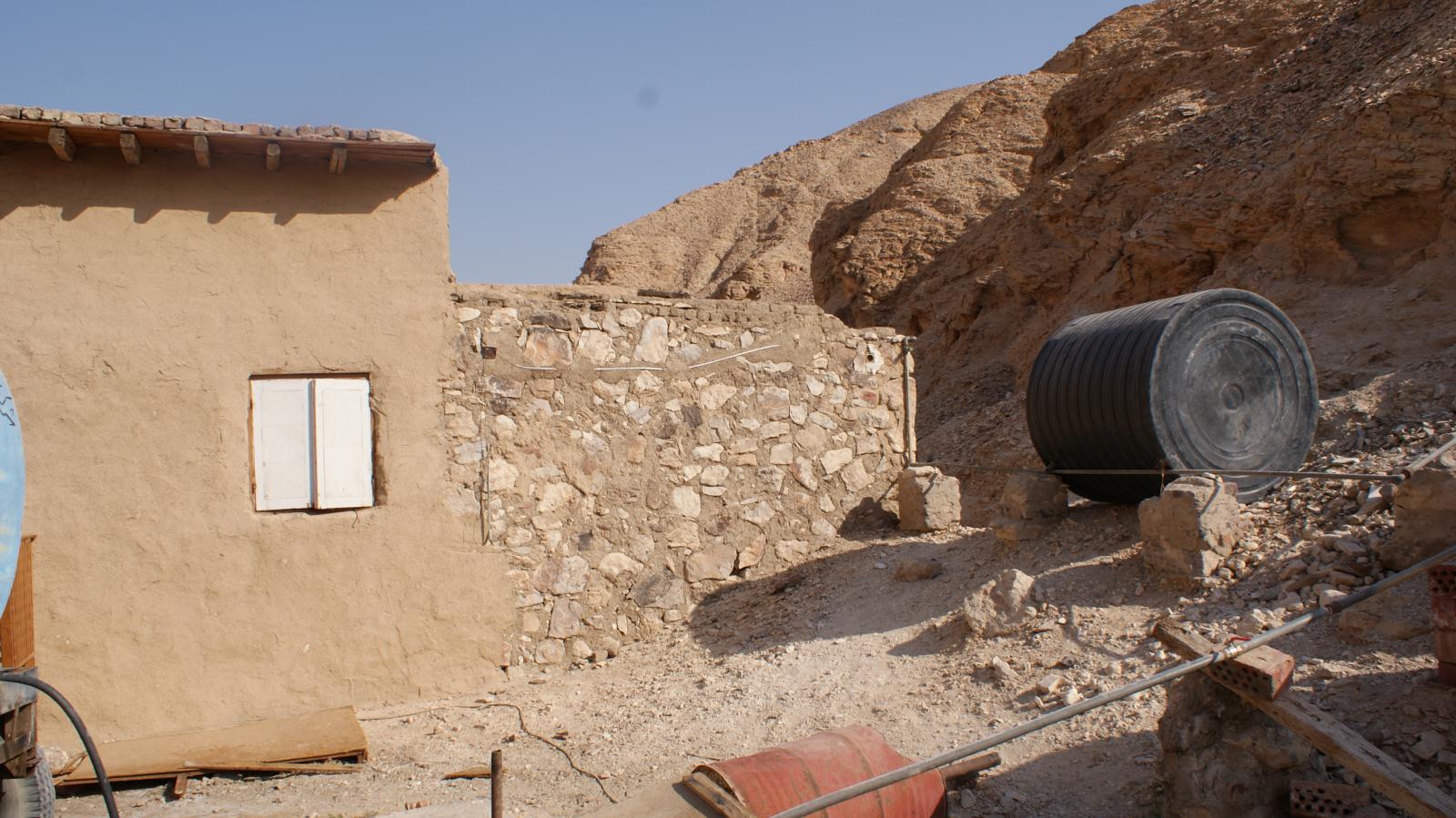
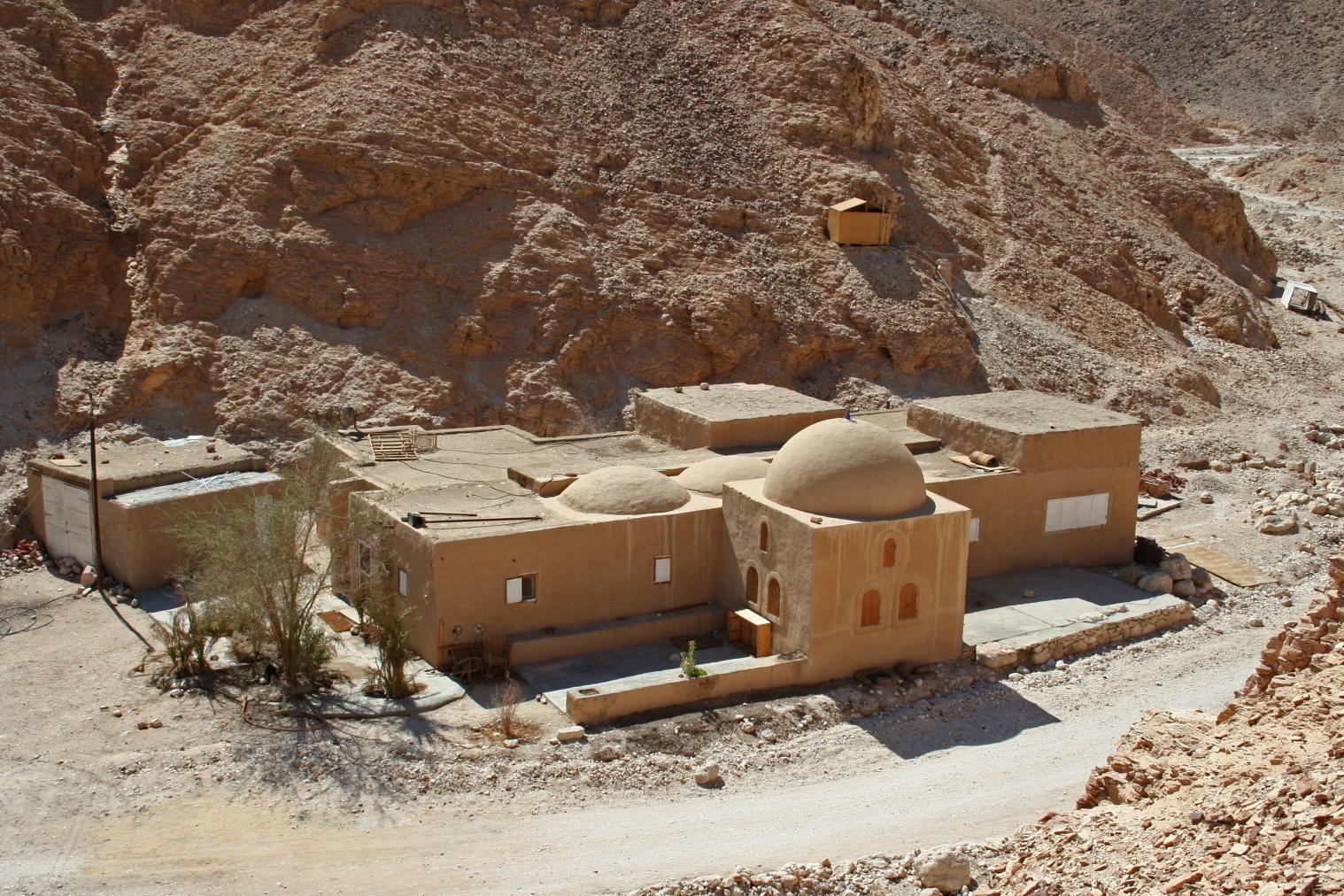
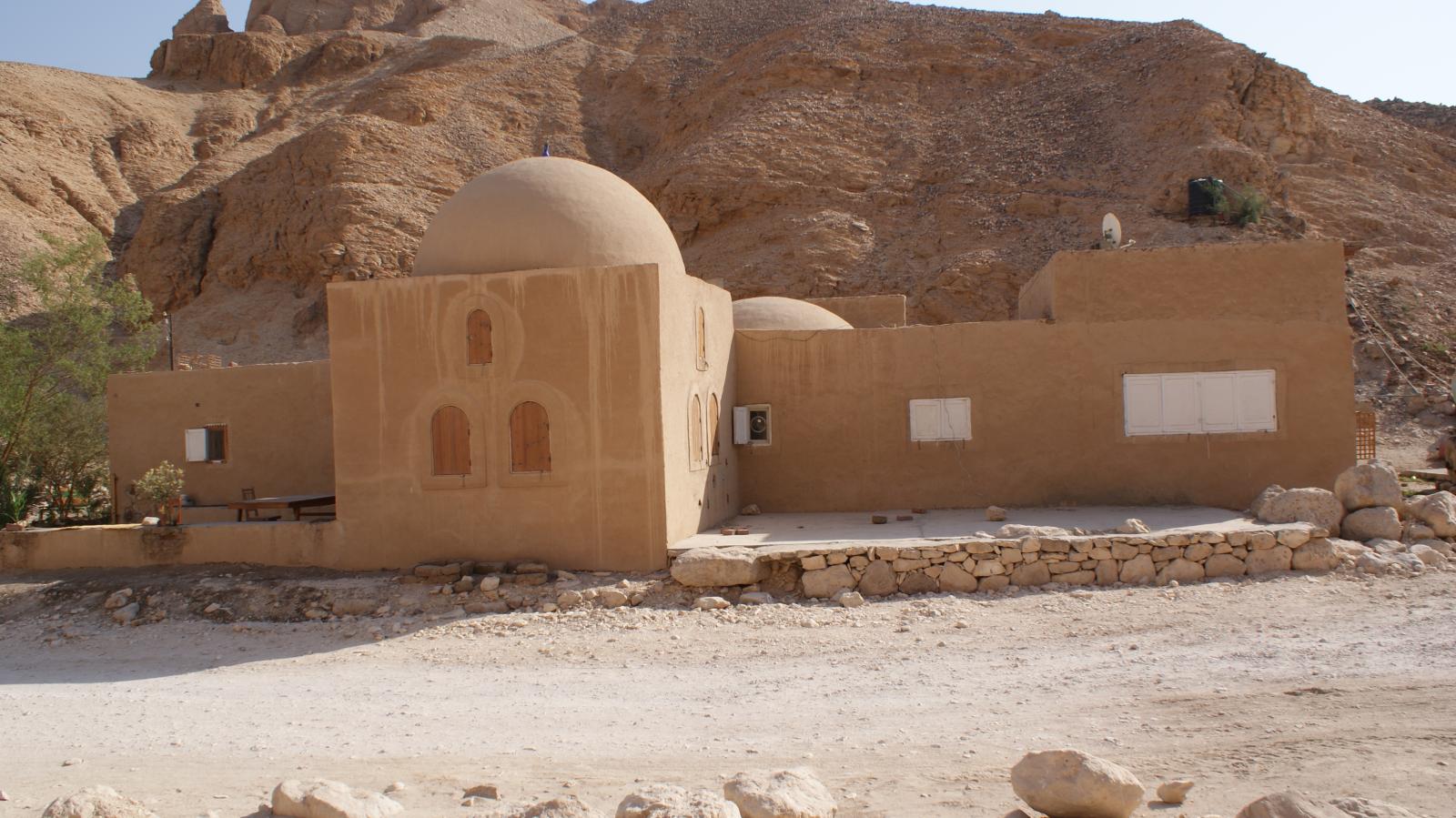
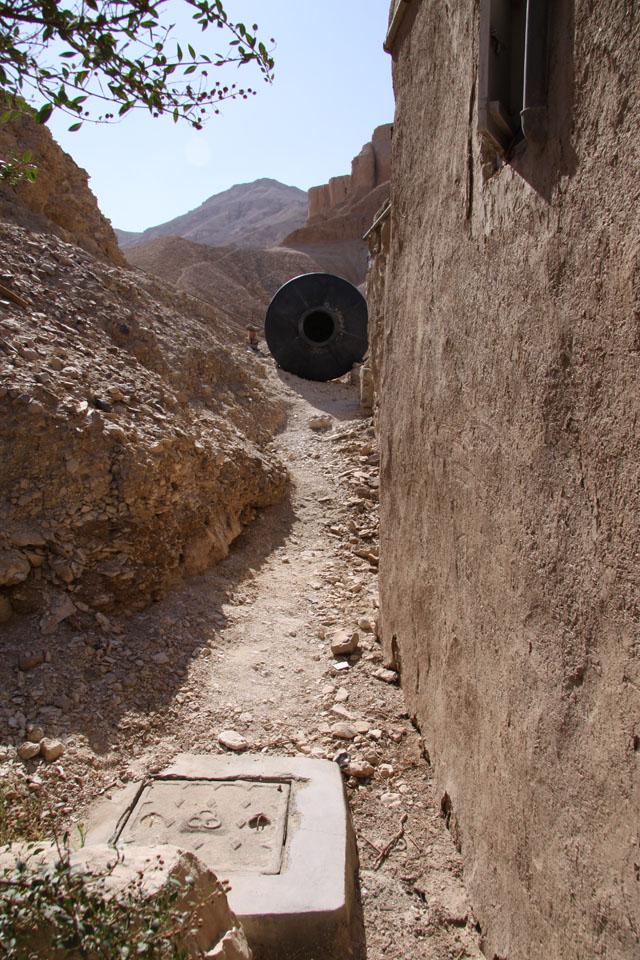
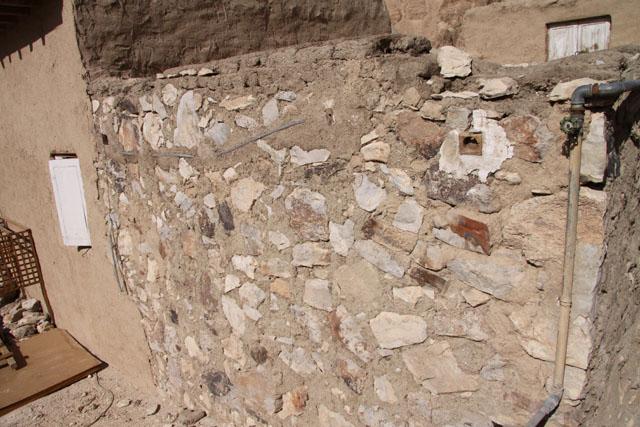
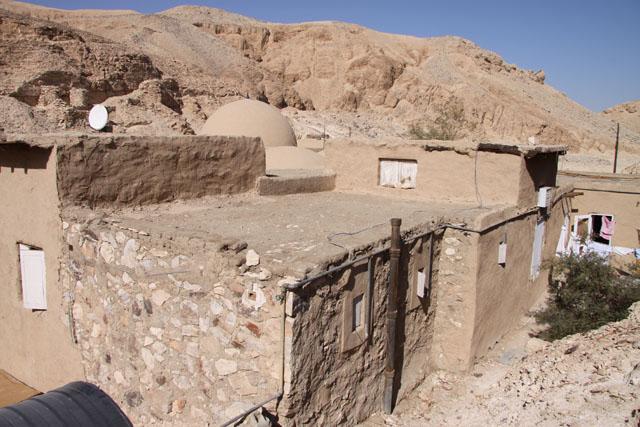
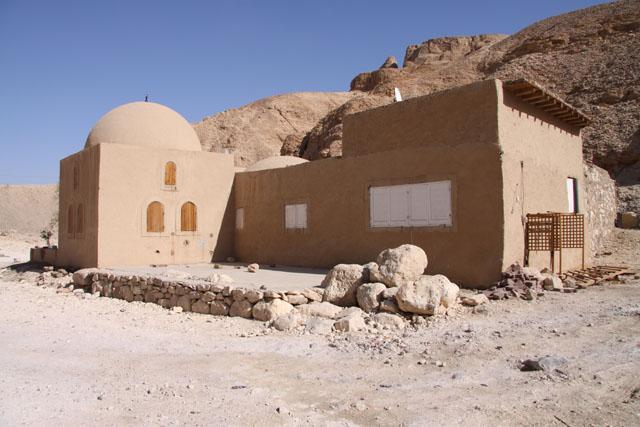
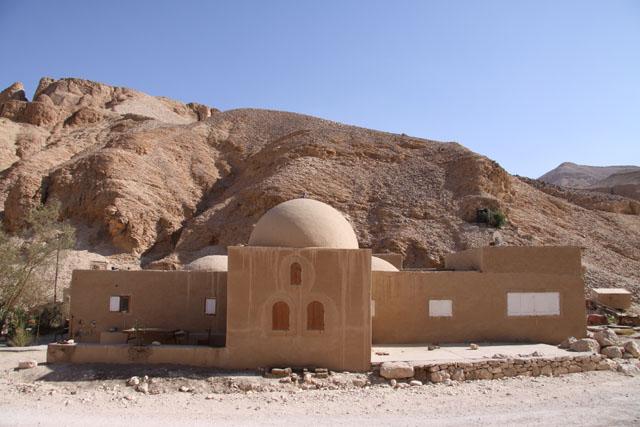
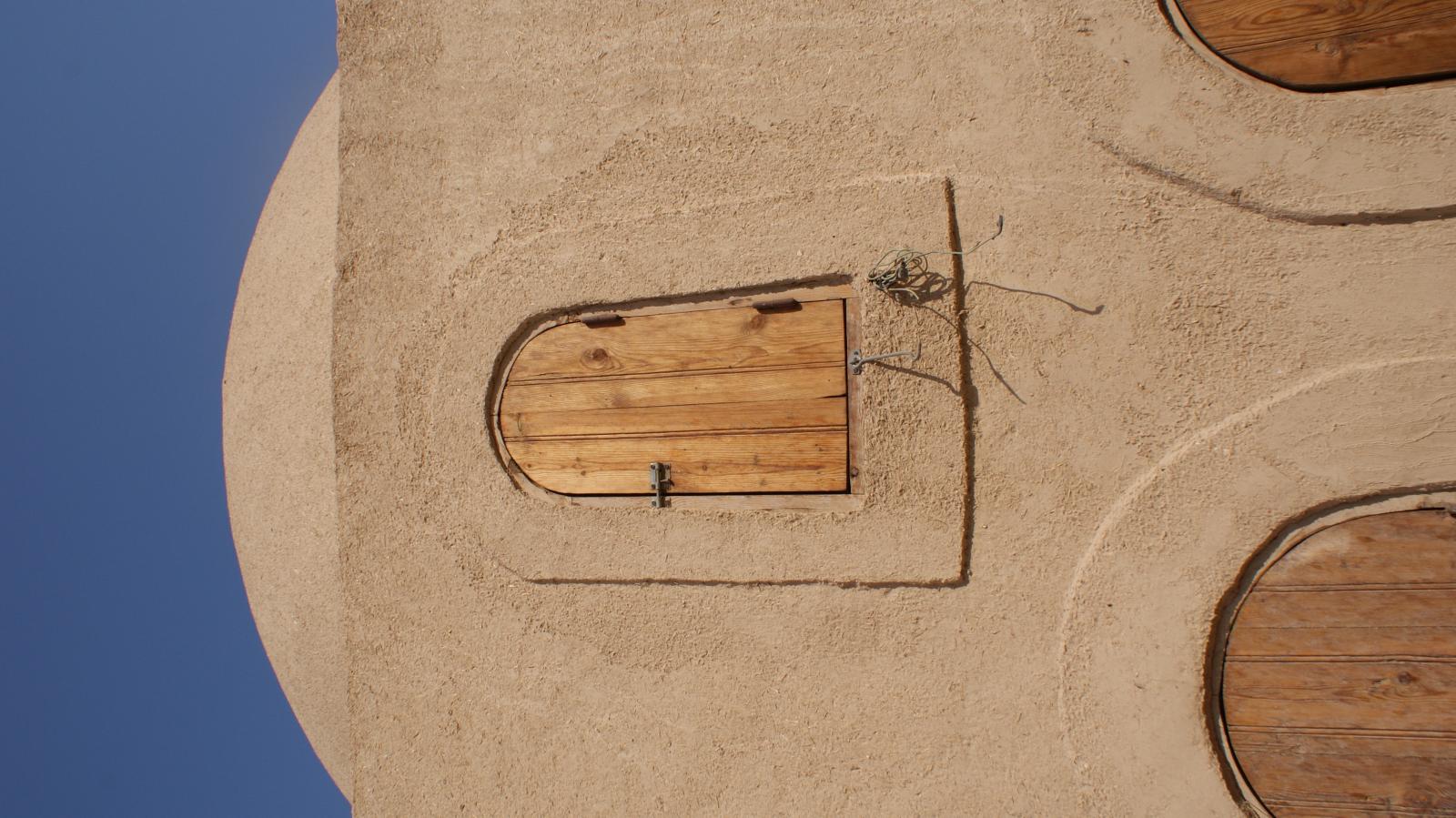
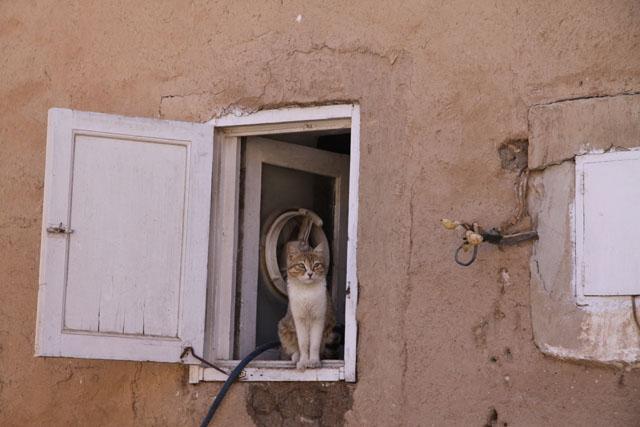
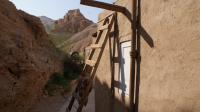
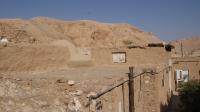
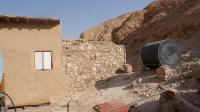
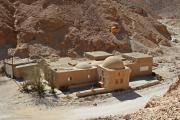
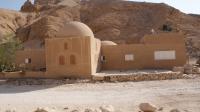
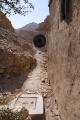
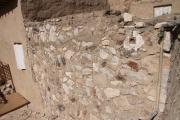
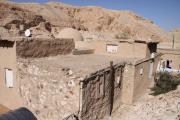
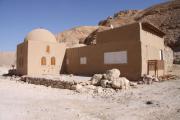
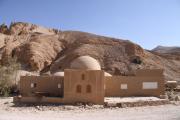
Davis House, named after its patron Theodore M. Davis, is located at the entrance to the Western Valley of the Kings, set directly against the base of the limestone cliffs on the west bank at Thebes. Davis conducted numerous excavations in the Valley of the Kings from 1902 to 1914, becoming one of the most prominent figures in early archaeological exploration of the area. During the 1905–1906 excavation season, Edward Ayrton, then employed by Davis as lead archaeologist and excavation director, oversaw the construction of the house as a permanent field headquarters for the excavation team. The site was carefully selected so as not to disrupt the first view of the Valley encountered by visitors approaching on foot or by horseback or donkeys. Conceived as a functional base rather than a private residence, the house was constructed of irregularly shaped stone set in mud mortar and finished with a mud plaster, reflecting building practices typical of early twentieth-century excavation architecture in Thebes. Its position benefited from afternoon shade cast by the surrounding low cliffs, contributing to passive temperature regulation.
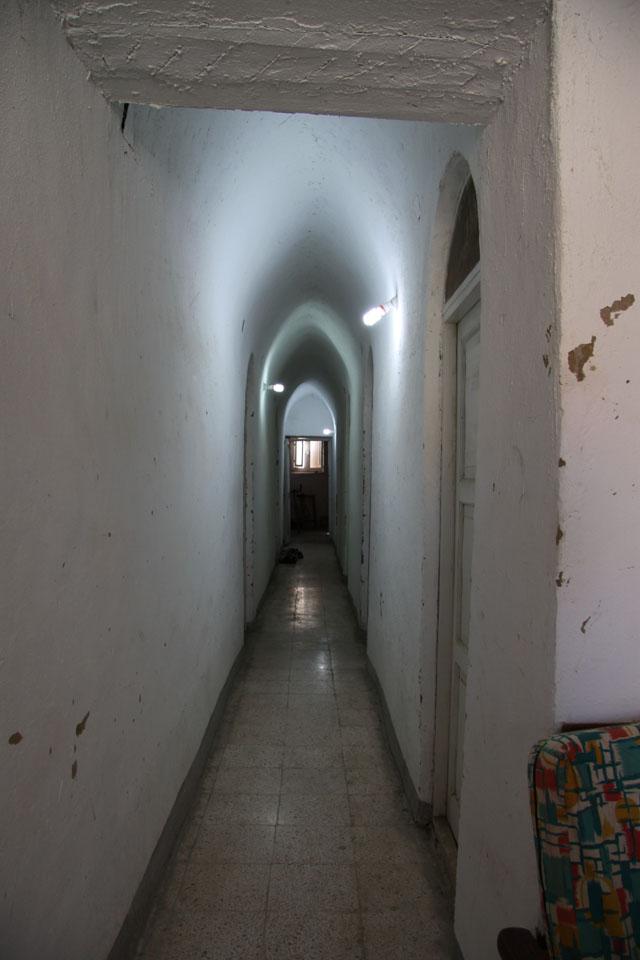
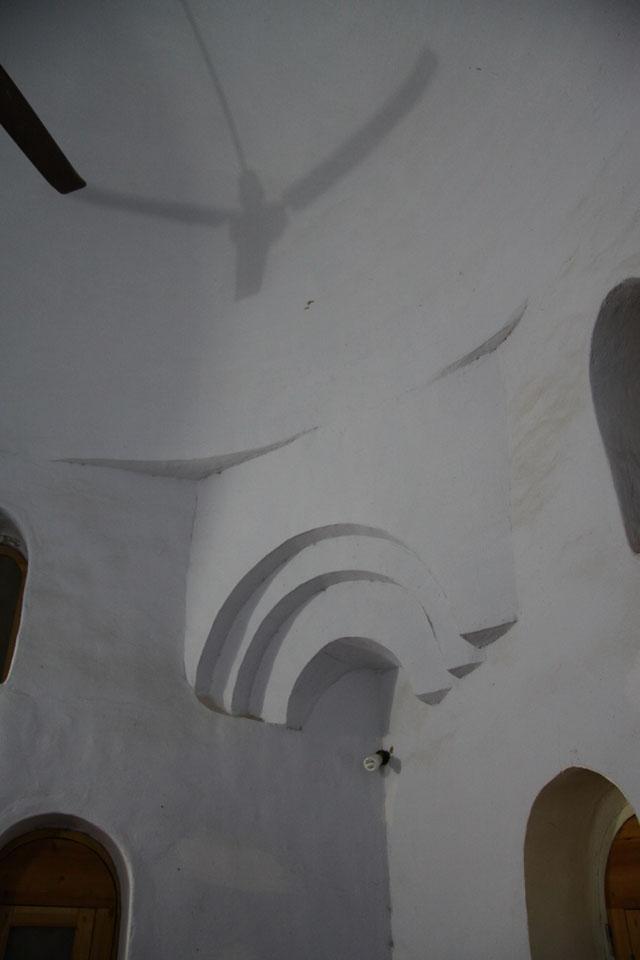
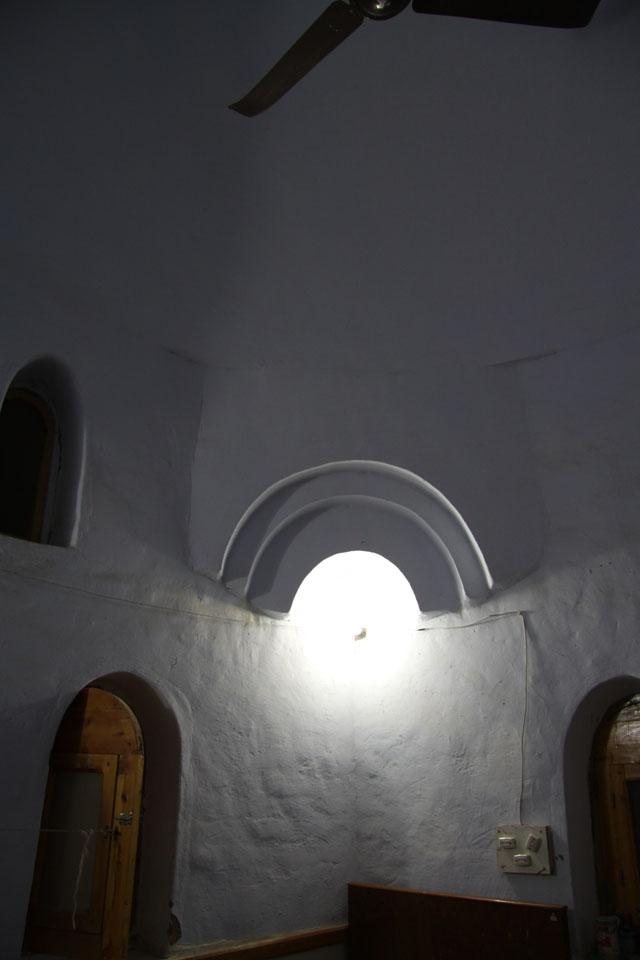
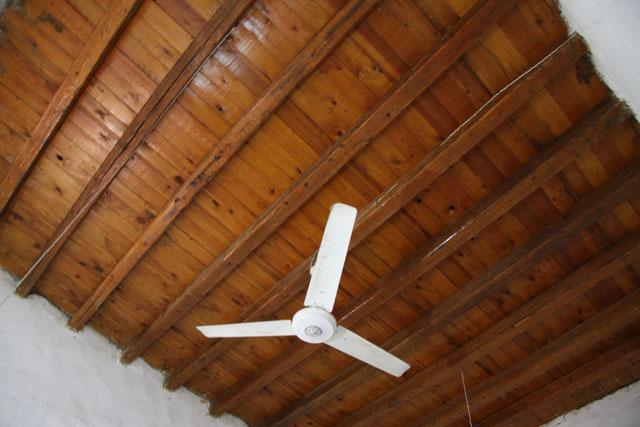
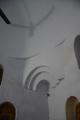
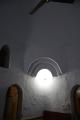
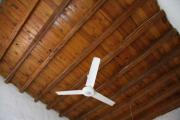
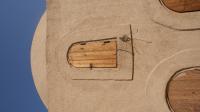
The original plan appears to have comprised a study, dining room, and four bedrooms, covered by a flat roof. Contemporary evidence suggests that the house was initially fitted with a double wooden roof, a feature known from other historic dig houses and intended to reduce heat; however, in the absence of high-level ventilation openings, this element was likely removed during a later phase of alteration or restoration. At some point possibly during the 21st Century, a substantial dome was added to the structure; the precise date and circumstances of its construction remain unclear. At the time of its original construction, the building lacked running water and electricity, relying instead on seasonal occupation and manual systems.
As excavation activities expanded, the house underwent a series of incremental modifications prior to the First World War to accommodate the growing needs of Davis’ team. These additions included a kitchen, a guards’ hut and guards’ room, an antiquities storeroom, an artist’s studio constructed specifically for Harold Jones, and a darkroom to support photographic documentation. Together, these changes reflect the increasingly complex logistical and documentation requirements of archaeological work in the Valley during the early twentieth century.
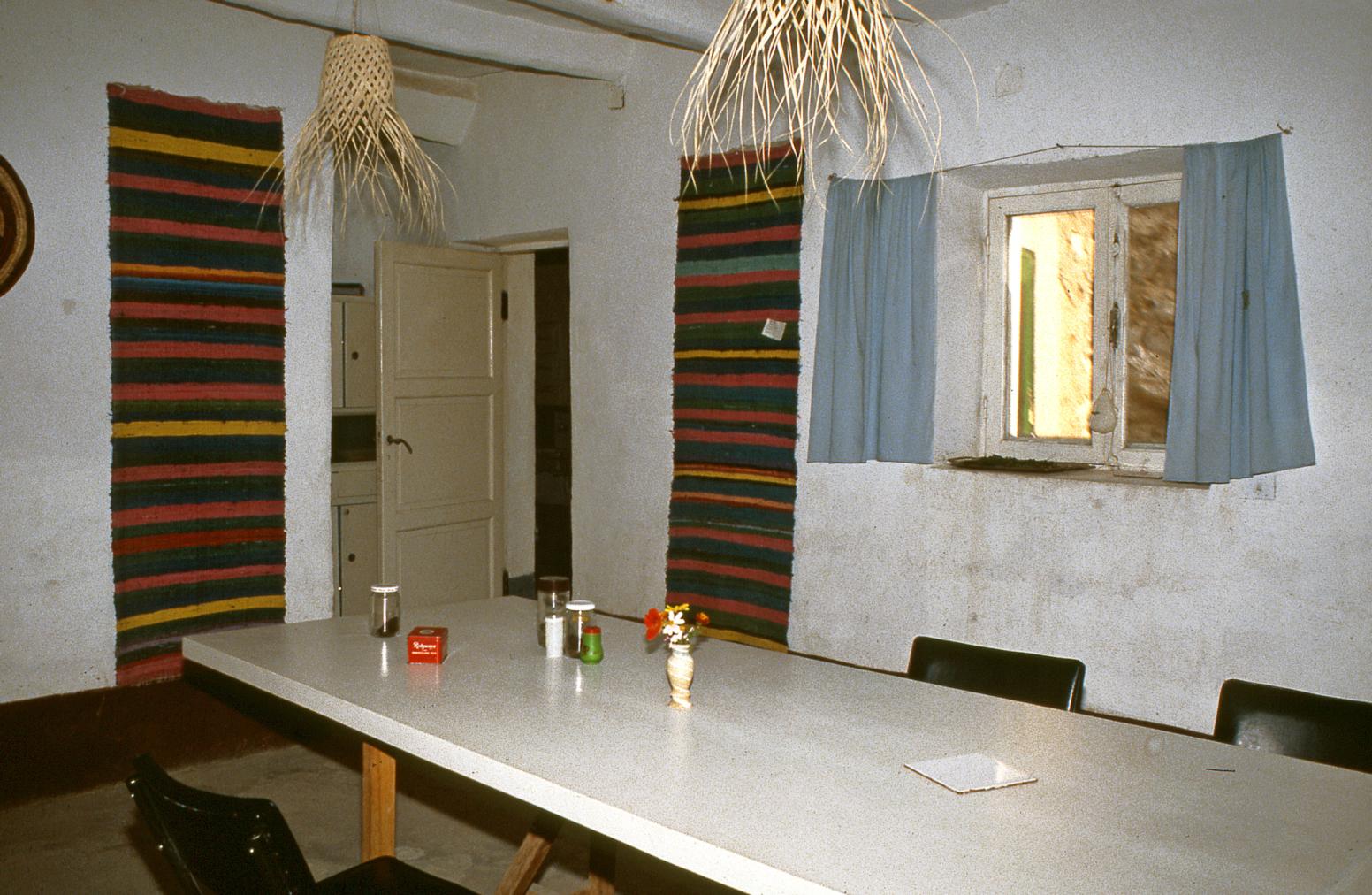
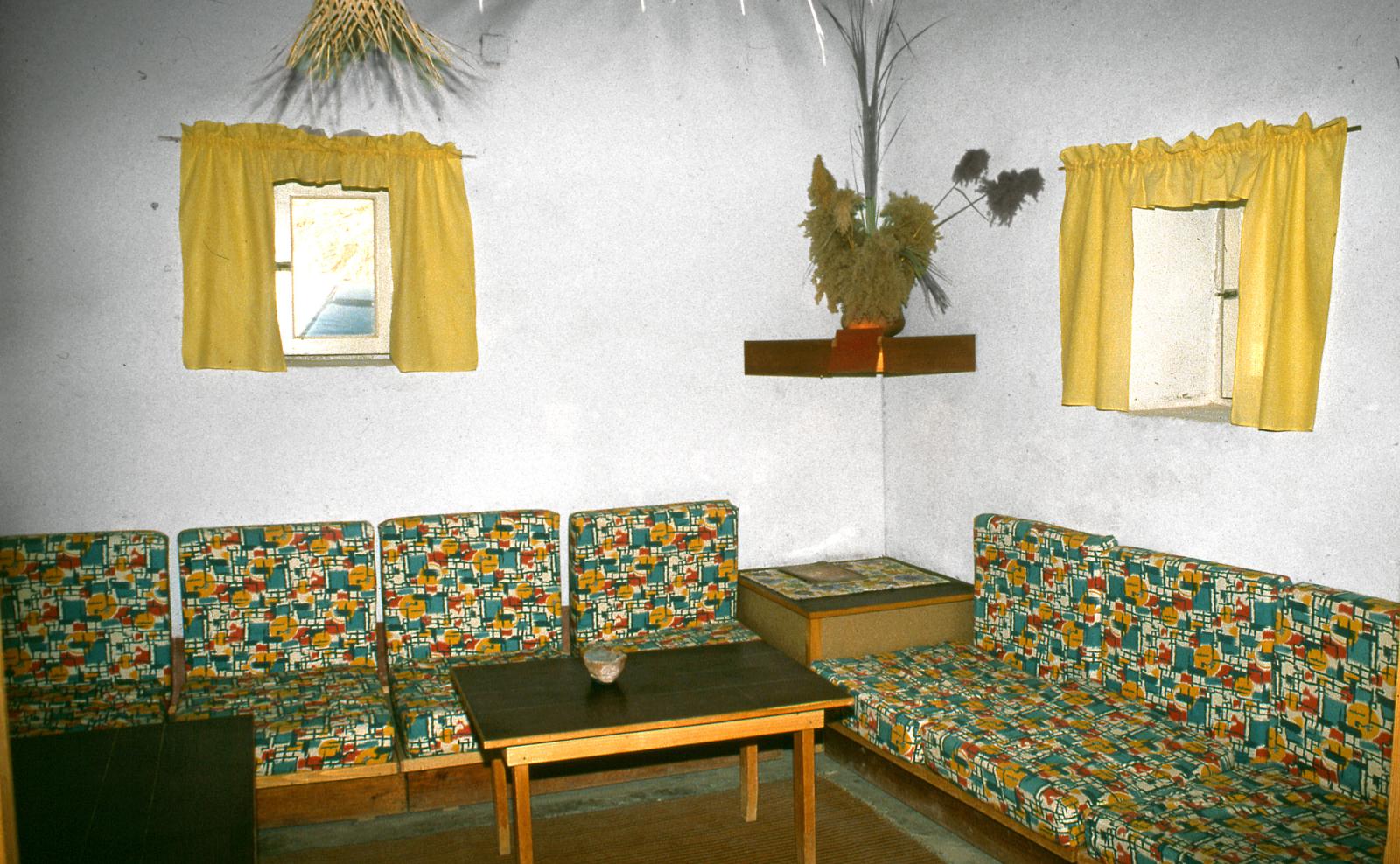
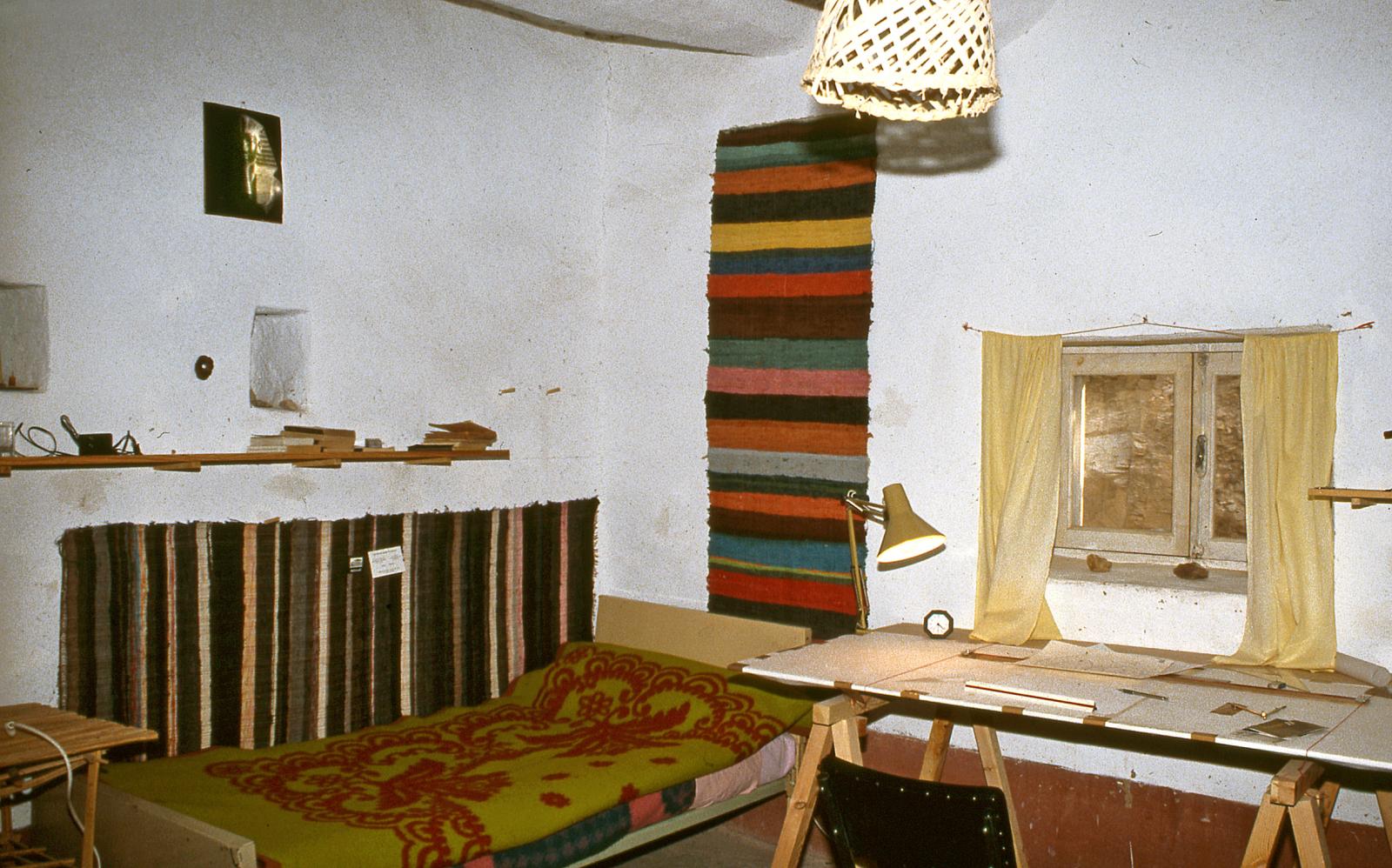
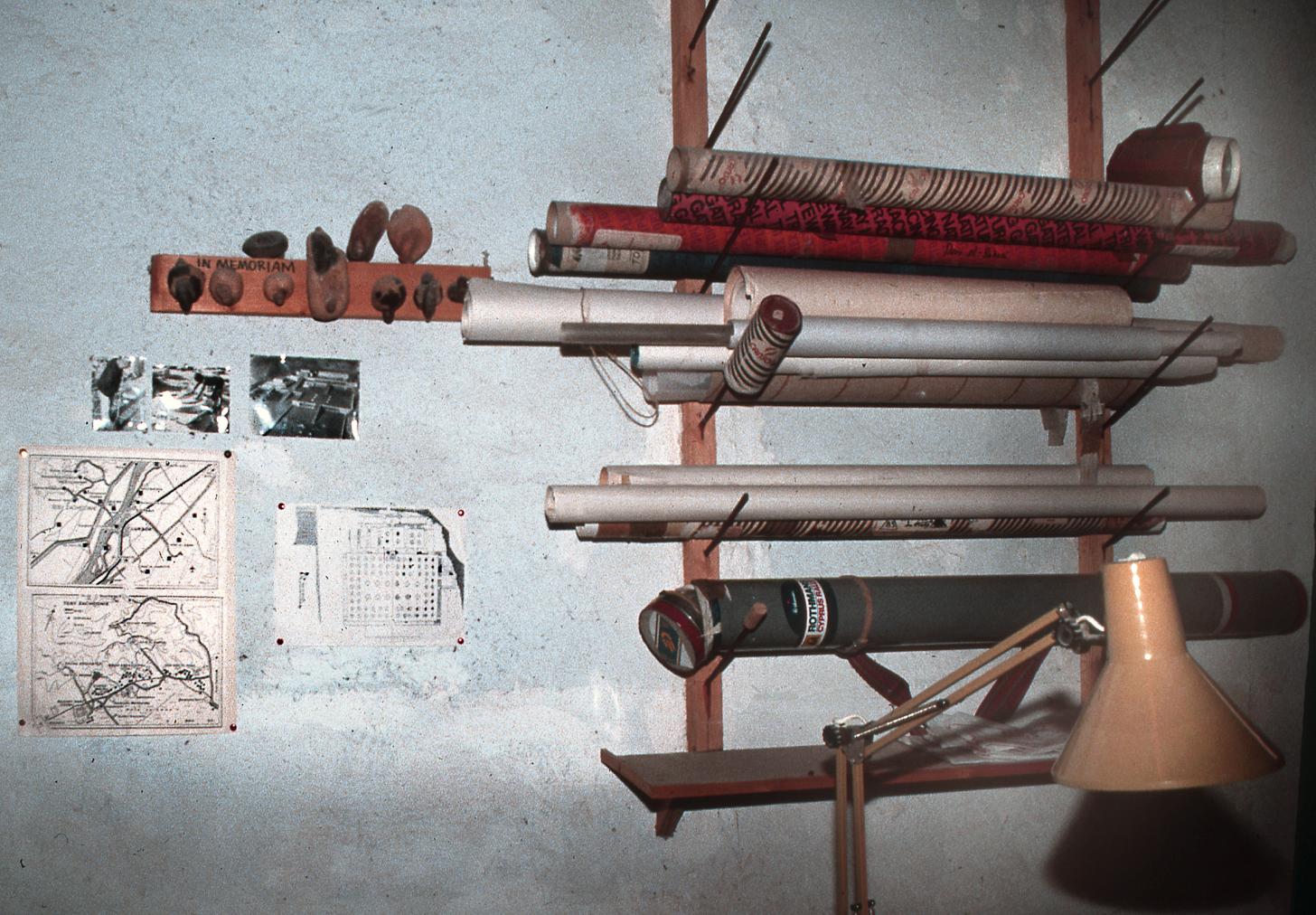
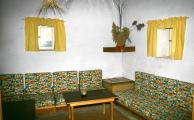
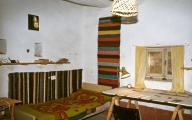
Following the cessation of Davis’ work in 1914, and a prolonged period of limited or uncertain use, the building gradually deteriorated. Between 1978 and 1980, John Romer, as director of the Brooklyn Museum expedition, reoccupied the house during his work in the Valley and undertook its repair, restoration, and extension, adapting it once again for use as a field headquarters. After the departure of Romer and his team, Davis House was occupied by the Polish–Egyptian Tuthmosis III Temple Mission, directed by Professor Jadwiga Lipińska, from 1984/85 until 1996. During this period, the house was cleaned, repainted, and refurnished, with new wooden furniture produced by the mission’s restorers, and a small garden established at the entrance. These interventions ensured the continued maintenance and functional use of the building as both a residential and working space.
From 1997 to the present, Davis House has been used by the Supreme Council of Antiquities and the Ministry of Tourism and Antiquities as a residence and office for inspectors, allowing the building to remain in active use and preserving its role within the operational landscape of the Valley of the Kings.
Site History
The American businessman, Theodore M. Davis (1837–1915), rose from modest beginnings. Largely self-educated, he built a successful legal career and amassed considerable wealth through business ventures during the American Civil War. Inspired by friends’ tales of Egypt’s ancient riches, he first travelled to the country in 1887, becoming convinced that countless treasures still lay hidden, awaiting only determination—and perhaps a measure of good fortune—to be found.
In 1897, Davis commissioned the construction of an opulent dahabiyeh, the Beduin, from which he began making regular journeys along the Nile, stopping at the major archaeological sites that lined its banks. The more time he spent in Egypt, and the more he listened to European archaeologists describe their discoveries, the more persuaded he became that Thebes offered the greatest promise for spectacular finds. By 1900 he had already begun to act on this conviction, financing at least one season of Percy Newberry’s work on private tombs in the Theban necropolis. Davis' strenghtening belief in the region’s archaeological promise laid the groundwork for his eventual and more ambitious support of excavations in the Valley of the Kings.
In 1902, Howard Carter—then serving as Chief Inspector of Antiquities for Upper Egypt—assumed official supervision of the excavations financed by Davis in the Valley of the Kings (KV). Although the two men had known each other socially since 1900, their professional collaboration only began two years later. Under Carter’s direction, Davis’s team achieved several early successes, including the discovery of the richly furnished tomb of Thutmes IV (KV 43) in 1903 and the clearance and publication of Thutmes I and Hatshepsut’s tomb (KV 20).
Carter’s role in the Valley came to an end in 1904, when he was transferred north by the Antiquities Service. His departure ushered in a period of transition during which oversight of Davis’ work passed first to James Quibell, Chief Inspector from November 1904 to March 1905, and then to Arthur Weigall, who arrived in Luxor in March and briefly overlapped with Quibell during the handover. It was during this transitory period that Davis’ workmen uncovered the unplundered tomb of Yuya and Thuyu (KV 46), parents of Amenhetep III. The clearance was supervised by Quibell and Weigall, and Quibell later produced the official publication. KV 46 was the most lavish tomb yet found in the Valley, a distinction it held until the discovery of Tutankhamen’s tomb (KV 62) seventeen years later.
Neither Quibell nor Weigall, however, was able to exercise the firm control over Davis’s excavations that Carter had once maintained. Quibell kept only a very general eye on operations, while Weigall later admitted that he struggled to prevent Davis from 'running the Tombs of the Kings as a social affair,' allowing the work to proceed with considerable independence. This situation persisted even after the Antiquities Service insisted that Davis hire a full-time, professionally trained archaeologist and, furthermore, limited his work to a single area at a time, requiring that each be fully cleared before he proceeded elsewhere. Ironically, in his continued pursuit of gold and treasure in the Valley, Davis chose the young Englishman Edward Ayrton—an archaeologist who held “treasure-hunting” in notably low regard. But, perhaps following Davis’ "nose for treasure," Ayrton found the so called “Gold Tomb” (KV 56), filled with 78 amulets, pendants, bracelets, and necklaces, all of gold, silver, and electrum. 'It would seem that I have more success than any other explorer,' Davis wrote, taking credit for its discovery, but his lack of concern for any of the objects not of gold and silver was commented on by several visiting Egyptologists. One described seeing Davis tear apart some recently discovered ancient floral collars made of papyrus and Faience beads to show lunch guests 'how strong they were.' Davis’s reputation as a benefactor of archaeology suffered greatly from this and other similar stories.
Early in his employment, Ayrton suggested that their work would benefit if its headquarters were in the field, close to the work, with cleaning and photographic facilities and living quarters. Davis agreed, and “Davis House” was built at the entrance to the West Valley of the Kings. The site was carefully chosen, doubtless at Ayrton’s suggestion, located so as not to interfere with the view of the Valley tourists first saw as they walked from their donkeys and horses. No one was associated with more discoveries in the Valley of the Kings than Theodore Davis—his crews uncovered nearly thirty tombs—and for a time he was the most famous excavator in the world. “Davis House” soon became part of his public persona, with tea at the house a sought-after social occasion and visits from J. P. Morgan, Theodore Roosevelt, and numerous other dignitaries. The Duke and Duchess of Cornwall even insisted that lunch with Davis at the house was an essential part of their Luxor itinerary.
In reality, however, the house was far less Davis’ residence than its name implies. Ayrton and the other members of the excavation team spent most of their time there, using it as their daily base during the digging seasons, while Davis and his companion, Emma Andrews, lived primarily aboard the Beduin, their luxurious dahabiyeh. Andrews, writing from the Beduin in January 1908, captured this dynamic when she observed - 'I heard the Duchess (of Cornwall) talking to Mr. Davis about how the Gorsts (the British Consul General Sir Eldon and his wife) enjoyed their lunch yesterday in the Valley House, and I know from what she said that she intended Theo should invite them also to lunch there, and I don’t think he will be able to escape it.' Over the years, the house was also modified and expanded to meet the needs of the excavation staff. In 1907, an artist’s studio was added for Harold Jones’ work, together with a kitchen staffed by a cook and houseboy. Since the building served as storage for excavation finds, two guards and a guards’ room were incorporated as well. In 1908, following Ayrton’s departure to work for the British Expedition at Abydos, Jones became Davis’ lead excavation supervisor. He was joined by Lancelot Crane, who was employed as an artist to draw the reliefs in the newly discovered tomb of Horemheb (KV 57). Jones' tenure as supervisor was unexpectedly brief —he died in the house in 1911 after a short illness. Harry Burton, who lived there while serving as photographer for Davis’ team, succeeded Jones and remained until 1914, after which he joined the Metropolitan Museum of Art Expedition and relocated to their house.
With scores of discoveries and worldwide fame, Davis’ life seems charmed. However, in 1914, age and ill health forced him to abandon his searches for treasure. He described the Valley of the Kings as being “exhausted,” and he returned to America, where he died in 1915, seven years before Howard Carter discovered the tomb of Tutankhamen.
After 1914, the excavation concession for the Valley of the Kings was granted to Lord Carnarvon, with Howard Carter serving as director of the work. This transition marked the end of Davis' involvement in the Valley and the beginning of a new, more systematic phase of exploration. During this period, Carter converted Davis House into a store for the excavations, while continuing to live in his own residence, Carter House. Following this, the occupation history of the house remains unclear for several decades. It was not until 1978 that John Romer, as director of the Brooklyn Museum expedition to the Valley of the Kings, reoccupied the building during his work on the clearance of the tomb of Rameses XI (KV4). By this time, the house had seriously deteriorated, and Romer undertook its excavation and restoration. During this process, he uncovered a number of broken glass photographic negatives within the debris, adding an unexpected archival dimension to the site’s later history. Following the departure of Romer and his team, Davis House was later occupied by the Polish–Egyptian Tuthmosis III Temple Mission, directed by Professor Jadwiga Lipińska. From 1984–85 until 1996, the house served as the mission’s base of operations. During this period, it was cleaned, repainted, and refurnished, with new wooden furniture produced by the mission’s restorers, and a small garden established at the entrance, ensuring the continued use and maintenance of the building as a residential and working space.
From 1997 to the present, the house has been used by the Supreme Council of Antiquities and Ministry of Tourism and Antiquities as a residence and office for its inspectors. In this capacity, Davis House has continued to function as a working structure within the Valley of the Kings, reflecting a shift from private, foreign-led excavation headquarters to an institutional role embedded within Egypt’s own heritage administration.
Dating
This site was used during the following period(s):
Exploration
Conservation
Conservation History
Like all structures built of mud, mudbrick, and stone, Davis House required regular maintenance to remain habitable. Following the end of Theodore M. Davis’ involvement in the Valley after 1914, and the subsequent decline in its use, the building gradually deteriorated. By 1978, it was in a seriously dilapidated condition, prompting John Romer, then director of the Brooklyn Museum expedition, to undertake its excavation, repair, and restoration so that it could once again function as a field headquarters. After the departure of Romer and his team, the house was reoccupied and maintained by the Polish–Egyptian Tuthmosis III Temple Mission between 1984–85 and 1996, during which it was cleaned, repainted, and refurnished. From 1997 to the present, Davis House has continued in active use as a residence for inspectors of the Supreme Council of Antiquities, ensuring its ongoing maintenance and survival within the Valley of the Kings.
Bibliography
Davis, Theodore M., Gaston Maspero, Georges Daressy and L. Crane. The Tombs of Harmhabi and Touatânkhamonou (= Theodore M. Davis' Excavations, Biban el Moluk, 6). London, 1912.
James, T.G.H. Howard Carter: The Path to Tutankhamun. London: KPI, 1992.
Reeves, Nicholas. 2013. “Love Letters from Luxor: Arthur Weigall and the Tomb of Yuya and Tjuyu.” In Creasman, P.P (Ed.) Archaeological Research in the Valley of the Kings and Ancient Thebes: Papers Presented in Honor of Richard H. Wilkinson. Tucson: University of Arizona Egyptian Expedition, 287-323.
Ridley, Ronald T. “The Dean of Archaeological Photographers: Harry Burton,” The Journal of Egyptian Archaeology 99 (2013): 117–29.
Romer, John. Valley of the Kings. 1st ed. New York: Morrow, 1981: pp. 204-205, 236-237.