

QV 13
Anonymous


Entryway A
See entire tombShaft entrance with no built surround.

Entrance to QV13

Entrance to QV13

Entrance to QV13

Entrance to QV13
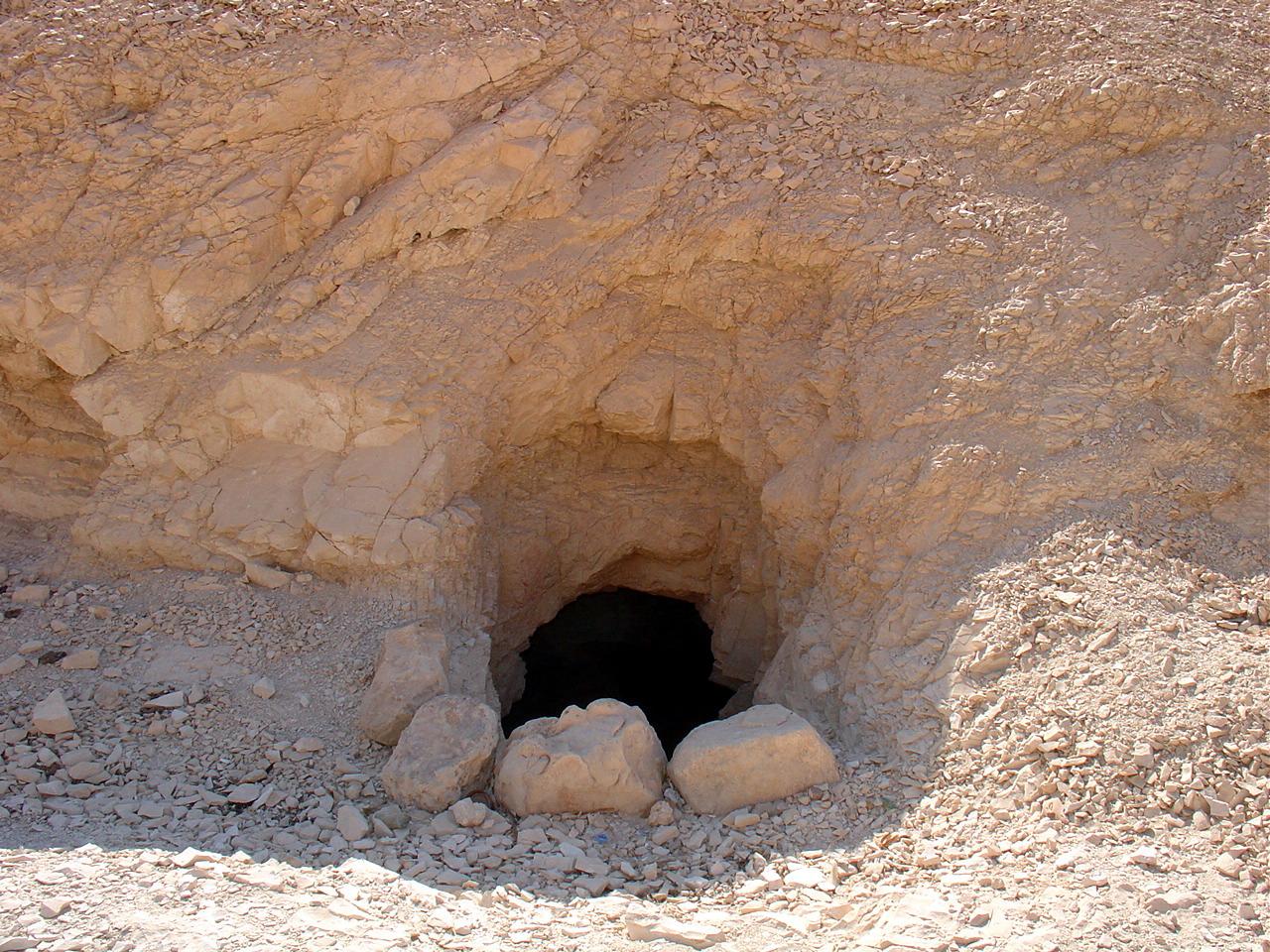
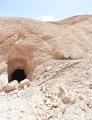
Entrance of QV 13 without modern surround. © Getty Conservation Institute and the Ministry of Tourism and Antiquities.

The entrance to QV 13 without a modern surround. © Getty Conservation Institute and the Ministry of Tourism and Antiquities.

The tomb number in blue paint on the shaft entrance walls. © Getty Conservation Institute and the Ministry of Tourism and Antiquities.
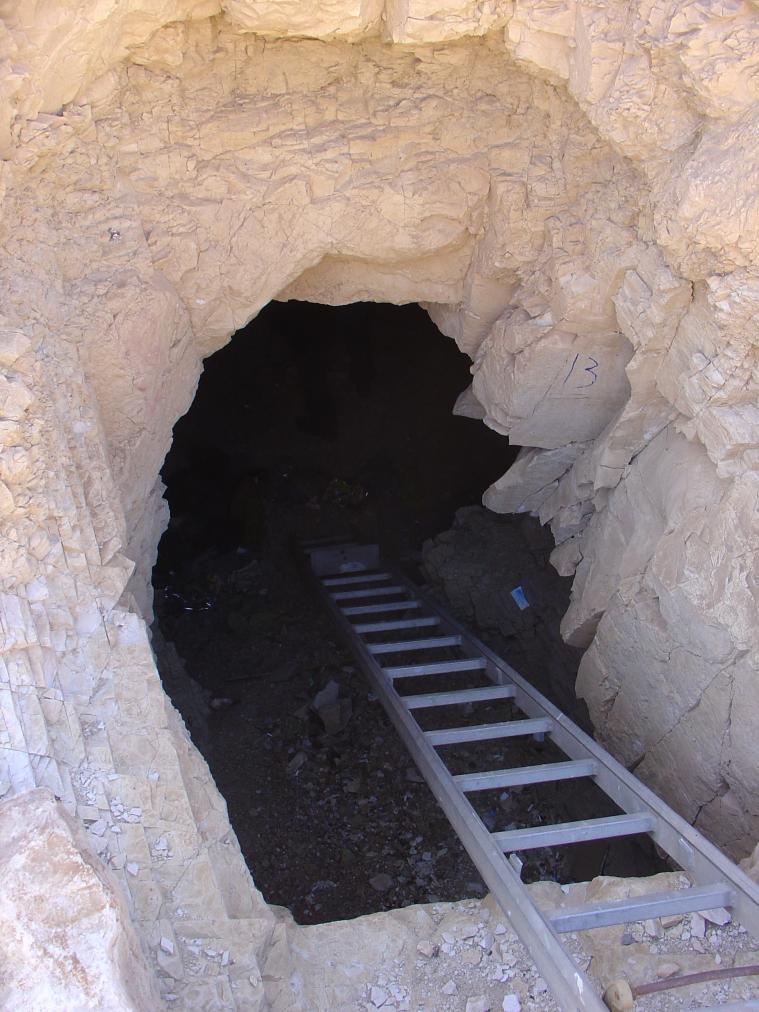
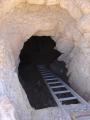
View down the shaft entrance of QV 13. © Getty Conservation Institute and the Ministry of Tourism and Antiquities.
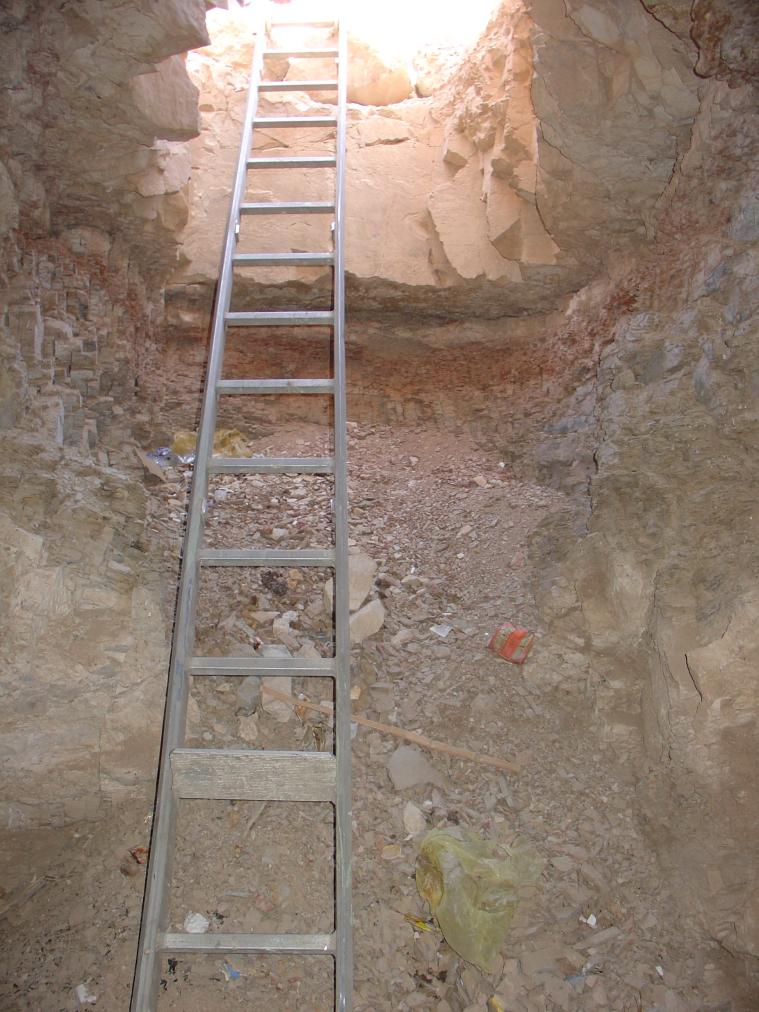
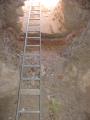
View up the shaft entrance of QV 13. © Getty Conservation Institute and the Ministry of Tourism and Antiquities.




Chamber B
See entire tombA small rectangular chamber.

View into Chamber B of QV 13. © Getty Conservation Institute and the Ministry of Tourism and Antiquities.

Burial chamber C
See entire tombA large, undecorated square chamber.
Chamber plan:
SquareRelationship to main tomb axis:
ParallelChamber layout:
Flat floor, no pillarsFloor:
One levelCeiling:
Flat
About
About
QV 13 is located on the south side of the main Wadi, adjacent to the secondary footpath to the south of the main visitor path. The entrance (A) has no surround or means of enclosure. The tomb consists of two chambers, a smaller rectangular chamber (B) leading to a larger square chamber (C). The rock into which the tomb is cut is fractured.
Elizabeth Thomas noted that QV 13 was the first of the "tandem" tombs, characterized by the layout of two consecutive chambers, the rear often larger than the first. She further noted that the tomb, though more complex in layout, is "small and rough" and impacted by the poor quality of the rock from which it was cut. The tomb was last cleared by the Franco-Egyptian team in 1984-85. Material recovered from the tomb includes the original 18th Dynasty Sarcophagus fragments, pottery, and glazed wig ornaments; Third Intermediate Period sarcophagi fragments, a fragment of wood painted with a falcon-headed deity, funerary nets, and shabtis; and Roman Period sarcophagi fragments and pottery.
Site History
The tomb was constructed in the 18th Dynasty and reused substantially in the Third Intermediate and Roman Periods.
Dating
This site was used during the following period(s):
Exploration
Conservation
Site Condition
According to the GCI-SCA, the tomb generally appears stable, with no signs of fallen rock, although the upper area of the passage between chambers (B) and (C) appears in particularly poor condition. The ceilings of chambers (B) and (C) are blackened. Bird and wasp nests were observed in the tomb by the GCI-SCA. The poor quality of rock in parts of the tomb is the principal cause of areas of loss. According to the GCI-SCA, the installation of a shaft cover is not feasible due to the nature of the opening. It has been recommended that the shaft be plugged to prevent entry of water, debris, and animals, as well as to ensure visitor safety.
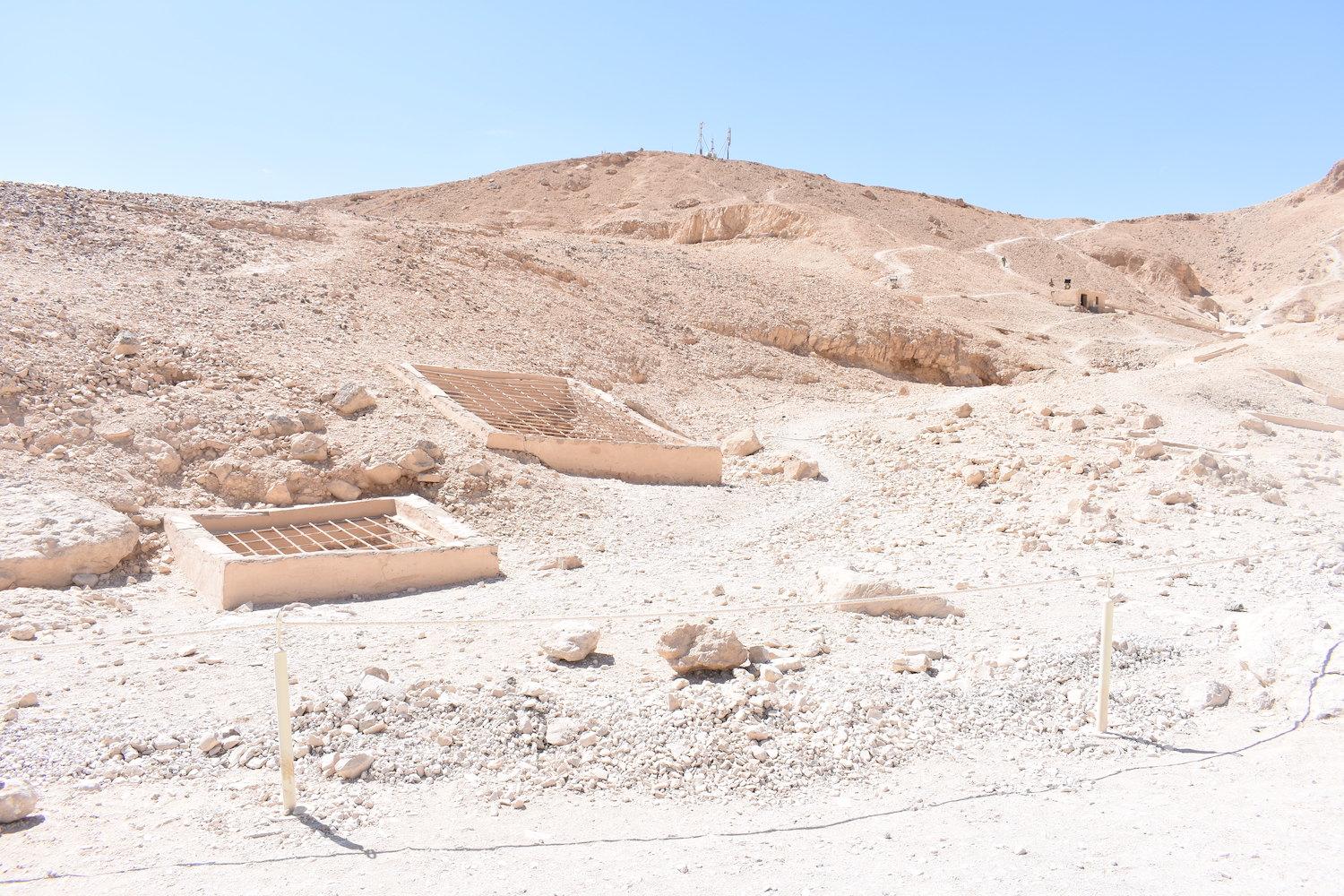
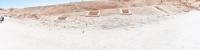
Entrances to QV5, QV6, QV7, QV8, QV9, and QV13.

Entrances of QV9, QV10, and QV13.
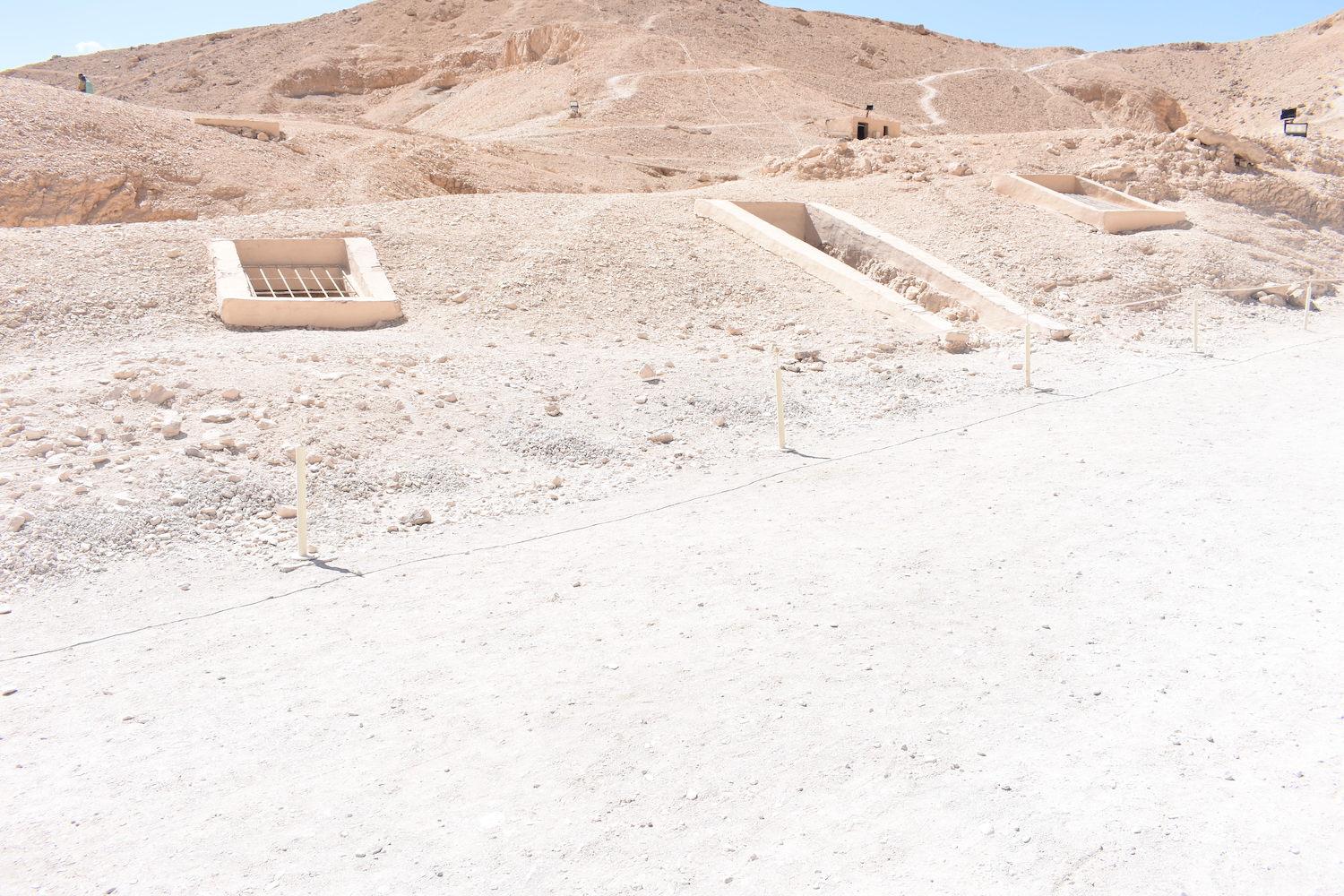
Entrances of QV10, QV11, QV12, and QV13 and old electricity building in background.
Entrance to QV13
Entrance to QV13
Entrance to QV13
Entrance to QV13

Entrances to QV13, QV14, and QV17, with the old electricity building and QV45 in the background

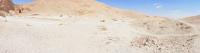
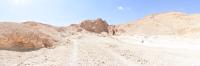
View of the southeastern side of the main wadi with entrances to QV7, QV8, QV9, QV10, QV11, QV12, QV13, QV14, and QV17
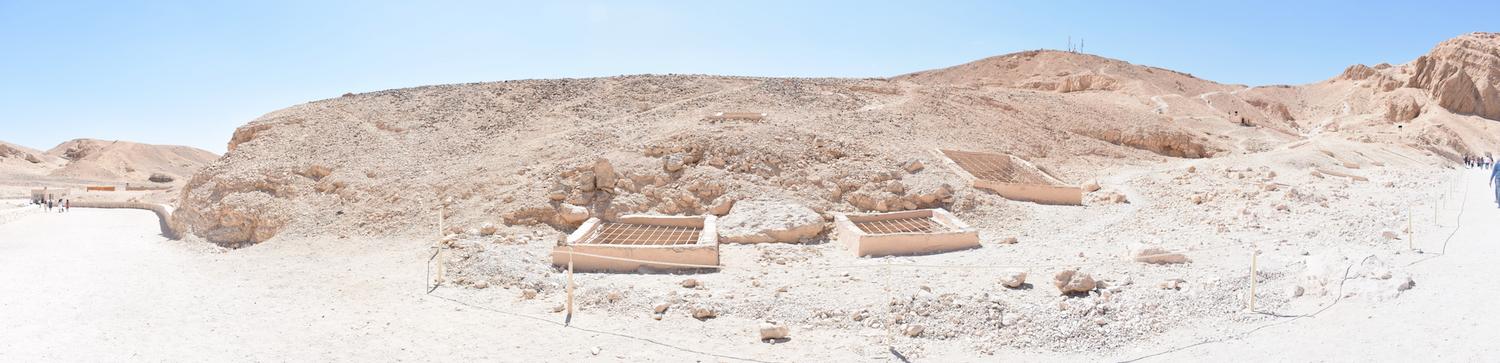
Main path and security check at entrance to QV with view of the southeastern side of the main wadi. Entrances to QV3, QV5, QV6, QV7, QV8, QV9, QV10, QV11, QV12, QV13, and QV 81.
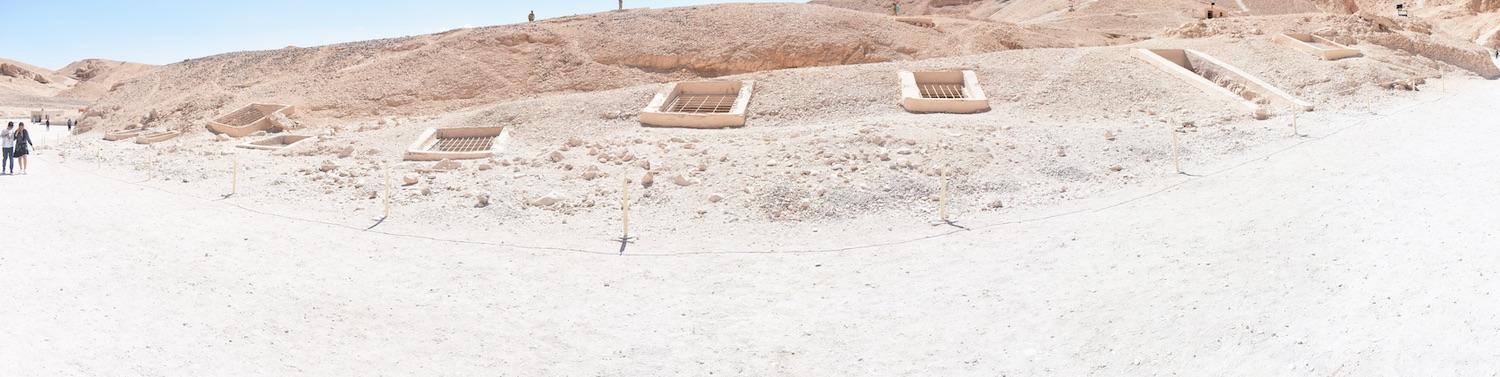
Southeastern side of the main wadi with entrances to QV3, QV5, QV6, QV7, QV8, QV9, QV10, QV11, QV12, QV13, and QV81.
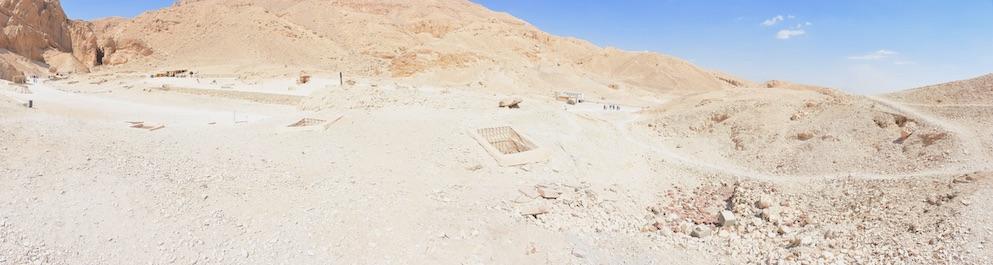
Entrances to QV17, QV19, QV20, QV21, and QV22 with visitors shelter at QV51 and QV66 in background
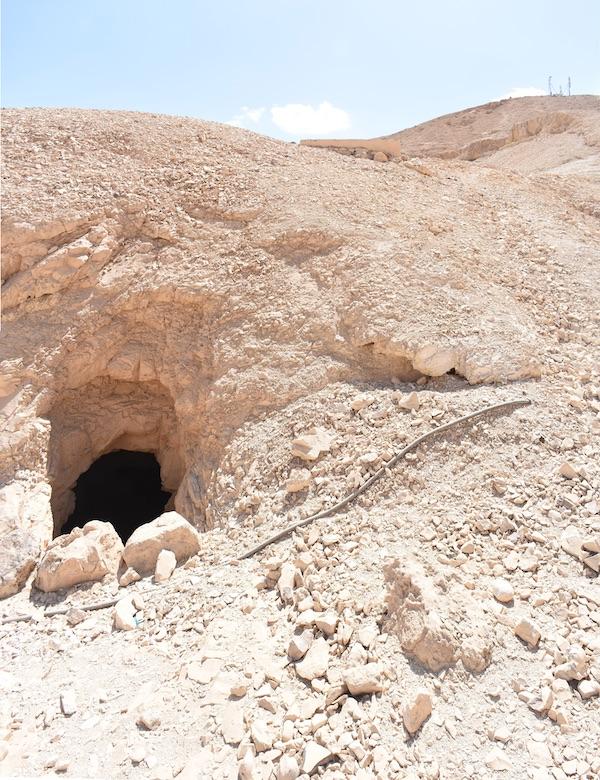
Entrances to QV13 and QV15
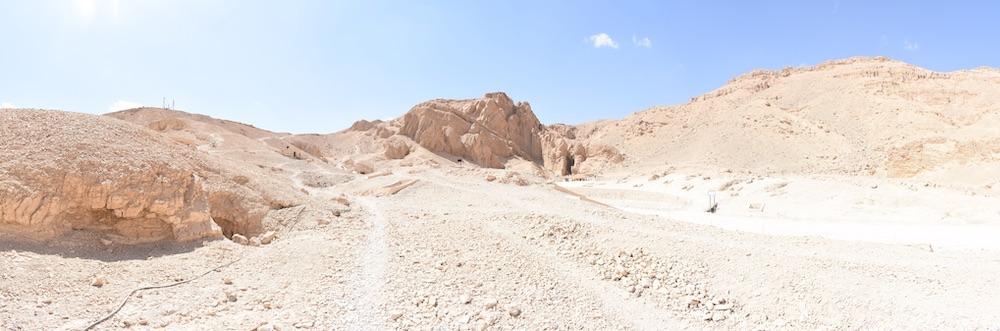
View of southeastern slope of the main wadi from QV13
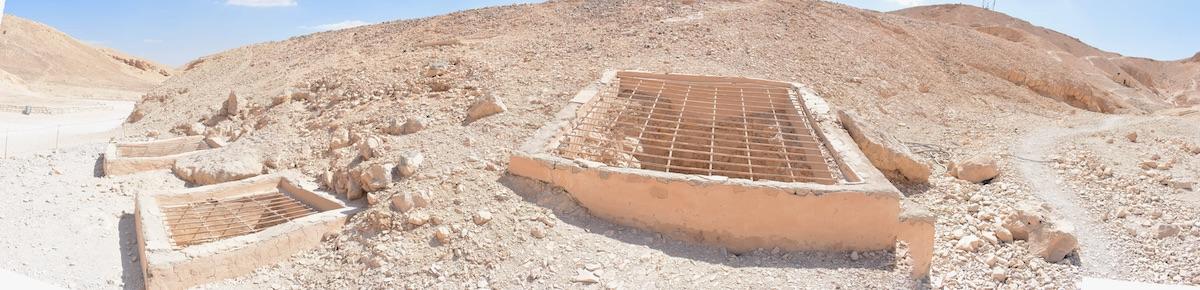
Entrances to QV3, QV5, and QV6
Entrance of QV 13 without modern surround. © Getty Conservation Institute and the Ministry of Tourism and Antiquities.
The entrance to QV 13 without a modern surround. © Getty Conservation Institute and the Ministry of Tourism and Antiquities.
The tomb number in blue paint on the shaft entrance walls. © Getty Conservation Institute and the Ministry of Tourism and Antiquities.
View down the shaft entrance of QV 13. © Getty Conservation Institute and the Ministry of Tourism and Antiquities.
View up the shaft entrance of QV 13. © Getty Conservation Institute and the Ministry of Tourism and Antiquities.
View into Chamber B of QV 13. © Getty Conservation Institute and the Ministry of Tourism and Antiquities.


Articles
Tomb Numbering Systems in the Valley of the Queens and the Western Wadis
Geography and Geology of the Valley of the Queens and Western Wadis
Bibliography
Demas, Martha and Neville Agnew (eds). Valley of the Queens. Assessment Report. Los Angeles: The Getty Conservation Institute, 2012, 2016. Two vols.
Lecuyot, Guy. Les tombes VdR 9 à 13 de la Vallée des Reines. Memnonia, 3 (1992): 89-129.
Macke, André, Christiane Macke-Ribet, Christian Leblanc, and Jacques Connan. Ta set neferou: une necropole de Thebes-Ouest et son histoire: momification, chimie des baumes, anthropologie, paléopathologie. Vol. 5. Cairo: Nubar Printing House, 2002.
Thomas, Elizabeth. The Royal Necropoleis of Thebes. Princeton: privately printed, 1966.
