

QV 30
Nebiri


Entryway A
See entire tombThe shaft has a modern cemented masonry surround with a metal grill.

Entrance to QV30
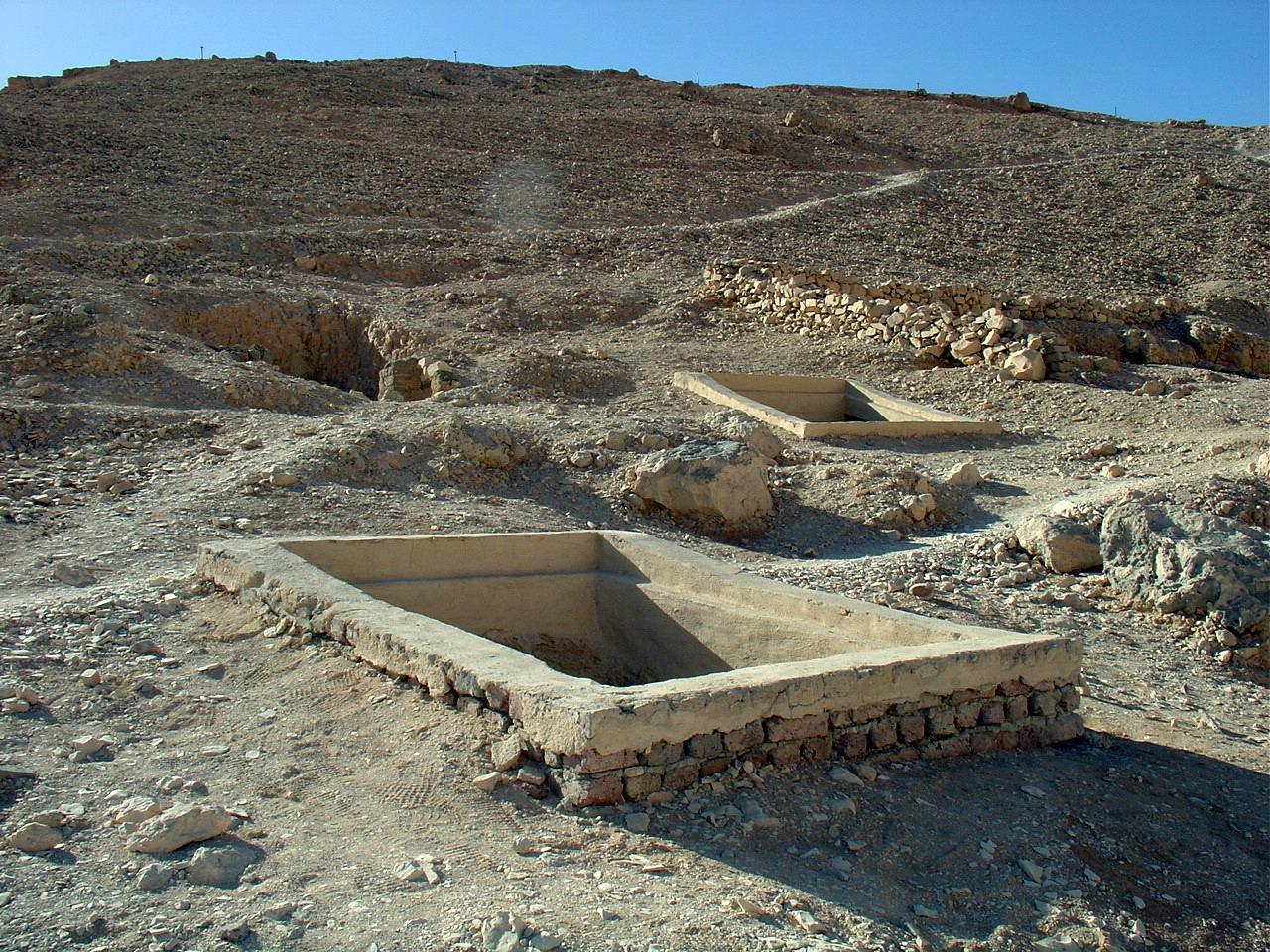
Shaft entrance of QV 30 with adjacent tombs. © Getty Conservation Institute and the Ministry of Tourism and Antiquities.
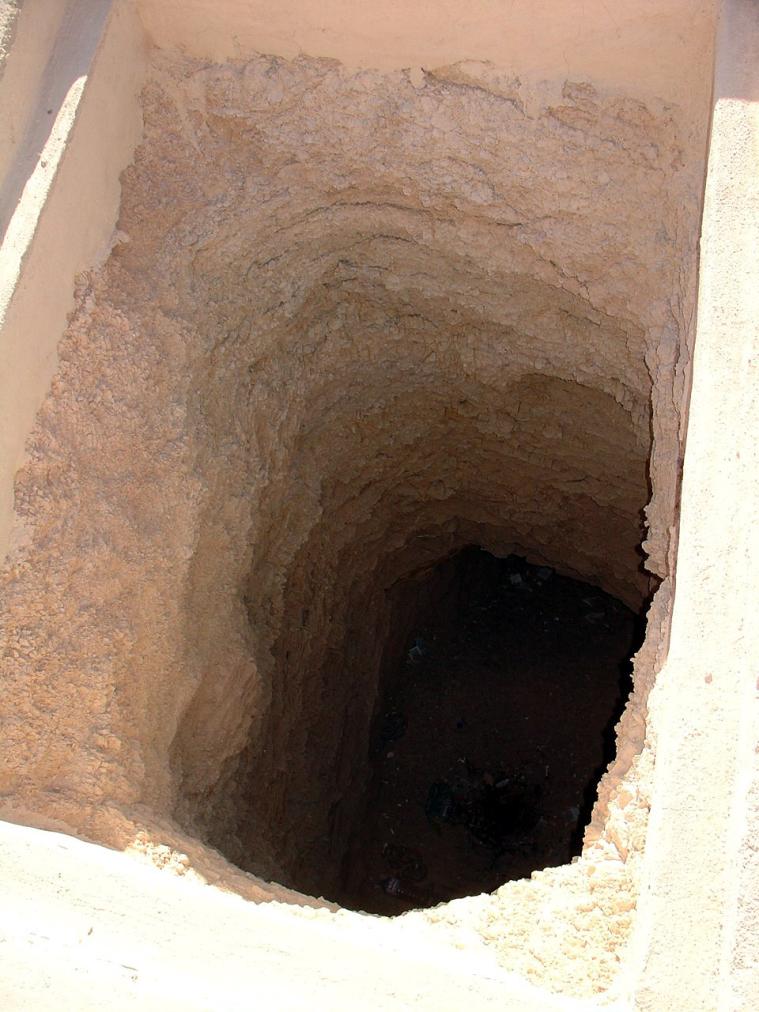
View down the shaft entrance. © Getty Conservation Institute and the Ministry of Tourism and Antiquities.

View down the shaft entrance. © Getty Conservation Institute and the Ministry of Tourism and Antiquities.

View up the shaft entrance. © Getty Conservation Institute and the Ministry of Tourism and Antiquities.



Burial chamber B
See entire tombA rectangular burial chamber that lies on axis with the tomb's entry shaft. The tomb is cut into extensively fractured shale, with the rock below the ceiling in this chamber an ochre and yellowish brown in color with many veins of white salts running through it. A thick layer of cracked, dried mud is on the floor in the front part of chamber, indicating that water has infiltrated the tomb in the past.
Chamber plan:
RectangularRelationship to main tomb axis:
ParallelChamber layout:
Flat floor, no pillarsFloor:
One levelCeiling:
Flat

View of Chamber B towards the shaft entrance. © Getty Conservation Institute and the Ministry of Tourism and Antiquities.

View of Chamber B towards the rear. © Getty Conservation Institute and the Ministry of Tourism and Antiquities.

View of shifted ceiling along crack. © Getty Conservation Institute and the Ministry of Tourism and Antiquities.

View of ceiling with network of cracks and salt efflorescence. © Getty Conservation Institute and the Ministry of Tourism and Antiquities.


About
About
QV 30 is located on the south slope of the main Wadi and is comprised of a single, rectangular chamber (B) with a vertical shaft (A). The shaft has a modern cemented masonry surround with a metal grill.
The tomb was discovered by the Italian Archaeological Expedition in 1904. Although it had already been looted, Canopic jars found at the time of Ernesto Schiaparelli's discovery identified the tomb owner as Nebiri, the Superintendent of the Royal Stables under Thutmes Ill (Egyptian Museum in Turin, S.5110 - 13). Fragments of two mummies - one believed to be Nebiri's (Turin Museum, S.5109) and the other may be his servant's - Faience objects, vases, and pottery were also recovered from the tomb. The pottery vessels display the "Aegean" style (Cypriote), which helped Schiaparelli date the tomb. As with other 18th Dynasty tombs, QV 30 was not decorated.
Noteworthy features:
QV 30 was discovered by the Italian Archaeological Expedition in 1904. Although it had already been looted, Canopic jars found at the time of Ernesto Schiaparelli's discovery identified the tomb owner as Nebiri, the Superintendent of the Royal Stables under Thutmes Ill.
Site History
The tomb was constructed in the 18th Dynasty and was probably looted soon afterwards.
Dating
This site was used during the following period(s):
Exploration
Conservation
Site Condition
According to the GCI-SCA, the tomb is cut into extensively fractured shale. A thick layer of cracked, dried mud is on the floor in the front part of chamber (B), indicating that water has infiltrated into the tomb in the past. Following the GCI-SCA assessment in December 2009, the tomb was judged to be structurally sound. One bat was observed roosting in the tomb in 2008. The poor quality of rock is the principal cause of deterioration. Furthermore, the tomb opening is in a location susceptible to upslope runoff.
Hieroglyphs
Stable Master, Nebiri
 Stable Master, Nebiri
Hry-ihw nb-iry

Entrances to QV24, QV25, and QV26 with QV30 and QV32 in background
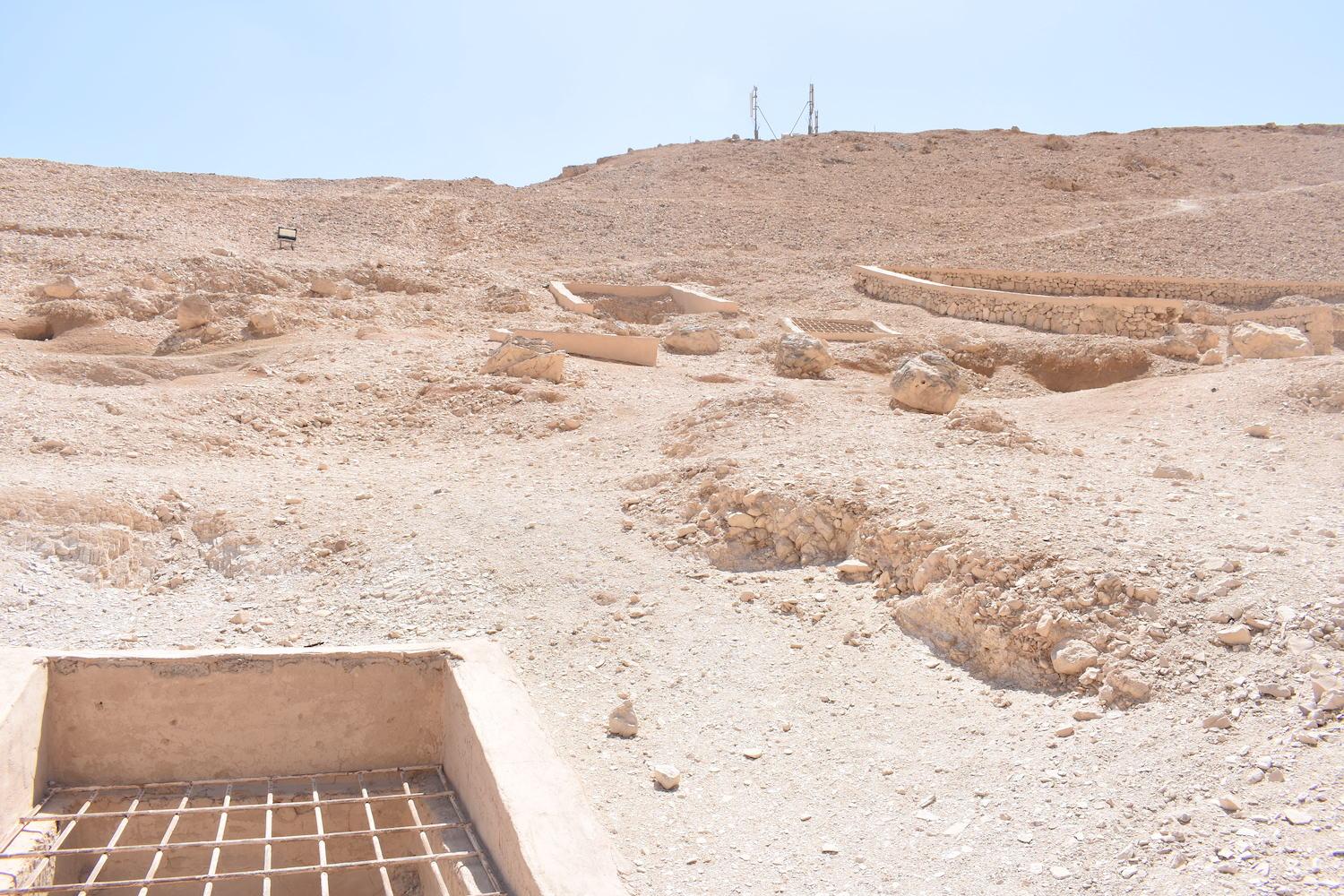
Entrance to QV48, QV30, QV32, QV31, QV29, and QV33.
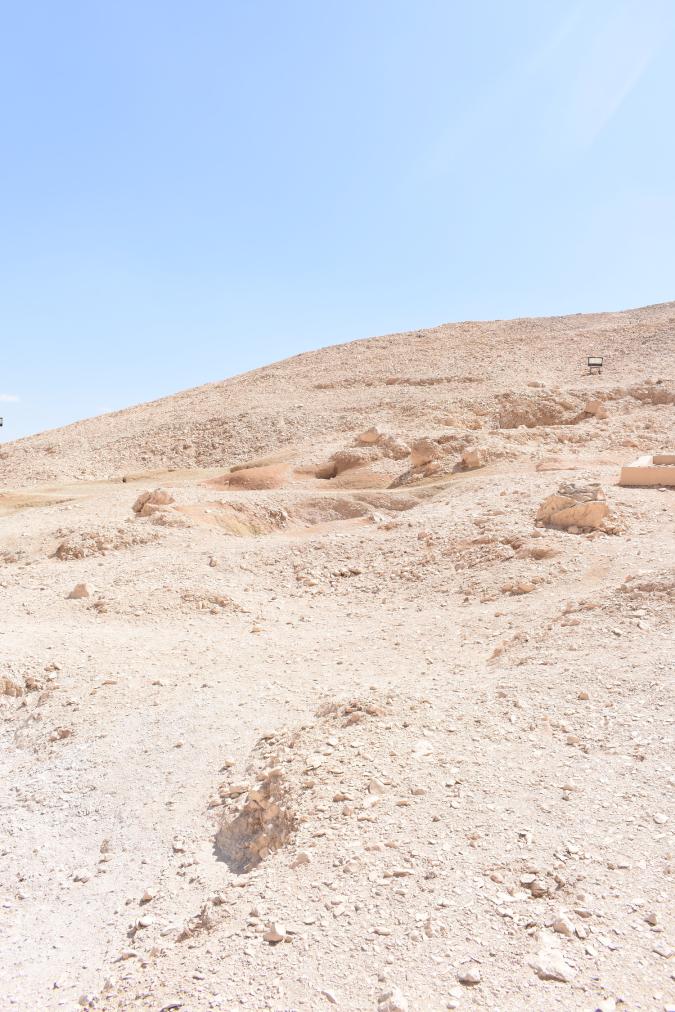
Area of entrances to QV27 and QV29. Part of retaining wall to QV30 on the right.

Entrances to QV30, QV31, and QV32

Entrance to QV30 in foreground and QV31 and QV32 in background

Entrances to QV30 and QV31.

Entrances to QV30 and QV31. Area of entrance to QV29 (depression).
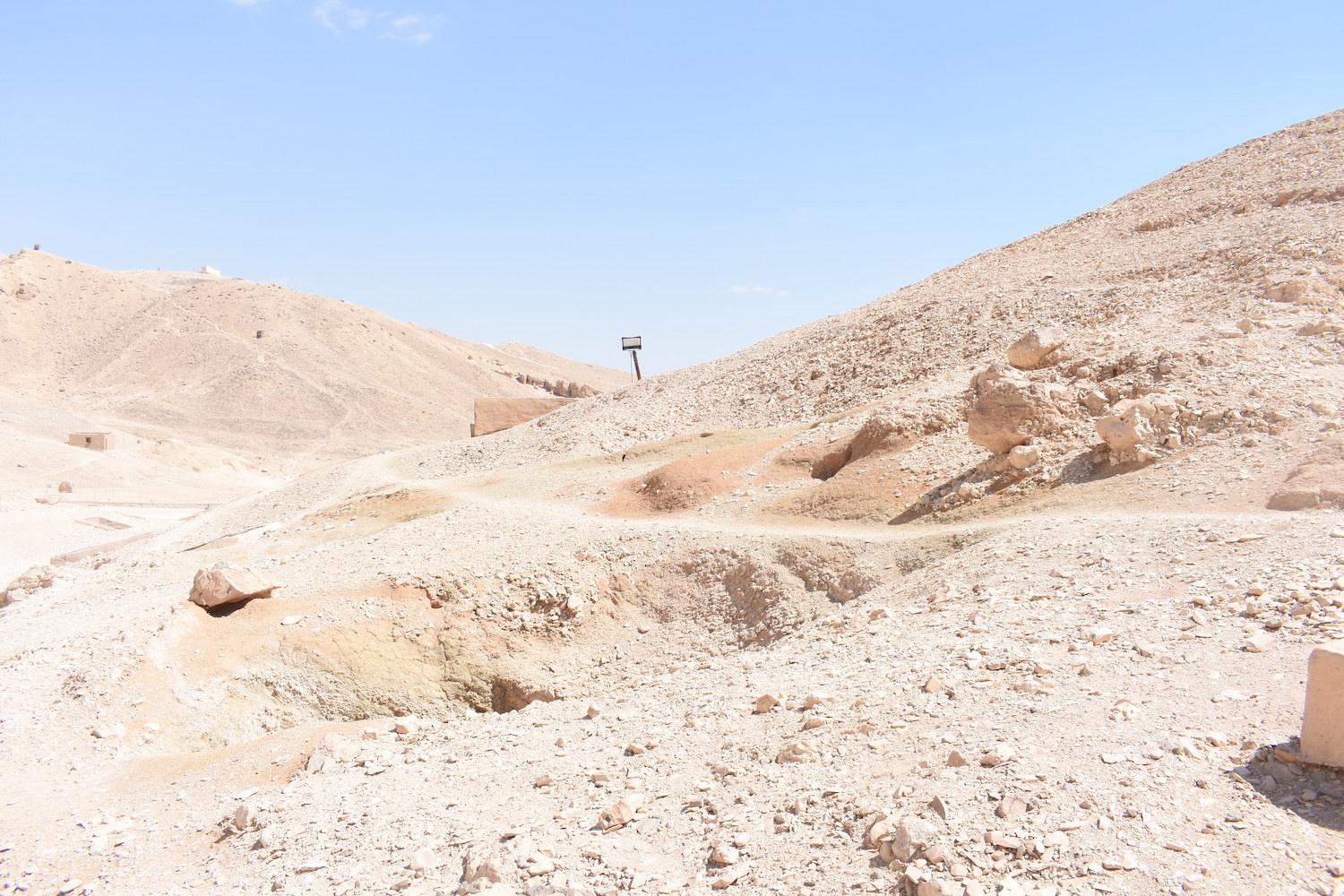
Entrance to QV29 and QV27
Entrance to QV30
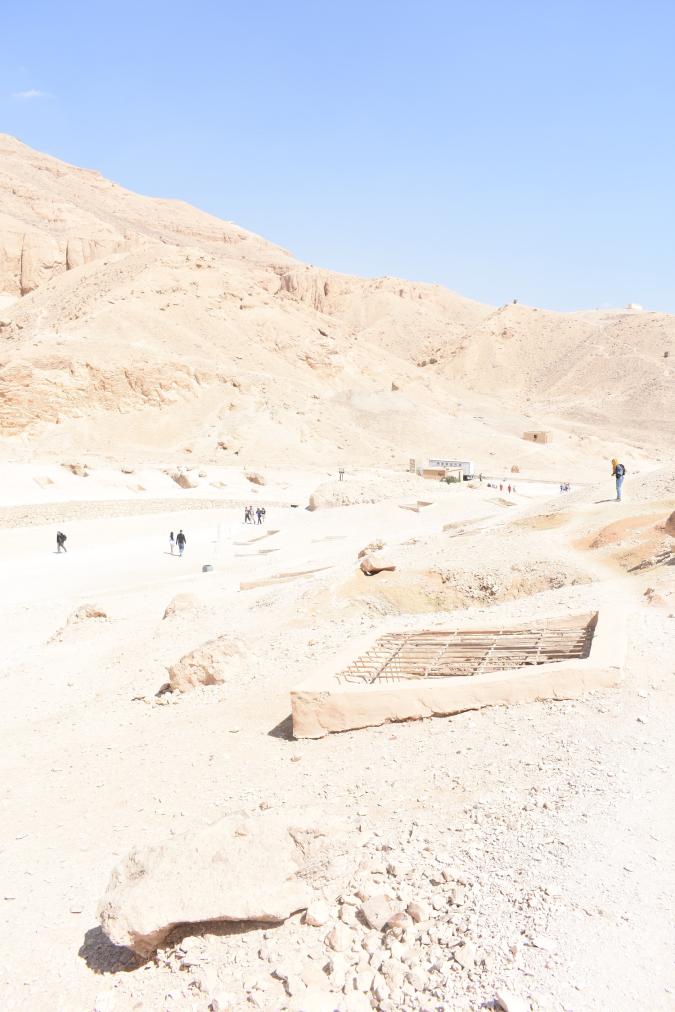
Entrance to QV30 in foreground with view of the main wadi in the background towards the entrance of QV.

Entrances to QV30, QV46, and QV47

QV49 and QV50 in the foreground with the southeastern side of the main wadi, southern branch, and entrance to the QV in the background.
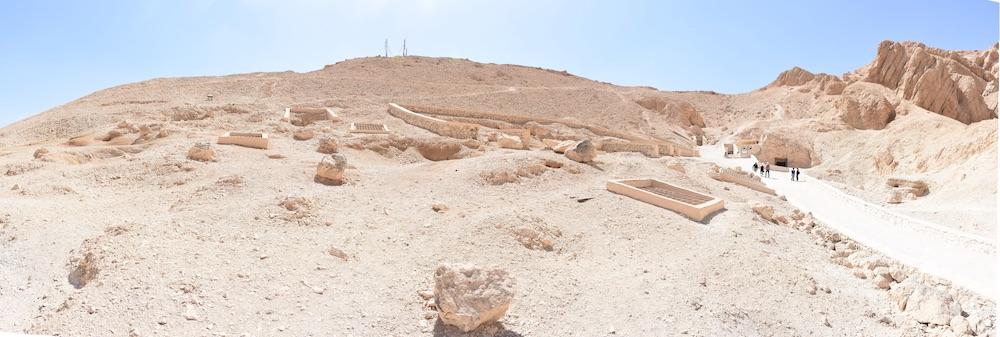
Southeastern side of the main wadi with a view of the southern branch. Entrances to QV29, QV30, QV31, QV32, QV33, QV45, QV46, QV47, and QV48
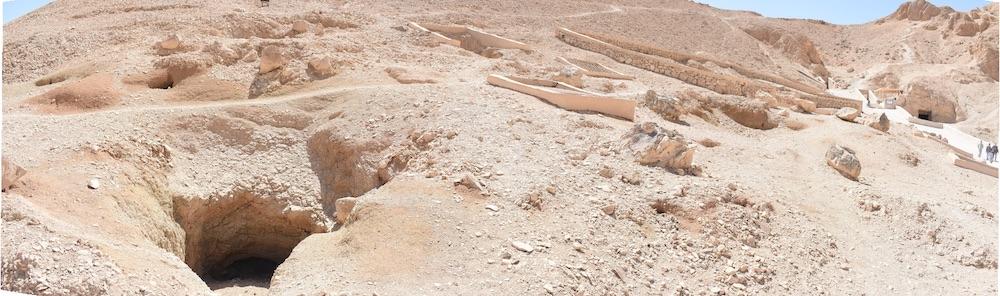
Southeastern side of the main wadi with entrances to QV26, QV27, and QV29 on the right and QV30, QV31, QV32, QV33, QV46, and QV47 on the left
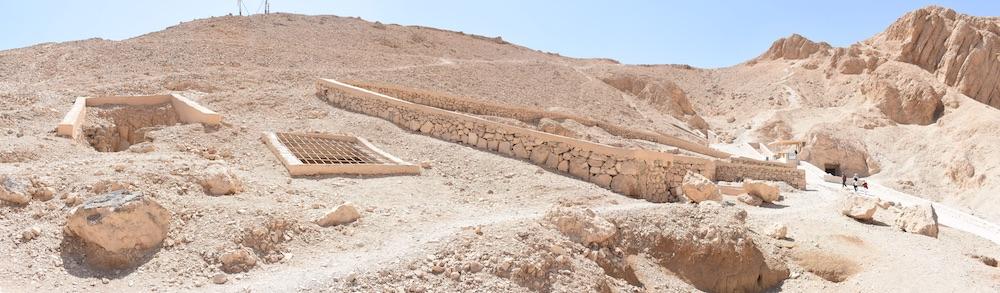
Entrances to QV30, QV31, QV32, QV33, with entrances to QV44 and QV45 in the background
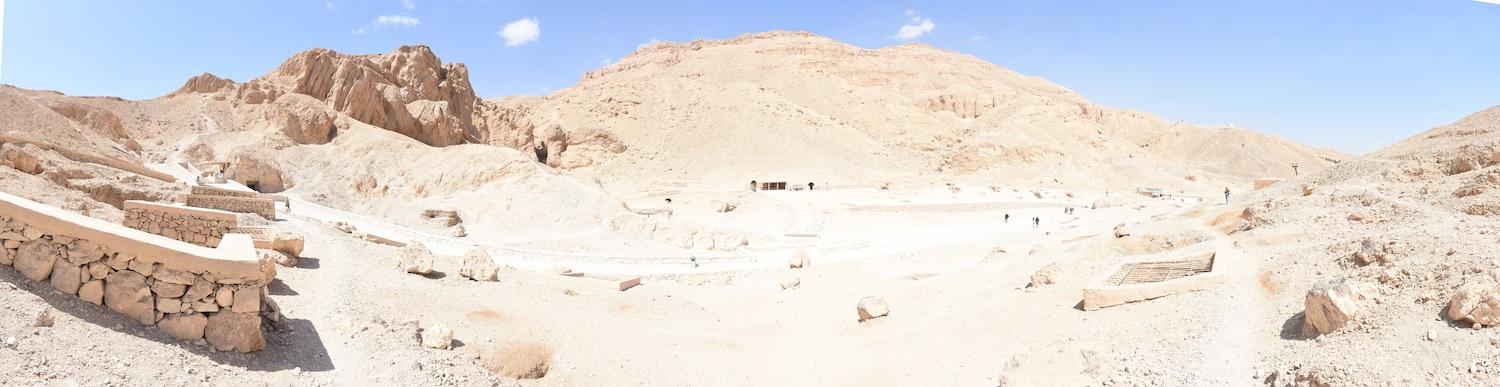
View of the main wadi from the southeastern slope with QV33 on the left and QV30 and QV27 on the right.
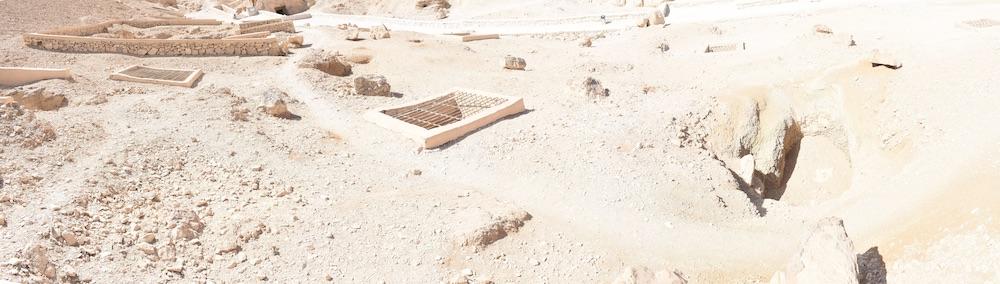
Entrances to QV27, QV30, QV31, and QV32
Shaft entrance of QV 30 with adjacent tombs. © Getty Conservation Institute and the Ministry of Tourism and Antiquities.
View down the shaft entrance. © Getty Conservation Institute and the Ministry of Tourism and Antiquities.
View down the shaft entrance. © Getty Conservation Institute and the Ministry of Tourism and Antiquities.
View up the shaft entrance. © Getty Conservation Institute and the Ministry of Tourism and Antiquities.
View of Chamber B towards the shaft entrance. © Getty Conservation Institute and the Ministry of Tourism and Antiquities.
View of Chamber B towards the rear. © Getty Conservation Institute and the Ministry of Tourism and Antiquities.
View of shifted ceiling along crack. © Getty Conservation Institute and the Ministry of Tourism and Antiquities.
View of ceiling with network of cracks and salt efflorescence. © Getty Conservation Institute and the Ministry of Tourism and Antiquities.



Articles
Tomb Numbering Systems in the Valley of the Queens and the Western Wadis
Geography and Geology of the Valley of the Queens and Western Wadis
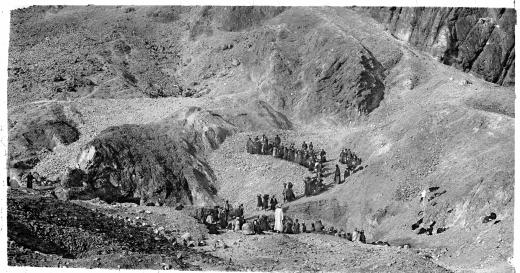
The Italian Mission in the Valley of the Queens (1903-1905): History of excavation, Discoveries, and the Turin Museum Collection
Bibliography
Bruyère, Bernard. Rapport sur les fouilles de Deir el Medineh (1924-1925). Fouilles de l’Institut français d’archéologie orientale du Caire 3, 3 (1926). Cairo: Imprimerie de l'Institut français d'archéologie orientale du Caire.
Demas, Martha and Neville Agnew (eds). Valley of the Queens. Assessment Report. Los Angeles: The Getty Conservation Institute, 2012, 2016. Two vols.
Dolzani, Claudia. Vasi canopi no. 19001-19153. Catalogo del Museo egizio di Torino. Milan: Cisalpino-La goliardica, 1982: 18-19.
Leblanc, Christian, and Alberto Siliotti. Nefertari e la valle delle regine. 2nd ed. Florence: Giunti, 2002.
Schiaparelli, Ernesto. Realazione sui lavon della Missione archeologica italiana in Egitto, anni 1903-1020: la tomba intatta dell’architetto Cha: nella necropoli di Tebe. Vol. 2. Turin: Casa editrice Giovanni Chiantore, 1927.
Thomas, Elizabeth. The Royal Necropoleis of Thebes. Princeton: privately printed, 1966.
