

QV 61
Anonymous
Entrances of QV52, QV53, QV61, and QV62 with workers' huts. Entrance to QV52 visitors shelter at QV55 in the background.

Entryway A
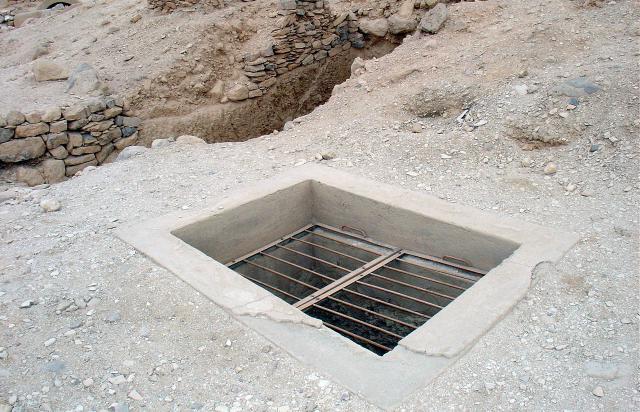
See entire tombThe shaft entrance has a modern built surround with cement plaster and a metal grill with no mesh.
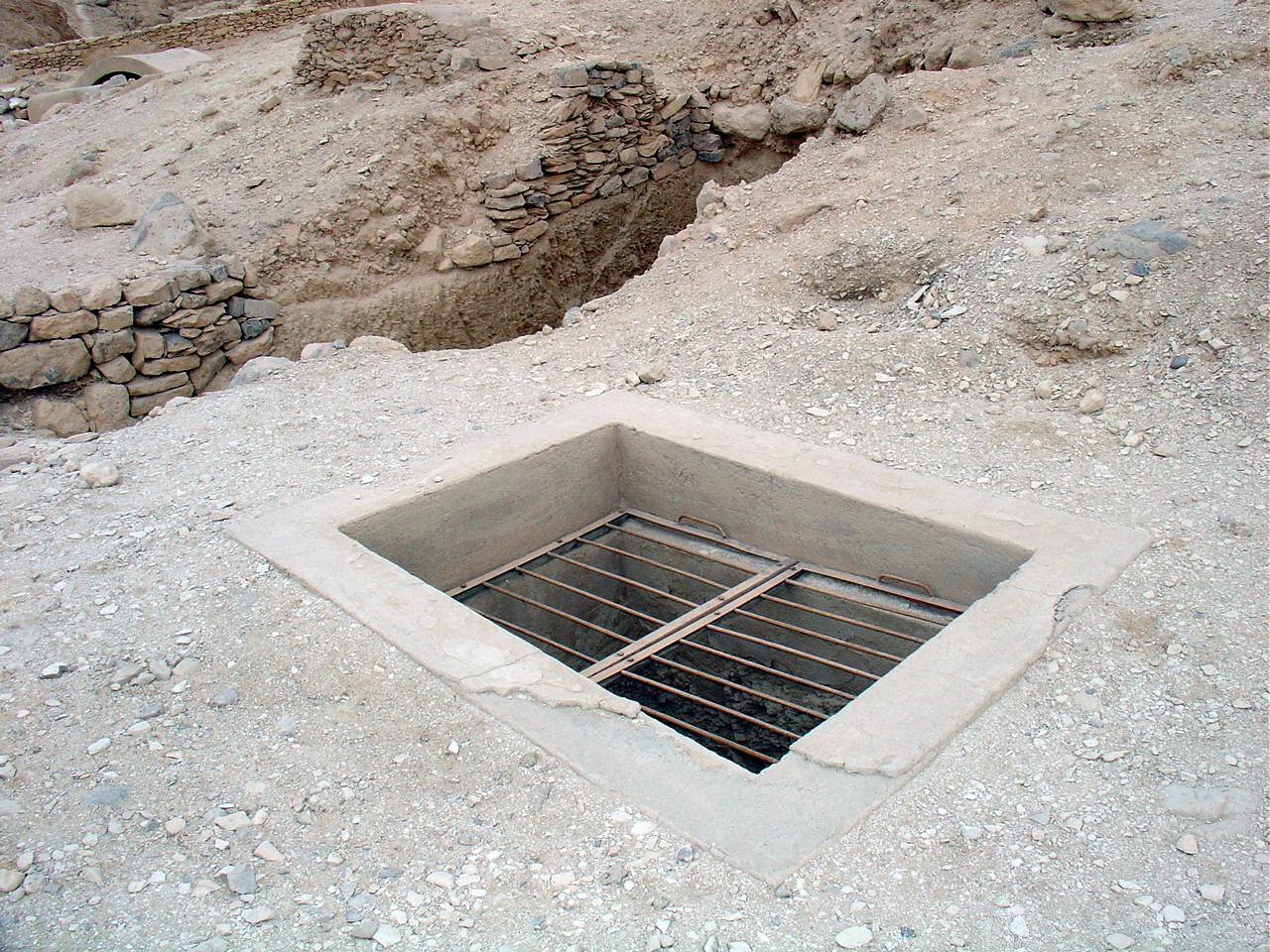
Shaft entrance of QV 61. © Getty Conservation Institute and the Ministry of Tourism and Antiquities.
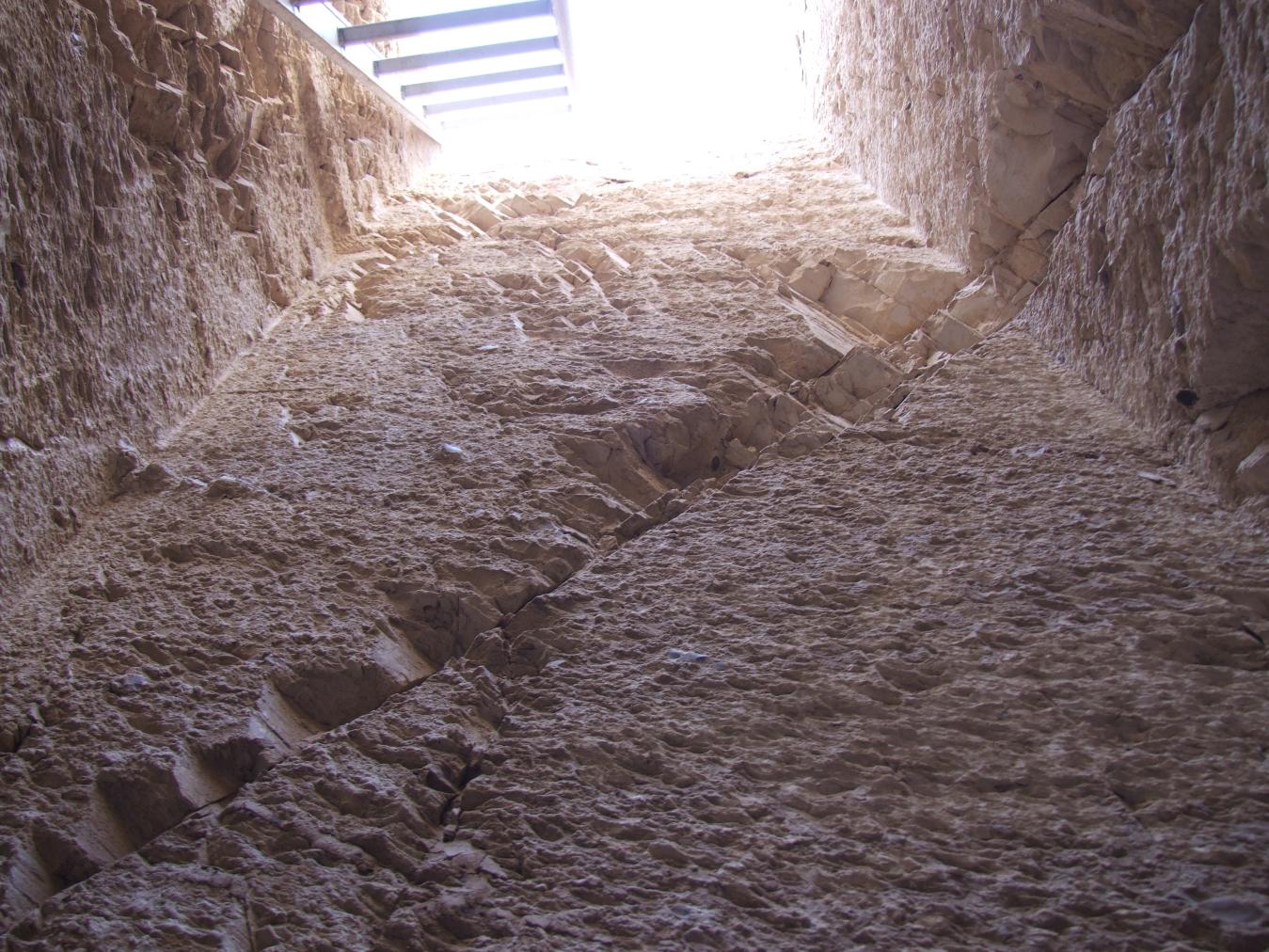
View up the shaft entrance. © Getty Conservation Institute and the Ministry of Tourism and Antiquities.
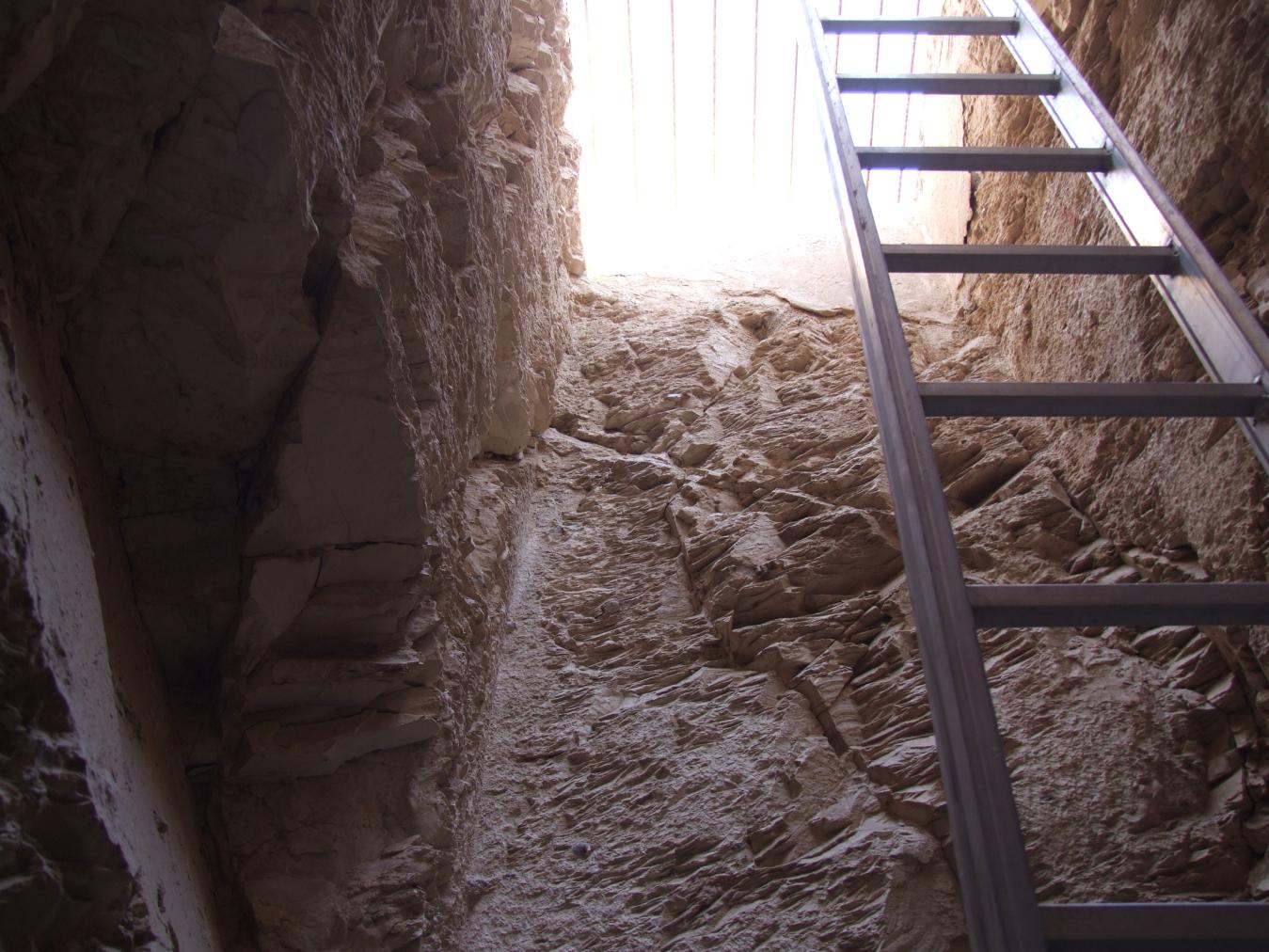
View up the shaft entrance. © Getty Conservation Institute and the Ministry of Tourism and Antiquities.
Chamber B
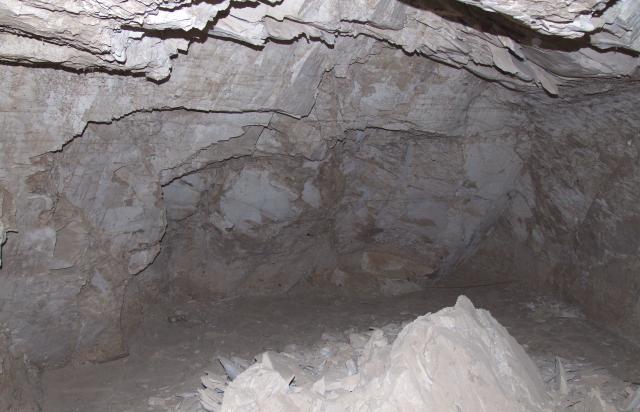
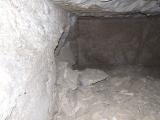
See entire tombLarge, well-cut rectangular undecorated chamber situated perpendicular to the shaft (A). However, significant flood damage left a thick layer of dried mud on the floor.
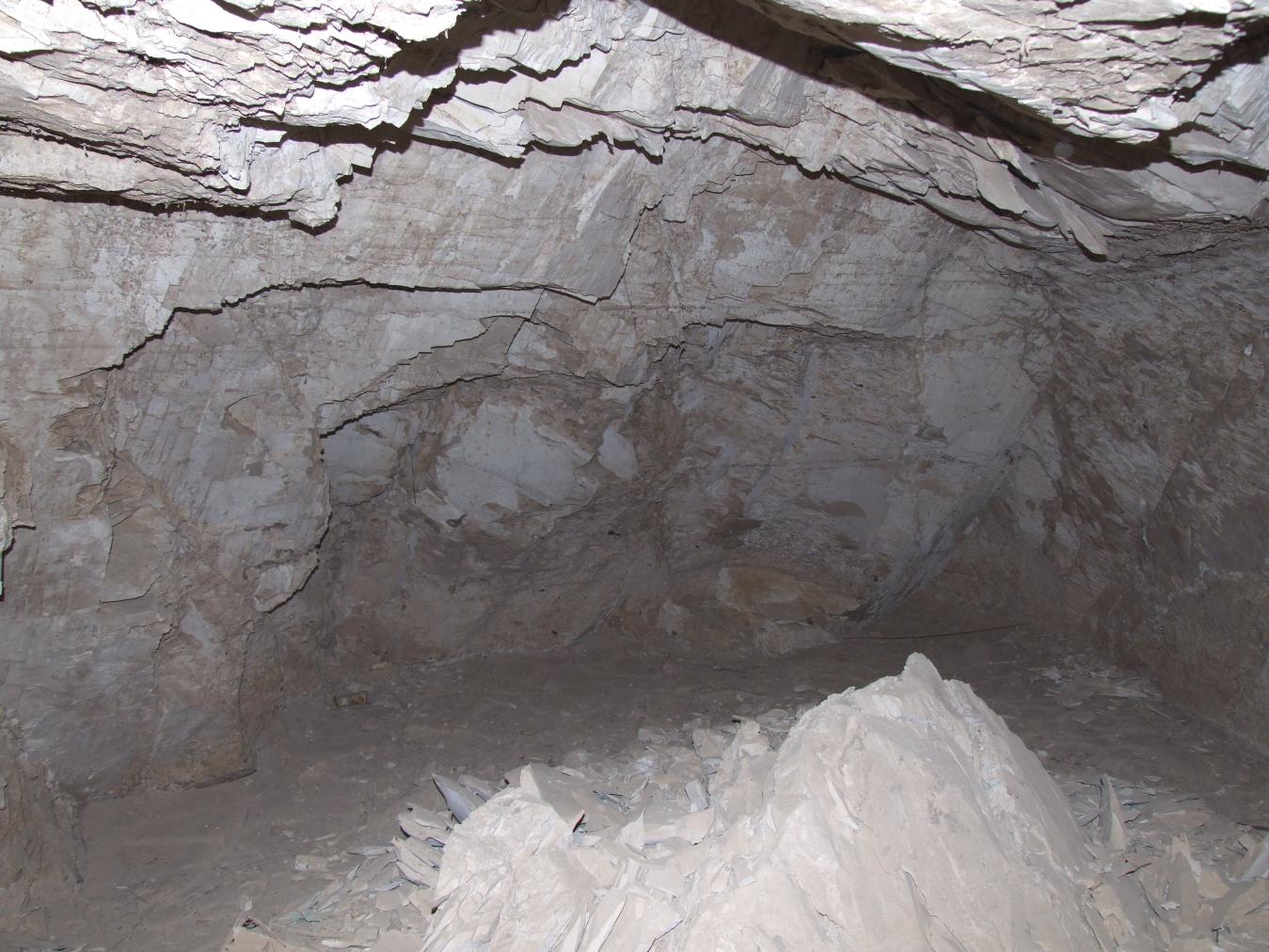
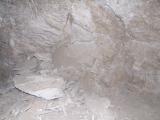
View of the main chamber with debris from ceiling in the center. © Getty Conservation Institute and the Ministry of Tourism and Antiquities.
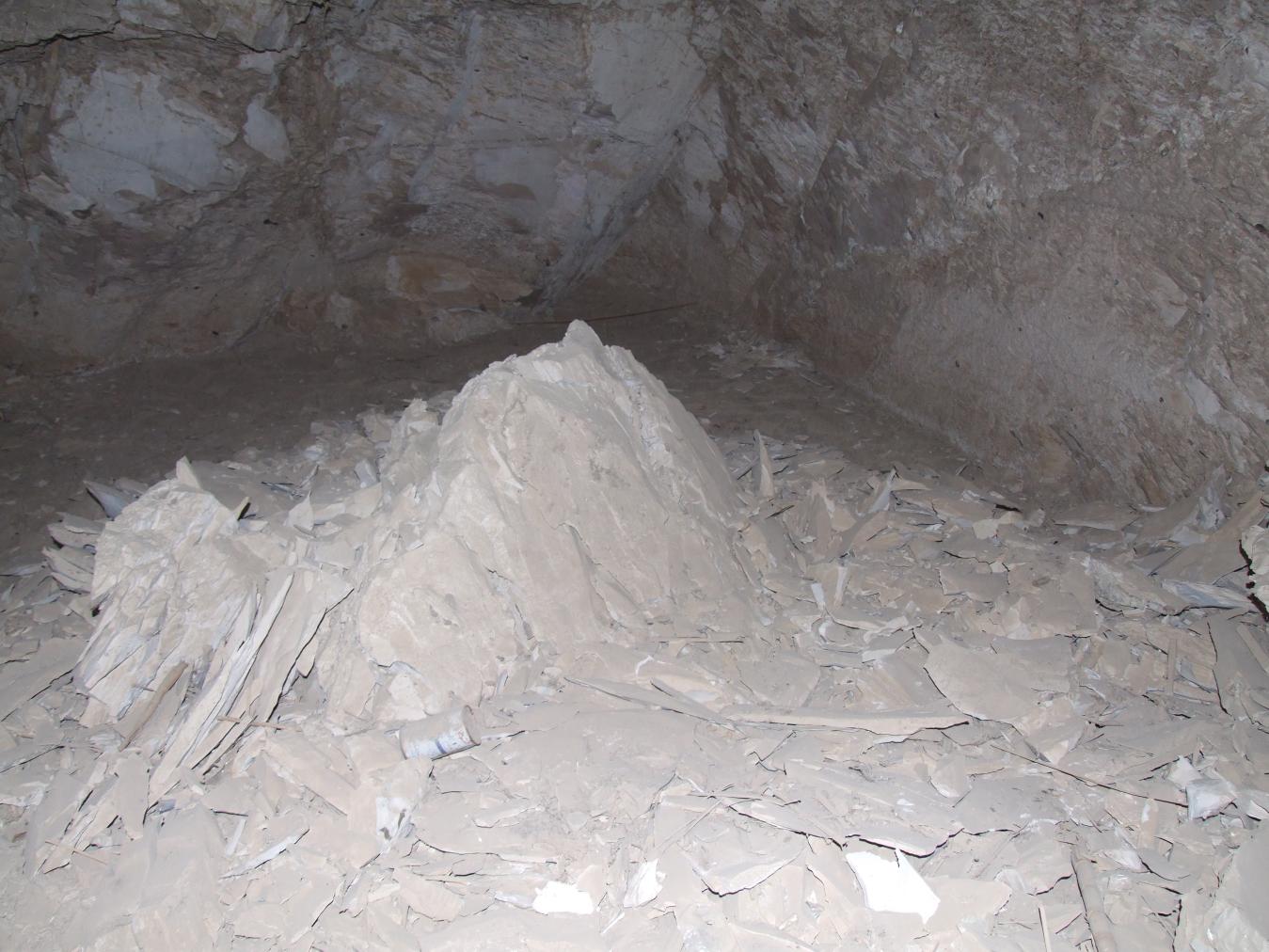
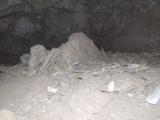
Debris from the ceiling in the center of Chamber B. © Getty Conservation Institute and the Ministry of Tourism and Antiquities.
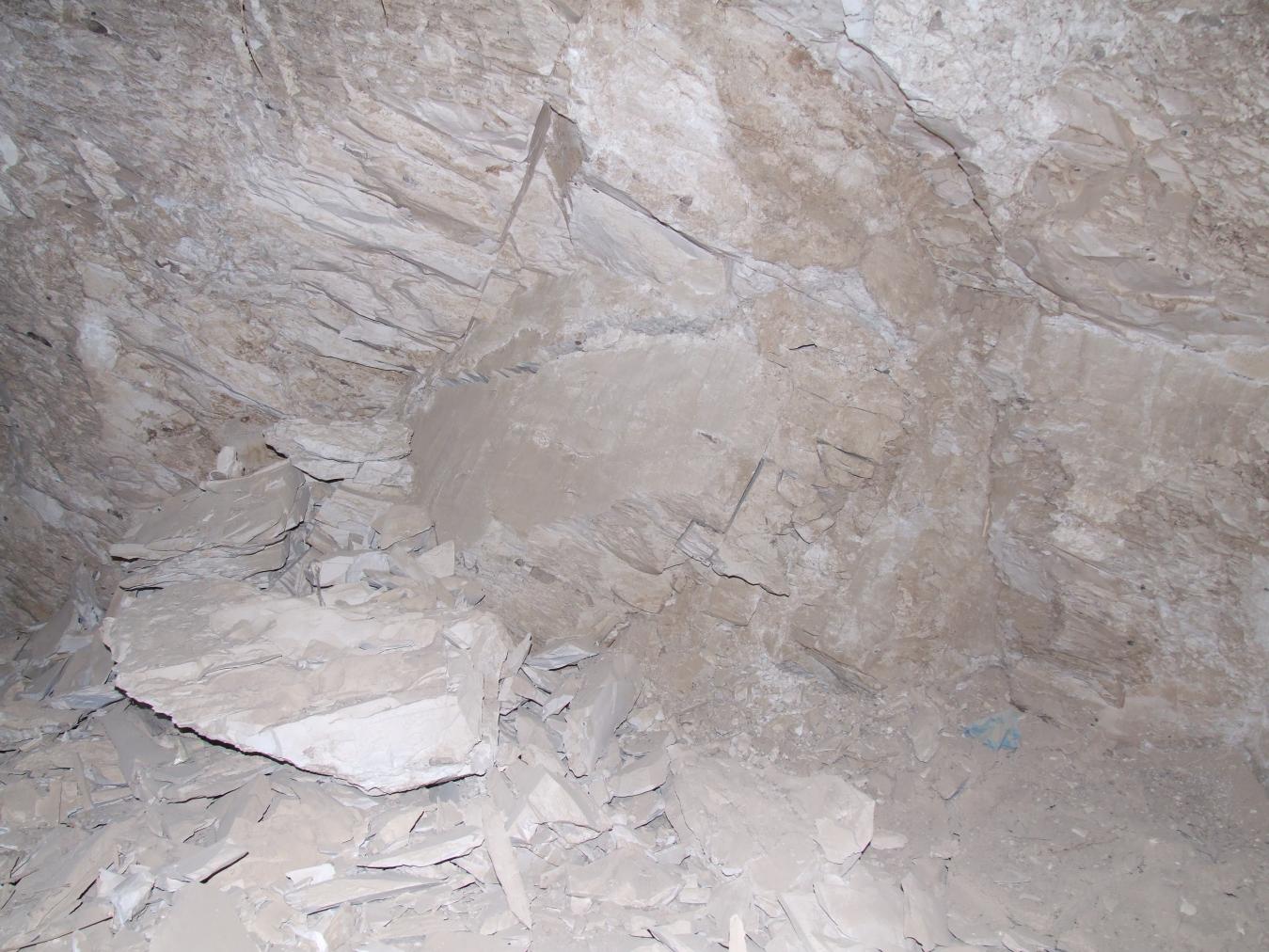
Debris in Chamber B from wall. © Getty Conservation Institute and the Ministry of Tourism and Antiquities.
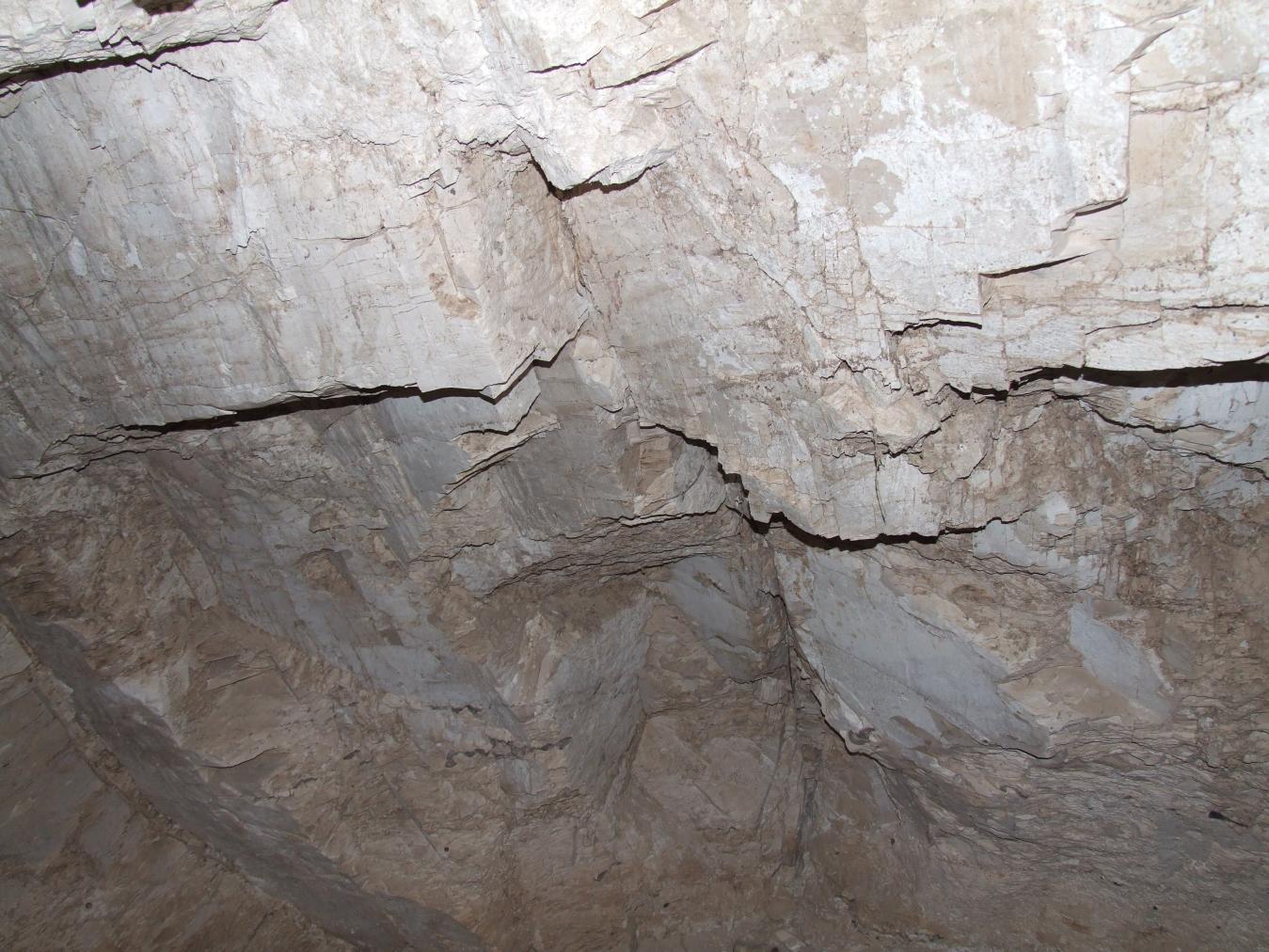
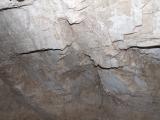
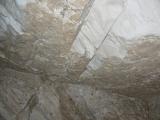
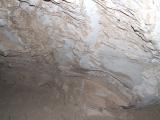
View of ceiling in Chamber B with sections missing that have fallen. © Getty Conservation Institute and the Ministry of Tourism and Antiquities.
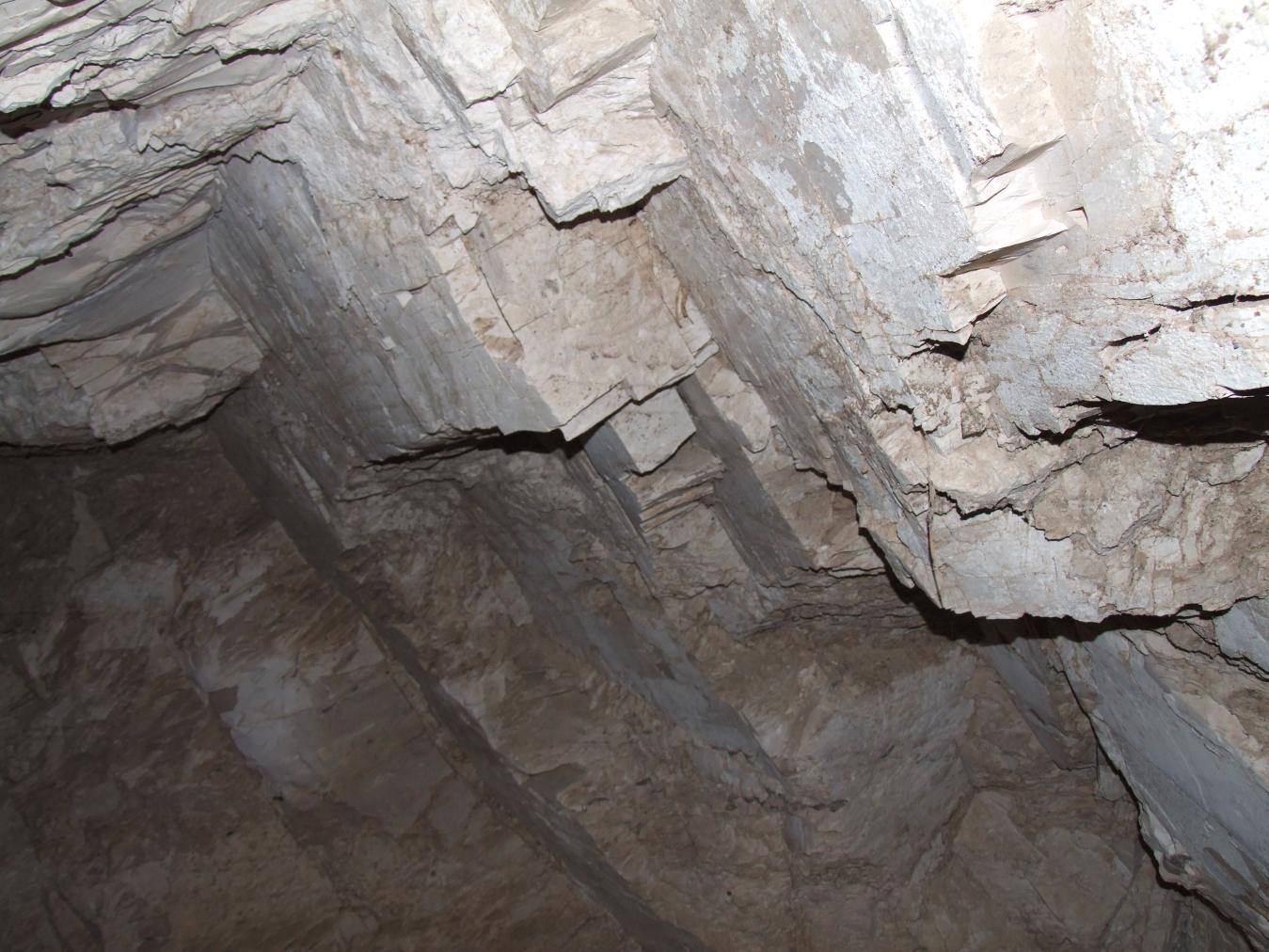
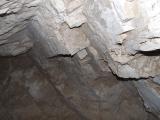
View of the left wall in Chamber B with sections missing that have fallen. © Getty Conservation Institute and the Ministry of Tourism and Antiquities.
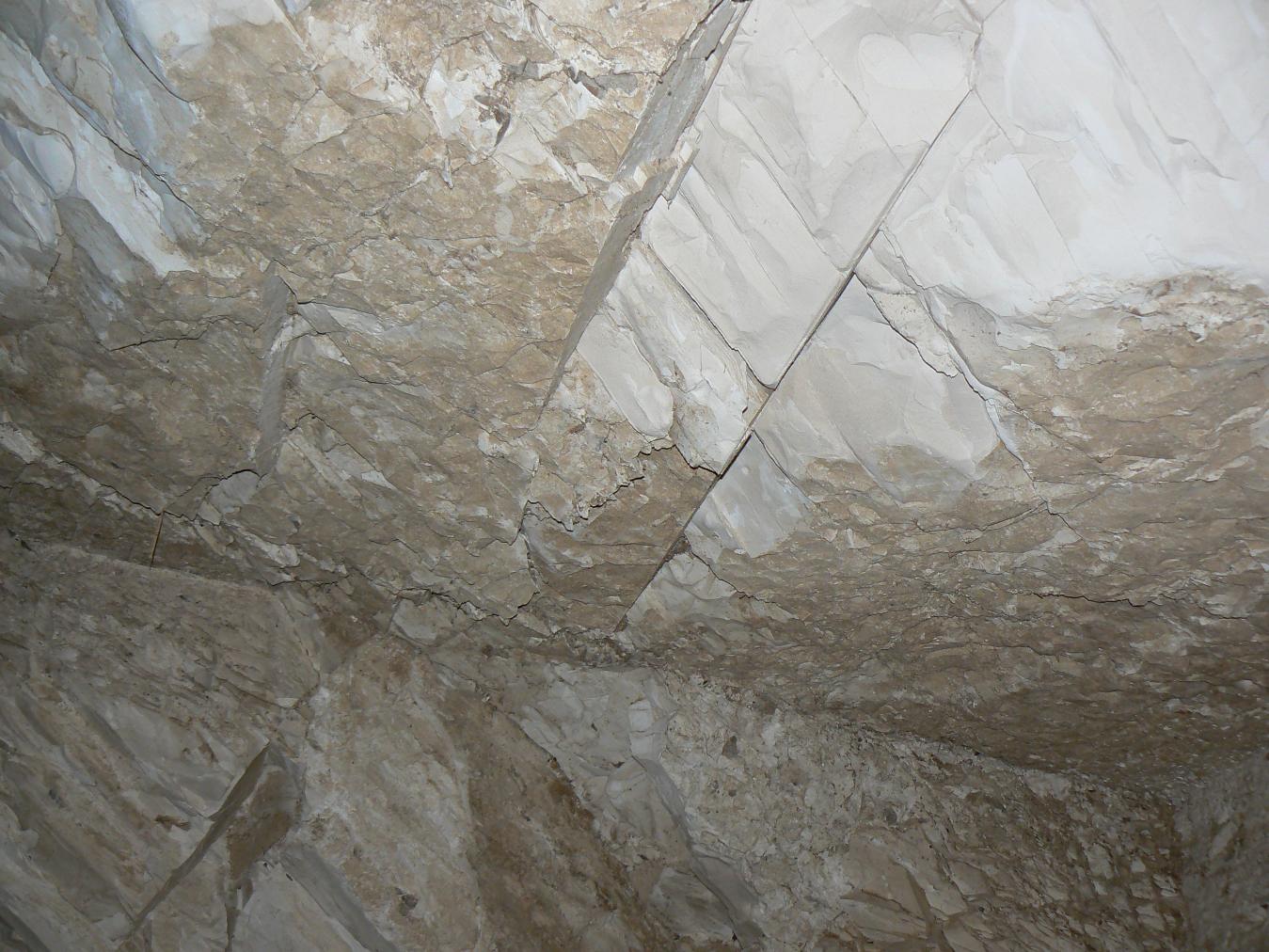
View of the left wall in Chamber B with sections missing that have fallen. © Getty Conservation Institute and the Ministry of Tourism and Antiquities.
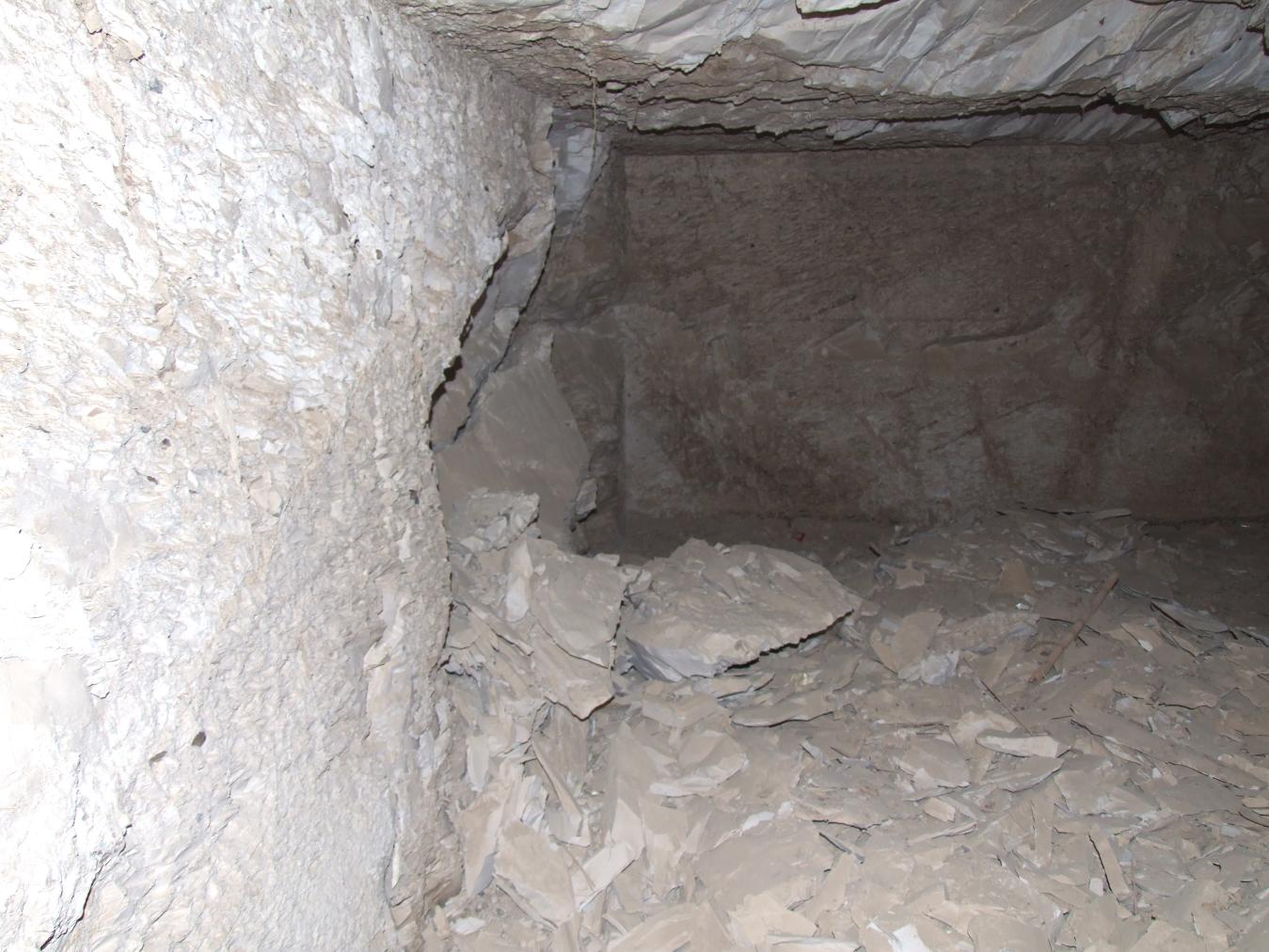
View of Chamber B with collapsed left wall. © Getty Conservation Institute and the Ministry of Tourism and Antiquities.
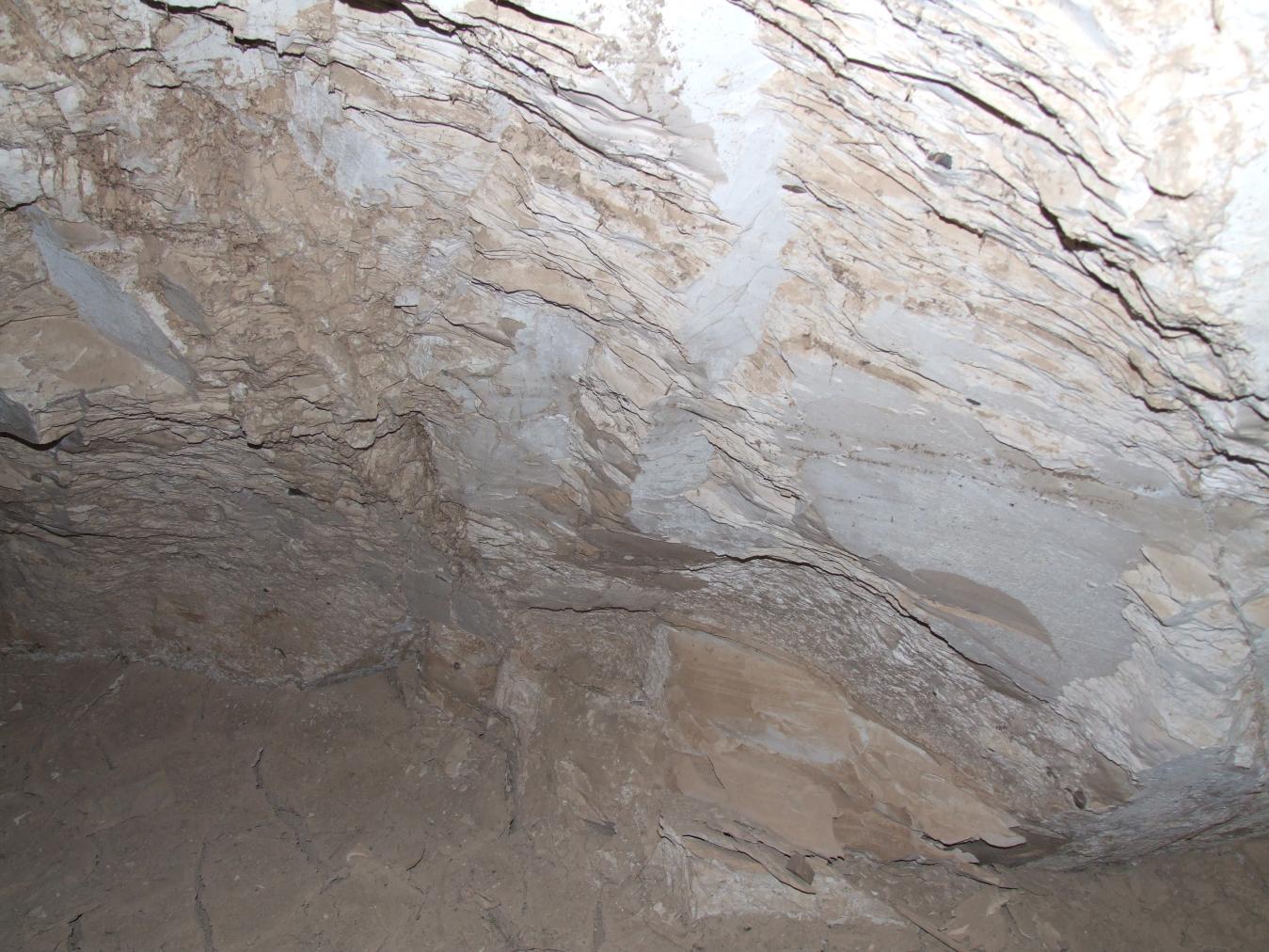
View of Chamber B with collapsed left wall. © Getty Conservation Institute and the Ministry of Tourism and Antiquities.
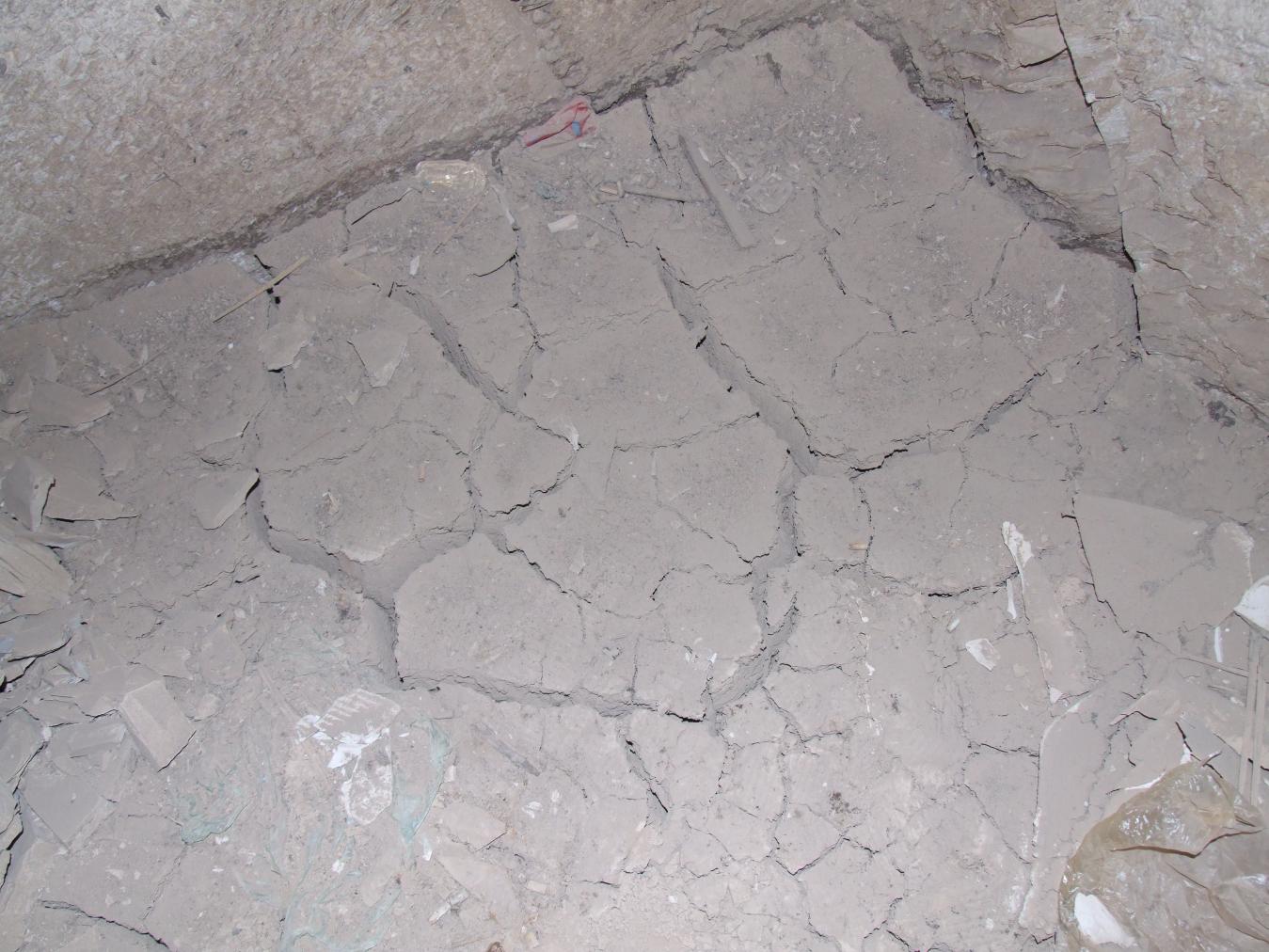
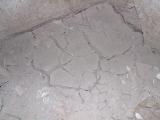
Detail of dried cracked mud on floor of Chamber B indicative of past flooding. © Getty Conservation Institute and the Ministry of Tourism and Antiquities.
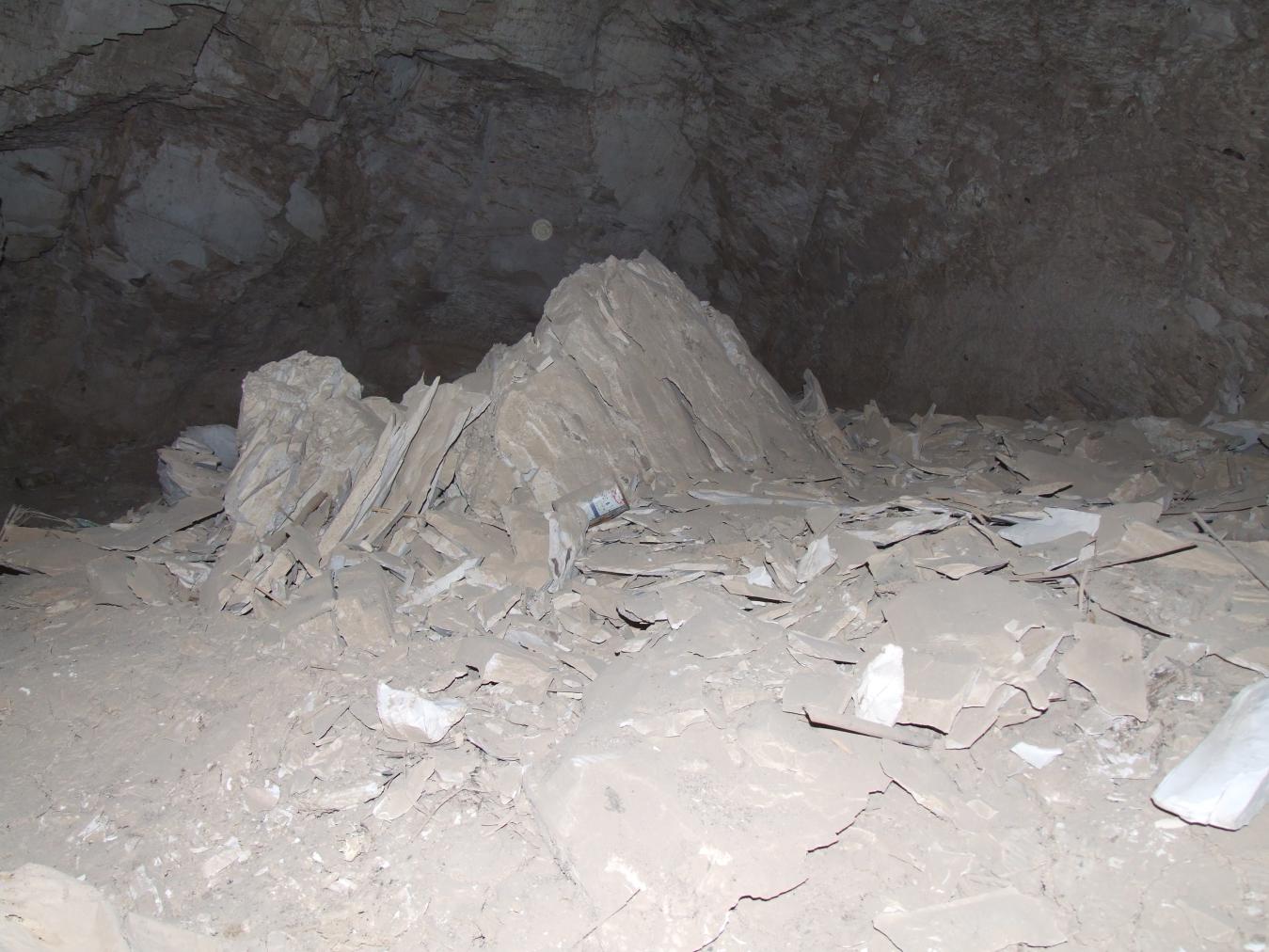
View of debris from the ceiling in the center of Chamber B. © Getty Conservation Institute and the Ministry of Tourism and Antiquities.
About
About
QV 61 is a shaft tomb located on the north side of the main Wadi, adjacent to the entrance Ramp of QV 60. The pit entrance (A) has a modern built surround with cement plaster and a metal grill with no mesh and leads into a single chamber (B). The owner of the tomb is unknown.
Elizabeth Thomas recorded that at the time of her visit, the tomb was in pristine condition, "well cut in excellent rock with walls and ceiling as fresh as if just completed." The Franco-Egyptian team cleared the tomb rapidly in 1971 and dated to the 18th Dynasty. One individual and a modest pottery assemblage were discovered in the tomb.
Site History
The tomb was constructed in the 18th Dynasty and there is no evidence of reuse.
Dating
This site was used during the following period(s):
Exploration
Conservation
Site Condition
The assessment by the GCI-SCA team in January 2008 revealed a tomb in very different condition from that described by Elizabeth Thomas in 1966. Substantial losses were evident in the ceiling and walls of the single chamber. Open fractures, including one that runs through the shaft, were observed with adjacent areas of rock loss and a large pile of rock fallen from the ceiling in the middle of the chamber. A thick layer of cracked mud was seen on the floor from the 1994 flood, as confirmed by Christian Leblanc. Silt or mud adheres to some ceiling surfaces, indicative of the severity of flooding. Evidence of biological activity includes staining (possibly due to bats) and insect nests. The entry of flood waters and seepage into the rock may be the single most important factor of damage in this tomb. The description of Elizabeth Thomas suggests that rock fragility and damage have occurred within the past 40 years, further pointing to the 1994 flood as a major cause of the deterioration of the tomb rock. There is additional rock loss evident on top of the cracked mud. However, some of the fallen rock lies embedded in the dried mud, making it unclear if rock fall occurred long before flooding or while the mud was still wet.

Entrance to QV52 in background, foreground includes entrances to QV58, QV59, QV61, QV60, QV62, and worker's huts.

Entrance to QV51, QV52, QV53, QV55, and unfinished QV85 in background with workers' huts in foreground.

Entrances of QV52, QV53, QV61, and QV62 with workers' huts. Entrance to QV52 visitors shelter at QV55 in the background.

Entrances to QV58, QV59, QV60, and QV61 with workers' huts. Visitors shelter at QV66 and QV80 in background.

Entrances to QV 60 and QV61 with workers' huts. Visitors shelter at QV66 and QV80 in background.

Entrance to QV52 and visitors shelters at QV55 in background. Foreground includes coptic remnants, workers’ huts, QV58, QV59, QV60, QV61, QV62, QV85, QV80, and QV66 with visitors shelter.
Shaft entrance of QV 61. © Getty Conservation Institute and the Ministry of Tourism and Antiquities.
View up the shaft entrance. © Getty Conservation Institute and the Ministry of Tourism and Antiquities.
View up the shaft entrance. © Getty Conservation Institute and the Ministry of Tourism and Antiquities.
View of the main chamber with debris from ceiling in the center. © Getty Conservation Institute and the Ministry of Tourism and Antiquities.
Debris from the ceiling in the center of Chamber B. © Getty Conservation Institute and the Ministry of Tourism and Antiquities.
Debris in Chamber B from wall. © Getty Conservation Institute and the Ministry of Tourism and Antiquities.
View of ceiling in Chamber B with sections missing that have fallen. © Getty Conservation Institute and the Ministry of Tourism and Antiquities.
View of the left wall in Chamber B with sections missing that have fallen. © Getty Conservation Institute and the Ministry of Tourism and Antiquities.
View of the left wall in Chamber B with sections missing that have fallen. © Getty Conservation Institute and the Ministry of Tourism and Antiquities.
View of Chamber B with collapsed left wall. © Getty Conservation Institute and the Ministry of Tourism and Antiquities.
View of Chamber B with collapsed left wall. © Getty Conservation Institute and the Ministry of Tourism and Antiquities.
Detail of dried cracked mud on floor of Chamber B indicative of past flooding. © Getty Conservation Institute and the Ministry of Tourism and Antiquities.
View of debris from the ceiling in the center of Chamber B. © Getty Conservation Institute and the Ministry of Tourism and Antiquities.



Articles
Tomb Numbering Systems in the Valley of the Queens and the Western Wadis
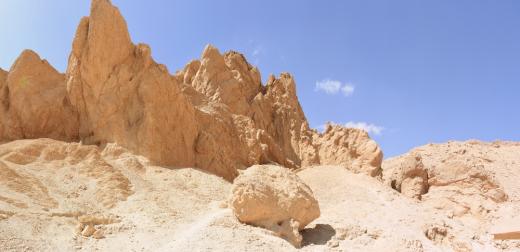
Geography and Geology of the Valley of the Queens and Western Wadis
Bibliography
CNRS mission report: Centre national de la recherche scientifique (France). Rapport d'activité 1987-1988 URA no. 1064, 1987-1988.
Demas, Martha and Neville Agnew (eds). Valley of the Queens. Assessment Report. Los Angeles: The Getty Conservation Institute, 2012, 2016. Two vols.
Leblanc, Christian. Ta set nefrou: une nécropole de Thèbes-ouest et son histoire, 1: géographie- toponymie: historique de l'exploration scientifique du site. Cairo: Nubar Printing House, 1989.
Thomas, Elizabeth. The Royal Necropoleis of Thebes. Princeton: privately printed, 1966.
