QV 17
Princess Merytra (I) & Princess Urmerutes

Entryway A
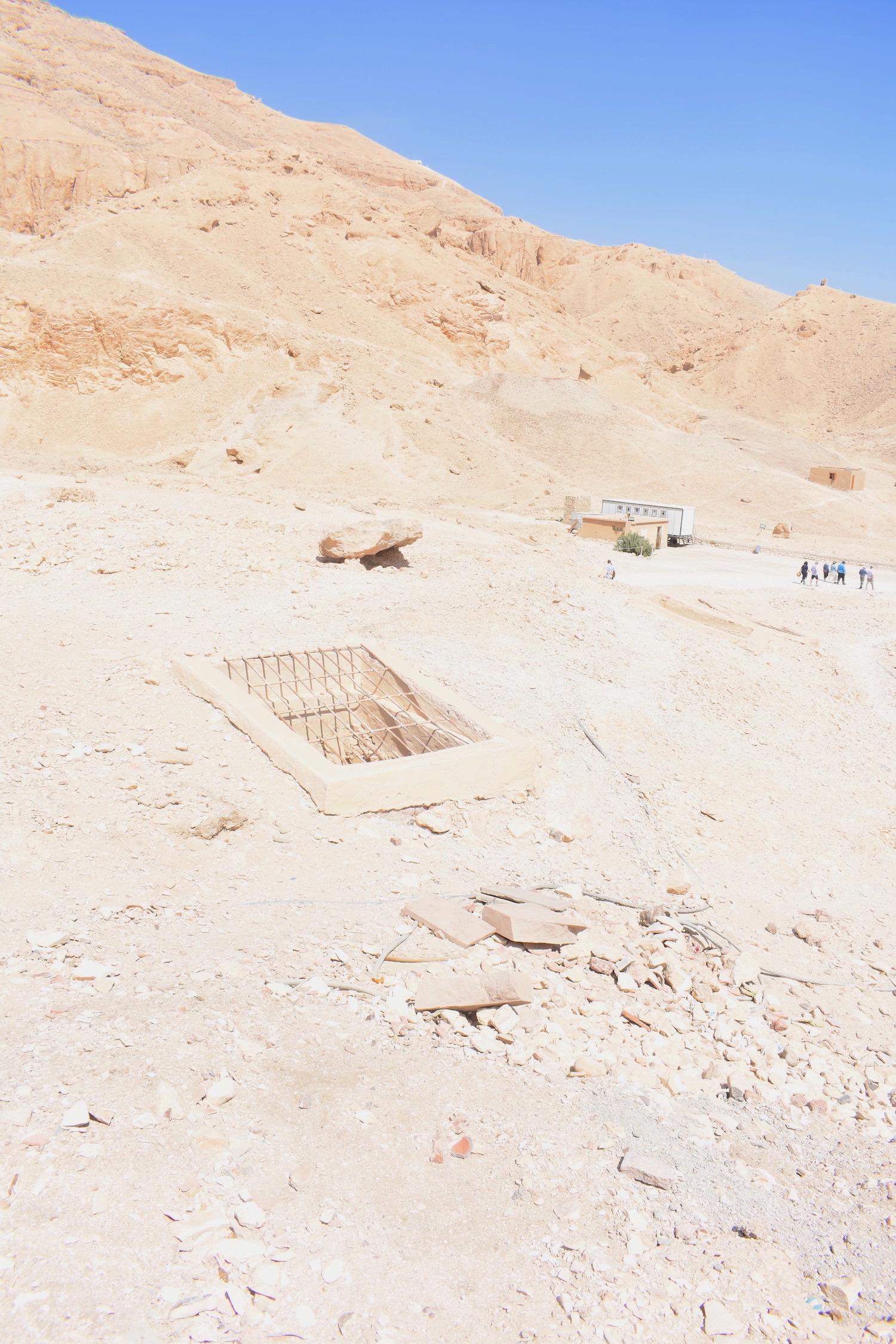
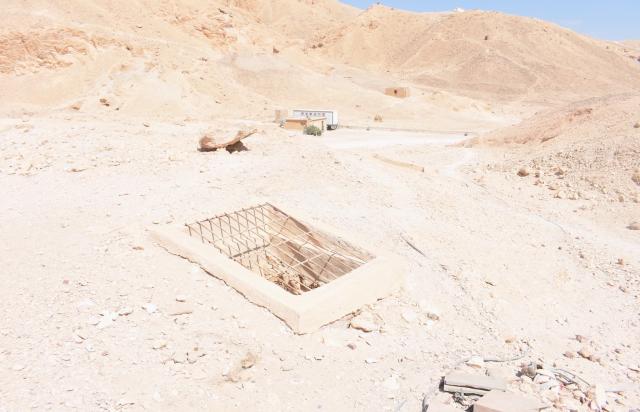
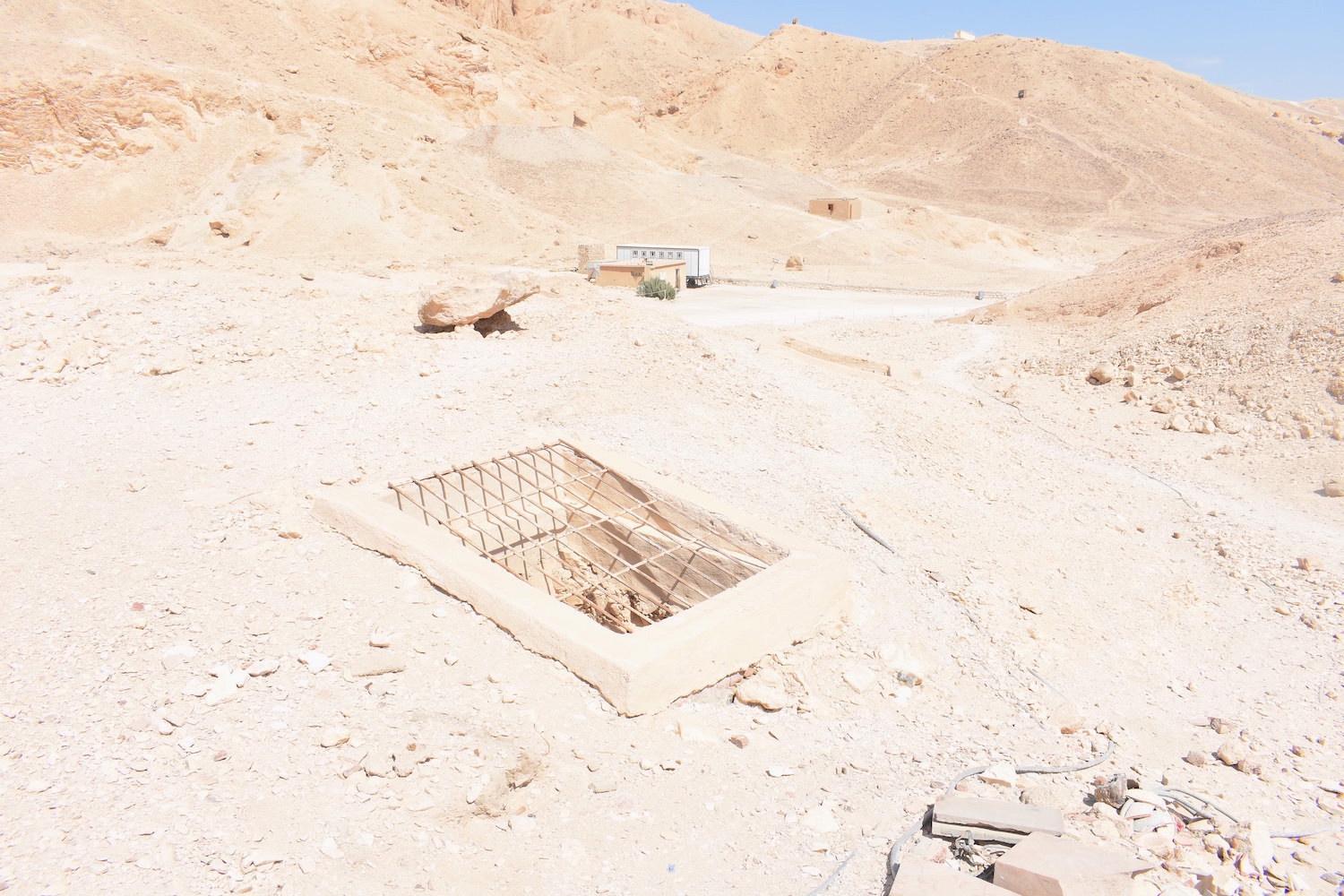
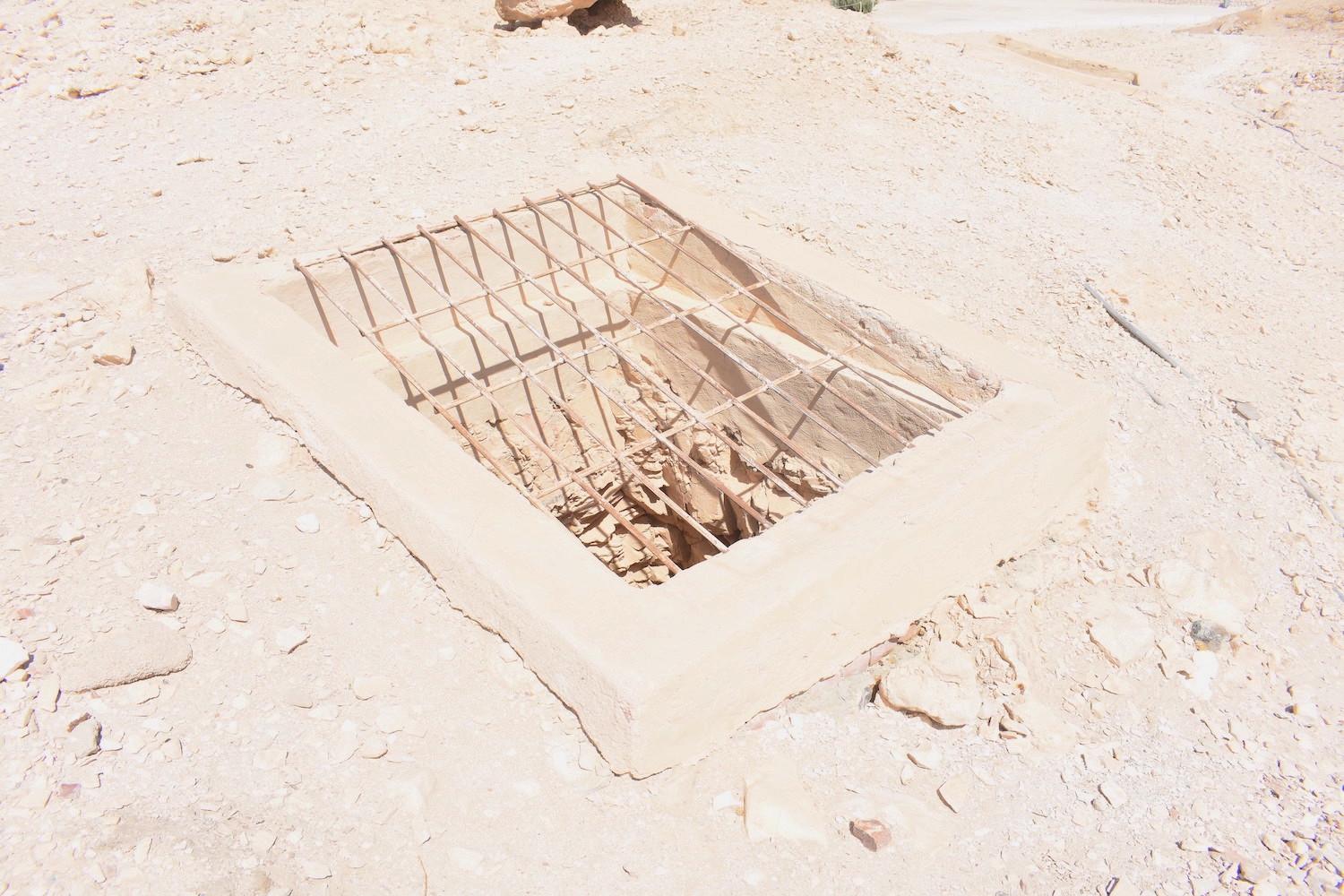
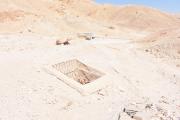
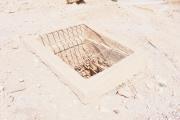
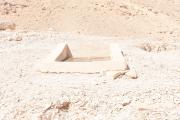
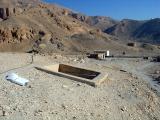
See entire tombThe shaft has a modern masonry and cement surround at its opening, spanned by a metal grill.
Entrance to QV17 in foreground and QV14 in background
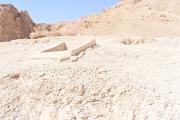
Entrance to QV17
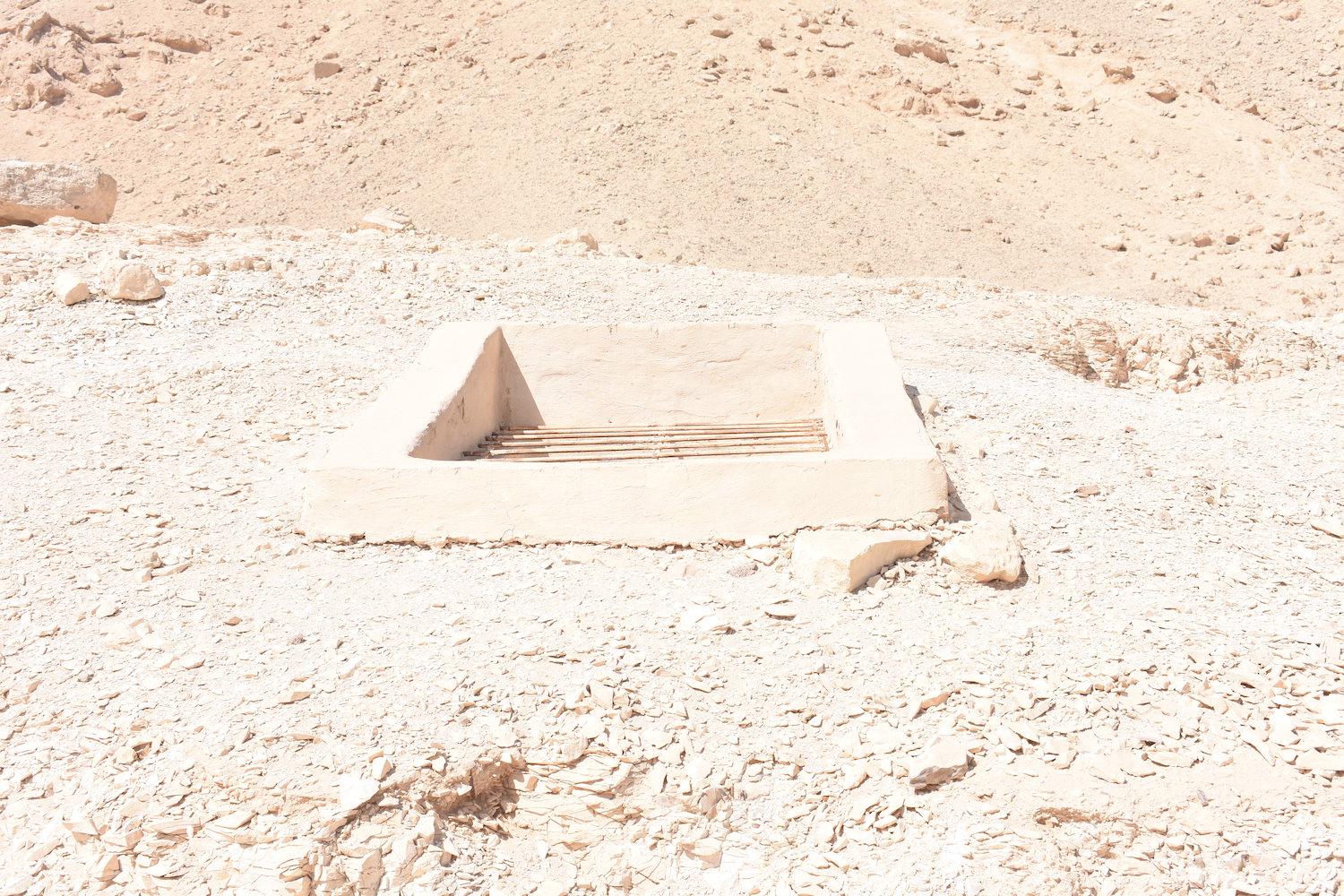
Entrance to QV17
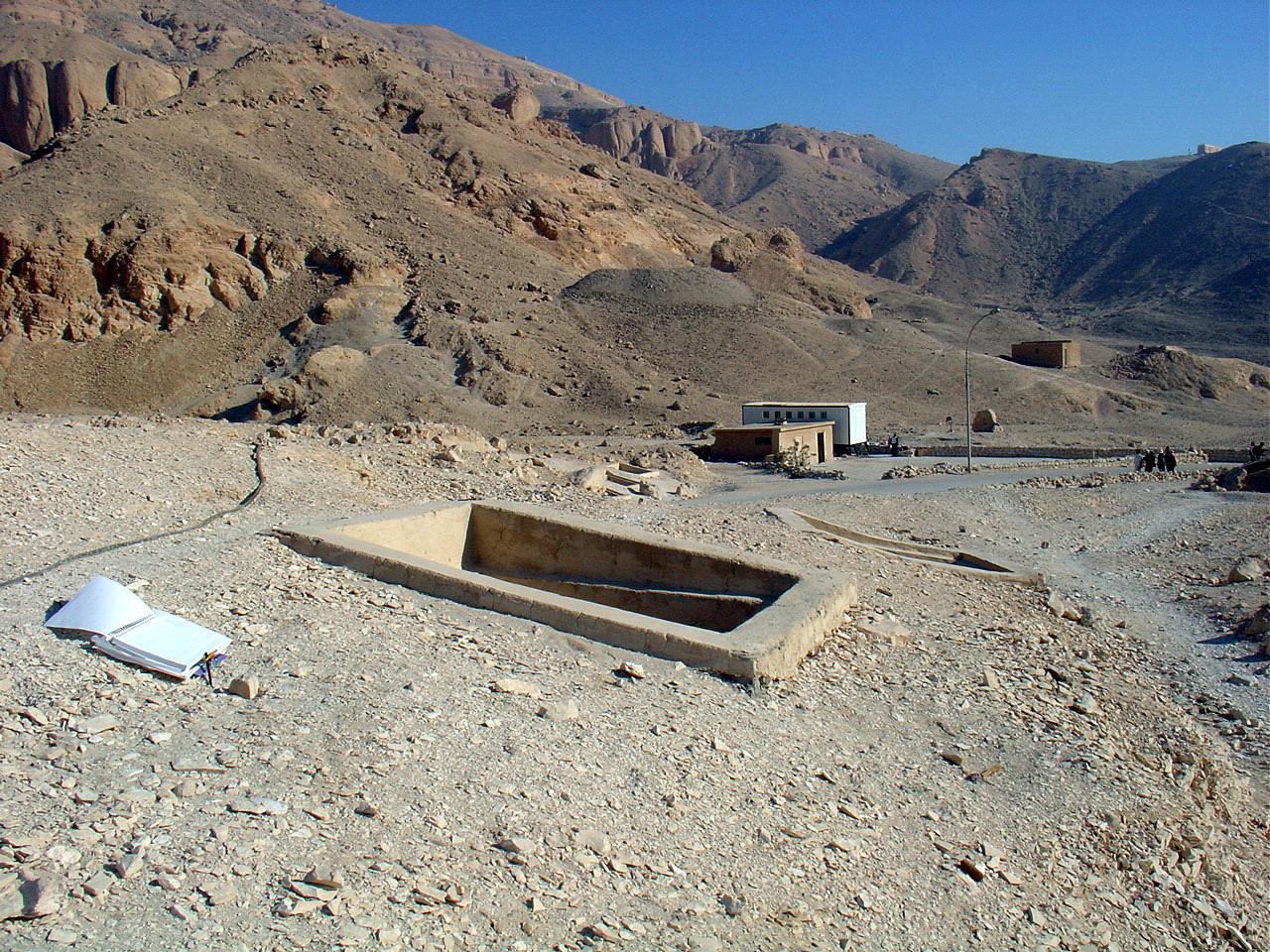
View of the shaft entrance to QV 17 with modern masonry surround. © Getty Conservation Institute and the Ministry of Tourism and Antiquities.
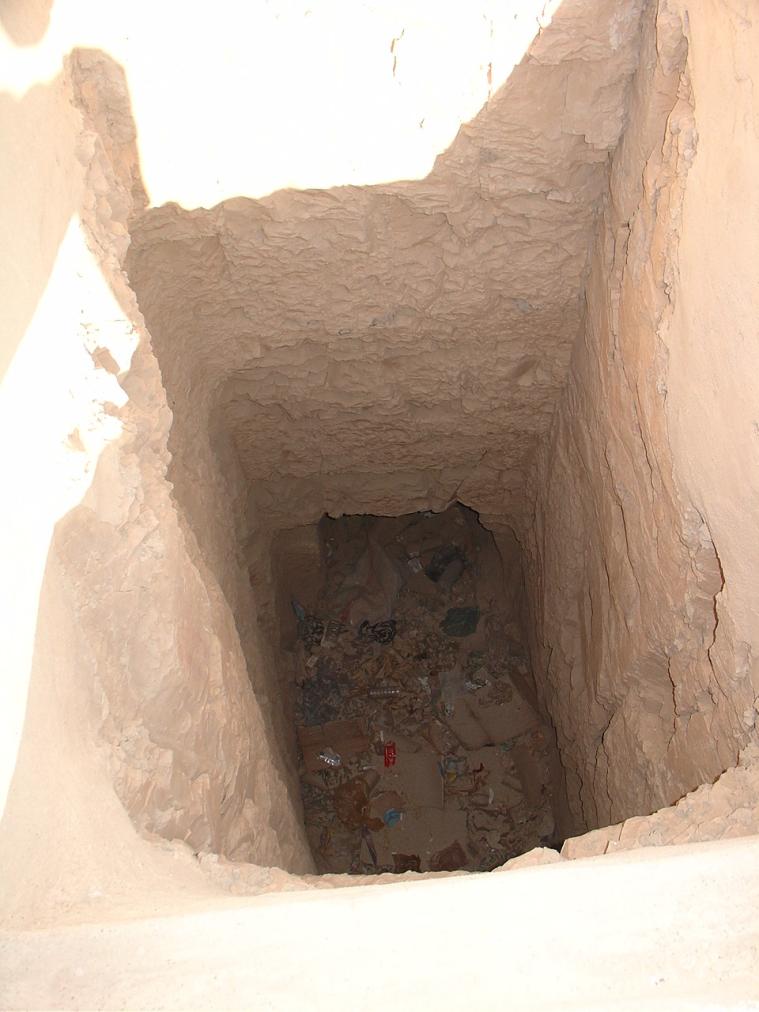
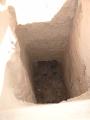
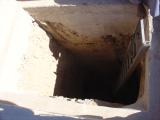
View down the shaft entrance. © Getty Conservation Institute and the Ministry of Tourism and Antiquities.
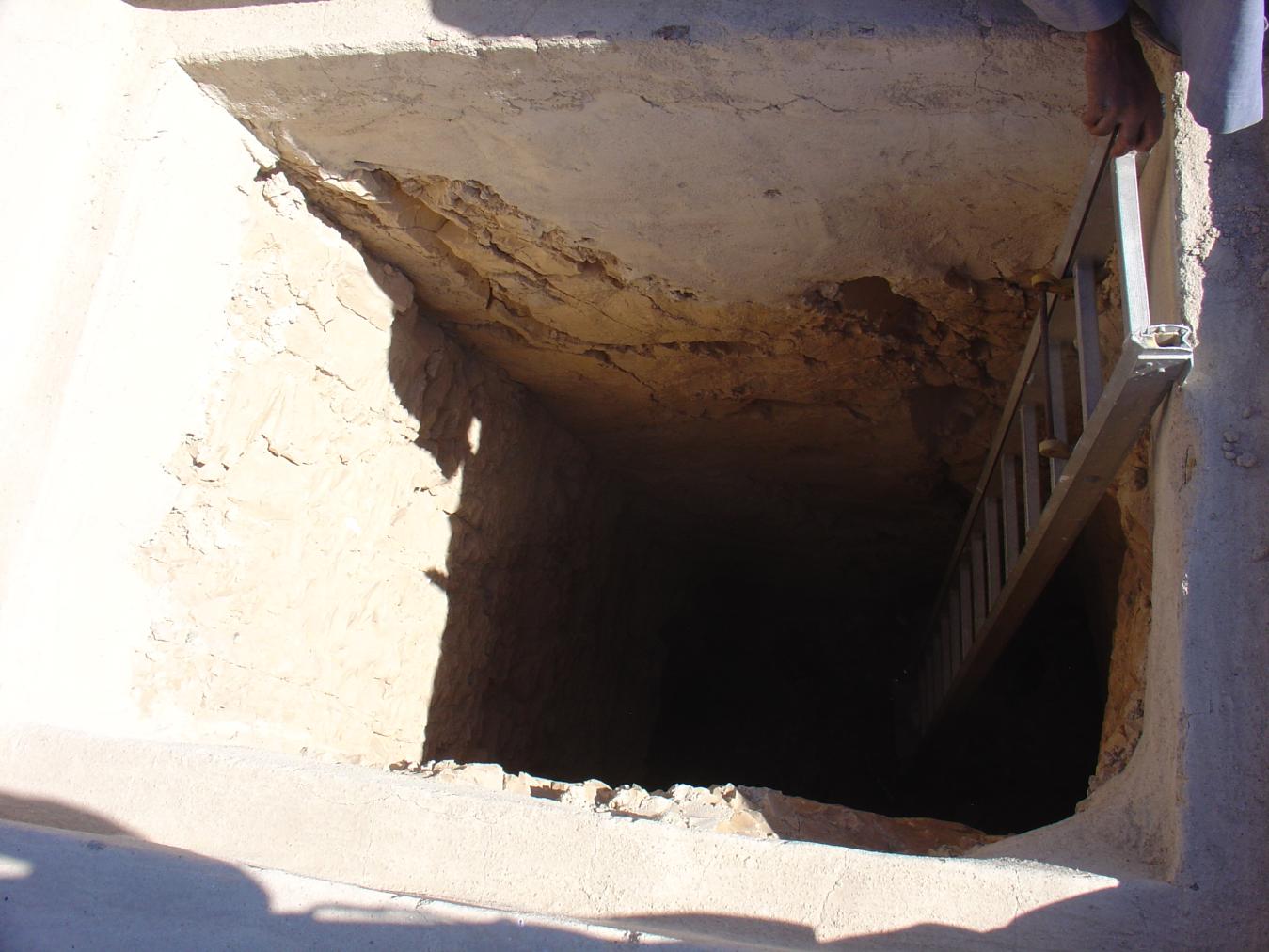
View down the shaft entrance. © Getty Conservation Institute and the Ministry of Tourism and Antiquities.
Burial chamber B
See entire tombAn atypically large rectangular burial chamber that is slightly off axis from the tomb's entry shaft. The ceiling and east wall are fractured and the ceiling is only preserved at rear of the chamber.
Chamber plan:
RectangularChamber layout:
Flat floor, no pillarsFloor:
One levelCeiling:
Flat
About
About
QV 17 is a single-chambered shaft tomb located on the south side of the main Wadi, behind a low natural mound into which a number of tombs are cut. The shaft (A) has a modern masonry and cement surround at its opening, spanned by a metal grill. The main chamber (B) is slightly offset from the tomb’s shaft axis and the ceiling is only preserved at the rear of the chamber. As with other 18th Dynasty shaft tombs, it was not decorated.
Elizabeth Thomas (1959-6) was unable to enter the tomb, but noted that it had relatively little debris in its shaft and a typical layout, although with an atypically large main chamber. She suggested that Ernesto Schiaparelli (1903-1905) may have cleared it. The tomb was later excavated in 1986 by the Franco-Egyptian Mission, who speculated that the tomb may have been thoroughly pillaged in antiquity. Based on the archaeological material recovered, particularly inscribed Canopic jars, the tomb has been ascribed to two 18th Dynasty princesses, Merytra (I) and Urmerutes. According to Anne-Marie Loyrette, these two women could possibly be daughters of Amenhetep III, based on the iconography of the canopic jars, as well as the location of the tomb amongst other 18th Dynasty burials.
Noteworthy features:
The tomb has an atypically large main chamber and contained fragments of inscribed Canopic jars belonging to two 18th Dynasty princesses.
Site History
The tomb was constructed in the 18th Dynasty and reused in the Late Period.
Dating
This site was used during the following period(s):
Exploration
Conservation
Site Condition
According to the GCI-SCA, the tomb is cut into good quality rock and appears to be in stable condition. The ceiling and east wall of the main chamber are fractured. Localized rock staining associated with bat activity is evident, although no bats were recorded by the assessment team. There were many wasp nests. The tomb opening is in a location adjacent to a side drainage, and is susceptible to damage if flooded.

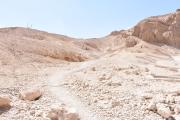
Entrance of QV17 and QV14 in background
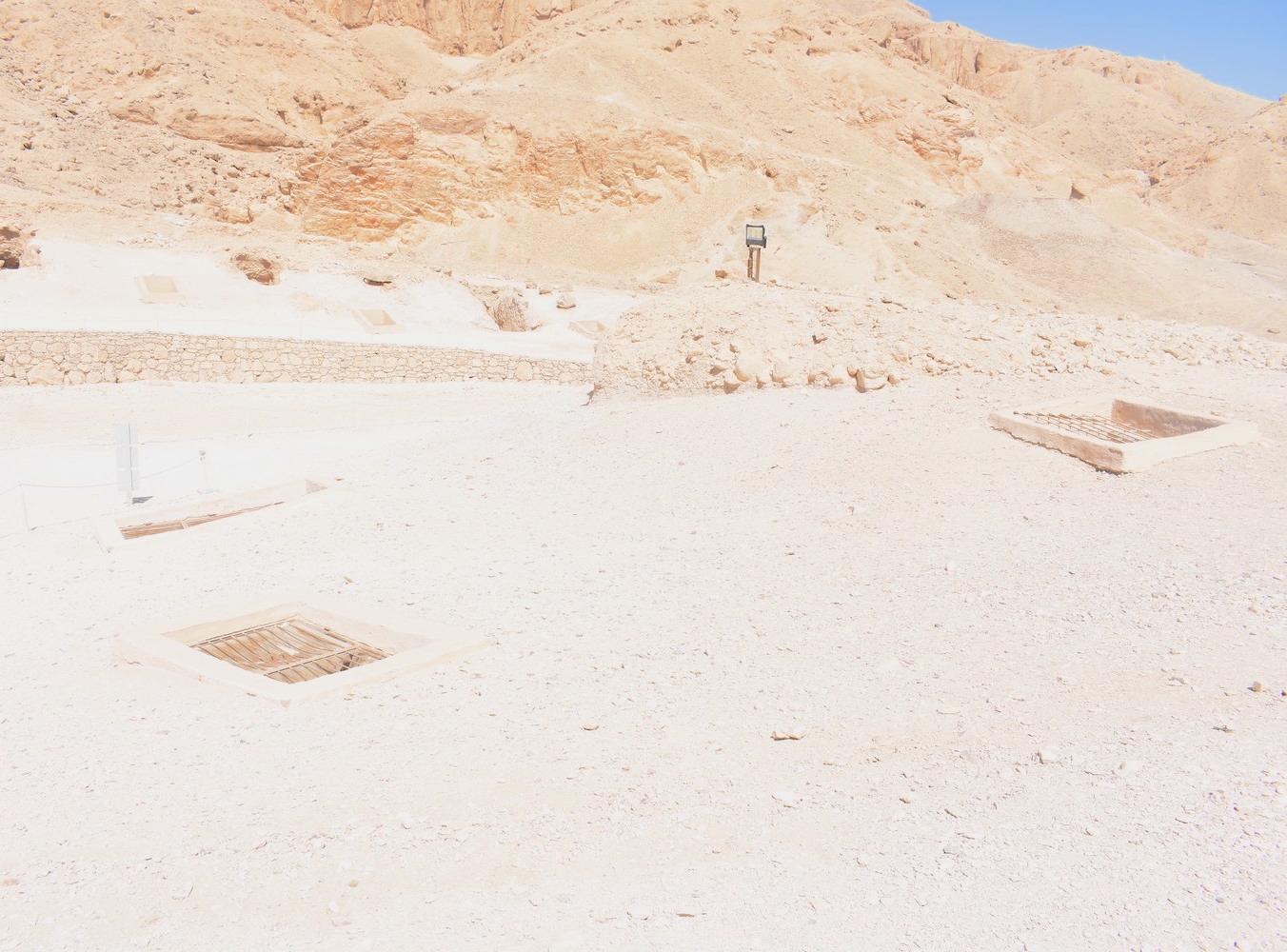
Entrances of QV19, QV20, and QV22.

Entrances to QV18, QV17, and QV14 in background
Entrance to QV17 in foreground and QV14 in background
Entrance to QV17
Entrance to QV17
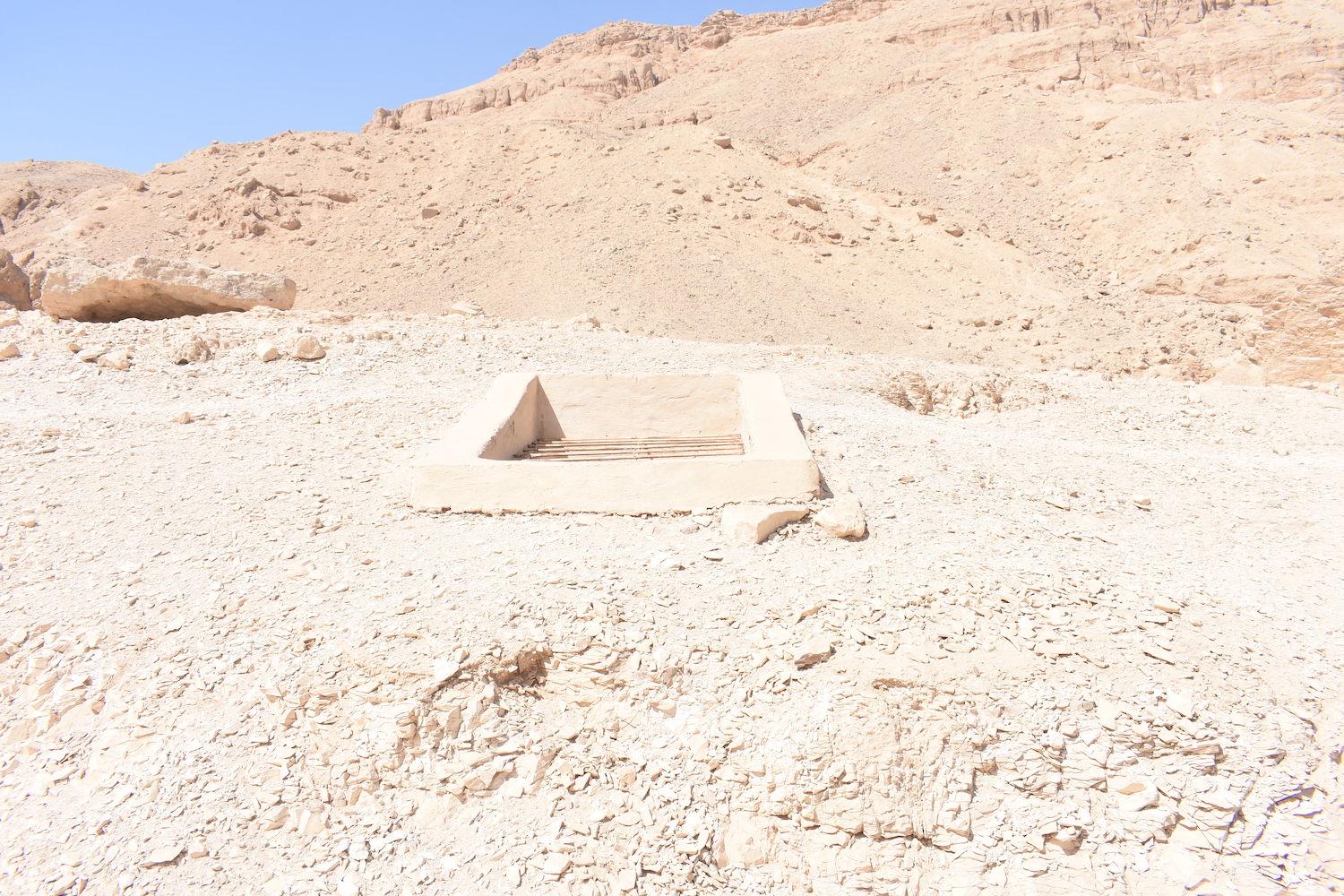
Entrance to QV17
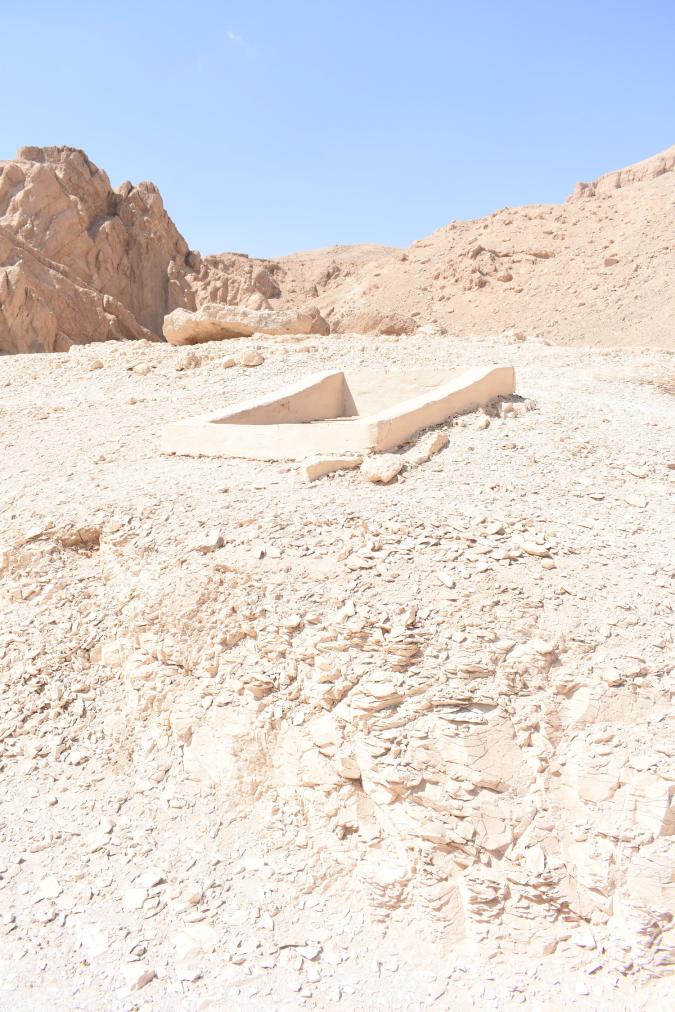
Entrance to QV17
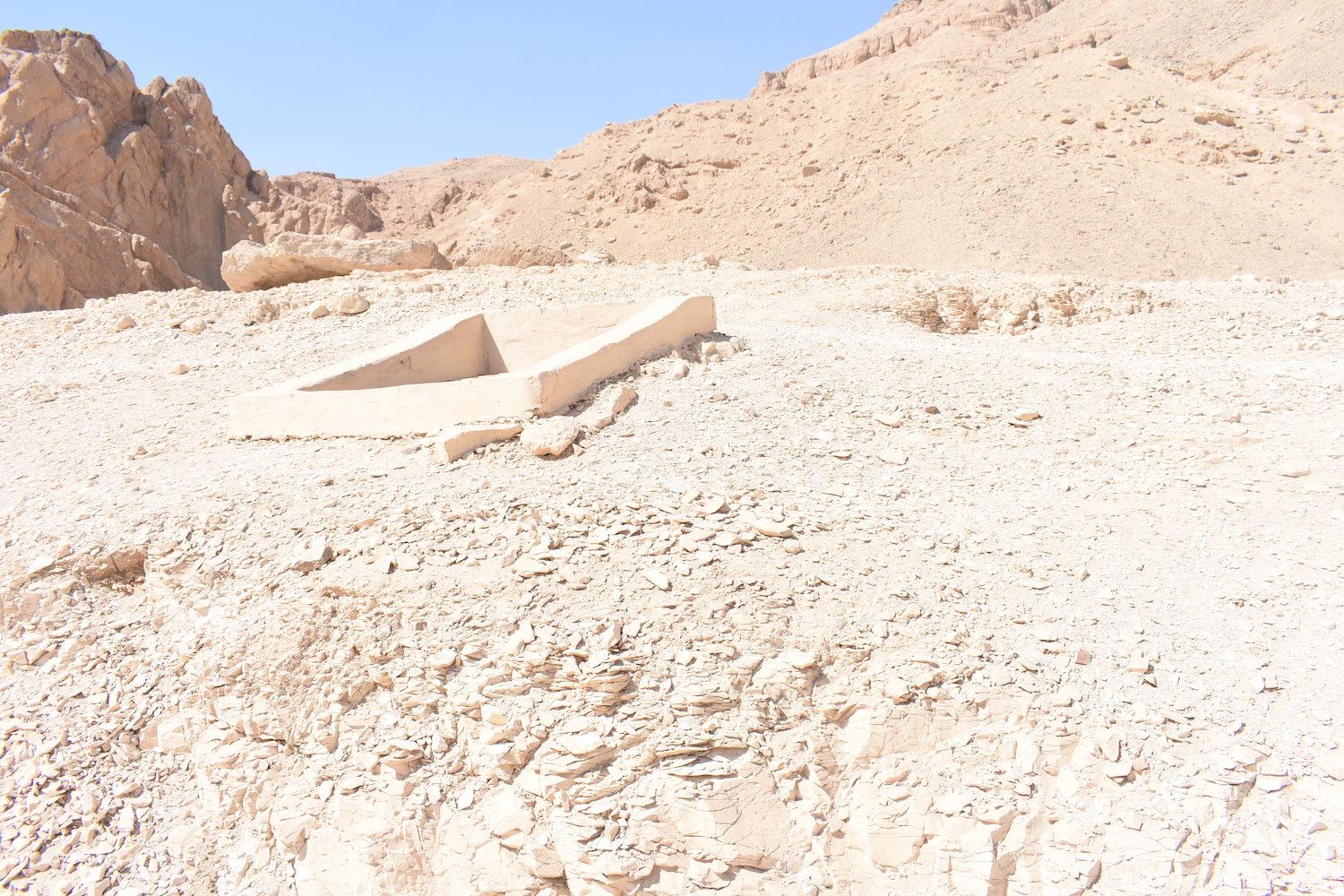
Entrance to QV17

Entrances to QV13, QV14, and QV17, with the old electricity building and QV45 in the background

View of the southeastern side of the main wadi with entrances to QV7, QV8, QV9, QV10, QV11, QV12, QV13, QV14, and QV17
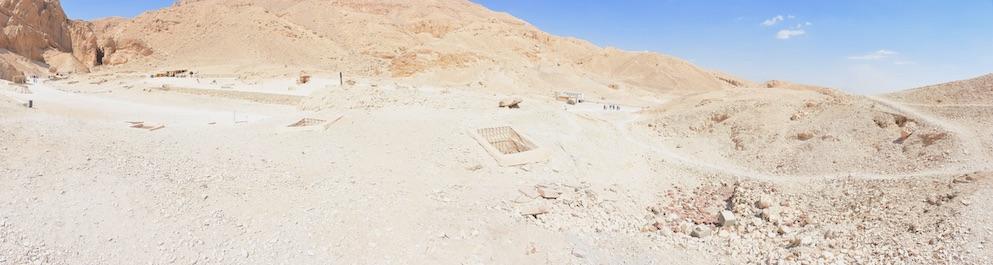
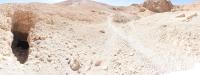
Entrances to QV17, QV19, QV20, QV21, and QV22 with visitors shelter at QV51 and QV66 in background
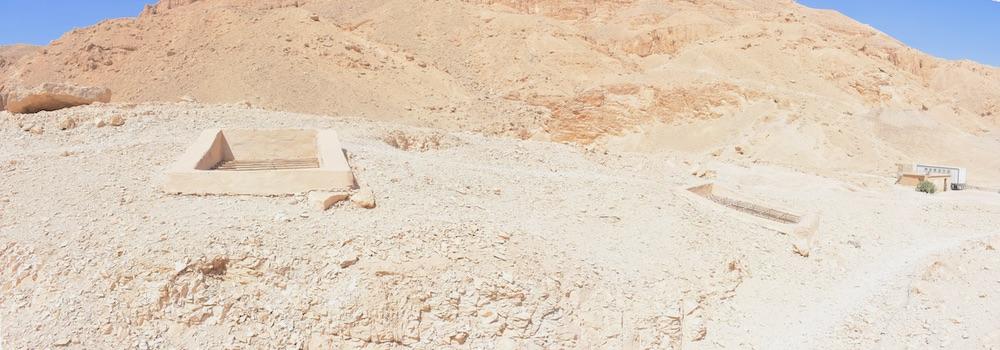
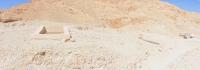
Entrances to QV14 and QV17
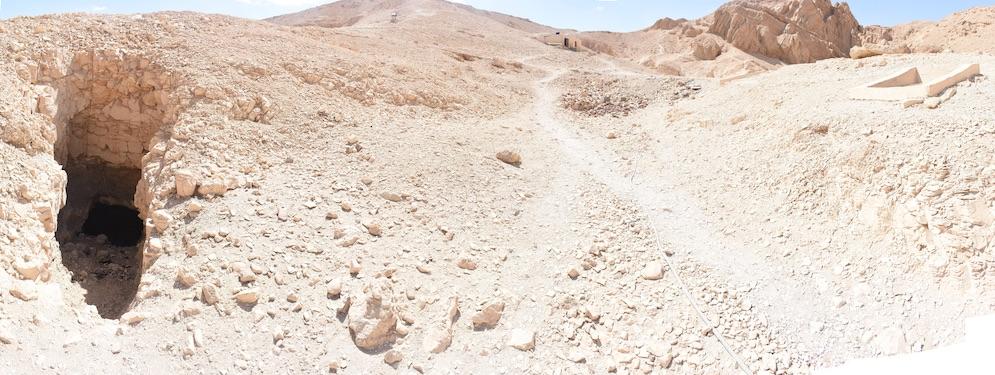
Entrances to QV16, QV14, and QV17 with old electricity building in the background
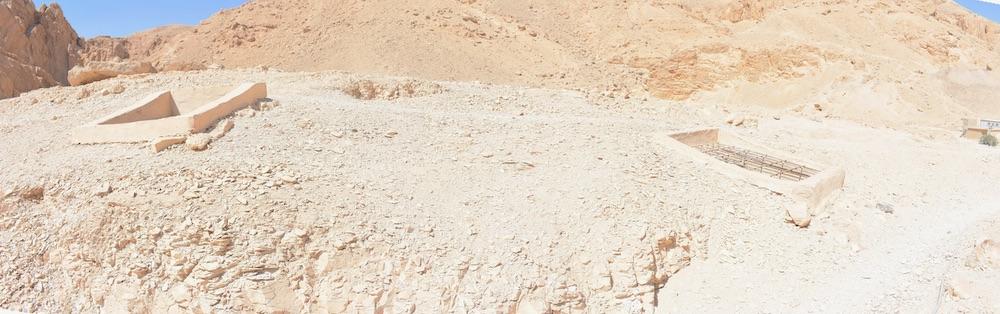
Entrances to QV14 and QV17
View of the shaft entrance to QV 17 with modern masonry surround. © Getty Conservation Institute and the Ministry of Tourism and Antiquities.
View down the shaft entrance. © Getty Conservation Institute and the Ministry of Tourism and Antiquities.
View down the shaft entrance. © Getty Conservation Institute and the Ministry of Tourism and Antiquities.




Articles
Tomb Numbering Systems in the Valley of the Queens and the Western Wadis
Geography and Geology of the Valley of the Queens and Western Wadis
Bibliography
CNRS mission report: Centre national de la recherche scientifique (France). Rapport d'activité 1987-1988 URA no. 1064, 1987-1988.
Demas, Martha and Neville Agnew (eds). Valley of the Queens. Assessment Report. Los Angeles: The Getty Conservation Institute, 2012, 2016. Two vols.
Loyrette, Anne-Marie. Deux princesses sortent de l'oubil. Archéologia, 228 (1987): 38-42.
Thomas, Elizabeth. The Royal Necropoleis of Thebes. Princeton: privately printed, 1966.