QV 9
Anonymous


Entryway A
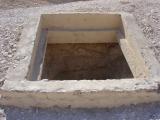
See entire tombShaft entrance that has a modern built surround with cement plaster and no metal grid or mesh.

Shaft entrance without metal grill. © Getty Conservation Institute and the Ministry of Tourism and Antiquities.

View of shaft entrance without metal grill. © Getty Conservation Institute and the Ministry of Tourism and Antiquities.

View of shaft entrance without metal grill. © Getty Conservation Institute and the Ministry of Tourism and Antiquities.

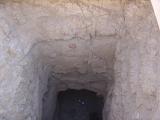
View down shaft entrance with tomb number in red paint. © Getty Conservation Institute and the Ministry of Tourism and Antiquities.

View down shaft entrance with tomb number in red paint. © Getty Conservation Institute and the Ministry of Tourism and Antiquities.

Shaft entrance of QV 9 without metal grill. © Getty Conservation Institute and the Ministry of Tourism and Antiquities.

View down shaft entrance with tomb number in red paint. © Getty Conservation Institute and the Ministry of Tourism and Antiquities.

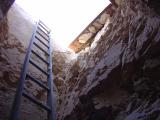
View up shaft entrance. © Getty Conservation Institute and the Ministry of Tourism and Antiquities.




Burial chamber B
See entire tombAn undecorated burial chamber with a Bench cut from the rock in the rear of the chamber.
Chamber plan:
RectangularRelationship to main tomb axis:
ParallelChamber layout:
Flat floor, no pillarsFloor:
One levelCeiling:
Flat
About
About
QV 9 is located on the south side of the main Wadi, between the paved path and the higher footpath to the south. The tomb has one chamber (B) and the shaft entrance (A) has a modern built surround with cement plaster and no metal grill or mesh. The tomb has a Bench cut from the rock in the rear of the chamber (B).
Elizabeth Thomas recorded that QV 7 to QV 10 are all similar in layout. The last clearing of the tombs was conducted by the Franco-Egyptian Mission from 1986-87. The finds from the tomb indicate that it was constructed during the reign of Thutmes I and may have belonged to a member of the military as they were interred with an arrow head and a finely worked and decorated leather fragment that may have been part of a quiver. The tomb was reused during the Third Intermediate Period and Roman Period for group burials as the remains of over 20 individuals were discovered inside.
Site History
Dating
This site was used during the following period(s):
Exploration
Conservation
Site Condition
According to the GCI-SCA, the tomb generally appears stable. It is cut into mixed marl types, with the shaft cut largely into marl but reaching shale layers near the bottom. The main chamber of the tomb is cut into interbedded layers. Trash littered bottom of the shaft. One bat was seen in QV 9 by the GCI-SCA assessment team. The tomb opening is susceptible to flooding, and the shale of the main chamber is particularly susceptible to damage resulting from flood.

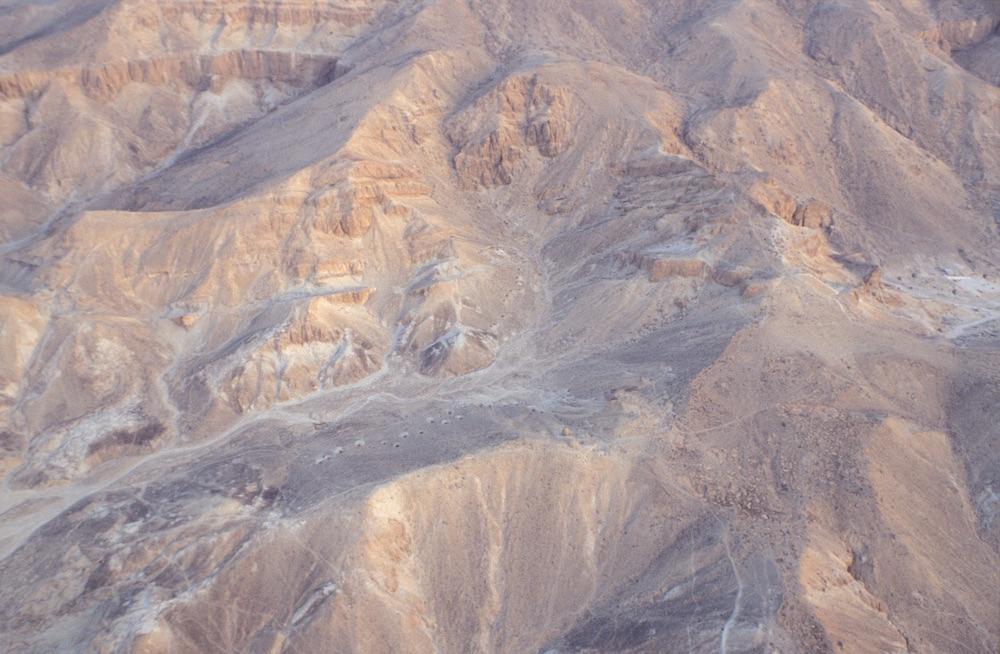
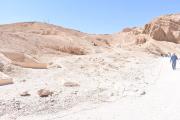
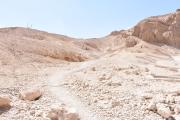
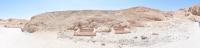
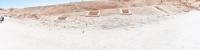
General view of the main wadi, old electricity building, and entrances to QV4, QV5, QV6, QV7, QV8, QV9, QV10, QV11, QV12, and QV14.
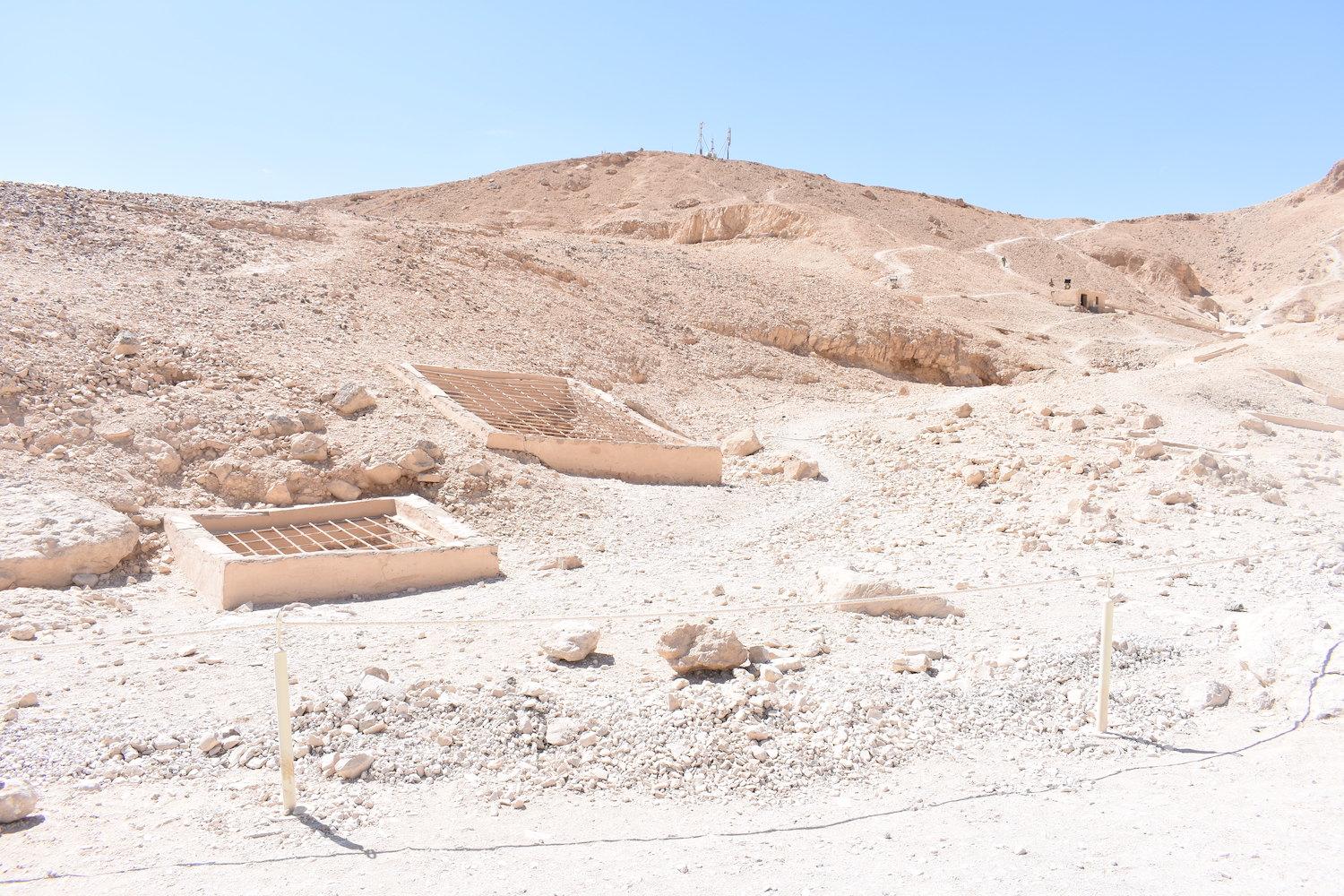
Entrances to QV5, QV6, QV7, QV8, QV9, and QV13.

Part of entrance to QV5 and entrances to QV6, QV7, QV8, QV9, QV10, QV11, and QV12.

Entrances of QV3, QV5, QV6, QV7, QV8, QV9, and QV81.

Entrances of QV8, QV9, and QV10.

Entrances of QV9, QV10, and QV13.

Entrances to QV9, QV10, and QV11.

View of the southeastern side of the main wadi with entrances to QV7, QV8, QV9, QV10, QV11, QV12, QV13, QV14, and QV17
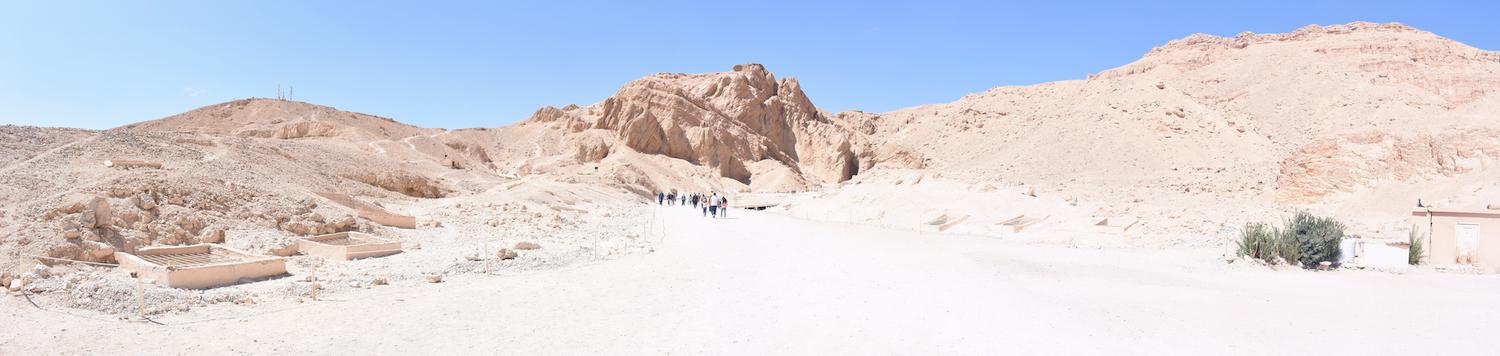
View up the main wadi. Entrances of QV3, QV5, QV6, QV7, QV8, QV9, QV10, QV11, QV12, and QV14 on the left. Entrances to QV76, QV77, QV78, QV79, QV81, and QV83 on the right.
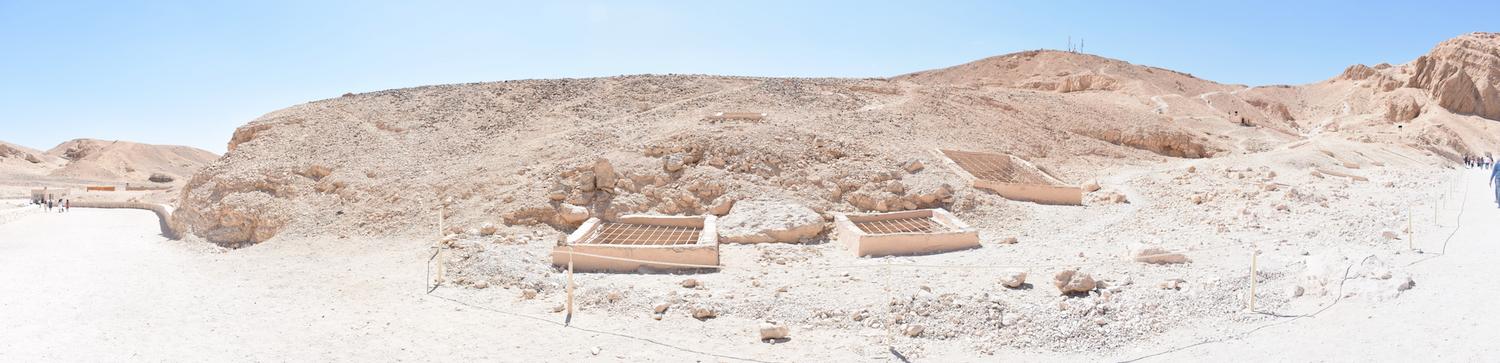
Main path and security check at entrance to QV with view of the southeastern side of the main wadi. Entrances to QV3, QV5, QV6, QV7, QV8, QV9, QV10, QV11, QV12, QV13, and QV 81.
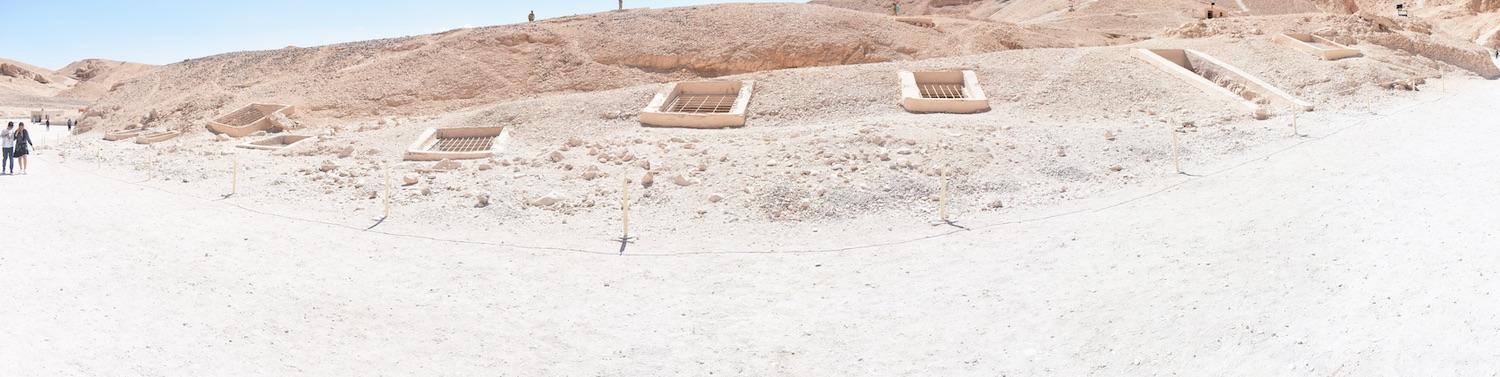
Southeastern side of the main wadi with entrances to QV3, QV5, QV6, QV7, QV8, QV9, QV10, QV11, QV12, QV13, and QV81.
Shaft entrance without metal grill. © Getty Conservation Institute and the Ministry of Tourism and Antiquities.
View of shaft entrance without metal grill. © Getty Conservation Institute and the Ministry of Tourism and Antiquities.
View of shaft entrance without metal grill. © Getty Conservation Institute and the Ministry of Tourism and Antiquities.
View down shaft entrance with tomb number in red paint. © Getty Conservation Institute and the Ministry of Tourism and Antiquities.
View down shaft entrance with tomb number in red paint. © Getty Conservation Institute and the Ministry of Tourism and Antiquities.
Shaft entrance of QV 9 without metal grill. © Getty Conservation Institute and the Ministry of Tourism and Antiquities.
View down shaft entrance with tomb number in red paint. © Getty Conservation Institute and the Ministry of Tourism and Antiquities.
View up shaft entrance. © Getty Conservation Institute and the Ministry of Tourism and Antiquities.





Articles
Tomb Numbering Systems in the Valley of the Queens and the Western Wadis
Geography and Geology of the Valley of the Queens and Western Wadis
Bibliography
Demas, Martha and Neville Agnew (eds). Valley of the Queens. Assessment Report. Los Angeles: The Getty Conservation Institute, 2012, 2016. Two vols.
Lecuyot, Guy. Les tombes VdR 9 à 13 de la Vallée des Reines. Memnonia, 3 (1992): 89-129.
Macke, André, Christiane Macke-Ribet, Christian Leblanc, and Jacques Connan. Ta set neferou: une necropole de Thebes-Ouest et son histoire: momification, chimie des baumes, anthropologie, paléopathologie. Vol. 5. Cairo: Nubar Printing House, 2002.
Thomas, Elizabeth. The Royal Necropoleis of Thebes. Princeton: privately printed, 1966.