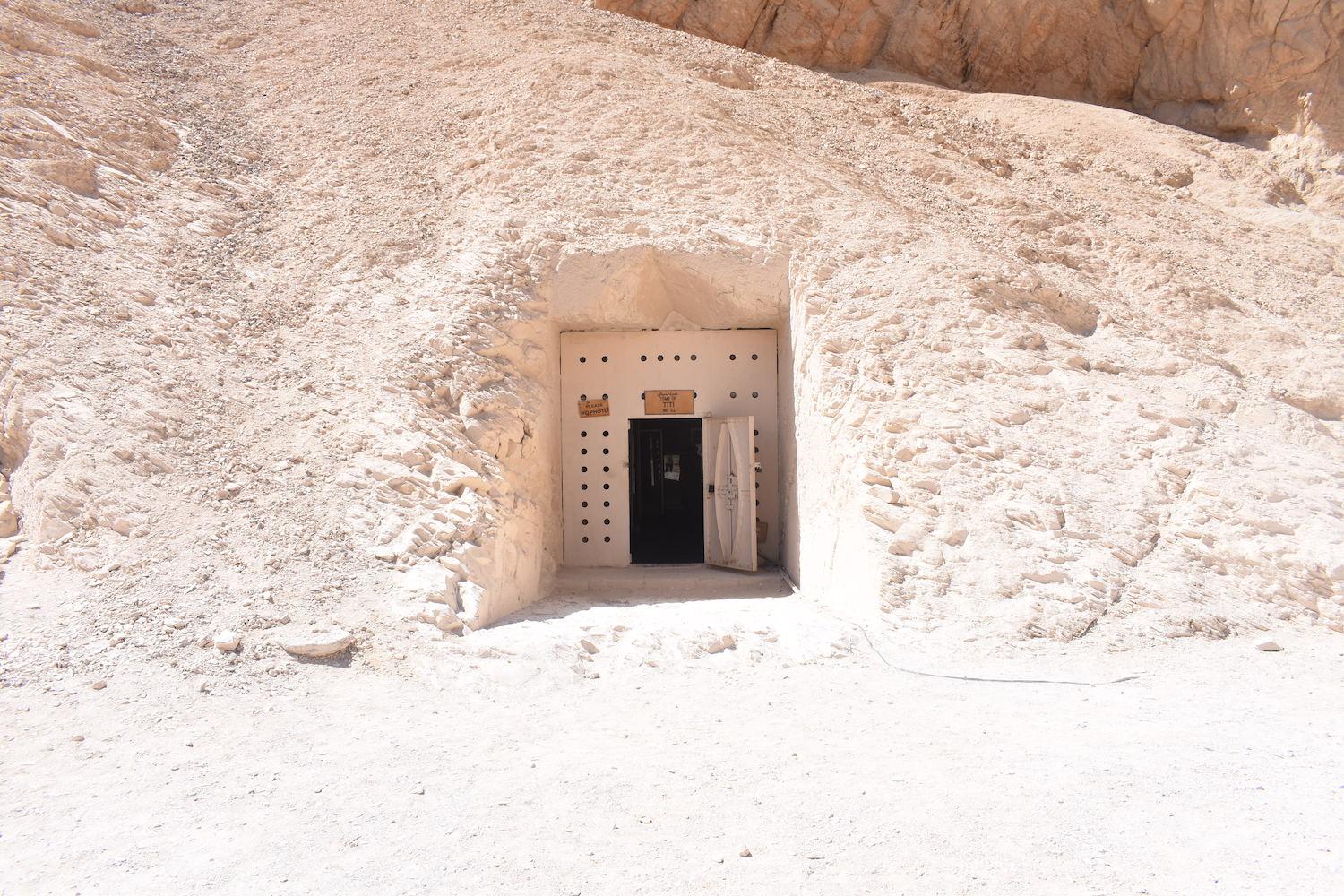
QV 51
Queen Isis-ta-Hemdjeret

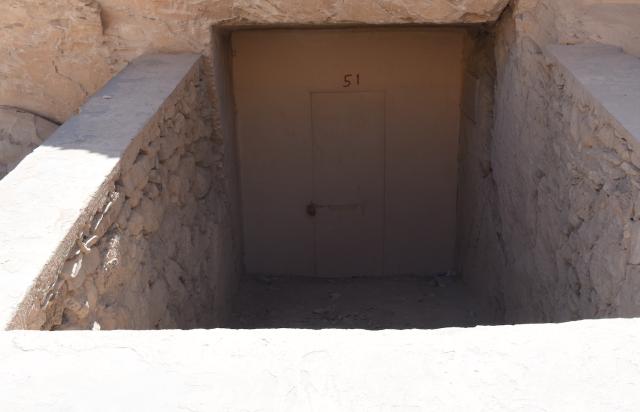
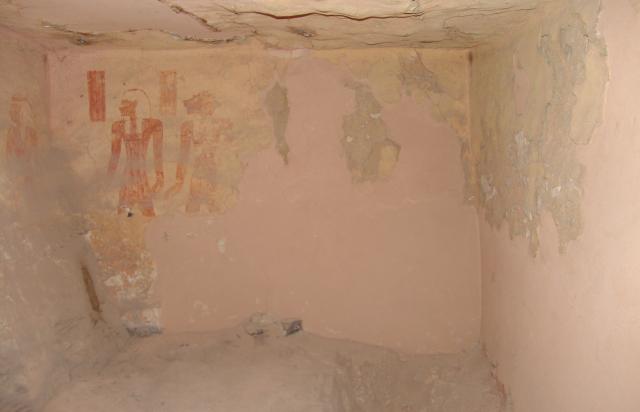
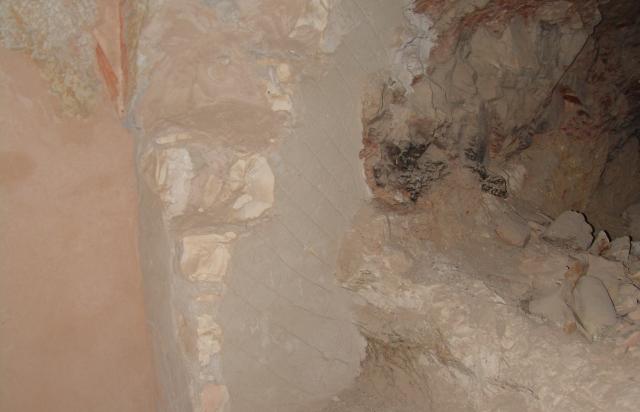
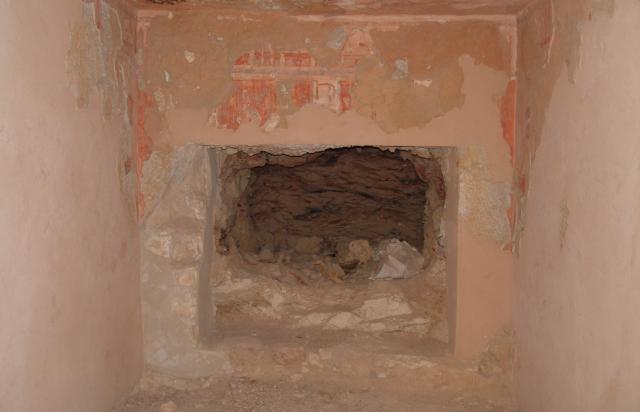
Entryway A
See entire tomb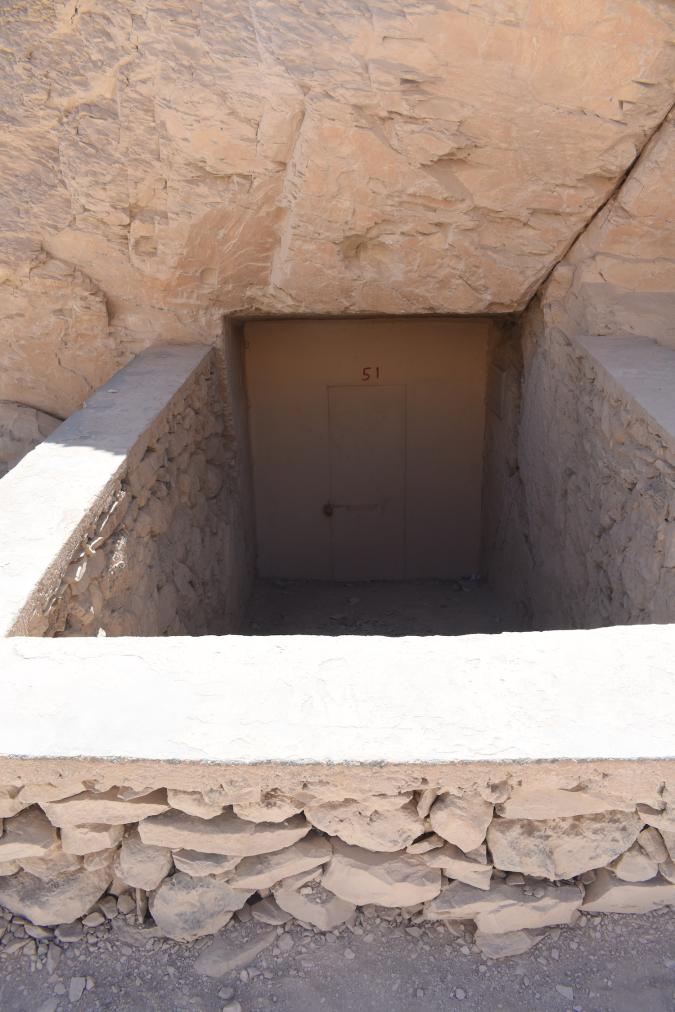
Entrance to QV51
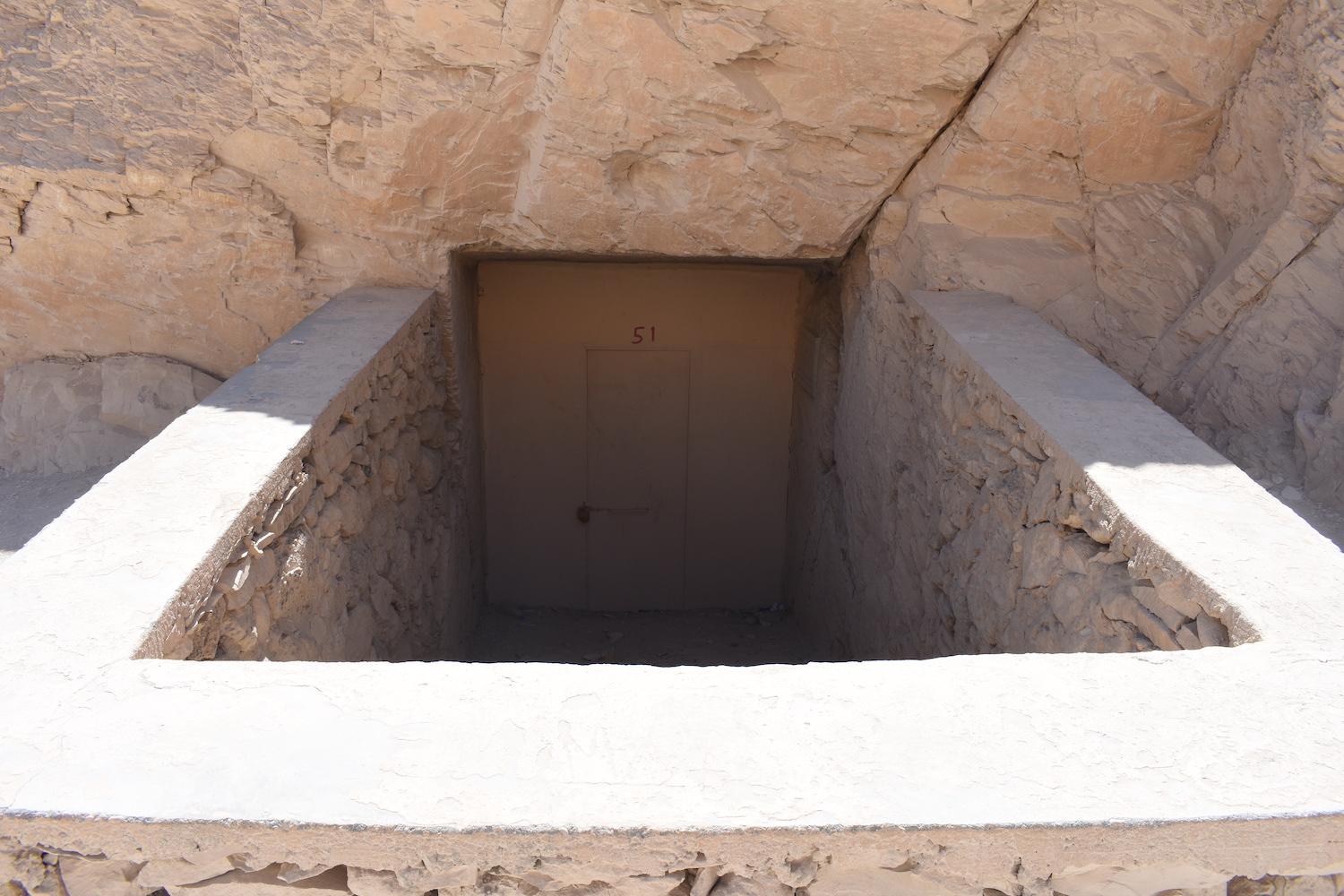
Entrance to QV51
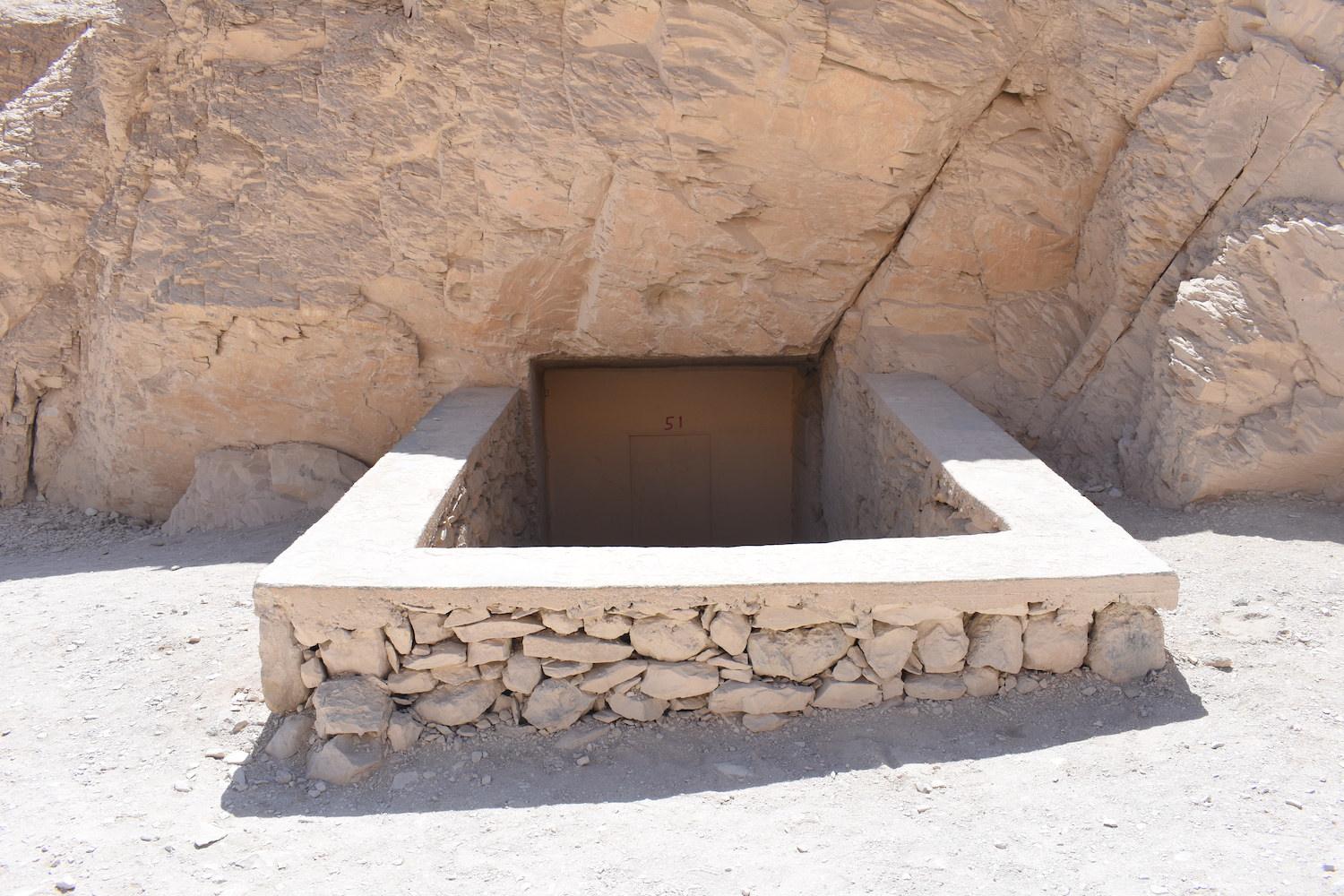
Entrance to QV51
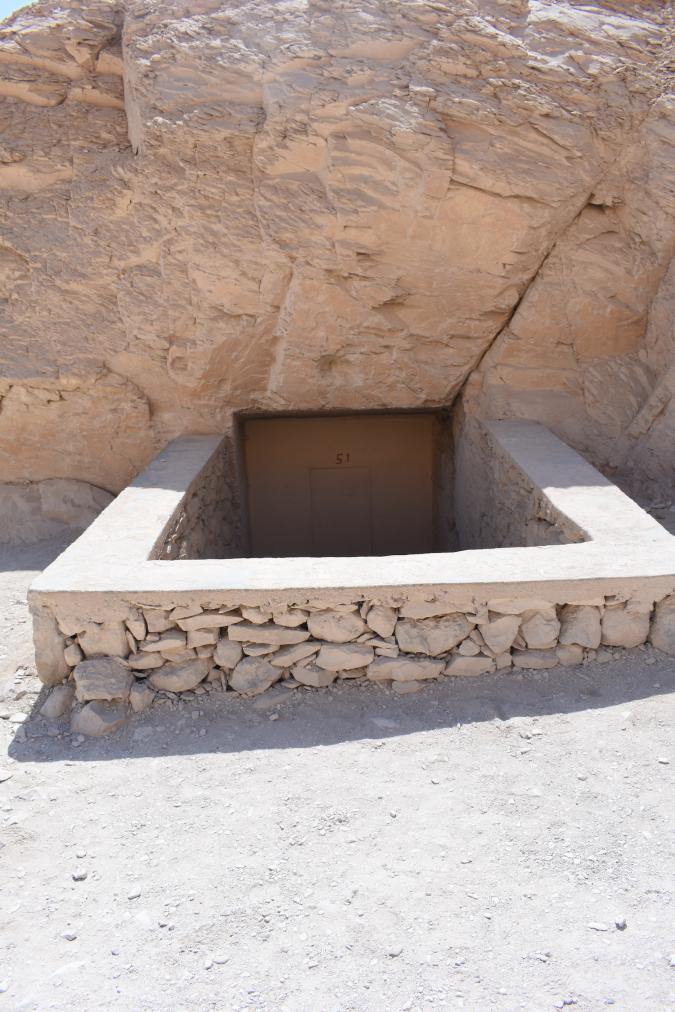
Entrance to QV51
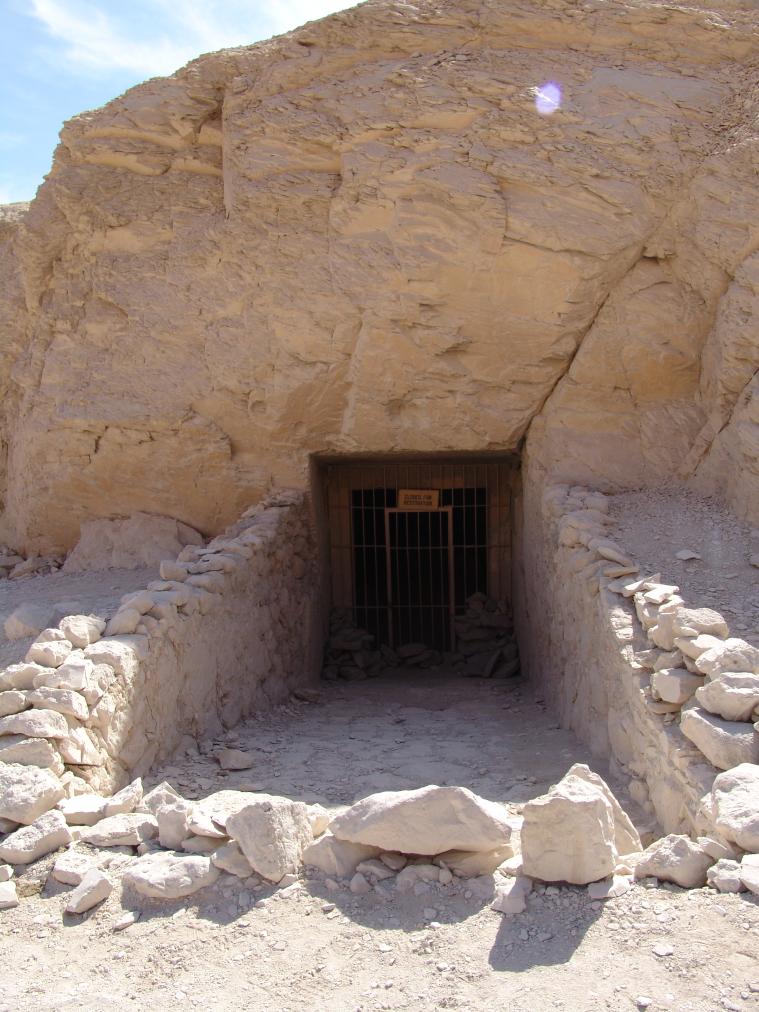
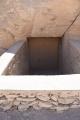
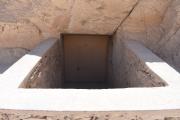
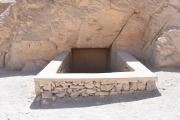
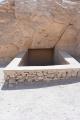
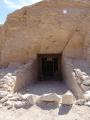
View of the tomb entrance. © Getty Conservation Institute and the Ministry of Tourism and Antiquities.
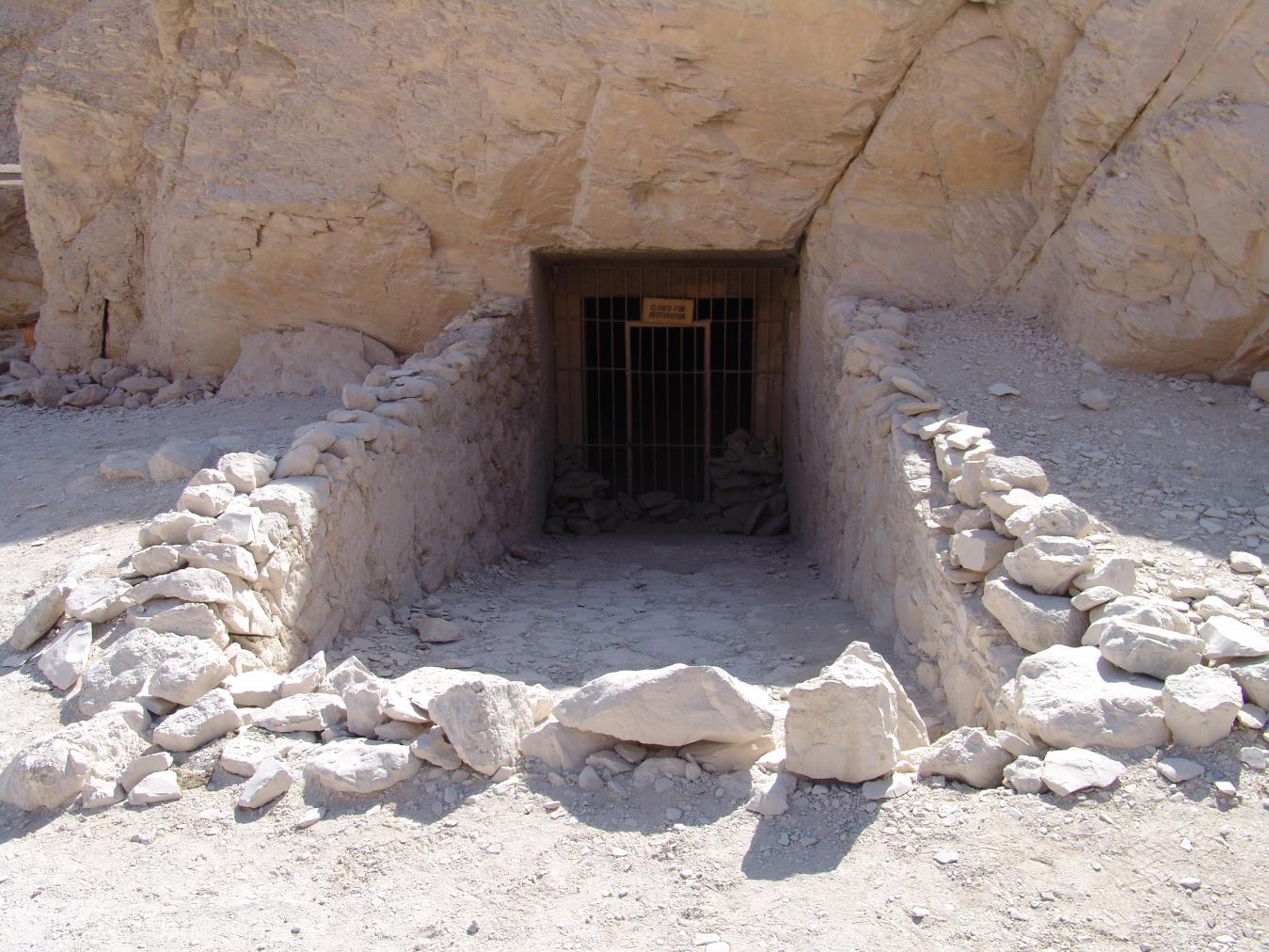
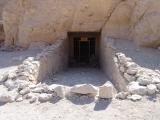
View of the tomb entrance. © Getty Conservation Institute and the Ministry of Tourism and Antiquities.
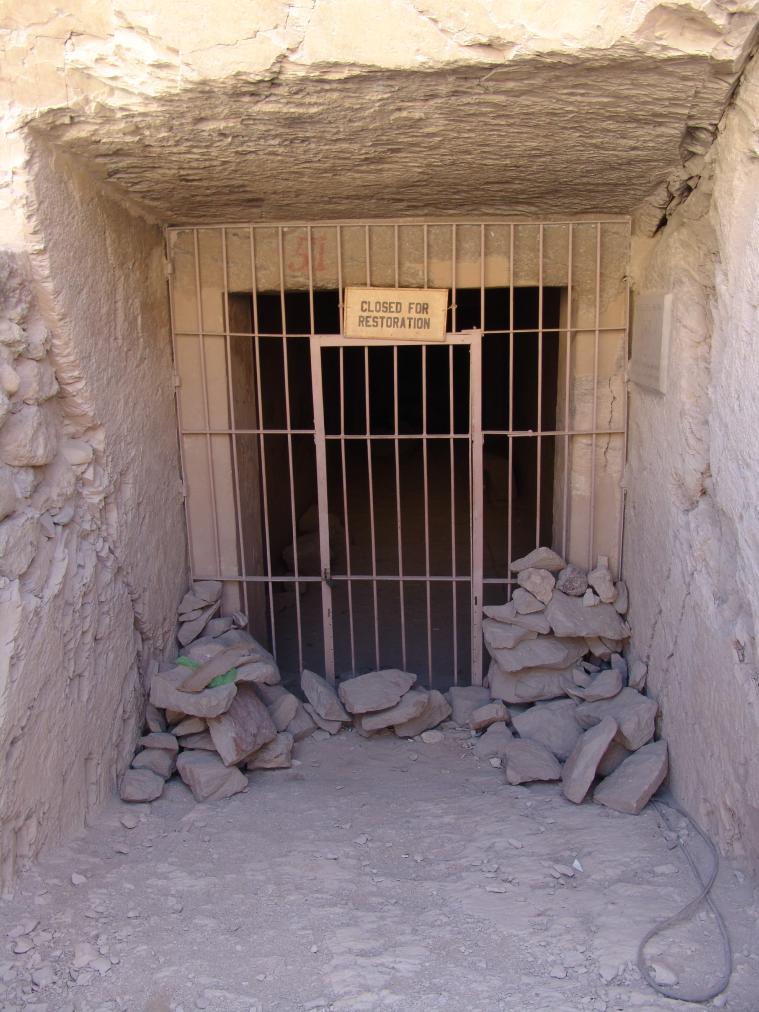
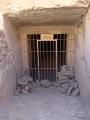
View of the tomb entrance and Gate B. © Getty Conservation Institute and the Ministry of Tourism and Antiquities.
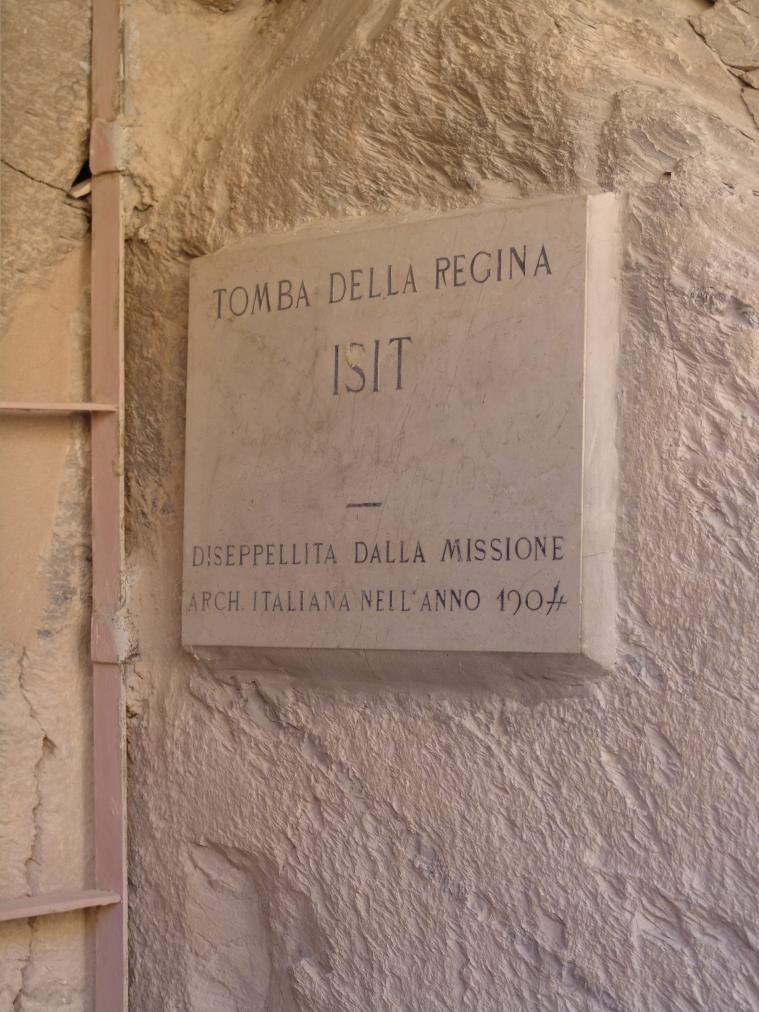
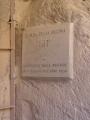
The original tomb sign from the Italian archaeological expedition (1903-1905). © Getty Conservation Institute and the Ministry of Tourism and Antiquities.
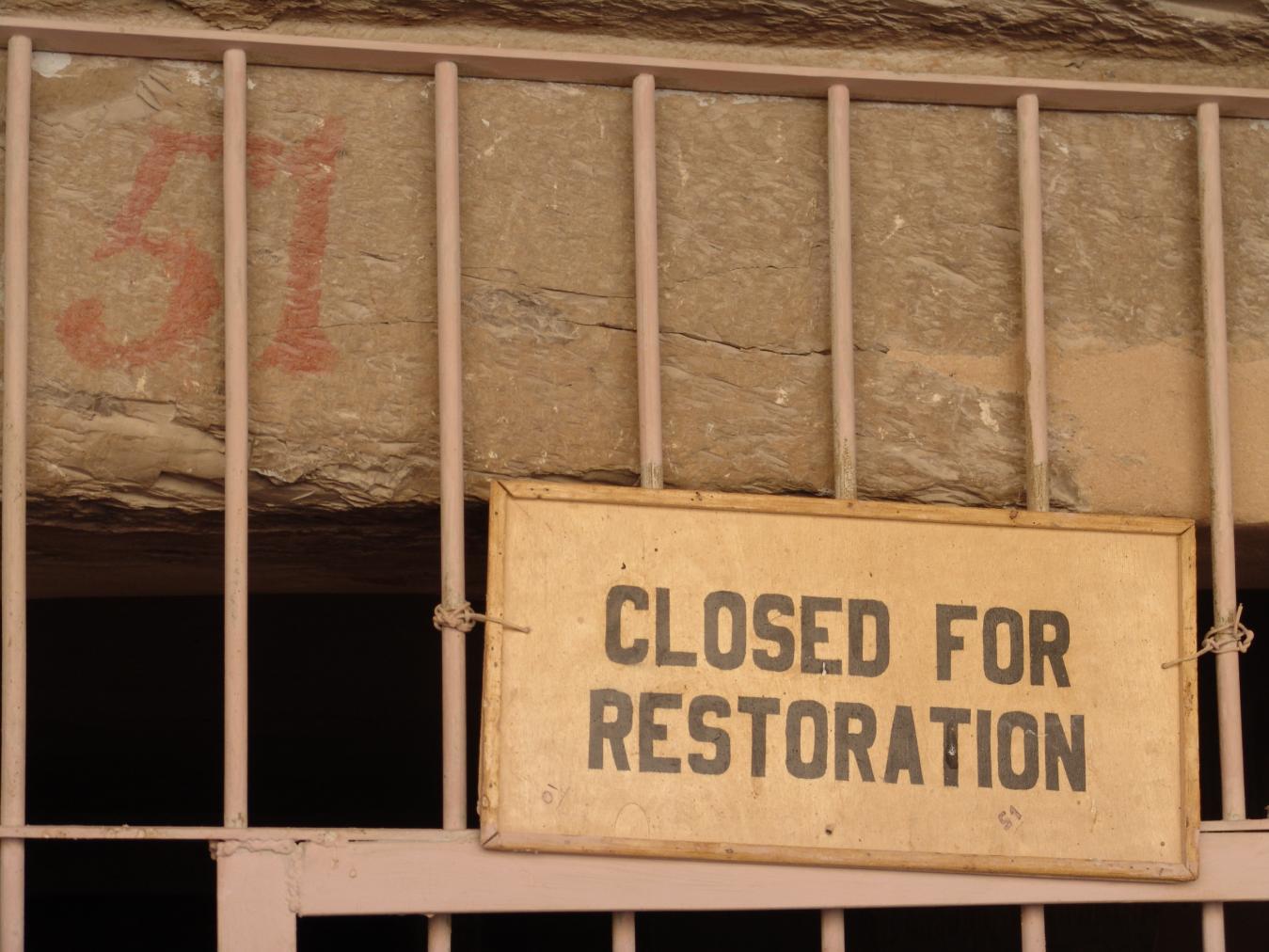
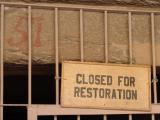
"Closed for restoration" sign. © Getty Conservation Institute and the Ministry of Tourism and Antiquities.
Gate B
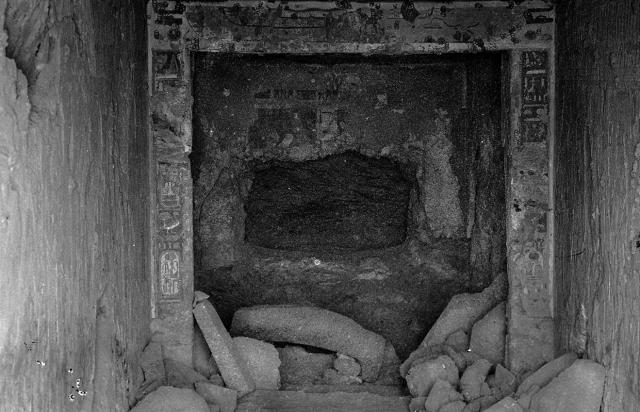
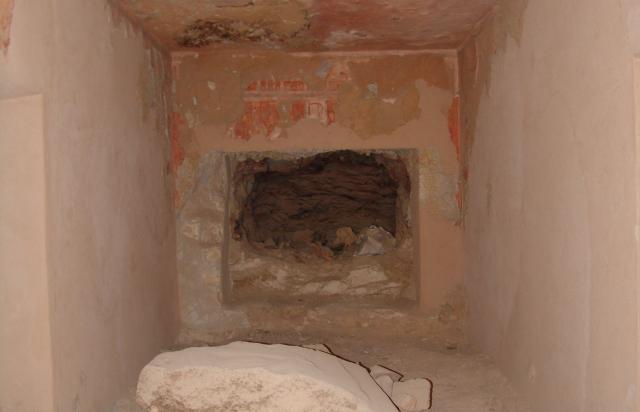
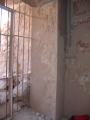
See entire tombThis gate provides access to the tomb. The lintel is decorated with a partly preserved representation of the goddess Nekhbet as a vulture. She is depicted hovering and clutching a fan in her claws. Remains of a Kheker frieze can be seen on the upper parts of the reveals.
View of the tomb entrance and Gate B. © Getty Conservation Institute and the Ministry of Tourism and Antiquities.
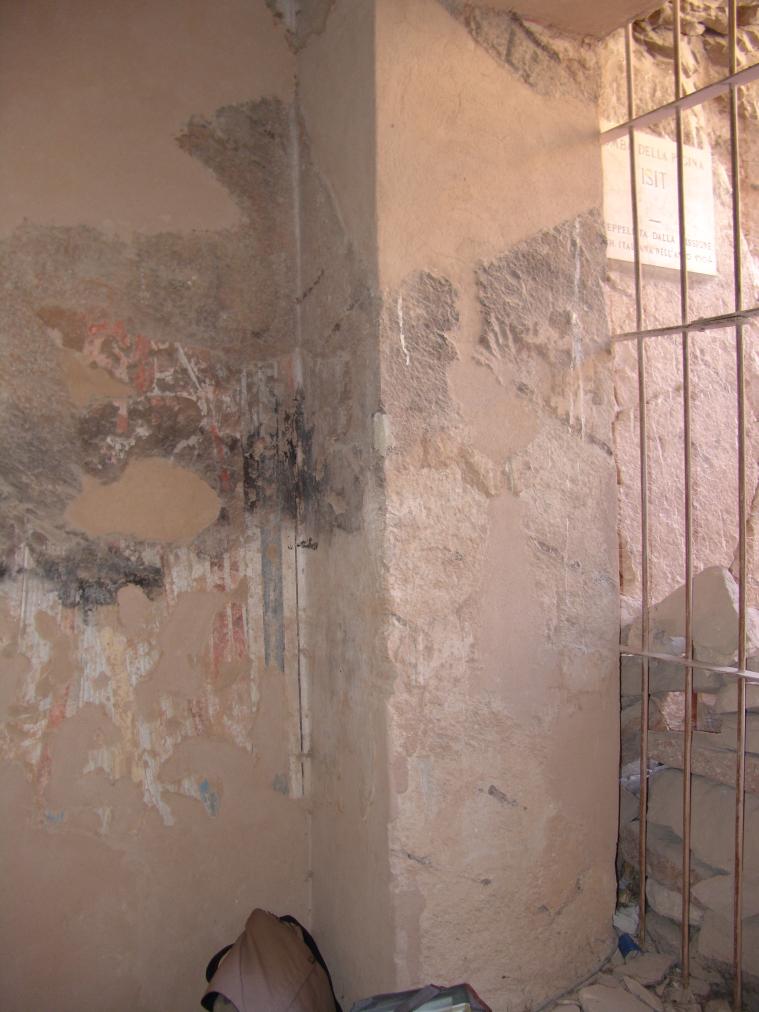
View of the right thickness of Gate B. © Getty Conservation Institute and the Ministry of Tourism and Antiquities.
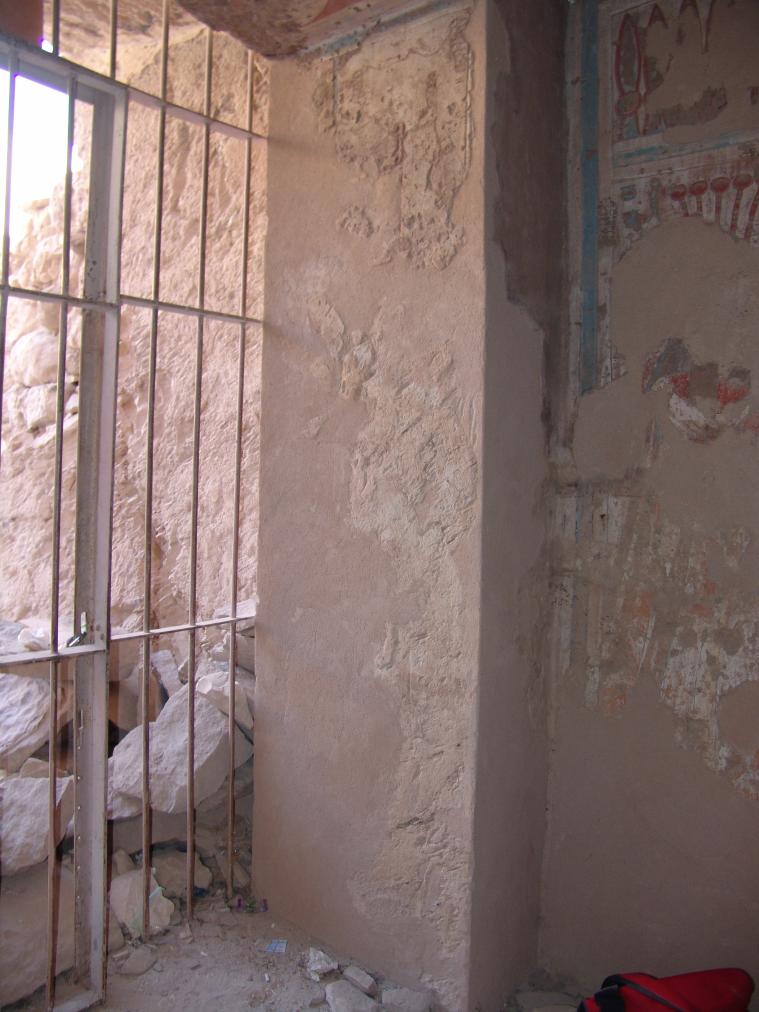
View of the left thickness of Gate B. © Getty Conservation Institute and the Ministry of Tourism and Antiquities.
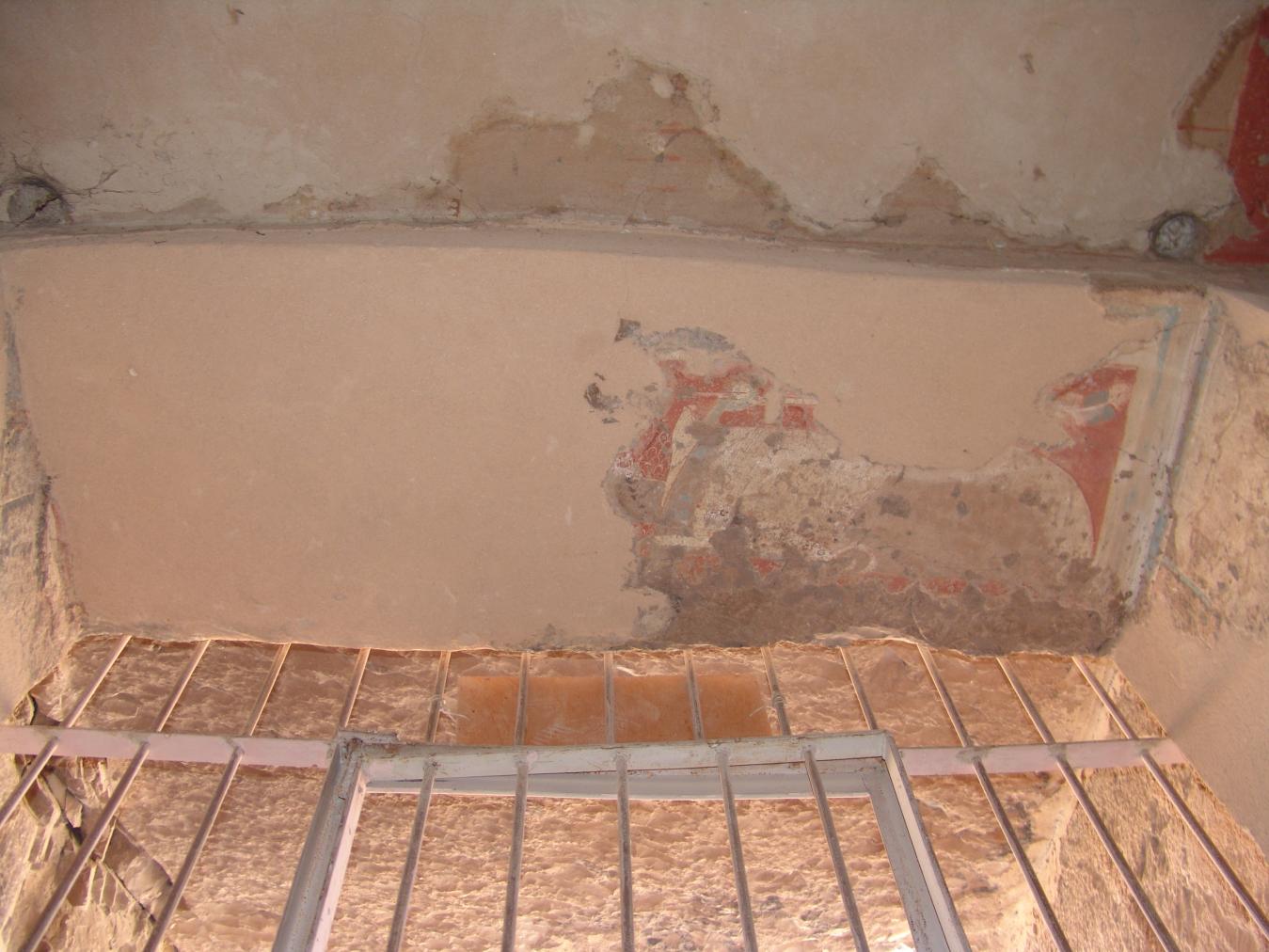
View of the soffit. © Getty Conservation Institute and the Ministry of Tourism and Antiquities.
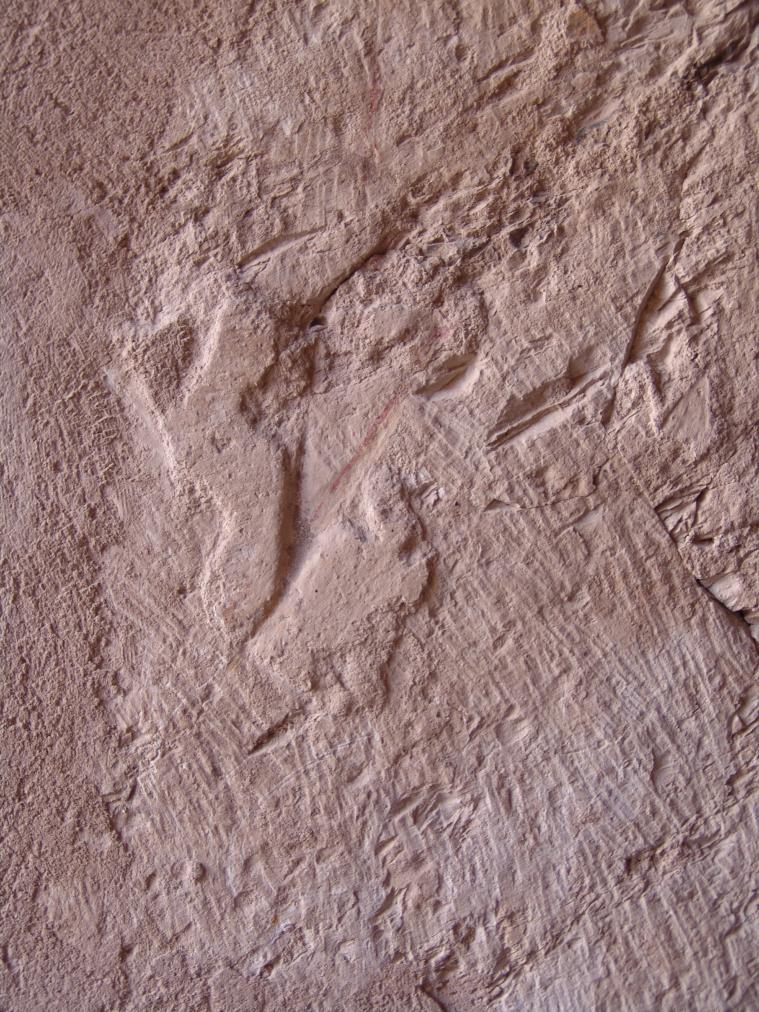
Detail of the remaining relief. © Getty Conservation Institute and the Ministry of Tourism and Antiquities.
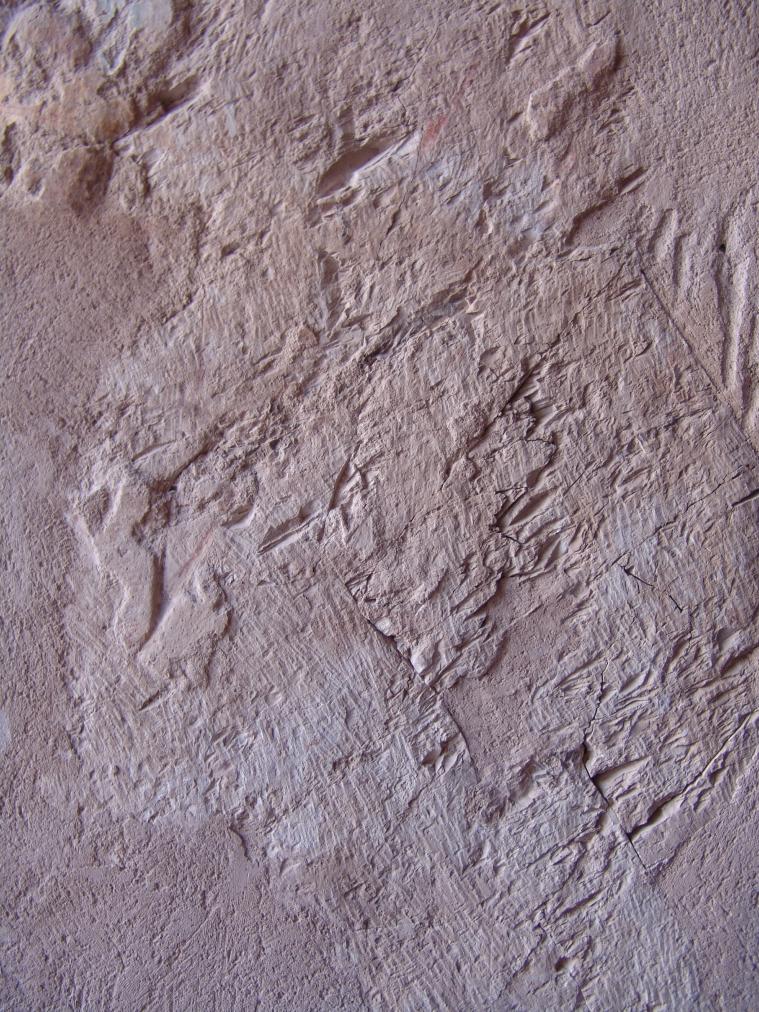
Detail of the remaining relief. © Getty Conservation Institute and the Ministry of Tourism and Antiquities.
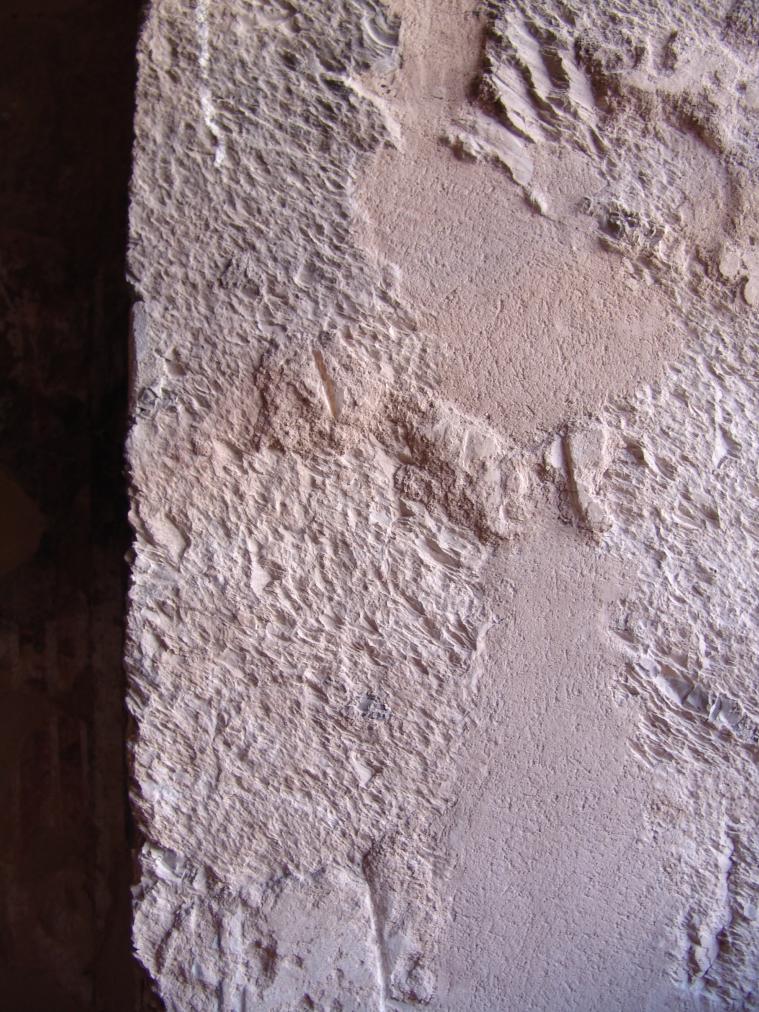
Detail of the restoration work. © Getty Conservation Institute and the Ministry of Tourism and Antiquities.
Corridor B
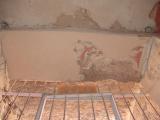
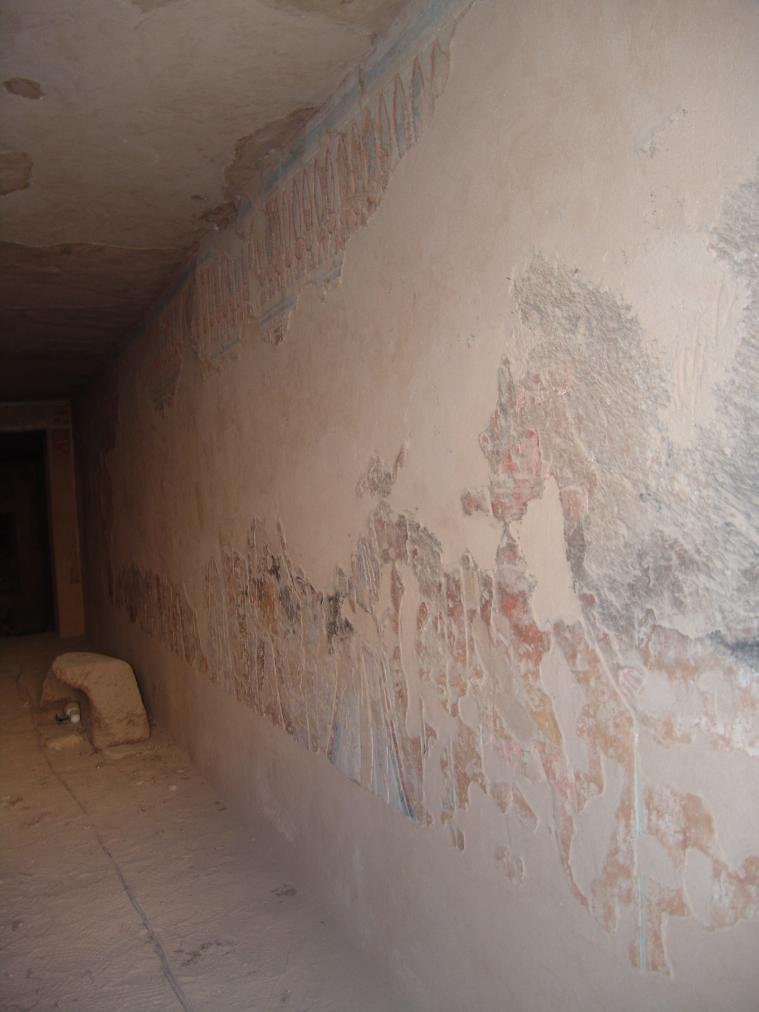
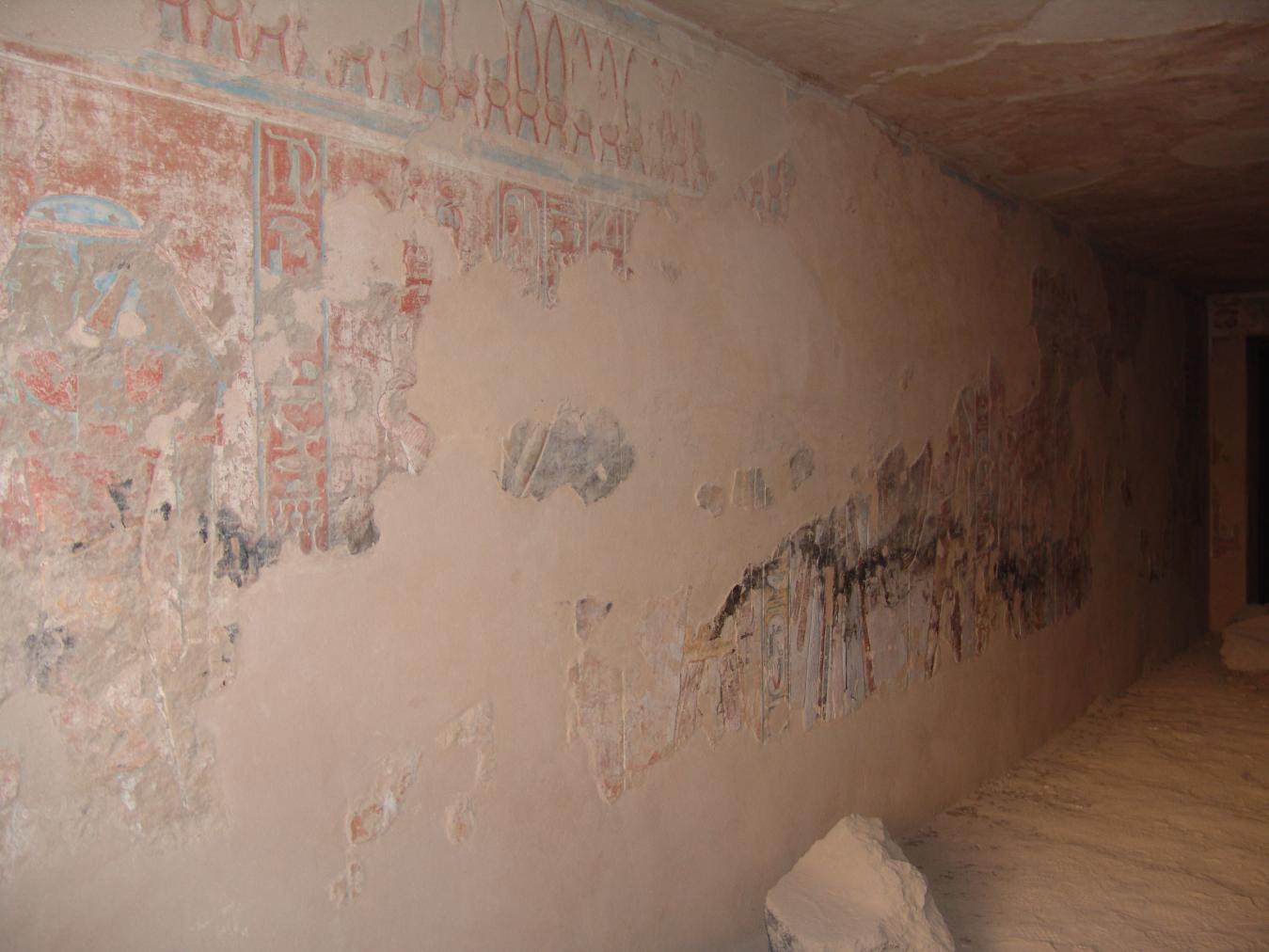
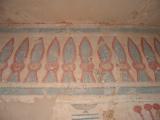
See entire tombThis long corridor lies on axis with the tomb's entrance. The ceiling was not finished and remains of red paint are visible at the beginning of the corridor. A Kheker frieze adorns the upper parts of the walls. In this corridor, the queen is shown offering to various deities (6 deities on the right and 6 deities on the left). The majority of the reliefs are only preserved in part and were severely damaged by flooding.
Porter and Moss designation:
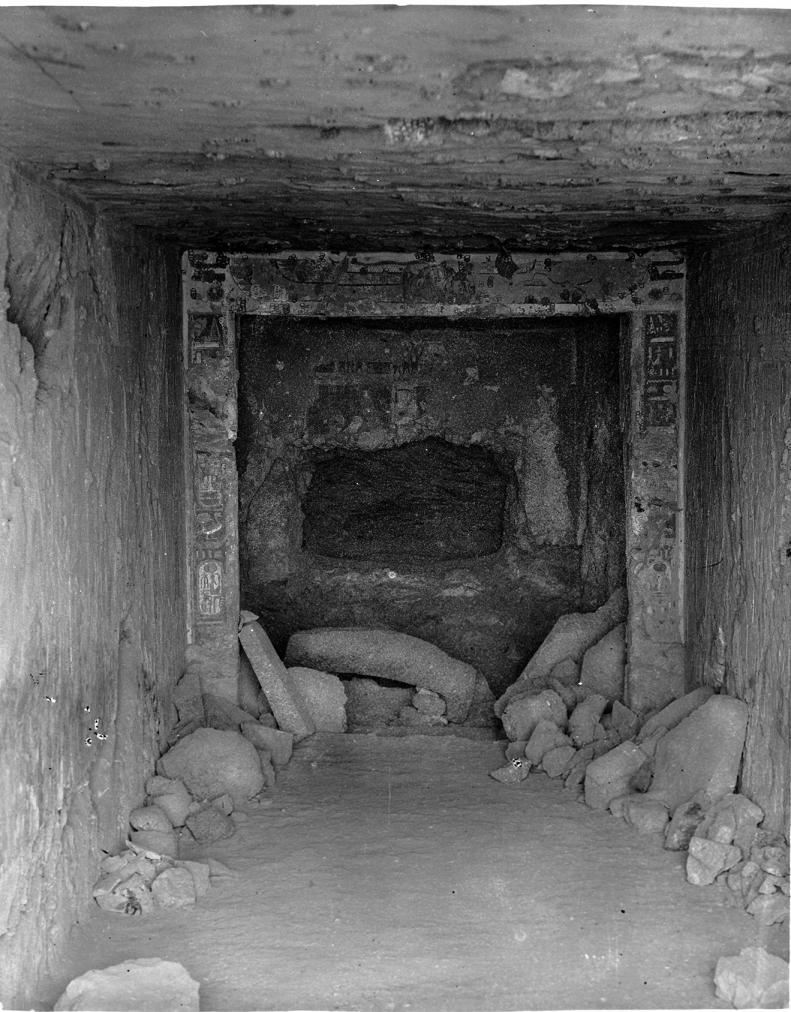
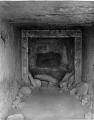
Interior of the tomb of Queen Isis-ta-Hemdjeret (QV 51) photographed during Ernesto Schiaparelli's excavations. Italian Archaeological Expedition excavations. Courtesy of the Egyptian Museum in Turin.
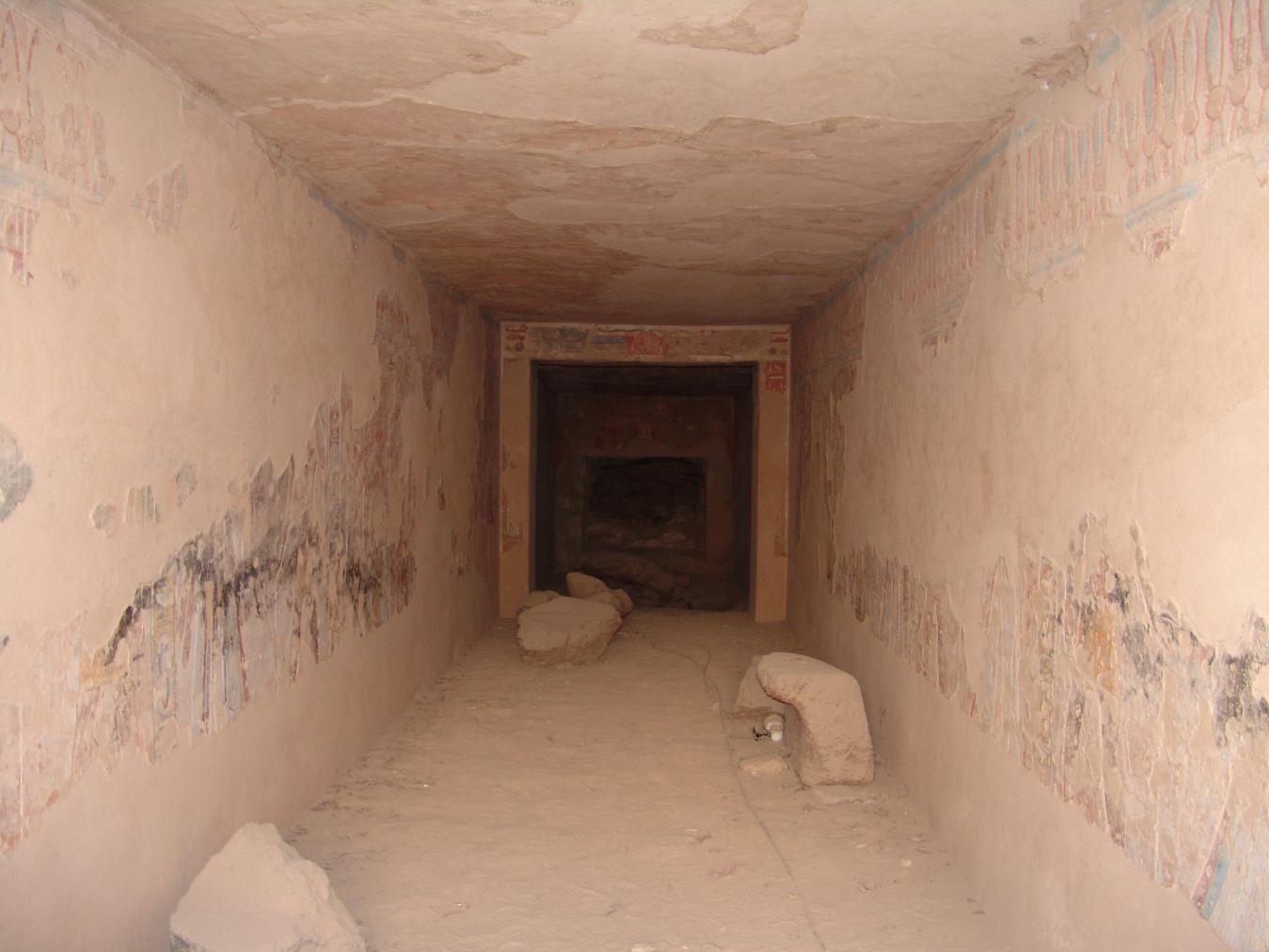
View of Corridor B. © Getty Conservation Institute and the Ministry of Tourism and Antiquities.
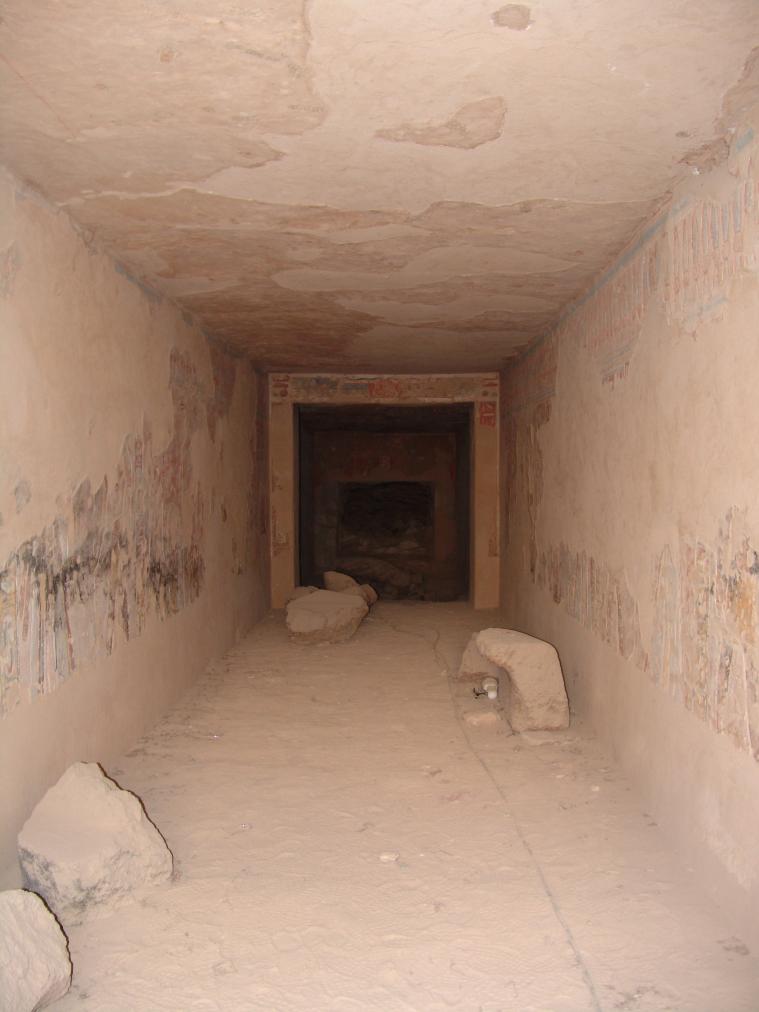
View of Corridor B. © Getty Conservation Institute and the Ministry of Tourism and Antiquities.
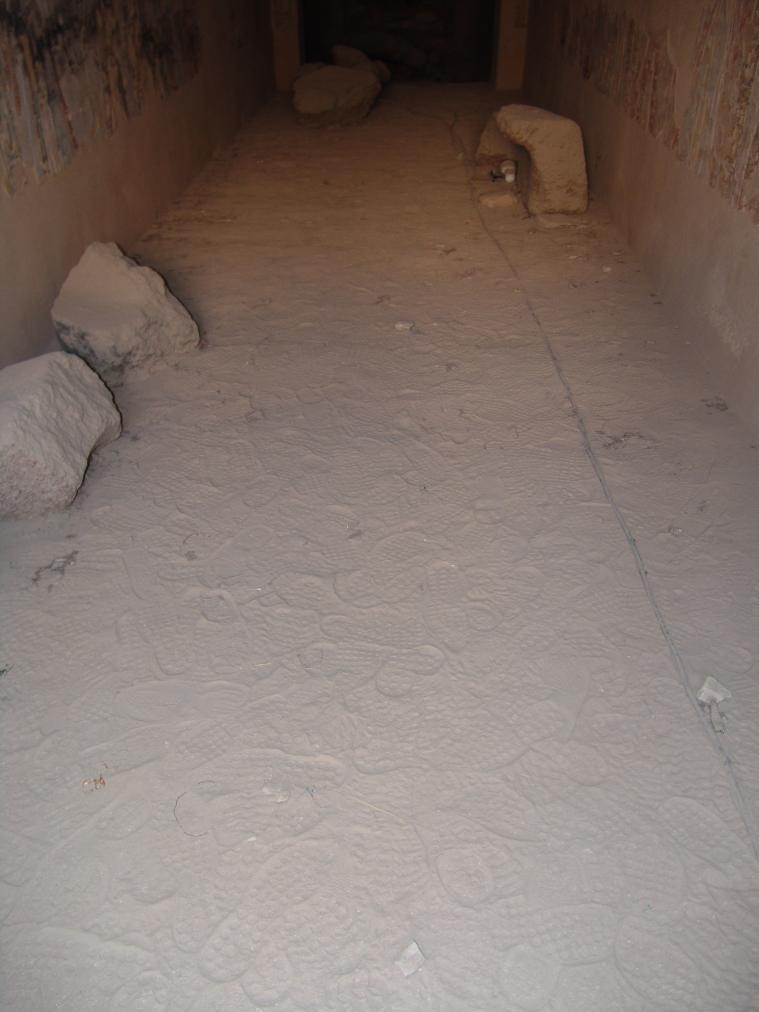
Floor of Corridor B. © Getty Conservation Institute and the Ministry of Tourism and Antiquities.
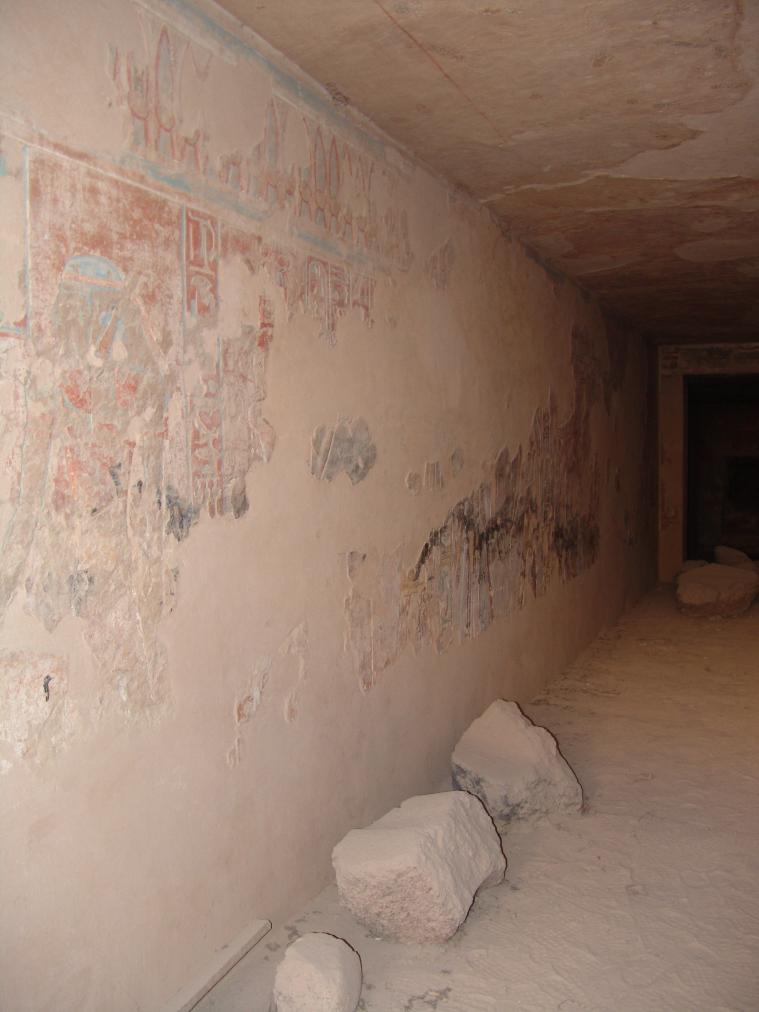
The queen offering to an unknown deity (damaged), the queen offering to an unknown deity (damaged), and the queen offering braziers to Banebdjed. © Getty Conservation Institute and the Ministry of Tourism and Antiquities.
The queen (damaged) worshipping before an unidentified deity (damaged), the queen (damaged) before unidentified deity (damaged), and the Queen (damaged) before Nefertum (damaged). © Getty Conservation Institute and the Ministry of Tourism and Antiquities.
The queen offering to an unknown deity (damaged), the queen offering to an unknown deity (damaged), and the queen offering braziers to Banebdjed. © Getty Conservation Institute and the Ministry of Tourism and Antiquities.
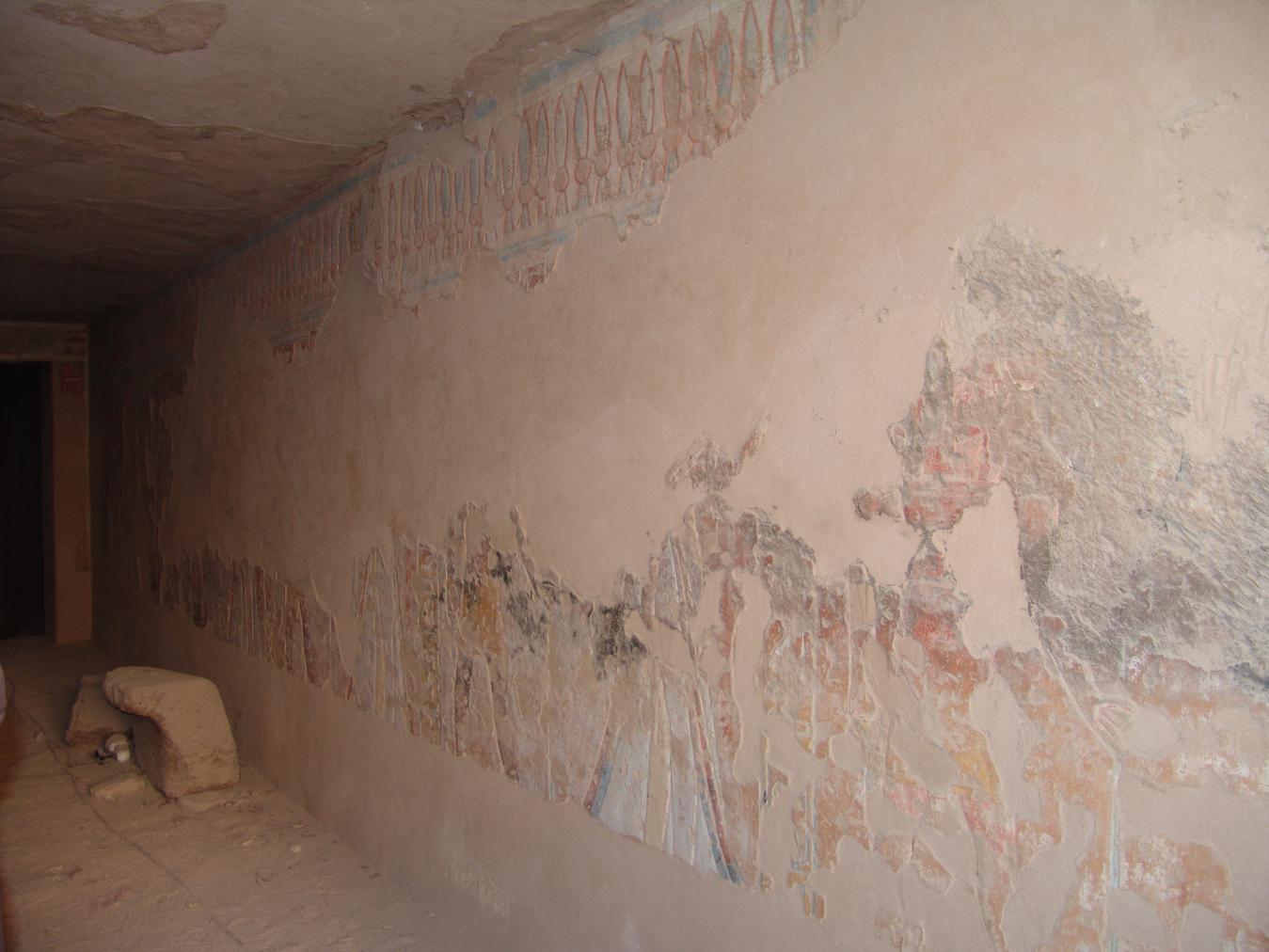
The queen (damaged) worshipping before unidentified deity (damaged), the queen (damaged) before unidentified deity (damaged), and the queen (damaged) before Nefertum (damaged). © Getty Conservation Institute and the Ministry of Tourism and Antiquities.
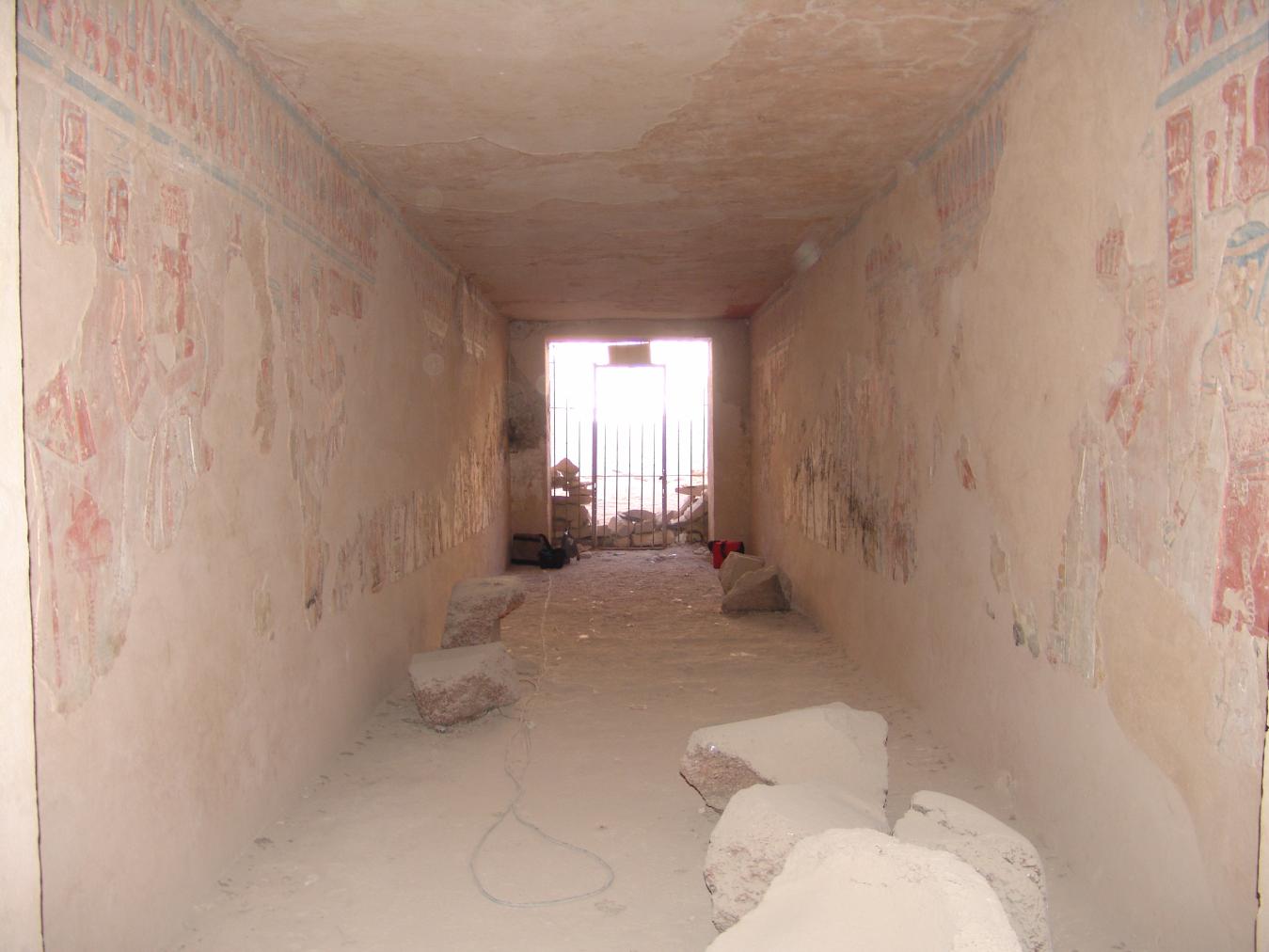
View of Corridor B towards the tomb entrance. © Getty Conservation Institute and the Ministry of Tourism and Antiquities.
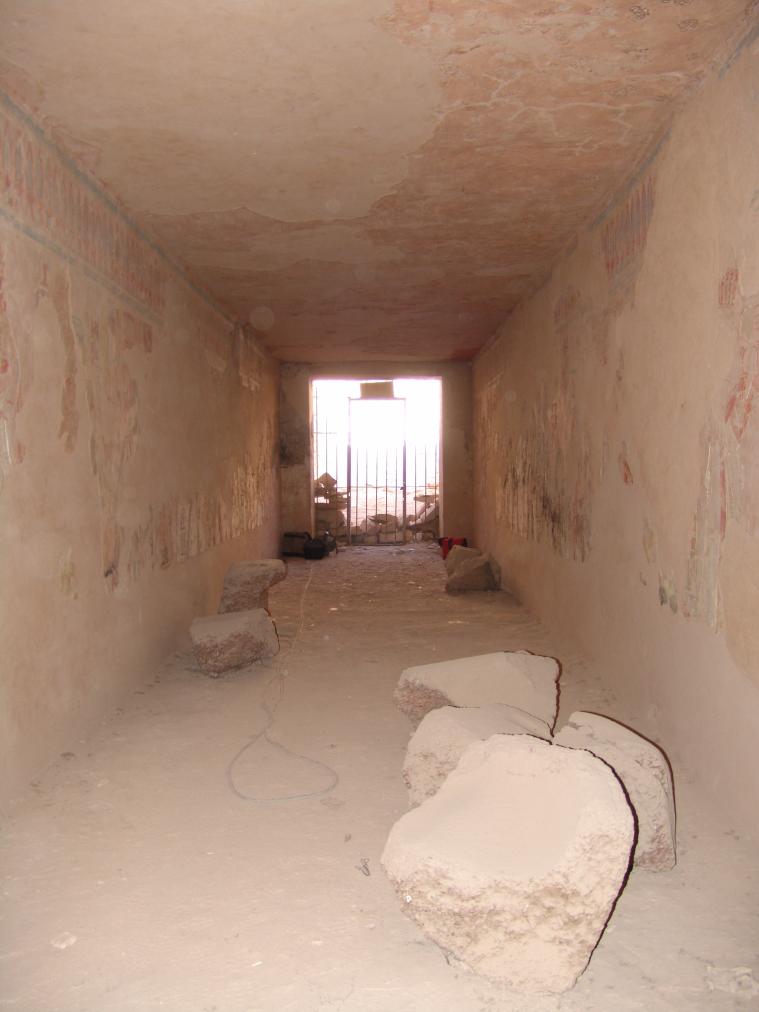
View of Corridor B towards the tomb entrance. © Getty Conservation Institute and the Ministry of Tourism and Antiquities.
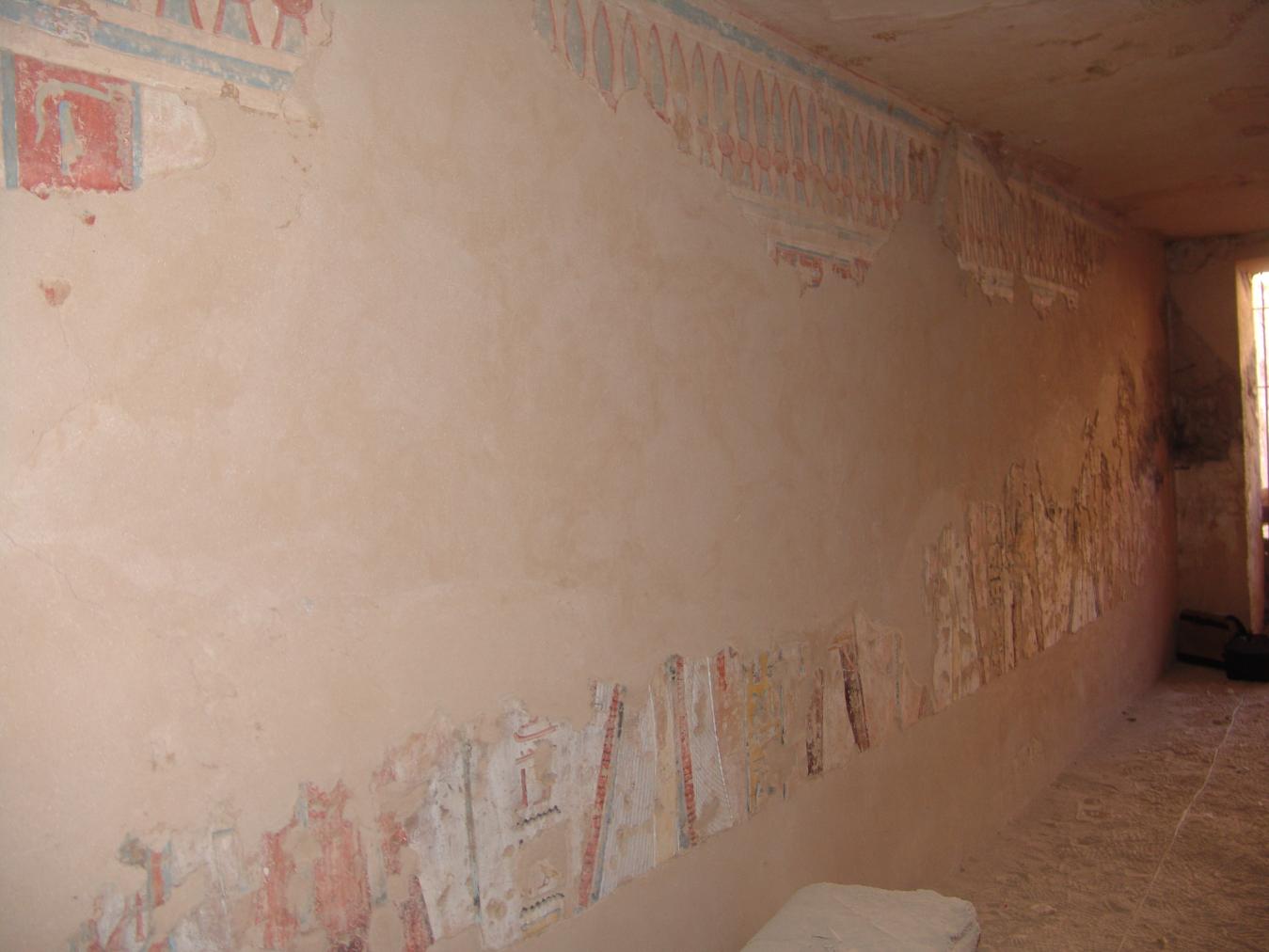
The queen (damaged) worshipping before unidentified deity (damaged), the queen (damaged) before unidentified deity (damaged), and the queen (damaged) before Nefertum (damaged). © Getty Conservation Institute and the Ministry of Tourism and Antiquities.
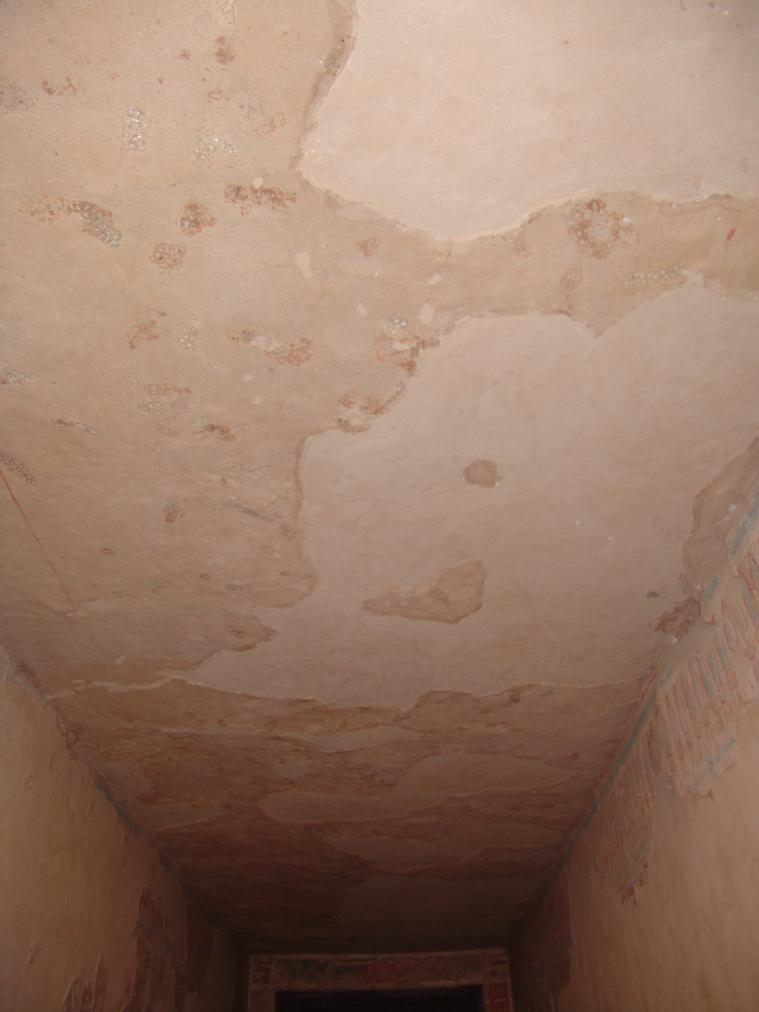
View of the ceiling. © Getty Conservation Institute and the Ministry of Tourism and Antiquities.
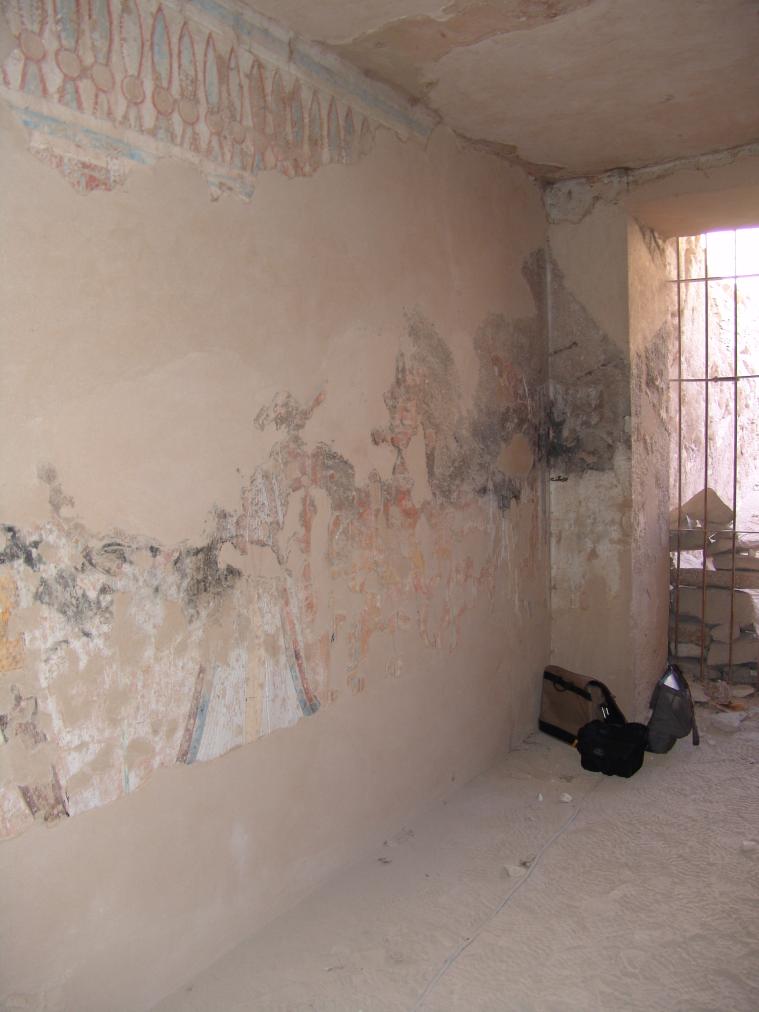
The queen (damaged) worshipping before unidentified deity (damaged). © Getty Conservation Institute and the Ministry of Tourism and Antiquities.
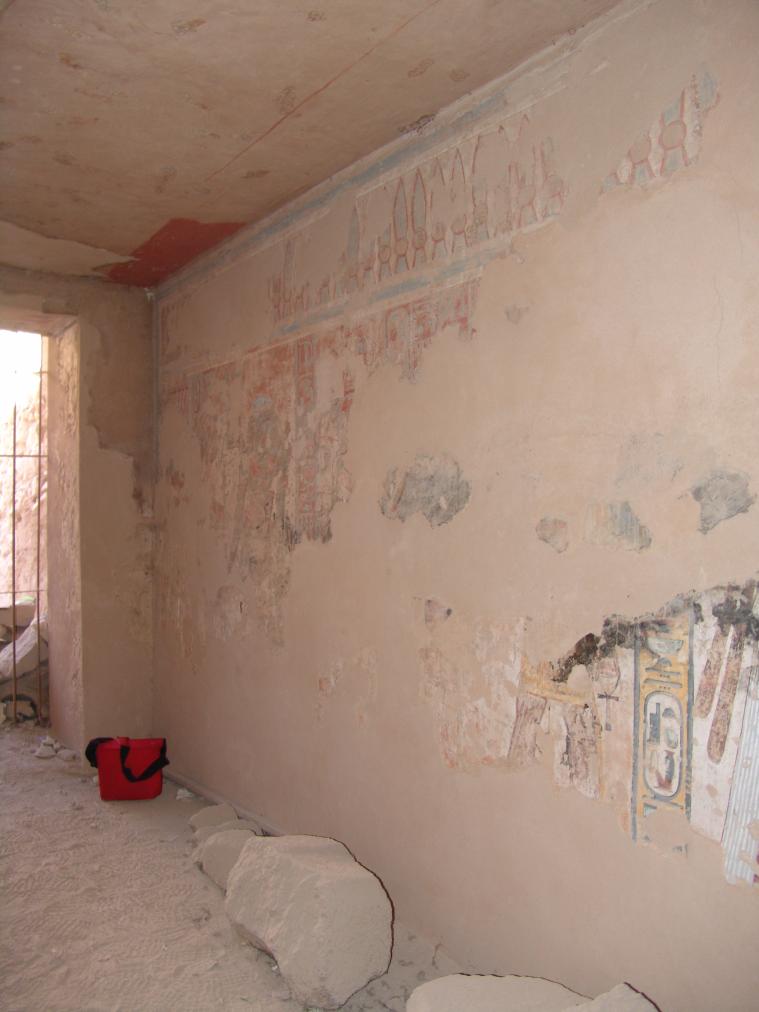
The queen offering papyrus stems to Ptah-Sokar, and the queen offering to an unknown deity (damaged). © Getty Conservation Institute and the Ministry of Tourism and Antiquities.
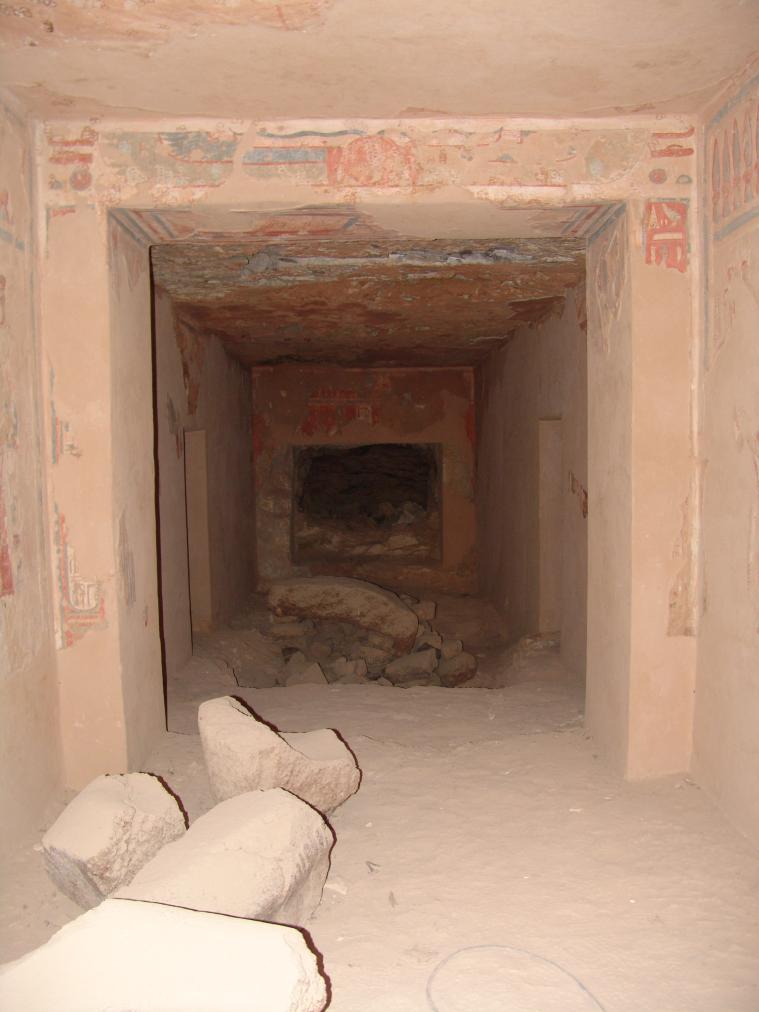
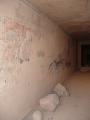
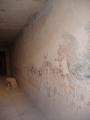
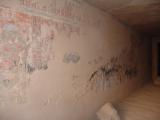
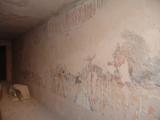
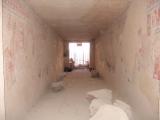
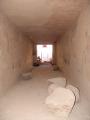
View of Gate C and Corridor C. © Getty Conservation Institute and the Ministry of Tourism and Antiquities.
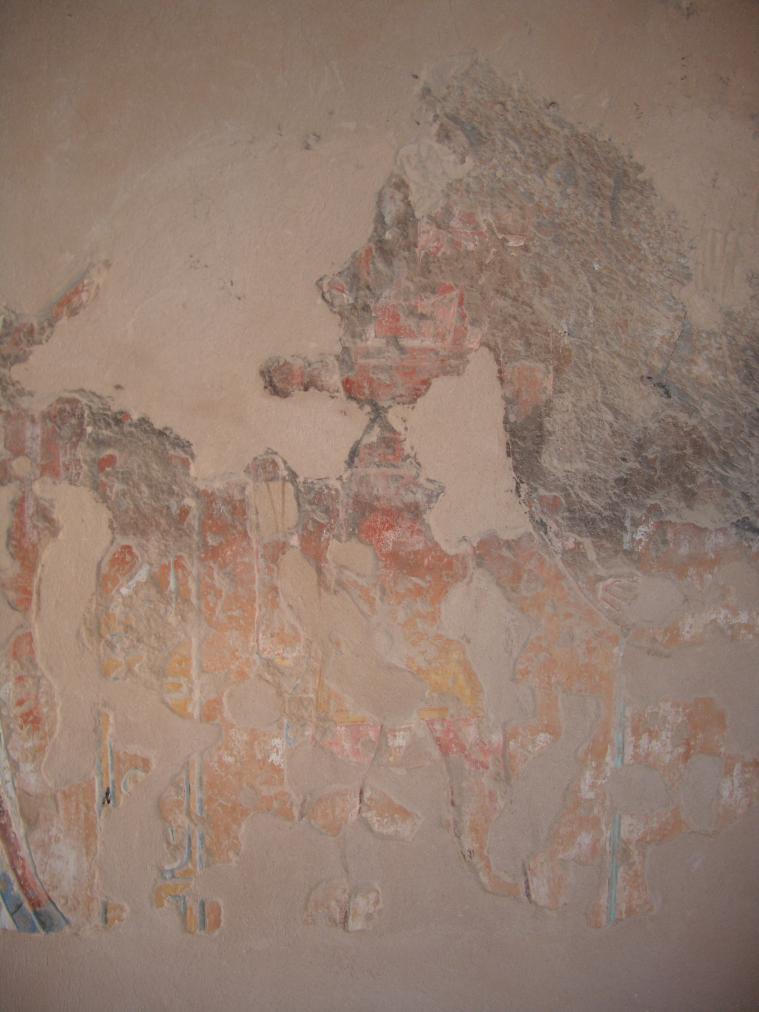
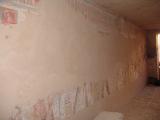
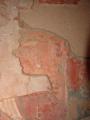
Detail of the remaining painted relief. © Getty Conservation Institute and the Ministry of Tourism and Antiquities.
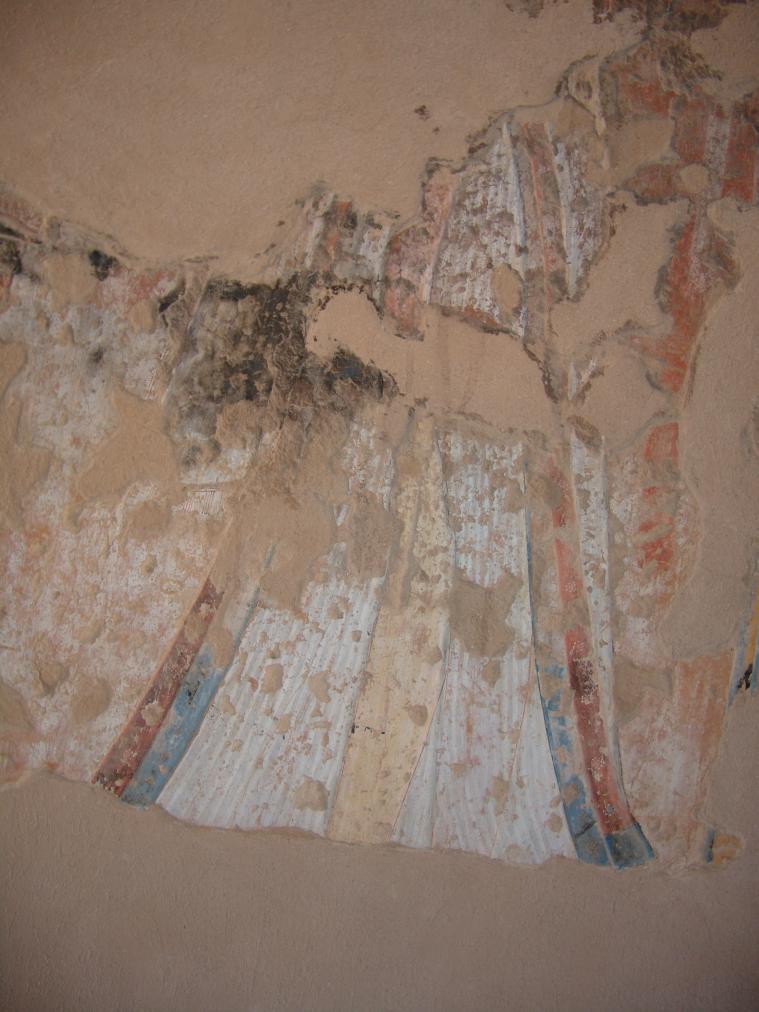
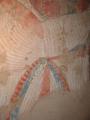
Detail of the Queen's garment. © Getty Conservation Institute and the Ministry of Tourism and Antiquities.
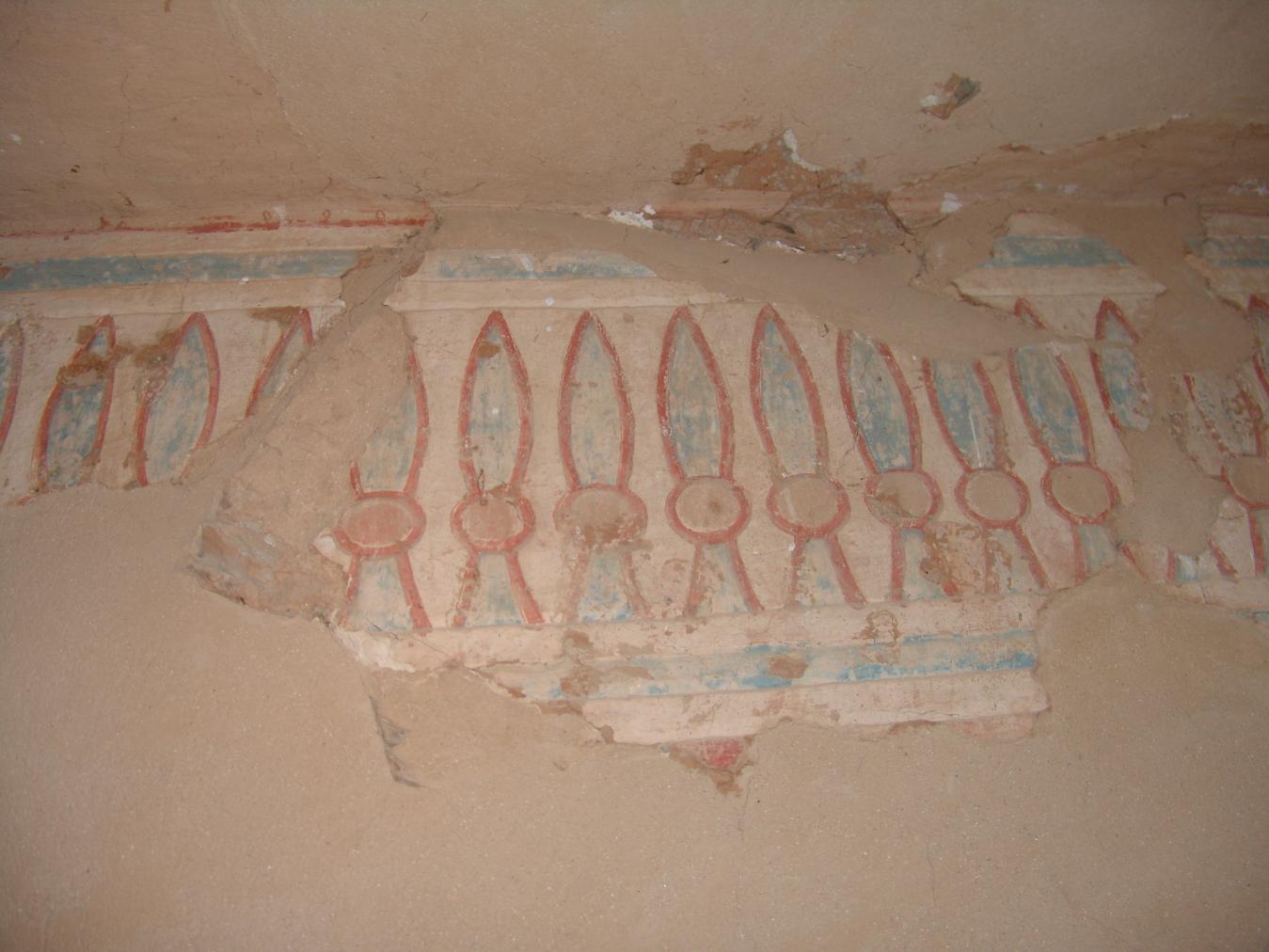
Detail of the Kheker Frieze. © Getty Conservation Institute and the Ministry of Tourism and Antiquities.
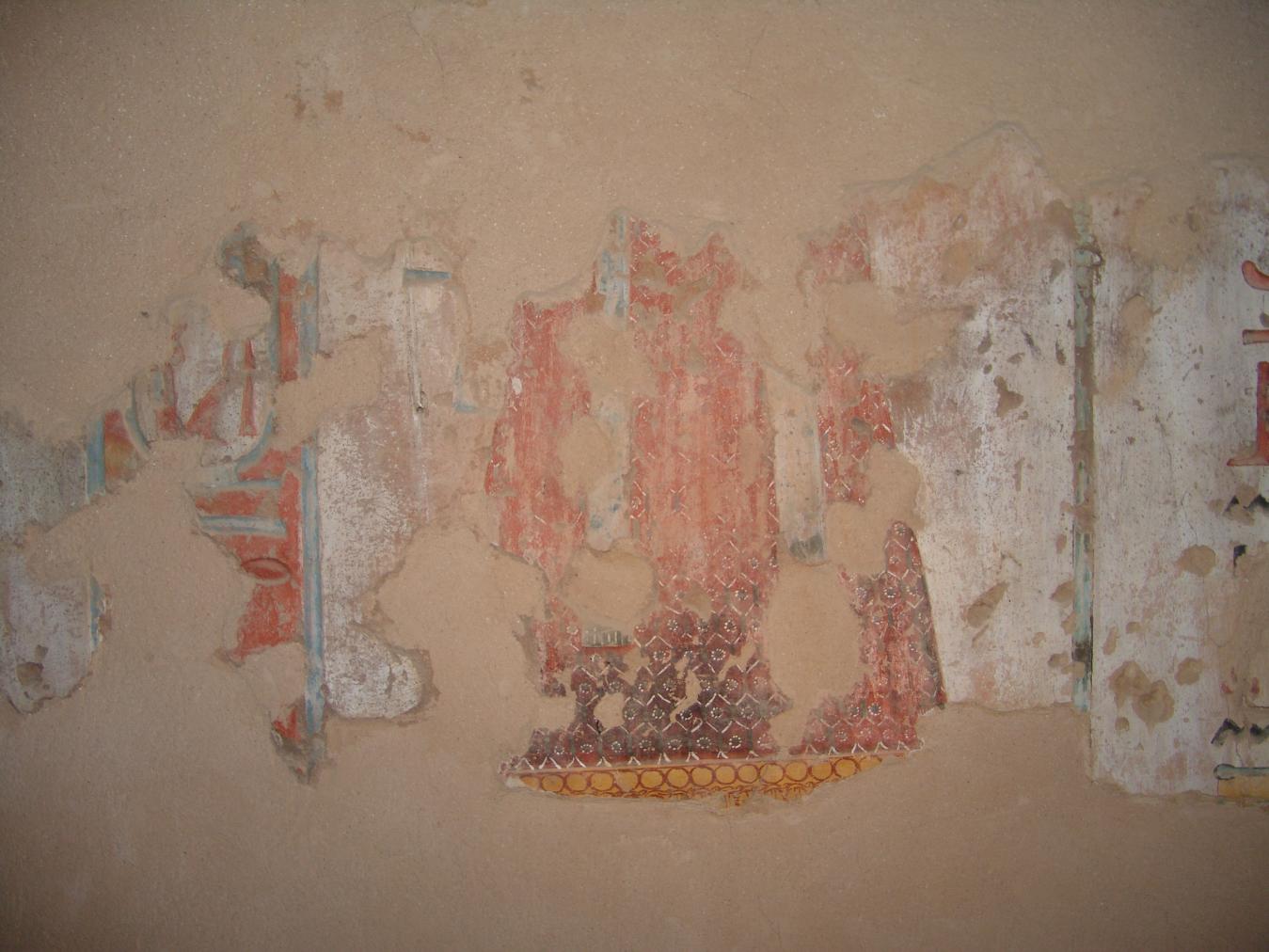
Detail of a deity's garment. © Getty Conservation Institute and the Ministry of Tourism and Antiquities.
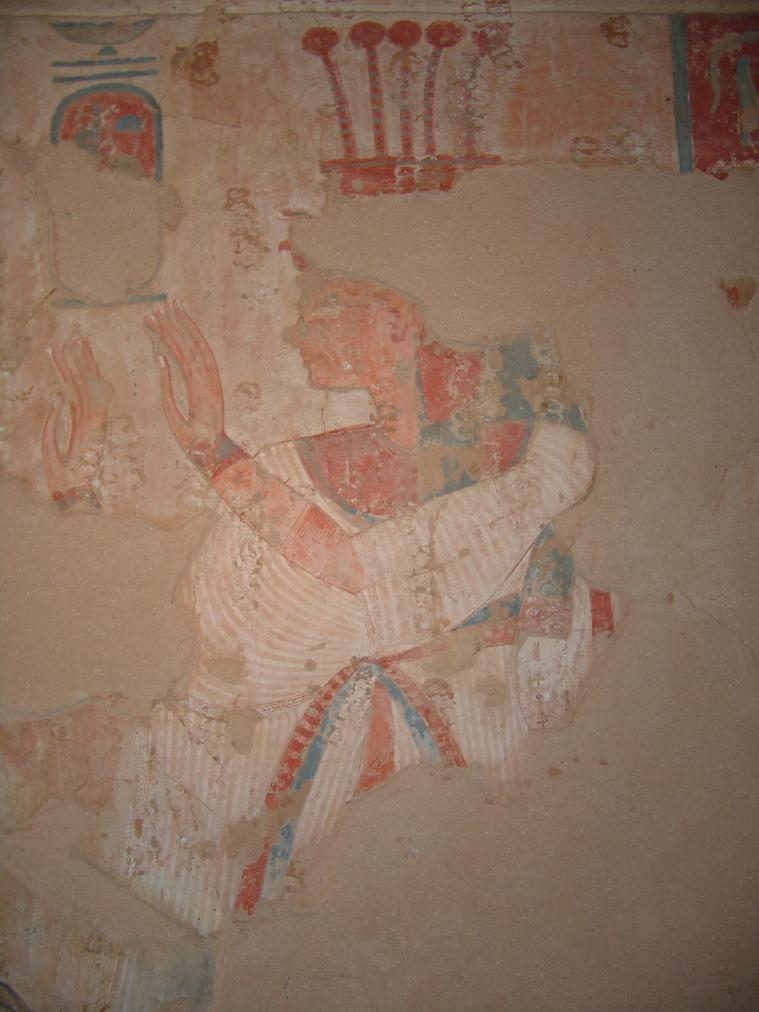
Detail of Queen in adoration before a deity. © Getty Conservation Institute and the Ministry of Tourism and Antiquities.
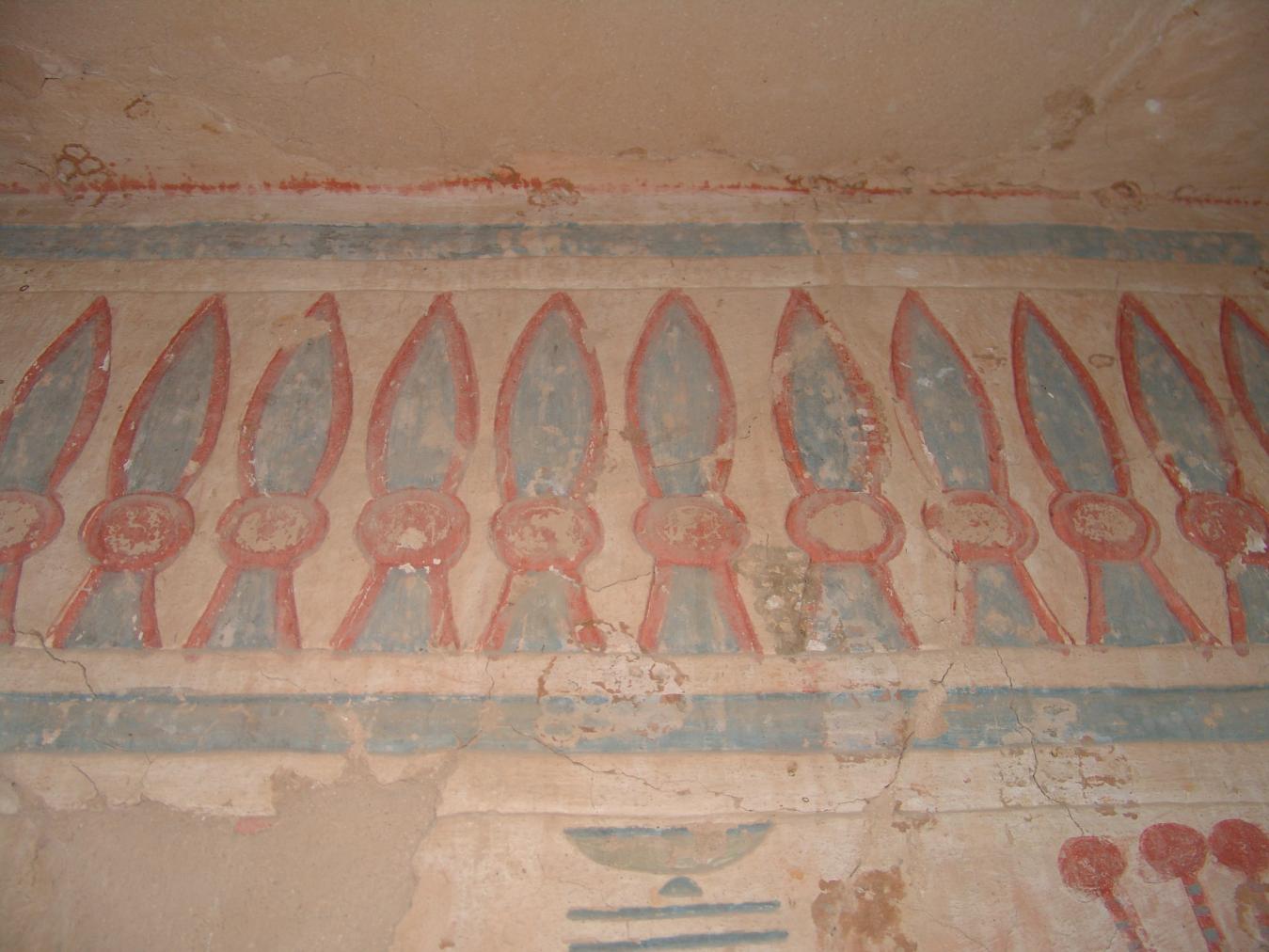
Detail of the Kheker Frieze. © Getty Conservation Institute and the Ministry of Tourism and Antiquities.
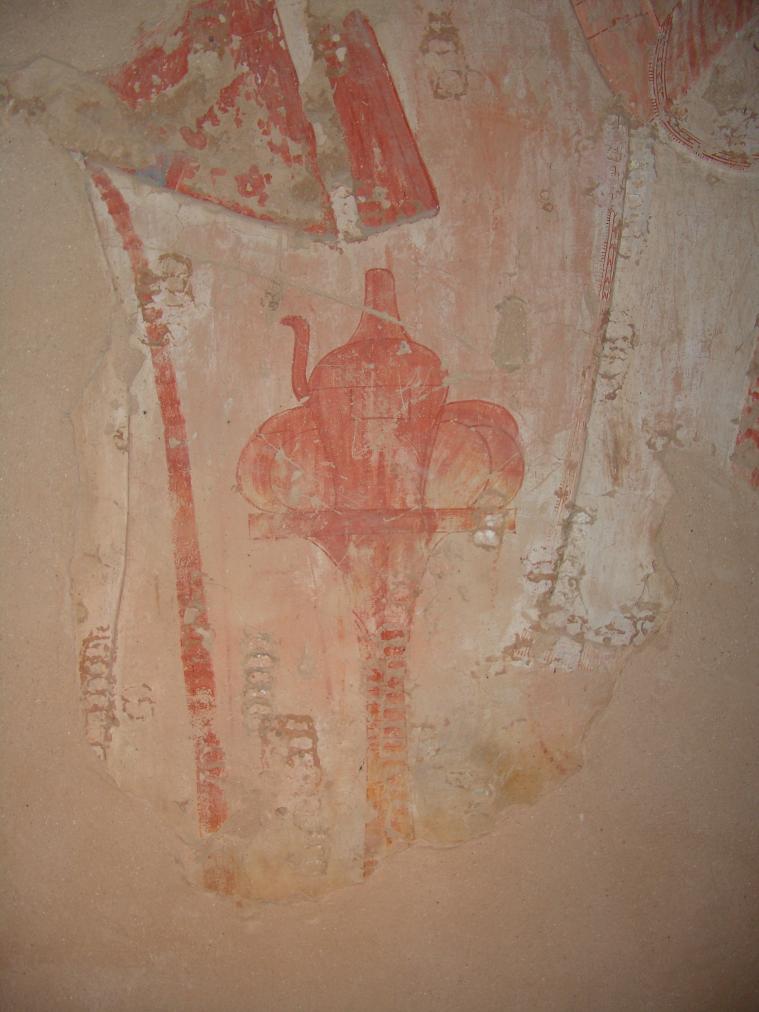
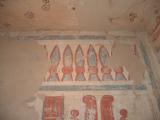
Detail of an offering table and remains of wasps nests. © Getty Conservation Institute and the Ministry of Tourism and Antiquities.
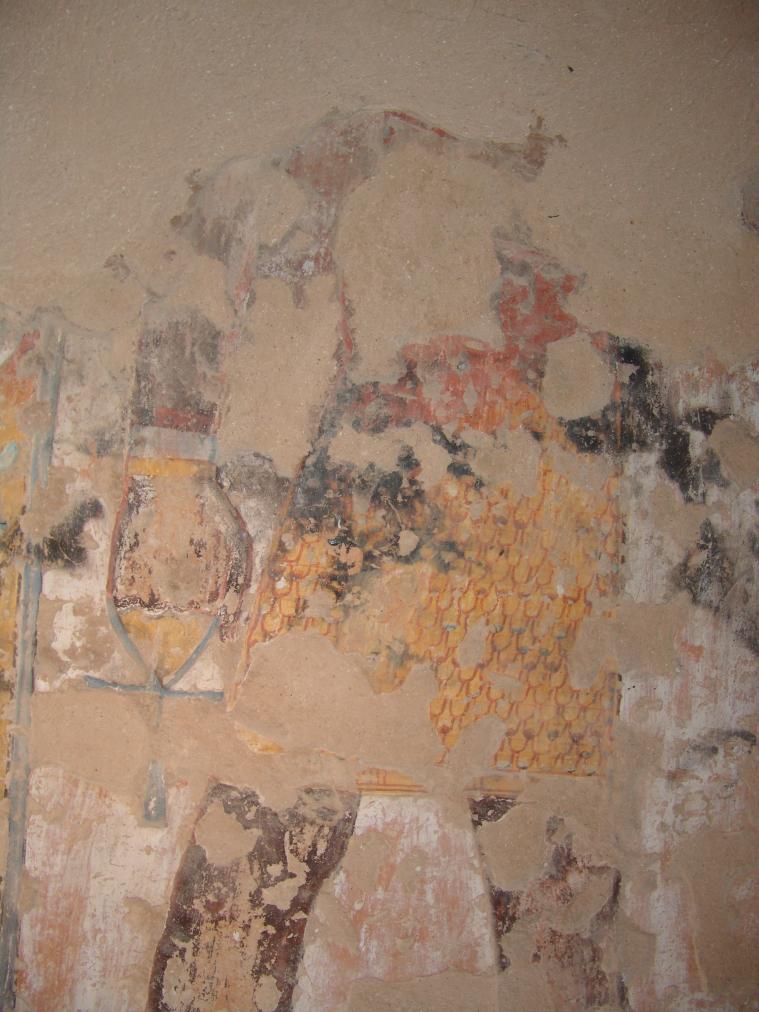
Detail of a deity's garment. © Getty Conservation Institute and the Ministry of Tourism and Antiquities.
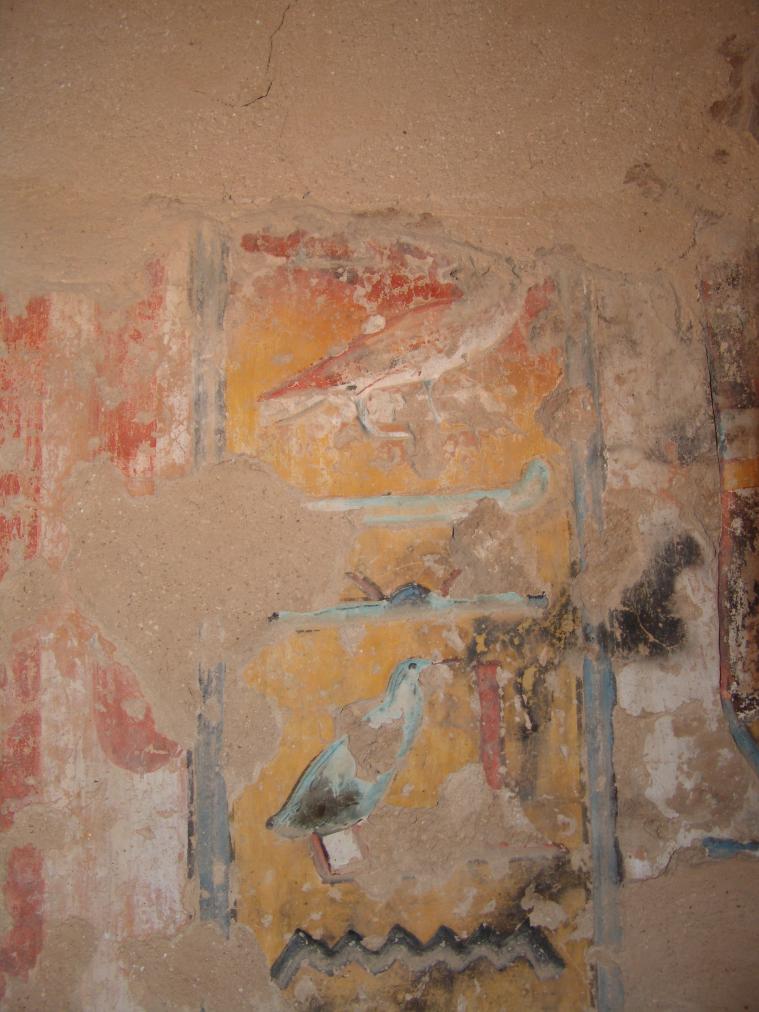
Detail of hieroglyphs. © Getty Conservation Institute and the Ministry of Tourism and Antiquities.
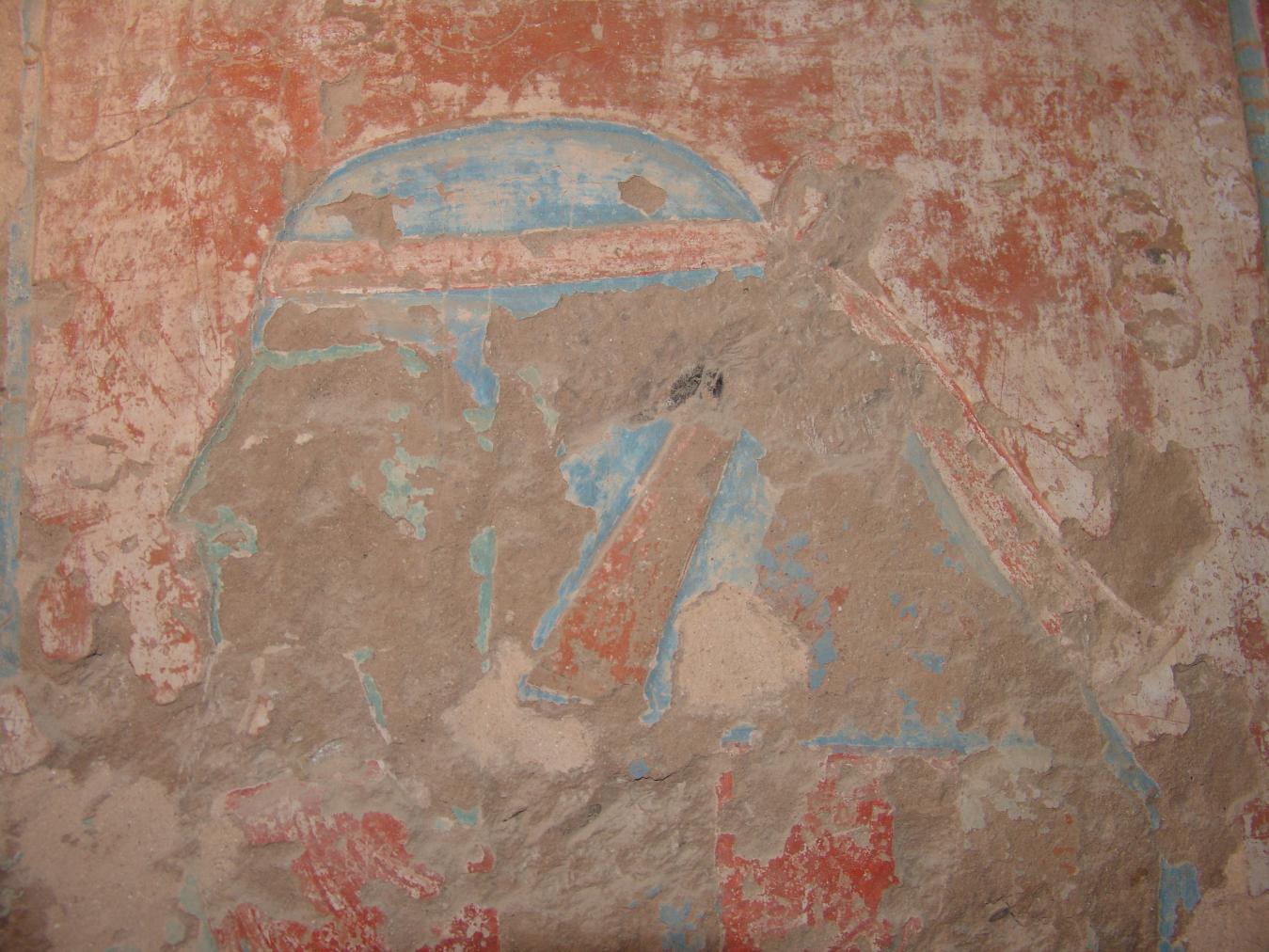
Detail of a deity. © Getty Conservation Institute and the Ministry of Tourism and Antiquities.
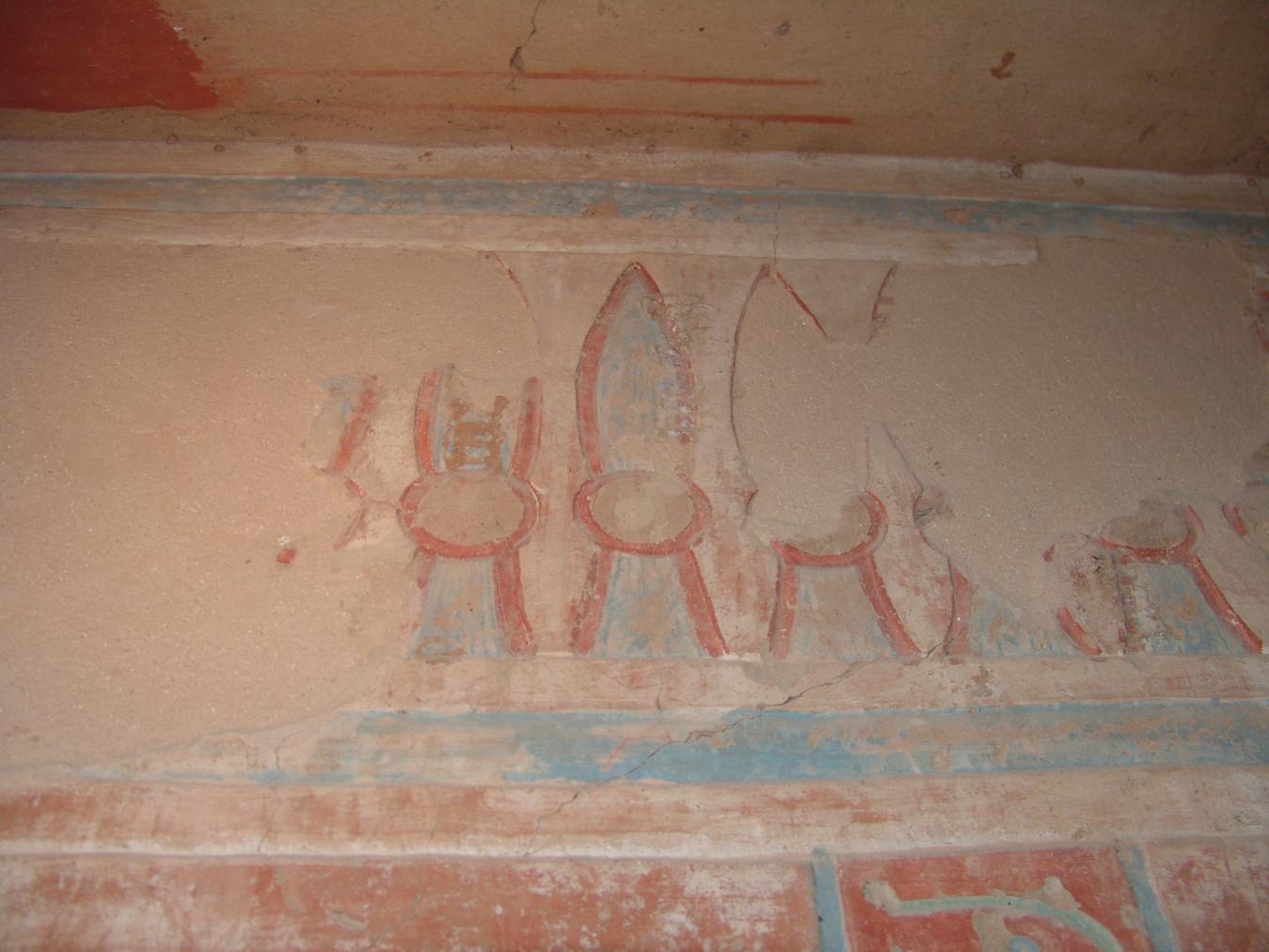
Detail of the Kheker Frieze. © Getty Conservation Institute and the Ministry of Tourism and Antiquities.
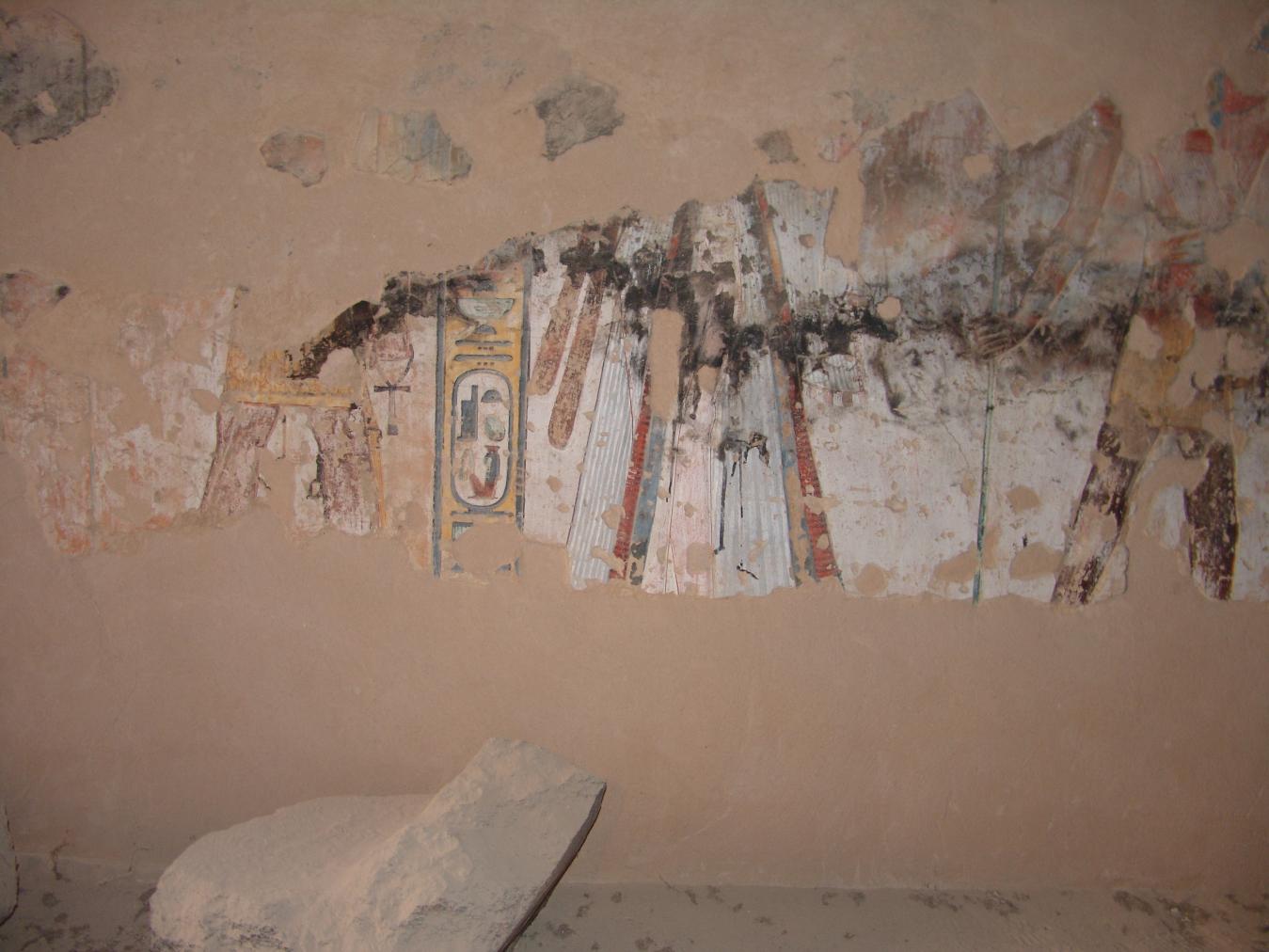
Detail of a remaining scene of the queen before a deity. © Getty Conservation Institute and the Ministry of Tourism and Antiquities.
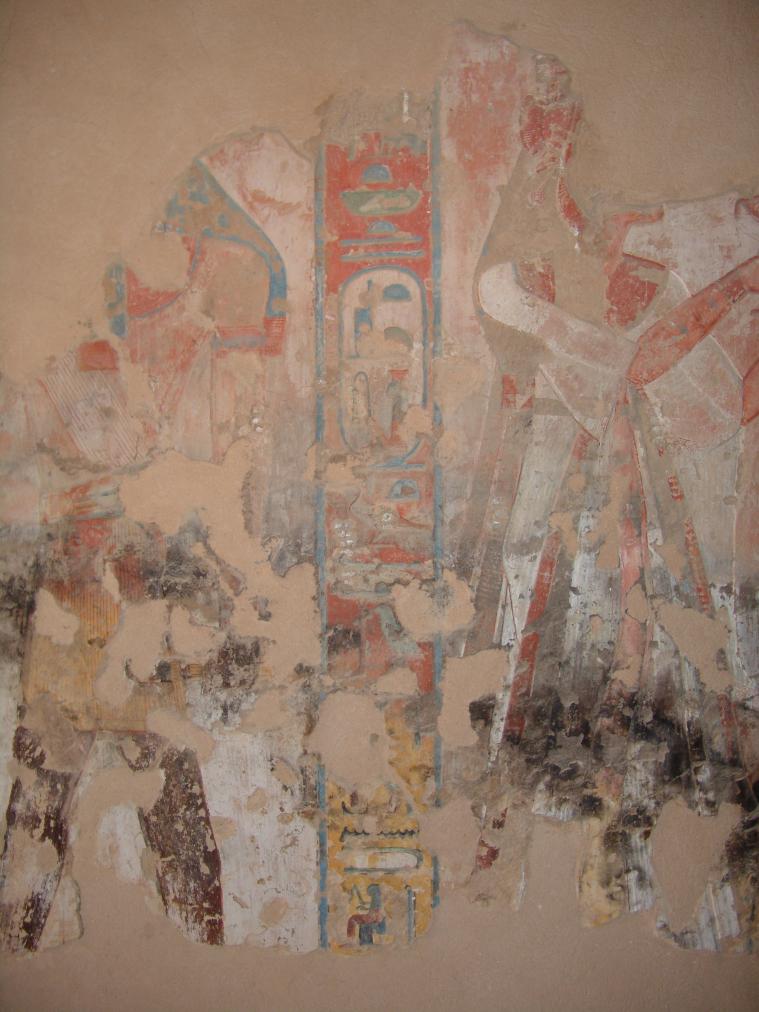
The queen in adoration before a deity. © Getty Conservation Institute and the Ministry of Tourism and Antiquities.
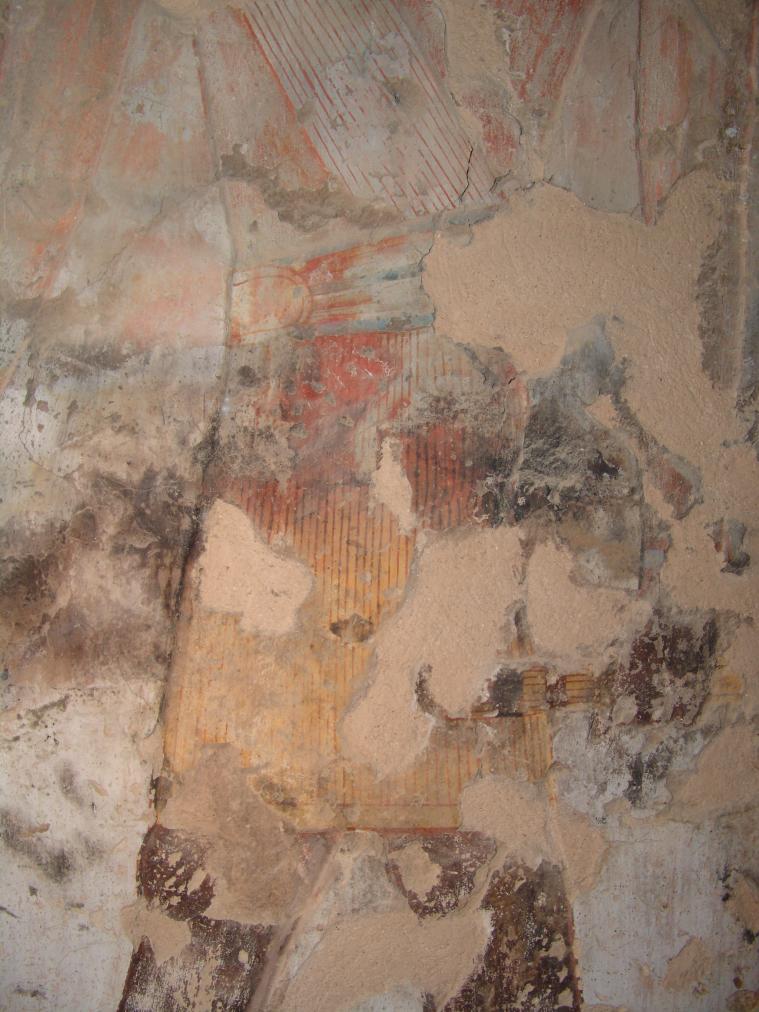
Detail of a deity's garment. © Getty Conservation Institute and the Ministry of Tourism and Antiquities.
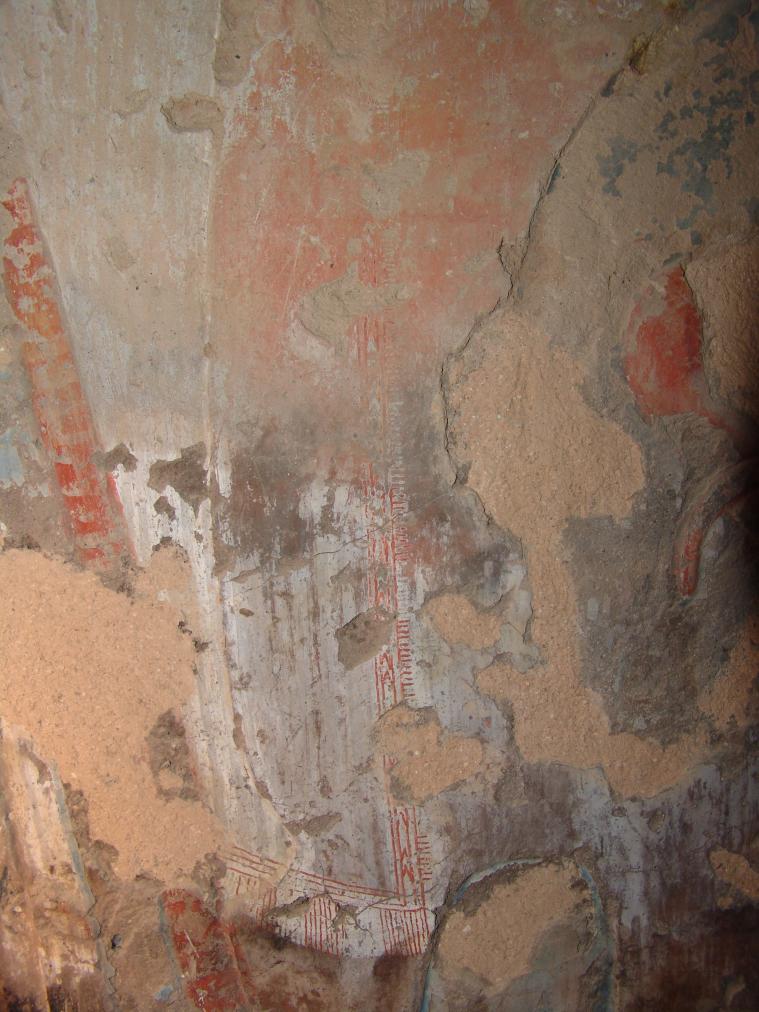
Detail of the queen's garment. © Getty Conservation Institute and the Ministry of Tourism and Antiquities.
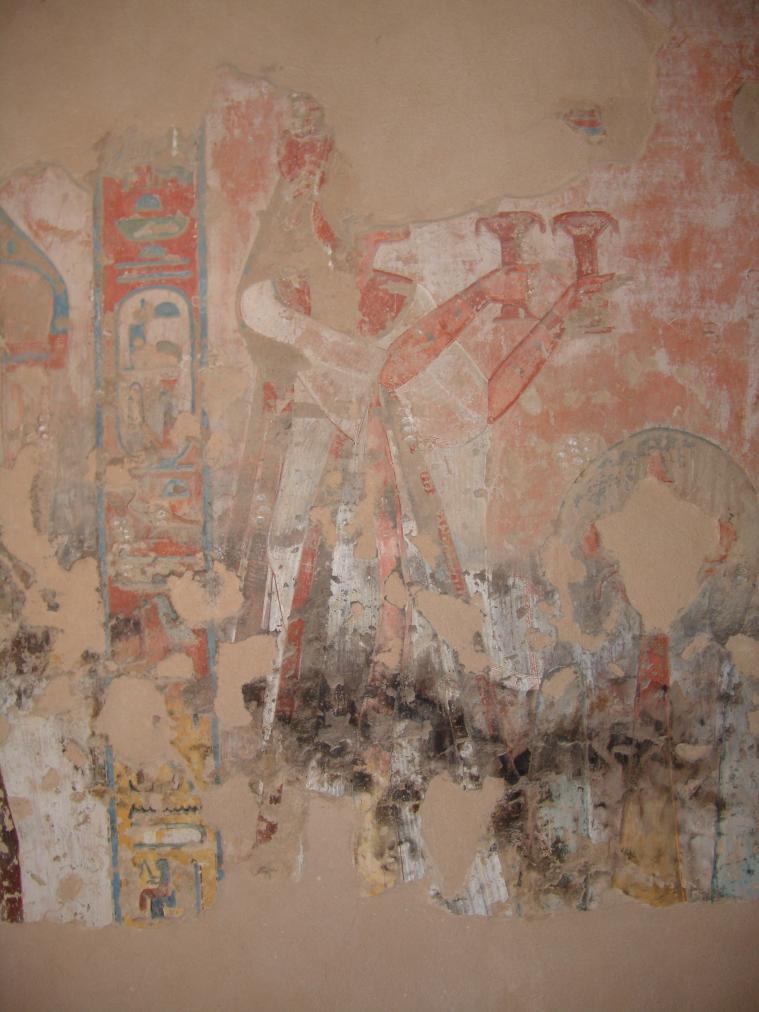
Detail of the Queen offering to a deity. © Getty Conservation Institute and the Ministry of Tourism and Antiquities.
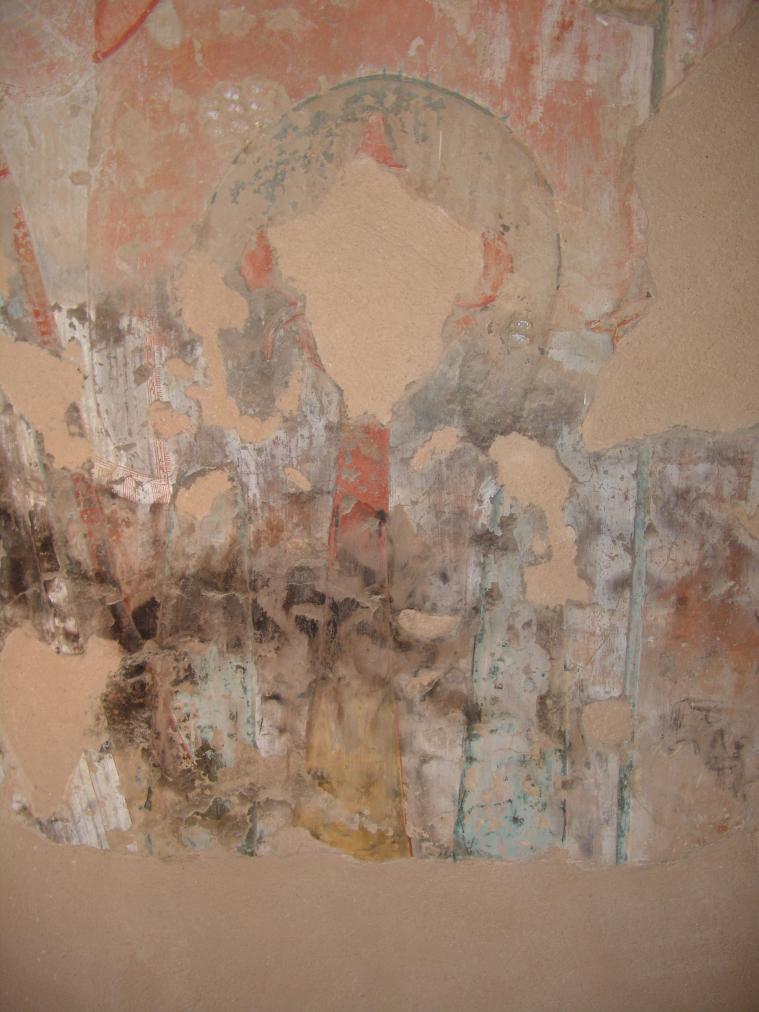
Detail of a fragmentary offering table. © Getty Conservation Institute and the Ministry of Tourism and Antiquities.
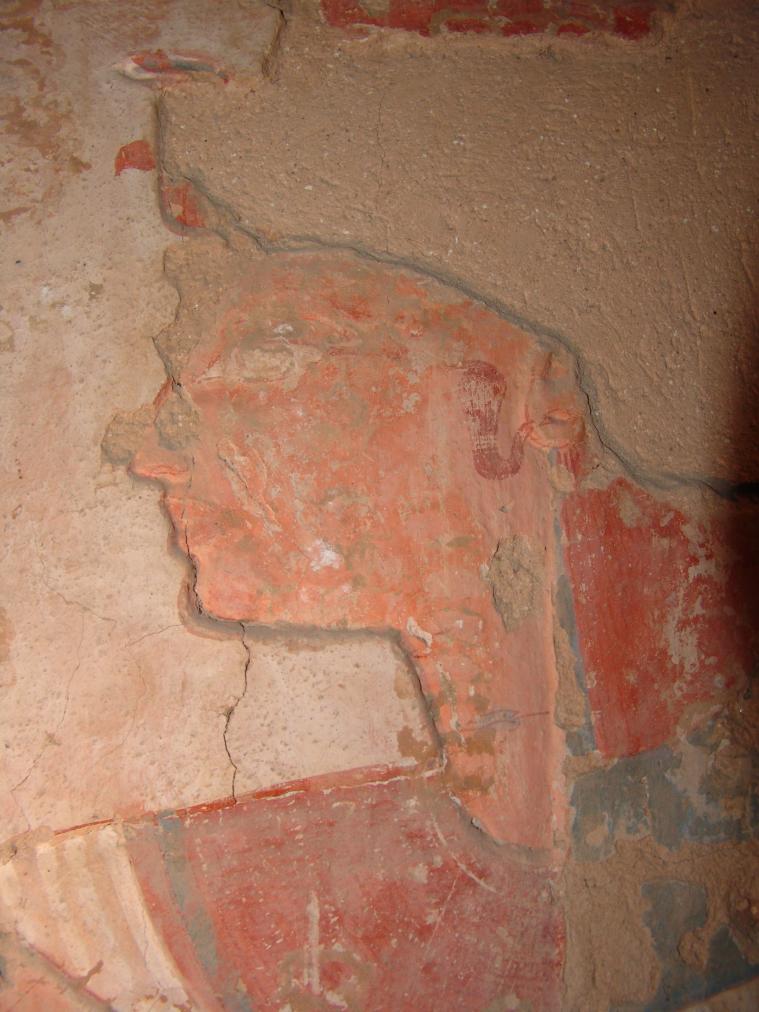
Detail of the queen. © Getty Conservation Institute and the Ministry of Tourism and Antiquities.
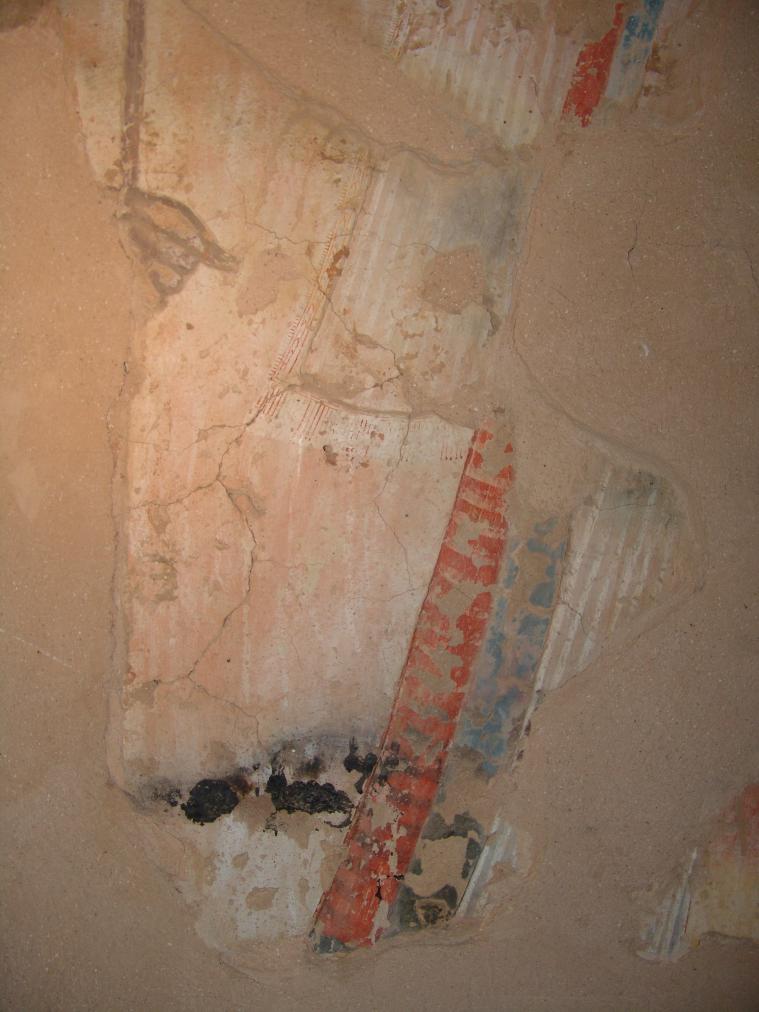
Detail of the queen's sash. © Getty Conservation Institute and the Ministry of Tourism and Antiquities.
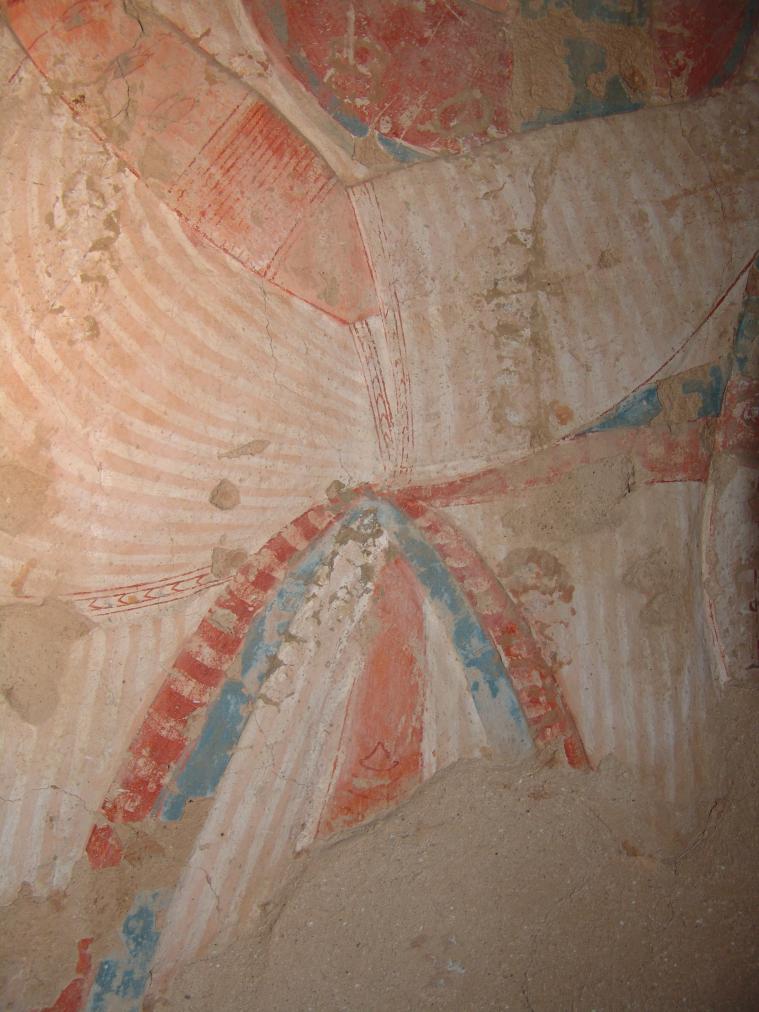
Detail of the queen's garment. © Getty Conservation Institute and the Ministry of Tourism and Antiquities.
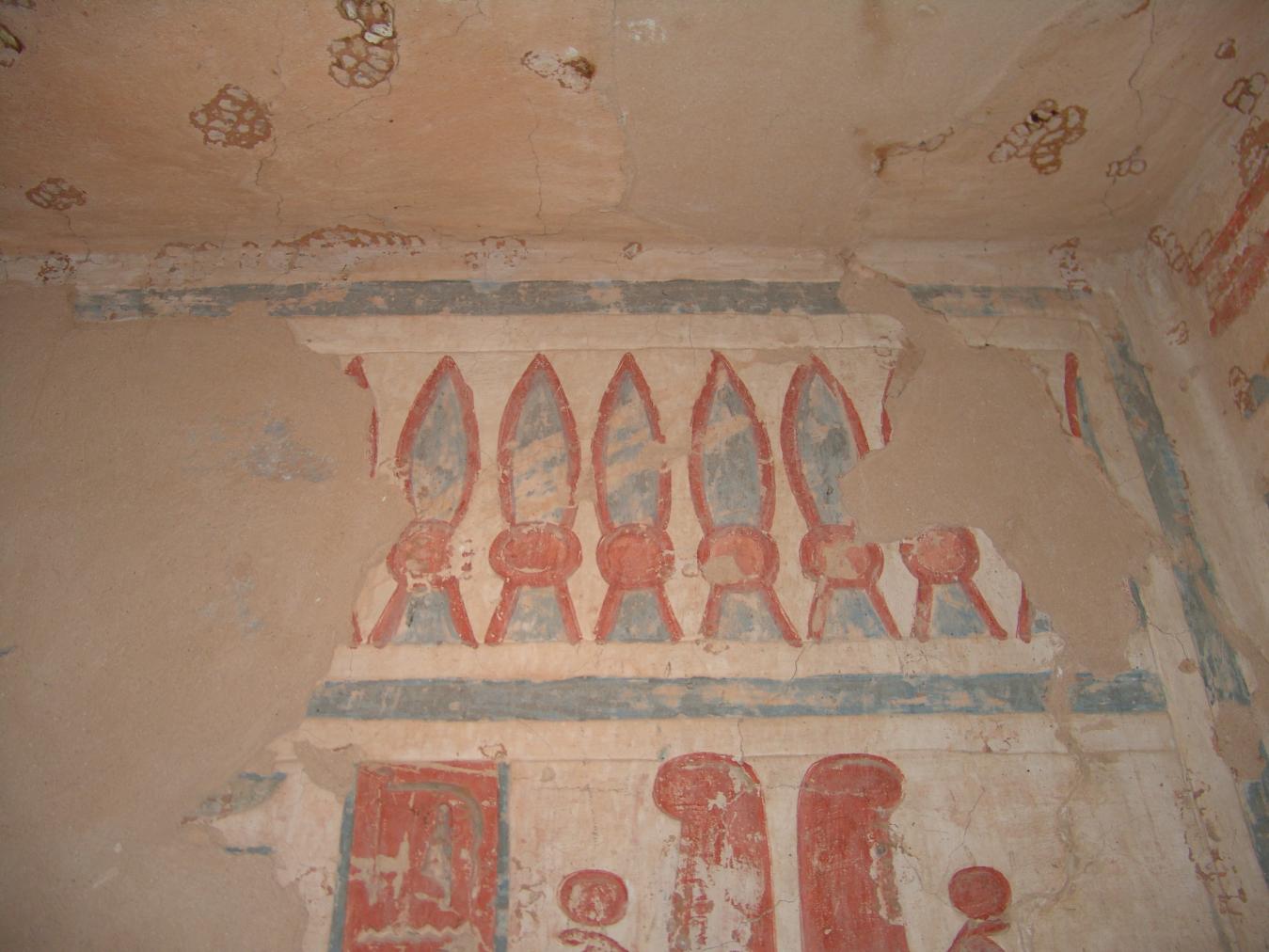
Detail of the Kheker Frieze. © Getty Conservation Institute and the Ministry of Tourism and Antiquities.
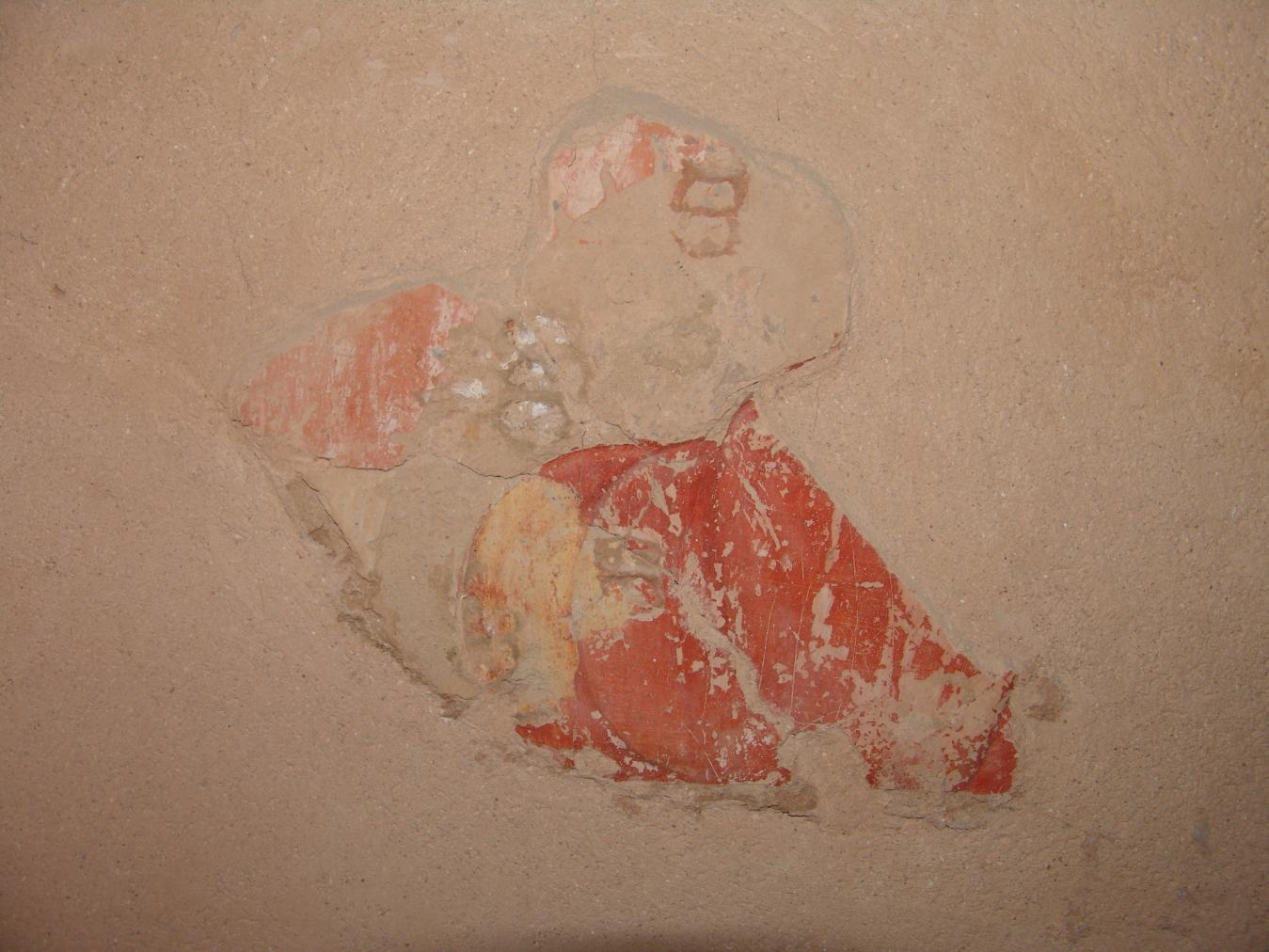
Detail of remaining painted relief. © Getty Conservation Institute and the Ministry of Tourism and Antiquities.
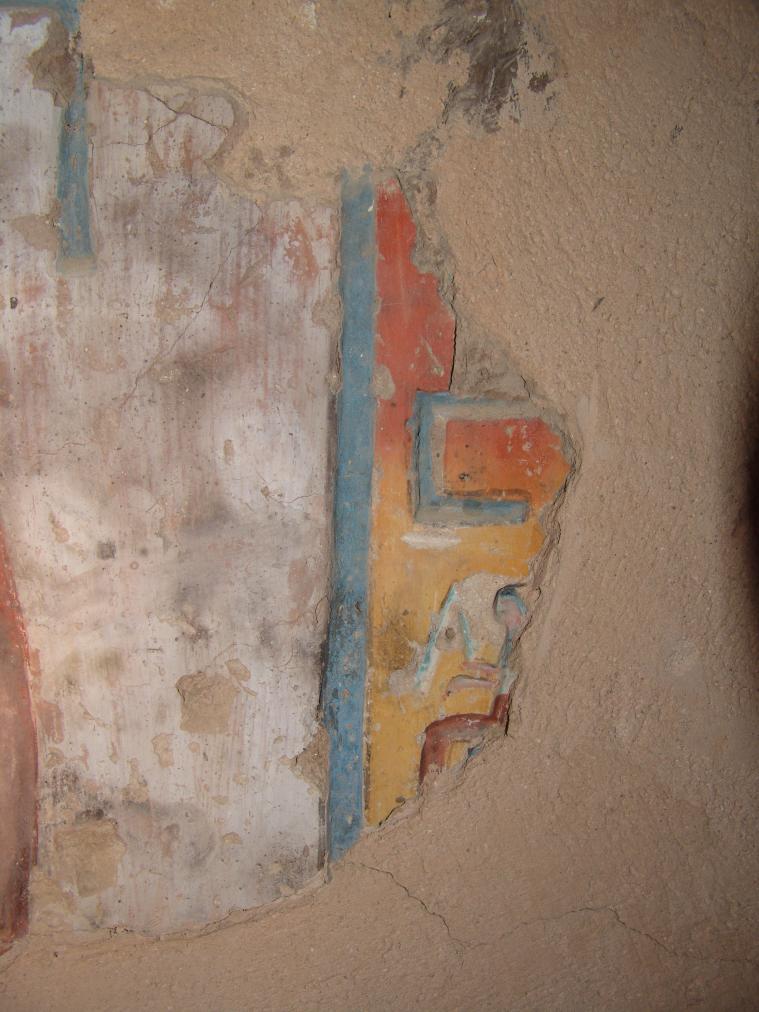
Detail of remaining painted relief. © Getty Conservation Institute and the Ministry of Tourism and Antiquities.
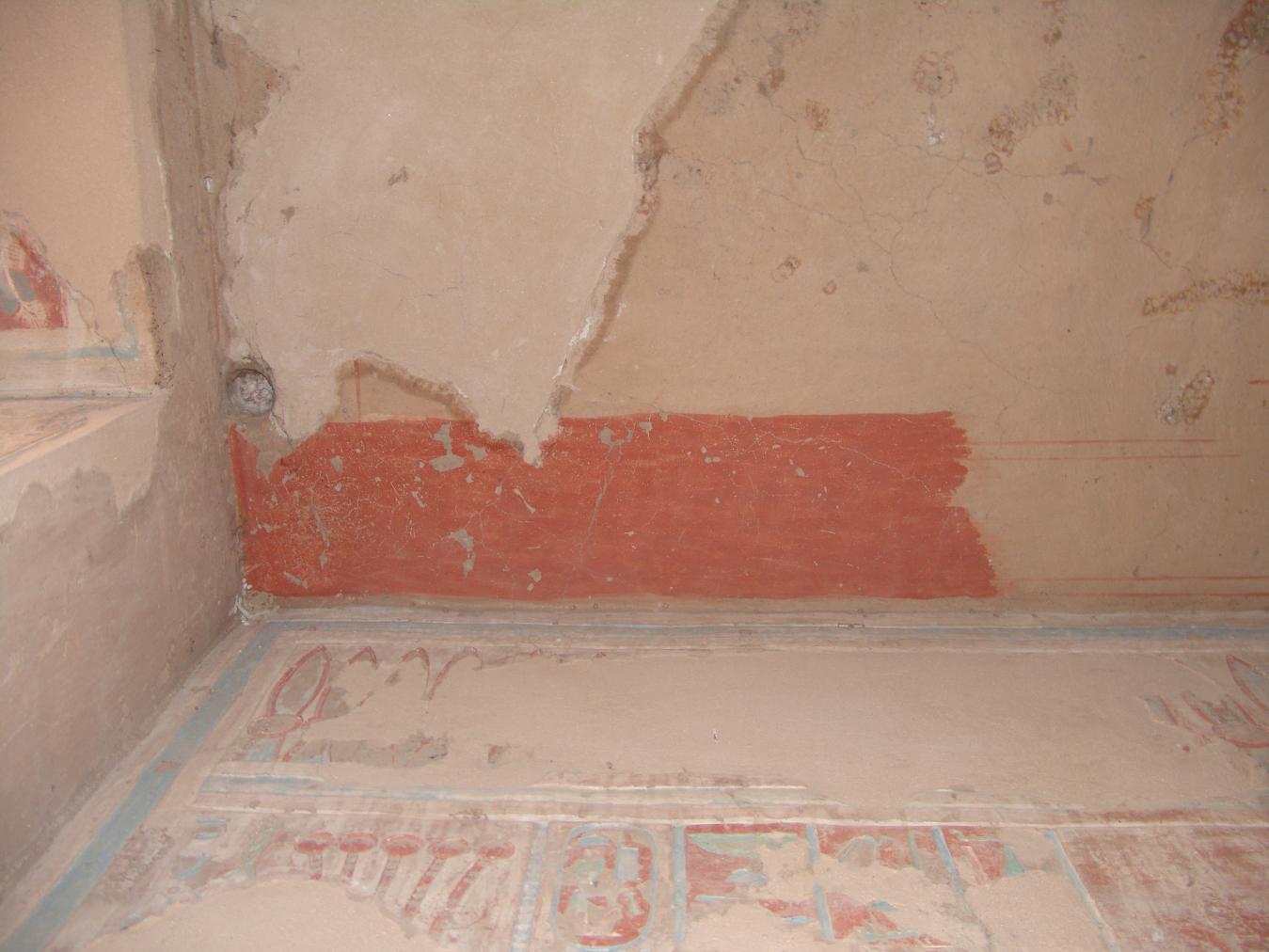
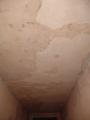
Detail of unfinished ceiling. © Getty Conservation Institute and the Ministry of Tourism and Antiquities.
Gate C
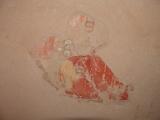
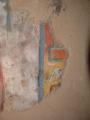
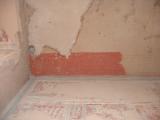
See entire tombThis gate provides access to the burial chamber and lies on axis with the entrance. The lintel contains an evocation to Behdet, who is figured in the form of a winged sun disk. Nekhbet as a vulture is represented on the soffit and clutches two fans in her claws. The reveals contain texts relating to Rameses VI's dedication of the tomb to the queen. The thicknesses contain representations of Wadjet as a cobra (left) and Nekhbet as vulture (right). They are both sitting atop plant bundles, Nekhbet upon lotuses and Wadjet upon papyrus.
Porter and Moss designation:
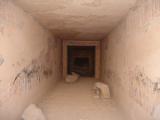
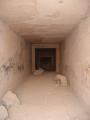
View of Gate C and Corridor C. © Getty Conservation Institute and the Ministry of Tourism and Antiquities.
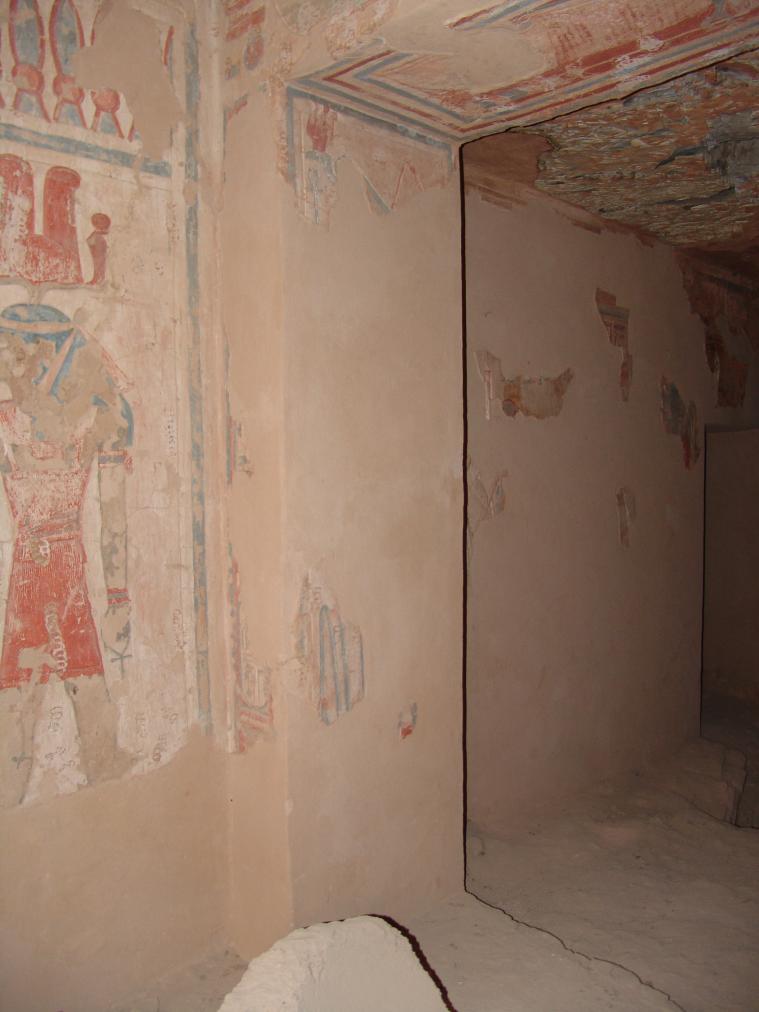
Nekhbet as vulture atop a lotus bundle. © Getty Conservation Institute and the Ministry of Tourism and Antiquities.
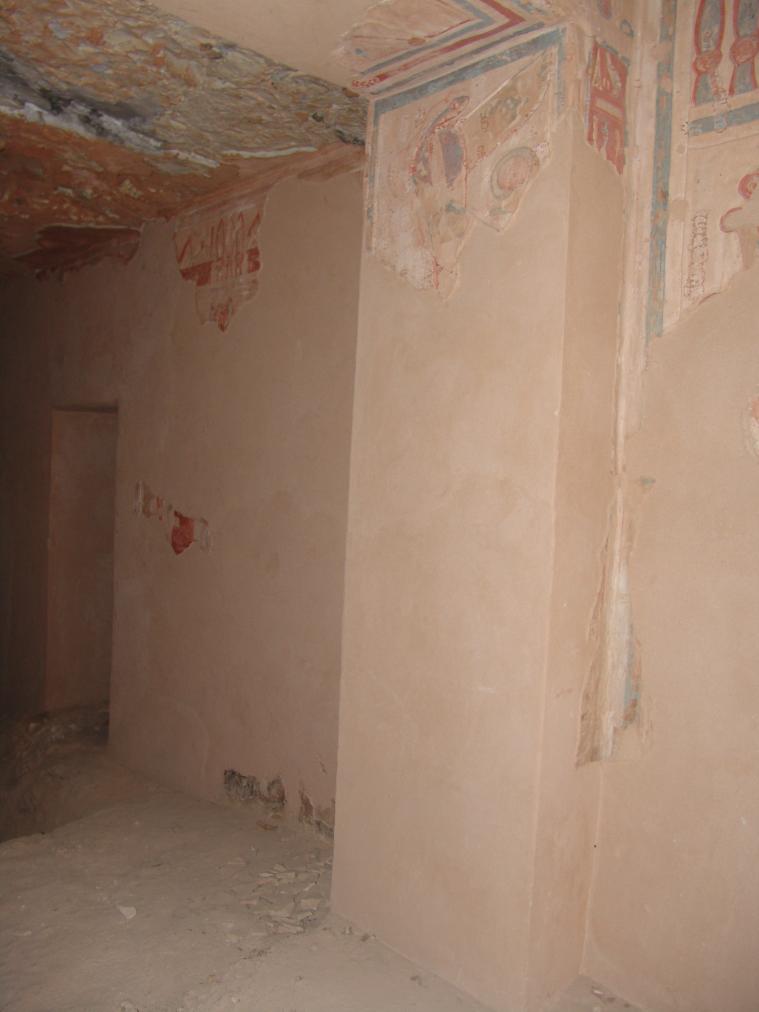
Wadjet as a cobra atop a papyrus bundle. © Getty Conservation Institute and the Ministry of Tourism and Antiquities.
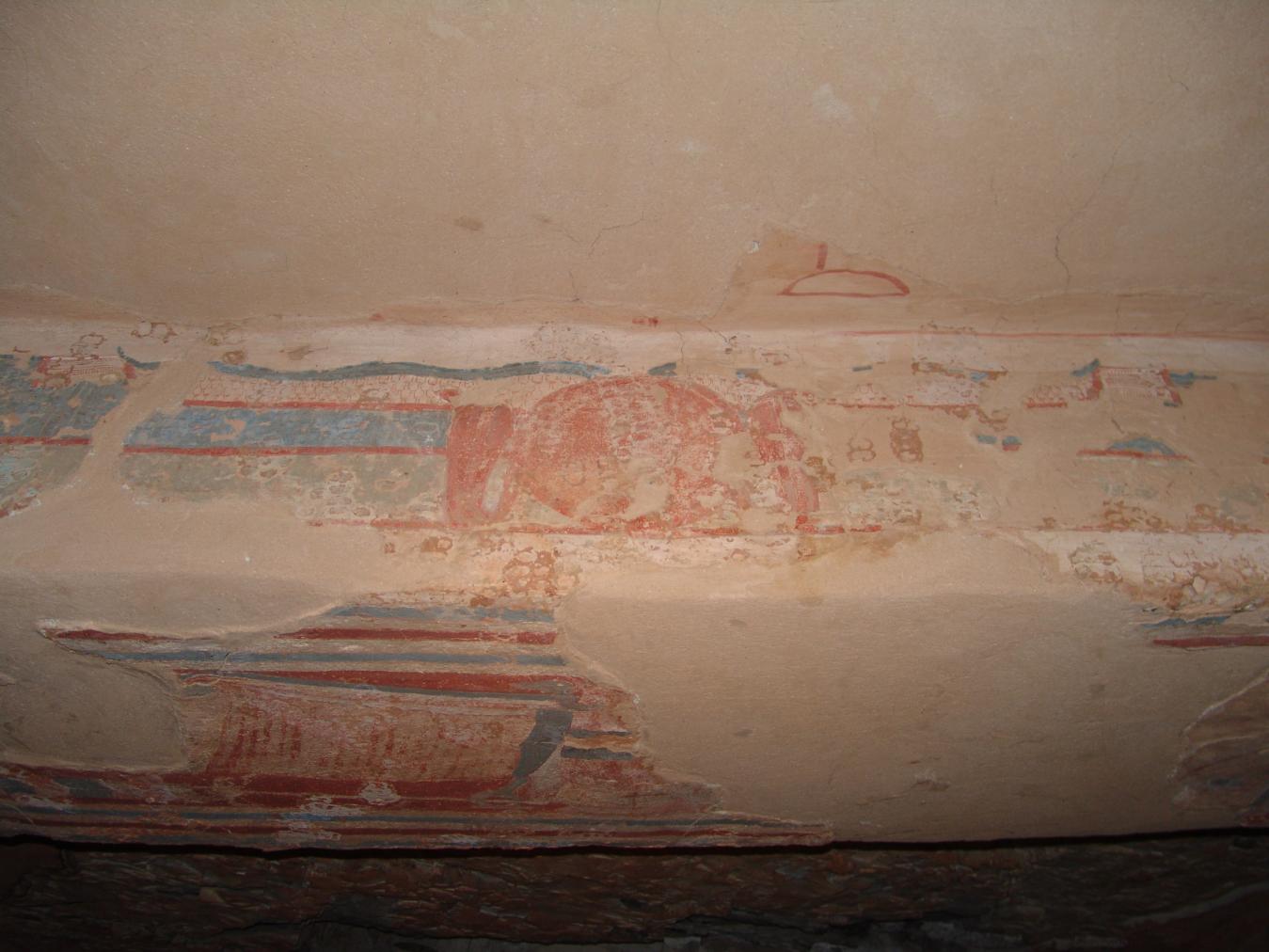
Evocation to Behdet in the form of a winged sun disk. © Getty Conservation Institute and the Ministry of Tourism and Antiquities.
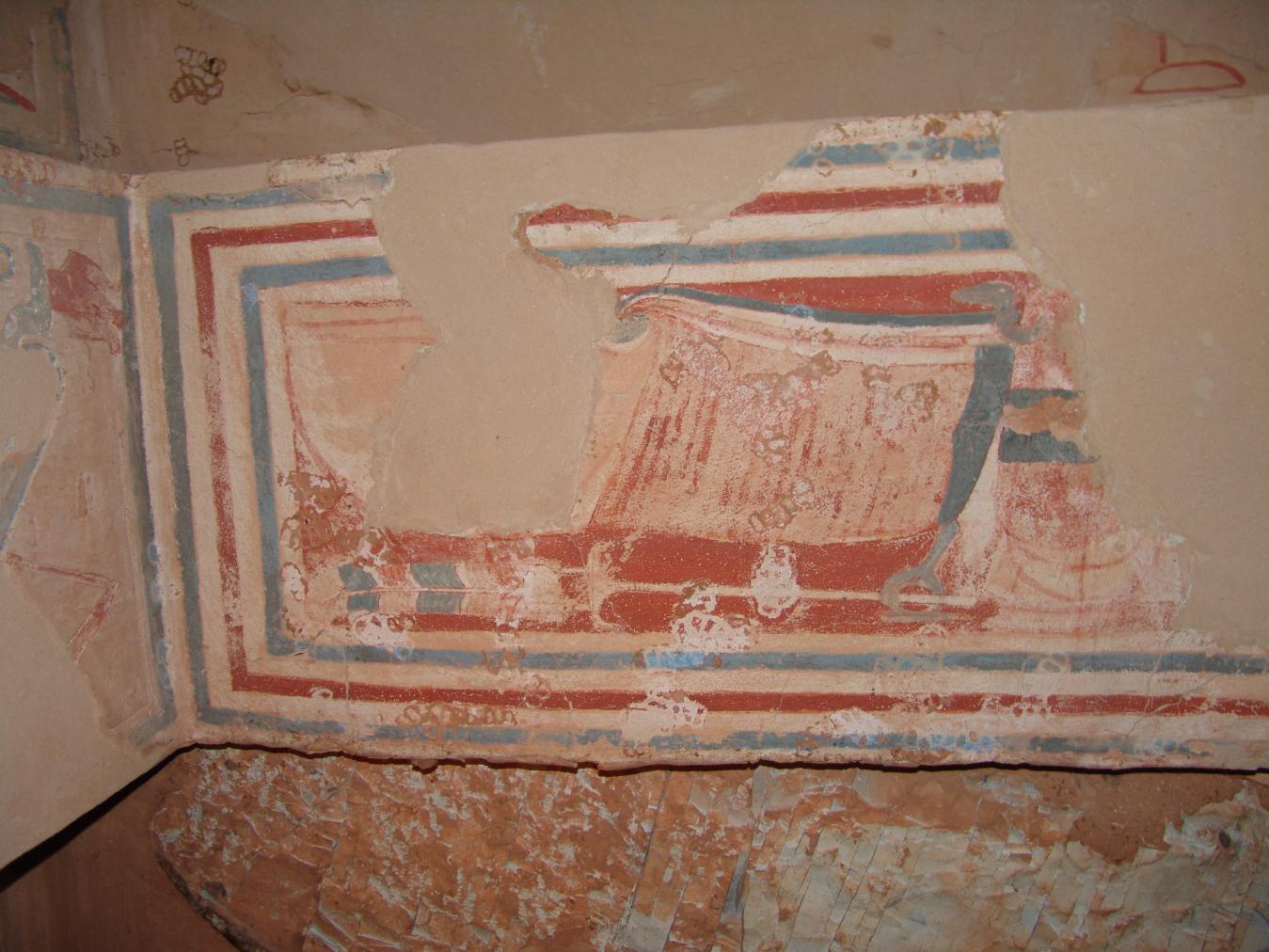
Nekhebt as a vulture with wings outspread and clutching khu-fans. © Getty Conservation Institute and the Ministry of Tourism and Antiquities.
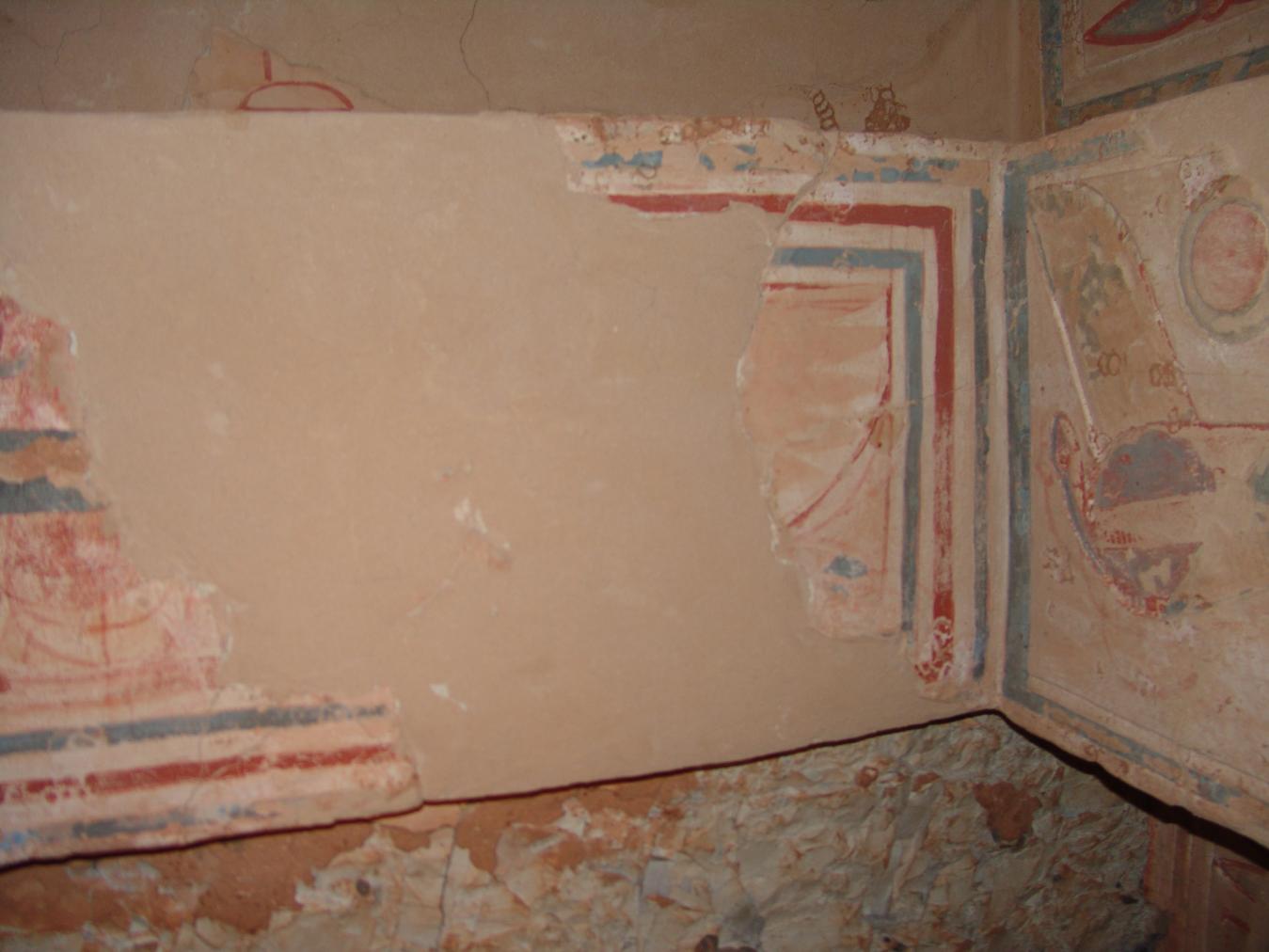
Nekhebt as a vulture with wings outspread and clutching khu-fans. © Getty Conservation Institute and the Ministry of Tourism and Antiquities.
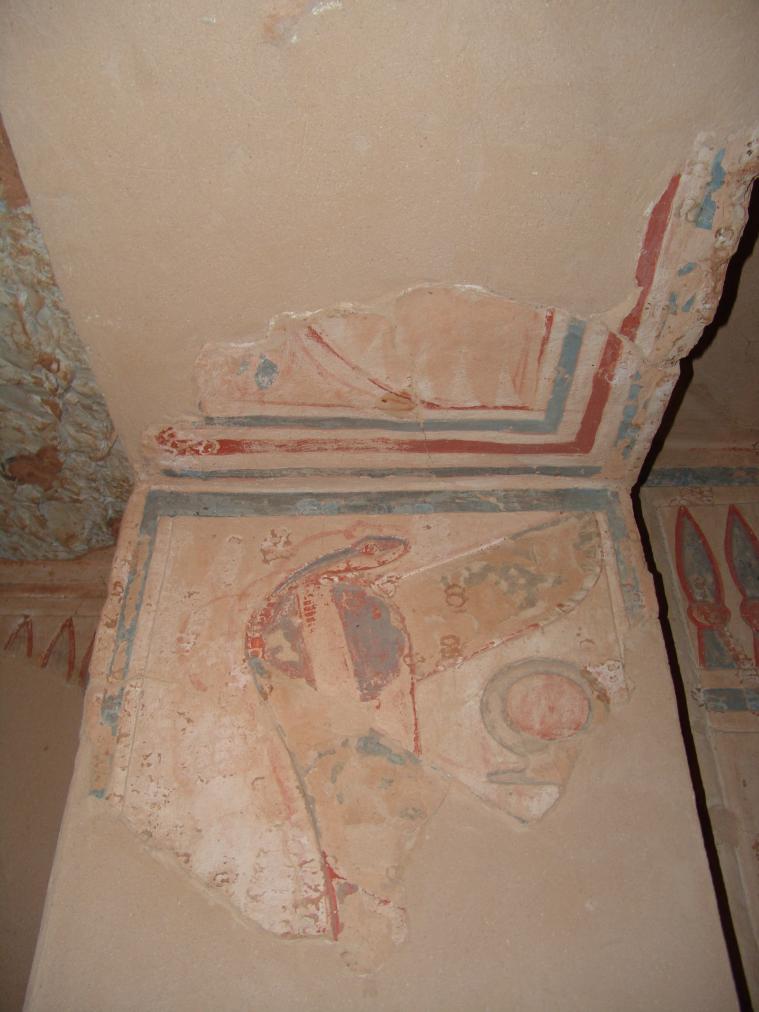
Wadjet as a cobra atop a papyrus bundle. © Getty Conservation Institute and the Ministry of Tourism and Antiquities.
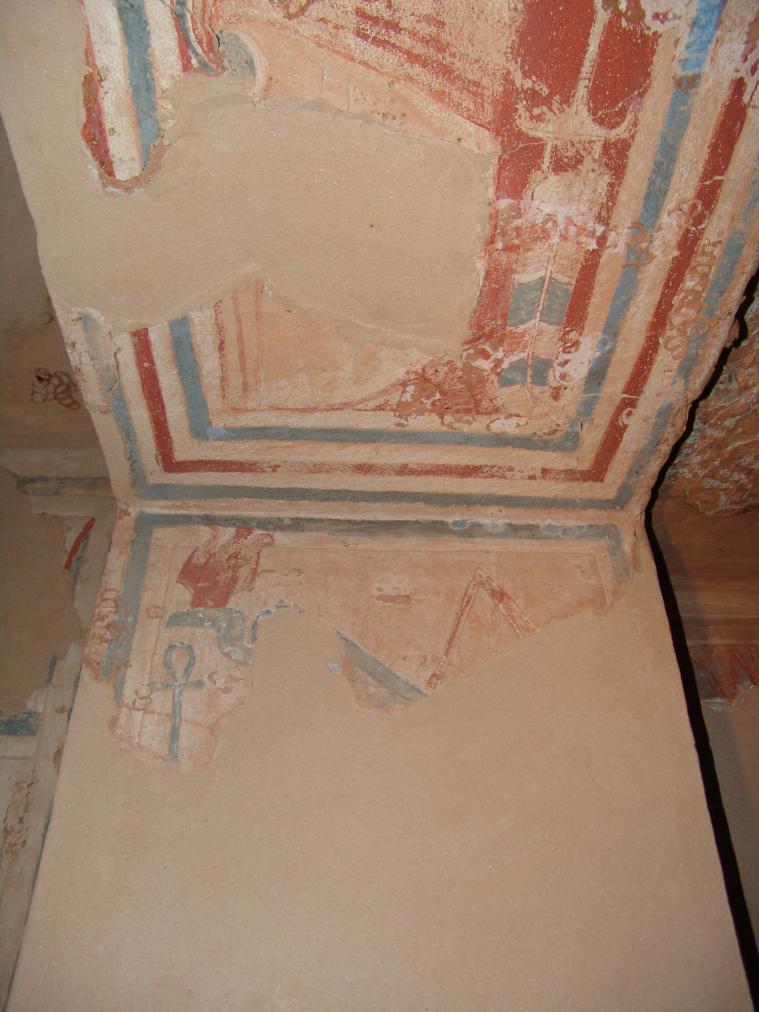
Nekhbet as a vulture atop a lotus bundle. © Getty Conservation Institute and the Ministry of Tourism and Antiquities.
Burial chamber C
See entire tombThe Burial chamber lies parallel to the tomb's axis and contains a pit in the center that now holds the Sarcophagus lid. The east and west walls are decorated with scenes of the queen offering to various deities, as well as a double scene of Osiris on the rear wall. This latter scene has been damaged by looters who thought the wall blocked another room. The upper parts of the walls contain remains of a unique frieze that alternates between kheker and Anubis as a jackal atop a chapel.
Chamber plan:
RectangularRelationship to main tomb axis:
ParallelChamber layout:
Flat floor, no pillarsFloor:
One levelCeiling:
Flat
Porter and Moss designation:
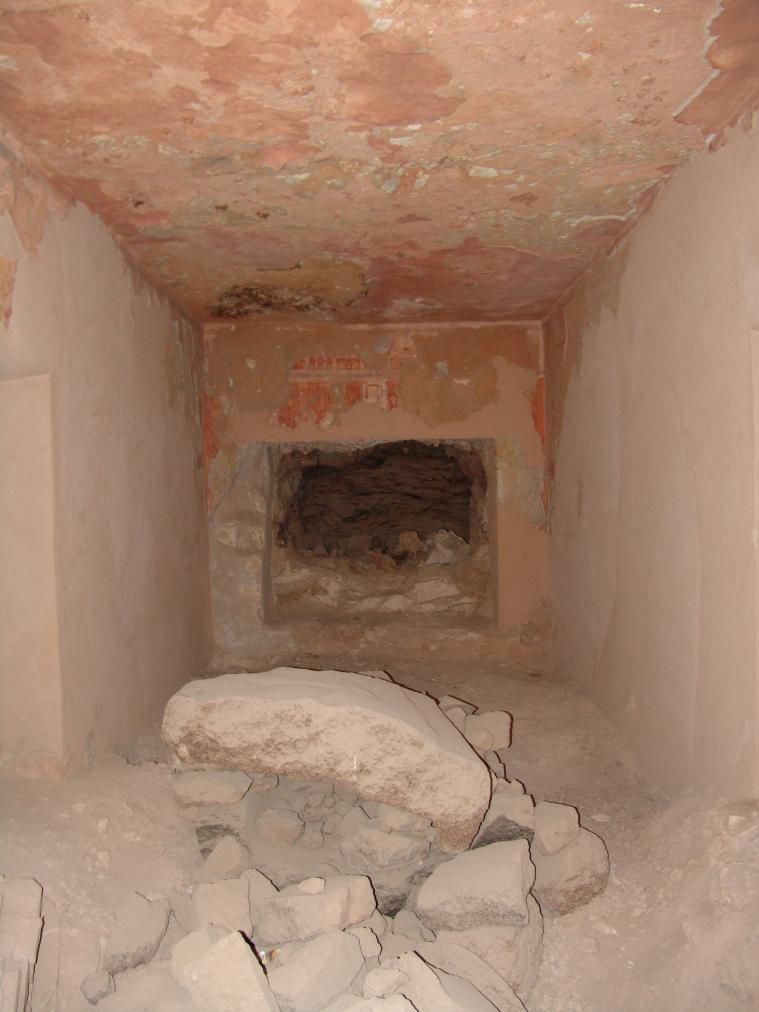
View of Burial Chamber C with a break in southern wall to the unfinished side chamber Cb. © Getty Conservation Institute and the Ministry of Tourism and Antiquities.
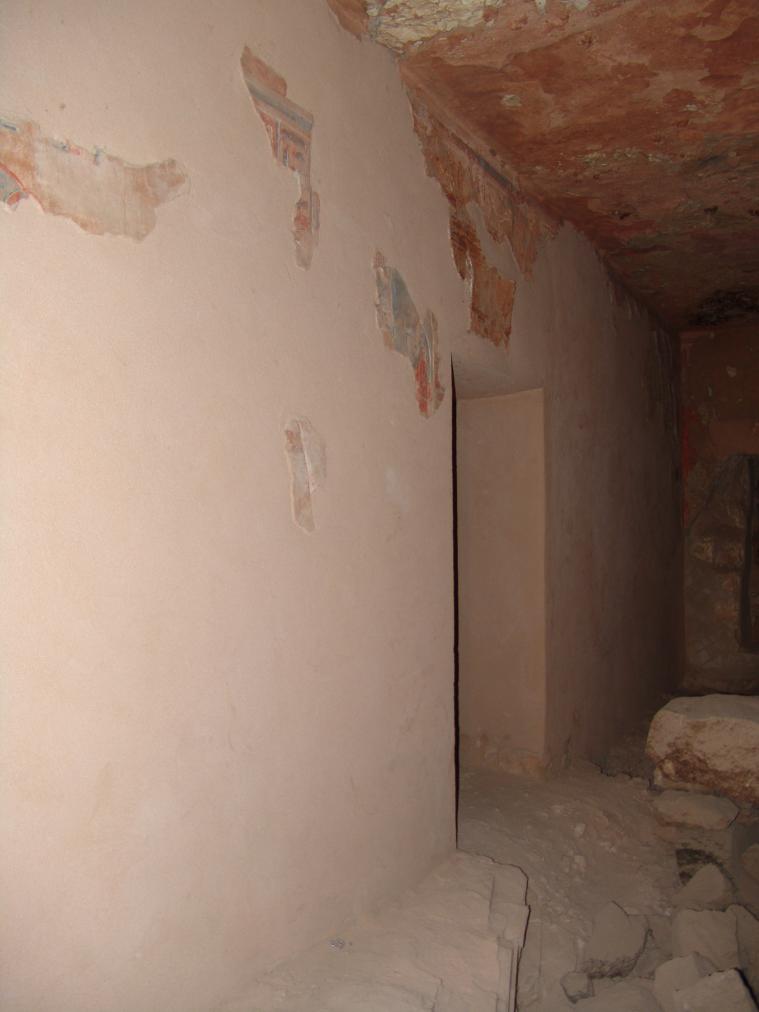
View of eastern wall and reconstructed Gate Ca. © Getty Conservation Institute and the Ministry of Tourism and Antiquities.
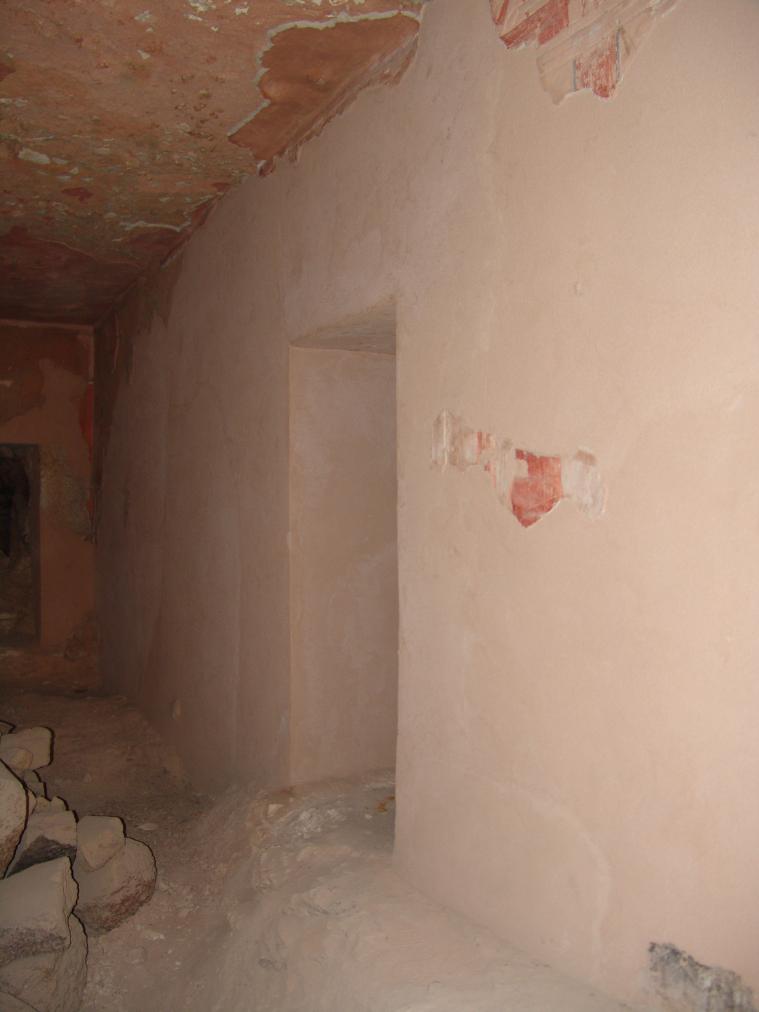
View of the western wall and reconstructed Gate Cc. © Getty Conservation Institute and the Ministry of Tourism and Antiquities.
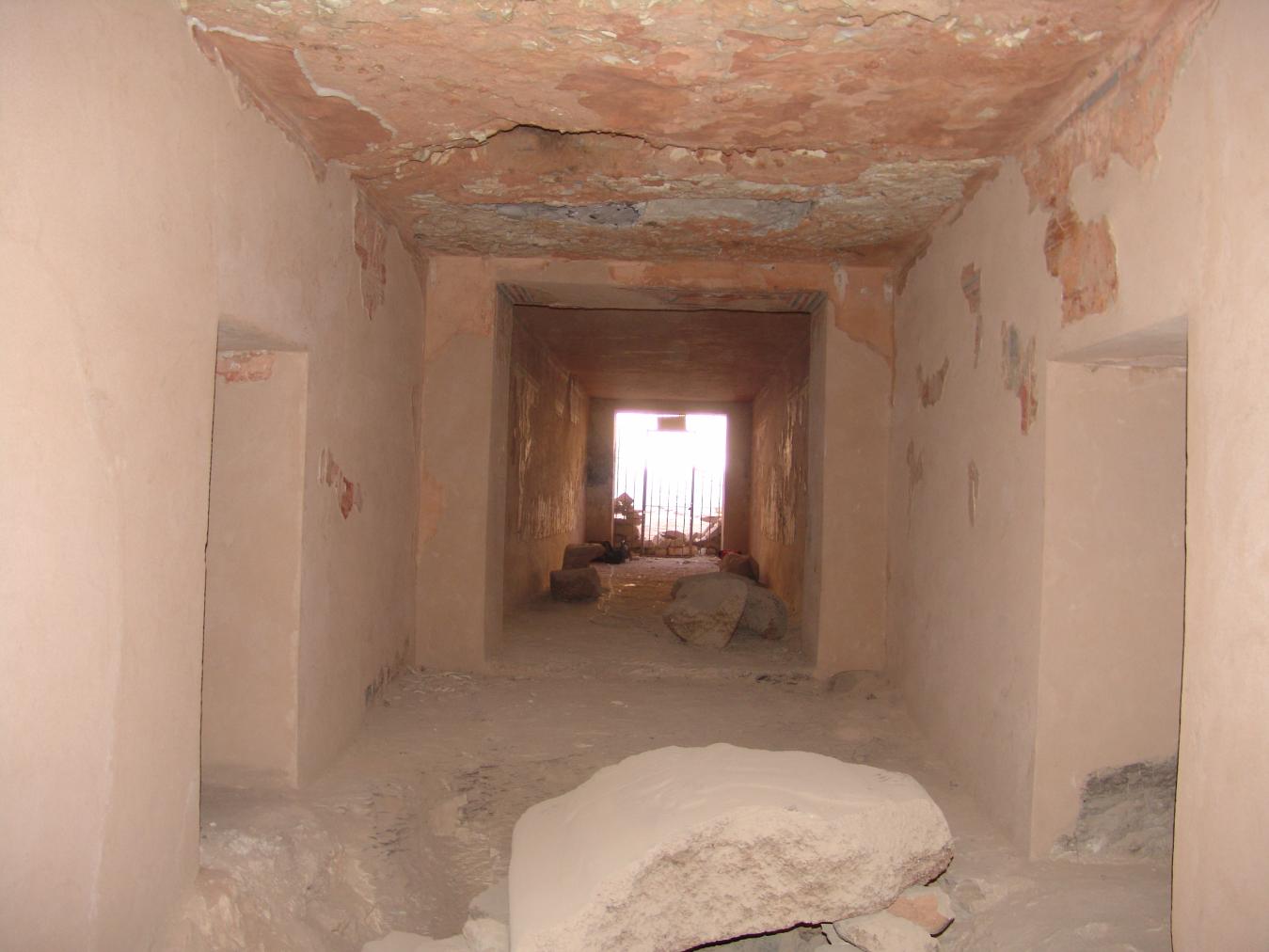
View from Burial chamber C to the tomb entrance. © Getty Conservation Institute and the Ministry of Tourism and Antiquities.
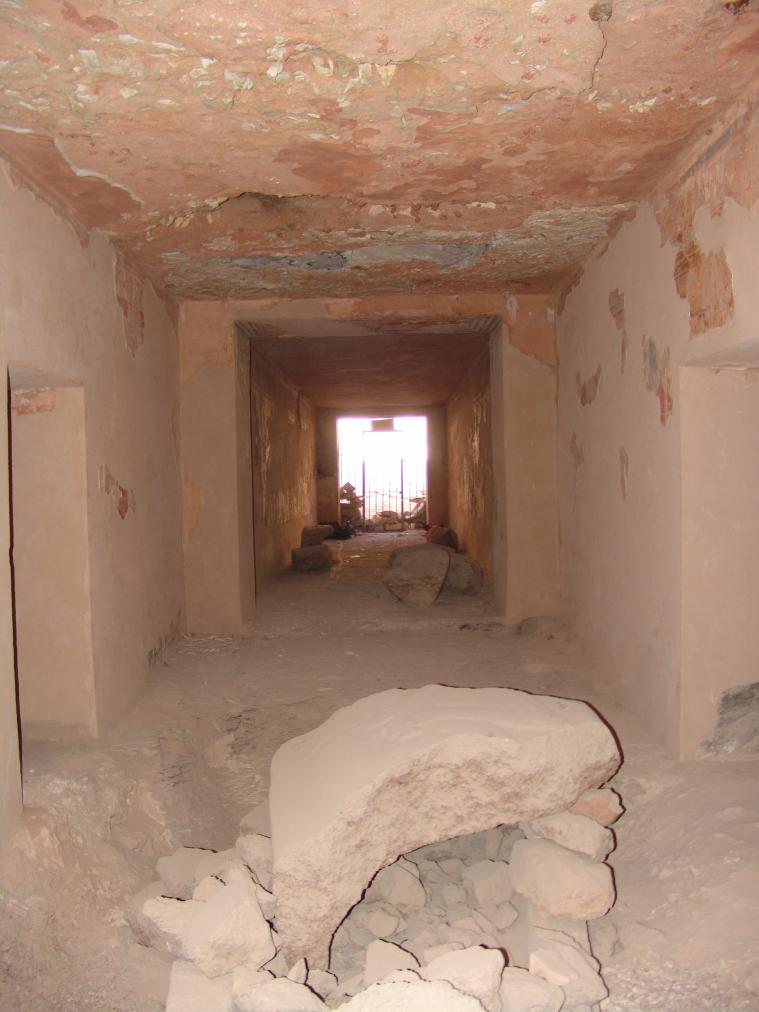
View from Burial chamber C towards the tomb entrance. © Getty Conservation Institute and the Ministry of Tourism and Antiquities.
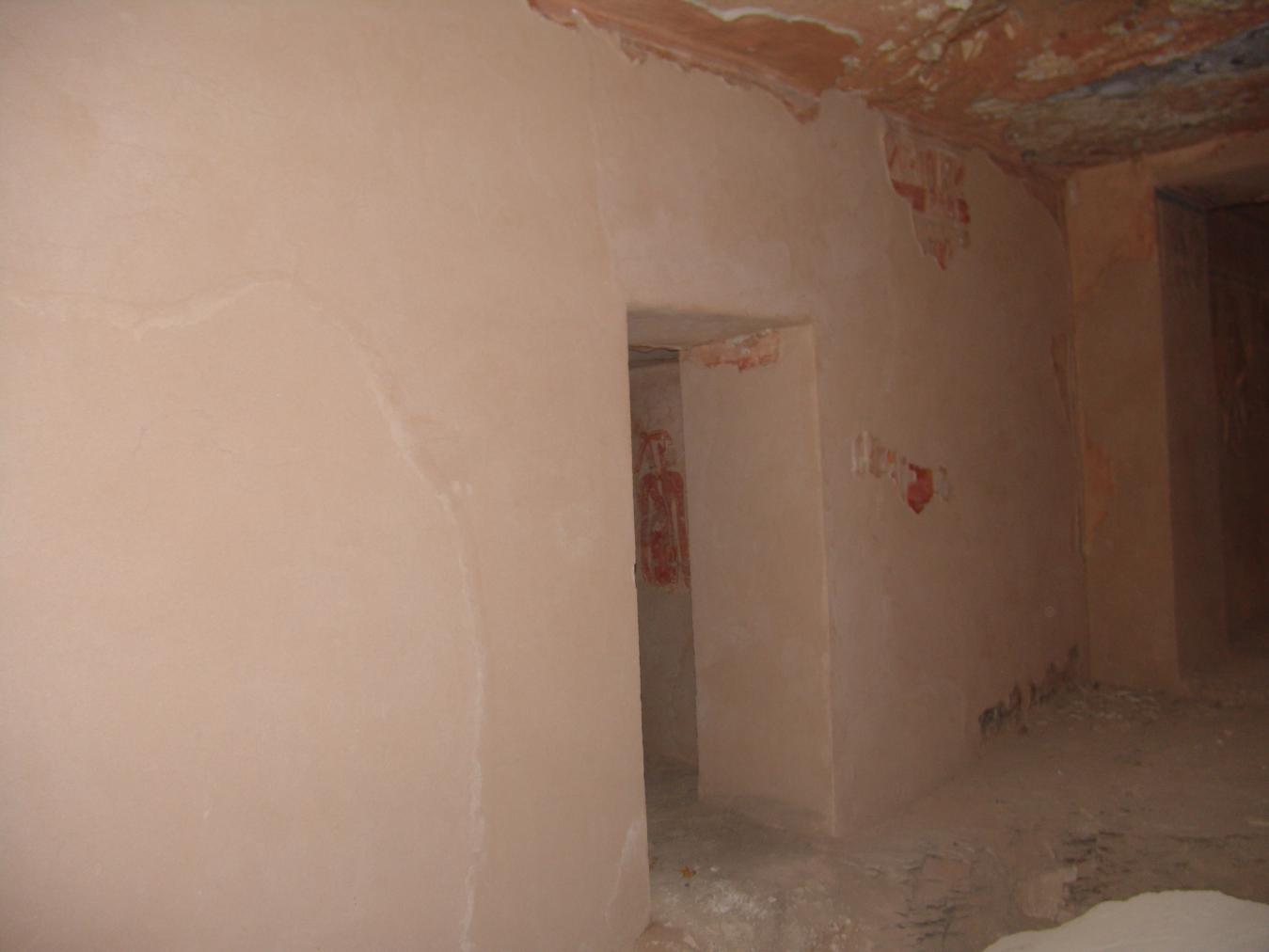
View of the western wall and reconstructed Gate Cc. © Getty Conservation Institute and the Ministry of Tourism and Antiquities.
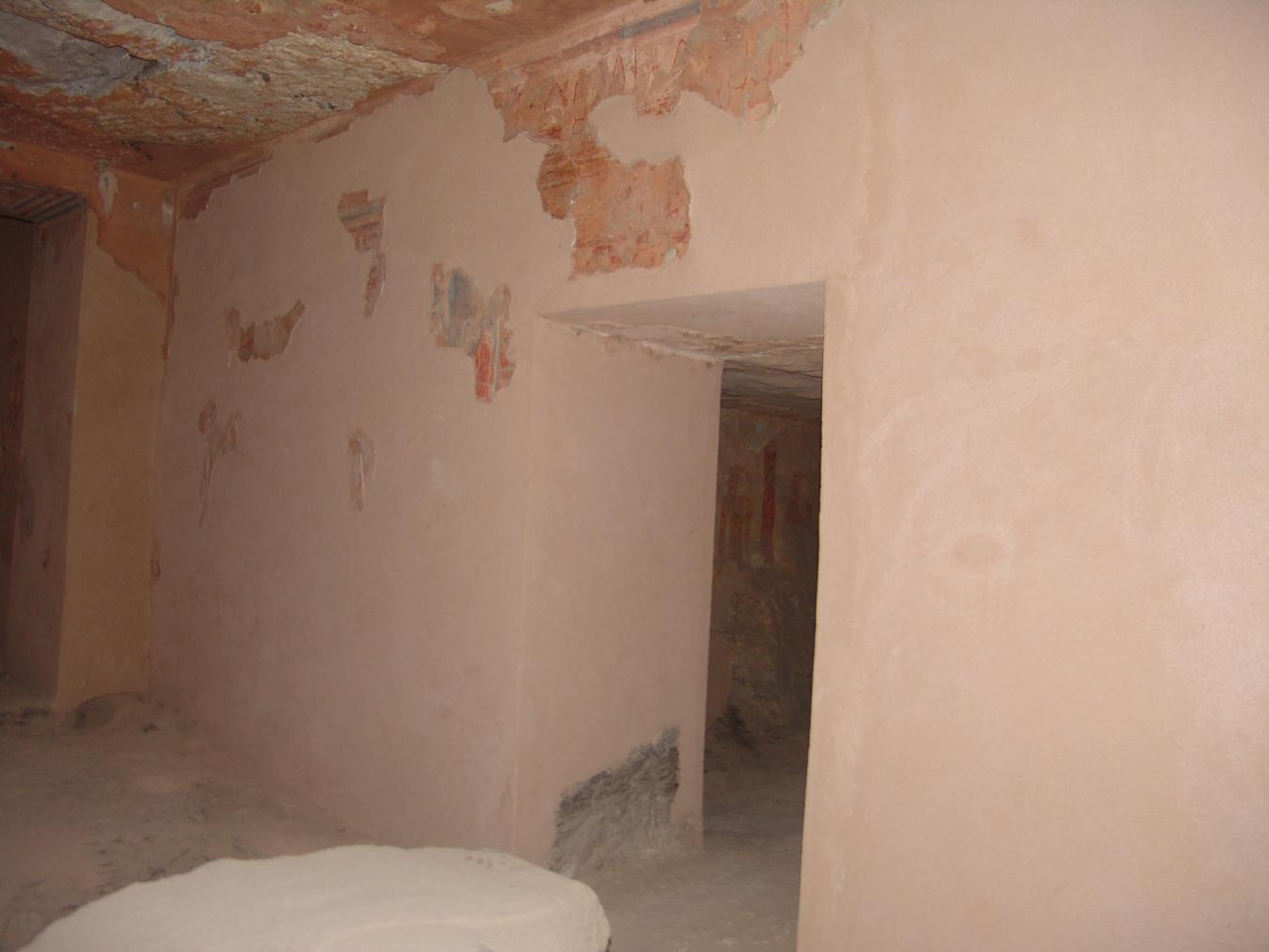
View of the eastern wall and reconstructed Gate Ca. © Getty Conservation Institute and the Ministry of Tourism and Antiquities.
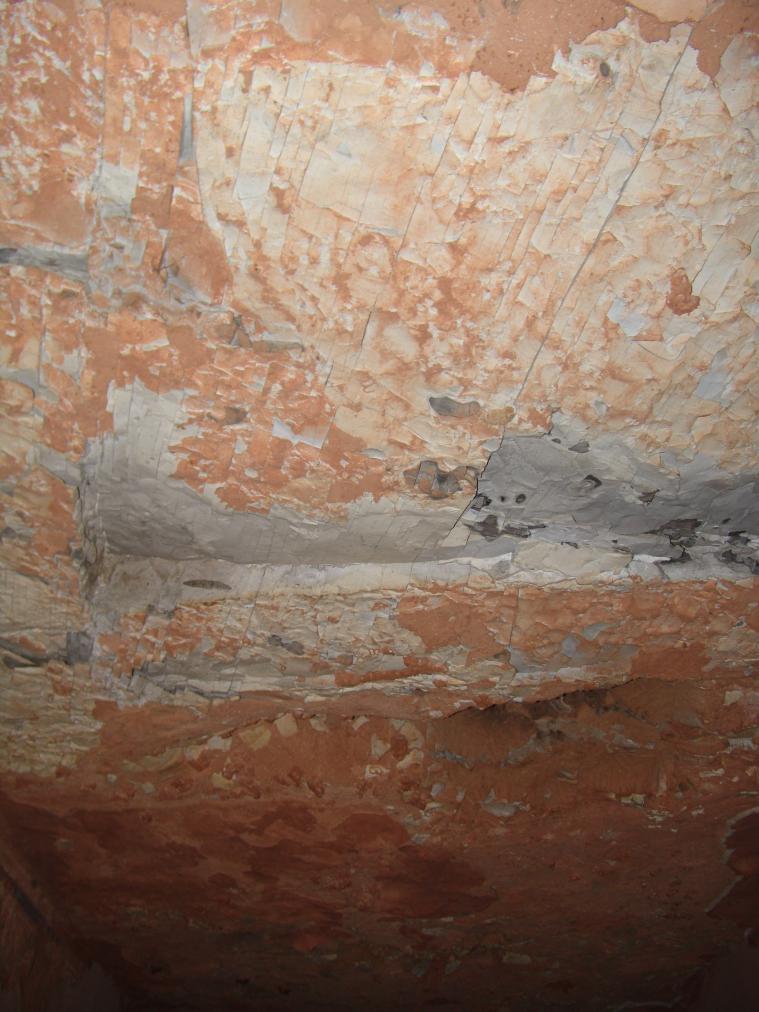
View of the ceiling. © Getty Conservation Institute and the Ministry of Tourism and Antiquities.
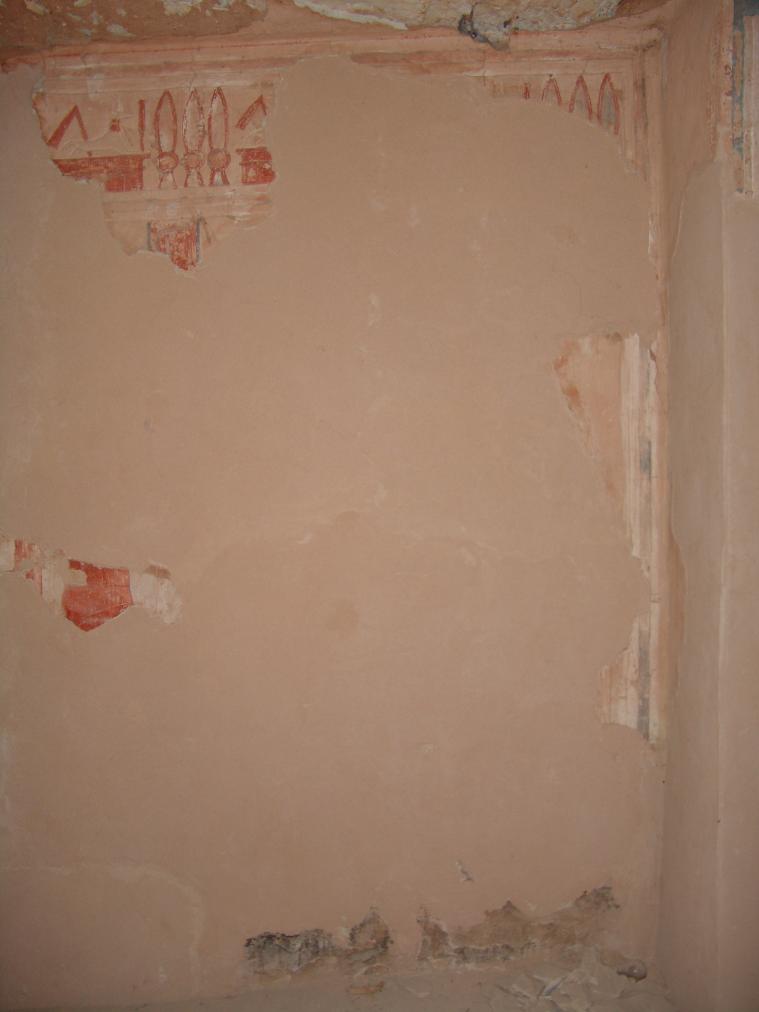
Fragmentary decoration with restoration work. © Getty Conservation Institute and the Ministry of Tourism and Antiquities.
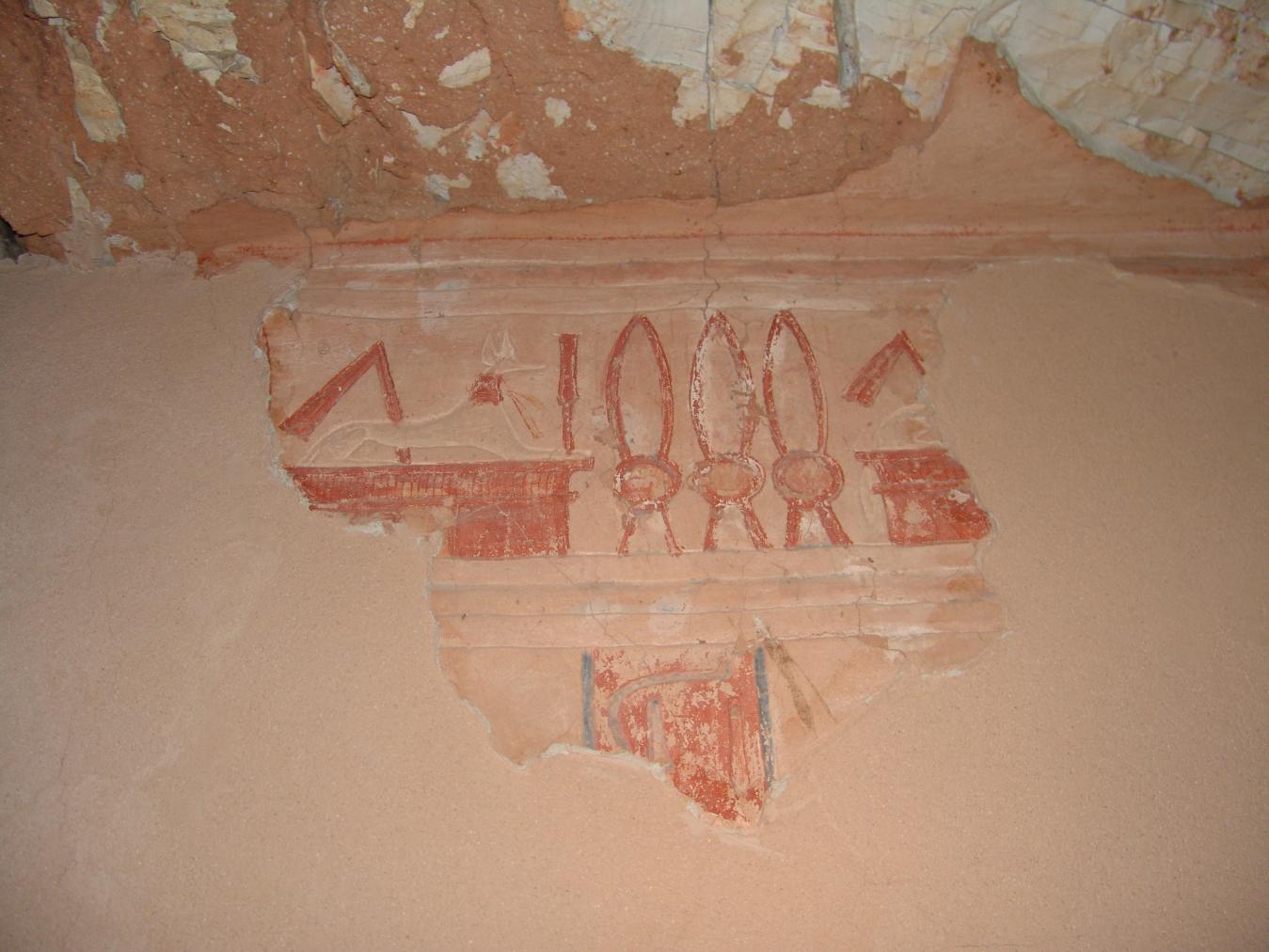
Detail of remaining decoration - alternating frieze of Kheker and Jackals upon chapels. © Getty Conservation Institute and the Ministry of Tourism and Antiquities.
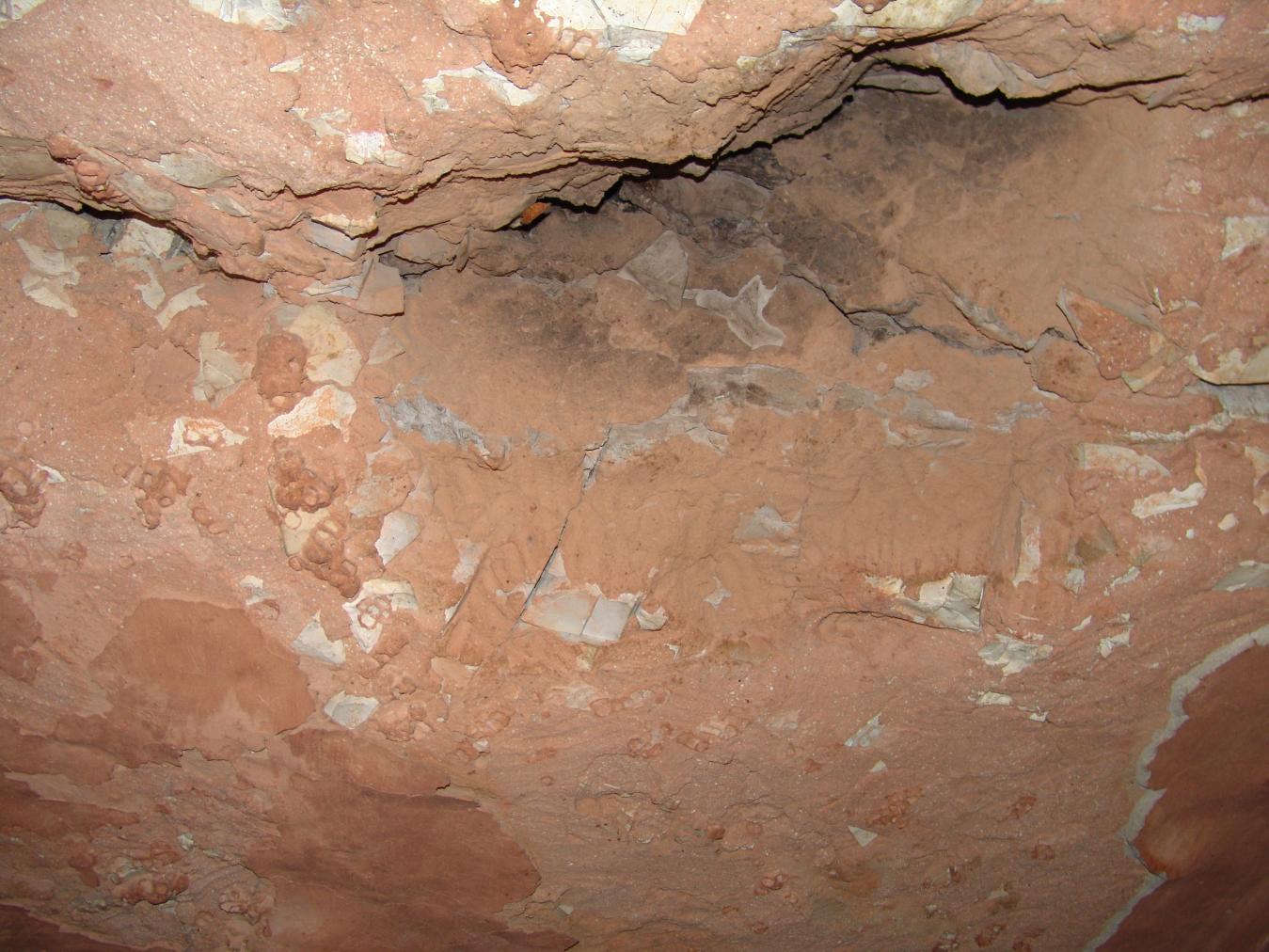
View of the ceiling. © Getty Conservation Institute and the Ministry of Tourism and Antiquities.
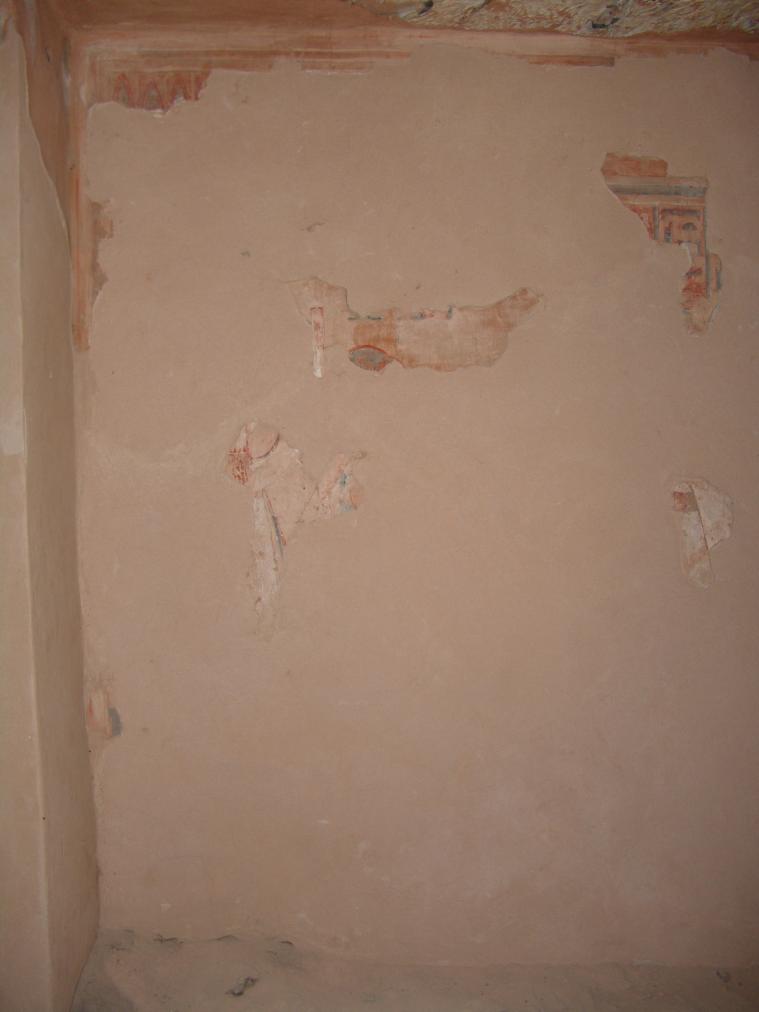
Remaining decoration with restoration work. © Getty Conservation Institute and the Ministry of Tourism and Antiquities.
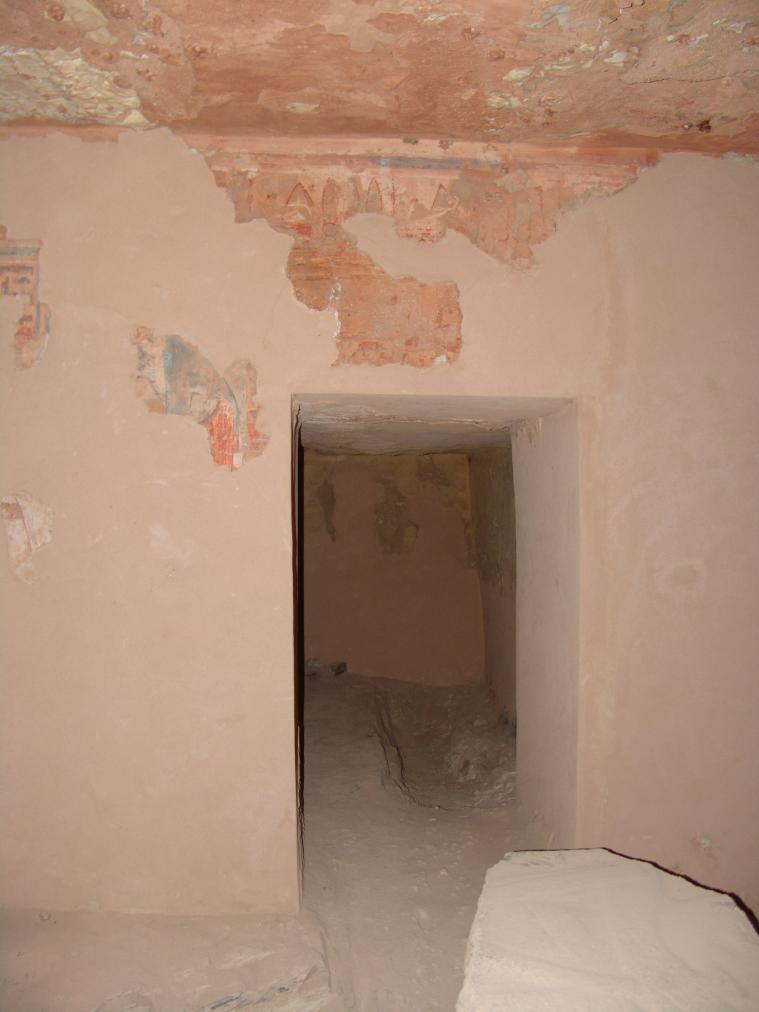
View of Gate Ca and the remaining decoration on the east wall. © Getty Conservation Institute and the Ministry of Tourism and Antiquities.
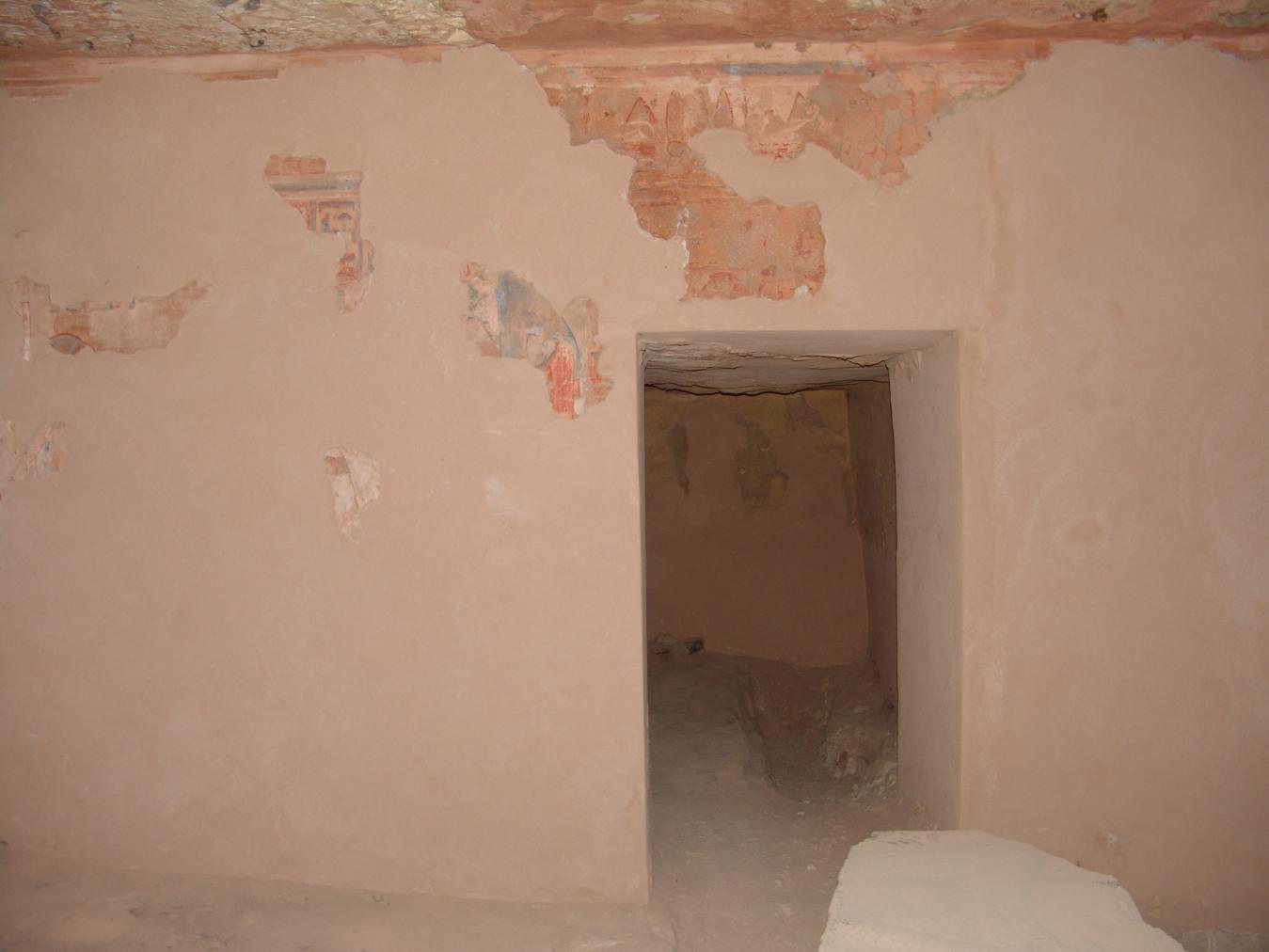
View of Gate Ca and the remaining decoration on the eastern wall. © Getty Conservation Institute and the Ministry of Tourism and Antiquities.
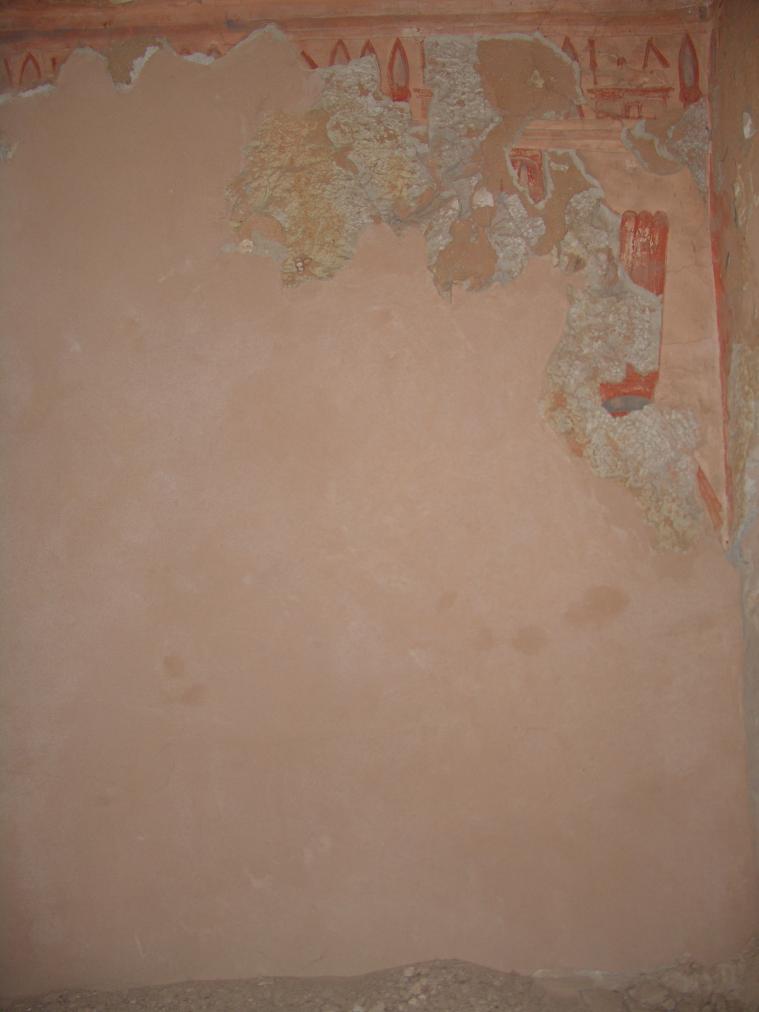
Remaining fragmentary decoration with restoration work. © Getty Conservation Institute and the Ministry of Tourism and Antiquities.
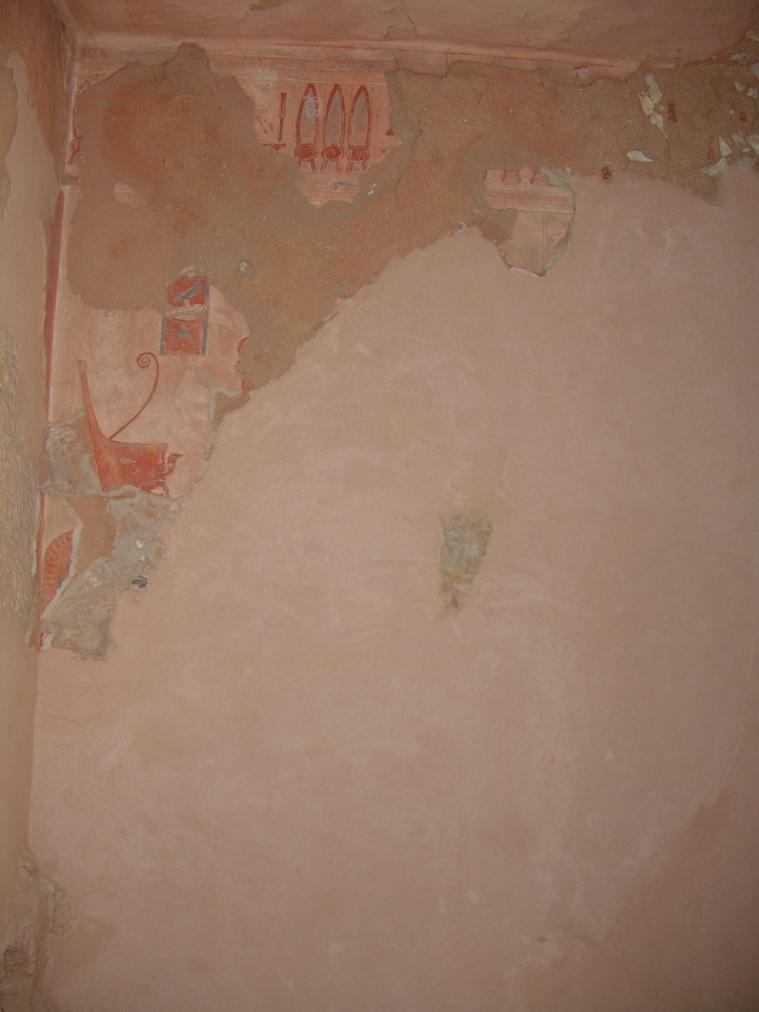
Remaining fragmentary decoration with restoration work. © Getty Conservation Institute and the Ministry of Tourism and Antiquities.
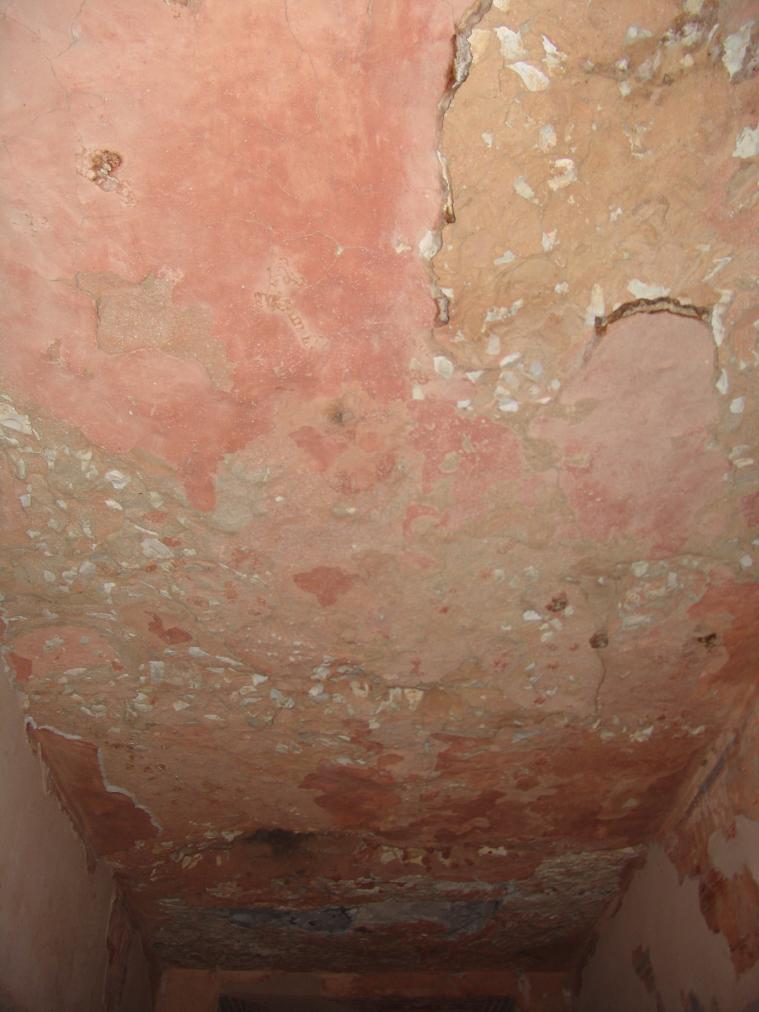
View of the ceiling. © Getty Conservation Institute and the Ministry of Tourism and Antiquities.
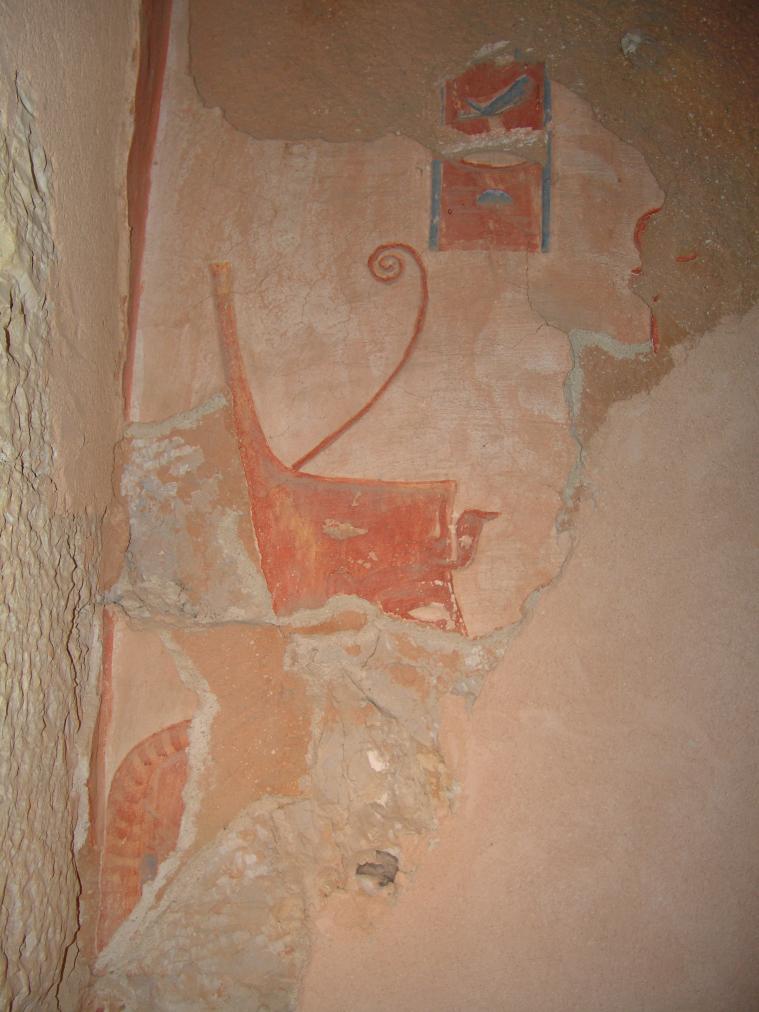
Detail of remaining fragmentary decoration. © Getty Conservation Institute and the Ministry of Tourism and Antiquities.
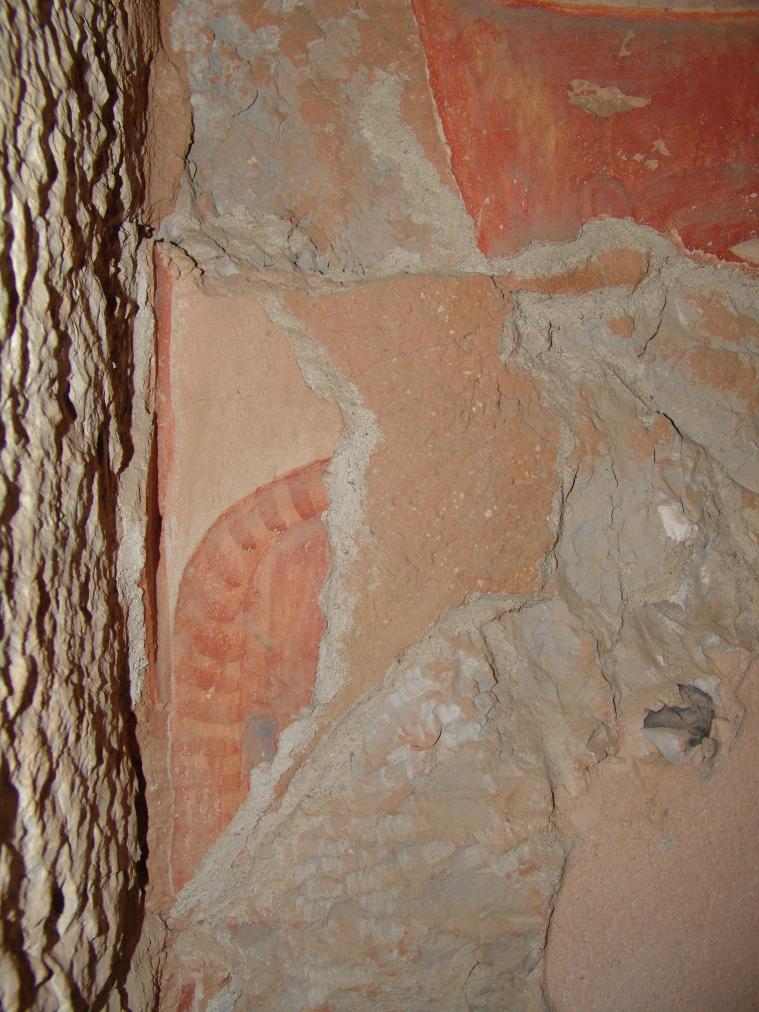
Detail of remaining fragmentary decoration. © Getty Conservation Institute and the Ministry of Tourism and Antiquities.
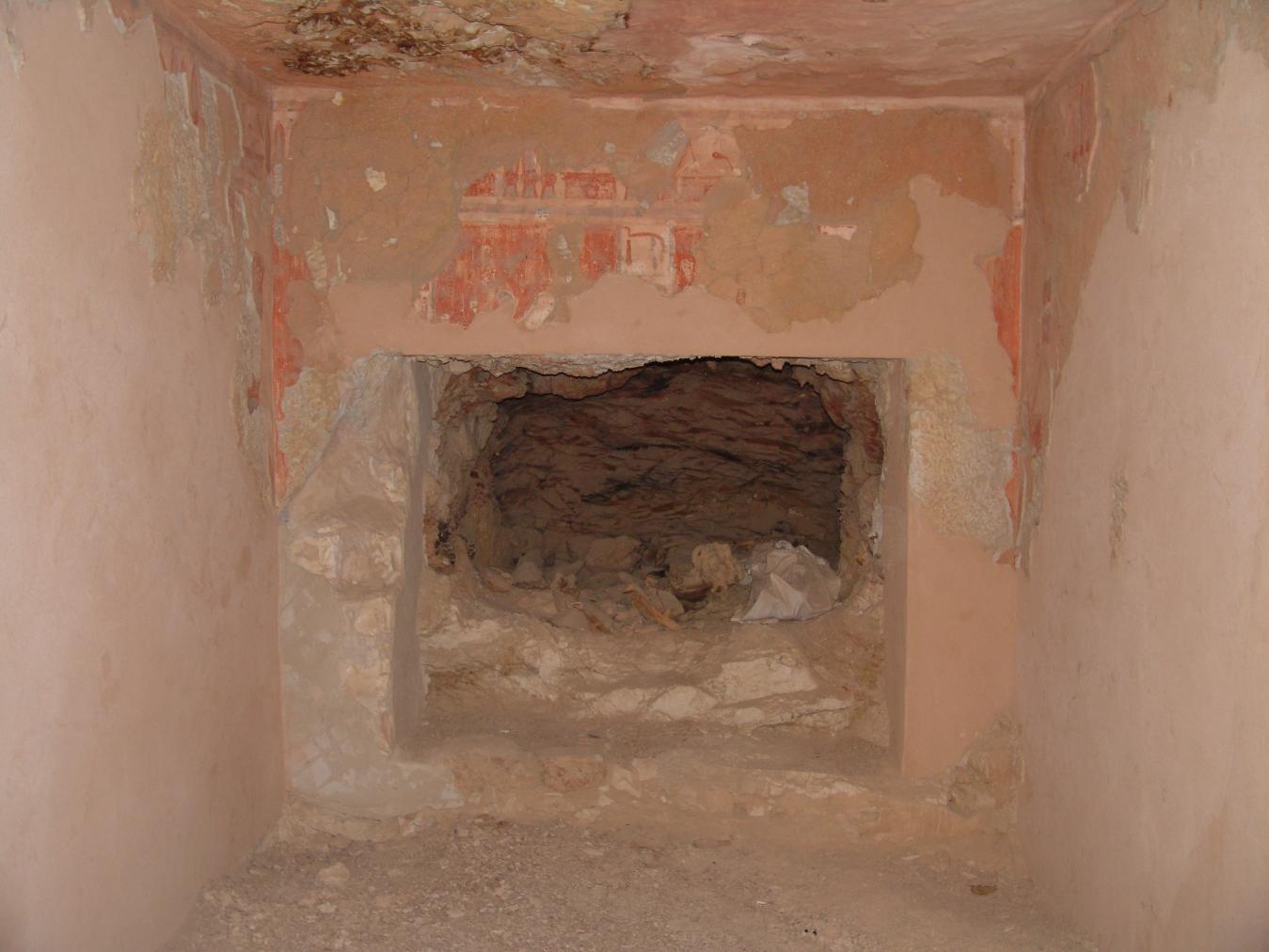
View of unfinished side chamber Cb. © Getty Conservation Institute and the Ministry of Tourism and Antiquities.
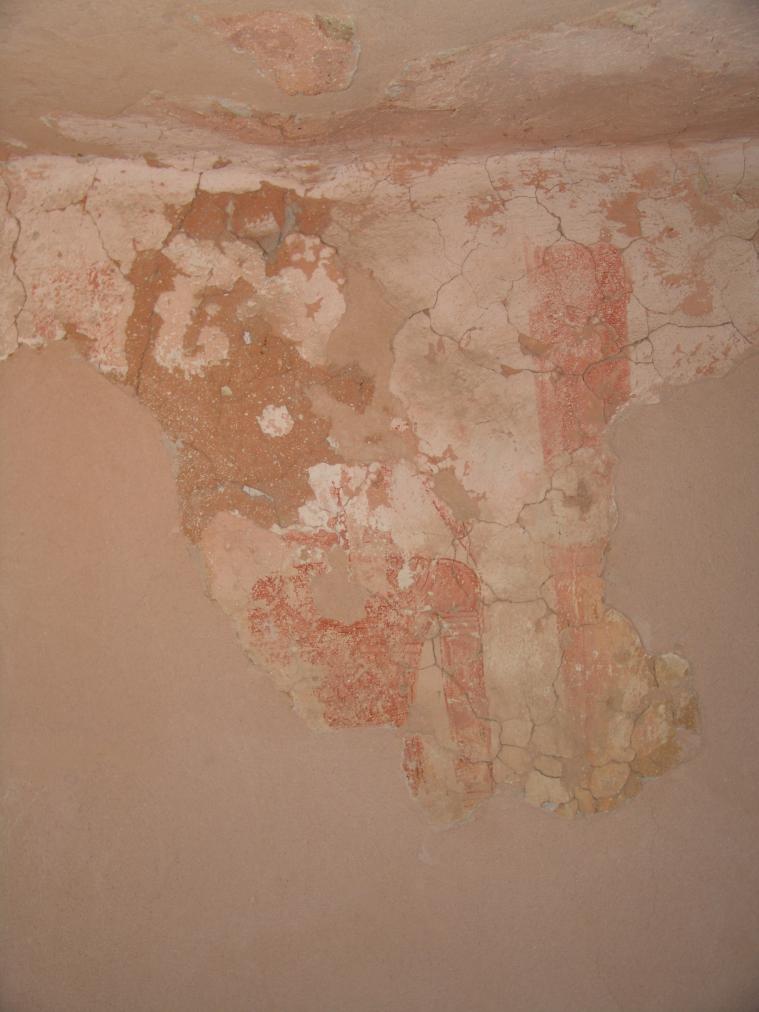
Detail of remaining fragmentary decoration. © Getty Conservation Institute and the Ministry of Tourism and Antiquities.
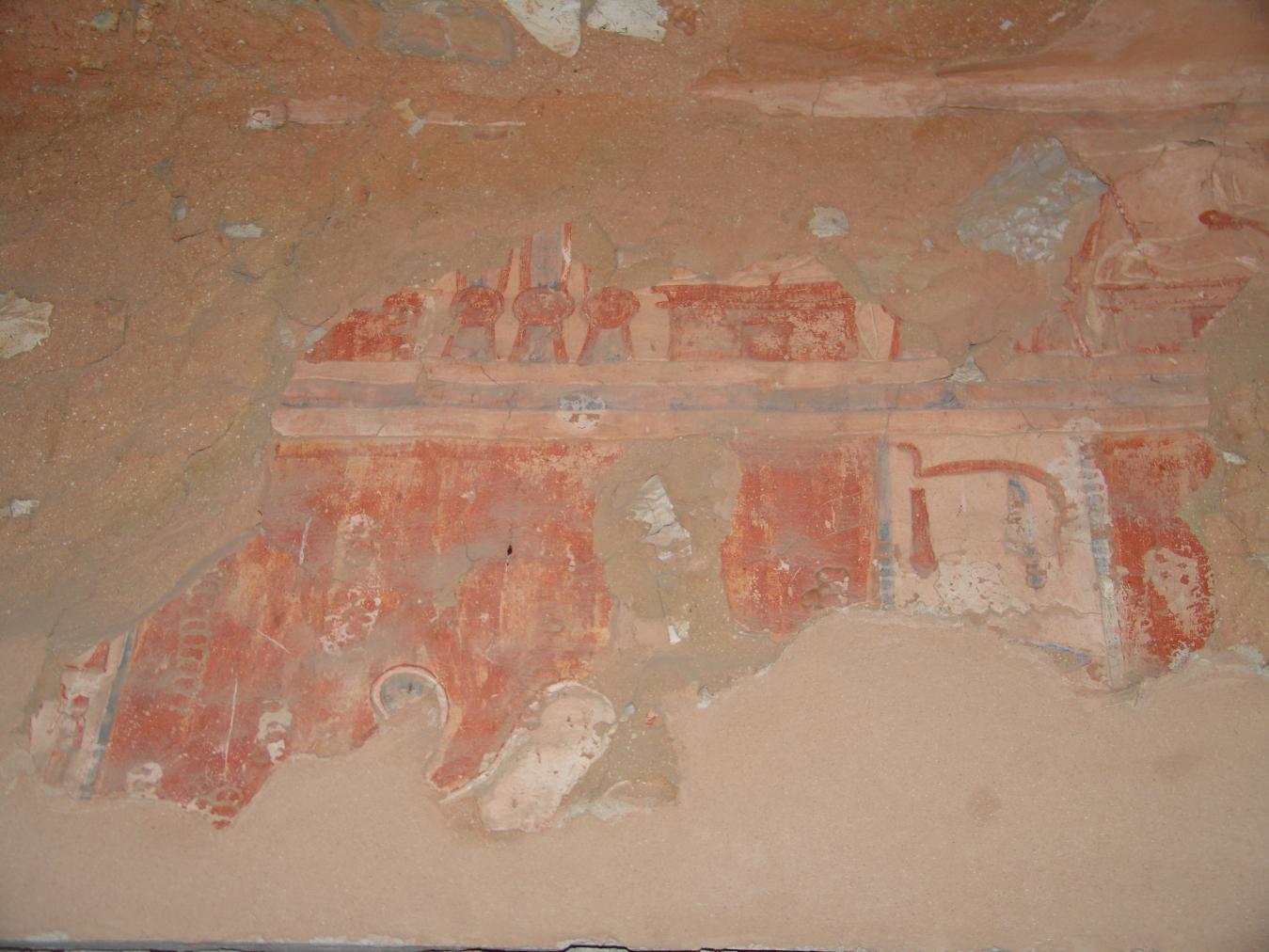
View of the remaining decoration above Gate Cb. © Getty Conservation Institute and the Ministry of Tourism and Antiquities.
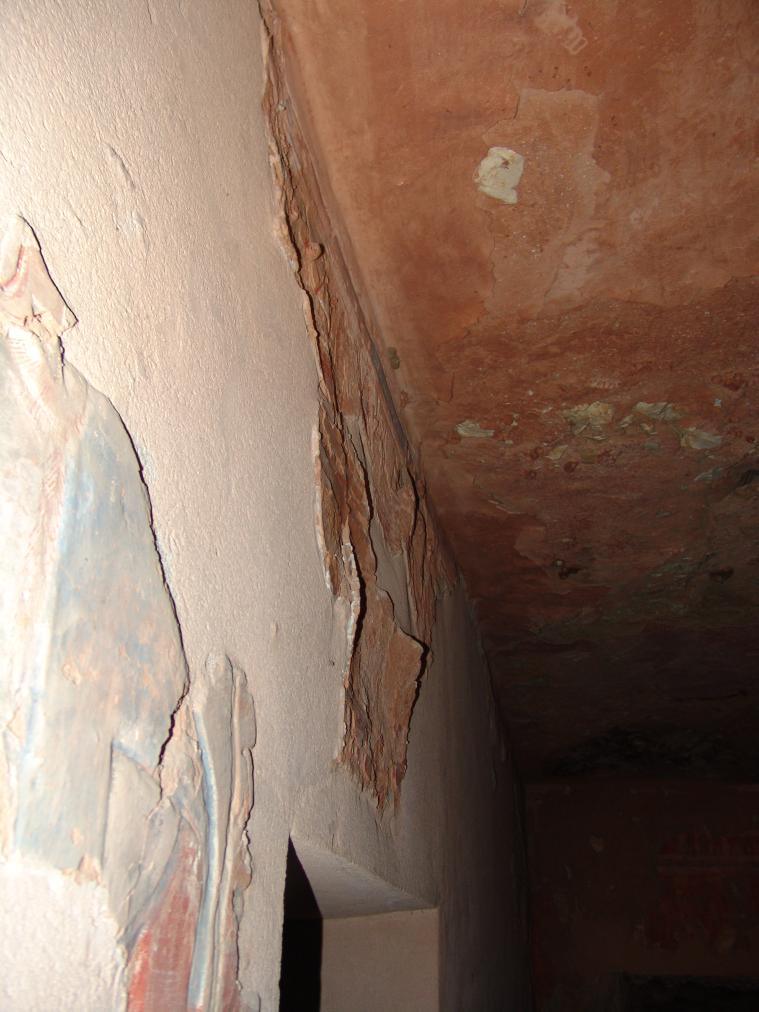
View of remaining fragmentary relief around Gate Ca. © Getty Conservation Institute and the Ministry of Tourism and Antiquities.
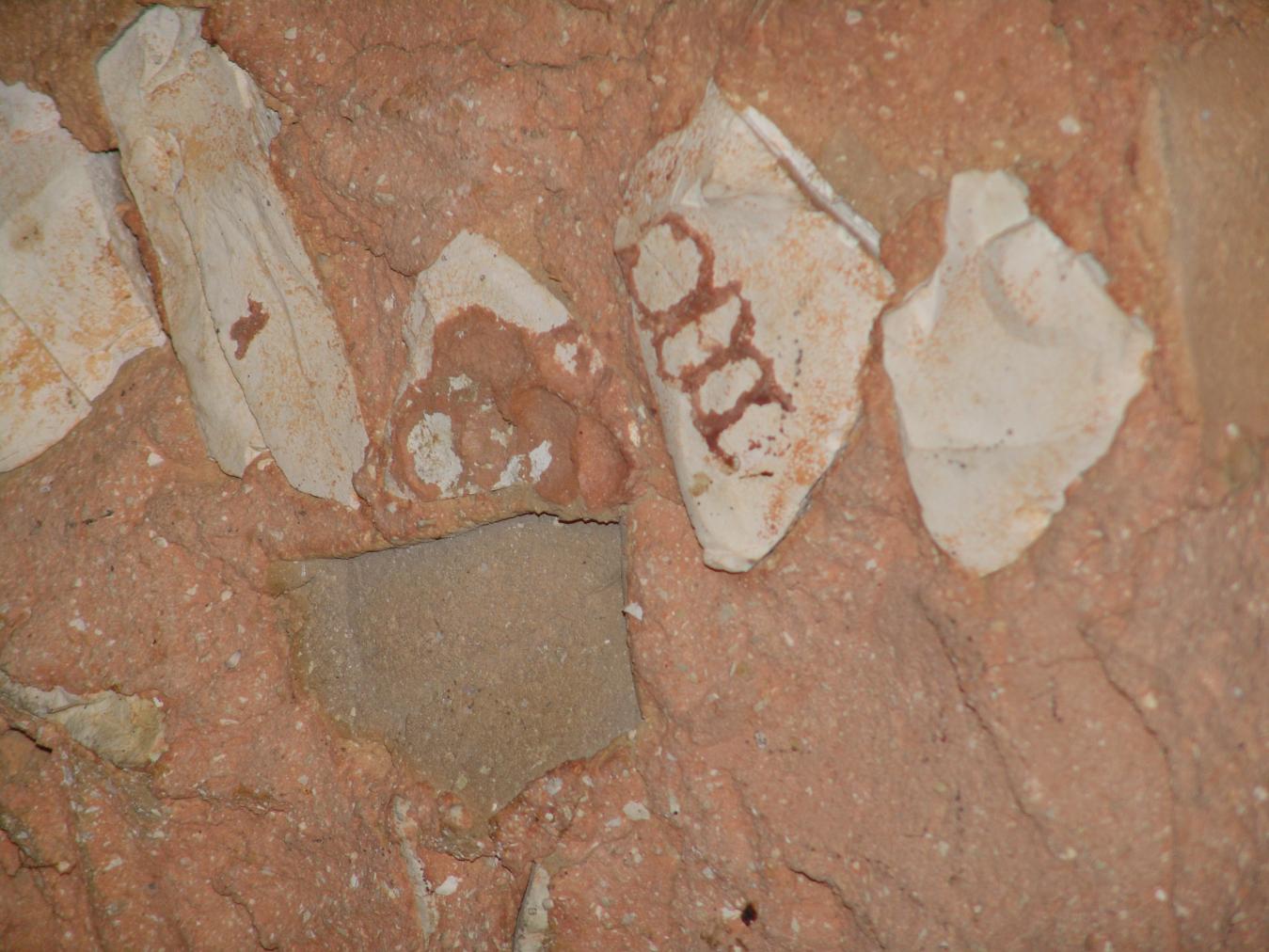
Detail of the ceiling with remains of wasps nests. © Getty Conservation Institute and the Ministry of Tourism and Antiquities.
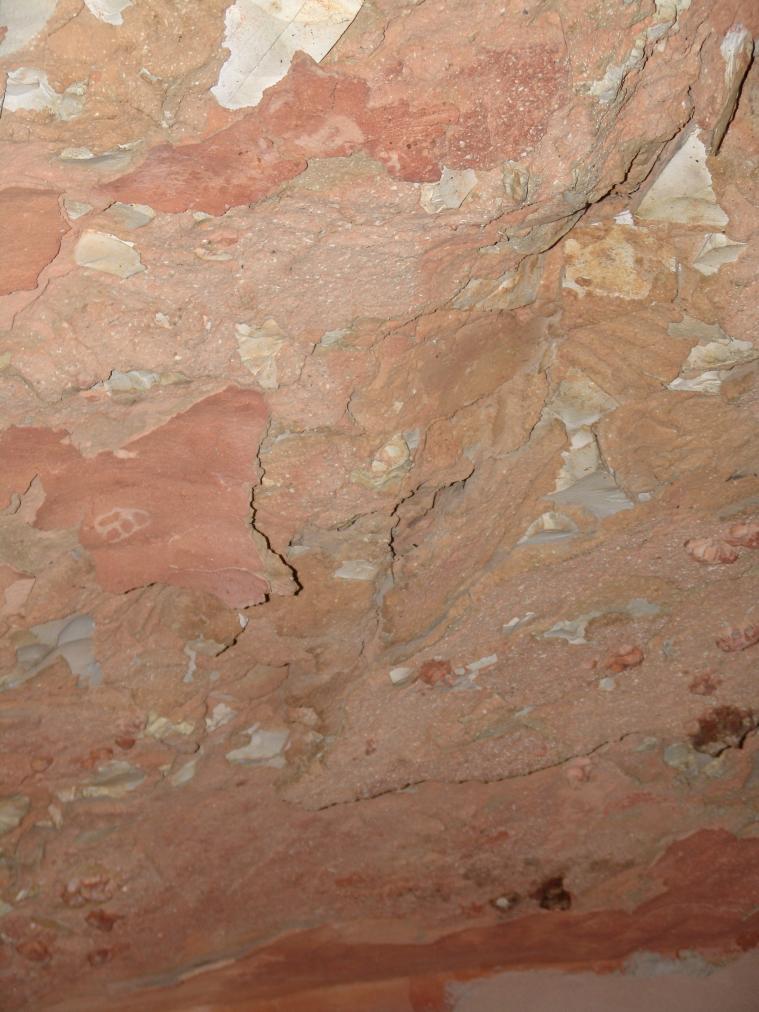
Detail of the ceiling with remains of wasps nests. © Getty Conservation Institute and the Ministry of Tourism and Antiquities.
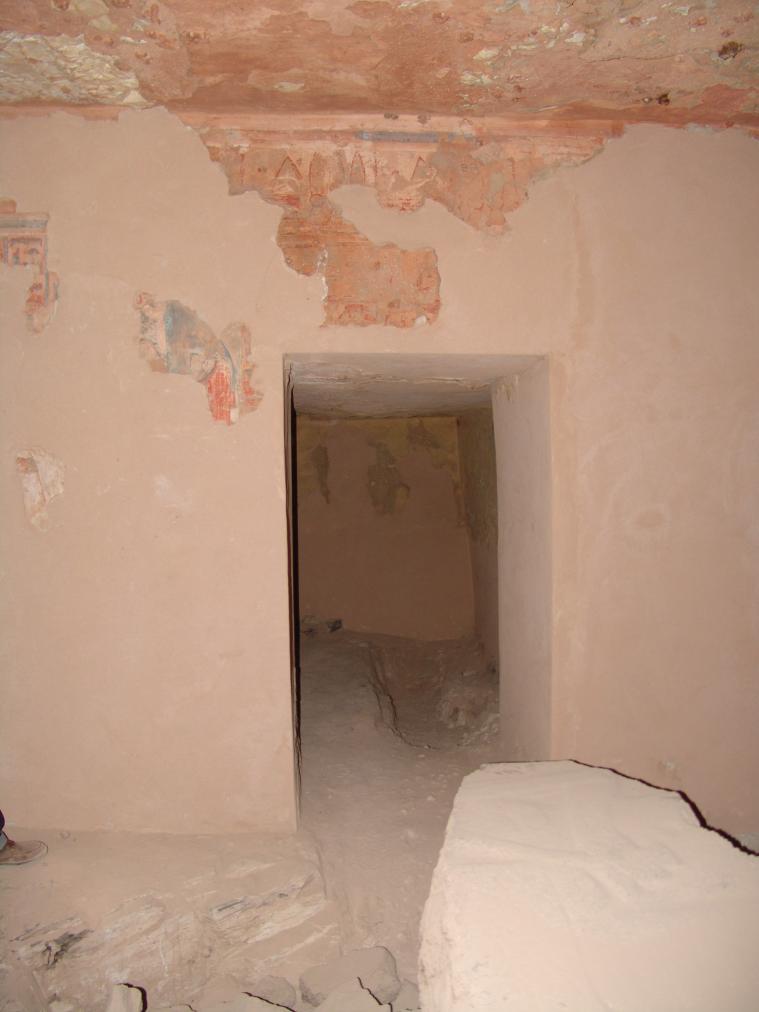
View of Gate Ca. © Getty Conservation Institute and the Ministry of Tourism and Antiquities.
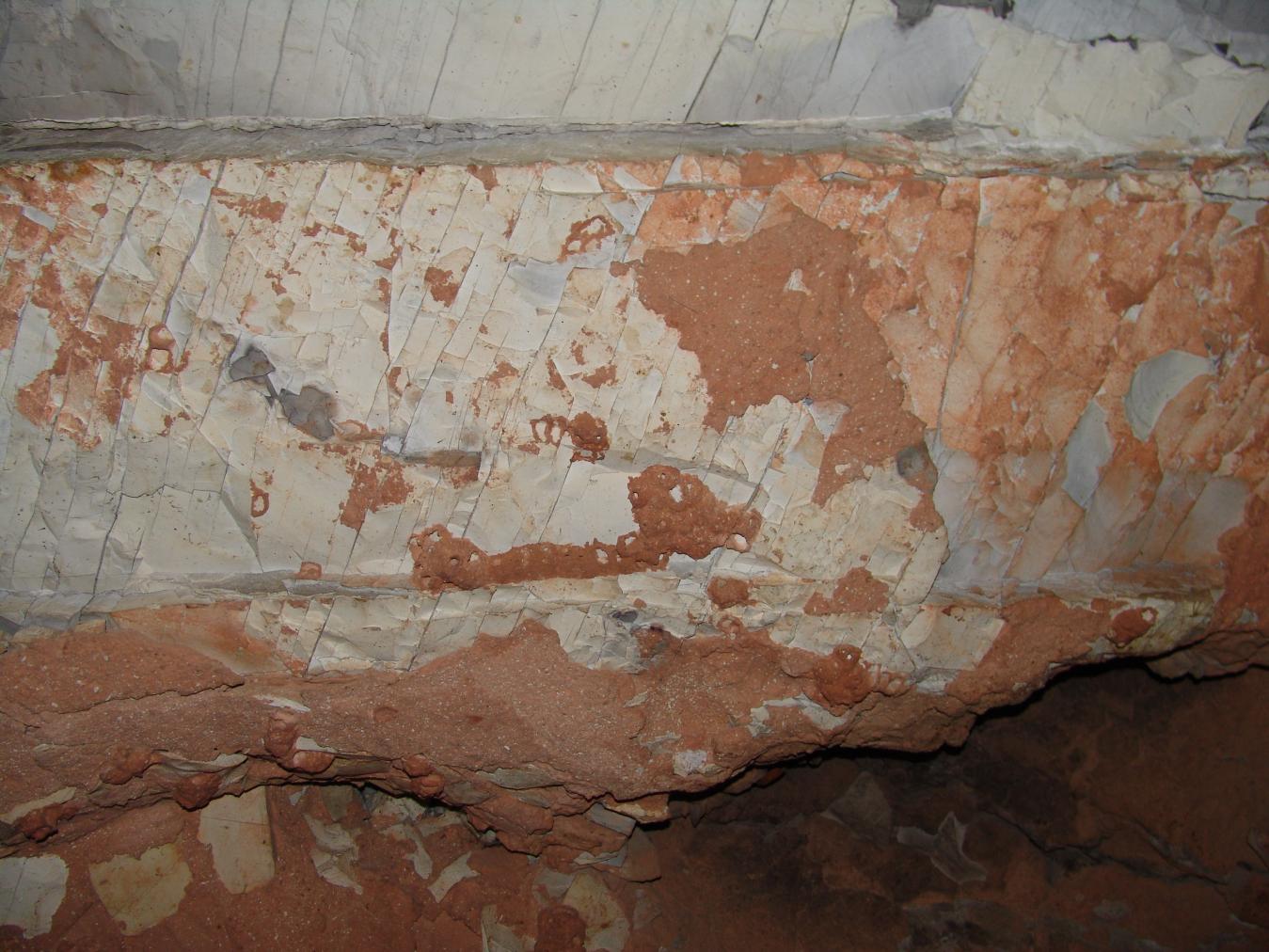
Detail of break into side chamber Cb. © Getty Conservation Institute and the Ministry of Tourism and Antiquities.
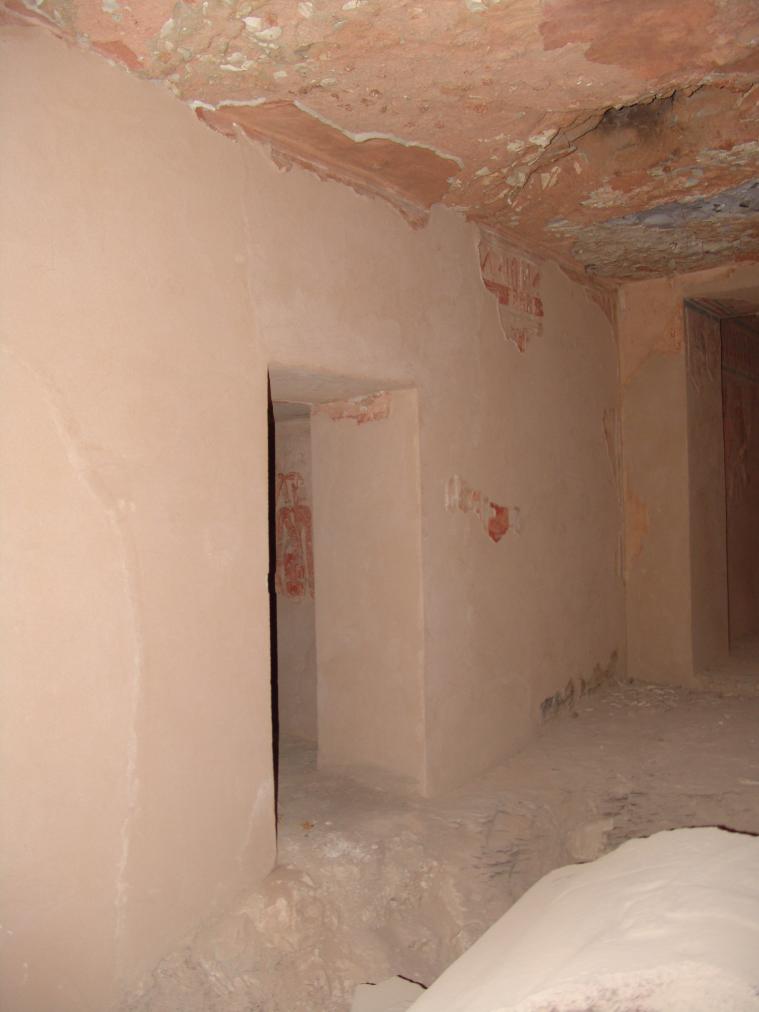
View of Gate Cc. © Getty Conservation Institute and the Ministry of Tourism and Antiquities.
Gate Ca
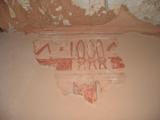
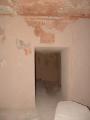
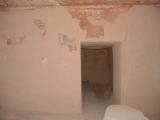
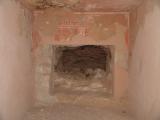
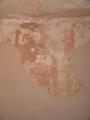
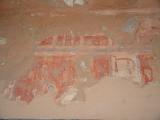
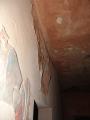
See entire tombThe wall into which the gate is cut is badly damaged. This is especially clear at the door jambs. The gate is undecorated.
View of eastern wall and reconstructed Gate Ca. © Getty Conservation Institute and the Ministry of Tourism and Antiquities.
View of the eastern wall and reconstructed Gate Ca. © Getty Conservation Institute and the Ministry of Tourism and Antiquities.
View of Gate Ca and the remaining decoration on the east wall. © Getty Conservation Institute and the Ministry of Tourism and Antiquities.
View of Gate Ca and the remaining decoration on the eastern wall. © Getty Conservation Institute and the Ministry of Tourism and Antiquities.
View of Gate Ca. © Getty Conservation Institute and the Ministry of Tourism and Antiquities.
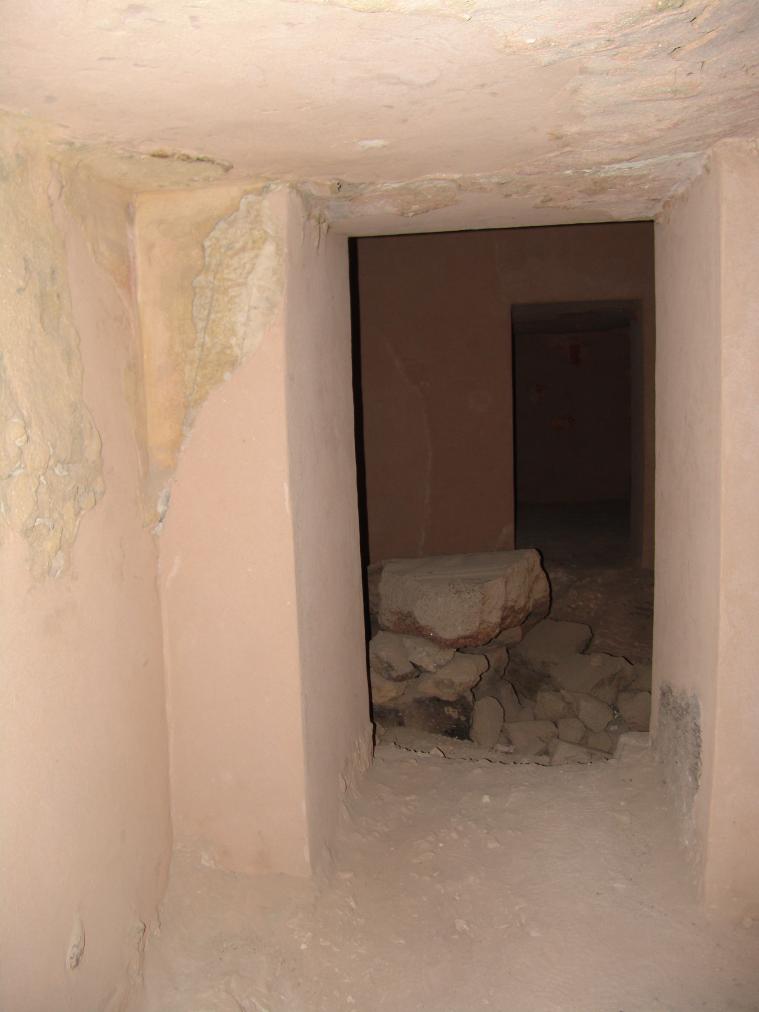
View of Gate Ca from inside side chamber Ca. © Getty Conservation Institute and the Ministry of Tourism and Antiquities.
Side chamber Ca
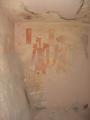
See entire tombThe walls of this side room have suffered damage and the decoration is only partly preserved. Only the north and east wall reliefs have survived. The north wall has representations of four unidentifiable male deities and the east wall has two of the four sons of Horus. The other two sons were most probably also depicted, but the painting and plaster have been lost.
Porter and Moss designation:
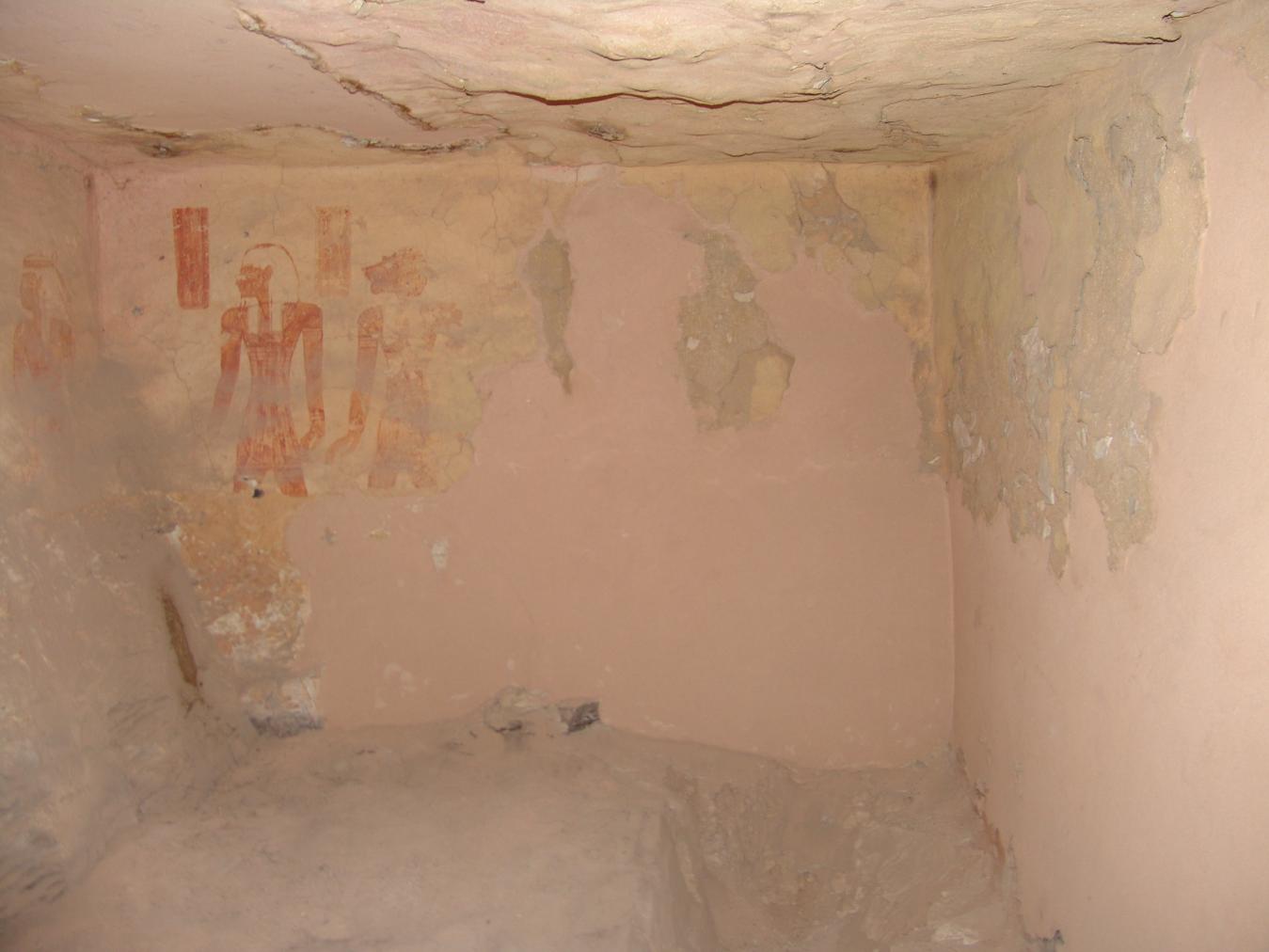
Two of the four sons of Horus, Imsety and Happy. © Getty Conservation Institute and the Ministry of Tourism and Antiquities.
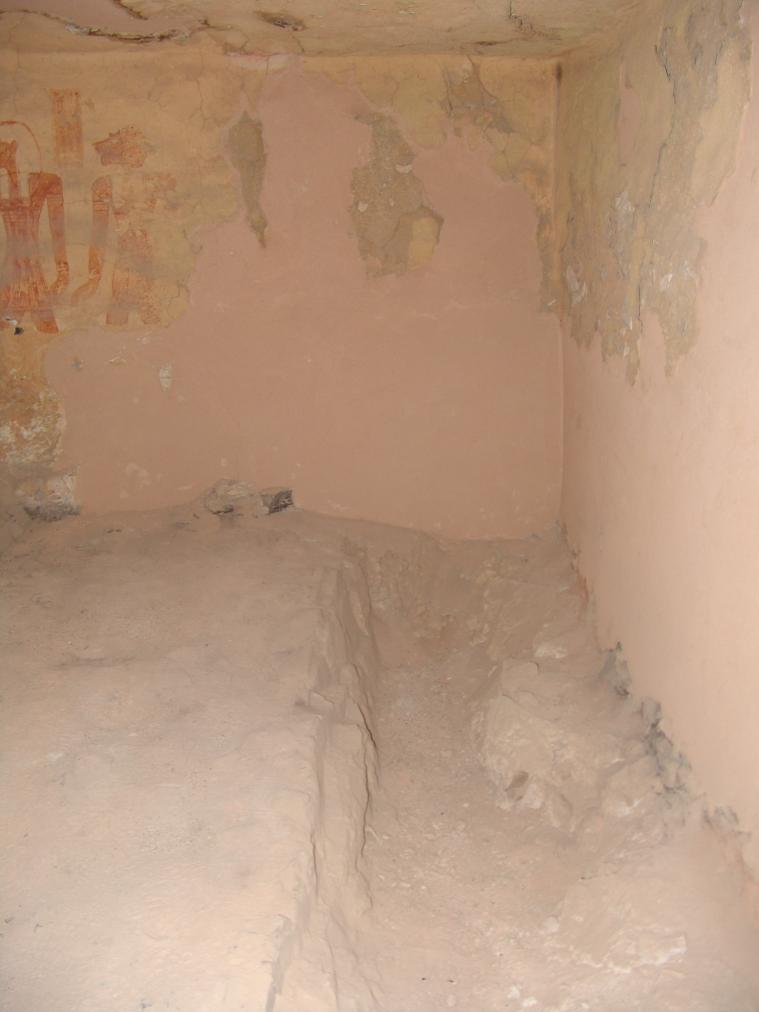
View of side chamber Ca. © Getty Conservation Institute and the Ministry of Tourism and Antiquities.
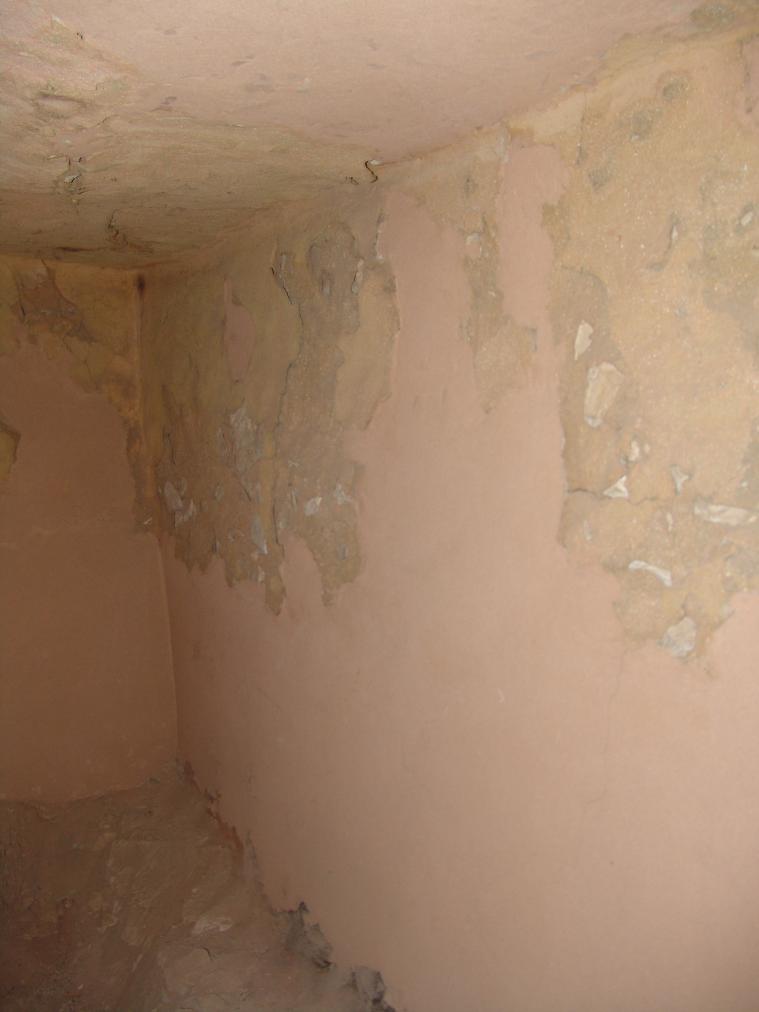
View of the southern wall. © Getty Conservation Institute and the Ministry of Tourism and Antiquities.
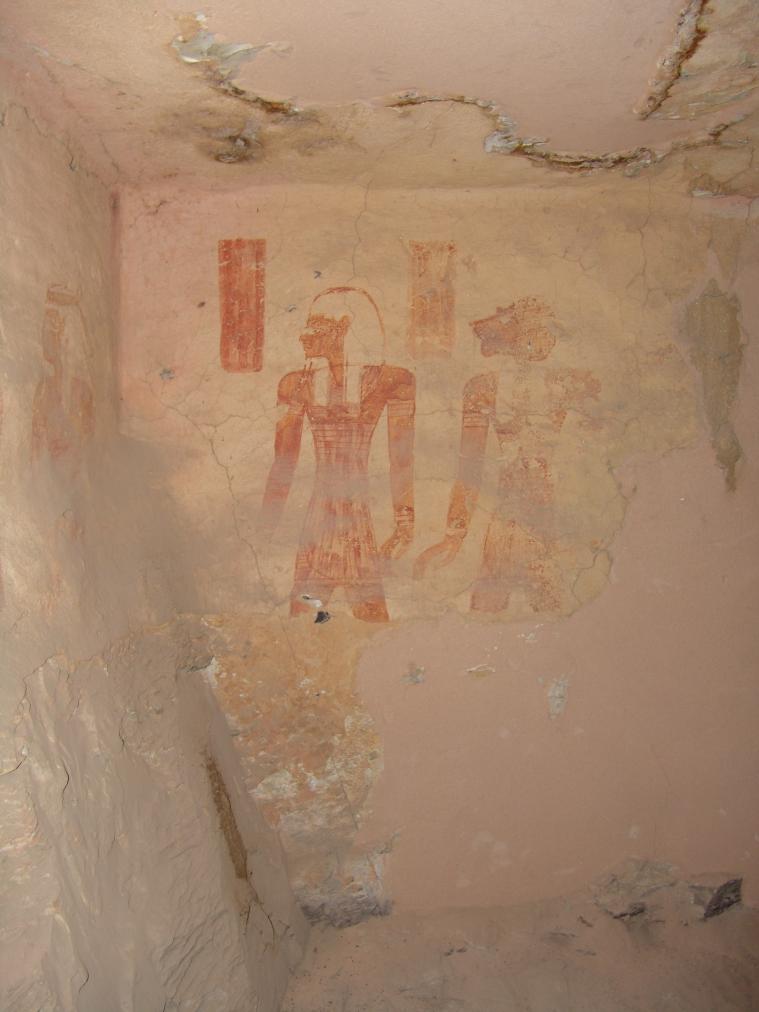
Detail of the two of the four sons of Horus, Imsety and Hapy. © Getty Conservation Institute and the Ministry of Tourism and Antiquities.
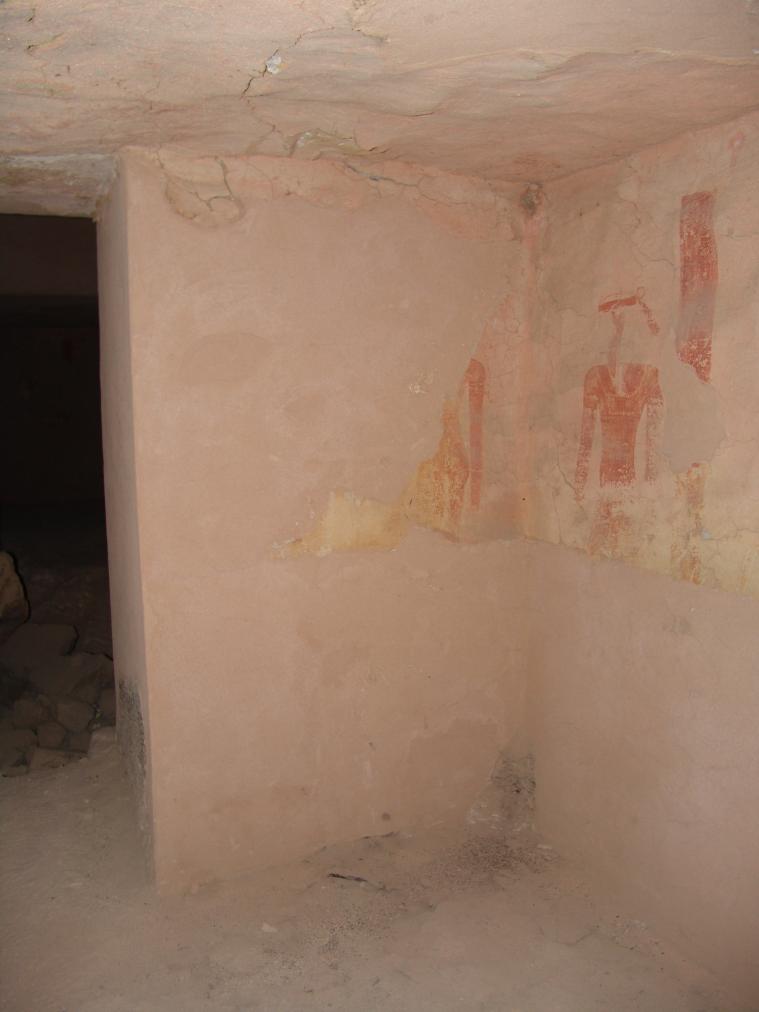
Four unidentifiable male deities. © Getty Conservation Institute and the Ministry of Tourism and Antiquities.
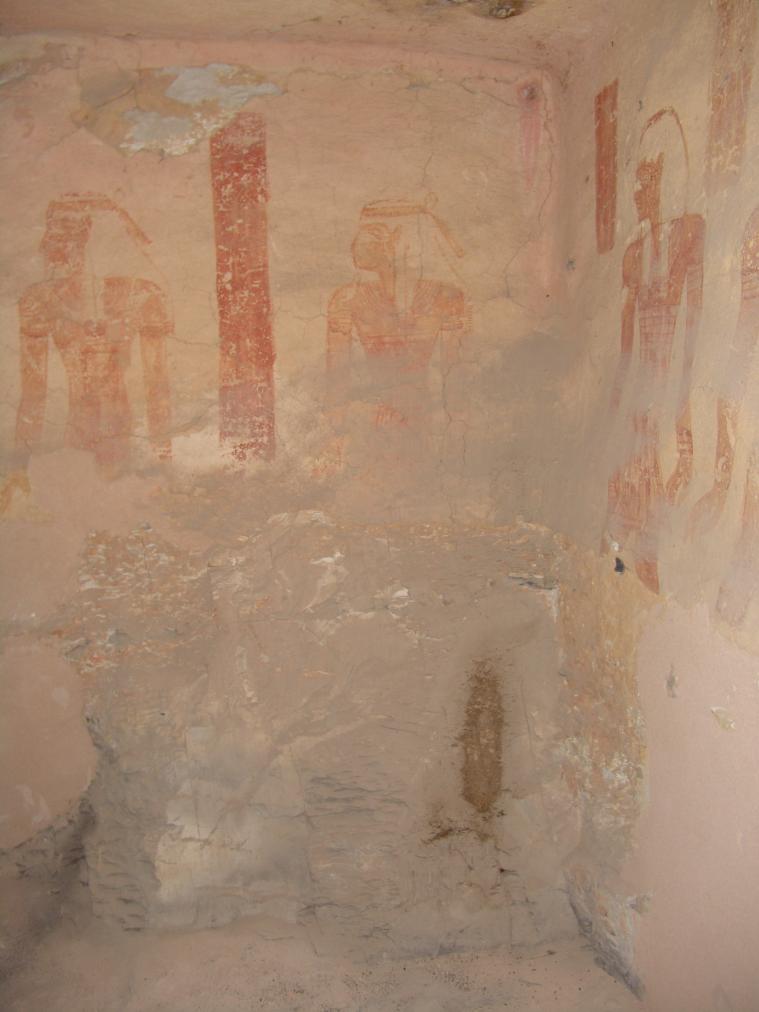
Four unidentifiable male deities. © Getty Conservation Institute and the Ministry of Tourism and Antiquities.
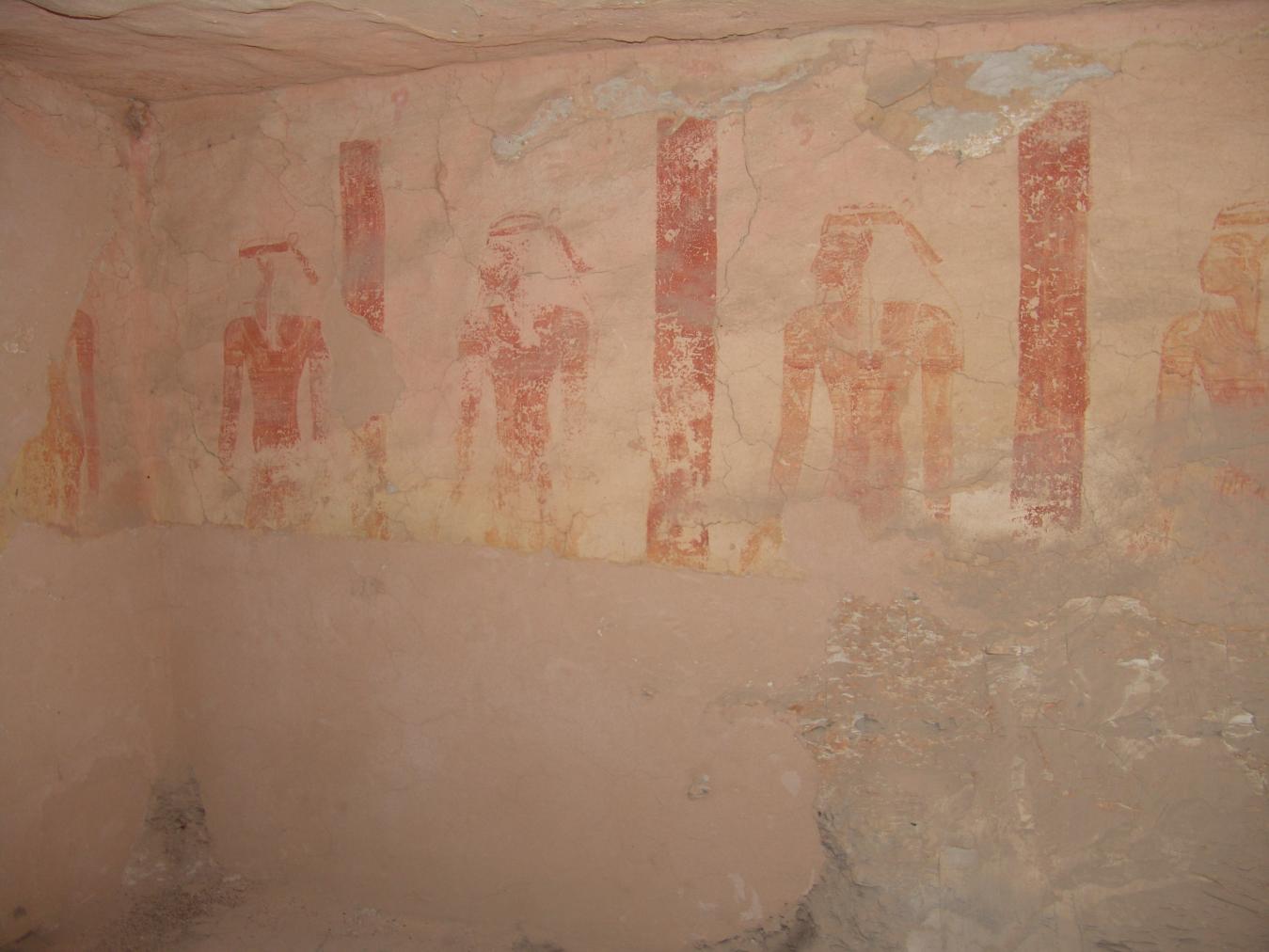
Four unidentifiable male deities. © Getty Conservation Institute and the Ministry of Tourism and Antiquities.
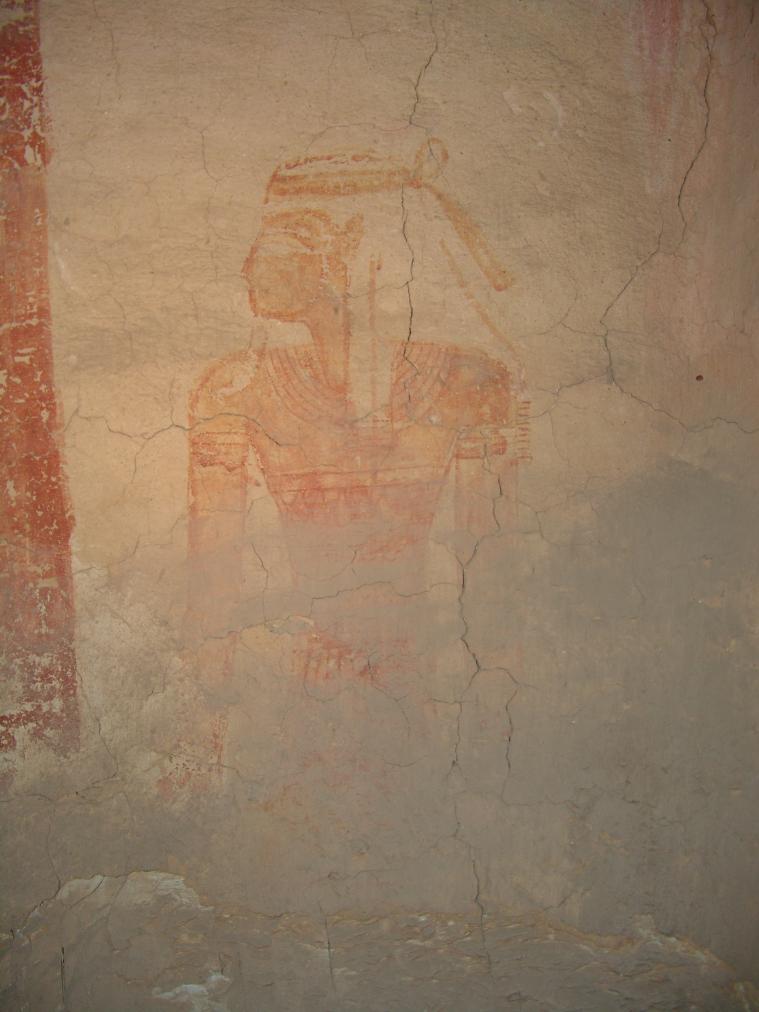
Detail of a deity. © Getty Conservation Institute and the Ministry of Tourism and Antiquities.
Side chamber Cb
See entire tombThe southern wall of the Burial Chamber (C) blocked this side chamber and was damaged when looters broke through. The side chamber is, however, unfinished and contains no decoration.
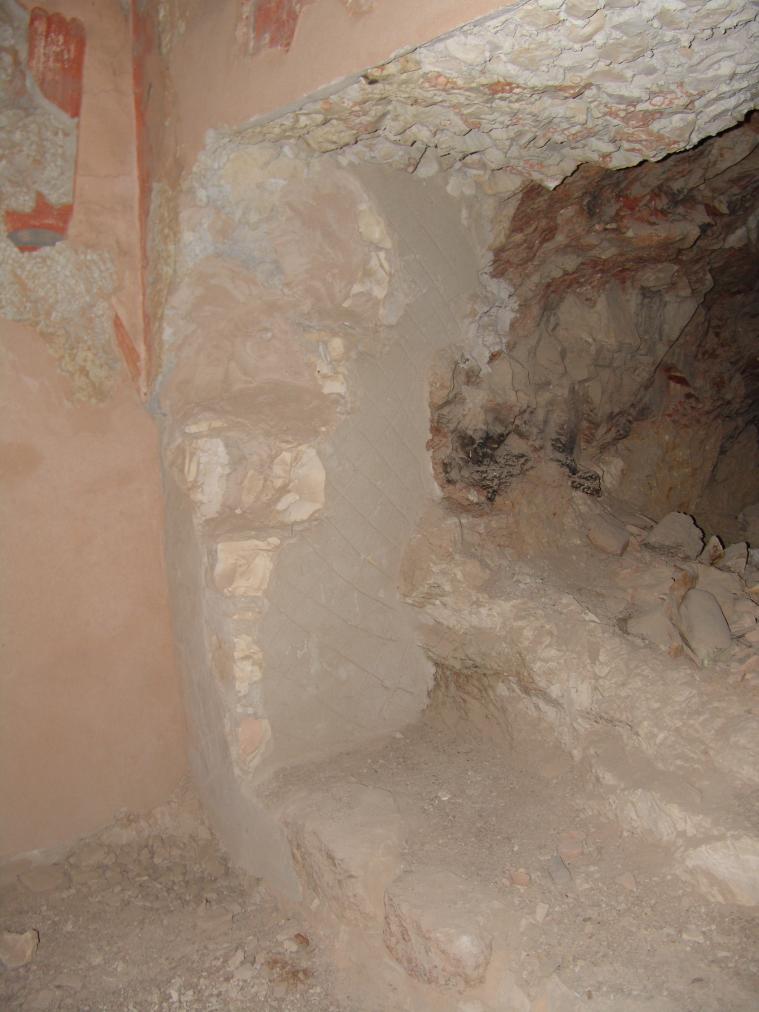
View of Side Chamber Cb. © Getty Conservation Institute and the Ministry of Tourism and Antiquities.
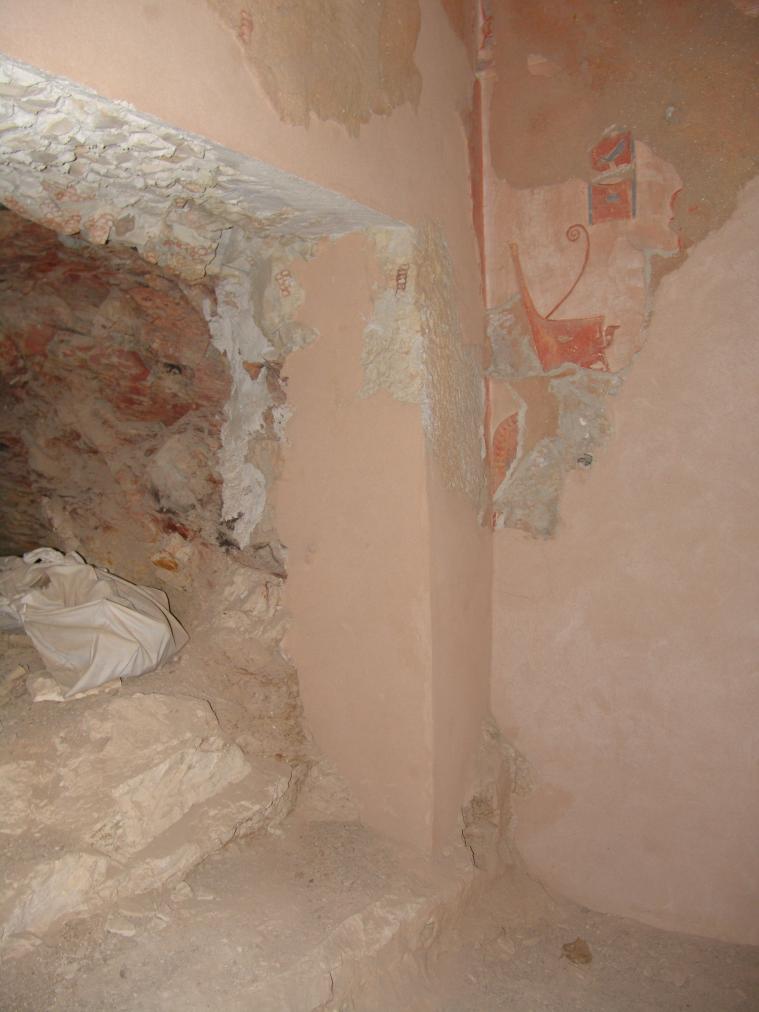
View of Side Chamber Cb. © Getty Conservation Institute and the Ministry of Tourism and Antiquities.
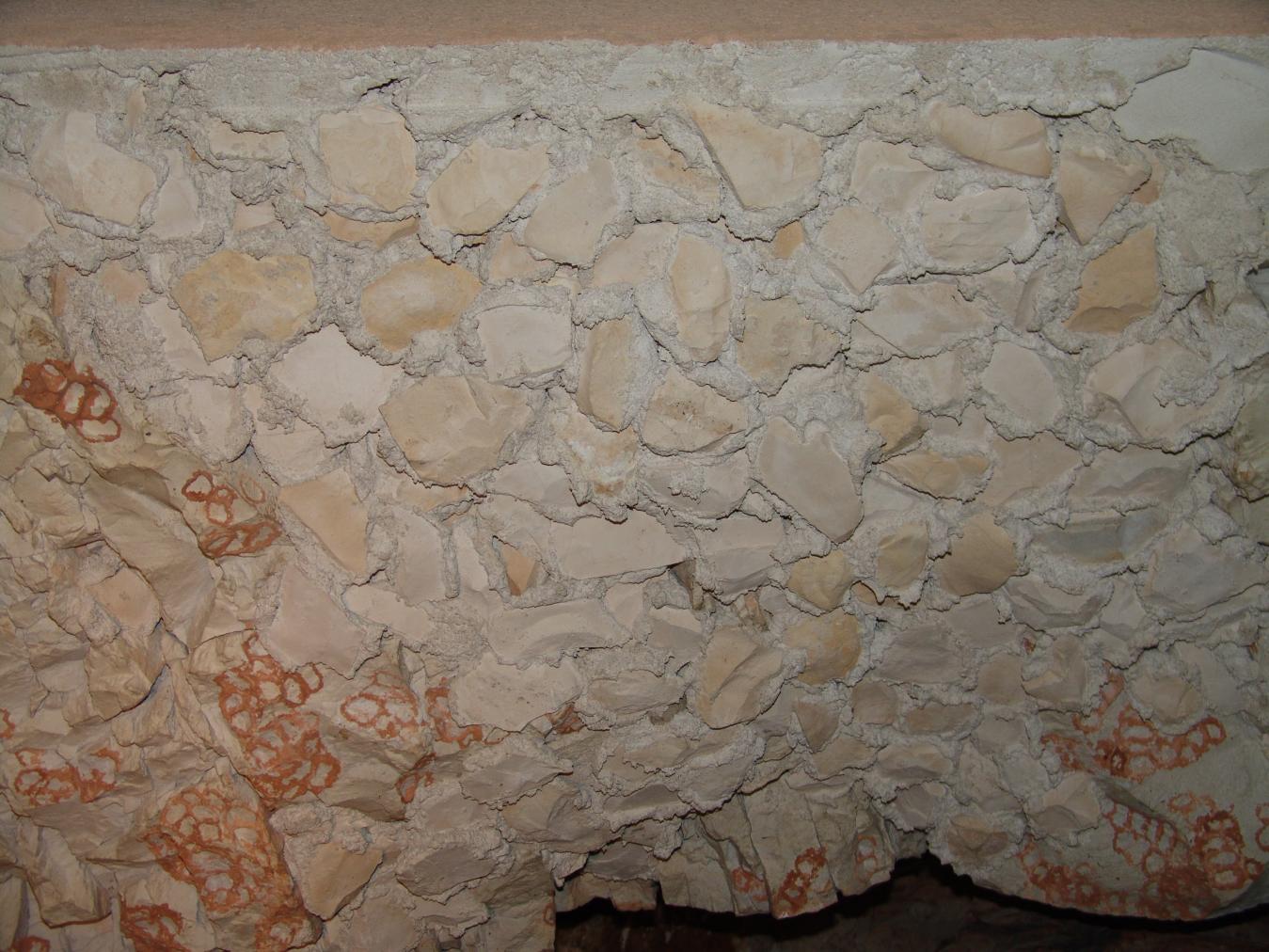
View of break in Side Chamber Cb. © Getty Conservation Institute and the Ministry of Tourism and Antiquities.
Gate Cc
See entire tombThe wall into which the gate is cut is badly damaged. This is especially clear at the door jambs. The gate is undecorated.
View of the western wall and reconstructed Gate Cc. © Getty Conservation Institute and the Ministry of Tourism and Antiquities.
View of the western wall and reconstructed Gate Cc. © Getty Conservation Institute and the Ministry of Tourism and Antiquities.
View of unfinished side chamber Cb. © Getty Conservation Institute and the Ministry of Tourism and Antiquities.
Detail of break into side chamber Cb. © Getty Conservation Institute and the Ministry of Tourism and Antiquities.
View of Gate Cc. © Getty Conservation Institute and the Ministry of Tourism and Antiquities.
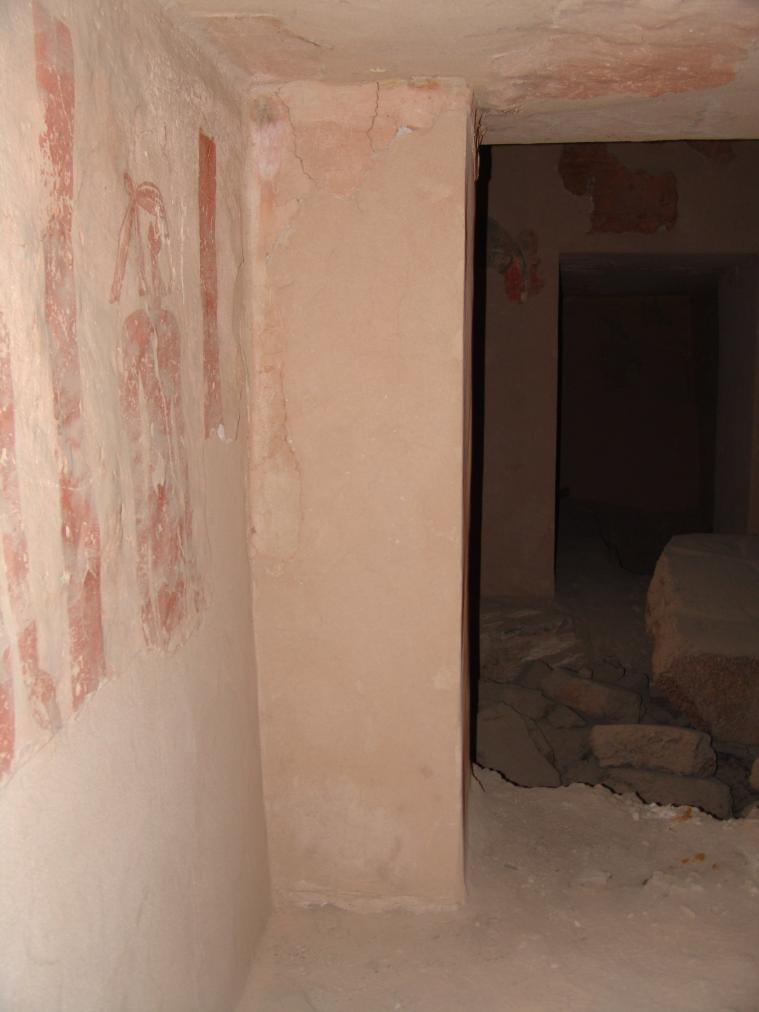
View of Gate Cc, and Neit, Serqet, Isis, and Nephthys on the northern wall. © Getty Conservation Institute and the Ministry of Tourism and Antiquities.
Side chamber Cc
See entire tombPorter and Moss designation:
View of unfinished side chamber Cb. © Getty Conservation Institute and the Ministry of Tourism and Antiquities.
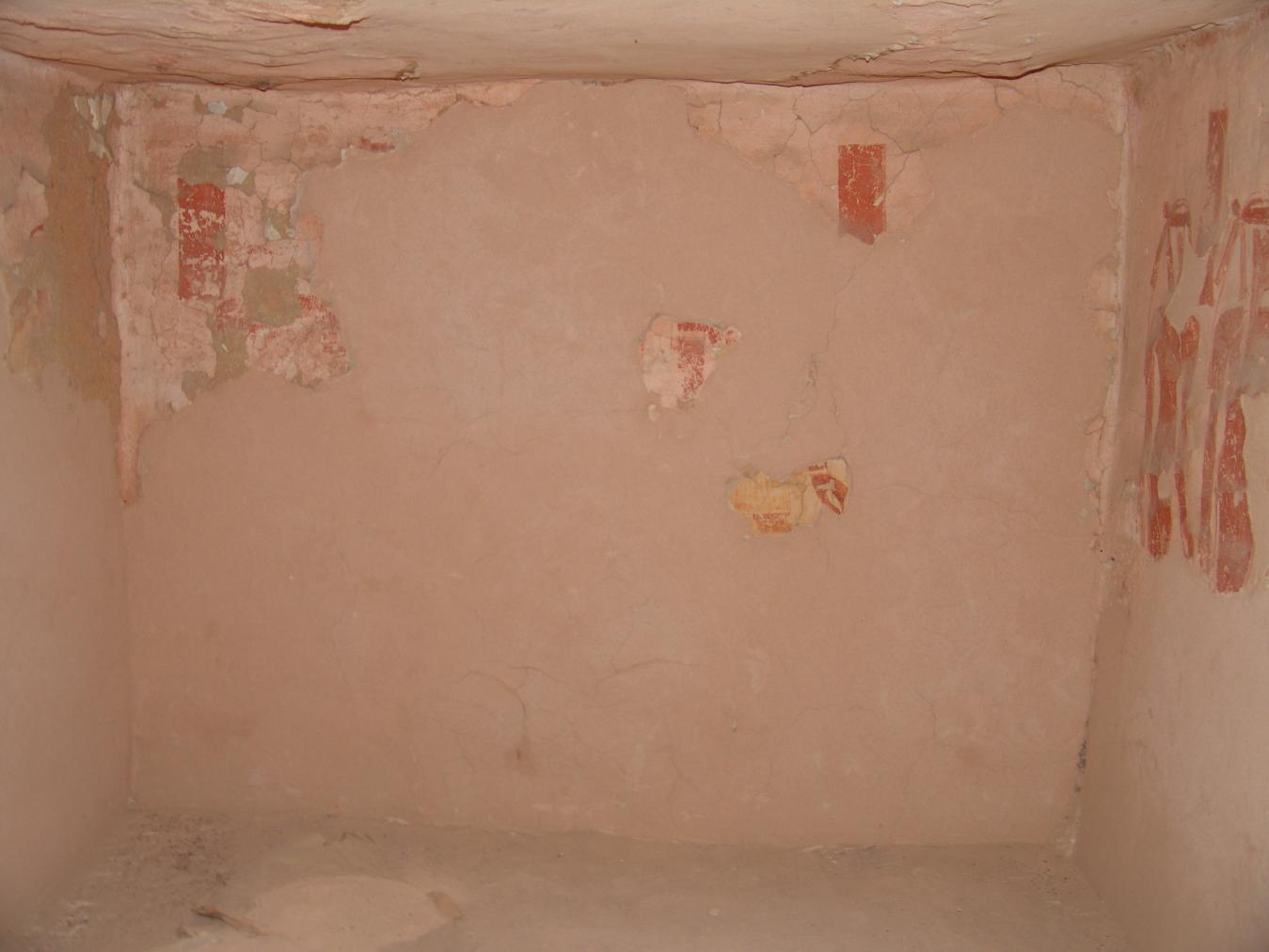
View of the west wall with fragmentary decoration. © Getty Conservation Institute and the Ministry of Tourism and Antiquities.
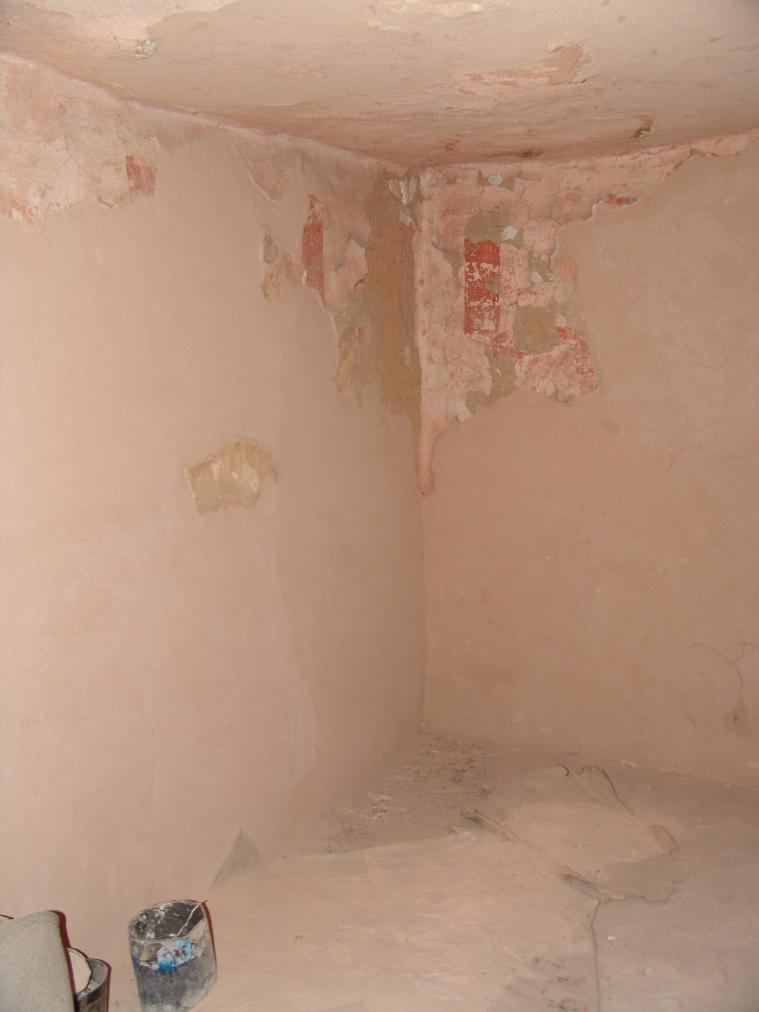
View of southwest corner with fragmentary decoration. © Getty Conservation Institute and the Ministry of Tourism and Antiquities.
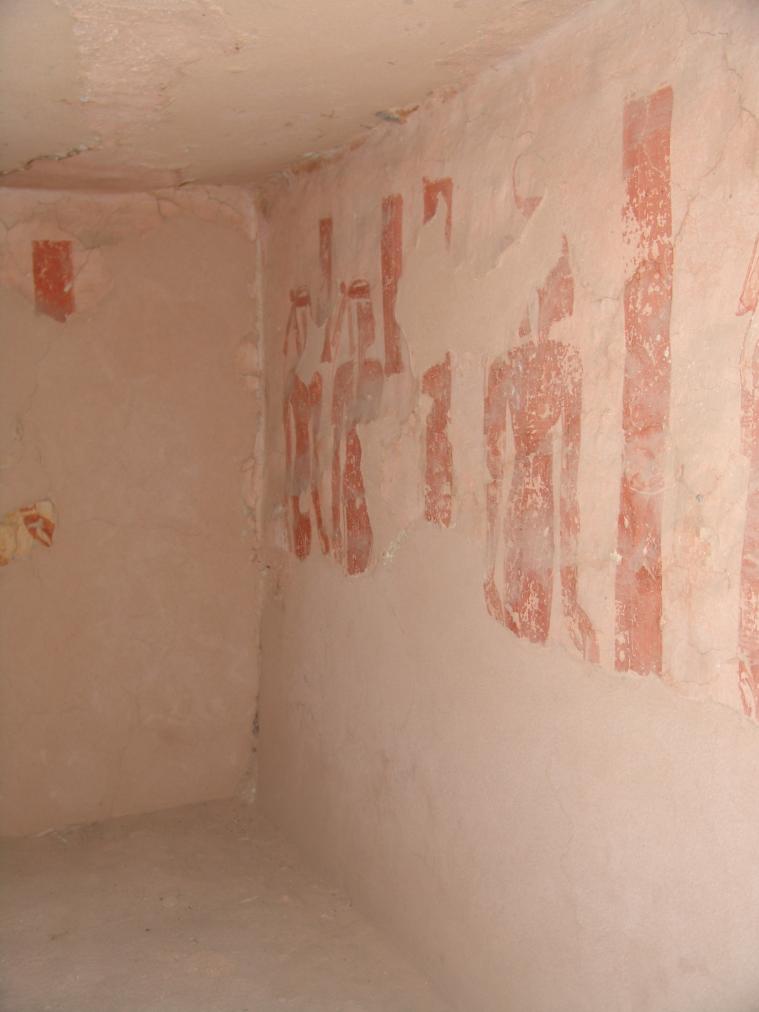
Neit, Serqet, Isis and Nephthys. © Getty Conservation Institute and the Ministry of Tourism and Antiquities.
View of Gate Cc, and Neit, Serqet, Isis, and Nephthys on the northern wall. © Getty Conservation Institute and the Ministry of Tourism and Antiquities.
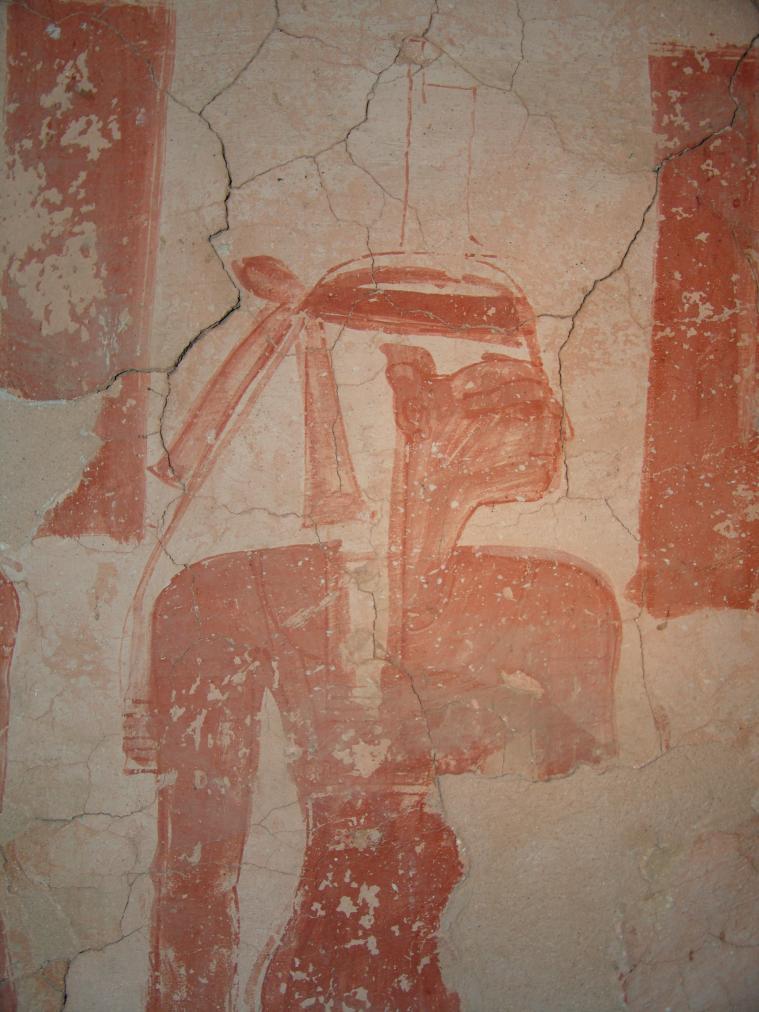
Detail of Isis. © Getty Conservation Institute and the Ministry of Tourism and Antiquities.
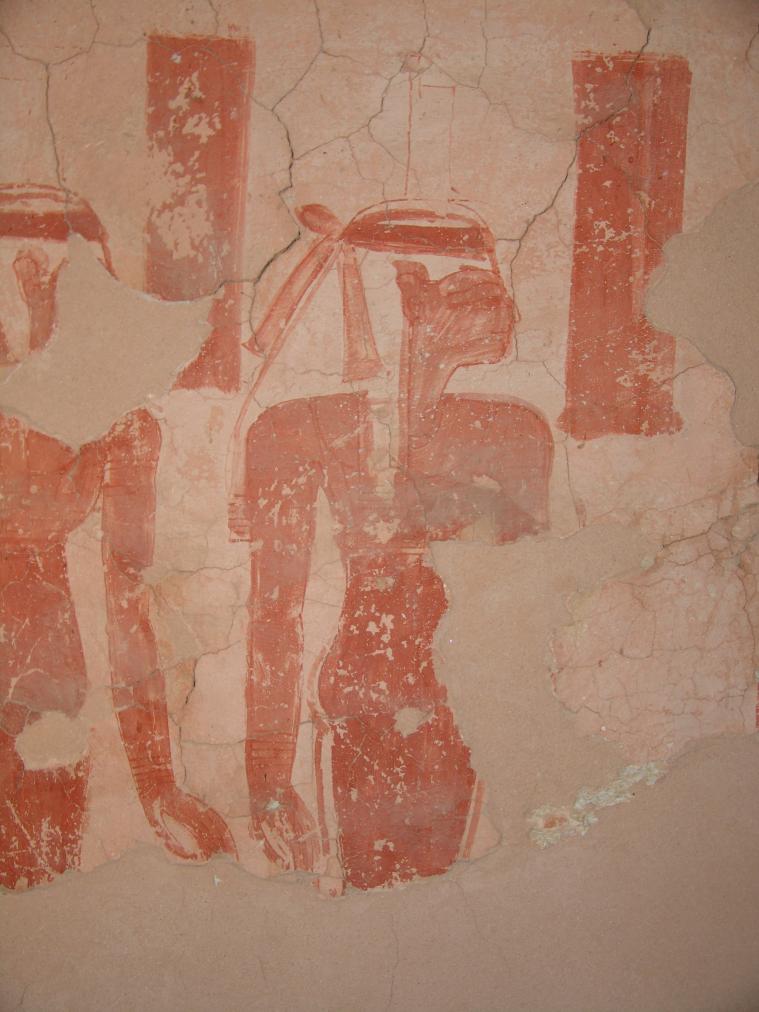
Detail of Isis. © Getty Conservation Institute and the Ministry of Tourism and Antiquities.
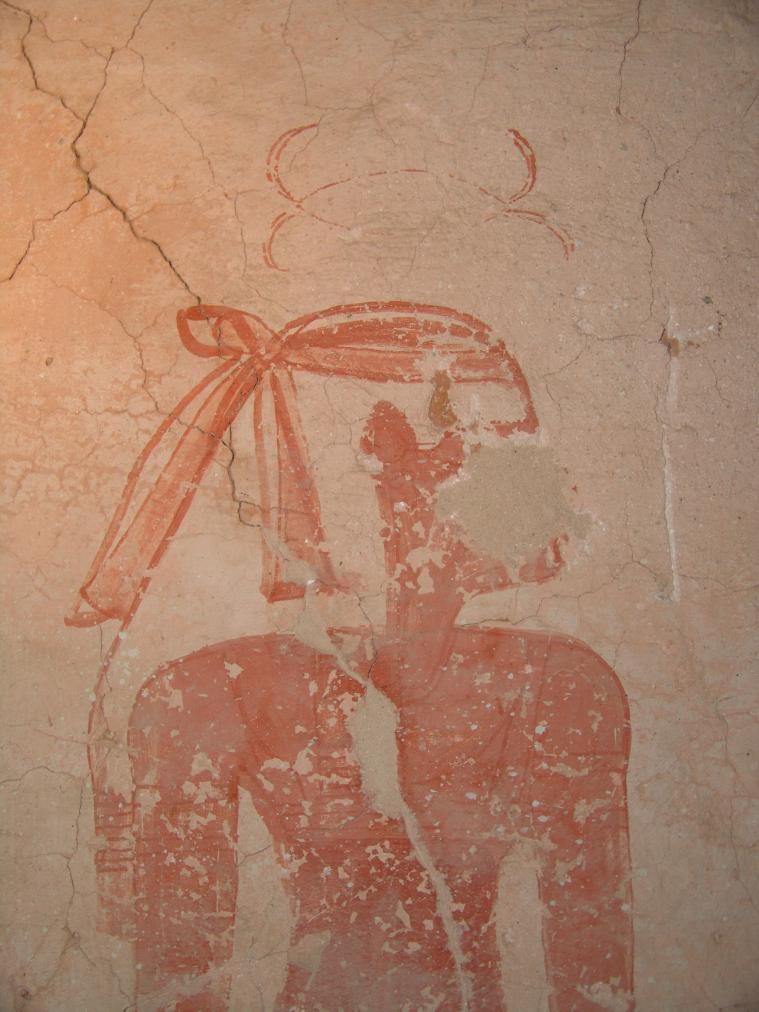
Detail of Neit. © Getty Conservation Institute and the Ministry of Tourism and Antiquities.
About
About
QV 51 is situated along the south side of the northwest branch of the main Wadi. The orientation of the tomb is along a roughly north-south axis and is distinct from nearby QV 52, QV 53 and QV 55. QV 51 is accessed through entrance Ramp (A) leading into long corridor (B) that opens into burial chamber (C) with a sunken pit for the Sarcophagus. There is a rear unfinished side chamber (Cb) and two further side chambers off the east (Ca) and west (Cc) sides of the burial chamber. Side chamber (Ca) has a shallow excavated trench along its south wall. The walls were cut straight and flat in corridor B, indicating good quality rock substrate, and there is fine tooling of the stone visible in this area. The quality of the rock generally worsens toward the rear of the tomb, where sizable voids required infilling with quantities of rock shards and plaster. The ceiling also required plaster and rock infill. Hand marks in the ceiling plaster indicate the application method. In areas were the rock was able to be finely carved, only a thin skim of plaster was applied before painting - in some cases the surface of the rock substrate can be seen showing through. The tomb exhibits severe fire-related heat damage but little blackening.
QV 51 is attributed to Isis-ta-Hemdjeret, the wife of Rameses III and mother of Rameses IV and Rameses VI. Soon after her burial, the tomb was opened by robbers in the late 20th Dynasty. In modern history, the tomb has been accessible since the time of Robert Hay of Linplum (1826) and was recorded subsequently by other researchers. According to Hay, the tomb was "much destroyed and filled with rubbish" and the back wall broken in search of a chamber. Ernesto Schiaparelli cleared the tomb of debris during the Italian Archaeological Expedition's work in the Valley (1903-1905). He considered it to be the last tomb constructed in the Valley, as a Cartouche of Rameses VI was found in Gate C. Elizabeth Thomas (1959-60) notes that many sarcophagus fragments remained, as they do today, scattered throughout corridor (B) and burial chamber (C). Thomas also compared the quality of the decoration in corridor (B), Gate (C), and the rear of chamber (C) to that of QV 52, calling the rest poor in quality. She further suggests that the work, overseen by Rameses VI for his mother, was interrupted and hastily finished, based primarily on the crudeness of the decoration in the side chambers. The tomb was last cleared by the Franco-Egyptian Mission in 1986.
Currently the tomb is not open to visitation. It has, however, been heavily treated as if in preparation for opening. The doorway is blocked by a metal door and the entrance ramp has a modern masonry surround with cement capping.
Noteworthy features:
QV 51 is attributed to Isis-ta-Hemdjeret, the wife of Rameses III and mother of Rameses IV and Rameses VI.
Site History
The tomb was constructed in the 20th Dynasty, during the reign of Rameses VI, and shortly looted thereafter.
Dating
This site was used during the following period(s):
Exploration
Conservation
Conservation History
According to the GCI-SCA, the tomb has been extensively treated. The treatment was undertaken in 1988 by the Egyptian Antiquities Organization (EAO) and included reconstruction of missing parts of walls and doorways. Different repair approaches were used in different chambers - some areas left the original lower plaster exposed while in other areas it was covered. Cement was used in rear niche (Cb) on the door jambs as a base plaster. Bags of cement and other conservation materials were found in the western side chamber (Cc). It is possible that this cement plaster was also used elsewhere in the tomb, though evidence of this is now obscured by the upper pink-colored final plaster layer. Edging repairs are also present in the burial chamber and in side chambers, though their application is not comprehensive. There is also evidence of injection holes and drips in the corridor but not in the burial chamber. From 1988-1991, different treatment periods are recorded by SCA conservators to undertake "monitoring of old treatments". It is unclear what this means and if there were problems associated with earlier treatments.
Site Condition
According to the GCI-SCA, the current condition of the rock is difficult to assess because of the large modern plaster repairs that cover most of the tomb today. A tilted open joint is visible on the exterior of the tomb on the west side of the entryway, but there is no evidence of recent movement or loss along it. The joint extends to a fracture in the west jamb of the entrance, but no further movement has occurred since the doorway was rebuilt. The ceiling of the burial chamber (C) is heavily fractured with substantial areas of loss, one of which may be recent and possibly ongoing. Losses most often occur along fissures in the rock and where substantial quantities of infill material were used. The burial chamber (C) walls have suffered the most loss of decoration. Surviving areas of decoration are fragile and detached, especially on the ceiling of burial chamber (C). There is also loss of decoration at the base of walls throughout the tomb.
The tomb has suffered intense heat damage, but surfaces are not fire blackened except for small areas on the east wall of corridor (B). A horizontal line of heat alteration is also visible in corridor (B), particularly noticeable in the pigment alteration from yellow to red, at the lower parts of the west wall. The base of the wall was perhaps protected by sand or debris so that the fire only affected the upper parts of the tomb. The plaster has also become rigid and brittle, cracking and detaching from its substrate, and is lifting in areas. The burial chamber has suffered the most heat alteration, though the plasters in the rear side chambers are also heat damaged and fragile with severe cracking and detachment. Areas of painting in the corridor also show other forms of deterioration. The upper border Kheker frieze has an unusual pattern of loss where the red circles are almost entirely lost leaving only a ring of red. This suggests an application of a varnish in specific areas that has led to preferential loss. The blue paint appears to be almost completely lost in areas, sometimes with the upper plaster layer gone as well. The pigment was very thickly applied directly onto the plaster instead of over a layer of black, as was typical, so that its appearance is paler than normal. Black resinous-looking drips are also found on the walls in the corridor. Staining, probably due to bat activity, is evident in the rear of the tomb. Complete loss of decoration at the base of the walls indicates a strong possibility of flooding in this tomb. The regularity of the loss at the base of the wall in corridor (B) is particularly strange and gives the impression that these areas were possibly intentionally cut. Rock fissuring and loss of substantial infill material have also contributed to the fragmentary survival of the decoration that we see today.
Hieroglyphs
Queen Isis-ta-Hemdjeret
 Great Royal Mother, Lady of the Two Lands, Mistress of the North and South, Isis-ta-Hemdjeret
mwt-wrt-nswt nbt-tAwy Hnwt-Smaw-mHw Ast-tA-Hmsrt
Interior of the tomb of Queen Isis-ta-Hemdjeret (QV 51) photographed during Ernesto Schiaparelli's excavations. Italian Archaeological Expedition excavations. Courtesy of the Egyptian Museum in Turin.

Entrance to QV51, QV52, QV53, QV55, and unfinished QV85 in background with workers' huts in foreground.
Entrance to QV51
Entrance to QV51
Entrance to QV51
Entrance to QV51

Entrance to QV85, QV51, and visitors shelter.
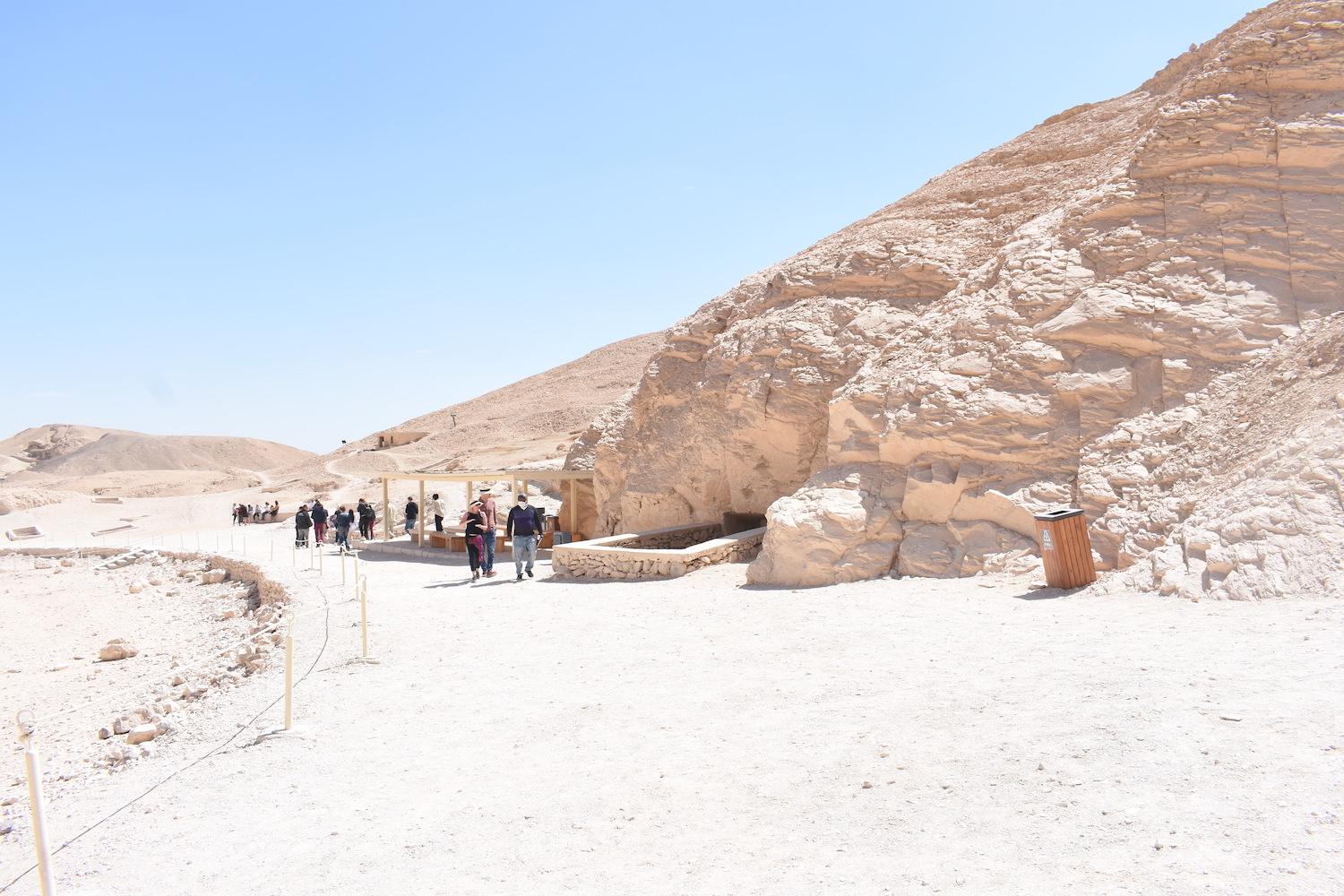
Entrance to QV51 and visitors shelter.

Entrance to QV51, QV59, worker's huts, and visitors shelter
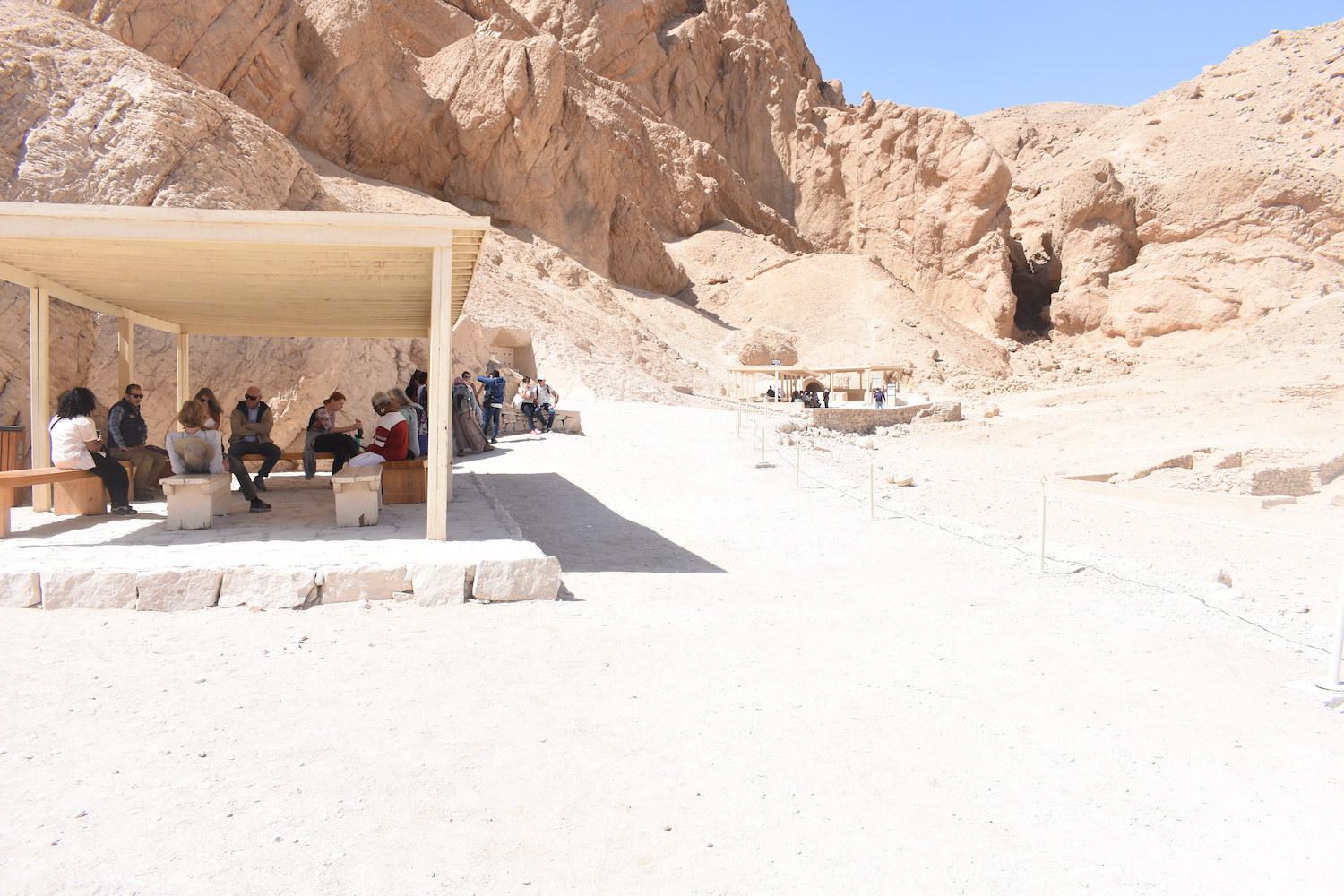
Visitors shelter between QV50 and QV51

General view of the main wadi towards QV66 with entrances to QV51, QV52, QV58, QV59, QV80, QV85, workers’ huts, and visitors shelter at QV66

General view of the main wadi from northwestern side of the main wadi with entrances to QV51, QV52, QV58, QV59, QV80, and QV85. Workers’ huts, visitors shelter at QV66, and lime kiln in the foreground.

Visitors shelter between QV50 and QV51 with grotto in the background
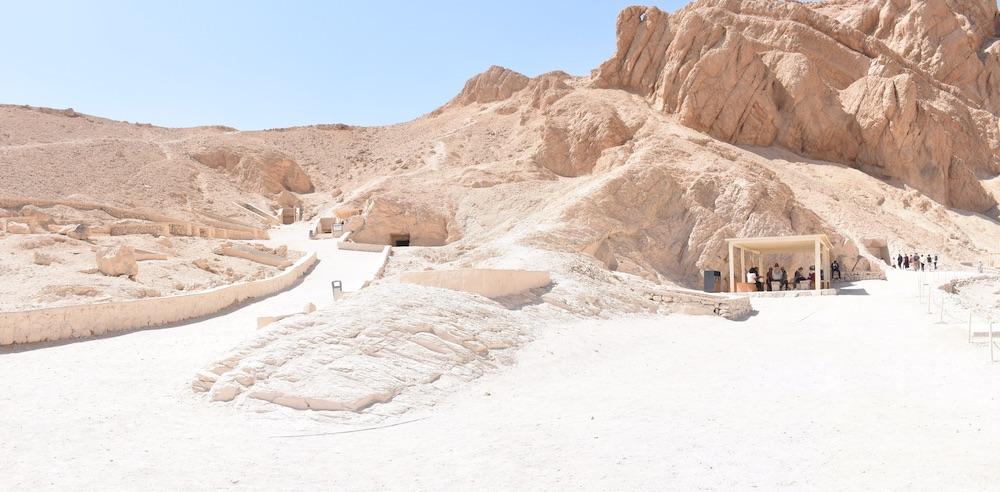
QV49 and QV50 in the foreground with the northern and southern branches of the main wadi in the background.
View of the tomb entrance. © Getty Conservation Institute and the Ministry of Tourism and Antiquities.
View of the tomb entrance. © Getty Conservation Institute and the Ministry of Tourism and Antiquities.
View of the tomb entrance and Gate B. © Getty Conservation Institute and the Ministry of Tourism and Antiquities.
The original tomb sign from the Italian archaeological expedition (1903-1905). © Getty Conservation Institute and the Ministry of Tourism and Antiquities.
"Closed for restoration" sign. © Getty Conservation Institute and the Ministry of Tourism and Antiquities.
View of the right thickness of Gate B. © Getty Conservation Institute and the Ministry of Tourism and Antiquities.
View of the left thickness of Gate B. © Getty Conservation Institute and the Ministry of Tourism and Antiquities.
View of the soffit. © Getty Conservation Institute and the Ministry of Tourism and Antiquities.
Detail of the remaining relief. © Getty Conservation Institute and the Ministry of Tourism and Antiquities.
Detail of the remaining relief. © Getty Conservation Institute and the Ministry of Tourism and Antiquities.
Detail of the restoration work. © Getty Conservation Institute and the Ministry of Tourism and Antiquities.
View of Corridor B. © Getty Conservation Institute and the Ministry of Tourism and Antiquities.
View of Corridor B. © Getty Conservation Institute and the Ministry of Tourism and Antiquities.
Floor of Corridor B. © Getty Conservation Institute and the Ministry of Tourism and Antiquities.
The queen offering to an unknown deity (damaged), the queen offering to an unknown deity (damaged), and the queen offering braziers to Banebdjed. © Getty Conservation Institute and the Ministry of Tourism and Antiquities.
The queen (damaged) worshipping before an unidentified deity (damaged), the queen (damaged) before unidentified deity (damaged), and the Queen (damaged) before Nefertum (damaged). © Getty Conservation Institute and the Ministry of Tourism and Antiquities.
The queen offering to an unknown deity (damaged), the queen offering to an unknown deity (damaged), and the queen offering braziers to Banebdjed. © Getty Conservation Institute and the Ministry of Tourism and Antiquities.
The queen (damaged) worshipping before unidentified deity (damaged), the queen (damaged) before unidentified deity (damaged), and the queen (damaged) before Nefertum (damaged). © Getty Conservation Institute and the Ministry of Tourism and Antiquities.
View of Corridor B towards the tomb entrance. © Getty Conservation Institute and the Ministry of Tourism and Antiquities.
View of Corridor B towards the tomb entrance. © Getty Conservation Institute and the Ministry of Tourism and Antiquities.
The queen (damaged) worshipping before unidentified deity (damaged), the queen (damaged) before unidentified deity (damaged), and the queen (damaged) before Nefertum (damaged). © Getty Conservation Institute and the Ministry of Tourism and Antiquities.
View of the ceiling. © Getty Conservation Institute and the Ministry of Tourism and Antiquities.
The queen (damaged) worshipping before unidentified deity (damaged). © Getty Conservation Institute and the Ministry of Tourism and Antiquities.
The queen offering papyrus stems to Ptah-Sokar, and the queen offering to an unknown deity (damaged). © Getty Conservation Institute and the Ministry of Tourism and Antiquities.
View of Gate C and Corridor C. © Getty Conservation Institute and the Ministry of Tourism and Antiquities.
Detail of the remaining painted relief. © Getty Conservation Institute and the Ministry of Tourism and Antiquities.
Detail of the Queen's garment. © Getty Conservation Institute and the Ministry of Tourism and Antiquities.
Detail of the Kheker Frieze. © Getty Conservation Institute and the Ministry of Tourism and Antiquities.
Detail of a deity's garment. © Getty Conservation Institute and the Ministry of Tourism and Antiquities.
Detail of Queen in adoration before a deity. © Getty Conservation Institute and the Ministry of Tourism and Antiquities.
Detail of the Kheker Frieze. © Getty Conservation Institute and the Ministry of Tourism and Antiquities.
Detail of an offering table and remains of wasps nests. © Getty Conservation Institute and the Ministry of Tourism and Antiquities.
Detail of a deity's garment. © Getty Conservation Institute and the Ministry of Tourism and Antiquities.
Detail of hieroglyphs. © Getty Conservation Institute and the Ministry of Tourism and Antiquities.
Detail of a deity. © Getty Conservation Institute and the Ministry of Tourism and Antiquities.
Detail of the Kheker Frieze. © Getty Conservation Institute and the Ministry of Tourism and Antiquities.
Detail of a remaining scene of the queen before a deity. © Getty Conservation Institute and the Ministry of Tourism and Antiquities.
The queen in adoration before a deity. © Getty Conservation Institute and the Ministry of Tourism and Antiquities.
Detail of a deity's garment. © Getty Conservation Institute and the Ministry of Tourism and Antiquities.
Detail of the queen's garment. © Getty Conservation Institute and the Ministry of Tourism and Antiquities.
Detail of the Queen offering to a deity. © Getty Conservation Institute and the Ministry of Tourism and Antiquities.
Detail of a fragmentary offering table. © Getty Conservation Institute and the Ministry of Tourism and Antiquities.
Detail of the queen. © Getty Conservation Institute and the Ministry of Tourism and Antiquities.
Detail of the queen's sash. © Getty Conservation Institute and the Ministry of Tourism and Antiquities.
Detail of the queen's garment. © Getty Conservation Institute and the Ministry of Tourism and Antiquities.
Detail of the Kheker Frieze. © Getty Conservation Institute and the Ministry of Tourism and Antiquities.
Detail of remaining painted relief. © Getty Conservation Institute and the Ministry of Tourism and Antiquities.
Detail of remaining painted relief. © Getty Conservation Institute and the Ministry of Tourism and Antiquities.
Detail of unfinished ceiling. © Getty Conservation Institute and the Ministry of Tourism and Antiquities.
Nekhbet as vulture atop a lotus bundle. © Getty Conservation Institute and the Ministry of Tourism and Antiquities.
Wadjet as a cobra atop a papyrus bundle. © Getty Conservation Institute and the Ministry of Tourism and Antiquities.
Evocation to Behdet in the form of a winged sun disk. © Getty Conservation Institute and the Ministry of Tourism and Antiquities.
Nekhebt as a vulture with wings outspread and clutching khu-fans. © Getty Conservation Institute and the Ministry of Tourism and Antiquities.
Nekhebt as a vulture with wings outspread and clutching khu-fans. © Getty Conservation Institute and the Ministry of Tourism and Antiquities.
Wadjet as a cobra atop a papyrus bundle. © Getty Conservation Institute and the Ministry of Tourism and Antiquities.
Nekhbet as a vulture atop a lotus bundle. © Getty Conservation Institute and the Ministry of Tourism and Antiquities.
View of Burial Chamber C with a break in southern wall to the unfinished side chamber Cb. © Getty Conservation Institute and the Ministry of Tourism and Antiquities.
View of eastern wall and reconstructed Gate Ca. © Getty Conservation Institute and the Ministry of Tourism and Antiquities.
View of the western wall and reconstructed Gate Cc. © Getty Conservation Institute and the Ministry of Tourism and Antiquities.
View from Burial chamber C to the tomb entrance. © Getty Conservation Institute and the Ministry of Tourism and Antiquities.
View from Burial chamber C towards the tomb entrance. © Getty Conservation Institute and the Ministry of Tourism and Antiquities.
View of the western wall and reconstructed Gate Cc. © Getty Conservation Institute and the Ministry of Tourism and Antiquities.
View of the eastern wall and reconstructed Gate Ca. © Getty Conservation Institute and the Ministry of Tourism and Antiquities.
View of the ceiling. © Getty Conservation Institute and the Ministry of Tourism and Antiquities.
Fragmentary decoration with restoration work. © Getty Conservation Institute and the Ministry of Tourism and Antiquities.
Detail of remaining decoration - alternating frieze of Kheker and Jackals upon chapels. © Getty Conservation Institute and the Ministry of Tourism and Antiquities.
View of the ceiling. © Getty Conservation Institute and the Ministry of Tourism and Antiquities.
Remaining decoration with restoration work. © Getty Conservation Institute and the Ministry of Tourism and Antiquities.
View of Gate Ca and the remaining decoration on the east wall. © Getty Conservation Institute and the Ministry of Tourism and Antiquities.
View of Gate Ca and the remaining decoration on the eastern wall. © Getty Conservation Institute and the Ministry of Tourism and Antiquities.
Remaining fragmentary decoration with restoration work. © Getty Conservation Institute and the Ministry of Tourism and Antiquities.
Remaining fragmentary decoration with restoration work. © Getty Conservation Institute and the Ministry of Tourism and Antiquities.
View of the ceiling. © Getty Conservation Institute and the Ministry of Tourism and Antiquities.
Detail of remaining fragmentary decoration. © Getty Conservation Institute and the Ministry of Tourism and Antiquities.
Detail of remaining fragmentary decoration. © Getty Conservation Institute and the Ministry of Tourism and Antiquities.
View of unfinished side chamber Cb. © Getty Conservation Institute and the Ministry of Tourism and Antiquities.
Detail of remaining fragmentary decoration. © Getty Conservation Institute and the Ministry of Tourism and Antiquities.
View of the remaining decoration above Gate Cb. © Getty Conservation Institute and the Ministry of Tourism and Antiquities.
View of remaining fragmentary relief around Gate Ca. © Getty Conservation Institute and the Ministry of Tourism and Antiquities.
Detail of the ceiling with remains of wasps nests. © Getty Conservation Institute and the Ministry of Tourism and Antiquities.
Detail of the ceiling with remains of wasps nests. © Getty Conservation Institute and the Ministry of Tourism and Antiquities.
View of Gate Ca. © Getty Conservation Institute and the Ministry of Tourism and Antiquities.
Detail of break into side chamber Cb. © Getty Conservation Institute and the Ministry of Tourism and Antiquities.
View of Gate Cc. © Getty Conservation Institute and the Ministry of Tourism and Antiquities.
View of Side Chamber Cb. © Getty Conservation Institute and the Ministry of Tourism and Antiquities.
View of Side Chamber Cb. © Getty Conservation Institute and the Ministry of Tourism and Antiquities.
View of break in Side Chamber Cb. © Getty Conservation Institute and the Ministry of Tourism and Antiquities.
Two of the four sons of Horus, Imsety and Happy. © Getty Conservation Institute and the Ministry of Tourism and Antiquities.
View of side chamber Ca. © Getty Conservation Institute and the Ministry of Tourism and Antiquities.
View of the southern wall. © Getty Conservation Institute and the Ministry of Tourism and Antiquities.
Detail of the two of the four sons of Horus, Imsety and Hapy. © Getty Conservation Institute and the Ministry of Tourism and Antiquities.
View of Gate Ca from inside side chamber Ca. © Getty Conservation Institute and the Ministry of Tourism and Antiquities.
Four unidentifiable male deities. © Getty Conservation Institute and the Ministry of Tourism and Antiquities.
Four unidentifiable male deities. © Getty Conservation Institute and the Ministry of Tourism and Antiquities.
Four unidentifiable male deities. © Getty Conservation Institute and the Ministry of Tourism and Antiquities.
Detail of a deity. © Getty Conservation Institute and the Ministry of Tourism and Antiquities.
View of the west wall with fragmentary decoration. © Getty Conservation Institute and the Ministry of Tourism and Antiquities.
View of southwest corner with fragmentary decoration. © Getty Conservation Institute and the Ministry of Tourism and Antiquities.
Neit, Serqet, Isis and Nephthys. © Getty Conservation Institute and the Ministry of Tourism and Antiquities.
View of Gate Cc, and Neit, Serqet, Isis, and Nephthys on the northern wall. © Getty Conservation Institute and the Ministry of Tourism and Antiquities.
Detail of Isis. © Getty Conservation Institute and the Ministry of Tourism and Antiquities.
Detail of Isis. © Getty Conservation Institute and the Ministry of Tourism and Antiquities.
Detail of Neit. © Getty Conservation Institute and the Ministry of Tourism and Antiquities.







Bibliography
Peet, T. Eric. The Great Tomb-Robberies of the Twentieth Egyptian Dynasty: Being A Critical Study, with Translations and Commentaries, of the Papyri in Which These Are Recorded. Mansfield: Martino Publishers, 1930-2005.
Porter, Bertha and Rosalind L.B. Moss. Topographical Bibliography of Ancient Egyptian Hieroglyphic Texts, Reliefs, and Paintings, I: The Theban Necropolis, Part 2: Royal Tombs and Smaller Cemeteries. Oxford: Oxford University Press, 1964.
Rosellini, Ippolito. Rosellini MSS: [Egypt in 1828-9]. Pisa: Biblioteca Universitaria di Pisa, 1828-29.
Schiaparelli, Ernesto. Realazione sui lavon della Missione archeologica italiana in Egitto, anni 1903-1920. Explorazione della “Valle delle Regina” nella necropolis di Tebe. Vol. 1. Turin: Casa editrice Giovanni Chiantore, 1923.
Soliman, Ibrahim Mahmoud, and Mario Tosi. La tombe de la reine Isis [VdR 51], grande épouse de Ramsès III. Memnonia, 7 (1996): 213-225.
Thomas, Elizabeth. The Royal Necropoleis of Thebes. Princeton: privately printed, 1966.
Troy, Lana. Patterns of Queenship in Ancient Egyptian Myth and History. Boreas, Uppsala Studies in Ancient Civilization and Near Eastern Civilizations, Acta Universitatis Upsaliensis, 14. Cambridge: Cambridge University Press,1986.
Wilkinson, J. Gardner. Wilkinson MSS: [Egypt and Nubia between 1821-1831 and 1841- 42, 1848-9 and 1855]. Private Collection of Mrs. Godfrey Mosley, on loan to The Griffth Institute, Ashmolean Museum, Oxford, 1821-1855.